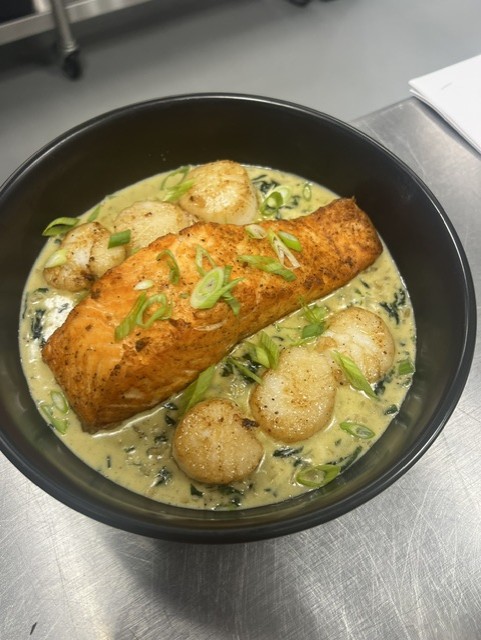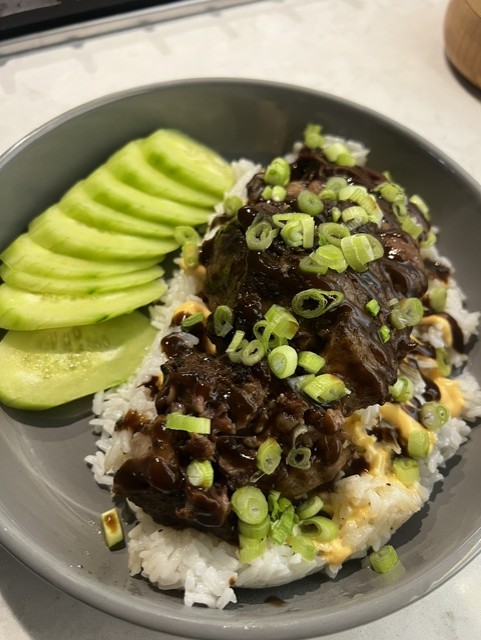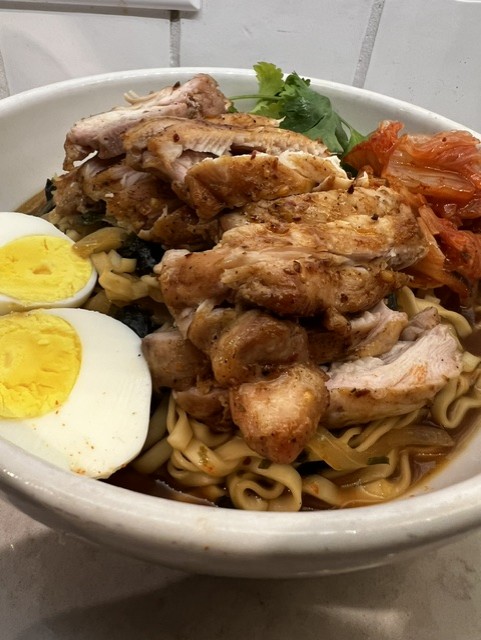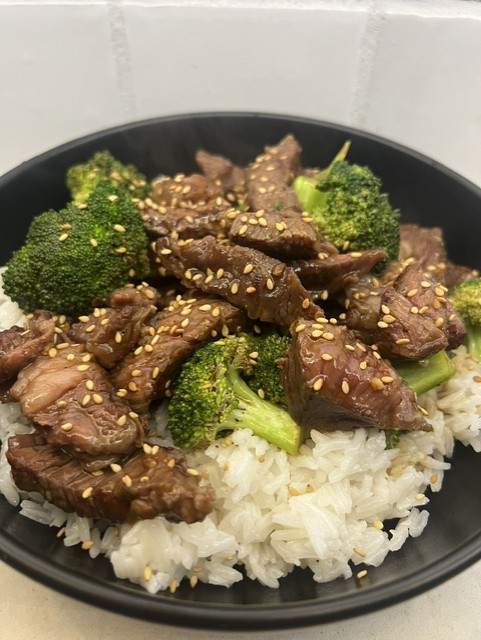






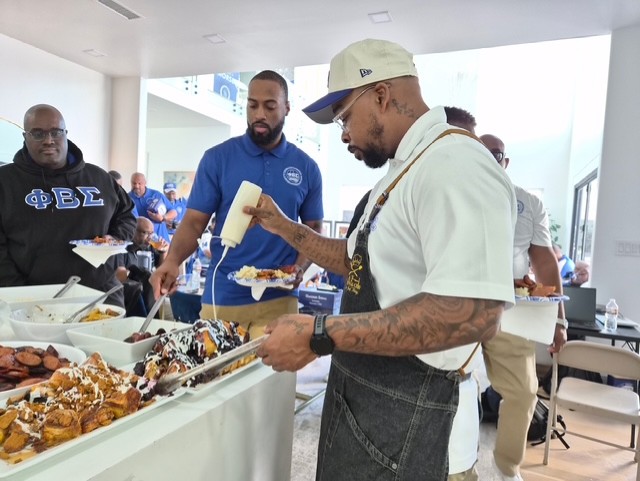
Today we’d like to introduce you to Joel Mays III.
Alright, so thank you so much for sharing your story and insight with our readers. To kick things off, can you tell us a bit about how you got started?
My journey as a chef has never simply been about preparing food. It has been about creating experiences, building relationships, challenging the way people think about food, and showing that great meals can begin right at home.
My career as a private chef began with the incredible opportunity to prepare meals for NFL and NBA athletes. Working with professional athletes taught me early that food has a purpose beyond satisfying hunger. Nutrition, flavor, discipline, creativity, and consistency all had to come together on the same plate. What began as private chef services soon grew into something much larger.
As my business expanded throughout the Dallas-Fort Worth area, I began working with clients from many different backgrounds. I wanted to introduce people to food that was healthier without sacrificing the flavors, comfort, and enjoyment that make us love food in the first place. I became passionate about taking familiar ingredients and presenting them in new ways, creating meals that encouraged people to reconsider what healthy eating could look and taste like.
One phrase became part of my philosophy:
“We have food at home.”
For me, that statement became more than something parents tell their children. It became a challenge.
I began applying the same philosophy to my own life by intentionally avoiding fast food and preparing homemade meals for myself. If I encouraged clients to make better choices, I believed I should challenge myself to do the same. Cooking at home became an opportunity to experiment, create new dishes, develop techniques, reduce unnecessary spending, and remind myself that some of the best meals do not have to come from a restaurant.
At the same time, my private chef business continued to grow. I created a plethora of memorable meals for private clients, special events, celebrations, and catering services. Every event brought a different challenge. Every client had a different vision. That pushed me to become more adaptable and innovative while continuing to strengthen my identity as a culinary professional.
Over the years, the business changed, but the purpose behind it never disappeared.
Today, I see those experiences differently. Private chef work, catering, healthy cuisine, community engagement, education, and my own personal relationship with food have all become pieces of a much larger culinary journey.
This chapter is not about starting over. It is about reintroduction.
I am reintroducing myself to the culinary world with more experience, a stronger sense of purpose, and a greater understanding of what food can accomplish. I am no longer interested only in what happens on the plate. I am interested in what happens because of the plate: the conversation it creates, the person it inspires, the student it teaches, the family it brings together, and the healthier lifestyle it can encourage.
My private chef business taught me how to serve.
My clients taught me how to listen.
My community taught me the importance of access and education.
And my personal challenge taught me that if I truly believe “we have food at home,” then I have a responsibility as a chef and educator to help people understand what they can create with it.
My culinary story is still being written. The difference today is that I understand the mission behind it.
Cook with purpose. Teach what you know. Challenge what people think food can be. And never stop creating.
Would you say it’s been a smooth road, and if not what are some of the biggest challenges you’ve faced along the way?
My culinary journey has been filled with memorable opportunities, but the business side of being a private chef taught me some of my most valuable lessons.
Working with professional athletes, families, private clients, and special events allowed me to build a business around something I genuinely loved. However, being talented in the kitchen did not automatically guarantee stability outside of it.
One of the greatest challenges was client turnover. Some clients relocated from the Dallas-Fort Worth area, while others experienced lifestyle, career, or financial changes that caused them to discontinue private chef services. I learned that even when you provide excellent service and build strong relationships, sometimes losing a client has nothing to do with the quality of your work.
Then came the changing cost of doing business.
As food prices increased, maintaining the same level of quality became more difficult. I had built my reputation around providing fresh ingredients, customized menus, generous portions, and an experience that clients could trust. Increasing costs forced me to examine pricing, purchasing, portioning, menu development, and profitability much differently.
I had to understand something that many chefs eventually discover:
Being busy does not always mean being profitable.
Another difficult lesson involved inconsistent payments. As a small business owner, preparing someone’s meal also meant purchasing ingredients, planning menus, communicating with clients, traveling, preparing food, cleaning, packaging, and managing countless details behind the scenes. When payments were late or inconsistent, I still had expenses that had already been paid.
Those experiences taught me that passion must be supported by sound business practices.
Perhaps one of the hardest realities was watching some clients choose cheaper alternatives.
There will always be someone willing to offer a service for less money. At first, that can make you question yourself. Should I lower my prices? Am I charging too much? Am I losing my market?
Eventually, I realized that cheaper and better are not the same thing.
My service was built on experience, preparation, quality ingredients, professionalism, creativity, customization, consistency, and relationships. A client might find a lower price somewhere else, but that does not mean they will receive the same experience or results.
That realization changed how I viewed competition.
I didn’t need to become the cheapest chef. I needed to become clearer about the value of being my client.
When the Business Changed, So Did I
There were moments when the private chef business slowed down. Clients moved. Food became more expensive. Payments were inconsistent. Competition increased. The industry changed.
But I did not stop being a chef.
Instead, those challenges forced me to ask a bigger question:
What else can I do with everything the culinary industry has taught me?
That question eventually helped lead me toward another important part of my journey: culinary education.
I began realizing that my value was not limited to preparing meals for someone. I could also teach someone how to prepare meals for themselves. I could mentor future culinary professionals. I could share the successes and mistakes of entrepreneurship. I could teach students that culinary arts involve much more than knowing how to cook.
It requires understanding food cost, labor, customer service, purchasing, pricing, sanitation, professionalism, communication, consistency, and personal discipline.
Suddenly, many of the difficulties I experienced as a business owner became lessons I could give to someone else.
Appreciate you sharing that. What else should we know about what you do?
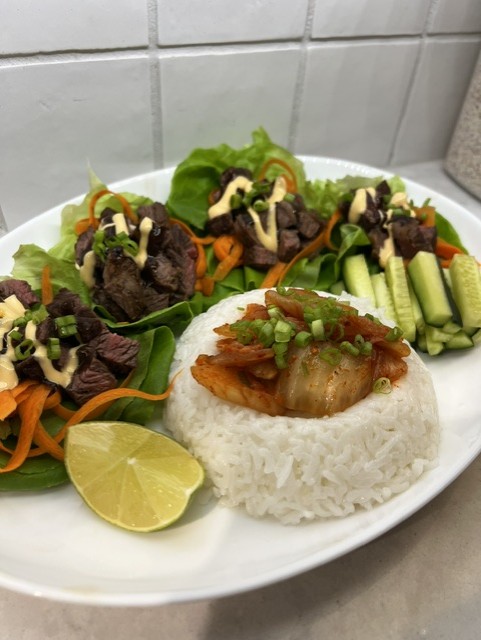
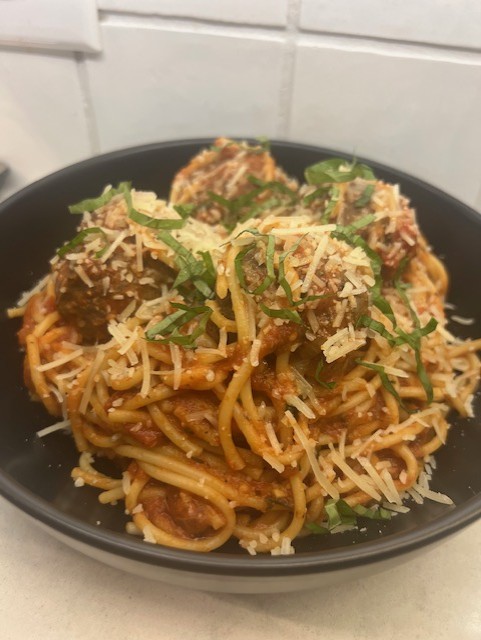
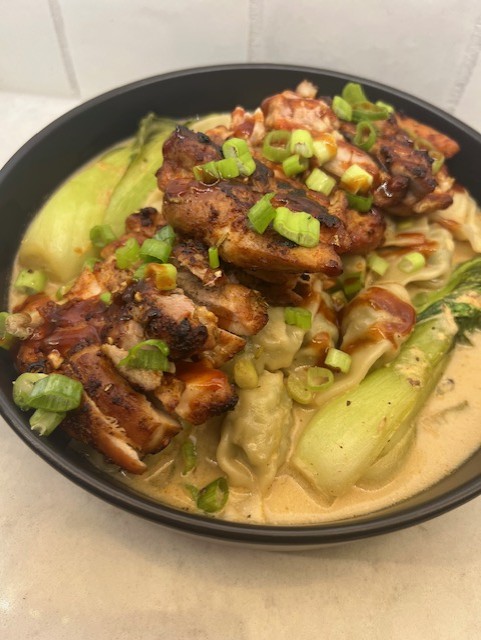
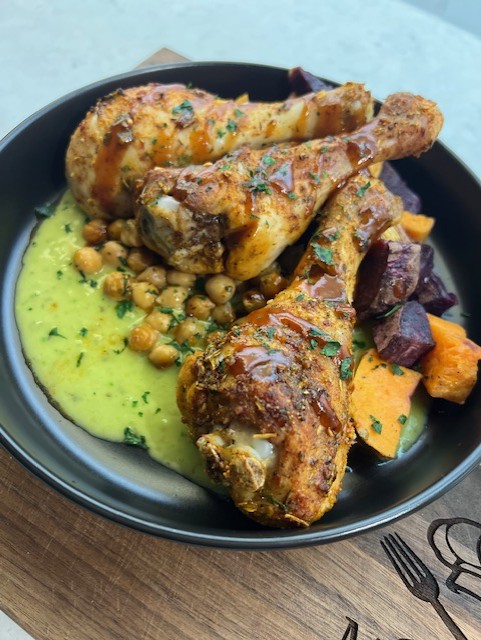
My specialty is taking American classics and elevating them with unexpected twists and deep-rooted flavors. I want my food to be familiar enough to bring back a memory but interesting enough to make you ask, ‘What’s in this?’ But when I look at everything I’ve accomplished, what I’m most proud of is simply that I tried. I started without knowing how far this journey would take me, and through the successes, setbacks, changes, and challenges, I kept going. That perseverance has become as much a part of my culinary identity as the food itself.
What sets me apart is my authentic delivery, my authentic food, and never forgetting who taught me what I know now.
Let’s talk about our city – what do you love? What do you not love?
What I like most about Dallas is the fact that I can disappear in plain sight.
It is a big city, but that size gives me the freedom to explore and find my own spaces. Whether I’m looking for a hidden gem to eat, somewhere new to run, a recreational activity, or simply a quiet place to relax, there always seems to be something I haven’t discovered yet.
Over time, Dallas has grown on me.
Outside of the energy of downtown, I’ve discovered a side of the area that can be surprisingly peaceful. I appreciate being able to step away from everything, explore different neighborhoods, discover new food, and still feel connected to a major city.
As a chef, that exploration is important to me. Finding small restaurants, unexpected flavors, different cultures, and neighborhood spots keeps my curiosity alive. Sometimes culinary inspiration comes from a fine dining experience. Other times, it comes from stumbling across a place I had never heard of and wondering, “How have I never been here before?”
Running and recreation give me that same opportunity to disconnect. There is something valuable about having a city large enough to keep exploring while still being able to find places where you can slow down and think.
That’s my Dallas.
But there is one thing about Dallas that I will probably never understand:
The traffic.
Seriously.
How are we not moving at 1:00 p.m.?
Not 7:30 in the morning.
Not 5:00 in the afternoon.
One. In. The. Afternoon.
Sometimes there’s no accident. No construction that you can see. No obvious explanation. Everybody is just sitting there wondering the same thing:
“What are we doing?”
I’ve learned to appreciate a lot about Dallas, but random traffic jams are one relationship I don’t think I’ll ever make peace with.
Still, Dallas has become part of my journey. It’s where I’ve continued to grow as a chef, educator, entrepreneur, runner, and individual. It’s large enough for me to continue discovering something new while giving me enough room to occasionally disappear in plain sight.
And honestly, I’ve come to appreciate that balance.
Contact Info:
- Instagram: @chefsyatfl @chejpersonalchef