





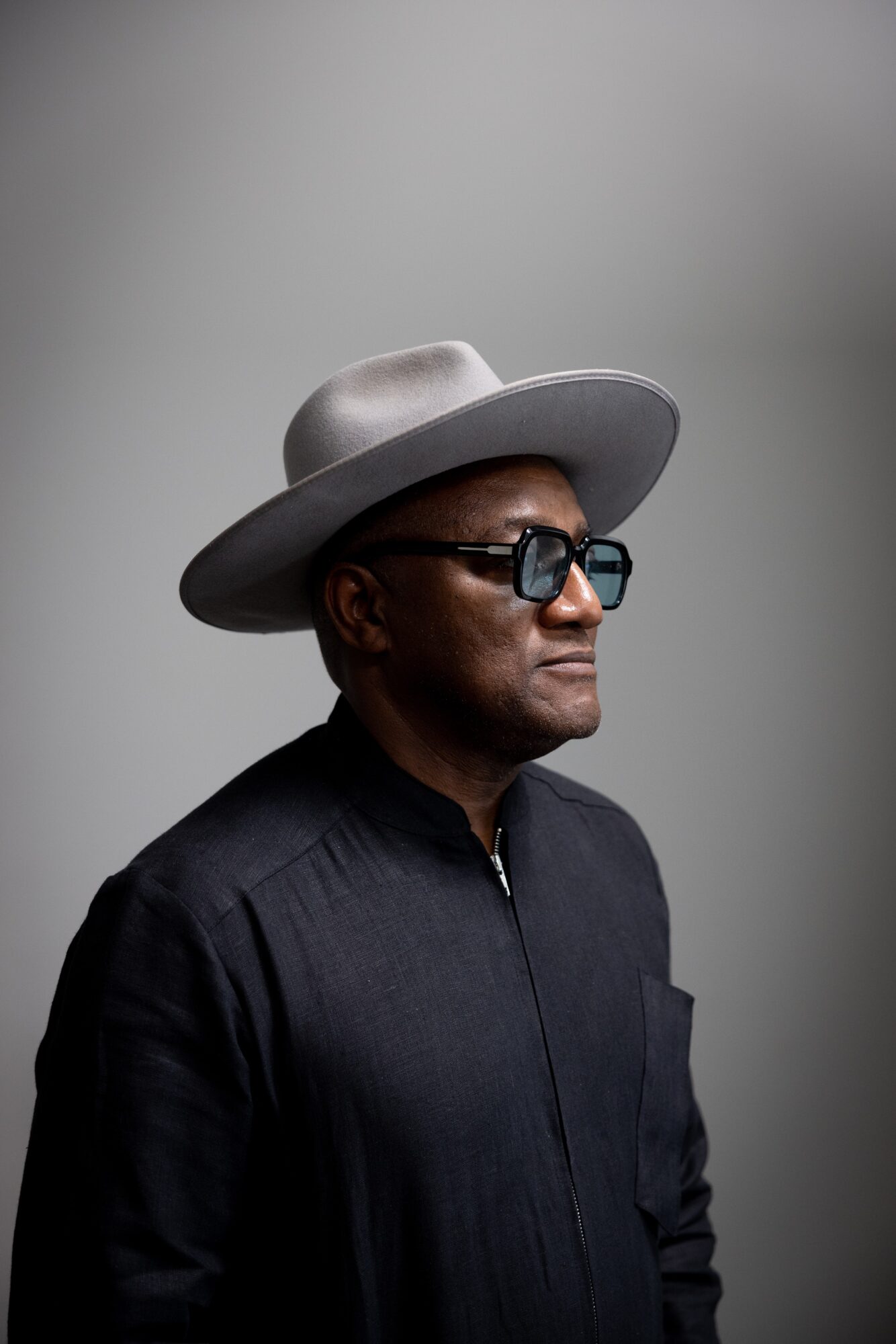
Today we’d like to introduce you to Christopher Blay.
Christopher, we appreciate you taking the time to share your story with us today. Where does your story begin?
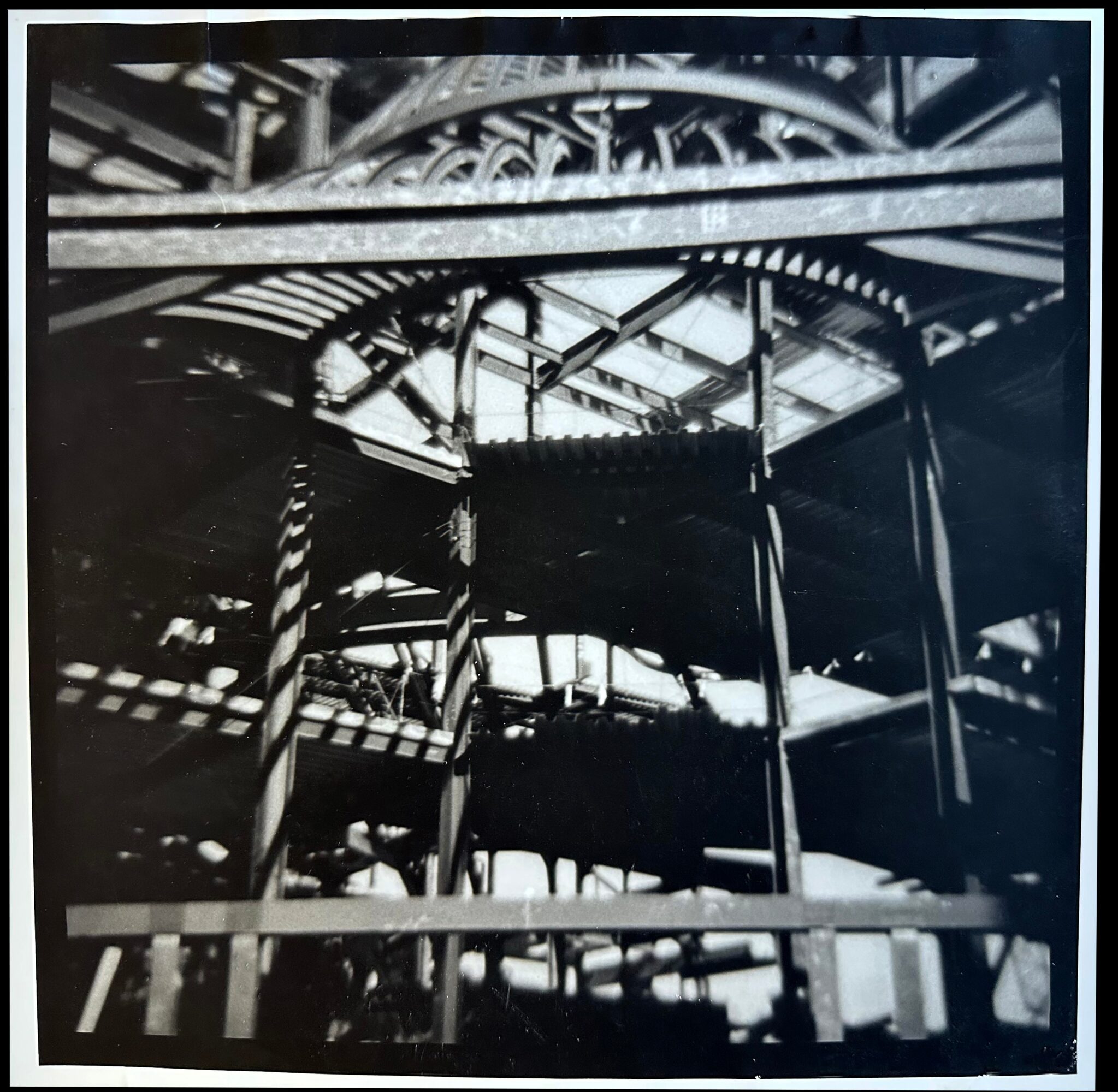
I worked as a delivery driver in the mid-90s for The Color Place, a photo lab in Dallas, and visited a lot of photo studios in the DFW area. It sparked an interest in photography and I enrolled in TCJC (now TCC) and studied photography with Oak Cliff photographer Richard Doherty and Fort Worth photographer Peter Feresten. While at TCC I had my first photography exhibition at The Coffee Haus in Sundance Square and sold my first photograph for $250. It was an image of the steel frame of the under-construction Bass Hall. I later transferred to TCU and graduated with a BFA in Fine Arts, minoring in art history, but not before starting the photography collective Group F8 in 2000. After college I worked as an assistant photo editor at the star-telegram and started my studio practice in earnest. My first reviewed exhibition (Fort Worth Weekly) was a 2005 show States of Things at a warehouse in Fort Worth, and I’ve had at least one exhibition each year since with a few exceptions. In 2019 I started work as the curator for the Art Corridor Galleries at TCC and worked there for 10 years. During that time I also started writing art criticism, first for KERA’s Art & Seek, then the Fort Worth Weekly, before moving to Houston and working full-time as news editor and occasional art critic for Glasstire. That work expanded my writing to include catalog essays for numerous artists and eventually becoming a contributing writer for Art in America. I currently serve as Director of Public Programs at the National Juneteenth Museum.
Would you say it’s been a smooth road, and if not what are some of the biggest challenges you’ve faced along the way?
Not at all. While at TCJC I worked two jobs and took four classes. My car broke down in my final 2 years and I had to take two buses and walk 2 miles twice a day, 2 days a week. I’d start at Clover Lane and Camp Bowie at 5:30am, leave downtown for Northeast Mall (terminal point for the Fort Worth bus), then walk from the mall to TCJC Northeast, and rinse/repeat at 5pm. I also got laid off from the Star-telegram after 3 short years at the start of the Great Recession, and didn’t work for a year and a half. I also had to work. Not an easy road, but a road worth taking.
As you know, we’re big fans of you and your work. For our readers who might not be as familiar what can you tell them about what you do?
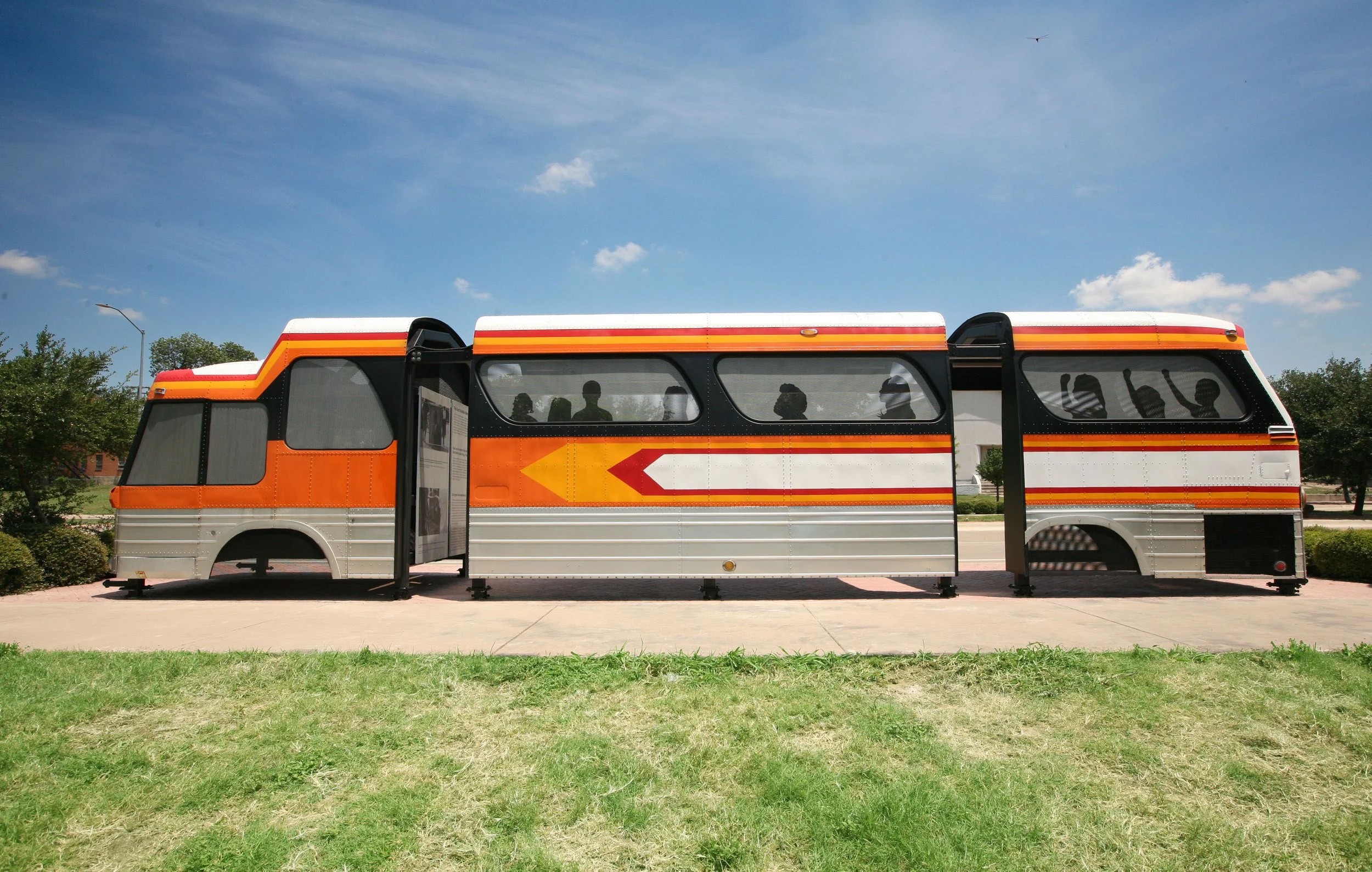
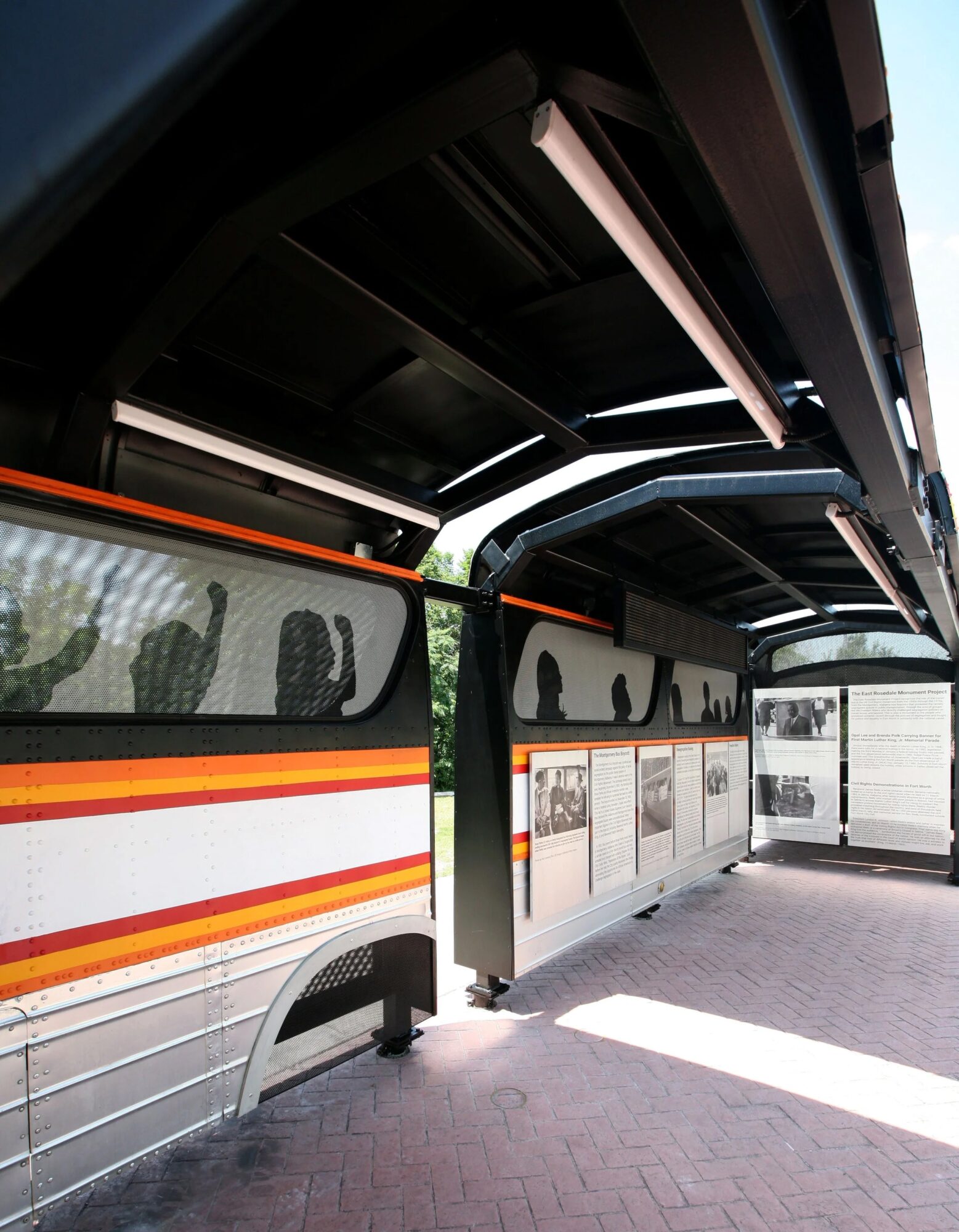
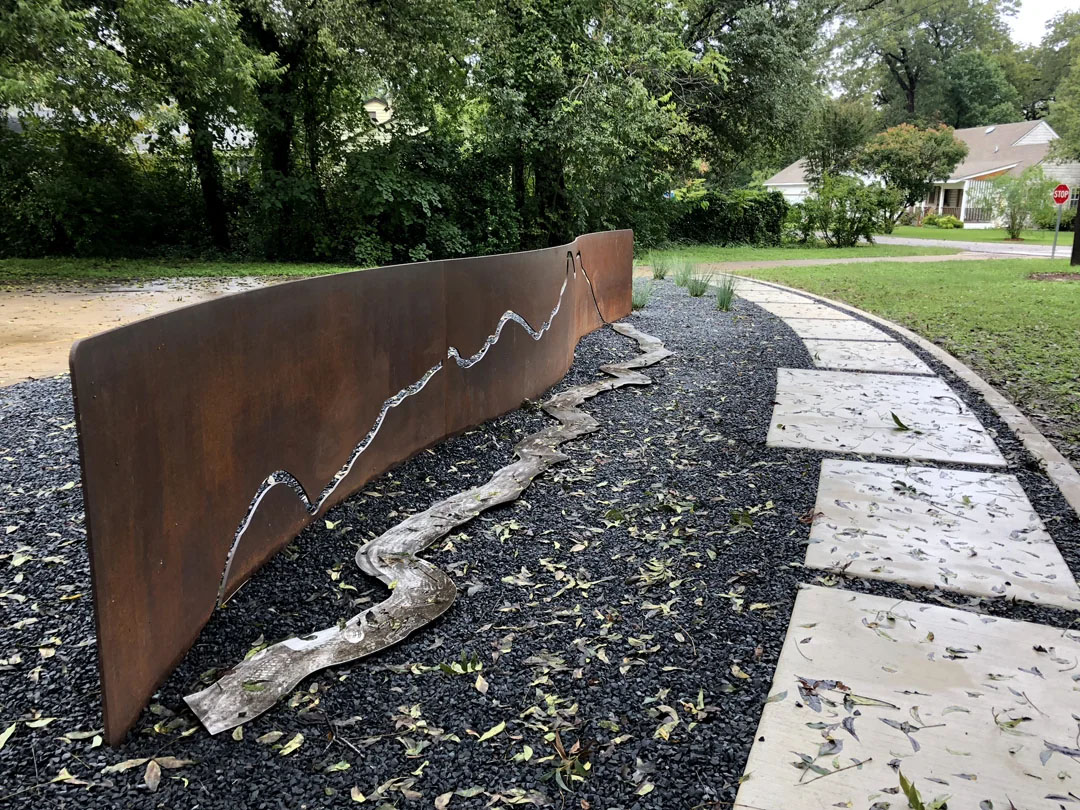
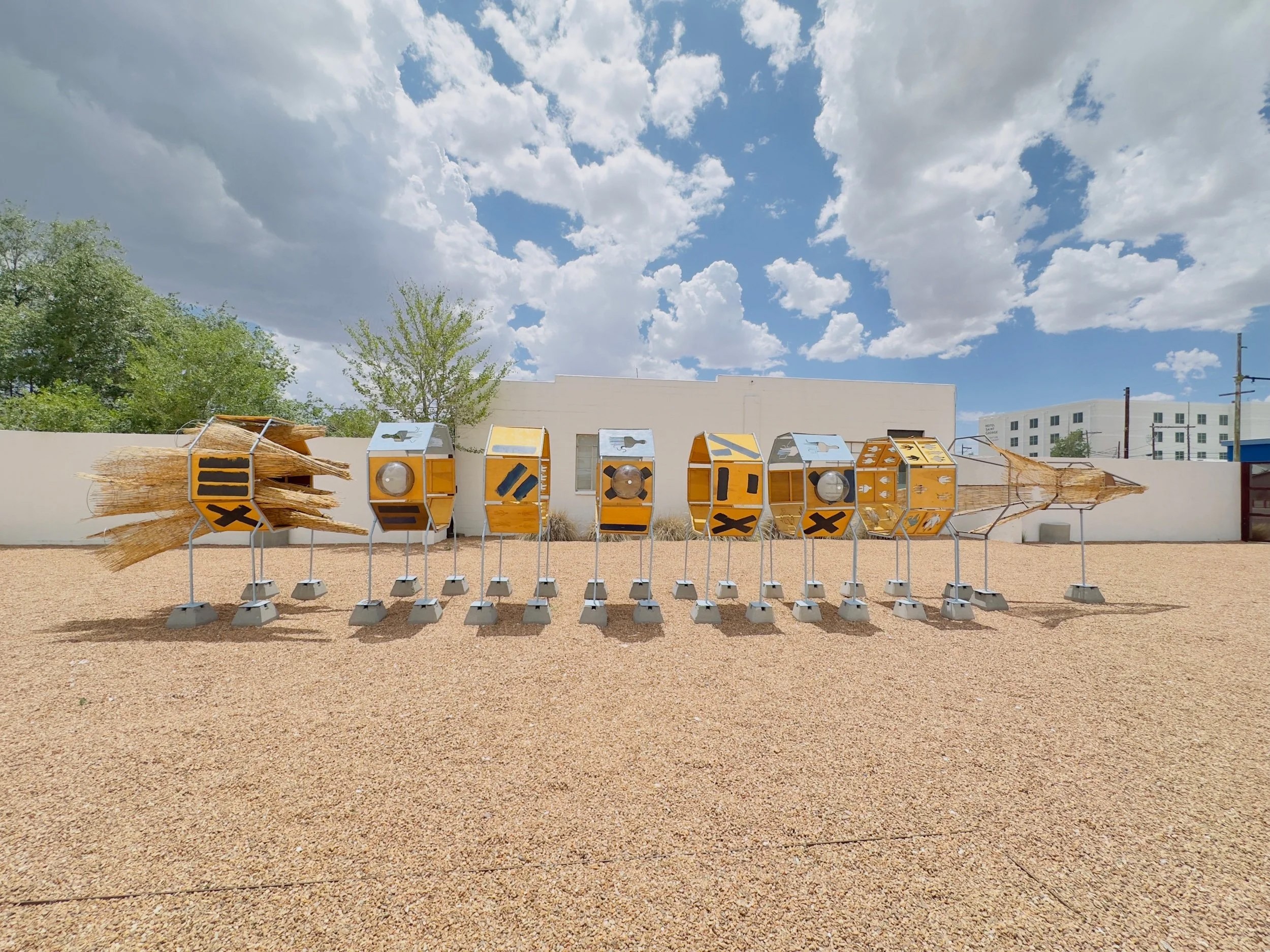
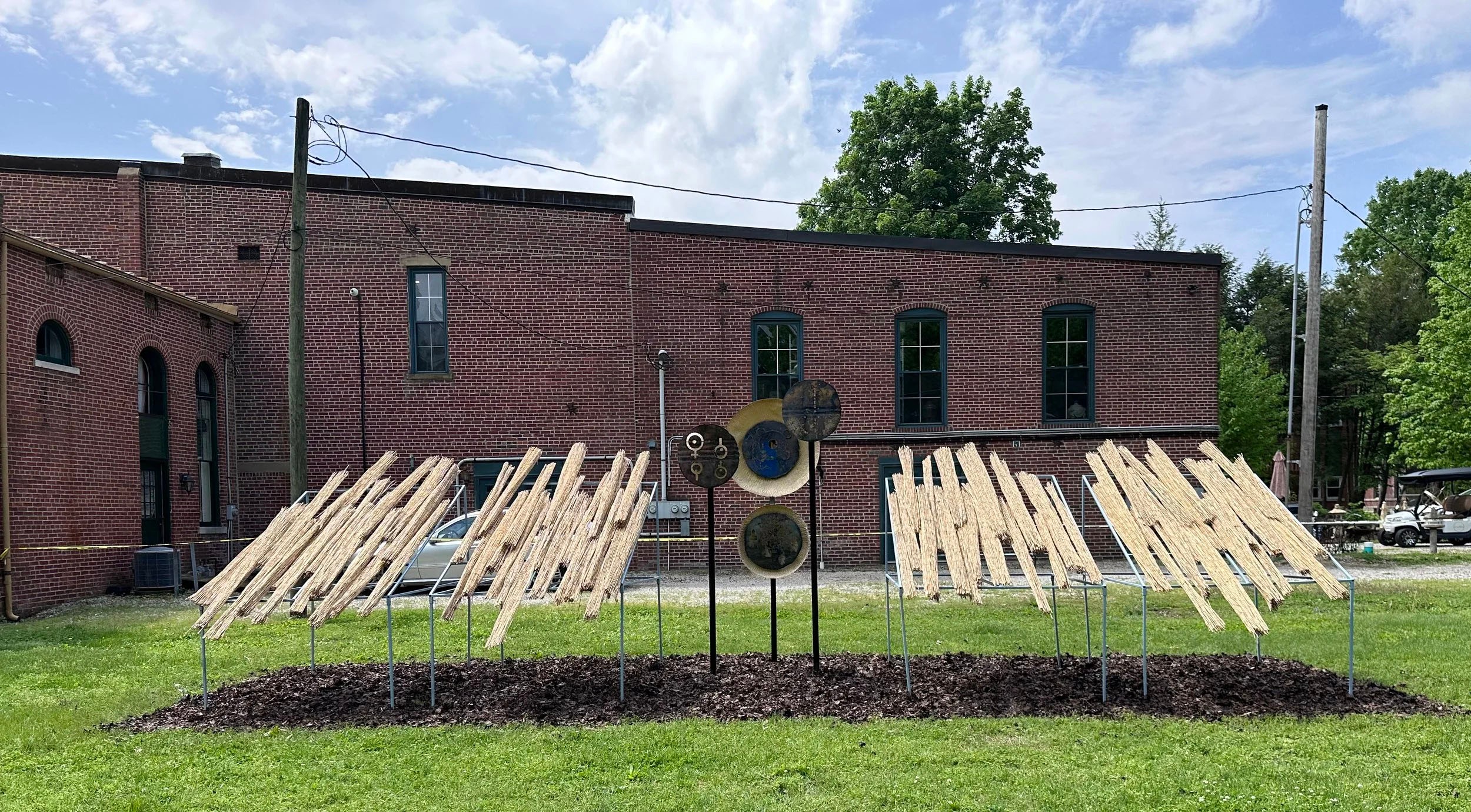
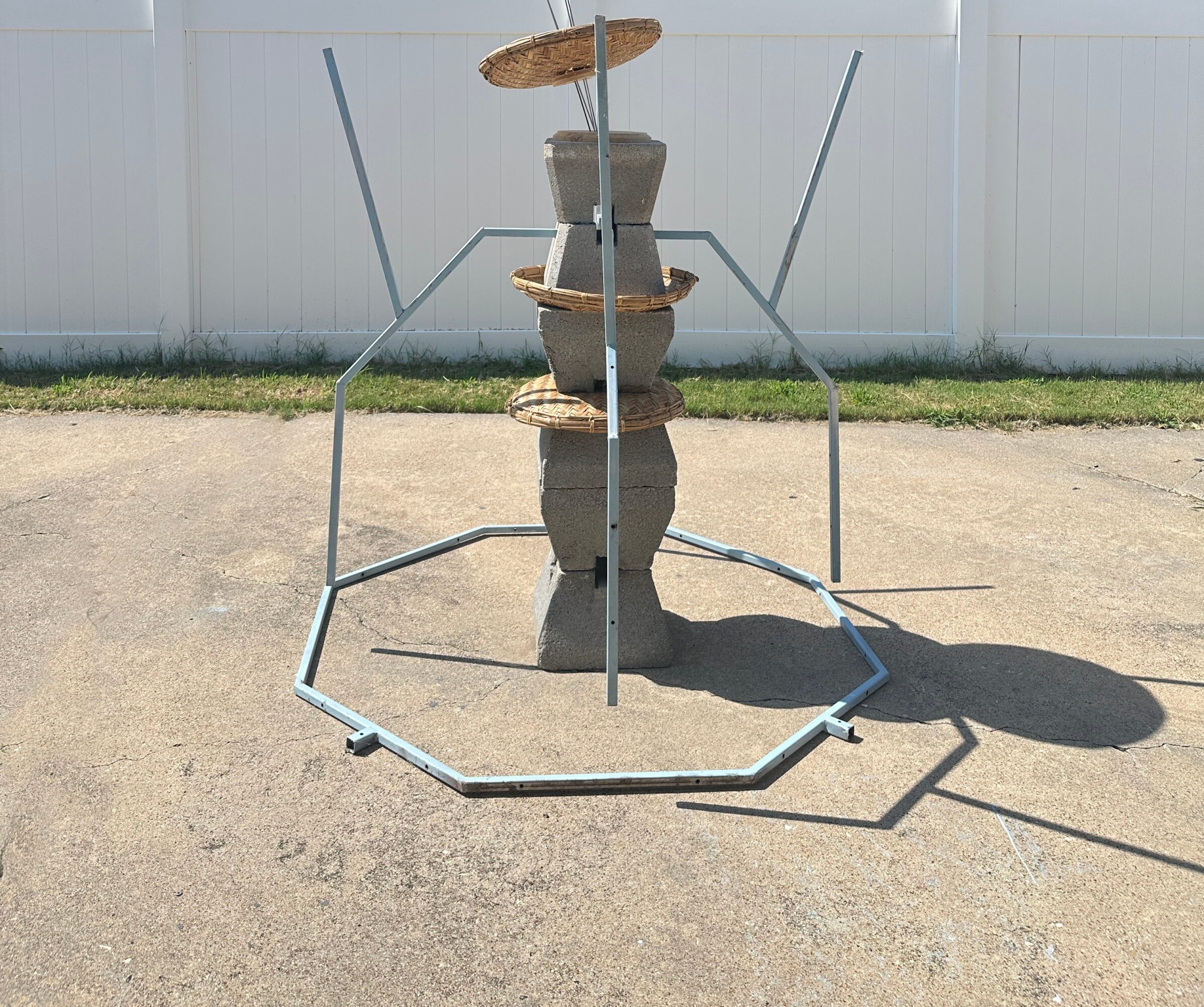
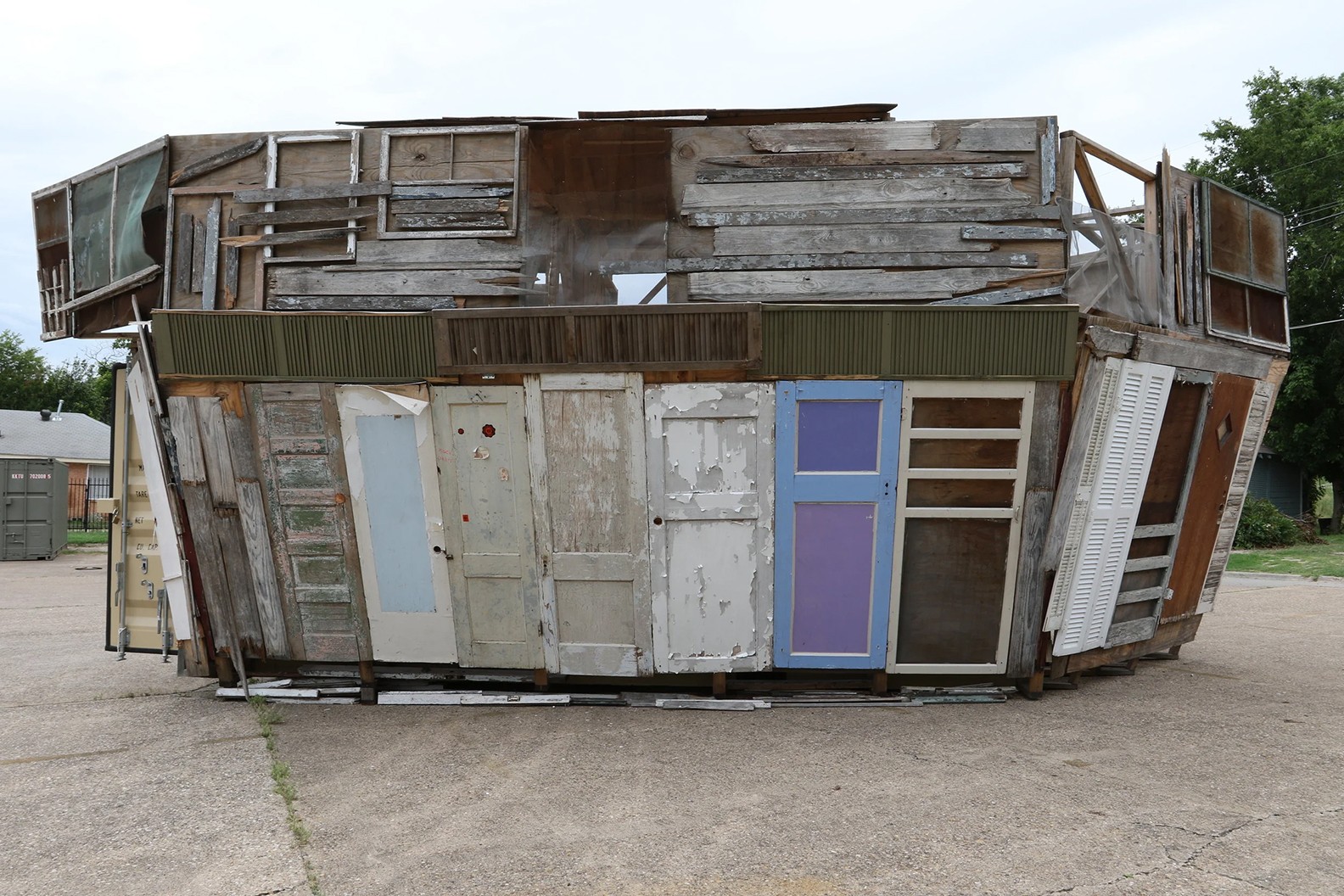
Some major highlights of my practice to date include two permanent public art works in Dallas and Fort Worth, respectively. In Fort Worth, my East Rosedale Monument Project is a civil rights monument to the role of the trust bus in the US Civil Rights Movement. It highlights the Montgomery Bus Boycott, busing for school integration, the Freedom Riders, and civil rights activities in the Historic South Side of Fort Worth. My Dallas project, Dindi (for Annabel) is in Coombs Creek park and the sculpture reflects on the phrase “I’ll be running, searching for you like a river that can’t find the sea.” It was dedicated to my sister Annabel Clarke who passed away in 2014. Another proud moment was curating “The Fire This Time” for the Modern Art Museum, Fort Worth as a guest curator. It came after serving as Chief Curator for the Houston Museum of African American Culture. In the past year and a half I have had a solo exhibition at Ballroom Marfa, and a temporary public art project in New Harmony, Indiana. In the two years prior I’ve written a catalog essay for Richard Prince, had a live conversation with Artist William Kentridge, won a sculpture prize in Grand Rapids, and served as juror for the inaugural Craft Heritage Prize in Dallas. What distinguishes me in my practice is that I’ve resisted the advice to chose one lane and pursued my interests wherever they lead. Being an artist, by definition, is having a non-conformist spirit. Thanks to filling my instincts and my interests I’ve been fortunate to rise to the roles of chief curator and director, published writings for important artists and magazines, as well as exhibitions with galleries and museums noted by my peers.
So, before we go, how can our readers or others connect or collaborate with you? How can they support you?
In my professional practice I’ve shared my work in exhibitions, conversations, speaking engagements, and served as juror for numerous art prizes and exhibitions for museums, universities, and organizations. Those are collaborations that I am proud to have been a part of and hope to continue. It is also the most supportive anyone interested in my work can be.
Contact Info:
- Website: https://www.christopherblay.com
- Instagram: https://www.instagram.com/artist_c_blay/
- Other: https://linktr.ee/CuratorBlay