





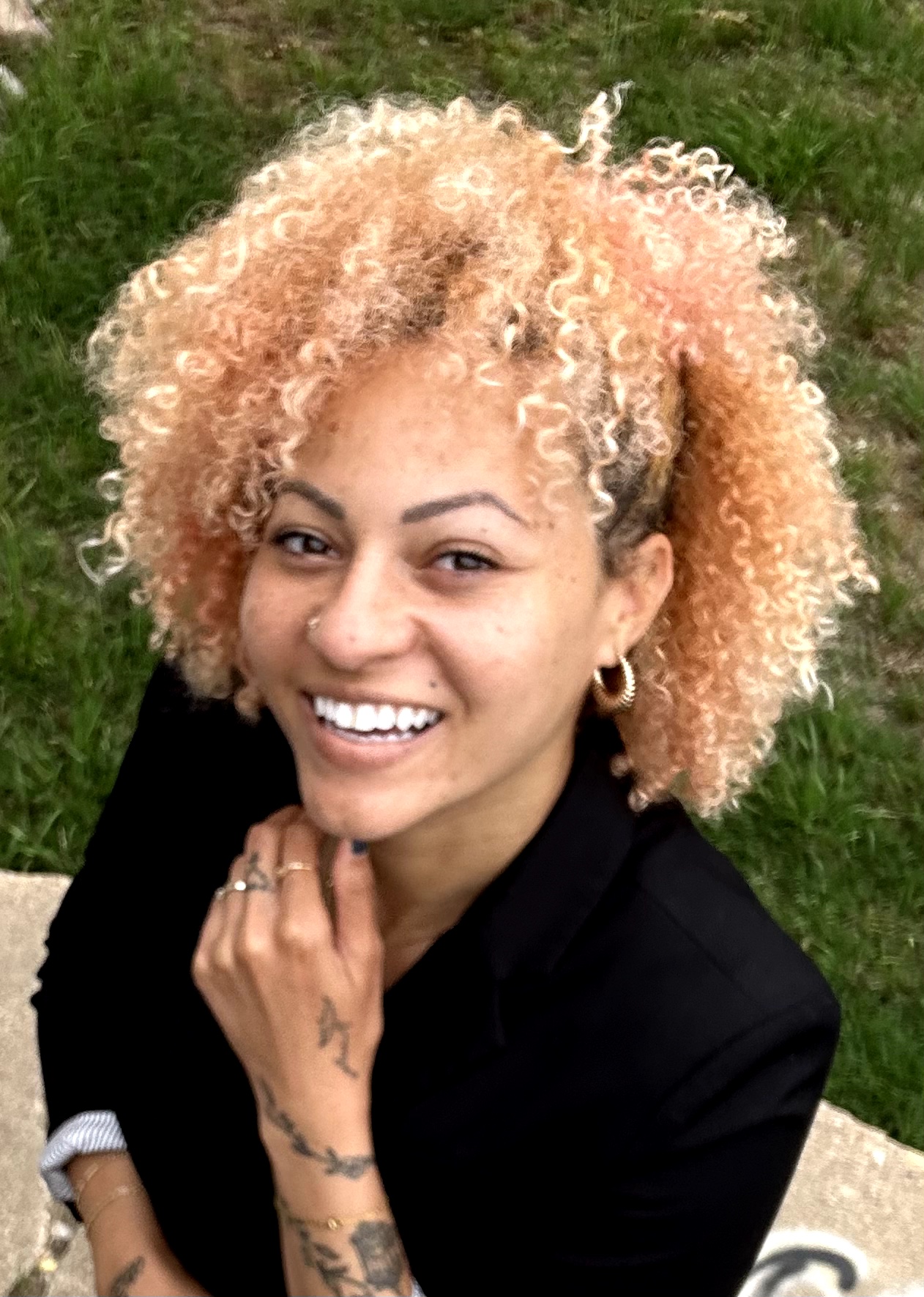
Today we’d like to introduce you to Simone Wilson.
Hi Simone, thanks for joining us today. We’d love for you to start by introducing yourself.
My journey began with a degree in Criminal Justice from Huston-Tillotson University in 2015 and a desire to make a difference in the juvenile justice system. I started my career working directly with youth in a secure juvenile facility, where I gained firsthand experience with the challenges young people and their families face when navigating the justice system. That experience sparked my interest in finding ways to improve outcomes for youth beyond simply managing their involvement in the system.
I eventually transitioned into roles that allowed me to contribute to change on a broader level. Through AmeriCorps VISTA, I worked with the Texas Juvenile Justice Department on youth engagement, evidence-based interventions, and reentry initiatives. I also worked in civic education, developing opportunities for young people to build self-advocacy, leadership, and social-emotional skills. Later, at Texas Health and Human Services, I focused on connecting families and organizations to resources and strengthening collaboration among service providers.
Since 2021, I’ve worked at Evident Change, supporting criminal justice and social service agencies nationwide through training, research, data analysis, and continuous quality improvement. These experiences have given me a deeper understanding of how systems operate, where they fall short, and what it takes to implement meaningful and sustainable change.
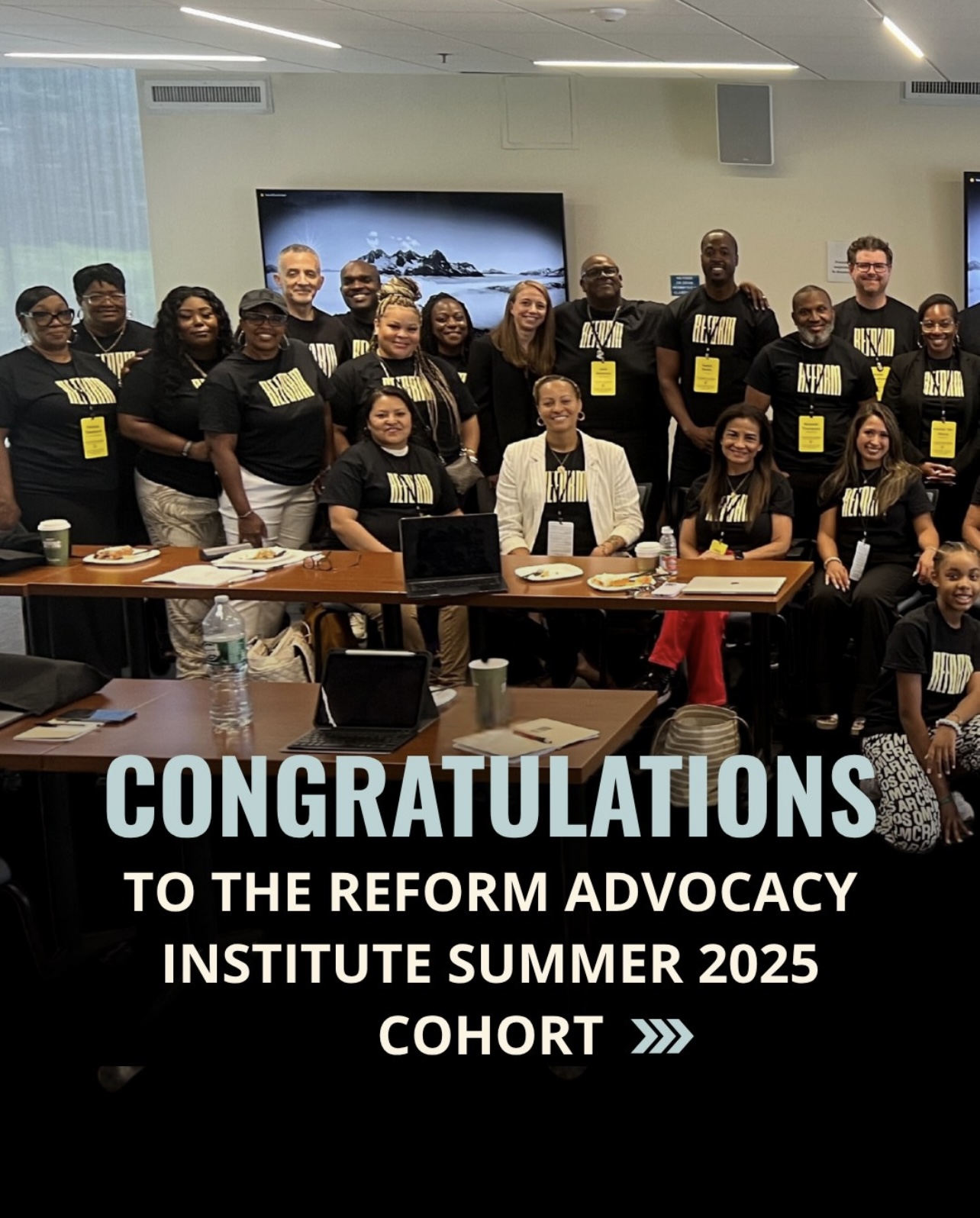
Over time, I’ve become increasingly interested in rethinking how we approach justice, accountability, and healing. Through my participation in the Reform Alliance Reform Advocacy Institute and my current enrollment in NYU’s Restorative Justice Certification Program, I’ve been building the knowledge and skills to take that work further.
Today, my vision is to help expand restorative practices throughout Dallas and beyond, creating opportunities for meaningful accountability, repairing harm, strengthening relationships, and building healthier communities. I see this as a natural progression of the work I’ve been doing throughout my career: moving beyond improving existing systems toward helping transform how we respond to harm and support people and communities in moving forward.
We all face challenges, but looking back would you describe it as a relatively smooth road?
It definitely hasn’t been a smooth road. One of my biggest struggles has been feeling like I have more to contribute than what a particular role or organization allows me to do. I’ve often reached a point where I want to take on more, influence change on a larger scale, or explore ideas beyond the scope of my position, only to feel limited by the role I’ve been hired to fill. In those moments, it’s easy to feel frustrated or unappreciated.
I’ve also learned that those moments often become blessings in disguise. When I feel like I’ve reached a ceiling, another door eventually opens that allows me to grow and get closer to the work I feel called to do. My faith has played a huge role in that journey. I believe God always makes a way, even when the timing isn’t what I would have chosen. One of my biggest challenges has been learning to be patient in those in-between seasons, when I know where I want to go but haven’t quite figured out how to get there yet.
Looking back, I can see how each experience, even the frustrating ones, has prepared me for the next. I’ve learned that sometimes a closed door isn’t a rejection; it’s an opportunity to grow and make room for something bigger.
Appreciate you sharing that. What else should we know about what you do?
My work primarily focuses on supporting best practices and evidence-based approaches within the criminal justice and social service systems. In my current role, I provide training, conduct research and data analysis, and develop resources that help probation and community supervision officers, as well as professionals working in custody settings, strengthen their engagement, assessment, and case-planning practices. I’m particularly passionate about helping organizations translate research and evidence into practical strategies that improve outcomes for the people and communities they serve.
Beyond my current role, I’m working toward expanding my involvement in restorative justice and community-based approaches to addressing harm. I’m currently completing NYU’s Restorative Justice Certification Program, and I’m excited about the opportunity to support programs that create alternatives to traditional court and justice system involvement. I believe we need more opportunities for people who have caused harm to take meaningful accountability, while giving those who have been harmed a voice in determining what repair, healing, and moving forward can look like.
What I’m most proud of is the opportunity to bring together my experience working directly with youth, supporting families and communities, and helping organizations improve their practices. I think what sets me apart is my ability to see both the human side of this work and the systems-level changes needed to make a lasting difference. I’m passionate about bridging those two perspectives to help create approaches to justice that are more responsive, restorative, and community-centered.
What would you say have been one of the most important lessons you’ve learned?
One of the biggest lessons I’ve learned is that meaningful change within the justice system takes collective effort. There is so much to learn from people at every level, including those who have been advocating for change for decades, those working within the system, and especially those directly impacted by it. Collaboration, remaining open to different perspectives, and being willing to ask questions and learn from others are essential. You have to recognize that you don’t know everything, and sometimes you don’t even know what you don’t know. Real change happens when we’re willing to learn from one another and work together toward a common goal.
Contact Info: