






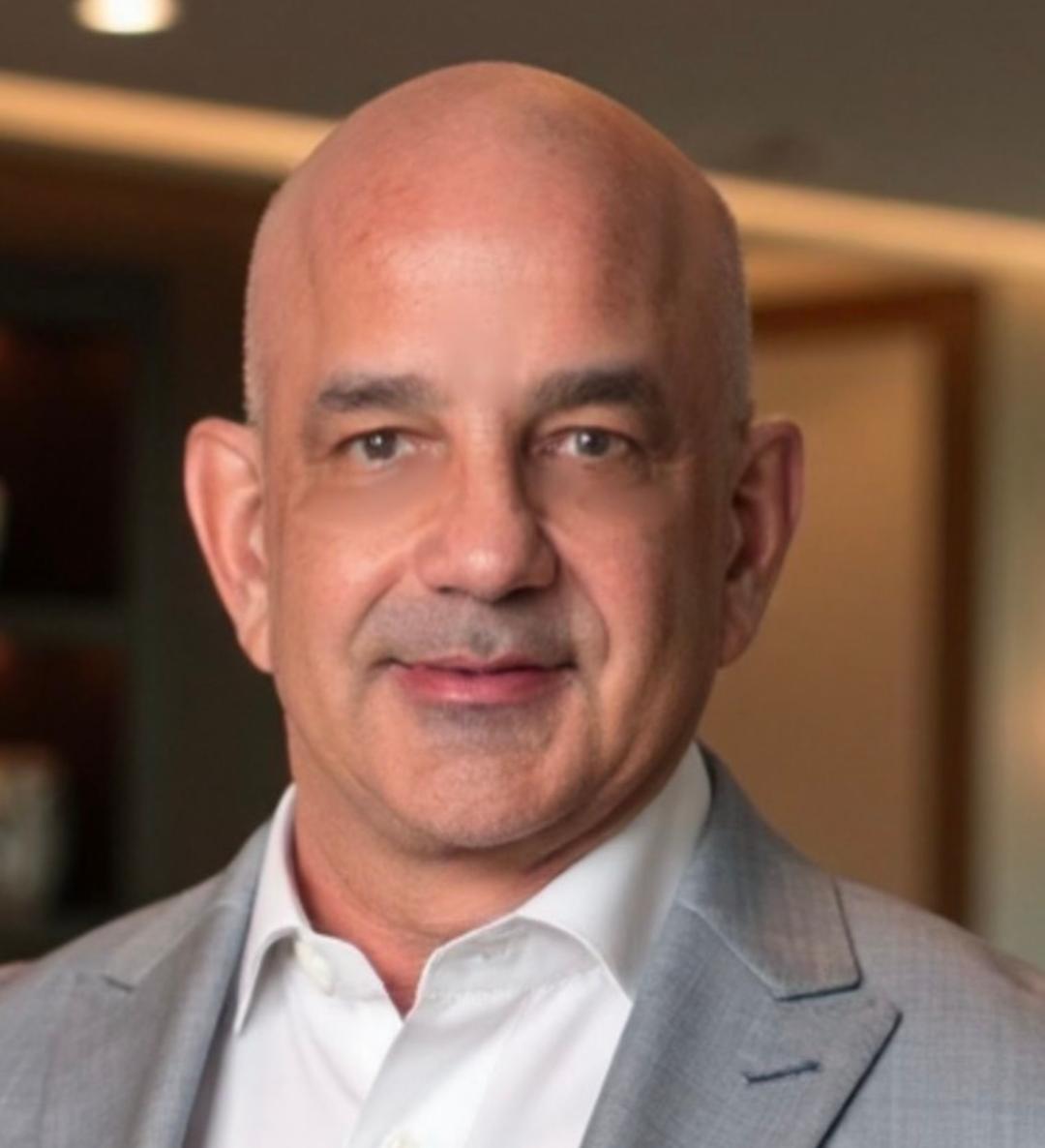
Today we’d like to introduce you to Noor Gajraj.
Hi Noor, so excited to have you on the platform. So before we get into questions about your work-life, maybe you can bring our readers up to speed on your story and how you got to where you are today?
In the autumn of 1983, the damp London air carried the weight of centuries of medical tradition as a young Noor Gajraj walked out of the historic gates of King’s College London, newly minted medical degree in hand. Growing up in an English town, he had been raised in a household that respected both discipline and compassion—his father had walked the legal halls of Middle Temple, and his mother had cared for patients at Hammersmith Hospital before running her own residential care home in Surrey. When it came time to choose a specialty, a nudge from his older brother, a surgeon, pointed him toward the head of the operating table.
Anesthesiology was not for the faint of heart. It required a calm demeanor under extreme pressure, an intimate mastery of human physiology, and the ability to hold a patient’s life in the balance while the rest of the operating theatre worked. For nearly a decade in the United Kingdom, Dr. Gajraj honed that craft, listening to the steady rhythm of monitors and learning how fragile—and how resilient—the human body truly is.
By 1992, the horizon called for a bold new chapter. Crossing the Atlantic to the United States, he traded the gray skies of Britain for the wide, sun-drenched expanses of Texas. He stepped into the rigorous world of academic medicine at U.T. Southwestern Medical Center in Dallas, serving as an Associate Professor for ten years. There, he didn’t just practice; he taught, researched, and published over a hundred scientific papers, lecturing across the globe.
Yet, after a decade in academia, Dr. Gajraj wanted a closer, more enduring connection with the people he treated. Transitioning into private practice in Plano for the next thirty years, his focus expanded naturally from the acute silence of the operating room to the complex, unspoken struggles of daily life. He became triple board-certified, mastering Pain Management and Addiction Medicine.
Standing at the intersection of physical suffering and chemical dependency, he saw firsthand how chronic pain could unravel a life, and how easily the remedies meant to heal could become traps of their own. He didn’t just treat symptoms; he guided patients back to autonomy, helping them reclaim their lives from both pain and addiction.
As the decades of clinical experience accumulated—forty years of watching how human beings age, break down, and recover—a fundamental question began to reshape his mission: Why wait for the body to fail before intervening?
He realized that traditional medicine was brilliant at managing crises, but often arrived too late to preserve vitality. Life was not a sprint to be survived through sheer luck; it was The Longevity Marathon, requiring deliberate strategy, metabolic discipline, and daily investment.
Pivoting toward the frontier of geroscience and anti-aging medicine, Dr. Gajraj began translating complex cellular biology into actionable human habits. He wrote books, launched a podcast, and built frameworks to show patients that aging wasn’t a passive slide into frailty, but a process that could be measured, managed, and slowed. And he lived every word of his own prescription—whether training for bodyweight pull-ups, taking brisk post-meal walks under the Texas sun, or stepping onto the dance floor with his wife, Sharol.
From the historic lecture halls of 1980s London to the cutting edge of longevity medicine in North Texas, Dr. Noor Gajraj’s career has been defined by a single, evolving pursuit: first learning how to keep patients alive in their darkest crises, then guiding them out of pain, and now showing them how to master the art of aging itself. Because in the end, the true measure of medicine isn’t just adding years to a lifespan—it is ensuring that every one of those years is lived with strength, clarity, and joy.
Would you say it’s been a smooth road, and if not what are some of the biggest challenges you’ve faced along the way?
I have experienced profound personal loss, including the passing of my stepdaughter, alongside navigating family members’ mental health challenges—including my father’s bipolar disorder. Balancing these hardships with the demanding realities of being a physician has presented immense professional and emotional hurdles. Yet, I have learned to view setbacks and resistance not merely as disruptions, but as the raw material for resilience and personal mastery. By embracing a “longevity marathon” mindset, utilizing cognitive reappraisal, and breaking down large crises into manageable pieces, I have turned adversity into a vehicle for enduring strength and growth.
Can you tell us more about what you were like growing up?
I grew up in the unique environment of a retirement home—an experience that surrounded me with the realities of aging and life from a very young age. With a naturally calm and adaptable temperament, I navigated the structured and demanding atmosphere of Malmesbury House, finding quiet refuge in a childhood spent around books
Contact Info:
- Website: https://www.northtexasantiaging.com/
- Facebook: https://www.facebook.com/NorthTexasMedicalAntiAgingCenter/
- LinkedIn: https://a.co/d/0GA4aV4
- Youtube: http://www.youtube.com/@NorthTexasAntiAging