




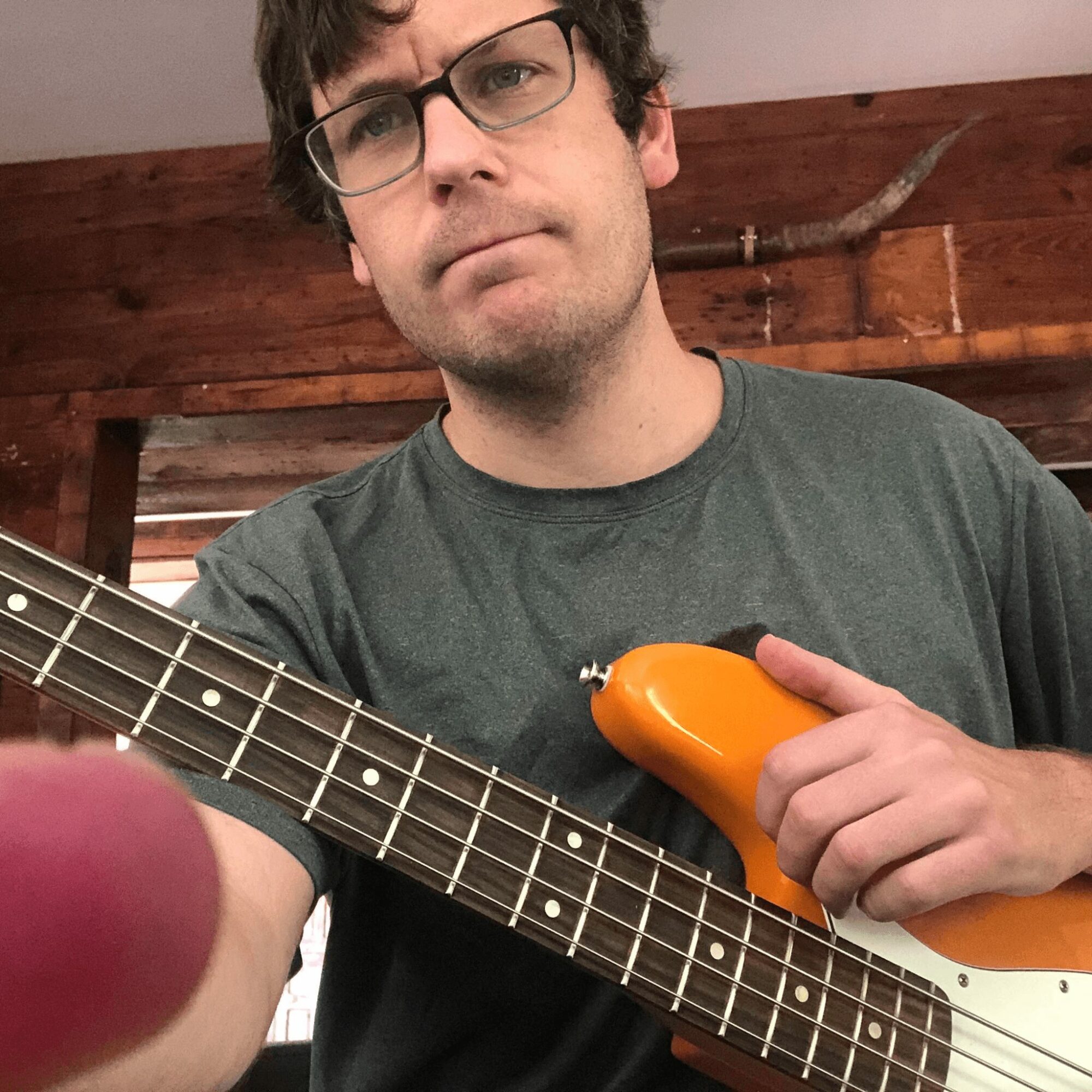
Today we’d like to introduce you to Cody Cantrell
Hi Cody, thanks for joining us today. We’d love for you to start by introducing yourself.
I started playing music when I was 14 years old. From the beginning, I felt that guitars had some mystical power just waiting to be unlocked. I remember the first time I struck an E major chord on the guitar—it was so profound that I put the guitar right back on the stand and just stared at it, unable to believe the power this instrument possessed. It was like a magic wand in the hands of a wizard. After that moment, I played obsessively for years. As a teenager, I locked myself in my room for hours, only leaving to collect snacks and treats, much like a squirrel gathering nuts for winter. My time with the guitar was much like a long winter; I did very little besides play. It kept me safe. I hibernated.
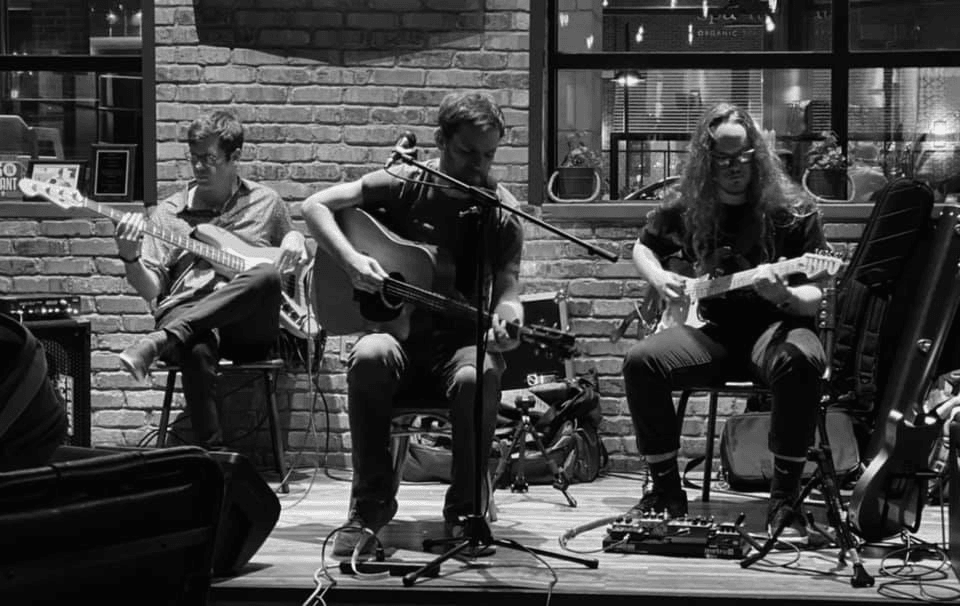
Fast forward twenty years, and I’m still a working musician, now also a talent buyer, creating music programs for various restaurant concepts, hotels, cigar lounges, and other venues around town.
Alright, so let’s dig a little deeper into the story – has it been an easy path overall and if not, what were the challenges you’ve had to overcome?
No, it has not been a smooth road as a musician. In my twenties, after returning from a church camp, I noticed that I was having trouble forming even basic chords on the guitar. My hand wouldn’t respond correctly. At the time, I was taking both piano and flamenco guitar lessons, and I mentioned to my teachers that something seemed off. My very strict and very Russian piano teacher simply told me that I needed more practice.
I tried everything, but nothing seemed to help. I started seeing doctors about my condition and was misdiagnosed twice. On my third appointment with a neurologist—a moment I’ll never forget—he told me that I would need to find a new hobby. I was diagnosed with hand-specific focal dystonia, a dream killer. He didn’t understand that this wasn’t just a hobby. No one knew at the time that this was my life’s work. I decided to solve it myself. I tried everything: meditation, prayer, yoga, Botox injections in my hands. Then came the painkillers. It was a bitter chapter in my life. Many days, I didn’t even want to get out of bed. I decided to quit music altogether and didn’t pick up an instrument for a year.
Can you tell our readers more about what you do and what you think sets you apart from others?
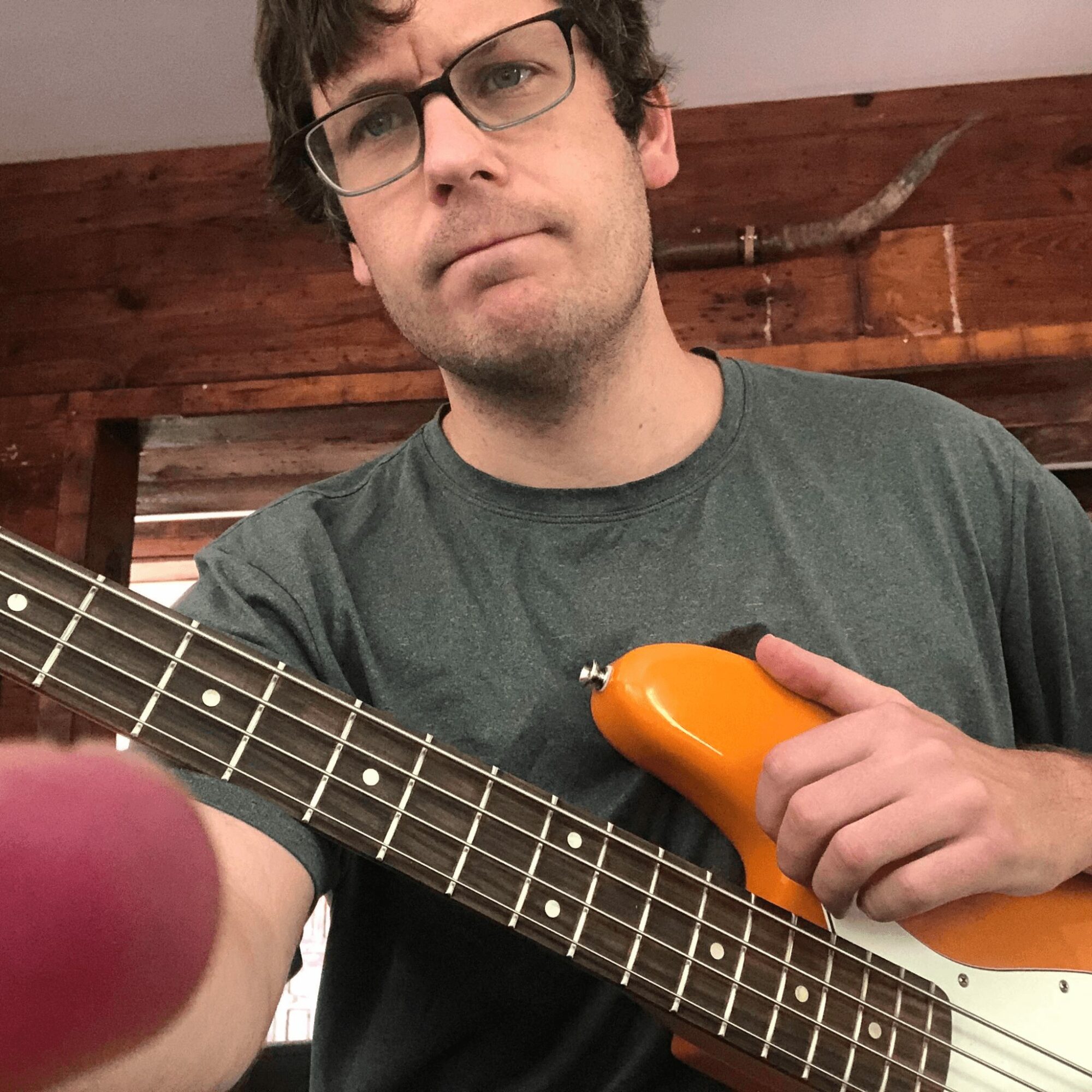
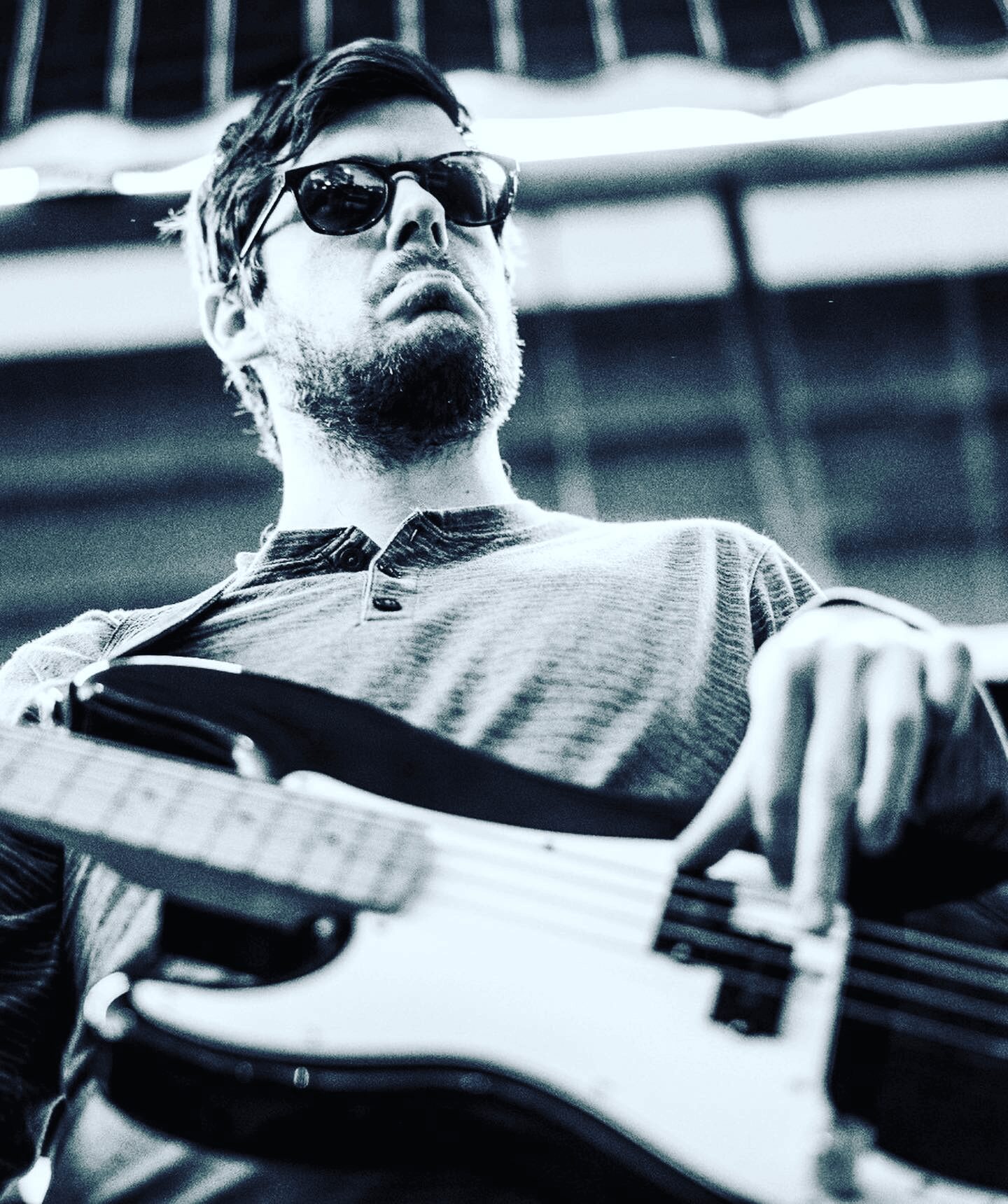
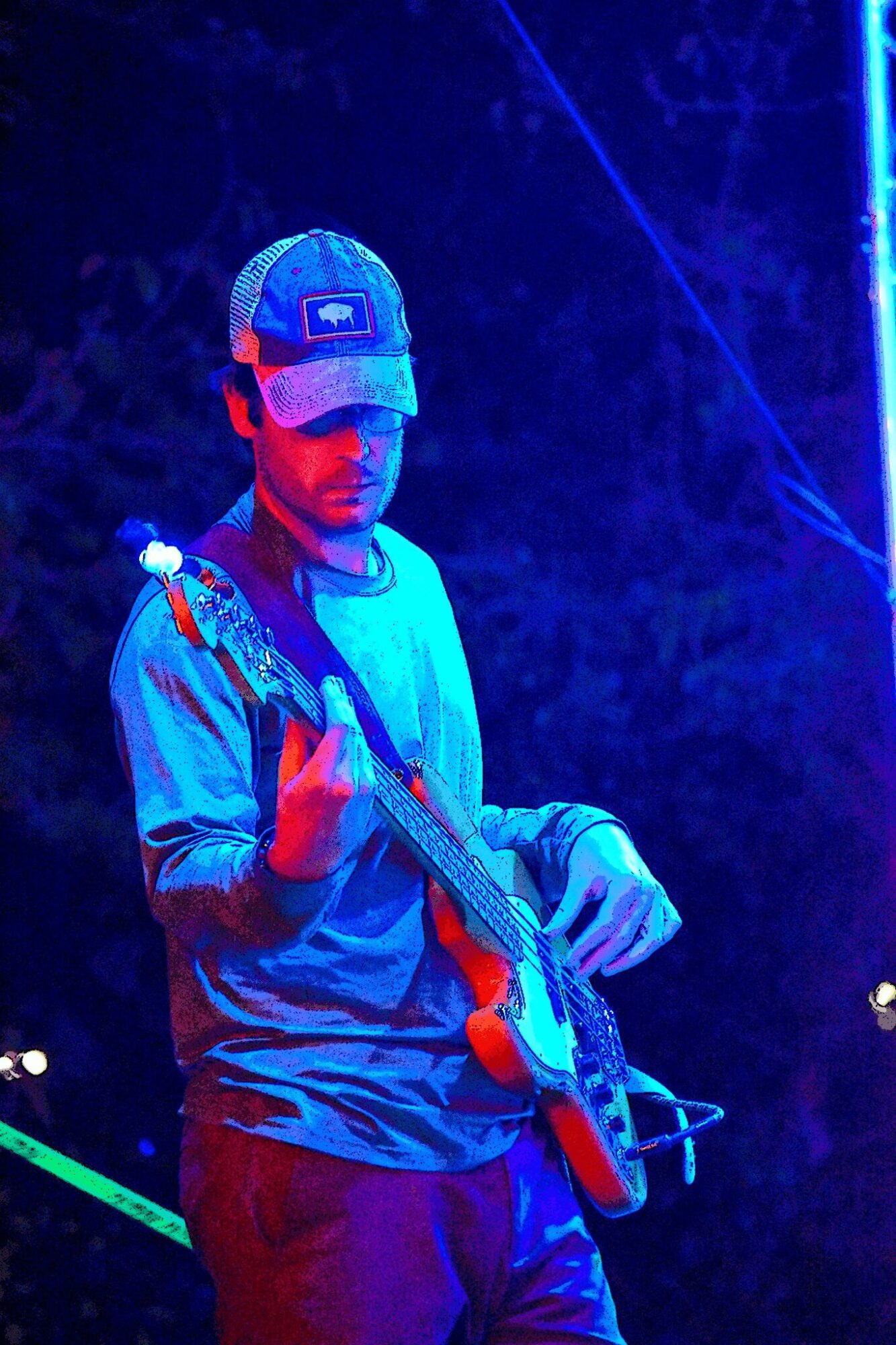
Well after my diagnosis with focal dystonia, I learned how to play left handed bass and my focus has always been on serving the song rather than being flashy. I started as a guitarist, so in my early years as a bass player—and even sometimes now—I catch myself overplaying, trying to pull off things beyond my reach, which often left the song too busy and I muddled the harmony. Over time, I’ve learned the importance of restraint and playing to the song’s needs.
If you had to, what characteristic of yours would you give the most credit to?
As a musician, I’m most proud of my tenacity. I didn’t give up after my focal dystonia diagnosis. Being a rebel at heart, I decided to play left-handed—really more out of desperation than determination. As a talent buyer running live music programs for various companies, my most important quality is the ability to listen to my clients’ pain points, especially when it comes to their previous experiences with live music programs. Understanding their challenges allows me to tailor the program to their needs and ensure a successful partnership.
As an artist, my most vital quality is passion. I love what I get to do on stage.
Contact Info:
- Website: https://travelinjed.com/
- Instagram: travelinjed
- Facebook: https://www.facebook.com/travelinjed