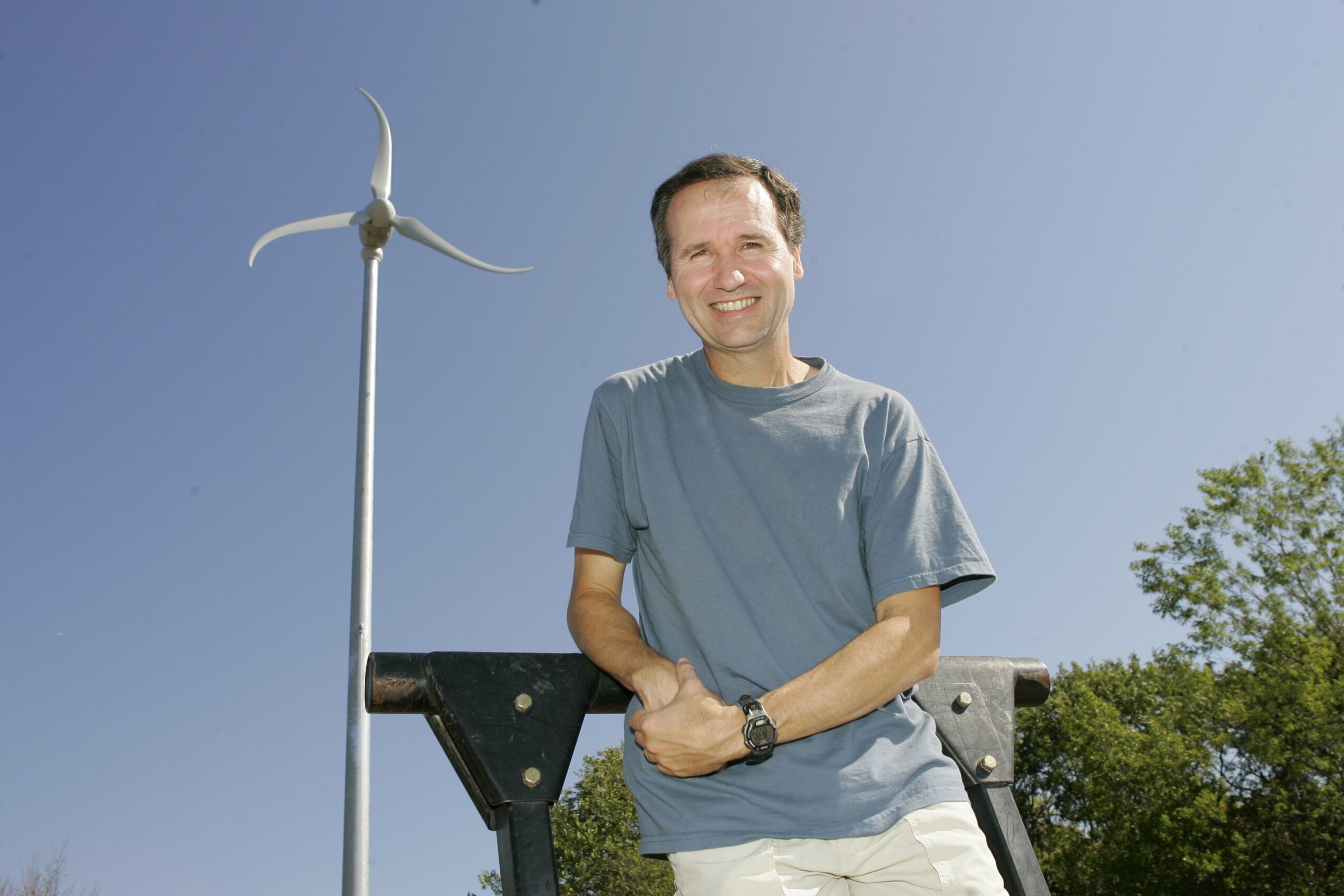






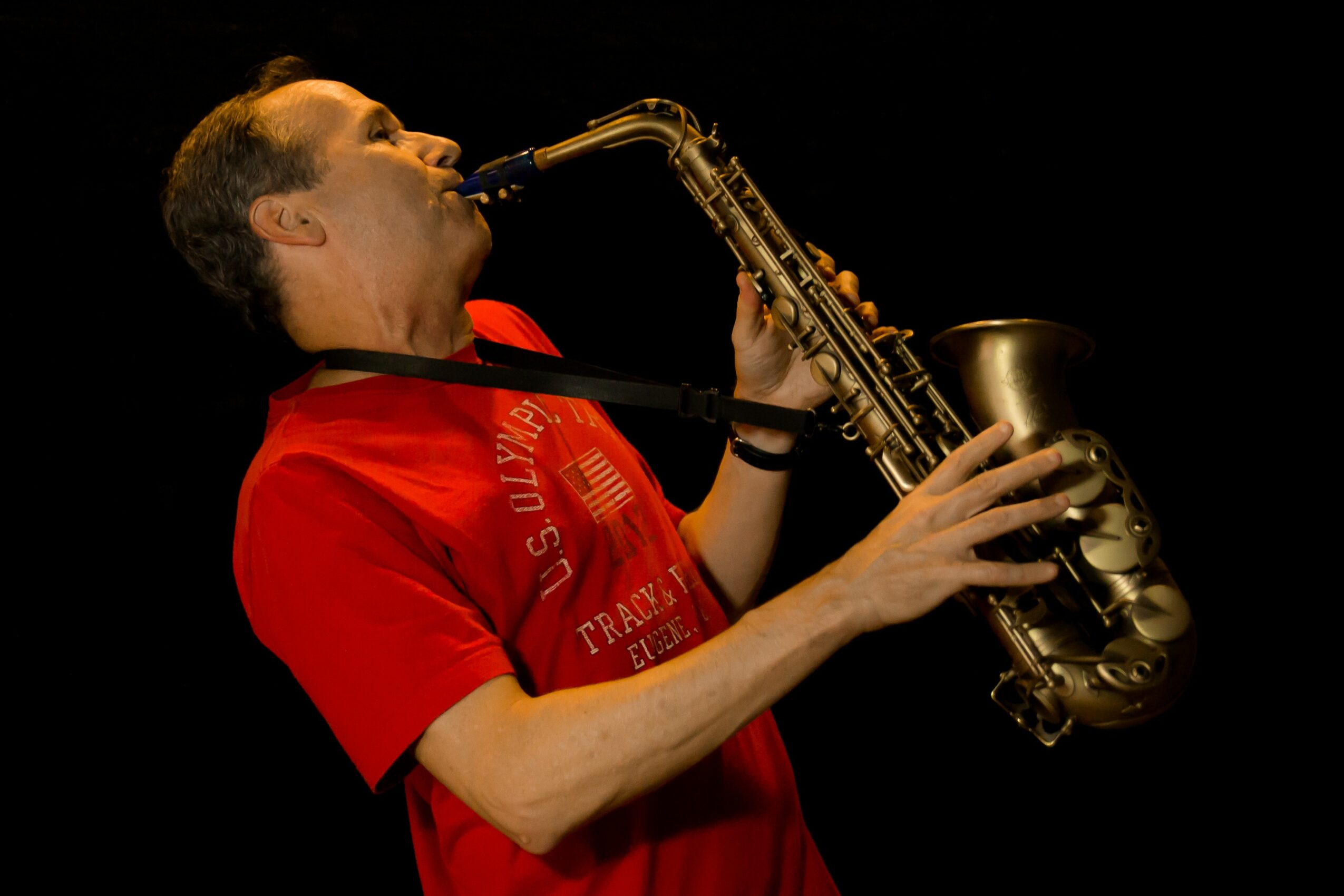
Today we’d like to introduce you to Paul Westbrook.
Hi Paul, can you start by introducing yourself? We’d love to learn more about how you got to where you are today?
In high school, I was good at math and science, but also enjoyed playing in the band – specifically the jazz ensemble. I debated being a music major, but settled on mechanical engineering. The engineering path was due to my interest in solar energy – specifically solar thermal energy. In college, I played alto sax in the marching band and the basketball band.
While I was in college (1978-1982), a new administration dismantled the rapidly growing solar industry. I landed a job at Texas Instruments in Dallas. I was in Facilities, working on the design of the clean rooms used to manufacture semiconductors.
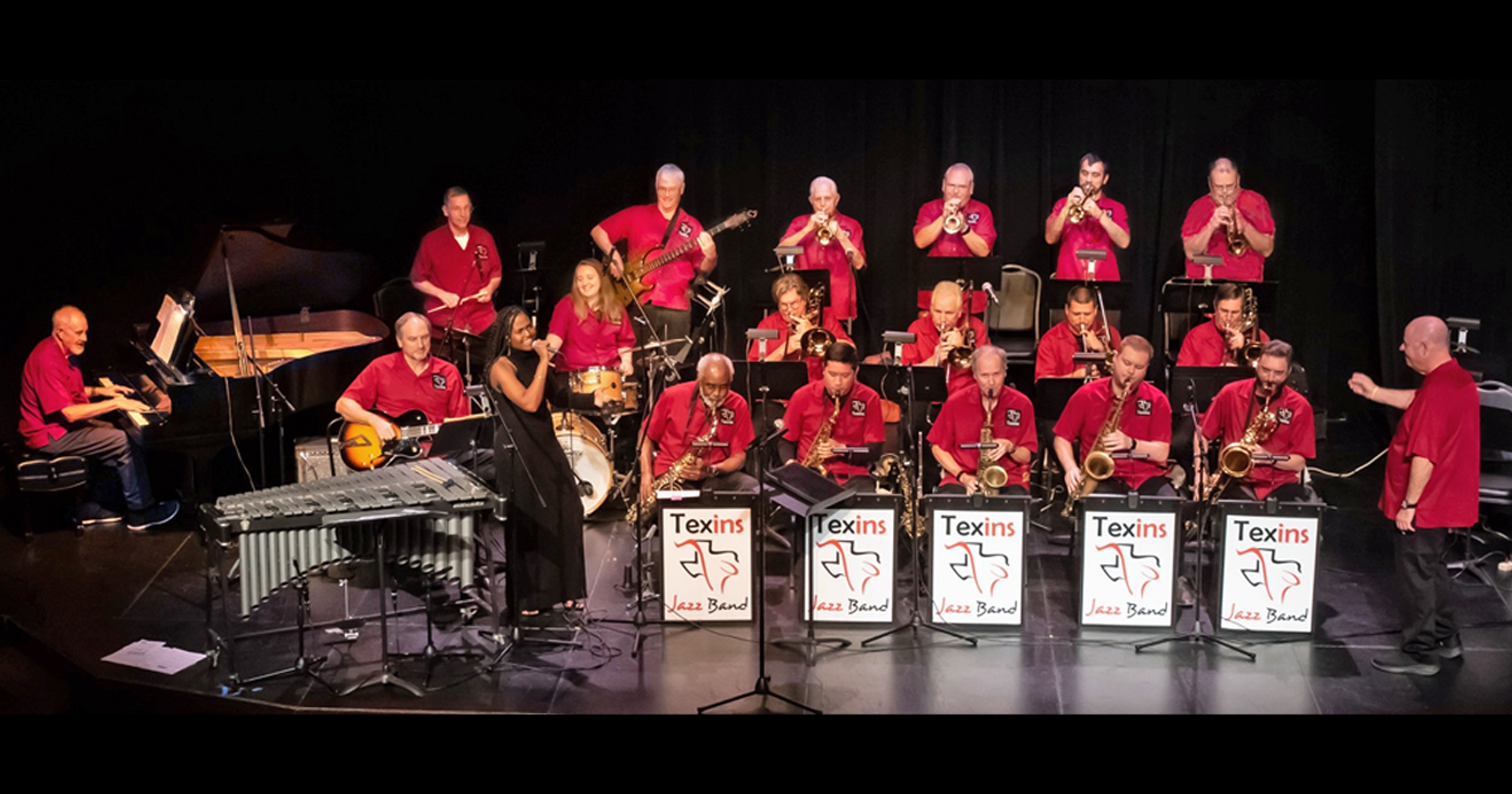
When I moved to Dallas, I joined a couple of community bands so I could continue playing saxophone. In the summer of 1986 a couple of TI employees ran an ad in our monthly corporate newspaper that said “Jazz musicians wanted for big band.” In less than two weeks, we had enough interest to form The Texas Instruments Jazz Band – a full 18-piece big band.
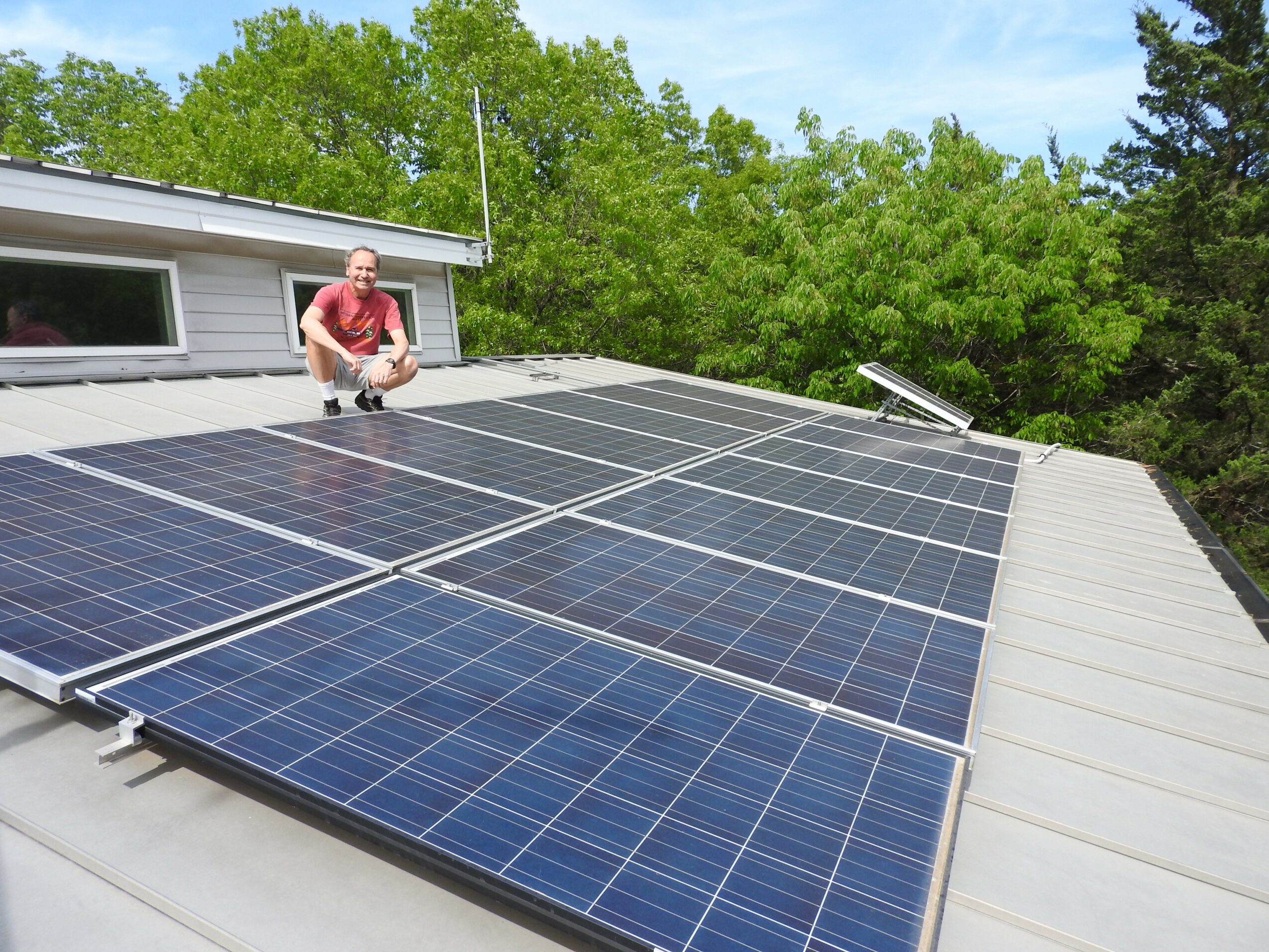
My interest in solar and energy efficiency continued as a hobby. After I got married in 1990, we started dreaming of designing a passive solar home for ourselves. We purchased land in 1993 and completed the house in 1996. We won the National Association of Home Builders Energy Value Housing Award for Innovative Design. We’ve been on the National Tour of Solar Homes almost every year. (house website – https://enerjazz.com/house)
Many TI employees would attend our tours, and one day at work at Vice President, who had toured our home, asked me if I thought we could design our factories to be much more energy efficient if we used the same design process I used for my house. Over the next several months, some colleagues and I worked on the analysis to see what was possible. We thought we could be 25% more efficient for no additional capital cost. The hard part was figuring out how to change our design process to realize the savings. That VP and I decided to give our Senior VP of Manufacturing a tour of my house. He gave us his full support, and the next factory was built in Richardson. It was the first semiconductor factory in the world to be awarded a LEED Gold Certification, and it ended up being 40% more energy efficient than any previous factory – and it cost 30% LESS to build. (article about the process – https://resourcedesign.org/docs/Article-from-Dallas-CEO-publication.pdf)
We went on to design several other LEED Gold factories around the world. We also addressed energy and water efficiency at all of our existing factories. We doubled our global energy efficiency in a decade. This success led to me being asked to serve a couple of years as a Senior Fellow for the US State Department’s Energy & Climate Partnership of the Americas. I visited and worked with governments and universities in Honduras, Peru, Bolivia, and Colombia (twice) on energy and sustainability issues. (link to bio: https://resourcedesign.org/docs/ECPA_bio_Westbrook.pdf)
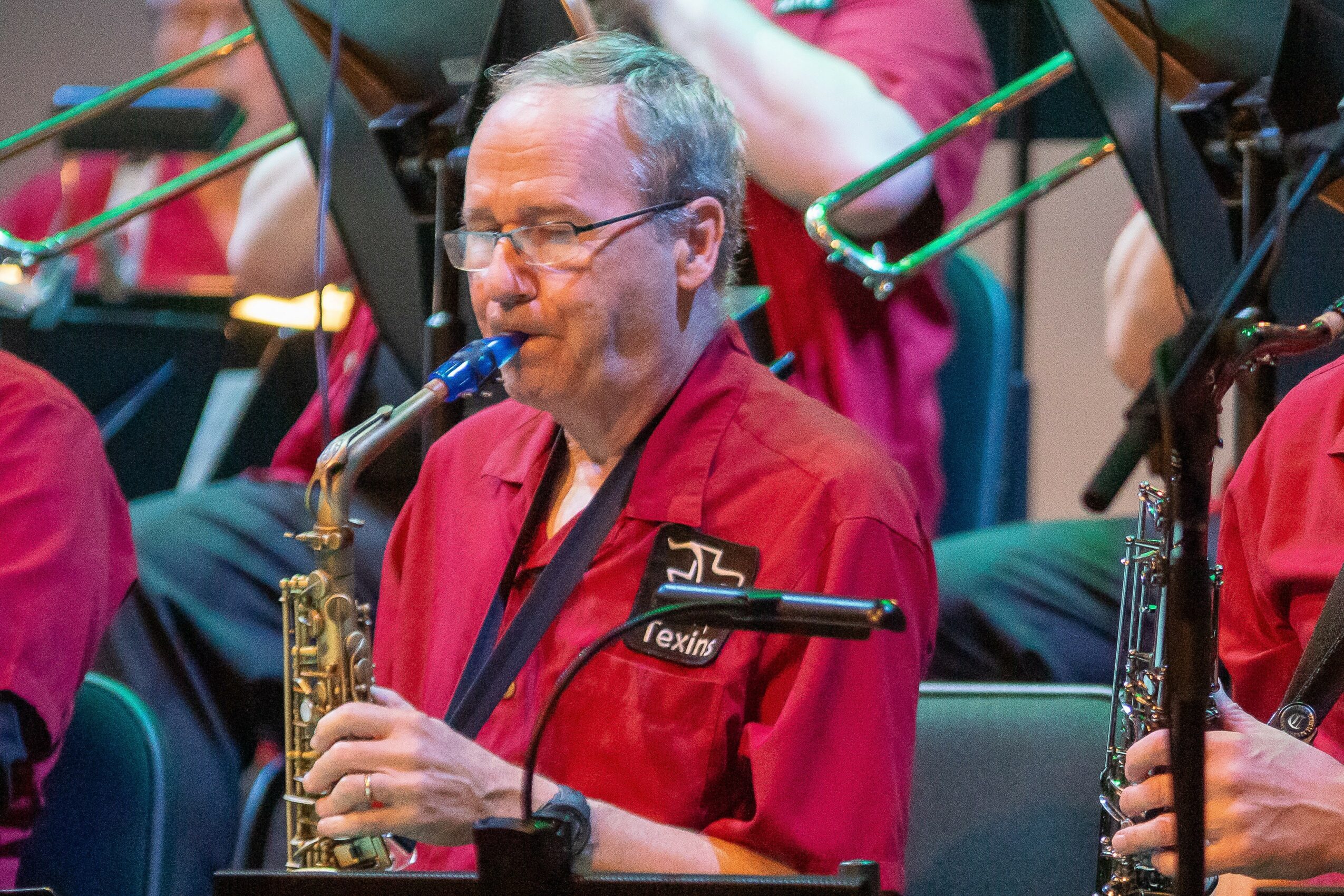
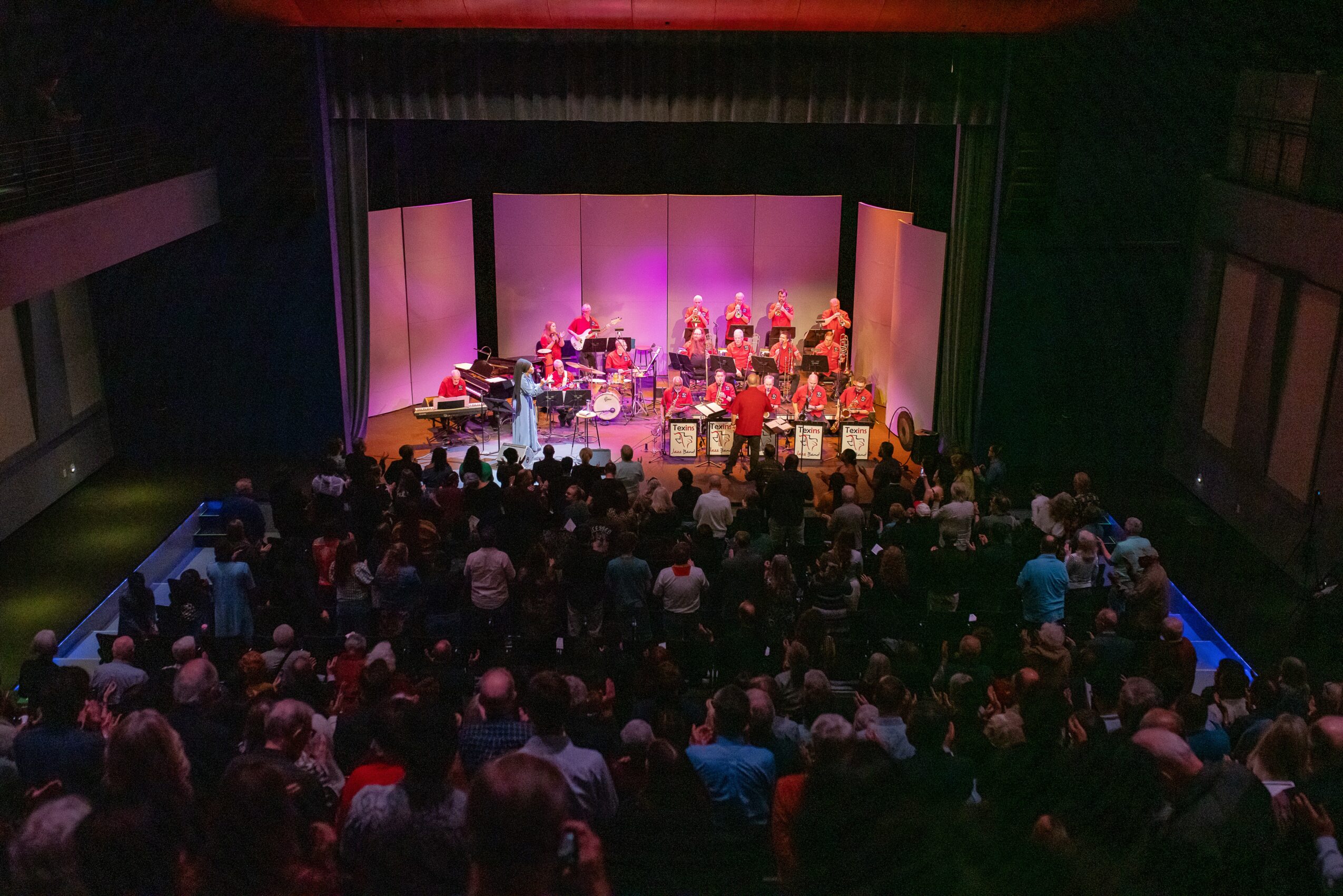
All this time, the band played on. I have been President for 37 of our 39 years. We’ve played over 350 concerts over the years. We’ve also hosted 60 of the best jazz musicians in the world as guest artists. The band was formed under an umbrella organization at TI that hosted employee clubs. When that organization ceased operations in 2019, we set the band up as a 501c3 nonprofit organization. TI requested we changed the name, so we shortened it to Texins Jazz Band. Most of the members of the band have a degree in Science, Technology, Engineering, or Math (STEM). We add the Arts to that acronym and make it STEAM! (Texins Jazz Band web page: https://texinsjazz.com).
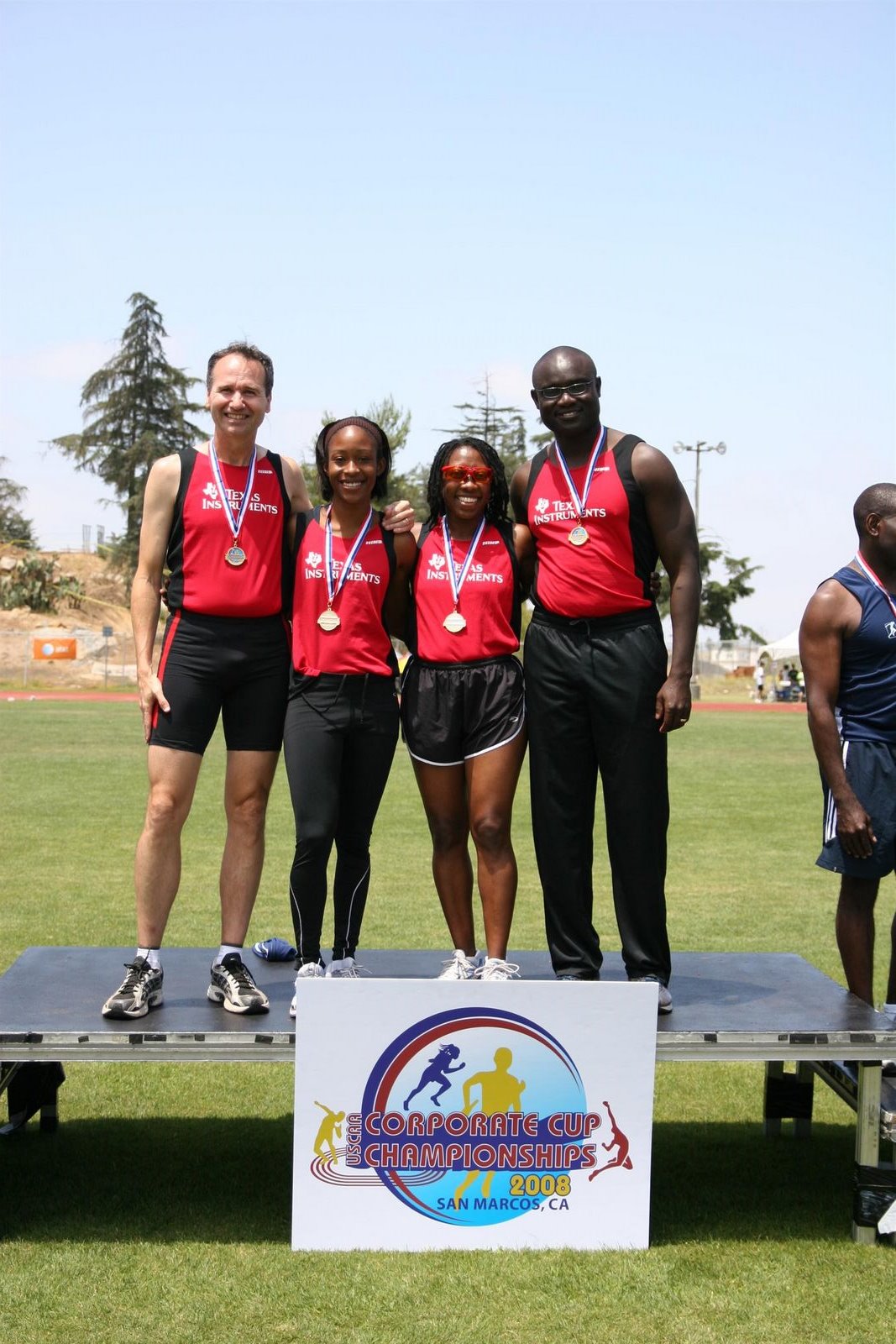
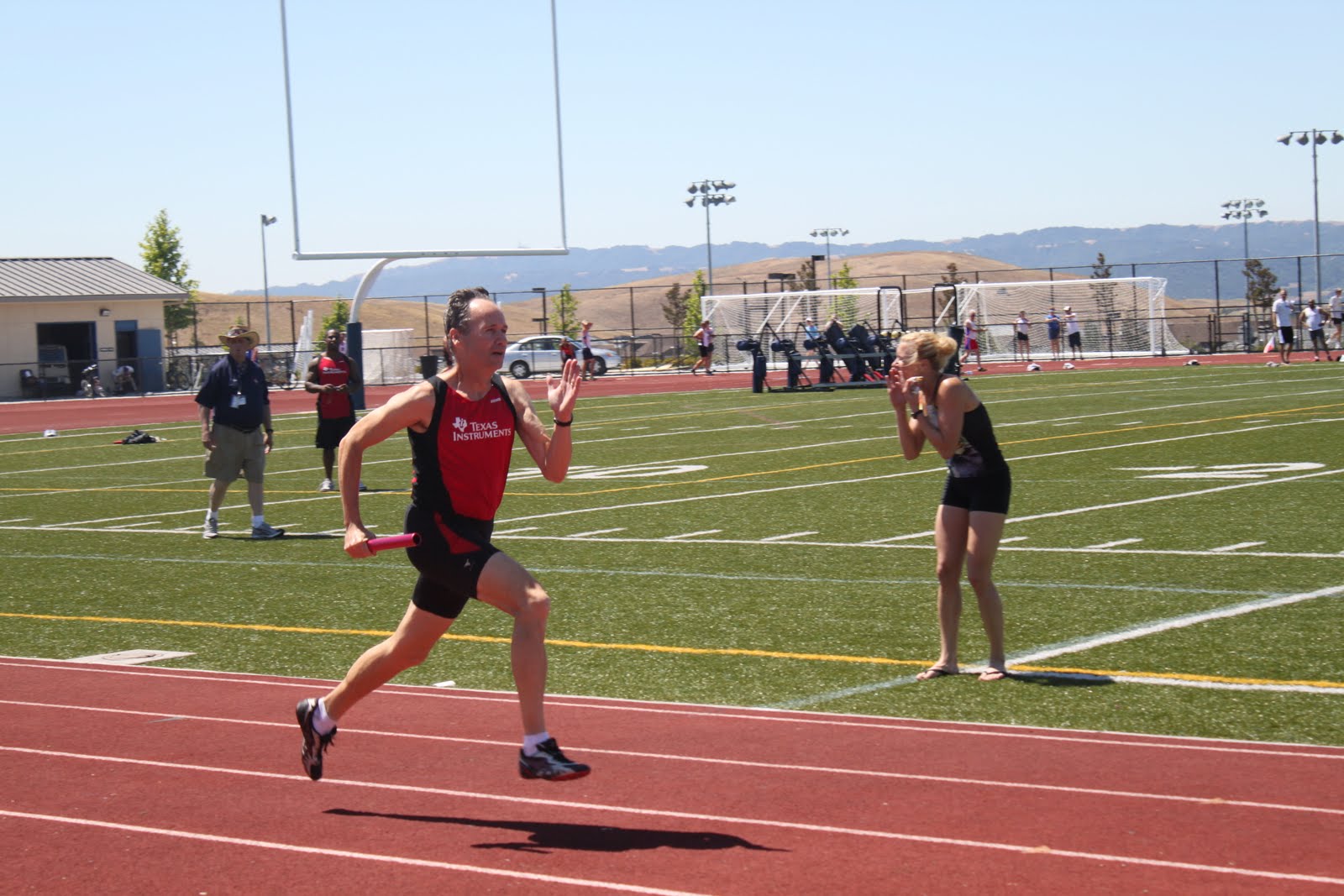
The A in STEAM could also stand for athletics. Texas Instruments has fielded a corporate track & field team since 1979 in an annual corporate track and field meet. I didn’t run track in high school, but I decided to try out for this team my first year at TI. I ended up running on the team for 40 consecutive years, and served as captain for almost 20 of those years. I led the team to 12 consecutive national championships at one point. I am a sprinter – 100m, 200m, and 400m. I’ve set national records in one solo event, and been a member of four record setting relay teams over the years.
After a third of a century at TI, I retired in 2016. I’ve been doing some energy and sustainability consulting under my RE:source business (https://resourcedesign.org). I also teach classes on solar energy and passive house design, and we continue to give tours of our home. I also continue to play in the big band.
I’m sure it wasn’t obstacle-free, but would you say the journey has been fairly smooth so far?
For the band, one challenge is finding a place to rehearse. We were at Collin College for many years – first in McKinney, then at Spring Creek. After they told us we couldn’t rehearse there, we bounced around a bit, but have landed at Dallas College, Richland Campus since 2015. Operating a volunteer band is always a challenge, but we have some very dedicated volunteer musicians in the band – many of which have played with us for decades. Funding is always a challenge, but we’ve been able to secure a couple of grants in recent years to keep bringing in world-class guest artists. And the most important part of all – people show up to our concerts and purchase tickets to see the great guest artists.
For our house, the biggest challenge, and the one that almost killed the project, was finding a good builder. So many didn’t understand what we were trying to accomplish. There was little desire to learn or try something new. I did the design, but I needed a quality builder to deliver the project. I finally found a perfect match, and the results were fantastic.
The challenge at work was figuring out how to get a large organization to use a different design process, and not revert to old safe designs and behaviors. Touring that Senior VP through my house got the executive support we needed, then an amazing effort by many people led to the outstanding results. People needed permission to stretch themselves to do something bigger and better.
Appreciate you sharing that. What else should we know about what you do?
I could check many boxes – employee, professional, business. The artist / creative is reflected in my work with the band, and even my creative streak in the engineering world.
Our band is known for bringing an incredible amount of professional musicians to the DFW area. We’re a very good nonprofit band, and we’ve had many guests who return for a second, or even third time. That tells me that we treat them well.
Our house design is still way ahead of almost anything being built today. I’m known for my knowledge in experience in energy efficiency, solar energy, and sustainable design.
Are there any books, apps, podcasts or blogs that help you do your best?
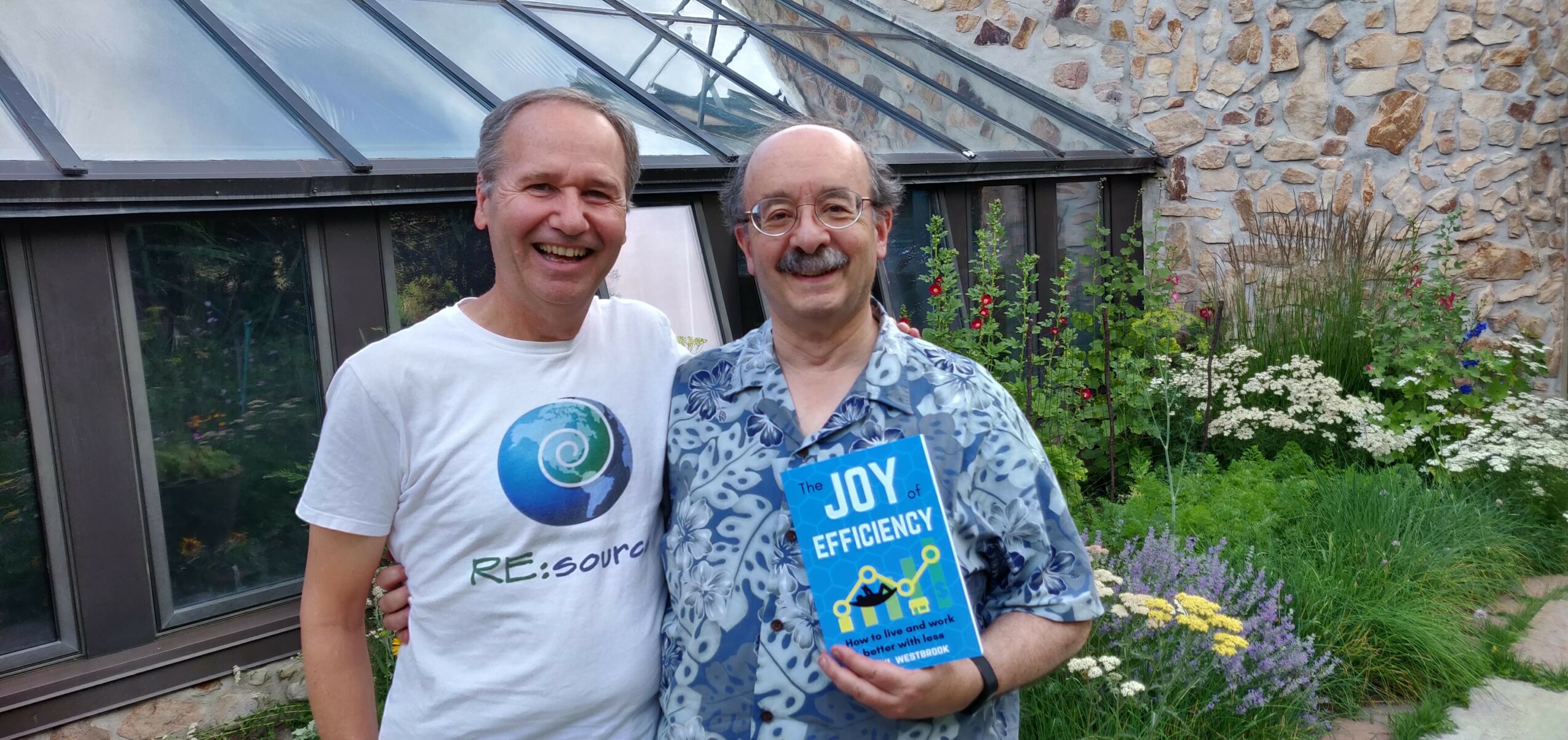
I documented our house building experience, and the sustainability work at TI in my own book – The Joy of Efficiency (https://joyofefficiency). For efficiency, my mentor is Amory Lovins at RMI. RMI does some great work in a number of areas – https://rmi.org. There’s a great network in DFW for renewable energy – North Texas Renewable Energy Group (NTREG). It’s a good community of people with expertise and experience in a variety of areas. https://ntreg.org/
For the band, I’ve learned a lot directly from our many guest artists. They are almost all great human beings – who also happen to be amazing musicians.
Contact Info:
- Website: https://texinsjazz.com
- Instagram: https://www.instagram.com/texinsjazz/
- Facebook: https://www.facebook.com/TexinsJazz
- LinkedIn: https://www.linkedin.com/in/paulwestbrook/
- Youtube: https://www.youtube.com/@texinsjazz