





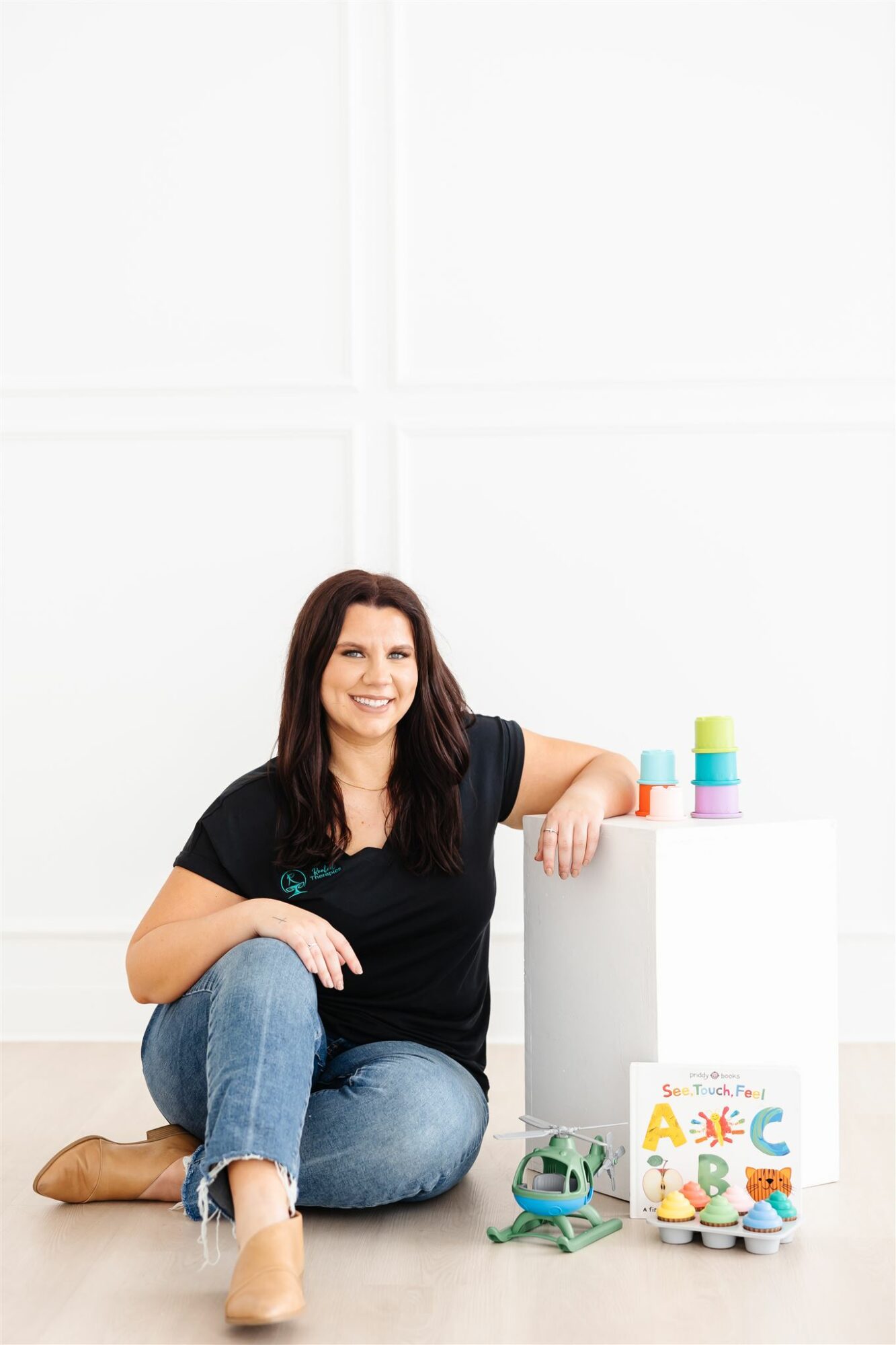
Today we’d like to introduce you to Rachel Terrell.
Hi Rachel, thanks for joining us today. We’d love for you to start by introducing yourself.
I would like to share the story behind Rooted and Rising Therapies. I (Rachel) have always been passionate about working with neurodivergent children, starting back in 2017. I was a speech-therapy assistant in DFW with my caseload being primarily autistic and adhd boys. My sessions were all over the place, literally, we would do our sessions running around living rooms, playing on the floor, and in their backyards. I worked for a home health company and had no access to other therapists to understand that I did therapy differently than others.
After graduate school, I again found a caseload full of neurodivergent children. I was given a small therapy room at a private practice. The room was so small that I had to pick up the chairs and put them on the table so the child and I could walk into the room. I was struggling to sit at a table all day and my kids were struggling to focus and engage with the office space we were given. I did not initially think about alternative treatment locations at first because this is how I was taught to do speech therapy. We were taught to have our kids sit at the table with us and use a star chart to earn play time in our sessions. Slowly, I started seeing more and more of my caseload in the sensory gym. The sensory gym is where the magic happened, the kids and I had the space and freedom do play-based, child-led sessions. Eventually my entire caseload had sessions in the gym, I was the lone SLP that lived in the gym with the OTs and PTs. I co-treated with OT and developed a strong understanding of sensory and regulation that also impacted my career and the way I treated my kids forever.
God closed that chapter and every other job opportunity when He placed it on my heart to open Rooted Therapies. Rooted from the get-go was child-led, play-based, and incorporated sensory regulation. I took a deep dive into gestalt language processing. Echolalia, scripting, recreating scenes, and echopraxia became my world. I finally found the missing link to working with neurodivergent kids. Before when doing child-led, play-based therapy with my caseload, they were making progress however, it was still SLOW because I didn’t understand how their brain truly processed and developed language. I was commenting that echolalia was used “more functionally” in sessions but I didn’t have a clue how integral supporting and understanding echolalia was. In the almost four years Rooted has been open, I have seen children progress from stage one to stage four/five of gestalt language processing in as short as a year, when before, they would have been considered “lifers.” “Lifers” meaning they would need speech therapy for their entire life and they still wouldn’t reach conversational speech because the analytic/traditional approaches used on them didn’t support how their brain develops language.
I wanted to create a space where children and teens feel safe, their brain can be seen for its strengths, and they can grow into their best, independent self! I think it’s also important for your to know that since opening my practice, Rooted and Rising Therapies, I found out that I am AUDHD (autistic and ADHD). I use my neurodivergent experiences to shape the therapy we provide, how we support you as parents, and how we set up our office. If you are looking for something different, a therapy practice that works hard to connect and understand your child instead of change them, we would love to support you and work together!
At my core, I want every child and teen who walks through Rooted’s doors to know:
You are not too much.
You are not behind.
You are not broken.
You were created intentionally — and you are meant to rise.
We all face challenges, but looking back would you describe it as a relatively smooth road?
Building Rooted and Rising Therapies has been one of the most fulfilling journeys of my life — but it has not been without obstacles.
One of the biggest challenges early on was finding other like-minded providers. When I opened Rooted, the language around Gestalt Language Processing was still relatively new in clinical spaces. At that time, there were fewer than 10 GLP-trained speech therapists in Texas. I knew deeply that this approach aligned with how many of the children I served were naturally developing language — especially autistic children and those who use echolalia and scripting — but there were very few colleagues nearby who shared that training or perspective.
Another obstacle has been education and outreach. Many parents — and even professionals — are still unaware that children who use echolalia are often gestalt language processors and require a very different approach to communication development than what is traditionally offered in most speech therapy clinics. The therapy model at Rooted is play-based, child-led, and relationship-centered. To someone unfamiliar with neurodiversity-affirming care, it can look different from what they expect therapy to look like. There are no power struggles. No compliance-driven drills. No extinguishing of scripting. Instead, there is connection, regulation, and honoring how a child’s brain is wired to learn. We are providing language models in the same form as how their brain comprehends language, taking them from scripting to conversational speech in four stages.
Gaining the support of other providers has taken time. When your model challenges long-standing clinical norms, it requires patience, research, and a willingness to stand firm in your values. But what we’ve seen is that when speech therapy rooted in gestalt language processing works hand-in-hand with occupational therapy, outcomes shift dramatically. When an OT understands how a child processes language and experiences the world, they can meet that child where they are — offering support that makes sense to the child’s nervous system and brain. That alignment allows children to build skills more efficiently and confidently, rather than spending years in therapy marked by frustration or resistance.
The obstacle, ultimately, has been helping people see that different doesn’t mean less effective — it often means more attuned, more respectful, and more sustainable. And as awareness grows, so does our community of families and providers who believe children deserve therapy that honors who they are.
The challenges have strengthened our mission. They’ve required advocacy, education, and courage. But they’ve also affirmed that there is a real need for this work — and that being rooted in what’s right for children will always be worth it.
We’ve been impressed with Rooted and Rising Therapies, PLLC, but for folks who might not be as familiar, what can you share with them about what you do and what sets you apart from others?
Rooted and Rising Therapies became a well-sought-after practice in DFW for autistic and ADHD kids, supporting gestalt language processors, AAC users, and kids/teens benefitting from social communication and executive functioning support. Rooted offers speech therapy, feeding therapy, and occupational therapy to better support children and teens as a whole child. Occupational Therapy at Rooted specializes in pathological demand avoidance, sensory processing, emotional regulation, and growing in independence of daily skills and community participation. Feeding therapy at Rooted specializes in neurodiversity affirming feeding therapy with a focus on supporting selective feeders to feel safe and empowered around a variety of foods.
At Rooted and Rising Therapies, we believe children deserve to be understood before they are supported. We do not believe in changing neurodivergent children; we believe they are capable and brilliant just the way they are, and we partner with children and their families to rise to every occasion and excel in the world. Everything we do is grounded in connection, nervous system safety, and honoring neurodivergent development. We are not a compliance-based clinic. We are relationship-based, brain-based, and child-led.
Families often come to us after feeling discouraged or told their child “isn’t making progress,” or they “have too many behaviors.” What we want people to know is this: when therapy matches how a child’s brain is wired to learn, progress doesn’t feel like a fight — it feels natural.
What sets us apart is that the way we do therapy looks different — intentionally so.
We are:
Play-based
Child-led
Neurodiversity-affirming
Relationship-centered
You won’t see drill-based sessions or power struggles. You’ll see therapists entering a child’s world, building trust, and using meaningful connection as the foundation for growth.
We don’t try to extinguish echolalia — we understand it.
We don’t push compliance — we build regulation.
We don’t force skills — we create readiness.
Because when a child feels safe and understood, their capacity expands naturally.
Brand-wise, I’m most proud that we have stayed rooted in our values even when it would have been easier to conform.
When we opened, gestalt language processing was still new terminology in many professional circles. We had to educate families, pediatricians, schools, and even other therapists about why autistic children who use scripting need a different approach. That took courage and consistency.
I’m proud that our brand stands for advocacy. For honoring neurodivergent kids. For raising the standard of what pediatric therapy can look like.
We didn’t build a clinic around profit metrics — we built it around children.
I want readers to know that if you have ever felt like your child “doesn’t fit” traditional therapy models, there is another way.
We specialize in working with:
Autistic children
Gestalt language processors
Children with sensory processing differences
Children with feeding challenges
Kids needing support with regulation and executive functioning
Our services are private pay because it allows us the flexibility to provide longer sessions, parent education, collaboration between disciplines, and individualized care without insurance restrictions dictating what therapy “should” look like.
At the heart of our brand is this belief:
When you meet a child where they are, you don’t just build skills — you build confidence, autonomy, and lifelong self-understanding.
And that changes everything.
Alright, so to wrap up, is there anything else you’d like to share with us?
If there’s one more thing I would want readers to understand, it’s this: children’s brains deserve to be honored, cherished, and encouraged for who they are — not reshaped into who the world expects them to be.
My passion for this work is deeply personal. I was diagnosed autistic and ADHD later in life. For years, I believed I had severe depression. I thought I was lazy. I struggled to make and keep friends and internalized the belief that something was wrong with me. After my diagnosis, I began to understand my brain for the first time. What had been labeled as depression was actually chronic autistic burnout from three decades of masking my neurodivergence. What I called laziness was executive dysfunction.
That reframing changed everything.
It also solidified my mission at Rooted and Rising Therapies.
We have the opportunity to change the trajectory for the next generation of neurodivergent children. When we show them how their brains work, encourage their deep interests, support their sensory needs, and help them unmask safely, we don’t just build skills — we build identity. We help them find friends who share similar interests and sensory preferences. We help them understand they are not broken.
Sometimes the issue isn’t the child. Sometimes the child is simply in the wrong environment. Sometimes their friend group isn’t aligned. Sometimes their nervous system has been misunderstood.
Being neurodivergent myself, I am intentional about creating a space where every child and teenager who walks through our doors feels seen, validated, and safe. I want them to know they are not as different as they may think — and that their differences are often their greatest strengths.
I also love pouring into families. Parent education is a huge part of what we do. When families understand their child’s brain, everything shifts. They move from fear to confidence. From confusion to clarity. One of the most beautiful parts of this work is watching not just the child rise — but the entire family rise together.
Neurodivergent individuals are innovators, deep thinkers, creators, leaders, and world-changers. It is my calling to help families step into that truth — to ensure their children are not overlooked or underserved, but empowered to impact the world exactly as they were created to do.
And I want parents to know this: if a diagnosing provider recommends 40 hours a week of a particular therapy, you are allowed to pause. You are allowed to research. You are allowed to ask questions. You are allowed to choose providers who align with your values and who honor your child’s nervous system and autonomy.
You are your child’s greatest advocate.
When we honor a child’s brain instead of trying to fix it, we don’t just change outcomes — we change lives.
Contact Info:
- Website: https://www.rootedtherapies.com
- Instagram: @rootedtherapiestx
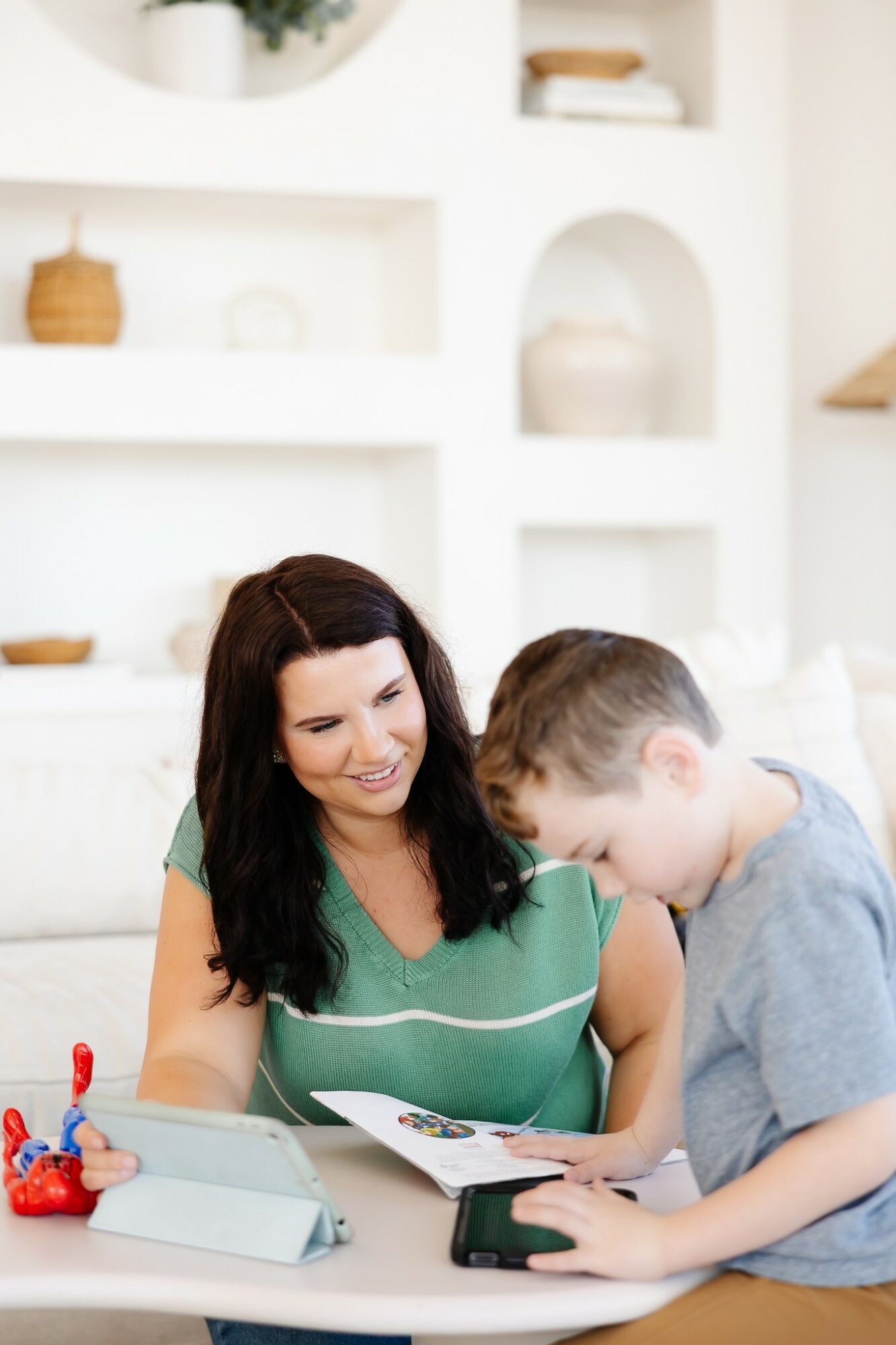
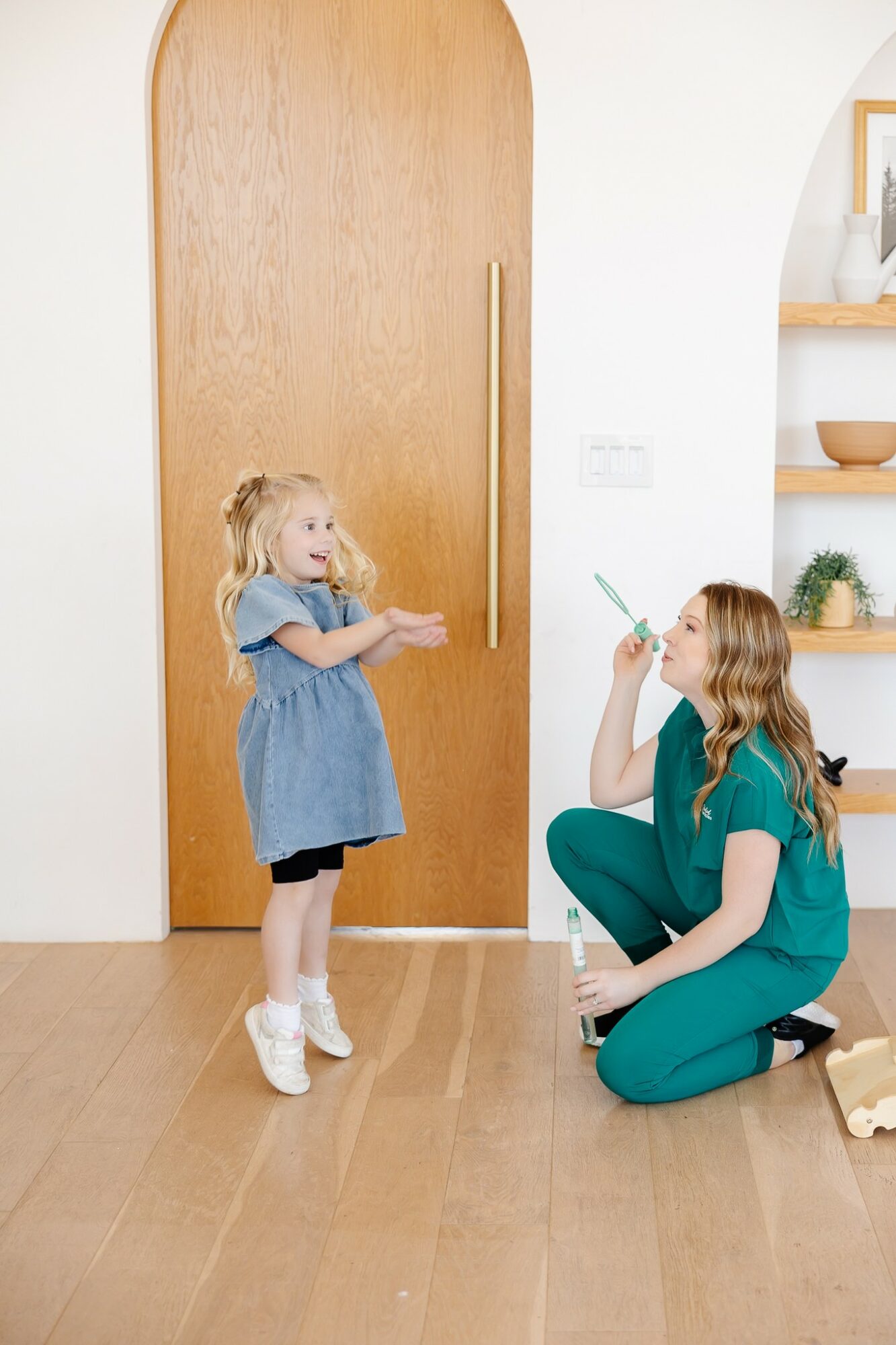

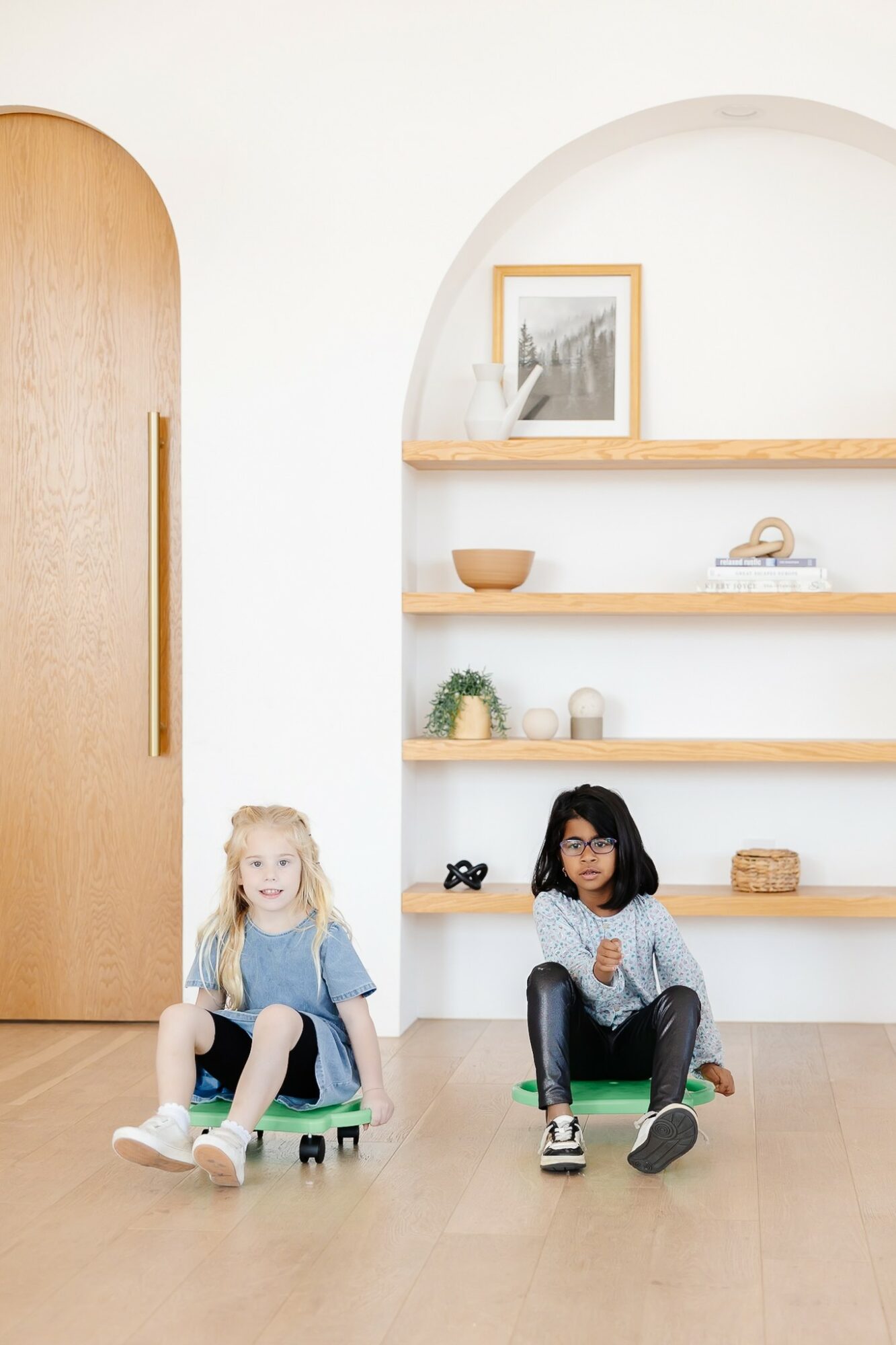
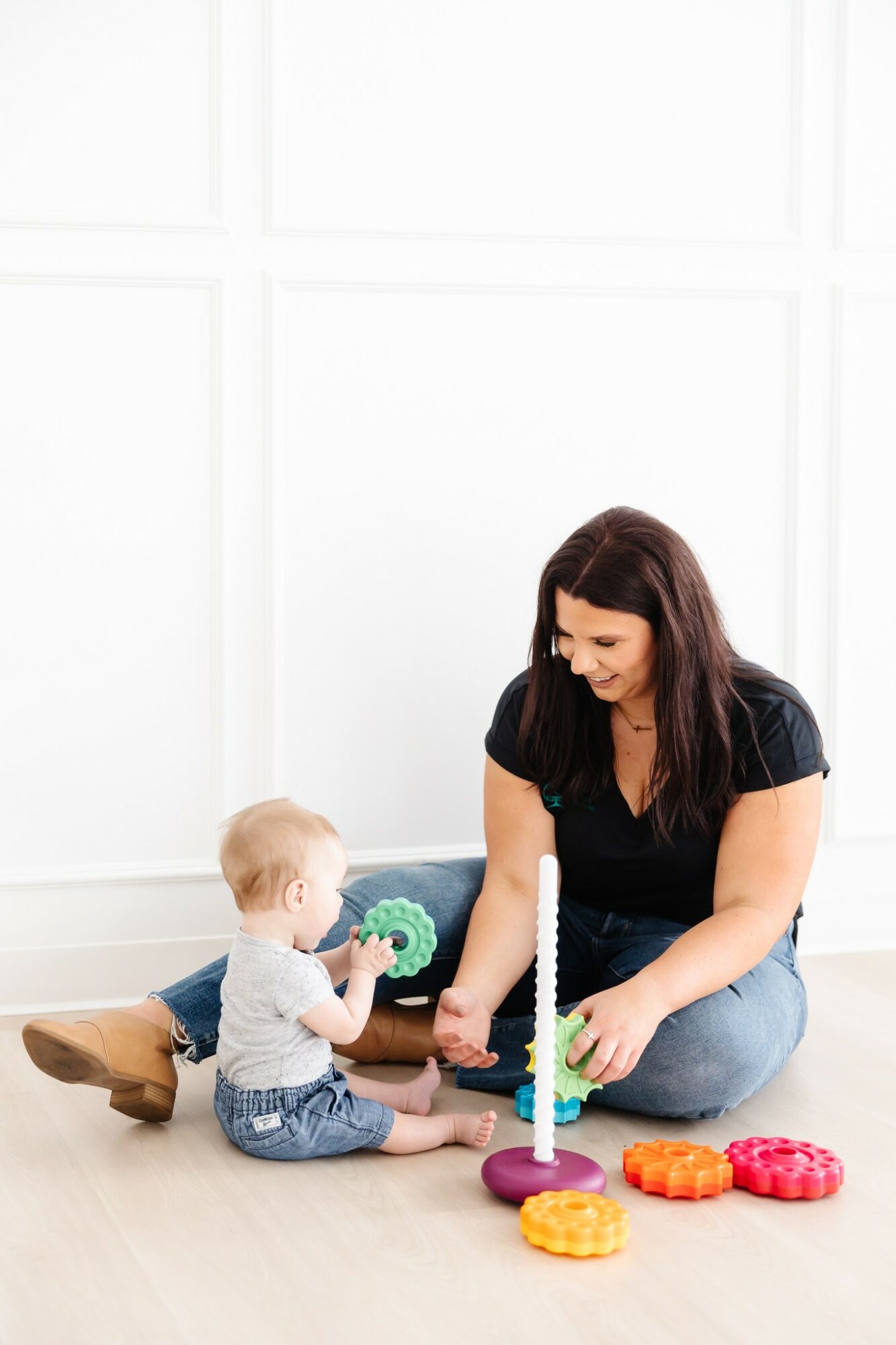
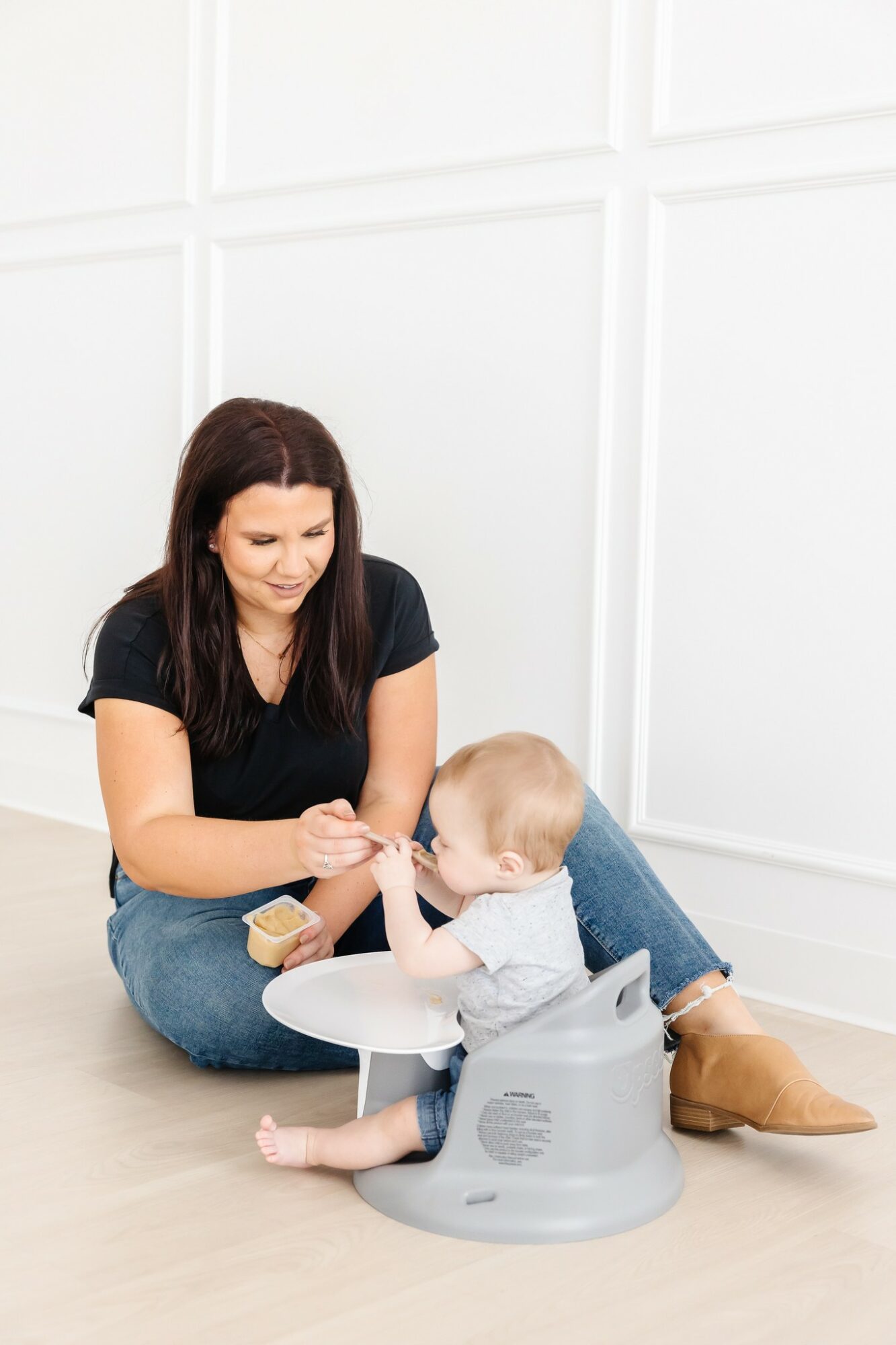
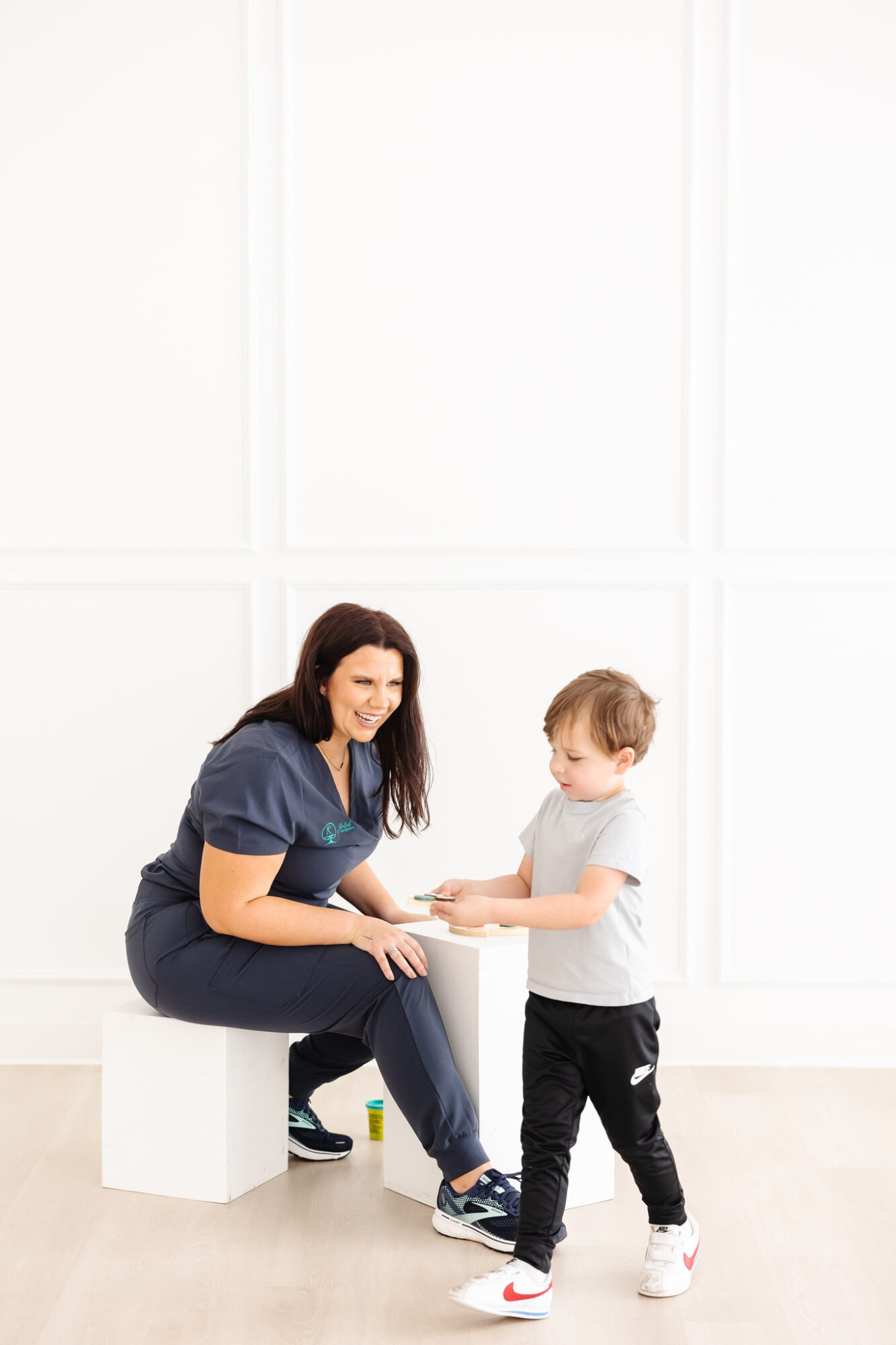
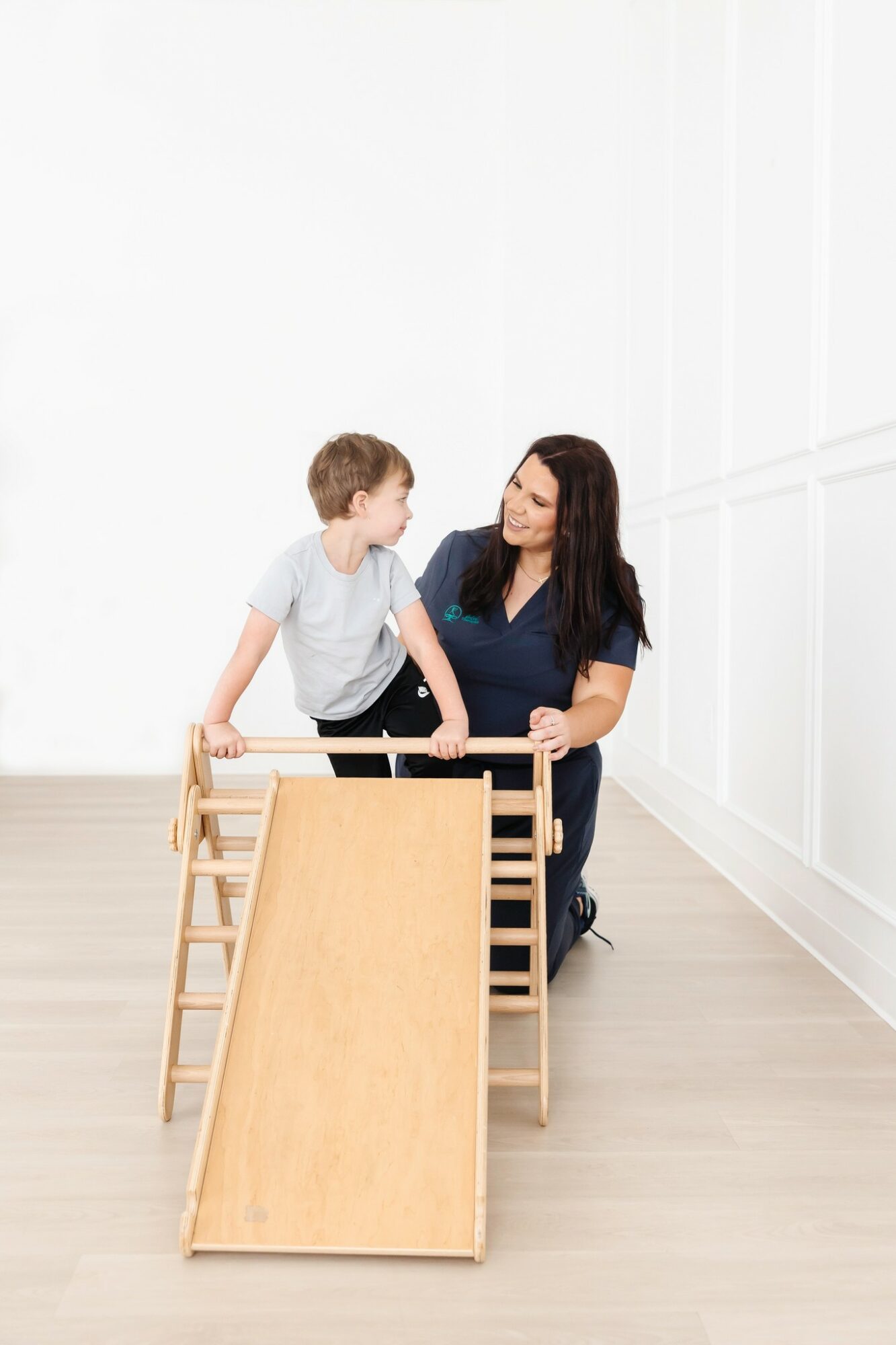
Image Credits
Photos by: Amber Tice