





Today we’d like to introduce you to Kailee Rubright.
Alright, so thank you so much for sharing your story and insight with our readers. To kick things off, can you tell us a bit about how you got started?
I usually tell people my story starts long before I opened my doors in June 2025. I grew up with a strong sense of service, which is what led me to the Air Force and ultimately to two tours overseas. Those experiences changed the way I see people, trauma, and resilience, and they planted the earliest seeds of what would eventually become Ironwood Therapeutic Wellness.
When I left active duty and became a social worker, I realized how often veterans, first responders, and frontline medical professionals were quietly carrying what they’d seen and done while trying to show up for everyone else. Over time, working in a variety of clinical settings, I kept seeing the same gap: the people who run toward crisis were the least likely to ask for help, and when they did, they needed someone who “spoke their language” and understood the culture. That insight really shaped my path to becoming an LCSW and my decision to specialize in this community.
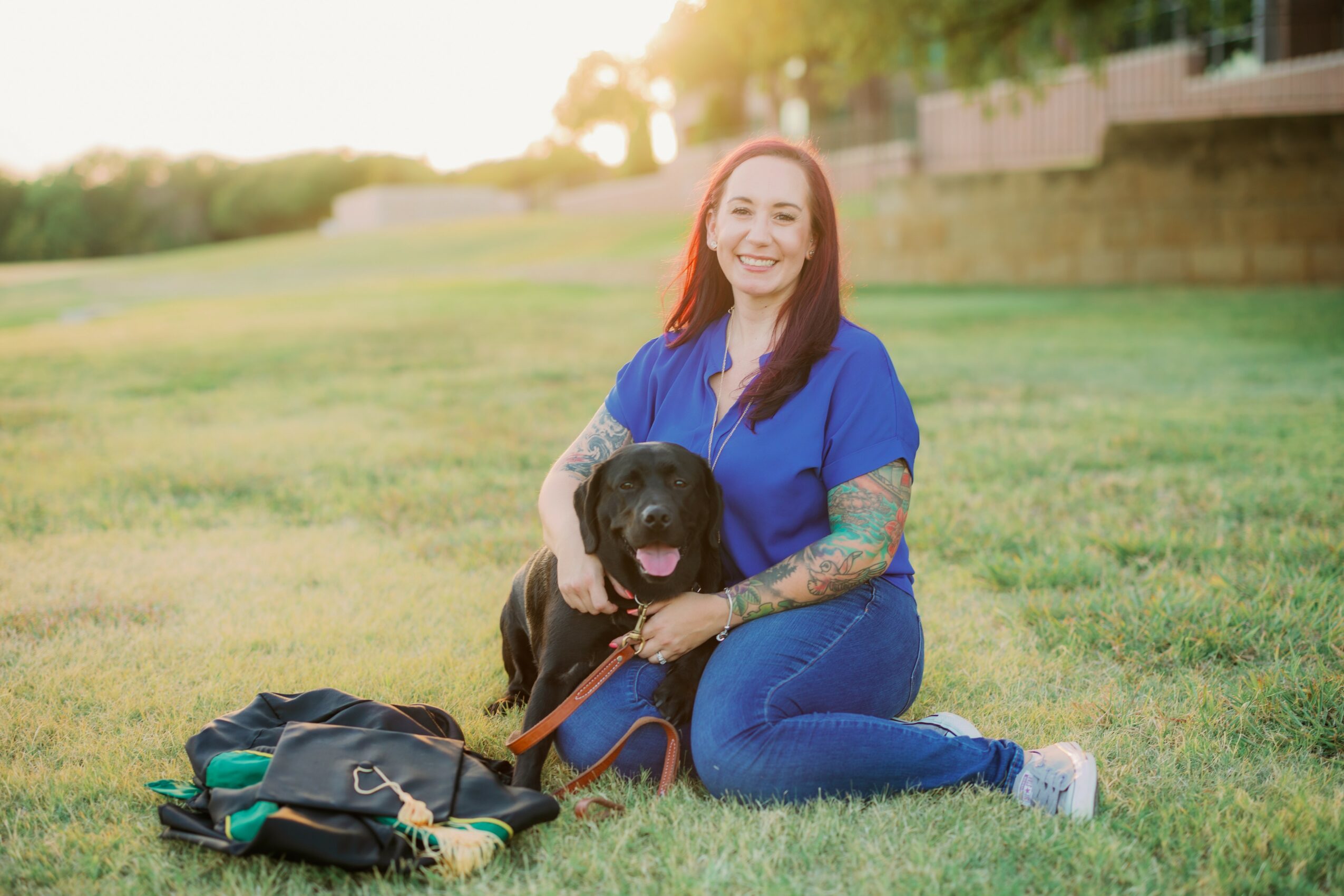
Ironwood Therapeutic Wellness grew out of that combination of lived experience and clinical training. I wanted to build a practice where veterans, first responders, military members, and frontline health care professionals could exhale, take the armor off, and not have to explain the basics of their world before we could get to the work. My service dog, Chloe, is often part of that healing space—she has a way of lowering defenses faster than any small talk ever could.
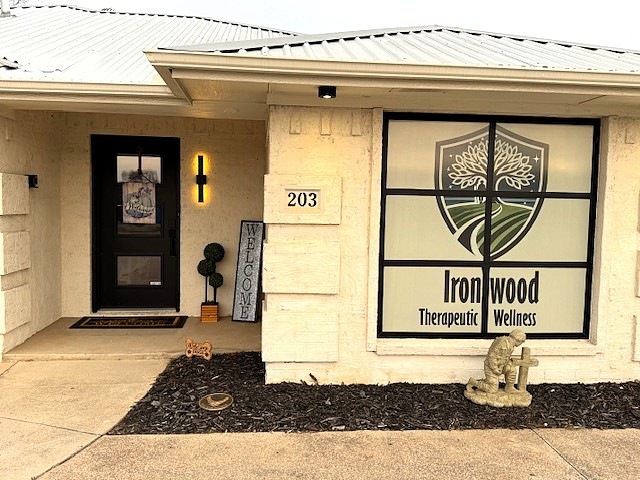
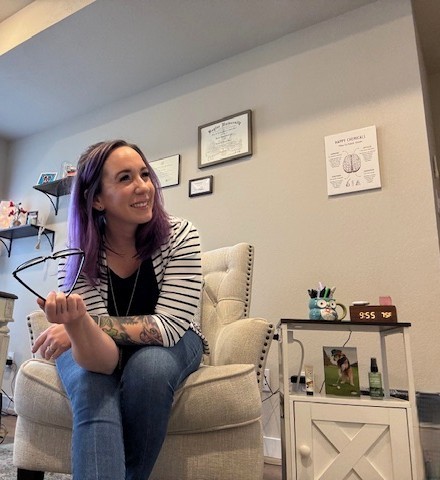
Today, I’m based in Haslet, Texas, serving clients across the greater Fort Worth area, and my work focuses on trauma-informed, practical, and deeply human care. I balance my role as a clinician with being a business owner, a veteran, a spouse to another Air Force veteran, and a mom to a baseball-loving kiddo. All of those roles keep me grounded in the real-life context my clients are navigating. I got to where I am by following one guiding question: “What would I have needed back then?” Ironwood is my answer to that question.
Alright, so let’s dig a little deeper into the story – has it been an easy path overall and if not, what were the challenges you’ve had to overcome?
It hasn’t been a smooth road, and honestly, I don’t think it’s supposed to be. Building Ironwood Therapeutic Wellness has stretched me in ways that my clinical training never fully prepared me for.
One of the biggest challenges was learning how to be both a clinician and a business owner at the same time. I went from focusing on client care and documentation to also thinking about leases, insurance panels, marketing, and cash flow—often all in the same day. There were moments early on where I wondered if I’d made a mistake, especially when the to-do list felt longer than the open hours in my week.
I also couldn’t have done this alone. The help that came from my partners—the people I trust completely and who truly understood the vision for Ironwood—was essential. They were the ones who listened to the rough drafts of the idea, offered honest feedback, reminded me why this work matters on the hard days, and stood with me when it felt like a big leap into the unknown. Having partners who shared the mission made the hard decisions feel less isolating and the wins feel even more meaningful.
Another struggle has been the emotional weight of the work. Serving veterans, first responders, military members, and frontline healthcare professionals means sitting with some very heavy stories while also navigating my own experiences as a veteran. I’ve had to be very intentional about boundaries, consultation, and my own wellness so that I can keep showing up fully for my clients without burning out.
There have also been practical hurdles: the slow pace of insurance credentialing, the uncertainty of starting a practice in a competitive market, and the steep learning curve of getting my name out there while staying authentic. As a new small business, there were seasons where every new referral felt like a lifeline and every unexpected expense felt huge.
The road hasn’t been smooth, but each challenge has clarified my “why.” The hard parts forced me to build better systems, lean on my partners, ask for help, and get really clear about who I serve and how. It’s been demanding, but deeply meaningful—and that’s what keeps me moving forward.
Great, so let’s talk business. Can you tell our readers more about what you do and what you think sets you apart from others?
Ironwood Therapeutic Wellness is a trauma-focused mental health practice dedicated to serving veterans, first responders, military members, and frontline healthcare professionals. We offer individual therapy, trauma-focused treatment, and supportive services designed specifically for people in high-stress, service-oriented roles.
Clinically, we specialize in trauma and PTSD work, including military and combat trauma, moral injury, and occupational trauma, as well as anxiety, depression, grief, burnout, and transition challenges (like reintegrating from military to civilian life). Our therapists use evidence-based approaches such as EMDR, Cognitive Processing Therapy, Internal Family Systems, and other trauma-informed modalities, paired with a humanistic, person-centered style so that clients feel seen, heard, and respected.
What sets Ironwood apart is that we are built by and for the communities we serve. As an Air Force veteran married to an Air Force veteran, I understand the culture, the language, and the unspoken expectations that often make it hard for people in these roles to reach out. Our team is deeply experienced with first responders and frontline professionals, so clients don’t have to spend half a session explaining what a shift looks like or why they use dark humor—it’s already understood.
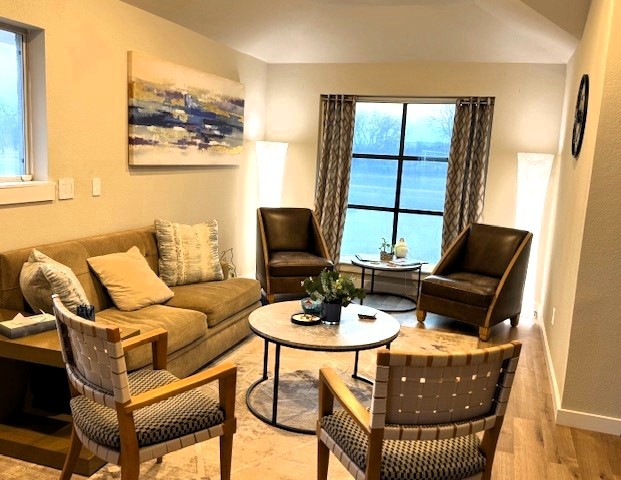
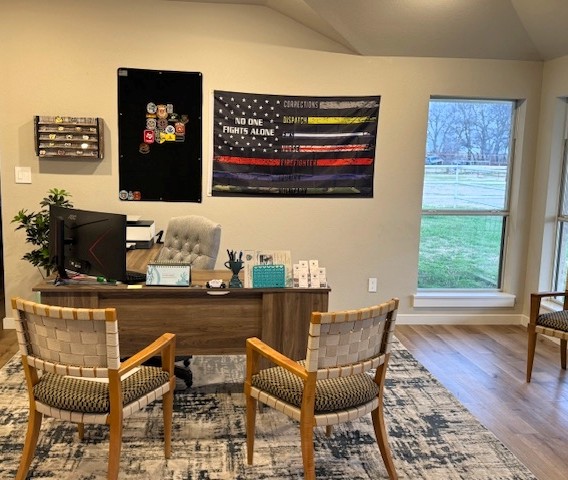
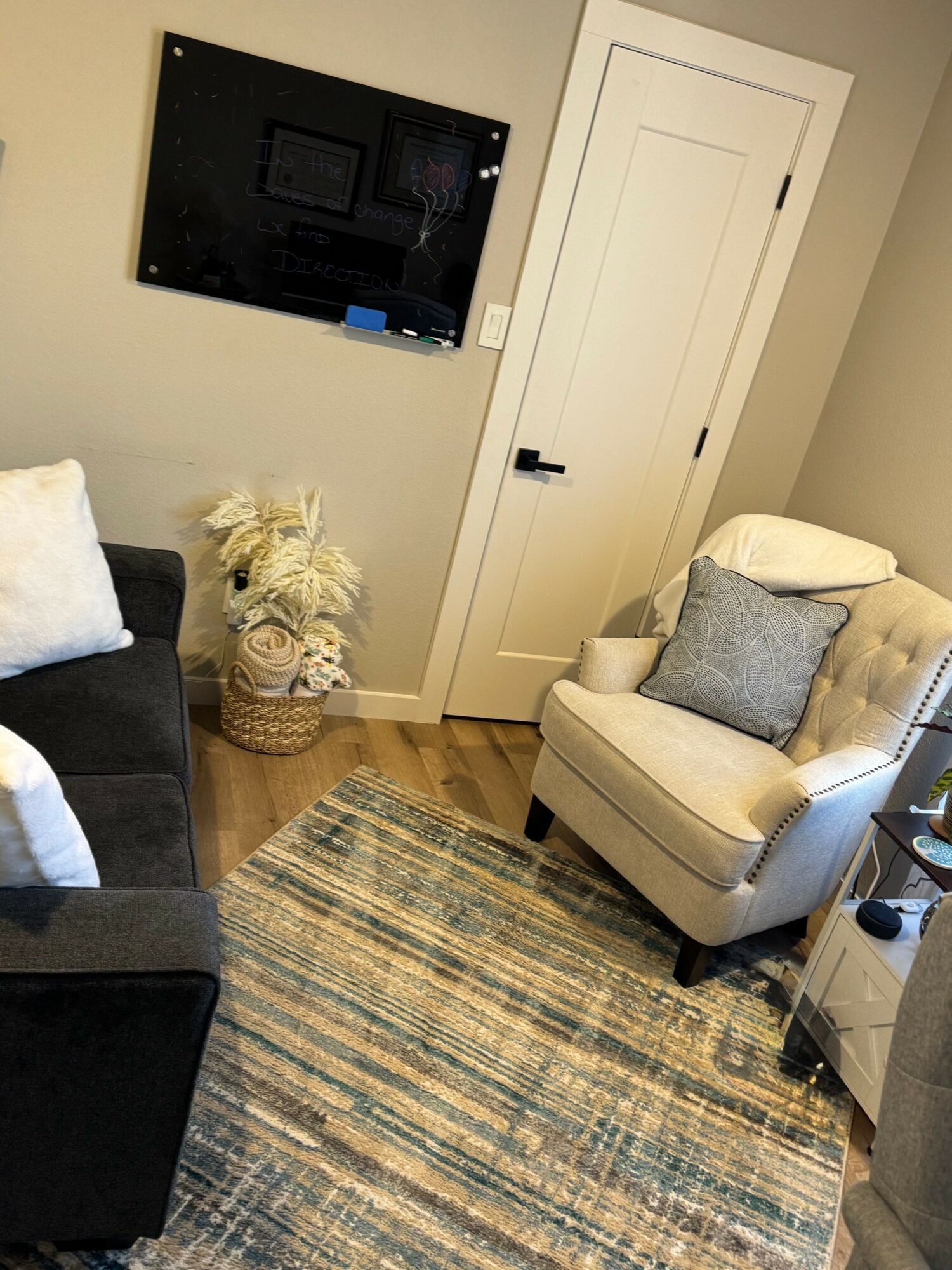
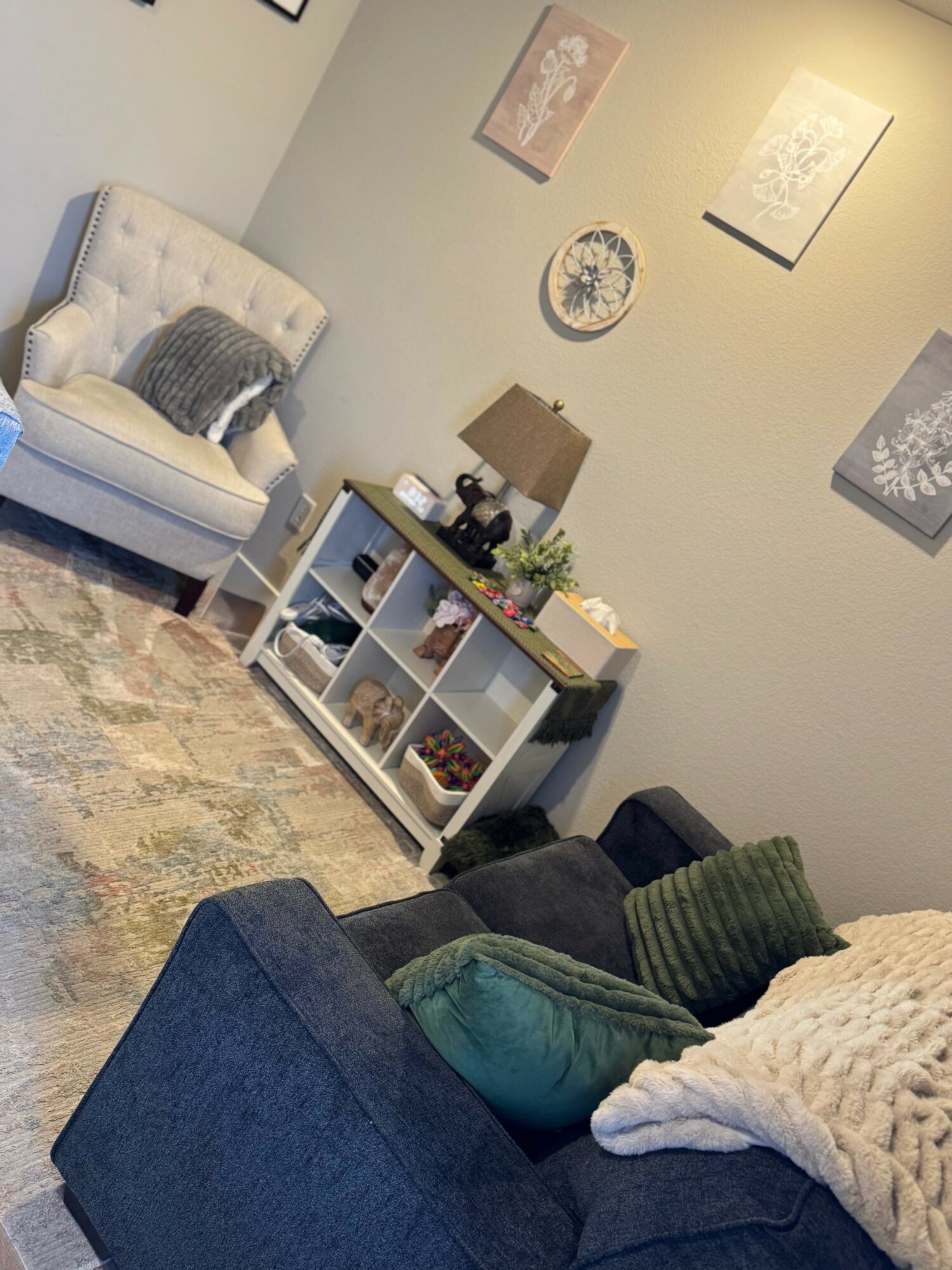
Brand-wise, I’m most proud that Ironwood is grounded in the values of resilience, integrity, and genuine care. The ironwood tree is known for its strength and ability to withstand harsh conditions, and that symbolism is intentional: our brand is about being a steady, trustworthy place where “warriors” can put the armor down. We emphasize compassionate, nonjudgmental care, clear communication, and a calm, welcoming environment that doesn’t feel cold or clinical.
For readers, I’d want them to know that Ironwood is here to walk alongside those who are usually in the role of helper or protector. We provide in-person sessions in Haslet and virtual sessions throughout Texas, offer trauma-focused therapy, support with stress and burnout, grief and loss, transitions, and more, and we strive to make access as easy as possible with a free consultation and flexible options. At the heart of everything we do is a simple belief: you don’t have to go through it alone, and it is absolutely okay to ask for help.
If we knew you growing up, how would we have described you?
Growing up, I was the kid who felt responsible for everyone else’s well-being. I was pretty sensitive and observant, always tuned in to how people around me were feeling, even when they weren’t saying it out loud.
Personality-wise, I was a mix of serious and playful—I loved to laugh and joke around, but I also carried a strong sense of duty and fairness from an early age. I tended to be the “listener” in my friend group, the one people came to when something was wrong, and I took that role to heart. I liked structure and order, but I also had a stubborn independent streak that eventually made things like military service and later private practice feel like a fit.
Interest-wise, I was drawn to stories in every form—books, movies, conversations—especially stories about people overcoming hard things. I was fascinated by why people do what they do, how they cope, and what helps them keep going. I loved team activities and anything that created a sense of belonging and shared purpose, which is probably part of what led me toward both the military and social work later on.
Looking back, a lot of who I am now as a therapist and a business owner was already there in different forms: the caretaker, the problem-solver, the one who asks, “How can I help?” and genuinely wants to hear the honest answer.
Pricing:
- Self-pay Individual Therapy: 60 minutes $150
- Self-pay Intake Session: 60 minutes $225
- Sliding scale is offered on case-by-case
Contact Info:
- Website: https://www.ironwoodtherapeuticwellness.com/
- Instagram: https://www.instagram.com/ironwood_therapeutic_wellness
- LinkedIn: https://www.linkedin.com/in/kaileerubright/