






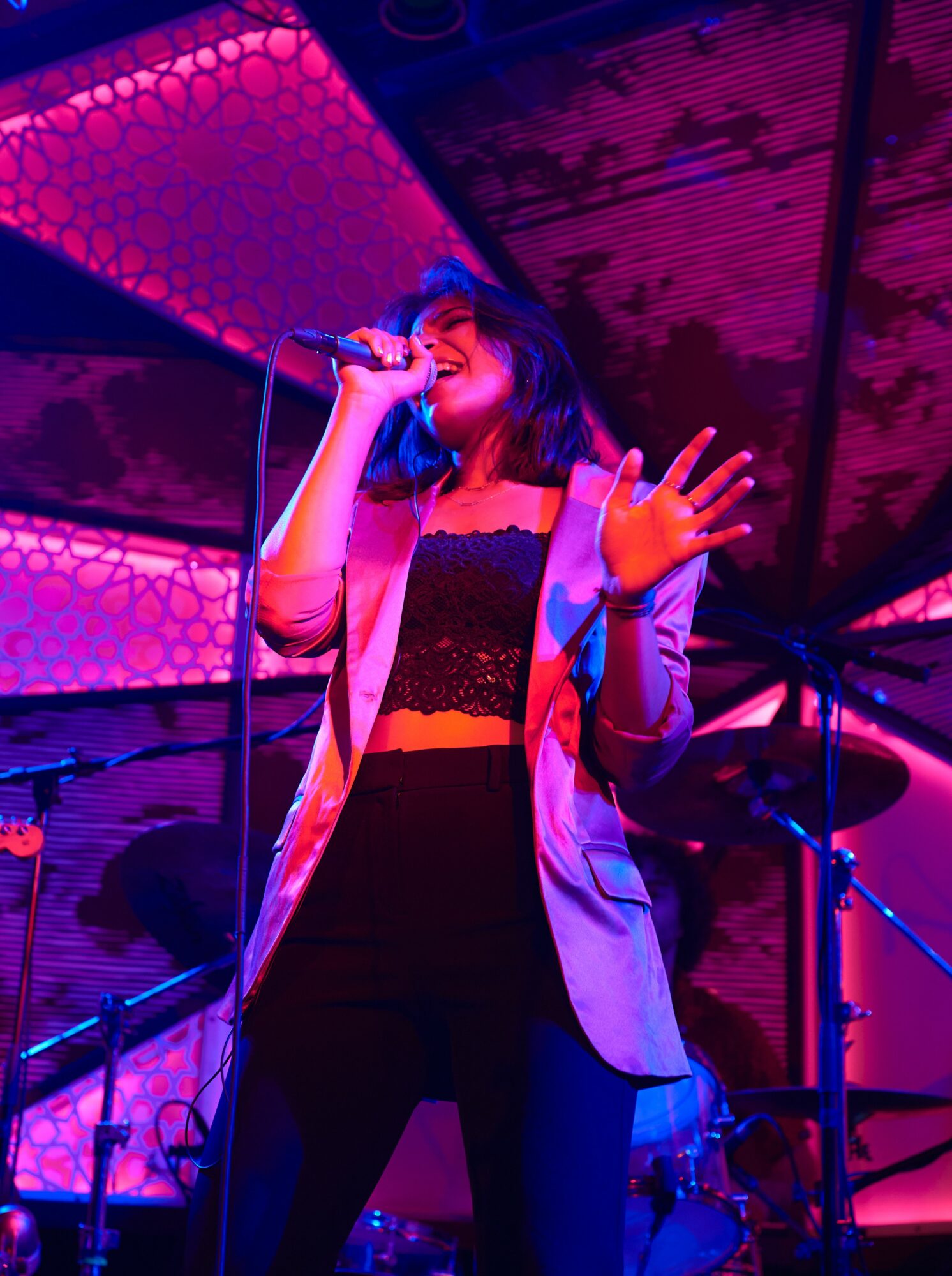
Today we’d like to introduce you to Doyel Das.
Doyel, we appreciate you taking the time to share your story with us today. Where does your story begin?
My journey began when I was four years old, when my parents enrolled me in Hindustani vocal lessons. Hindustani classical is a form of Indian classical music, and I have been learning it for 24 years now. That was the foundation – weekly classes every Sunday, hours of practice, honing the craft. Throughout my schooling and college I did all the musical opportunities available to me – choirs, acapella groups, jazz ensembles. Music was always present in my life, but for a long time I never thought of it as something I could pursue seriously. It was just something I did.
That changed during one specific moment in a music class when I was fourteen. I don’t know if it was just a good day or if a decade of preparation had finally landed, but I hit a flow state I had never felt before. It felt like a whole world had opened up, electric and alive – like that scene in Ratatouille where Remy takes the bite of the cheese and strawberry and feels fireworks. That’s what it felt like. On the car ride home, the euphoria settled into something quieter, and I realized how deeply I loved singing and how intertwined it had become with my identity. All I wanted to do was keep feeling that feeling – and yet for as long as I could remember, people had been telling me it wasn’t realistic. That others spend their whole lives trying to achieve greatness in music and never make it, so what’s the point? And I remember thinking: what’s the point of loving something this much and having a gift, if I don’t put everything into doing the best I can to share that gift?
From that point on everything shifted. I started practicing with intention instead of obligation. I explored every genre I could find – choral, Bollywood, jazz, pop, classical, K-pop. I entered bigger competitions, sang in front of larger audiences, volunteered myself for every opportunity that scared me. And it was fruitful. I was winning competitions, getting validation, and hearing people encourage me to keep going.
The biggest shift came in college, where I was lucky enough to be surrounded by people who were just as passionate about music as I was. We fueled each other, listened to music together, picked apart what made songs great, and genuinely believed in each other’s potential. Those people are still my closest collaborators and friends today. That community is a big part of why I’m here.
Now I’m a singer, songwriter, actress, and filmmaker based in New York City, releasing my debut EP – a five-song project where each track represents a face card in a deck. My second single, “Iraade,” is my latest release.
Can you talk to us a bit about the challenges and lessons you’ve learned along the way. Looking back would you say it’s been easy or smooth in retrospect?
Not even close – and I think the most honest answer lives in two places: the technical struggle and the internal struggle.
On the technical side, songwriting has always been my biggest challenge. I was always excellent at learning songs, picking up different styles, and being able to sing almost anything put in front of me. But creating something from nothing? That was a completely different muscle. I remember watching people in choir make arrangements and thinking, I would never be able to do that. It was the same paralysis I felt in English class when a teacher would say write something and my brain would go completely blank. Give me a prompt, a concept, a constraint – I can work with that. But no rules??? How do I even operate without a guideline? Terrifying. In music, that feeling was amplified a hundred times over. So many styles, so many languages, so many ways to approach a single song – how could I possibly condense all the ideas swimming in my head to a 3 min snapshot?
I’ve had to learn to slow down, give myself grace, and be okay with being bad at something over and over and over again. Songwriting is still the hardest part of what I do. But it’s also the most rewarding, because there is nothing quite like building an entire world – a concept, a vision, an emotional experience – out of nothing, and then watching someone else receive it in their own way.
The deeper struggle, though, is more internal. For a long time, my dreams have felt less like fuel and more like a weight. I have enormous ambitions – in music, in film, in everything I do – and for years, those ambitions imprisoned me in my own head. I could envision exactly where I wanted to be, exactly what I wanted to create, but the distance between here and there felt crushing. The fear of trying and failing, of disappointing everyone who believed in me, of proving myself wrong and everyone who told me this was unrealistic right – that fear kept me stuck more than any external obstacle ever did. Still does.
I actually wrote a song about exactly that feeling to try and make sense of it. “Iraade”, which means Intentions in Hindi, is about a dream personified – she shows you the most beautiful version of your life, but if you stay too long in your own dream, you become her prisoner. You become a prisoner of your own mind. Writing Iraade made me realize something: it was never the dream that was too big. It was me choosing to let it crush me, because it felt safer to feel tortured by my ambitions than to take the leap and risk failing publicly. It is easier to say the path is hard than to actually walk it.
That’s something I’m still learning to reconcile.
Alright, so let’s switch gears a bit and talk business. What should we know about your work?
I am a singer, songwriter, actress, director, and producer. My formal education is in neuroscience and public health, and that work still matters deeply to me. I want to contribute to healthcare progress that genuinely improves people’s lives, work where I can look back and know I made a real impact.
But the creative work is where my soul lives, and for a long time I treated each pursuit as a completely separate thing, which made everything feel overwhelming. What I’ve learned, and what I’ve been practicing more intentionally lately, is that everything I do is connected. Taking care of my body through exercise and yoga supports my breath work and vocal performance. Being grounded and more in my body physically makes me a better actor. Being a better actor makes me a more emotionally present singer. Creating and directing sharpens how I think about storytelling in music. Once I started treating all of it as one integrated way of living rather than a list of separate pursuits, everything became more meaningful and more manageable.
The project I am most excited about right now is my debut EP. Five songs, each representing a face card in a 52-card deck, each with its own character, sonic world, and emotional stakes. The second single, “Iraade,” represents the Queen of Hearts.
What sets this project apart is the lane I’m trying to build: jazzy, sultry, retro soul, written and sung in Hindi. I grew up with Bollywood music and Hindustani classical on one side and Western pop and jazz on the other, and there are only a handful of songs that truly live in both worlds at once – and those have always been my favorites. They have this vintage glamour to them that I find irresistible. I want to build that into a full genre. People love jazz. People are increasingly open to music in languages other than English. I think there’s a real audience waiting for something that sounds like Raye or Sienna Spiro, with a hint of Shreya Ghoshal and Jonita Gandhi, sung in Hindi with a full live band and old Bollywood soul.
Beyond music, I’m also in the early stages of developing a short film – something that brings together the talented actors, musicians, directors, and crew I’ve had the privilege of working with. I also co-founded Desi Standard Time, a biannual concert series in New York City dedicated to giving independent South Asian artists a stage to showcase their work.
And of course, I’m always auditioning. Always chasing the next role.
Do you have any advice for those looking to network or find a mentor?
Mentorship has been one of the most important things in my life. I would not be where I am today without the mentors I have had across music, acting, film, science, and my career. Every single one has been a catalyst for my growth in ways I could not have manufactured on my own. And the way I found them is simple, though it takes courage: I sought them out.
That means networking, which I know can feel uncomfortable. There is an implied transactional quality to it that puts people off. But I think that discomfort comes from confusing networking with manipulation. At its core, networking is just human connection. Connection is how we have always done our best work and created the things we are most proud of.
My advice is to look for people whose values align with yours, who have something you genuinely want to learn, and whose work you deeply respect. One of my most important mentors taught me discipline, something I lacked for a long time. She found countless ways to show me why it mattered and what it could give me, and once it clicked, it became the foundation of how I approach everything. That kind of guidance only comes from a real relationship, not a transaction.
In terms of how to actually show up: lead with kindness, always. Make the other person feel genuinely heard and valued, not because it is strategic, but because it is right. People remember how you made them feel long after they have forgotten what you said. Remember names. Remember details from conversations. Follow up. It signals that you were paying attention, that you care, and that you will show up. That reputation, of being someone who actually shows up, is worth more than any single connection you will ever make.
Contact Info:
- Website: https://open.spotify.com/track/1JaHjHHSd9TmgUDr6SviZd?si=76e06d5151ef4509
- Instagram: https://www.instagram.com/doy_das/
- Facebook: https://www.facebook.com/profile.php?id=61582562656027
- Youtube: https://www.youtube.com/@DoyelDas
- Other: https://www.tiktok.com/@doy_das?is_from_webapp=1&sender_device=pc
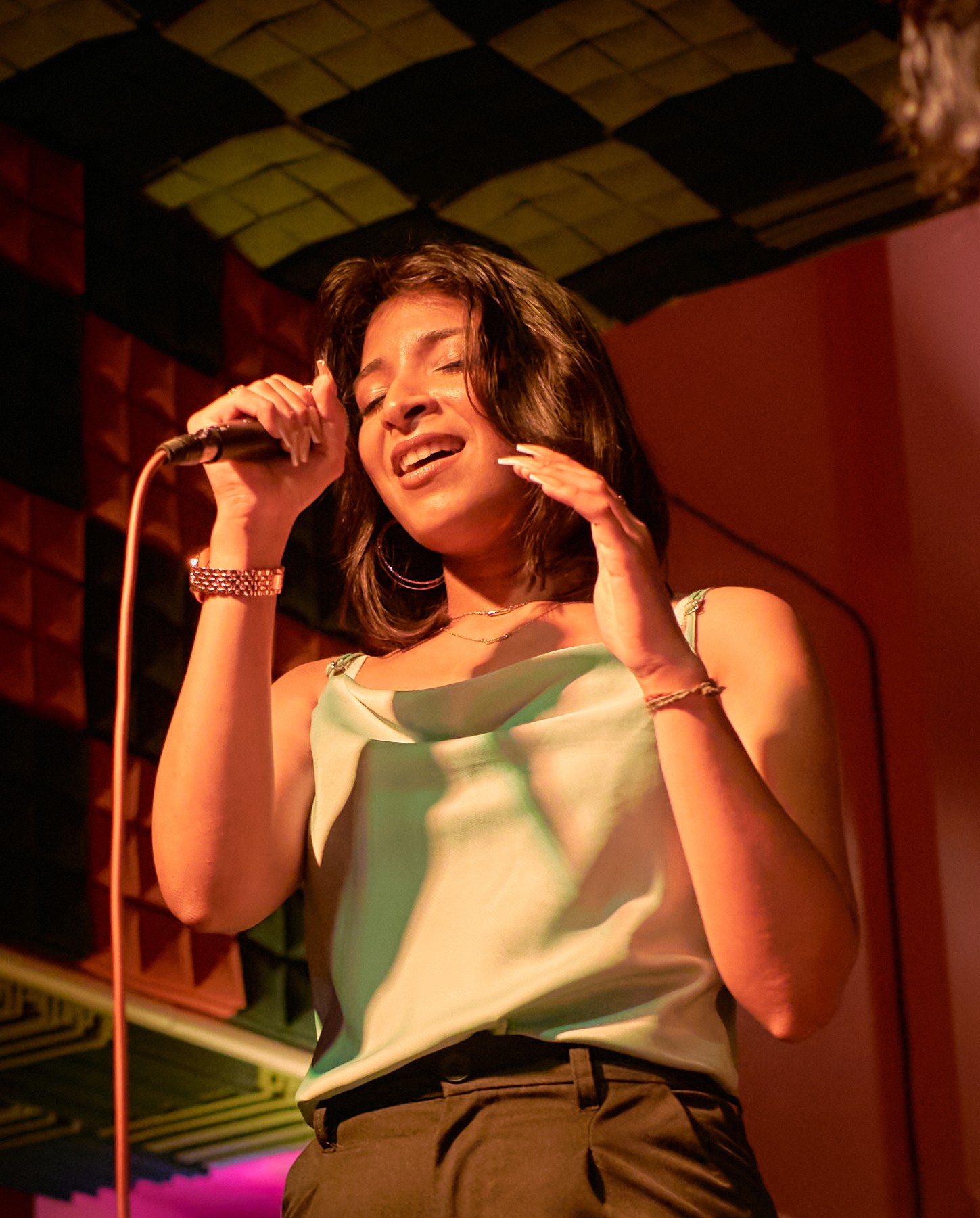
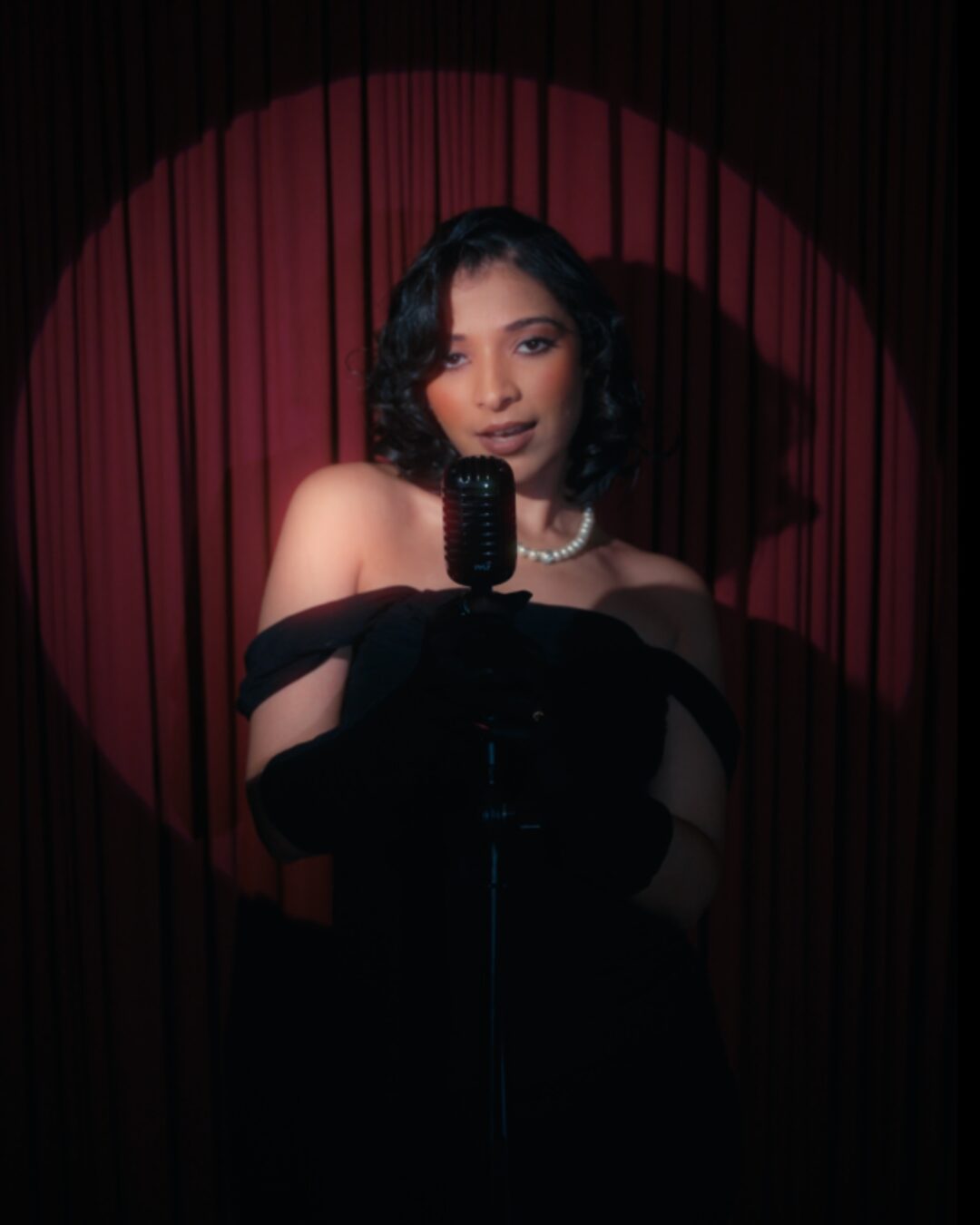
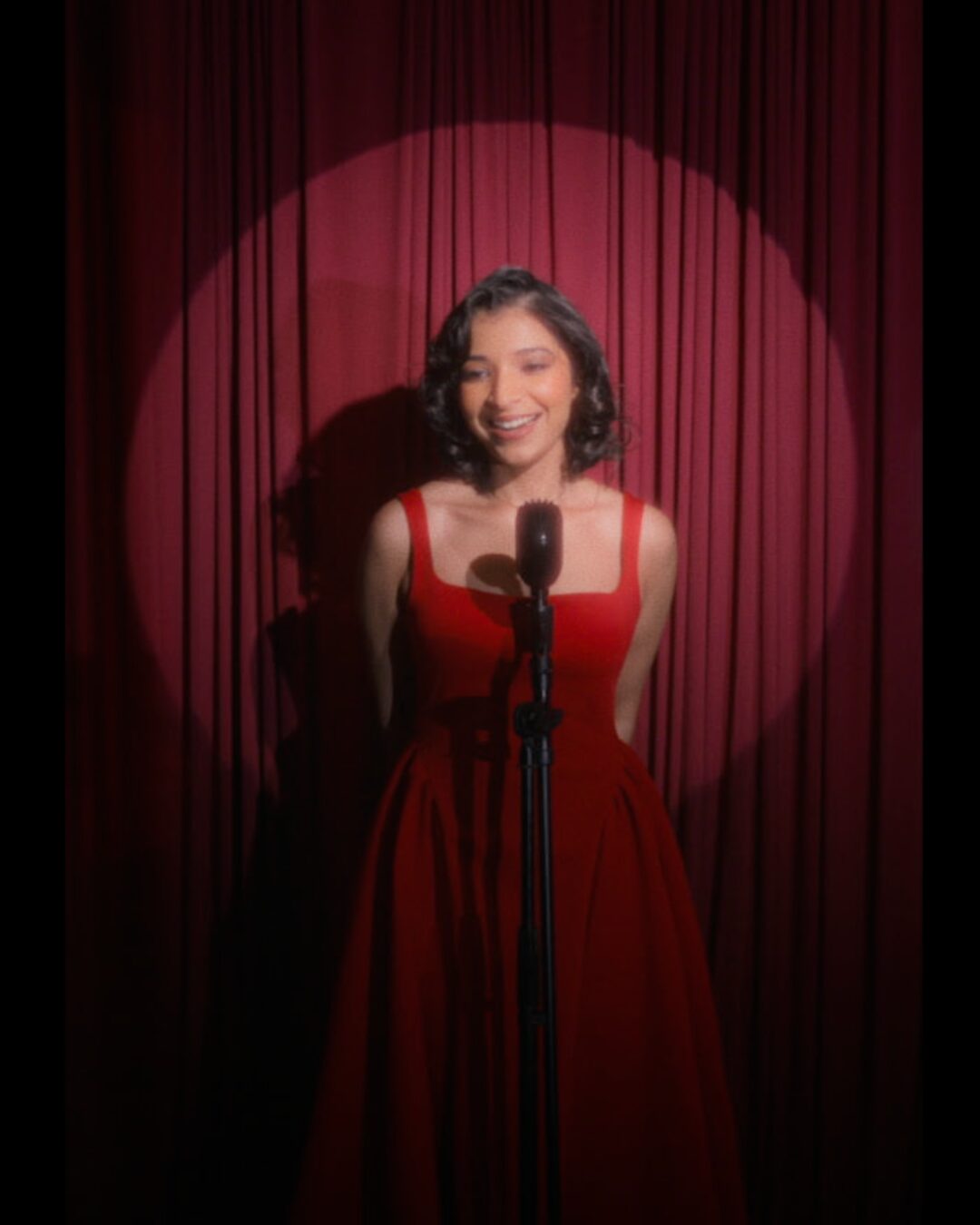
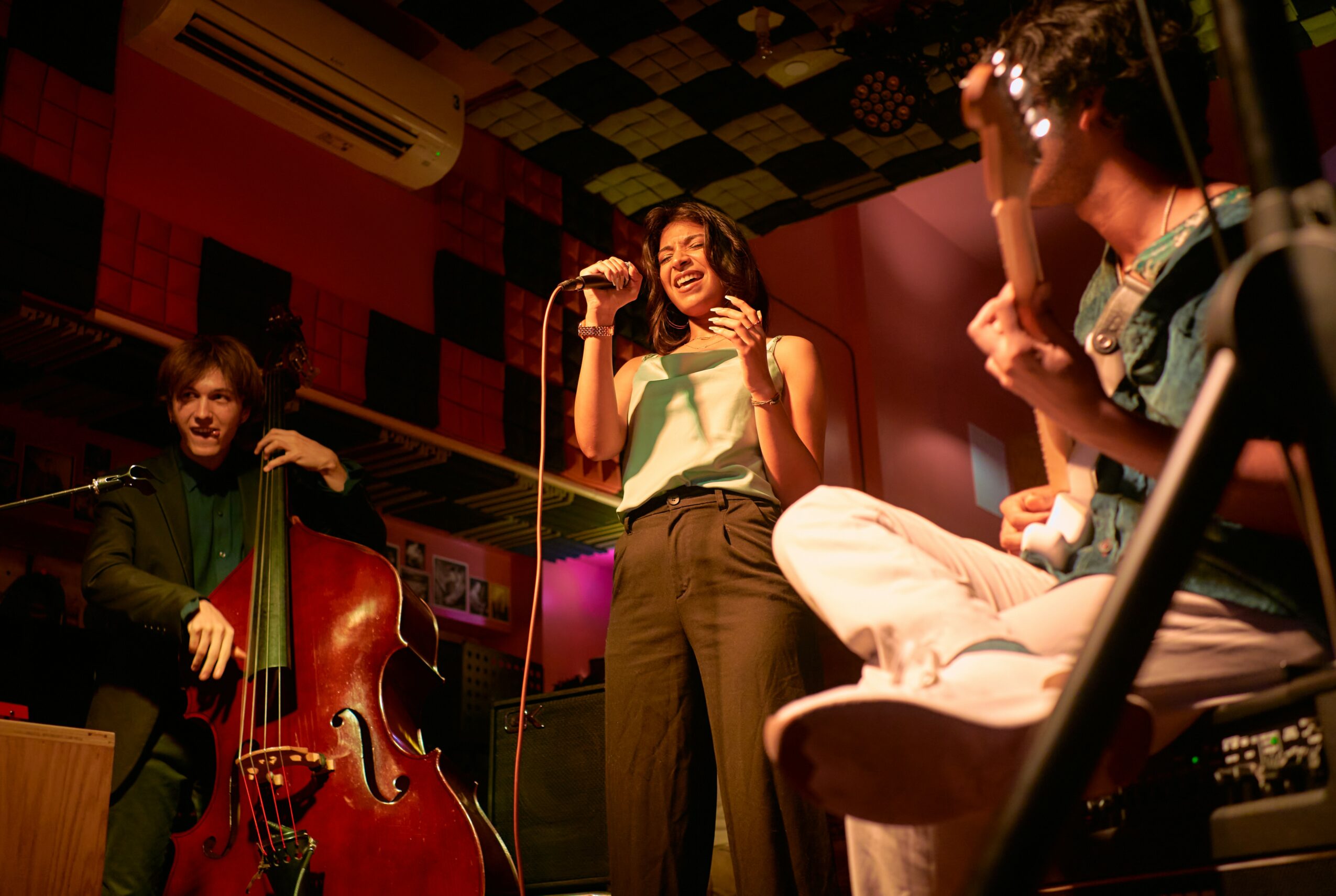
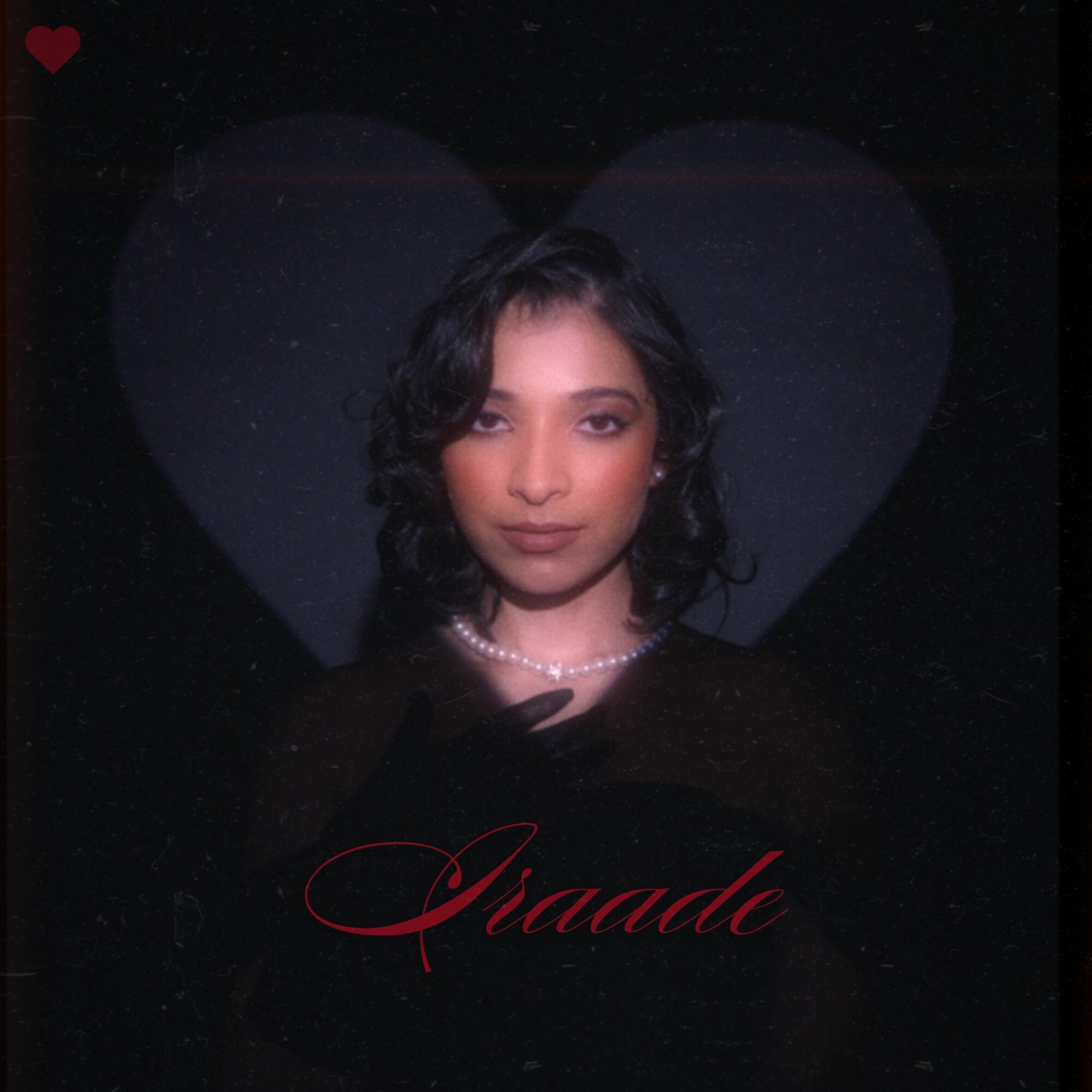
Image Credits
Zani, Shawn Foulks