

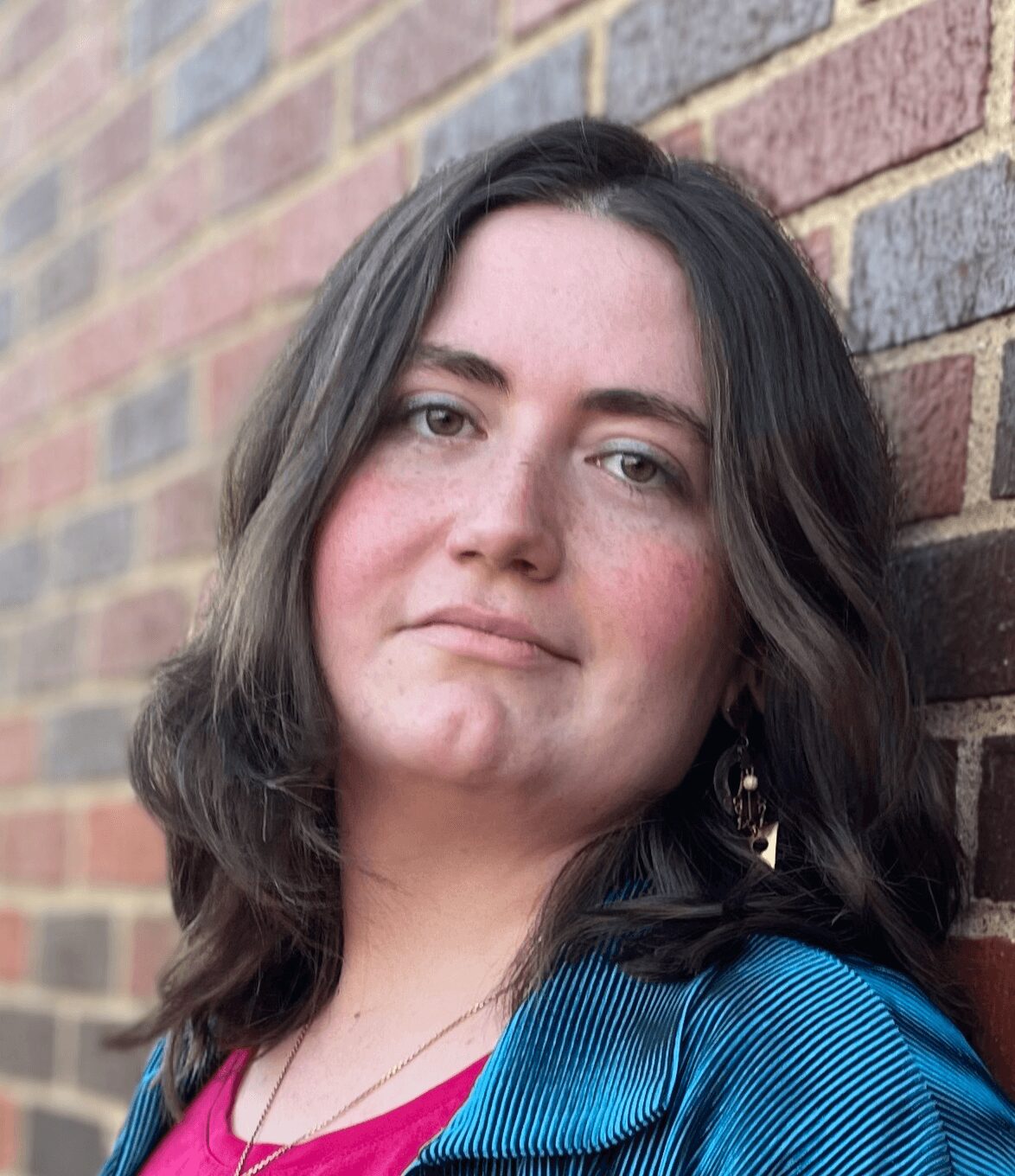
Today we’d like to introduce you to Alexandra Green.
Hi Alexandra, we’re thrilled to have a chance to learn your story today. So, before we get into specifics, maybe you can briefly walk us through how you got to where you are today?
My whole life has been spent pursuing creativity, and my entire family supported me. My memories, and family photo albums, are filled with images of me making artwork out of unconventional materials, taking art and theatre classes, writing stories, and making and playing with puppets. Because of my parents, siblings, grandparents, and extended family, I never really grew out of those activities.
My grandma’s house is one of my major inspirations from all the time I spent there as a kid. She, and my grandpa to a certain degree, curated their house to look like the archives of a museum. Tapestries hung on the walls, and sculptures, paintings and needlecraft adorned every surface. Museum art books on the built-in shelving, bolts of fabric left over from my grandpa’s fabric stores were squirreled away in the closets. Grandma would reassure me of the value of her treasures, often telling me not to throw things away because her belongings were a reflection of her desire to be surrounded by beautiful things. Because of that, I’ve always loved art. As I grew, so did my desire to be surrounded by the things I thought were meaningful.
As part of a multicultural household due to my mom’s status as a second generation American and my dad’s profession as a sociocultural anthropologist, I was able to participate in diverse cultural practices that influenced the development of a broadened worldview that took me outside of my small town. My parents enrolled me in lessons in painting and clay sculpture, took me to community theatre rehearsal, and enrolled me in voice and piano lessons. On the non-academic side of things, most of my free time was spent reading novels and comic books, watching science fiction movies from the 1940s to the 1980s, playing the Legend of Zelda, and listening to my dad’s stories of folk characters and his childhood. All of this is to say that my parents let me pursue my interests to the degree that I was fascinated by them, and that allowed me to cultivate a rich imagination and inner life.
Despite my devotion to creative pursuits, I didn’t realize that I could pursue art professionally until I was at university. I went to Rice thinking I would be a writer or anthropologist like my dad, or something in STEM, so I didn’t officially have a major until I was a sophomore. On a whim, I took Beginning Sculpture because I thought I should probably take an art course in college. Over the course of the class, I realized that this was the discipline that made me happiest, and my professor encouraged me to major in Studio Art.
During my spring semester in 2019, I took more classes in art and English, and had my first group exhibition as part of the class “Monster Studio.” I also had the privilege of volunteering with the visiting artists Machine Dazzle and Poncili Creación through the Moody Center for the Arts. I consider this a pivotal moment in my artistic career due to the fact that I saw artists who I admire working in fabric, costuming, performance, and puppetry, which were media that I didn’t consider practical for myself. I had not seen fibers work or seen art as whimsical in an arts institution until that point.
I started thinking about my artwork more conceptually because of my experiences in college, and the aspect of narrative in static work became something that intrigued me. I wondered how static objects could act as vessels for storytelling, as well as create environmental storytelling. I explored this most in my first solo exhibition of masks titled “Being Green” (2021) at the Sleepy Cyborg Gallery on Rice’s campus in Houston. I was awarded Distinction in Research and Creative Works upon graduation for this endeavor.
It wasn’t until I applied to graduate school that I started working in fibers in earnest, and it was only as I started my MFA at Texas Woman’s University in 2023 that I started to consider myself a fibers artist. I suppose it’s funny that it took me almost twenty years to circle back to working with fabric. I grew up sewing because my maternal grandparents owned a chain of fabric stores, and it was expected for me to learn how to sew. My mom taught me when I was about four or five, but I always associated it with play, rather than “serious art work”.
As a graduate student, I chose to embrace whimsicality, play, and the weird in order to express myself authentically. I started making more wearable artworks, monster-inspired soft sculptures, assemblage, and video work. I found it was important to devote myself wholeheartedly to the pursuit of my work and to my education, which is probably why I’ve been able to grow my artistic practice in such a short period of time.
While I was working towards my graduate degree, I kept applying to exhibitions within and outside the Dallas area. This led to me having work featured in forty group exhibitions nationally and five solo exhibitions across the state of Texas, including showing my work at the Dallas Contemporary Museum. Now that I’ve completed my MFA, I want to continue making artwork that is authentic to my life experiences.
I think the biggest reasons that I am where I am today are my loved ones who supported me in whatever I wanted to do with my time and my life, and my intense dedication to those pursuits.
Can you talk to us a bit about the challenges and lessons you’ve learned along the way. Looking back would you say it’s been easy or smooth in retrospect?
I think my road has been far from smooth. For most of my life, I felt pulled between what I thought I was supposed to do or who I was supposed to be and what I needed for myself. I heard from teachers and various authorities (excluding my family and close friends) that art is impractical and not worth my time. I had people who helped me grow my self-confidence, like my parents and other family members, and my childhood music teacher, Mrs. McCoy. Knowing that they believed in me from a young age made it easier to stand up for myself.
In a similar vein to the above example, but not exactly the same, I remember another student in undergrad asking me if I was looking forward to working in fast food if I got a degree in humanities, and classmates in high school telling me I was bad at art because I chose not to make realistic art. I think it was difficult to realize that I could ignore unhelpful and unsolicited remarks from people whose opinions didn’t, and don’t matter to me. It took a long time to develop a thicker skin, but I think I’m all the better for it.
I think these experiences were important for me to have because it showed me from a young age that I needed to be the first person to believe in myself, regardless of what I may be doing–art, literary analysis, academic writing, etc.. I was a really sensitive kid, and that made it hard for me to ignore the negativity of other people. As an adult, I’m still sensitive, but I’ve learned to balance that sensitivity in a way that my perception of myself isn’t weak to other peoples’ opinions.
As you know, we’re big fans of you and your work. For our readers who might not be as familiar what can you tell them about what you do?
I am a fibers artist who primarily makes costumes, puppets, and soft sculptures. I also work in new media and performance art that utilizes my fibers work as costumes and props for video work and photography. I also make assemblages outside of fiber art. Through my artwork, I seek to give my viewer a visual demonstration for living authentically in a social landscape that promotes conformity. I carve out niches of belonging for myself when I make artwork, and I encourage others to do the same. I think the world would be a kinder, more tolerant place if people were encouraged to be true to themselves.
As the daughter of an anthropologist, much of my conceptual interests are influenced by sociocultural anthropology, specifically as it relates to monsters. I often use monsters in my practice as stand-ins for people because of their status as marginal creatures. Within the vein of anthropology, I was exposed to oustider art, self-taught art, and folk art through museums and my dad’s research. Those influences shaped my idea of art as being an expressive reinterpretation of an individual’s experiences. It showed me that art can have a greater cultural purpose through performance or the creation of utilitarian objects.
My visual language is also very distinctive because I make art in a way that is reminiscent of how I made things as a child, as well as drawing from my early influences from outsider art. My fibers artworks are rough with loose threads, clumsy-appearing construction, and often fall within figurative abstraction. To create art is to play, and, for me, it gives me the opportunity to look at the world with fresh eyes. Art lets me think like and create like a kid again.
Regarding what I’m best known for, I have a tendency to make characters around whom I build bodies of work. The most successful of these characters is “Betty, The All-American Swamp Monster” (2024). I first made the “Betty” costume in 2024 and took a single photograph, which was selected for the 19th Biennial Joyce Elaine Grant Exhibition in 2025. Around a year after the first photograph, one of my friends assisted me in taking five new photographs that show Betty’s daily life in Denton, TX as part of my MFA thesis exhibition. From February to March 2026, all of these photographs were shown at the Dallas Contemporary as part of “In the Works,” which was the second cohort exhibition as part of the DC NTX Graduate Student Program.
Another through line in my work is that I have a tendency to express my surreal and silly sense of humor. The best way to spread one’s message is by being funny, and so I try to find moments where I can express my sense of humor, whether that’s in a sculptural or temporal work. I think of myself as a whimsical person, so my work is a reflection of that. Some of my more successful works that I’ve been able to express those qualities of myself are “The AL-phabet” (2024), which is a body of work in which I created an alphabet around the words others used to describe me during the first quarter of my life, as well as “My Husband, Tab Cola” (2025), which is a jar of trash with a tie that I made to comment on my distaste for feeling socially pressured into relationships or marriage by a certain age.
I’m most proud of the fact that I’m able to create positive connections with other people through my artwork. I’ve been able to make so many new friends and acquaintances from around the world through practicing art, and it is gratifying to know that I can help people feel seen through my work.
So maybe we end on discussing what matters most to you and why?
When I think about what matters to me the most, I think about connection. When I look back on my life at this point, I tend to cherish the positive interactions I’ve had with other people. Some of those more potent memories are related to the people who believed in me before I fully believed in myself, and people who, through their love and support, helped me develop the confidence that is necessary for me to be where I am now.
Outside of the incredible support from my parents, I think of my grandma giving me drawing lessons at the kitchen table. I think of Godfather Fred making special stops to come see me during his Texas visits and discussing artsy movies with me. I think about my best friend, Lee, who encouraged me to be myself–to do goofy voices and put on plays and make art and to pursue my dreams.
I am able to create art because I was able to develop a community of loving, supportive people. The memories I’ve been able to collect during my life are potent reminders of that support.
My ultimate goal is to be a good person. That means that I try my best to emulate the supportive behavior I was shown by my friends and loved ones, and to give my support to other people. I can collect all the accolades, awards, and acclaim in the world, but it wouldn’t matter if I didn’t share the feeling of being accepted with other people. I want to be a good friend and a support to my loved ones, my community, and anyone who feels like they don’t belong anywhere, and that matters to me above all else.
Contact Info:
- Website: https://alexandragreenartist.weebly.com
- Instagram: https://instagram.com/notthereverendalgreen
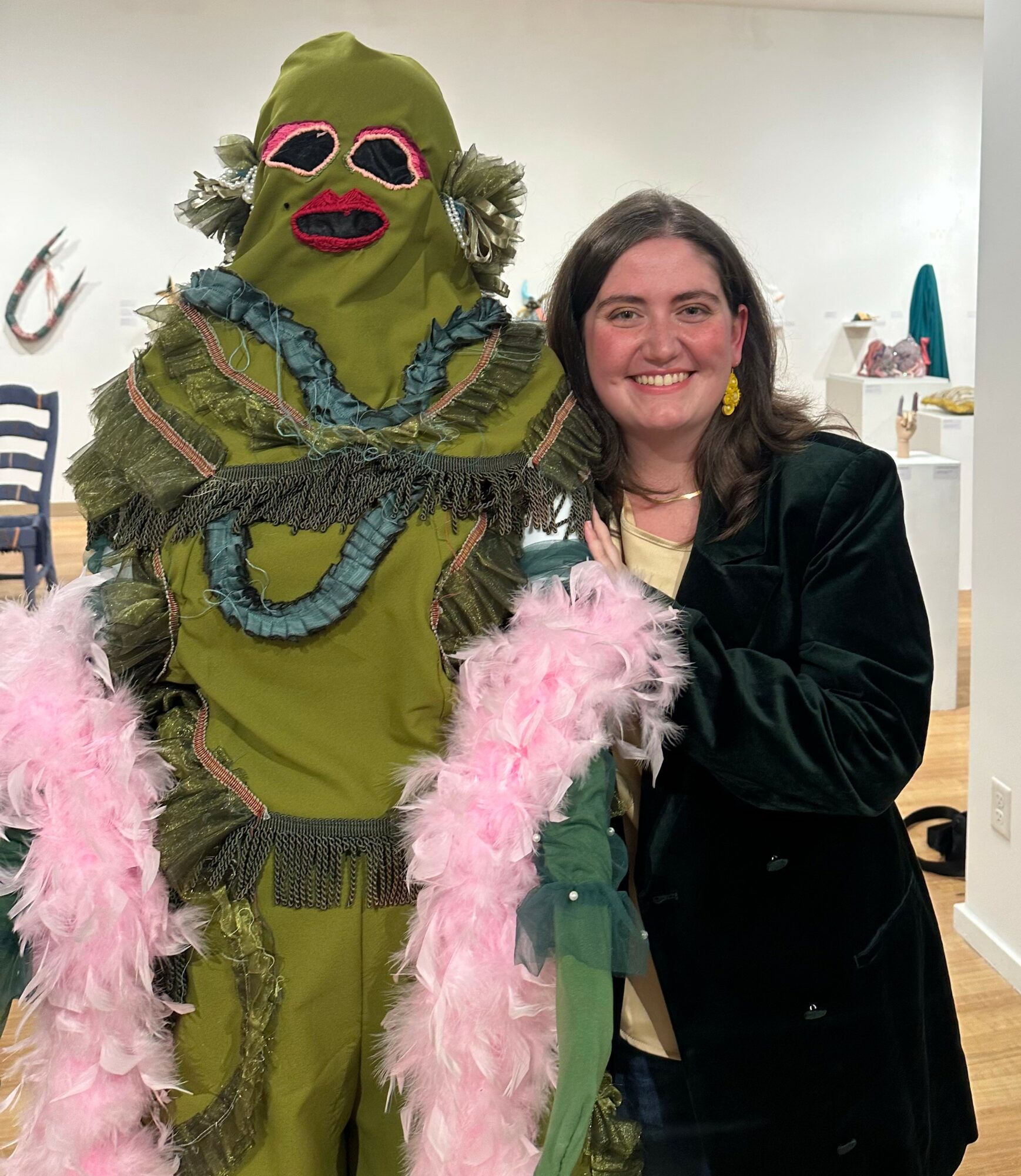
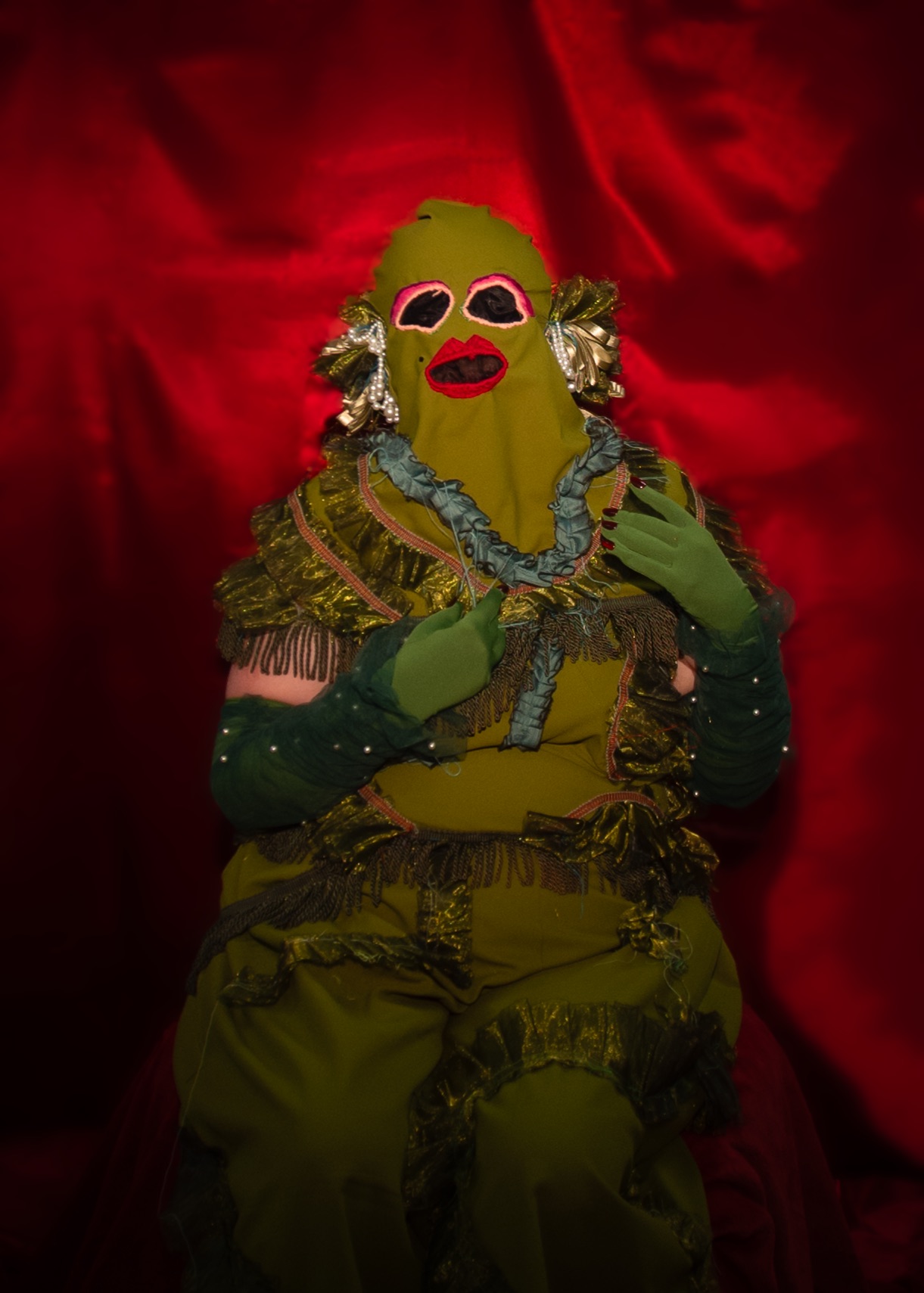
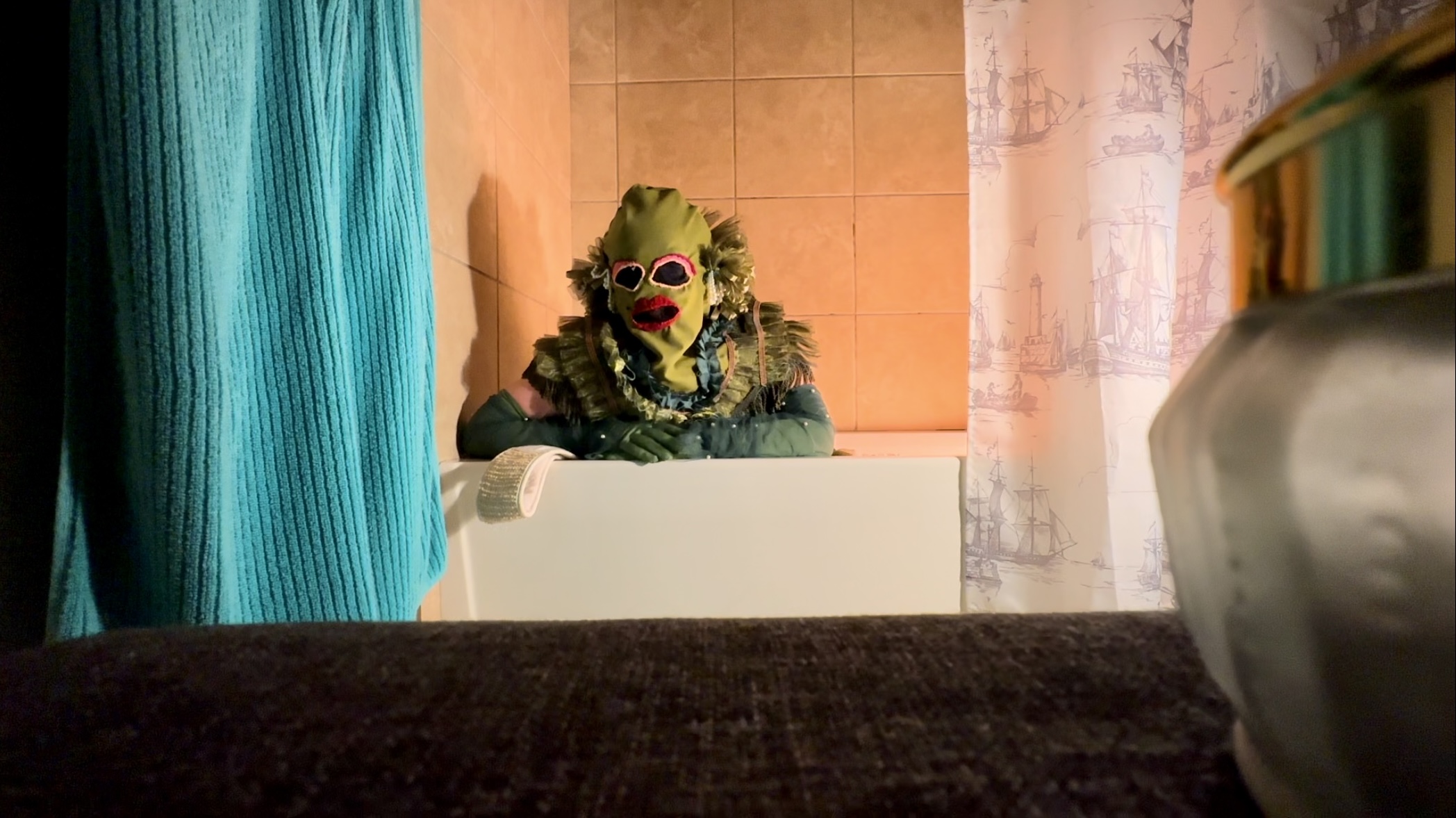
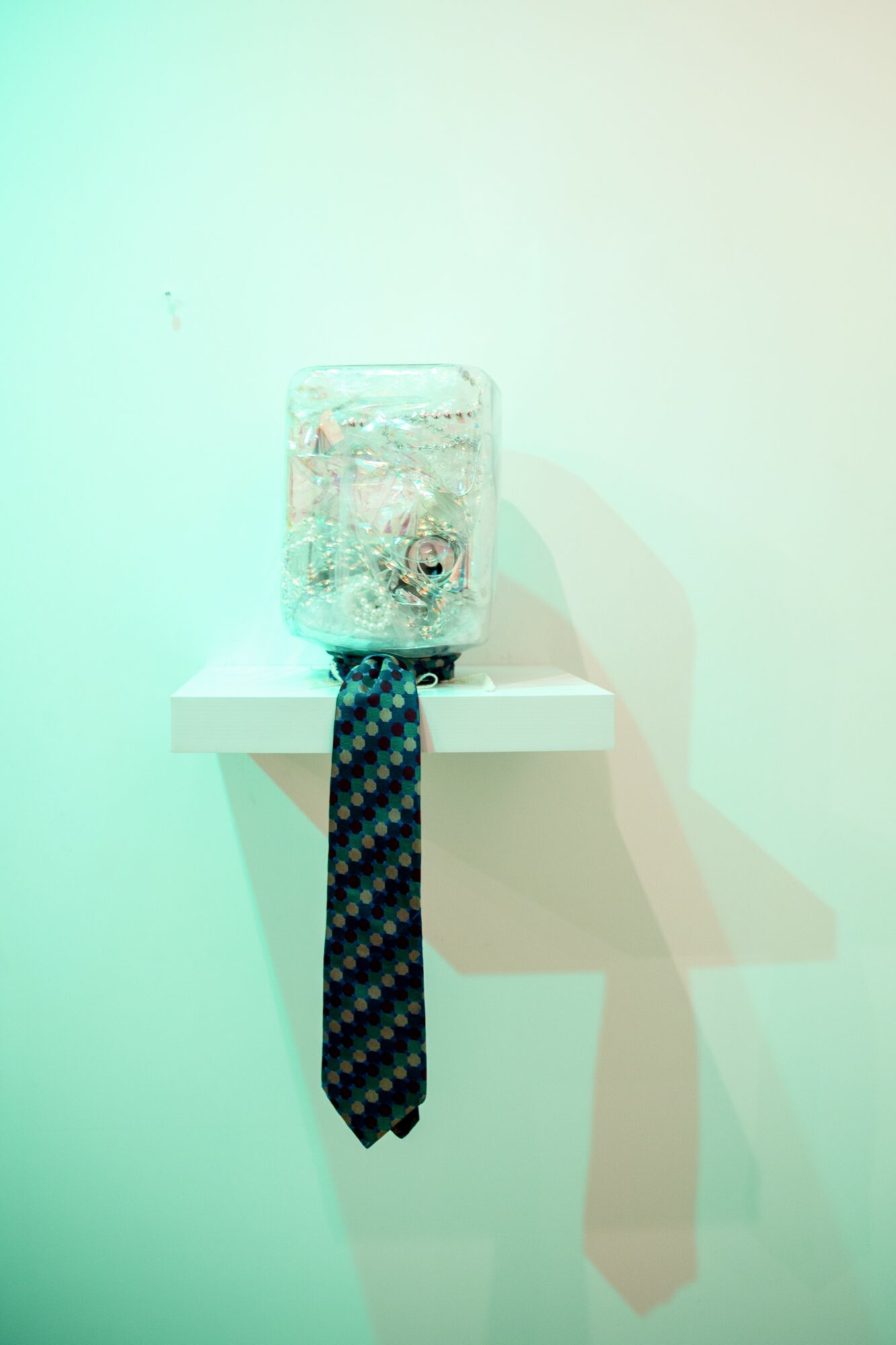
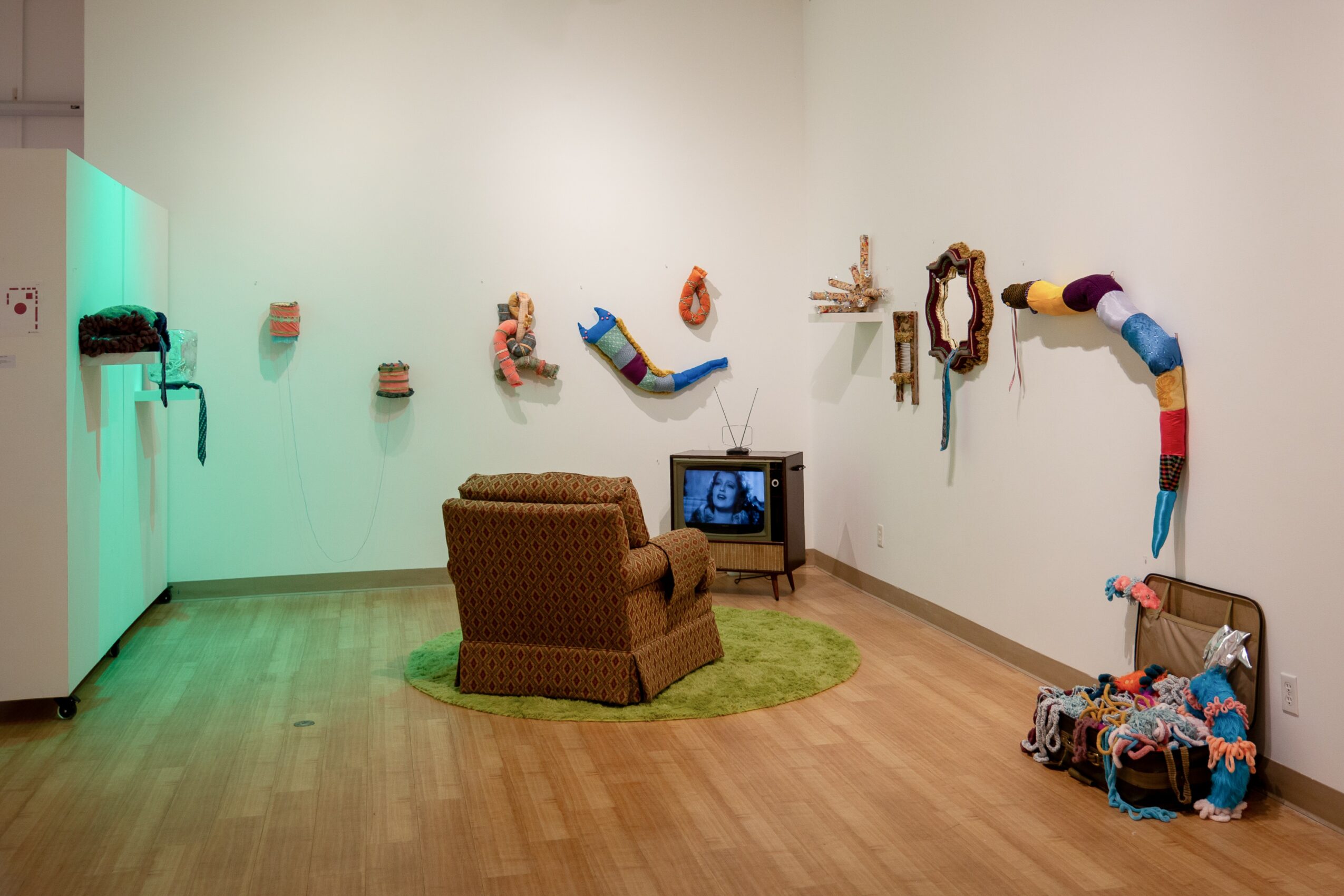
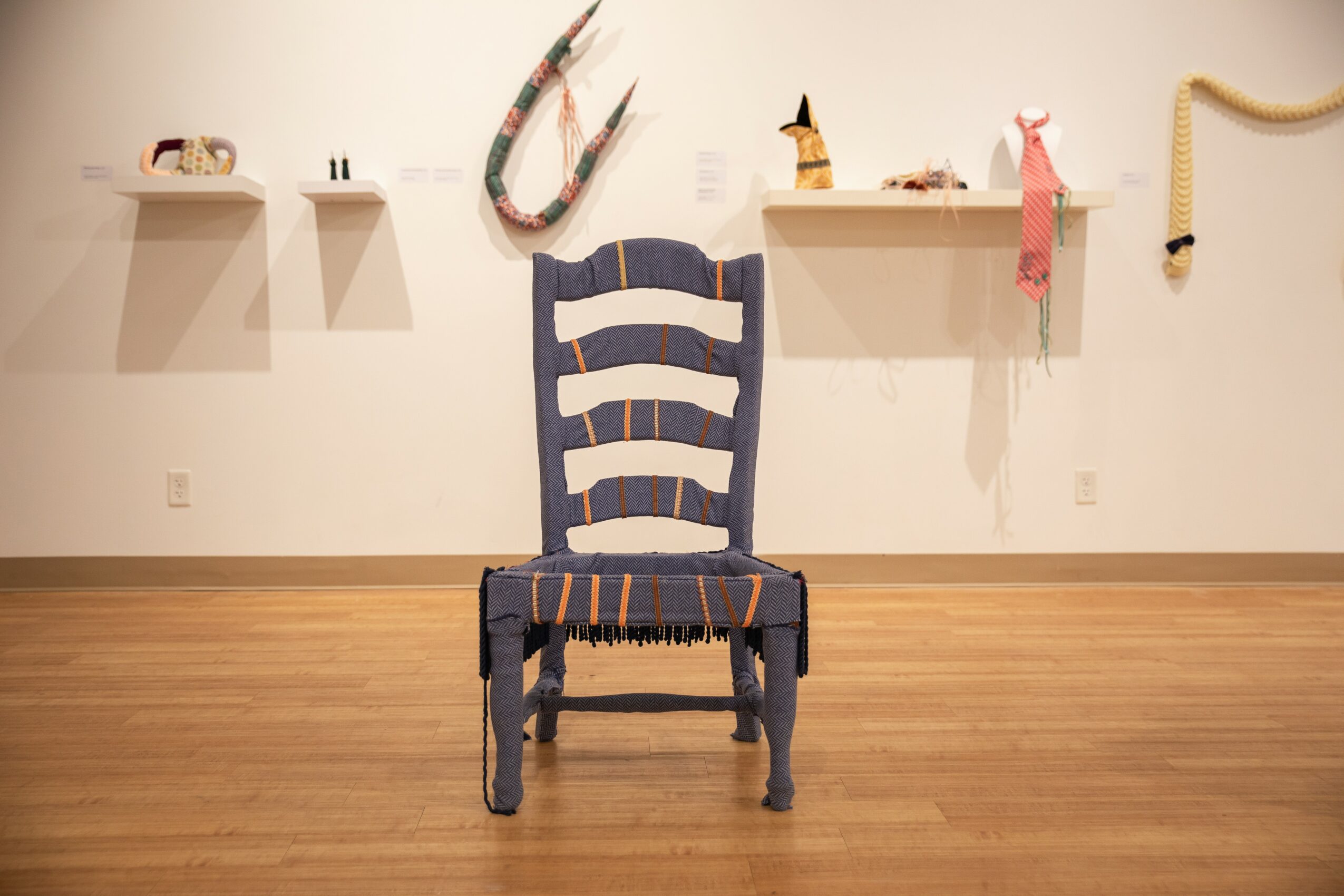
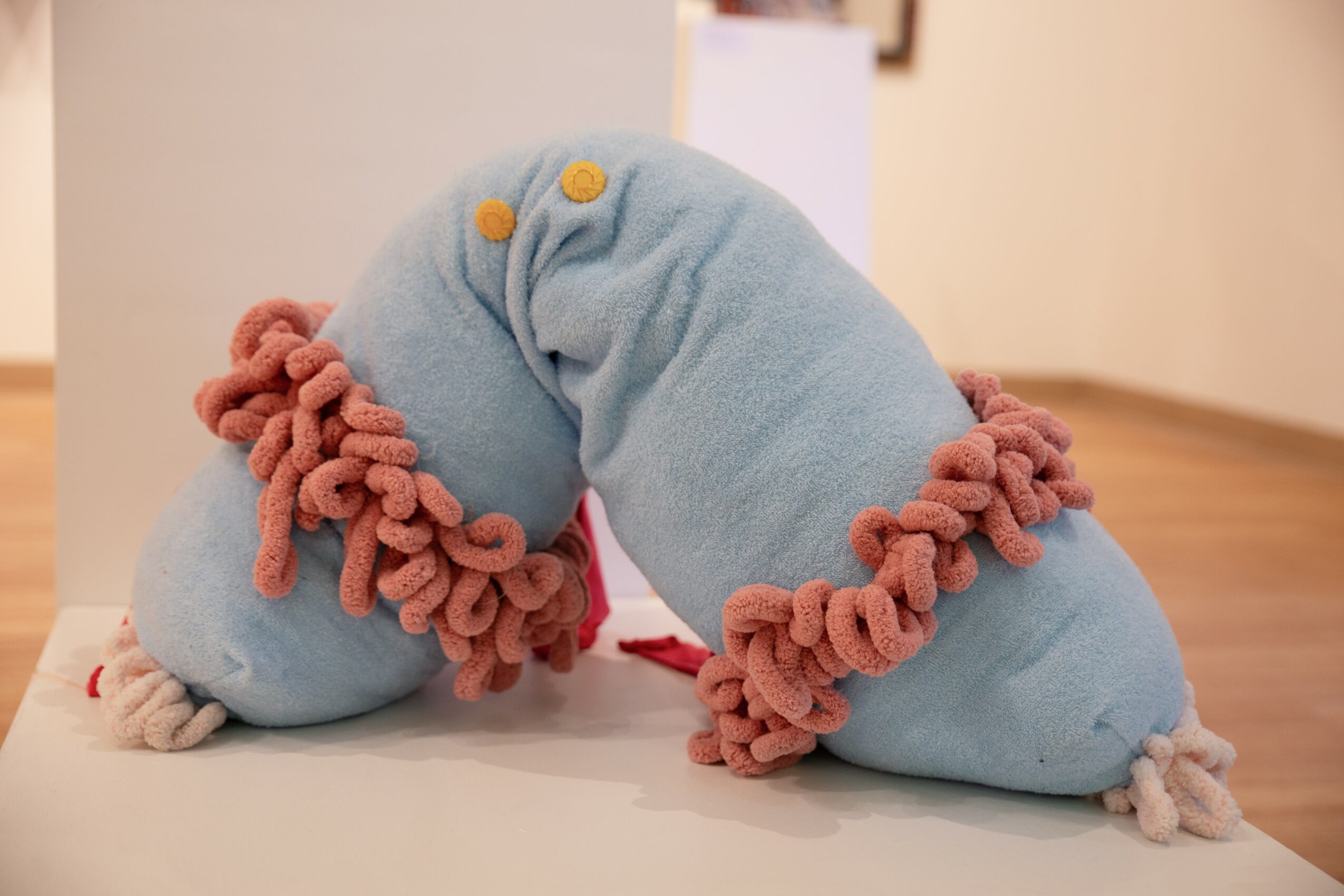
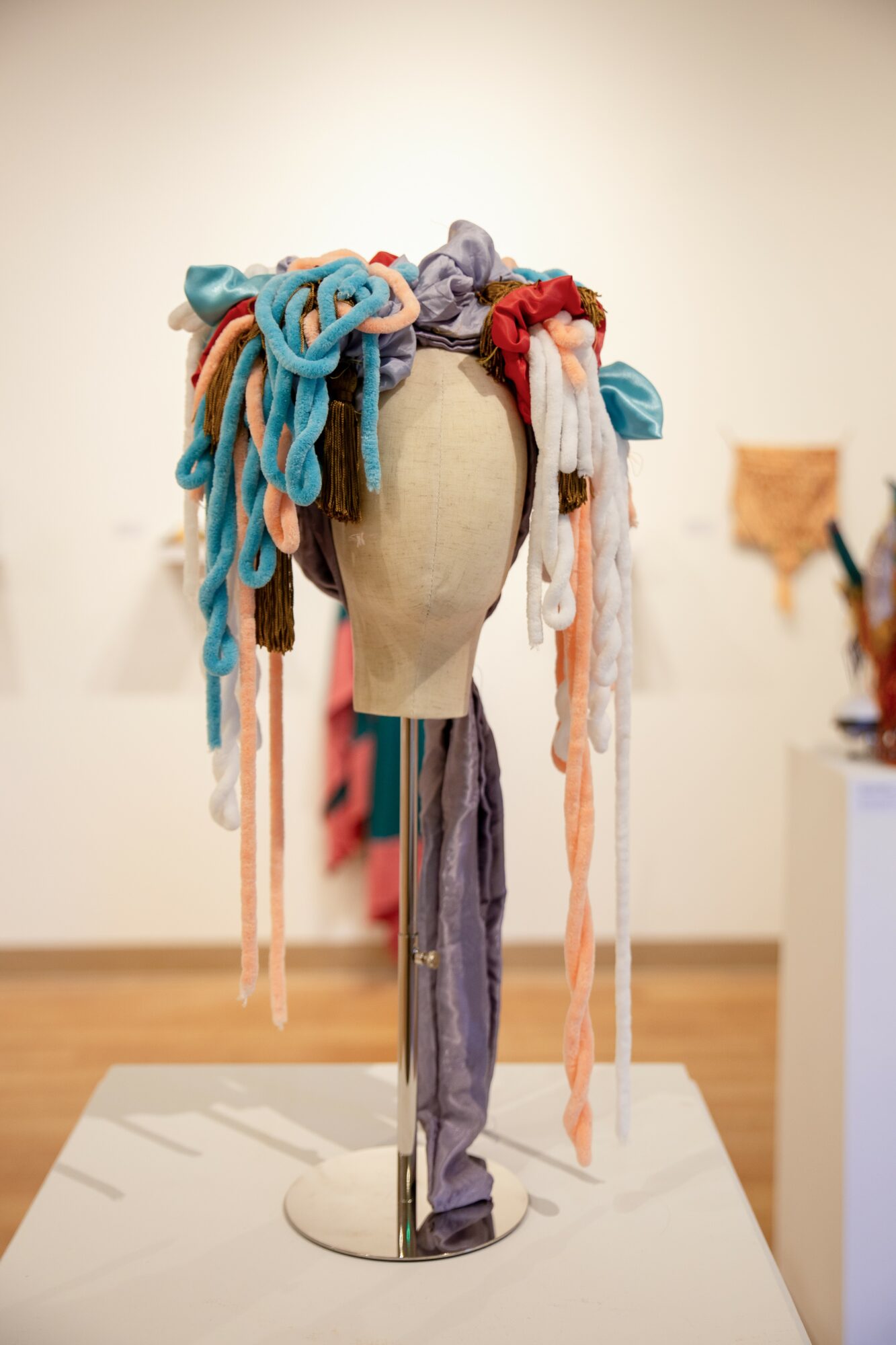
Image Credits
Emma Camp
Rebecca Jinyoung Park
Kaye Kypuros
Alexandra Green
Rebecca Jinyoung Park
Rebecca Jinyoung Park
Rebecca Jinyoung Park
Rebecca Jinyoung Park
Rebecca Jinyoung Park