





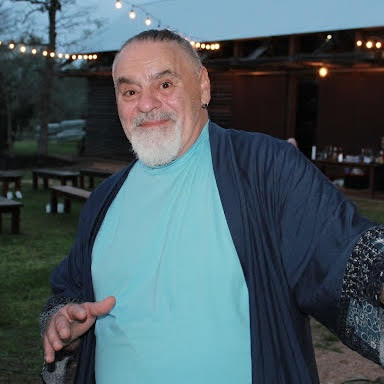
Today we’d like to introduce you to Jose Angel.
Alright, so thank you so much for sharing your story and insight with our readers. To kick things off, can you tell us a bit about how you got started?
Two years ago, I experienced an epiphany that redirected me back to my origin as an inspiring artist. My very first artwork, as a self-taught artist in the year 2000, was a social-political commentary. Throughout my 25-year artistic journey, one constant has been my commitment to human values. In recent times, the increasing global polarization has restored my inner calling to use my artistic voice for social and political art.
The history of social and political art is rich and complex, reflecting societal changes, cultural movements, and the artists’ responses to their environments. The 20th century saw a diverse range of activist artists, from Diego Rivera and Ai Weiwei to Kara Walker and Banksy, to mention a few.
The internet has profoundly transformed artistic freedom for artists and content creators by providing a global platform to disseminate their work. Social media has become the primary platform for advocacy, education, and community engagement, leveraging its unique capabilities to foster meaningful conversations and inspire change.
Contemporary manifesto artists are expressing their artistic freedom through subjects such as racial justice, gender equality, LGBTQ+ advocacy, mental health and wellness, and environmental themes.
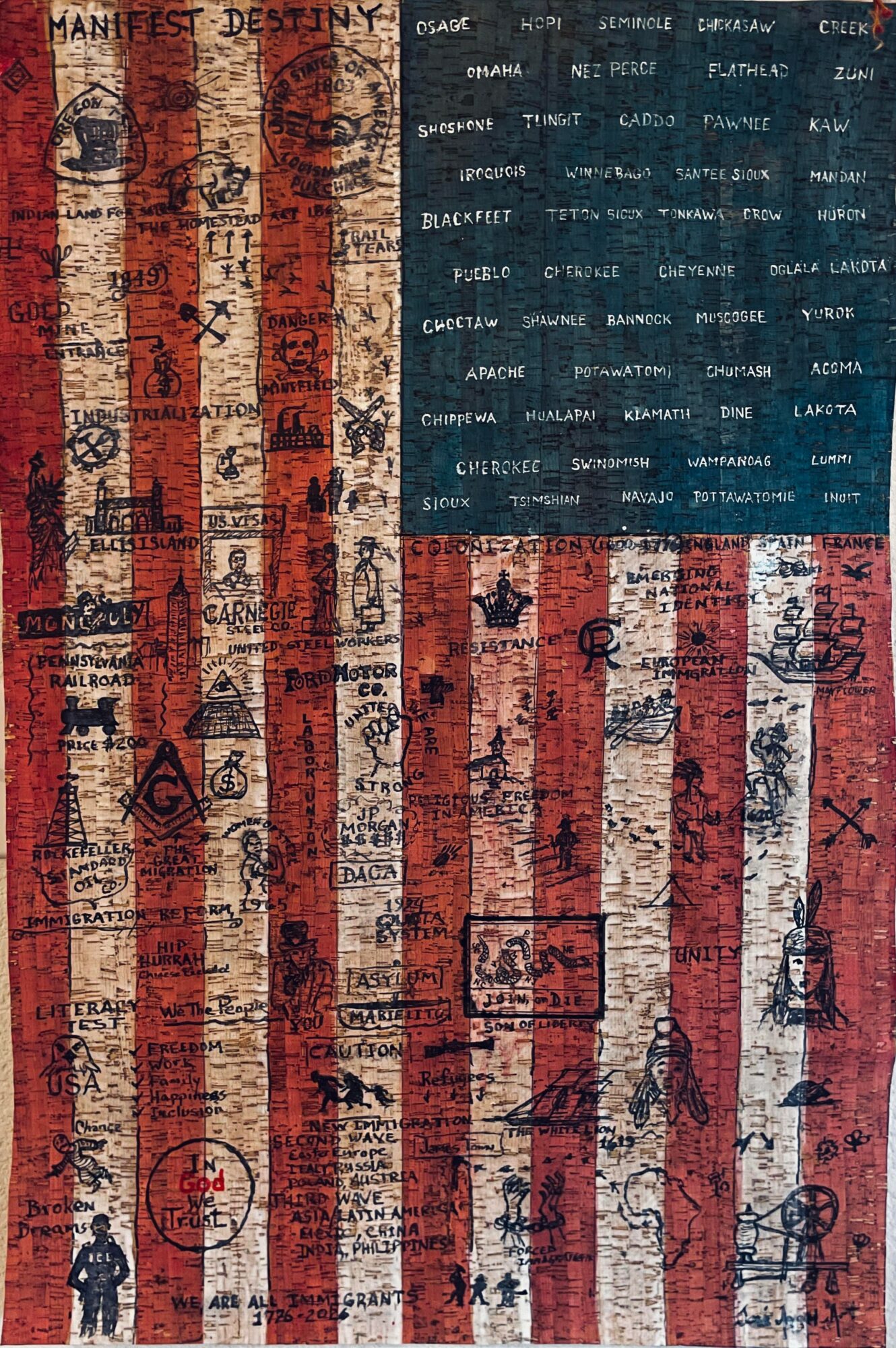
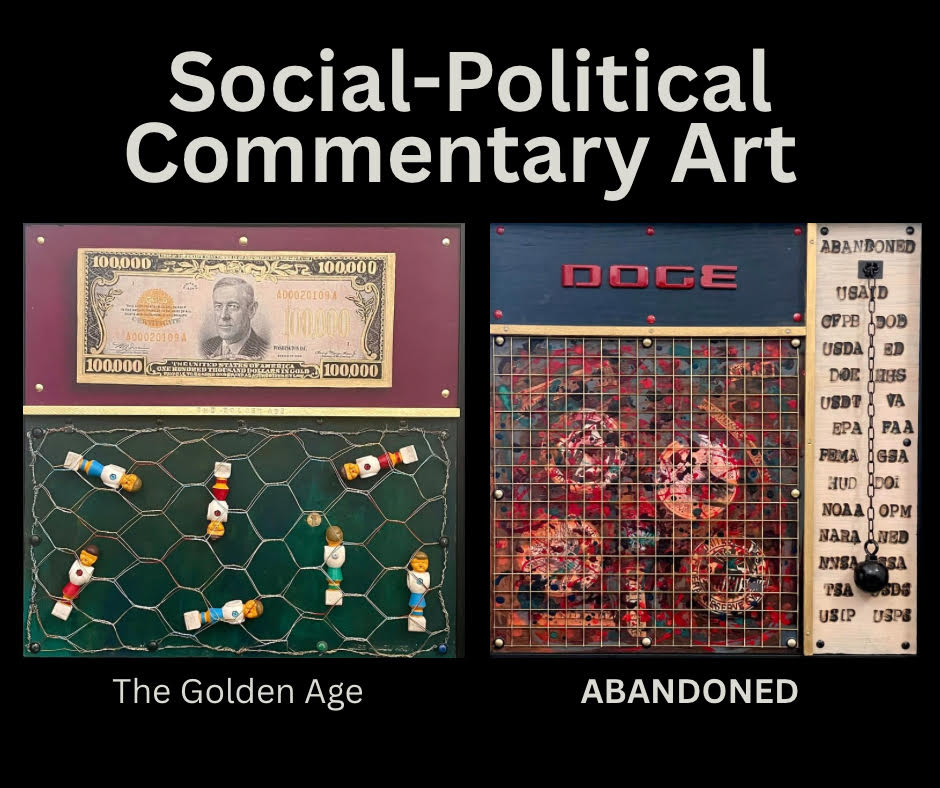
My new mission as an artist and curator is to create art that sparks conversation and curate exhibitions that explore the beauty in humanity. My current body of work addresses sociopolitical concerns that range from immigration and bicultural identity to universal human rights and a collaborative project on the impact of war on children. Through powerful, personal, and politically conscious works of art, I document current times.
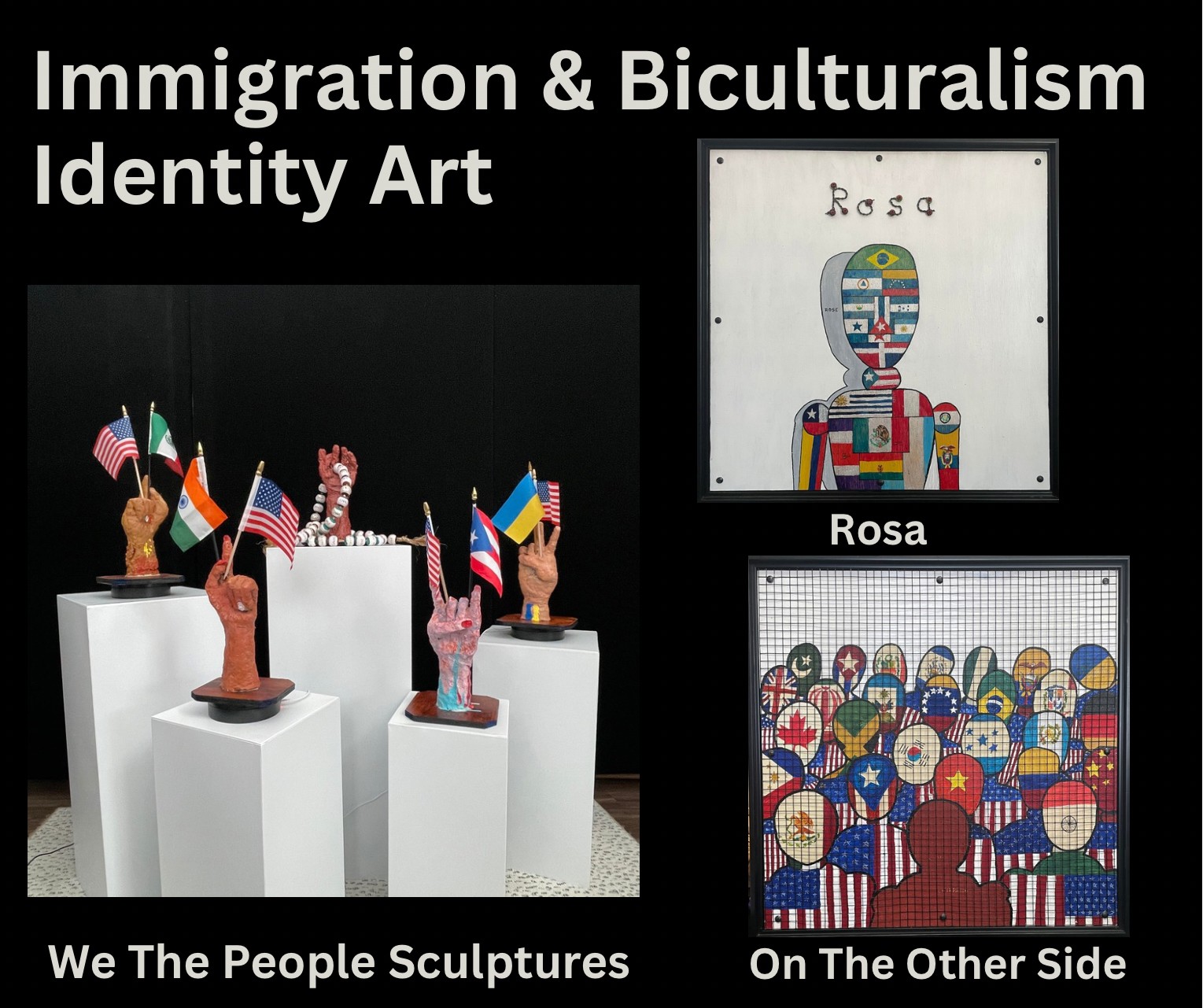
We The People Parade presents a series of hand sculptures that serve as a poignant reminder of our shared humanity and the diverse tapestry of immigration in the USA. Each sculpture features a hand holding both the United States flag and the flag of the country of origin. This duality encapsulates the essence of our collective journey as migrants, highlighting the intricate connections that bind us across borders.
The subject of bicultural identity is also explored in a series of paintings that depict the intersection of identities, the struggle for belonging, and the celebration of cultural heritage.
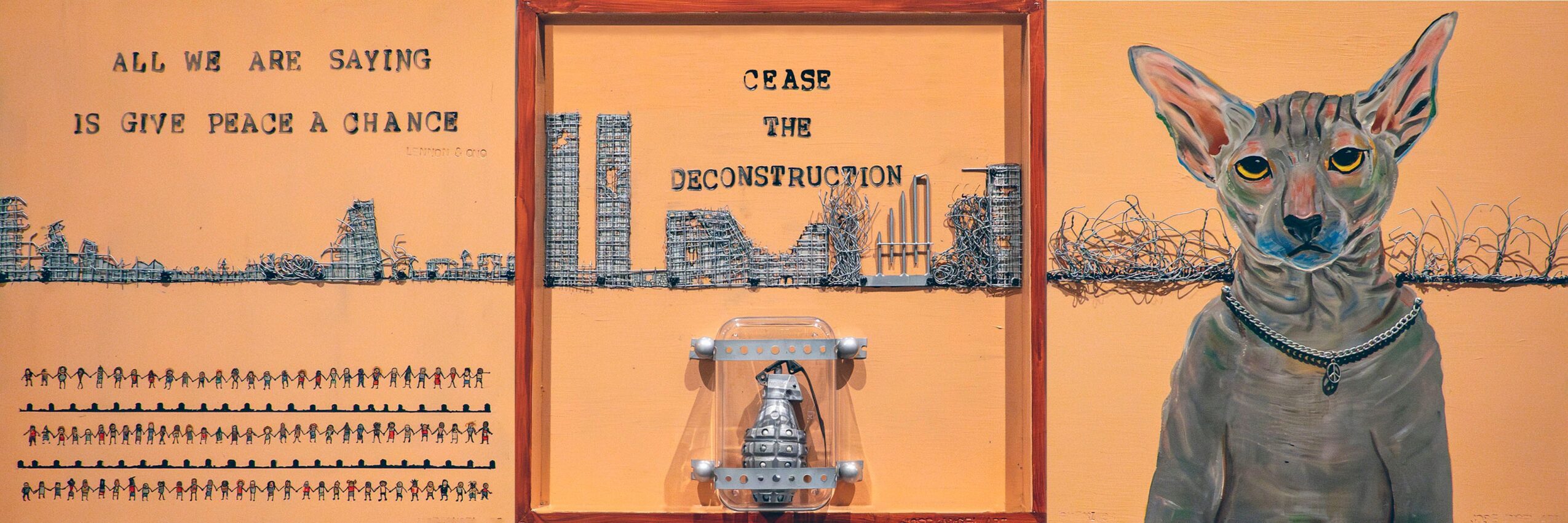
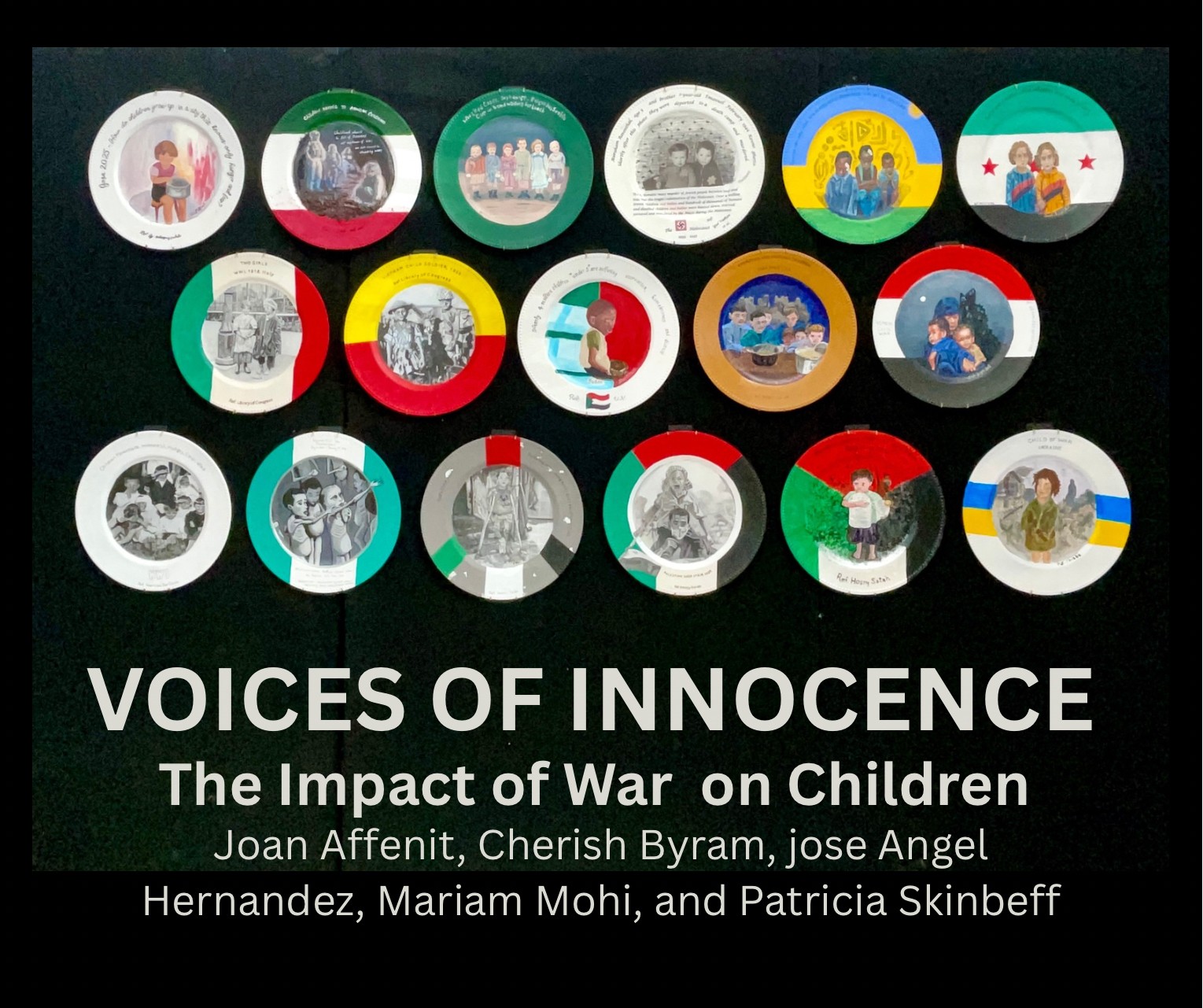
Voices of Innocence – The Impact of War on Children is a collective effort by North Texas artists that explores the profound and heartbreaking impact of war on the most vulnerable among us—children. Each piece in this collection serves as a testament to their resilience, suffering, and the loss of innocence that war inflicts.
The body of work invites viewers to engage not just as observers but as participants in a dialogue about peace and the protection of children’s rights. It is our hope that this exhibition will inspire empathy and action, encouraging society to advocate for the welfare of children in conflict zones.
Alright, so let’s dig a little deeper into the story – has it been an easy path overall and if not, what were the challenges you’ve had to overcome?
Social and political art remains crucial in 2026 for several reasons. I feel art can bring attention to pressing social and political issues, making them more visible to the public. Art can spark discussions about complex topics, facilitating dialogue among diverse groups and creating common ground for people with differing perspectives to engage in meaningful conversations. Art serves as a record of societal challenges and victories, preserving experiences for future generations.
The biggest challenge I have experienced is censorship of the art in public and private spaces. The perception of fine art, compared with social and political art, involves distinct attitudes, values, and interpretations. While fine art is often perceived as a pursuit of beauty and technique, social and political art is more conceptual and is recognized for its role in diverse and marginalized societal groups. Social political art can provoke strong reactions, leading to censorship, backlash, or polarized opinions about its value and impact. Both forms have their merits and challenges, with varying degrees of acceptance and impact within society.
My art is of the people, for the people, by the artist.
As you know, we’re big fans of you and your work. For our readers who might not be as familiar what can you tell them about what you do?
My work centers on animals, abstract portraits, and conceptual art. My zoomorphic art represents lifestyles, each with a three-dimensional element, making the work playful and interactive. My abstract portraits explore philosophical reflections on life. The theme of my conceptual art is the yin/yang effect, depicting beliefs and external or opposing forces. The works explore a range of subjects, from social and political commentary art to inspirational art.
Thank you Voyage for providing artists a platform to express themselves.
Contact Info:
- Website: https://joseangelart.com
- Instagram: @Jose_Angel_Art