





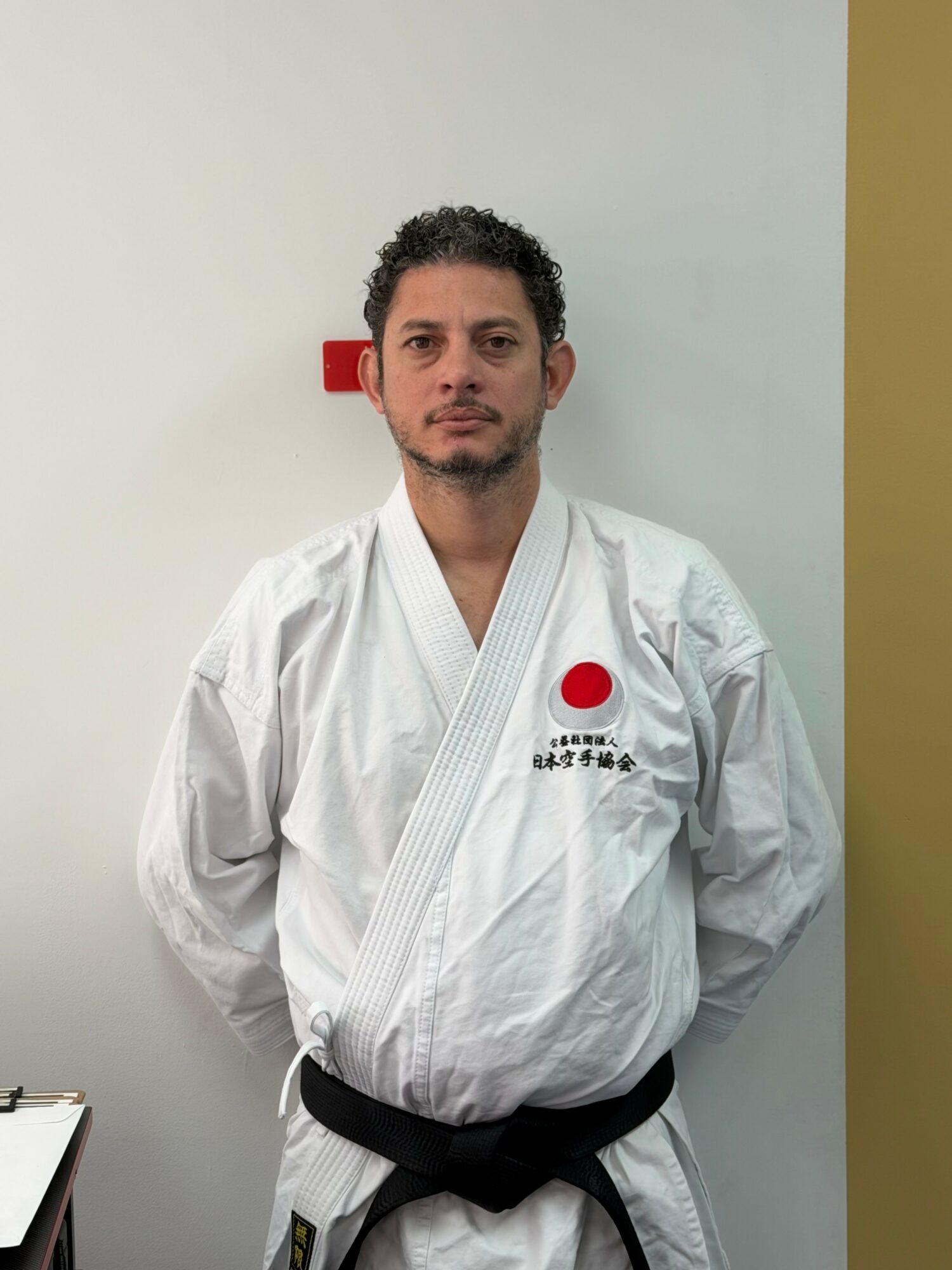
Today we’d like to introduce you to John Reyes.
Hi John, we’re thrilled to have a chance to learn your story today. So, before we get into specifics, maybe you can briefly walk us through how you got to where you are today?
I was born in Belize on January 14th 1988, an era where karate was probably the most coveted activity for a young boy. I would watch karate movies every chance I got (no Netflix or Hulu existed, only cable); and, I would imitate the greats like Bruce Lee or Chuck Norris whenever it was time to play with friends. The interesting thing about karate back then was that dojos were rare and mostly only adults did karate. In addition, karate was a very expensive activity, both financially and time wise. One was only allowed to train if one was “serious” about training- which required one being committed and loyal to their dojo and sensei. For me, I had always been somebody that was excited by a challenge so when I got my chance to join a dojo in 1994, I took it!
Training karate in 1994 meant being disciplined and “tough” and being able to keep up with the adults. As a result, many of the children I started with slowly dropped out and by 1996 only me and two other children I started with remained. Also, Like I mentioned earlier, karate was expensive because it was a slow, long process that required a monthly payment of membership for what would seem to most as “little return on investment”.
I personally couldn’t afford to do karate. I was only able to start because my sensei knew my parents. Furthermore, I was only able to continue because I was a “work scholar”. The dojo was a classroom and I had to arrive earlier than everyone to prep the classroom/dojo for training. This involved moving and stacking all the desks and chairs to make space for training, then sweeping the floor to make it clean. After training I had to stay back after everyone left to clean again and put back all the furniture. This was my contribution to the dojo and substitution for my monthly dues in order to train. Due to this commitment and my natural talent for karate, my sensei subsidized a lot of costs for me, allowing me to attend special training events. In just four years of training I had attained my ShoDan (first black belt) and was the youngest black belt and the youngest person to attain black belt in the country.
After attaining ShoDan, I was eligible to participate in international events and went on to represent Belize in several world tournaments. I also continued to train and continued paying for my karate education and training through in-kind contributions. I started teaching the beginner class at 15 years old. I have been teaching karate since then. I also continued on to achieve my second, third, and fourth black belt, along with instructor, referee and examiner licenses all of which are internationally recognized by the highest levels of karate organizations around the world.
I do karate firstly because I love it. There is always something to improve on as an individual whether it is physically, mentally, or spiritually based. Also, (with the right sensei) karate is one of the things in life where you can see the output that comes from your input. Moreover, the goals to be achieved are lifelong and super challenging. Each goal is harder to achieve than the one before and can only be achieved through effort and time. This brings me to the second reason I do this, which is the reason I teach karate.
The second reason I teach karate is because I want to separate the cream from the milk. I consider my school to be a niche – a dojo/school where people would come if they want to excel through hard work. In the future I also want to establish well recognized programs, a couple of which are: 1. A leadership program where people know that students of Plano Karate Club are people of impeccable character. 2. A program where my students can achieve their goals in life through good old fashioned hard work and commitment, instead of needing money to do so.
Lastly, the reason I teach karate is because I always wanted my own dojo so that I could keep the essence of traditional karate alive. I feel as though a lot of the schools today have been watered down and I think it’s because they put money first and discipline second. Any dojo that sacrifices commitment and discipline for money has lost their essence and has become commercialized. Developing effective karate is a slow and deliberate process that requires focus and commitment and is something money cannot buy.
Can you talk to us a bit about the challenges and lessons you’ve learned along the way. Looking back would you say it’s been easy or smooth in retrospect?
Growing up as the youngest sibling of five, with parents who had nothing more than a middle school education, there were always sacrifices to be made due to financial struggles. We all had to take turns in getting a chance to pursue what we wanted and had to think keenly about what we wanted to pursue in order not to blow the opportunity. Once you chose, you had to stick to it and power through regardless of the unforeseen circumstances. In my household there was no money for extracurricular activities, so when I chose to do karate at 6 years old I had to work for it. Karate has always been an expensive activity and my parents couldn’t afford it. As a result, I worked in order to be trained. The dojo was a literal classroom with desks and chairs and every evening I would arrive at the dojo early to move and stack all the furniture and sweep the space to prep it for training. At the end of the class I had to clean again and put back all the furniture the way it was. This was my contribution in substitution of my monthly fees. I did this for seven years until I went to high school. By this time, I was a black belt and was able to continue my training by teaching beginner classes twice a week. I started teaching karate at 14 years old. Ever since then I’ve always taught karate off and on and always wanted to establish my own dojo. After 32 years of training I was finally able to do so. All I need now are students who are not afraid to be challenged.
Great, so let’s talk business. Can you tell our readers more about what you do and what you think sets you apart from others?
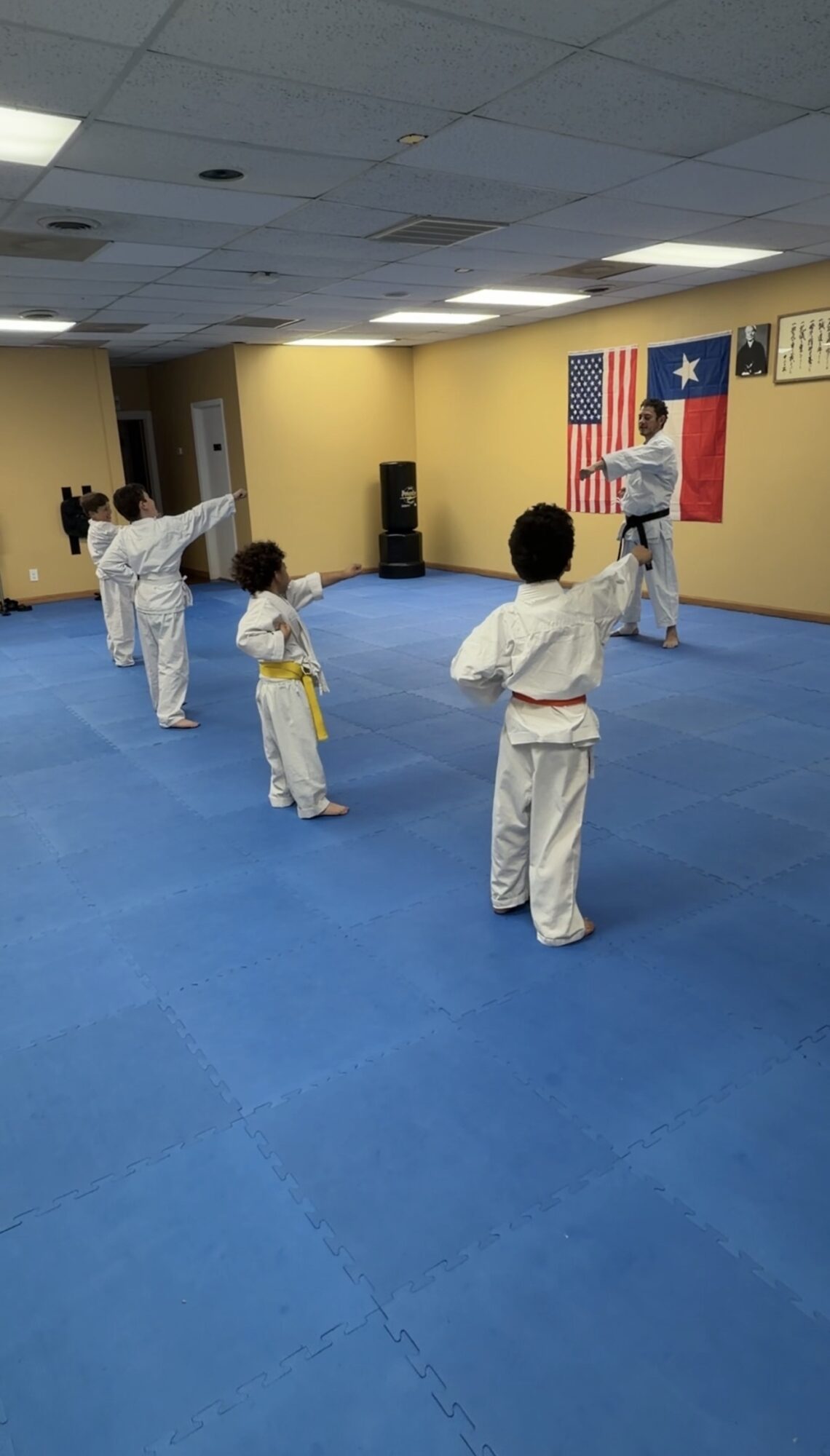
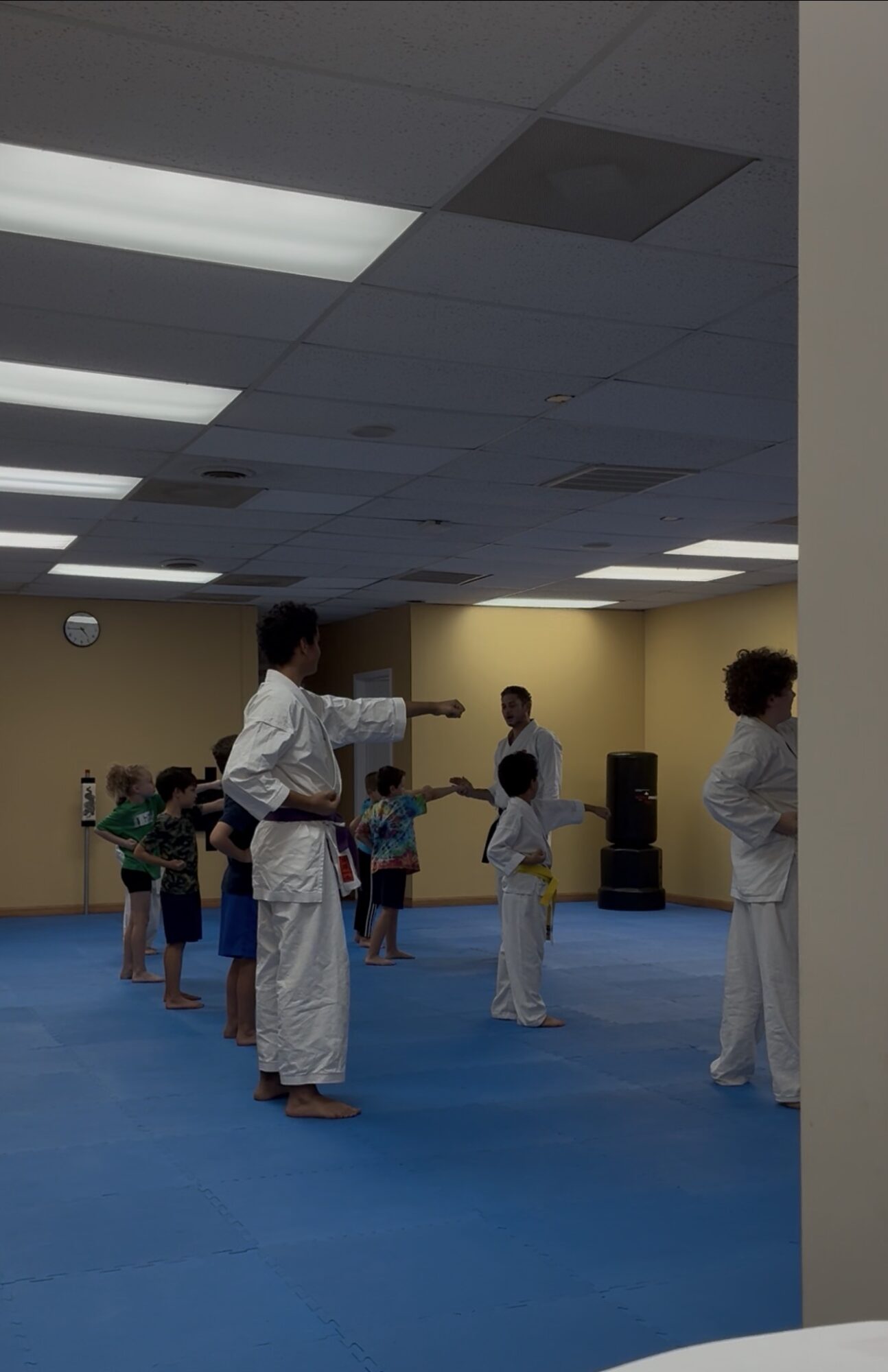
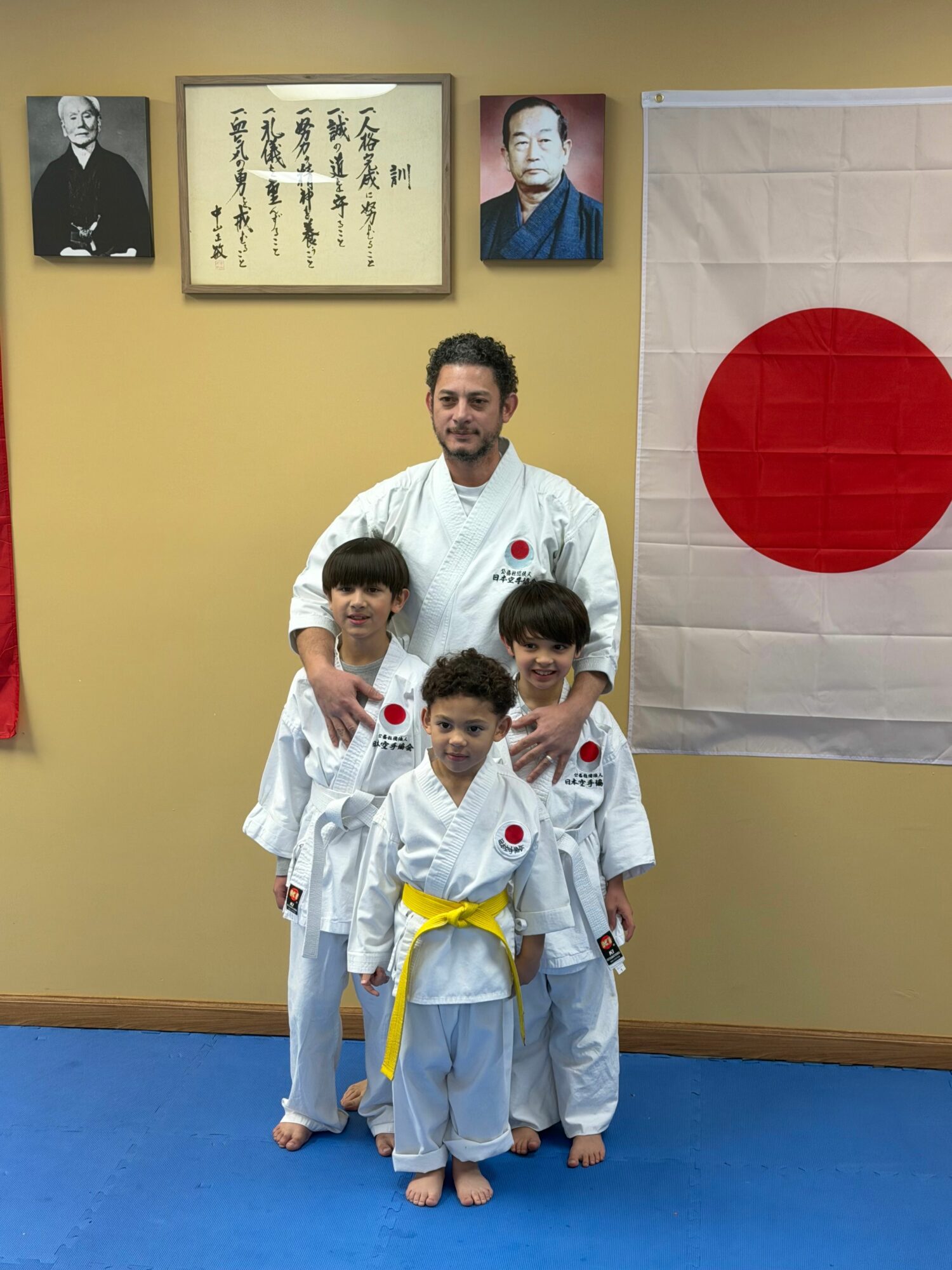
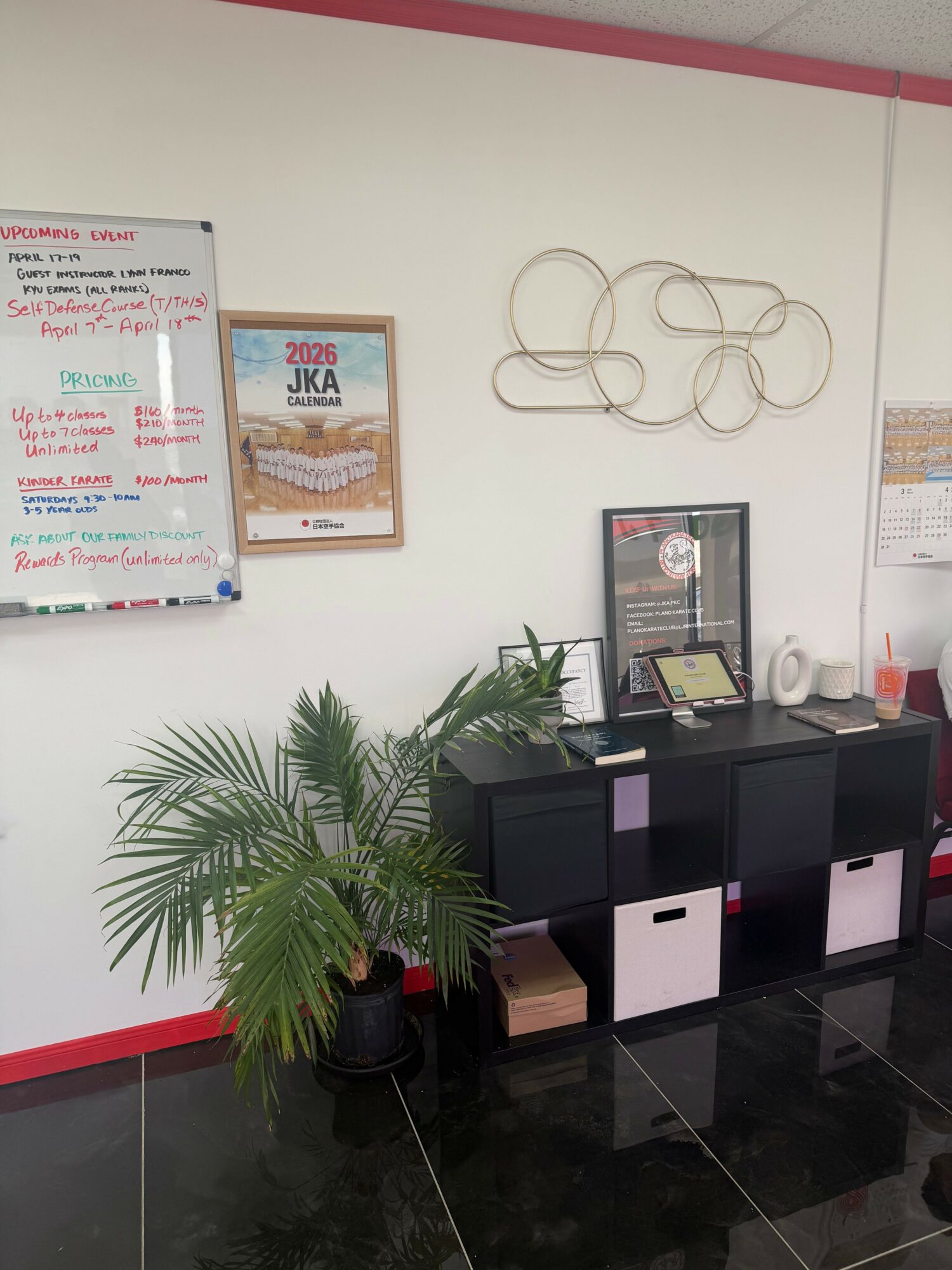
Plano Karate Club (PKC) was founded in March 2025. It is a karate school that teaches budo (traditional) Shotokan Karate. Plano Karate Club is a member of the Japan Karate Association (JKA) – the oldest Shotokan karate organization in the world. PKC is a niche club that caters to those who are interested in judo karate. Budo karate differs from present day karate because it greatly minimizes the sport aspect of karate. Budo karate is a much slower study. Training at PKC requires more discipline, more commitment and both physical and theoretical study. I, John Reyes, the Chief Instructor have been doing karate for 32 years and to be able to teach shotokan karate with the JKA’s permission, I had to pass several practical and written licensing exams. These qualifications also allow PKC to be recognized by the World Karate Federation (WKF), a recognition that very few schools can claim.
Do you have any advice for those looking to network or find a mentor?
Much of the schools in the area are very commercialized, which makes networking hard. Also, there are a very few karate schools in the area. Most are taekwondo or jujitsu schools. Recently PKC has networked with a couple preschools in the area and is currently trying to reach out to adult groups who might be interested in learning to defend themselves.
Pricing:
- As low as $12/Class
Contact Info:
- Website: https://www.planokarateclub.com
- Instagram: @jka.pkc
- Facebook: plano karate club