


Today we’d like to introduce you to Mariana.
Mariana, we appreciate you taking the time to share your story with us today. Where does your story begin?
My name is Mariana Kienast, and nearly ten years ago I began working in animal-assisted education, particularly with horses. My father raised horses when I was a child, which is where my passion for these incredible animals began. I later studied veterinary medicine. In 2015, while doing training for horse caretakers in a rehabilitation center for addictions, I discovered how much connection and reflection the users experienced after working with the horse. This led me to look for information on the subject, which led me to train in a model of learning and human well-being accompanied by the horse. In 2020, I received training to support children’s reading and writing development through animal assisted education with horses. Building on this knowledge, I began developing workshops for my community in La Plata (Buenos Aires, Argentina). Through volunteer work and university grants, I organized a working group at the La Plata Racetrack.
We work with children who, due to emotional challenges, struggle to learn to read or present behavioral difficulties at school. We have also supported girls whose rights have been violated and who are under state care, as well as children with disabilities, focusing on the development of social skills. In addition, we work with adults in mental health recovery processes, particularly those living in supported housing linked to neuropsychiatric services .
I live in the countryside, where I run a space dedicated to animal-assisted education, and I also have a specially adapted facility in the city of La Plata. I conduct my private practice across both settings (@iaclaplata). I deeply trust in the power of horse-assisted work to foster emotional reconnection and a sense of calm, and this belief drives me to offer hope to many people.”
I’m sure it wasn’t obstacle-free, but would you say the journey has been fairly smooth so far?
“It has not been a smooth road. At the beginning, when I applied for financial support, I was told they couldn’t understand why so much funding was needed just to ‘go and touch a horse.’ However, over time, this perspective has evolved, and we now have several projects underway.
This field remains relatively underrecognized in my country, making it challenging to secure consistent work in the private sector. In addition, it is described in many different ways, which has fragmented knowledge production and limited the development of robust scientific evidence on its benefits. As a result, these services are rarely covered by health insurance.
In 2024, I was selected to participate in an international committee bringing together professionals from diverse countries and linguistic backgrounds. Through this work, we achieved a consensus on a shared terminology—an important step toward strengthening the field’s recognition, advancing research, and improving accessibility.”
As you know, we’re big fans of you and your work. For our readers who might not be as familiar what can you tell them about what you do?
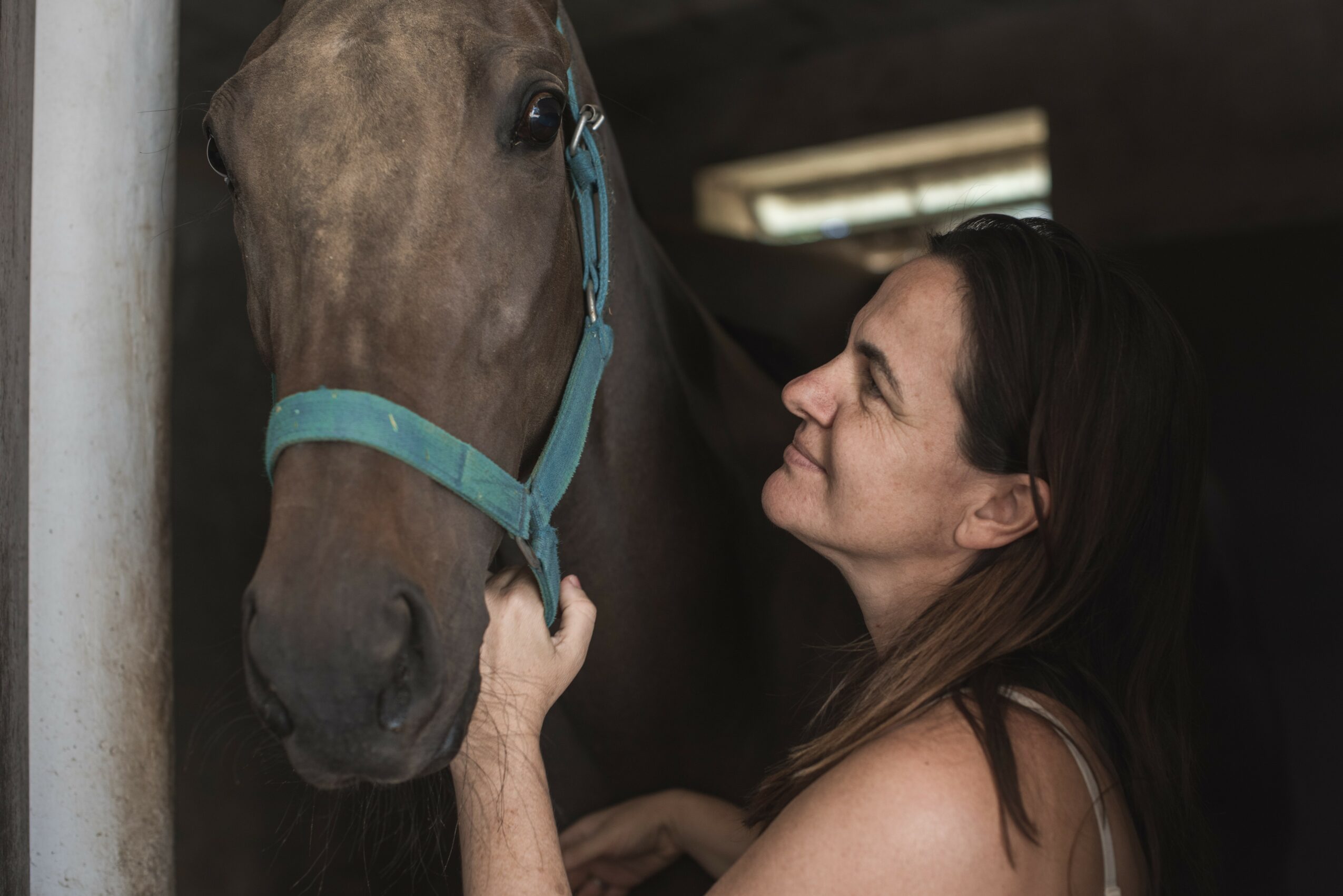
“I am an equine specialist, which means I closely observe and ‘read’ the horse during its interactions with people. In my role, I act as a translator, helping participants reflect on the horse’s responses—such as movements of the head, body, or legs—and explore what these may represent in relation to their own emotional and behavioral patterns.
During each session, participants are invited to assign meaning and even a name to the horse, creating a powerful metaphorical space. Within the corral, they often encounter a representation of situations that are affecting them in their daily lives. This allows them to interact with those experiences, make changes, and immediately observe the outcomes in real time, always guided by the horse’s responses.
Horses are highly sensitive to human emotional states and often reflect what people are feeling—emotions that influence up to 90% of our daily responses. In this sense, the horse acts as an emotional mirror during the session, offering immediate, honest, and non-judgmental feedback.
What sets my work apart is the integration of this deep emotional awareness with educational and therapeutic goals, creating a space where learning, self-reflection, and transformation can occur simultaneously. What I am most proud of is being able to offer people a meaningful experience of connection, insight, and change through this unique human–horse relationship.”
What were you like growing up?
“I grew up in a family with an older sister and brother, and I was very loved and somewhat spoiled—especially by my grandmother. From a very young age, I was deeply connected to nature and animals, growing up in close contact with the countryside.
I have always been drawn to horses, the natural world, and helping others—both people and animals. As a child, I loved watching nature documentaries, especially about wildlife in Africa, and spending time playing with my dogs (which I still enjoy today).
These early experiences shaped my sensitivity, curiosity, and strong connection to the natural environment. Today, I have built my own family with my husband, Damian, and together with our three daughters, we live in the countryside.”
Contact Info:
- Website: https://fran-cos.github.io/iaclaplata/
- Instagram: @iaclaplata
- LinkedIn: https://www.linkedin.com/in/i-a-c-la-plata-792bb6307/
- Youtube: https://www.youtube.com/@i.a.c.laplata3448
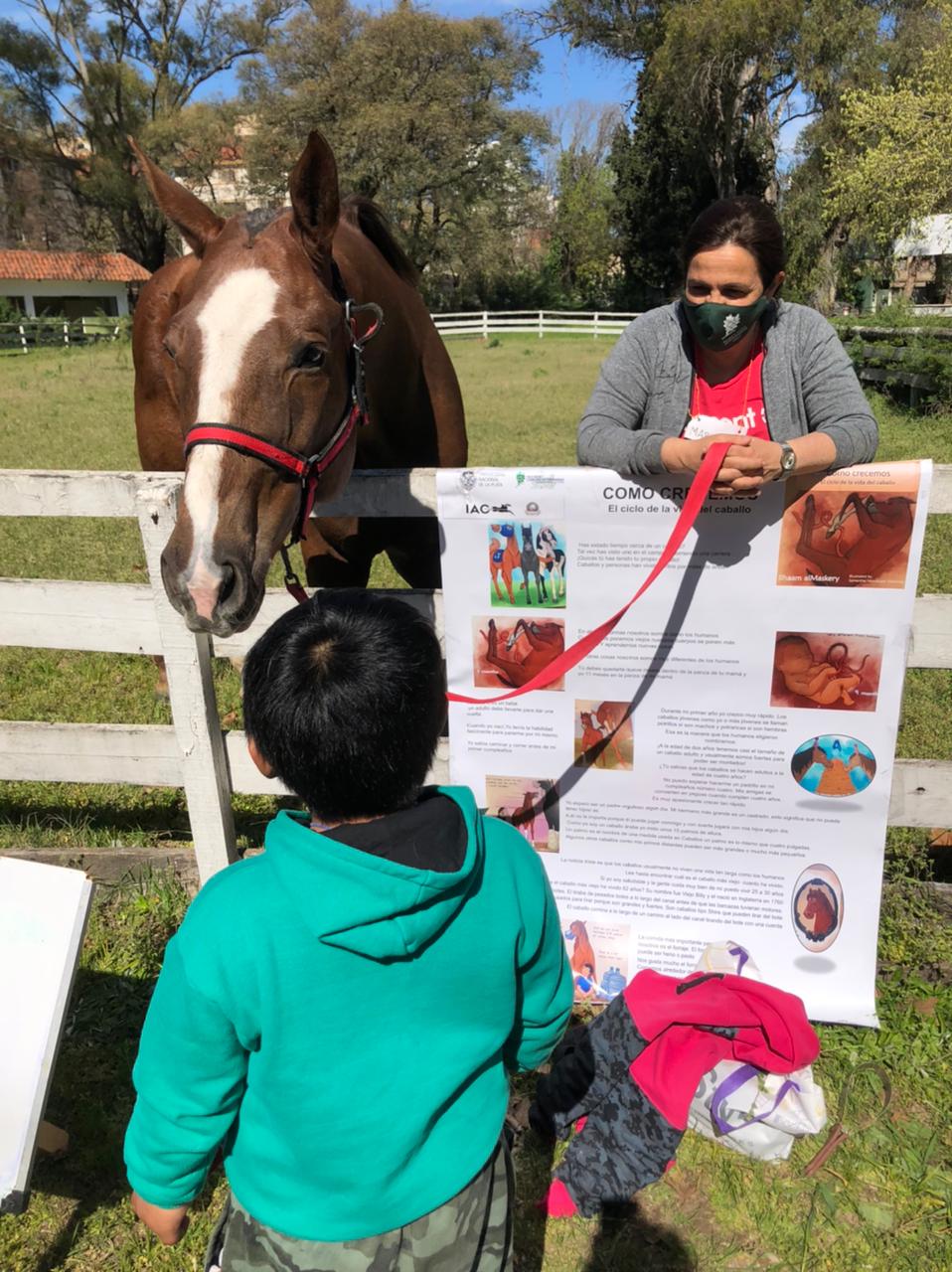
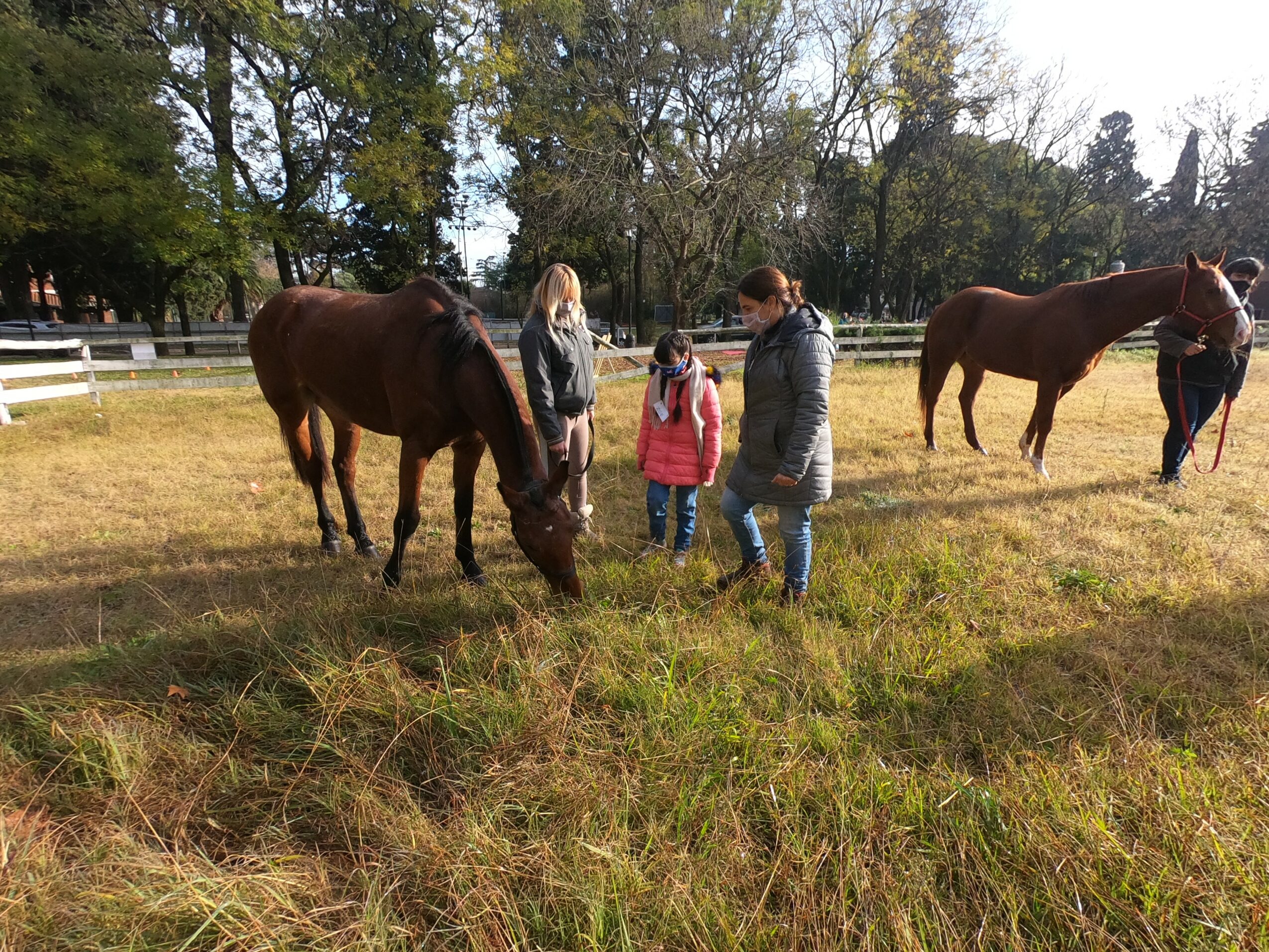
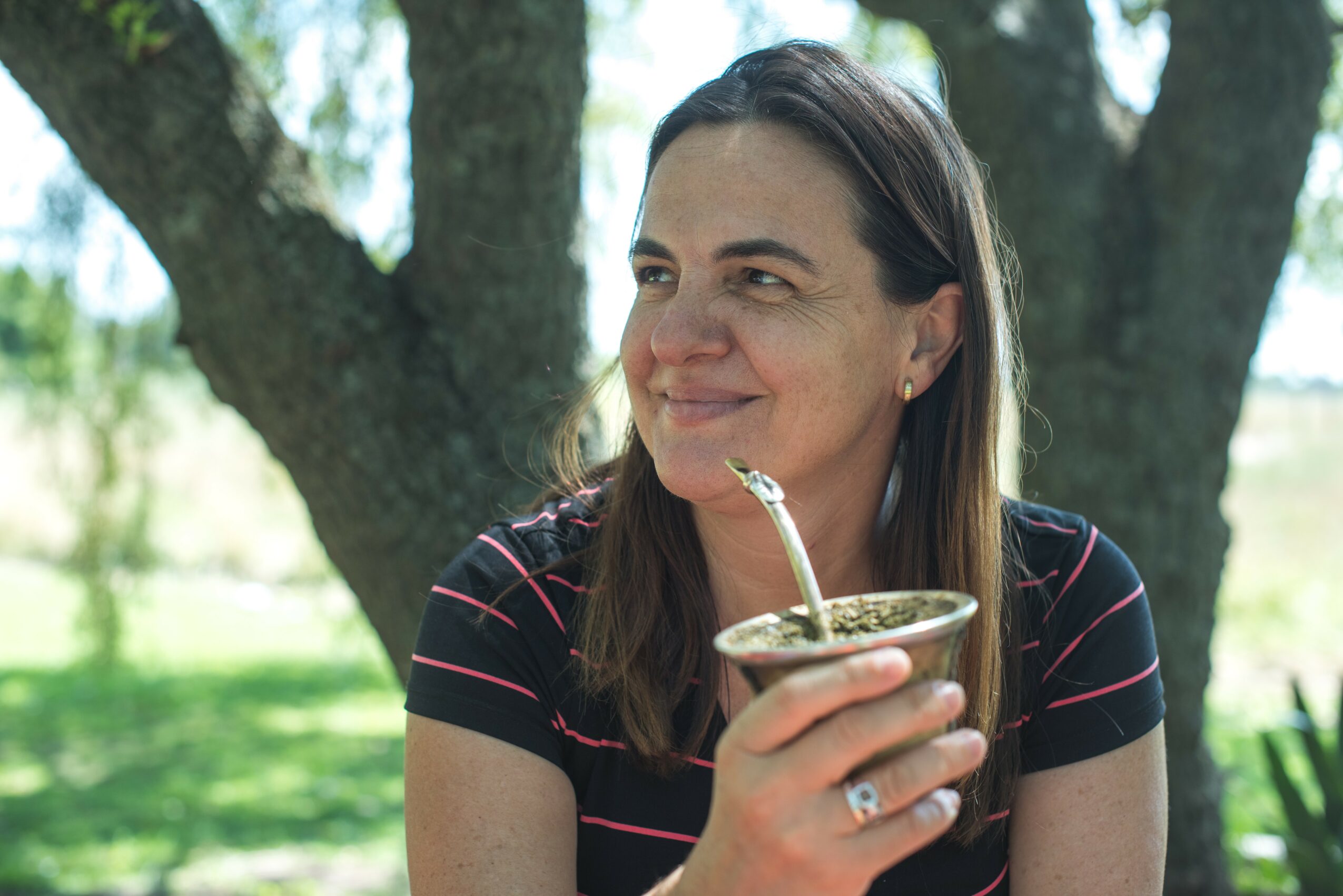
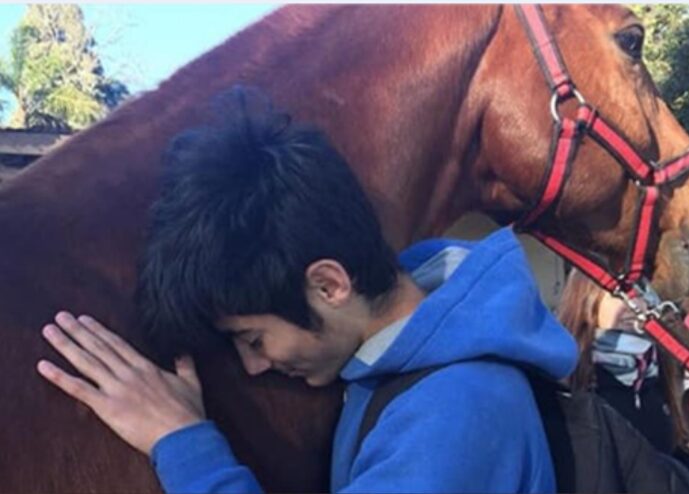
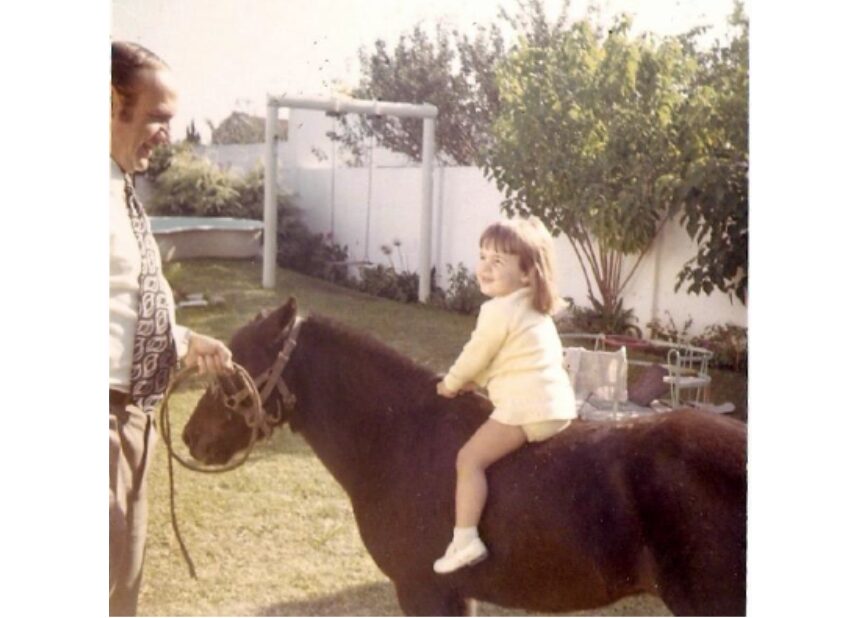
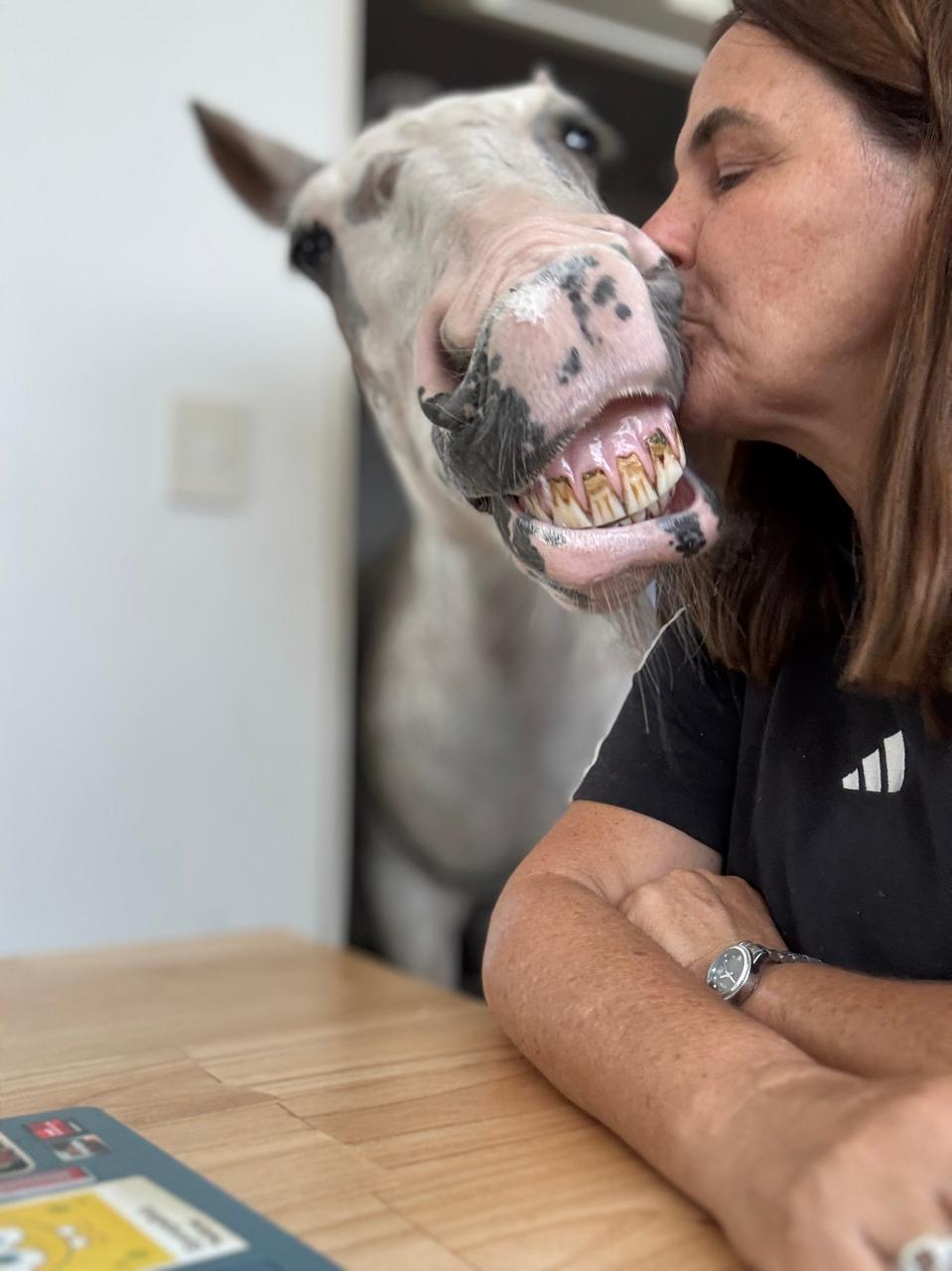
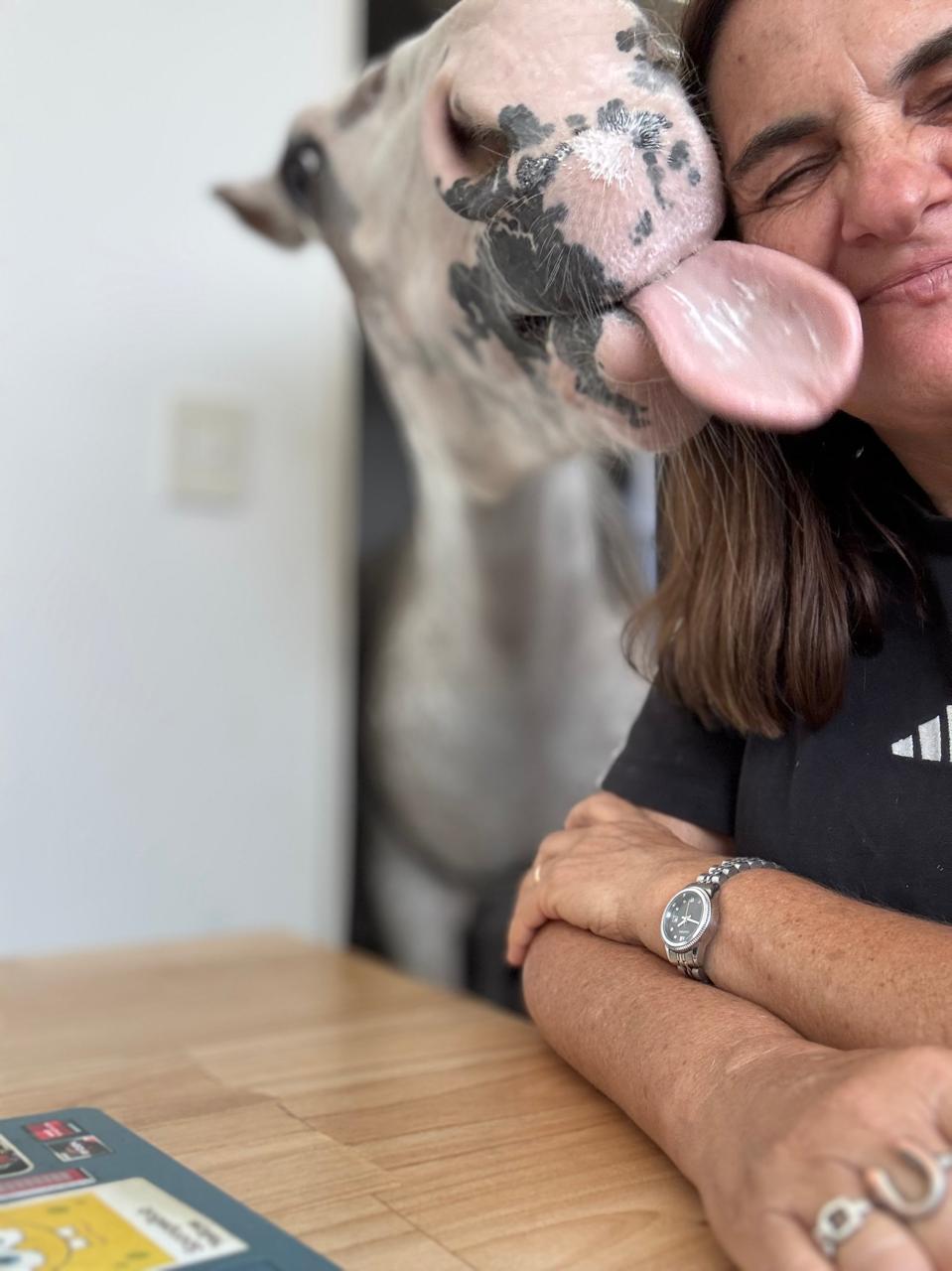
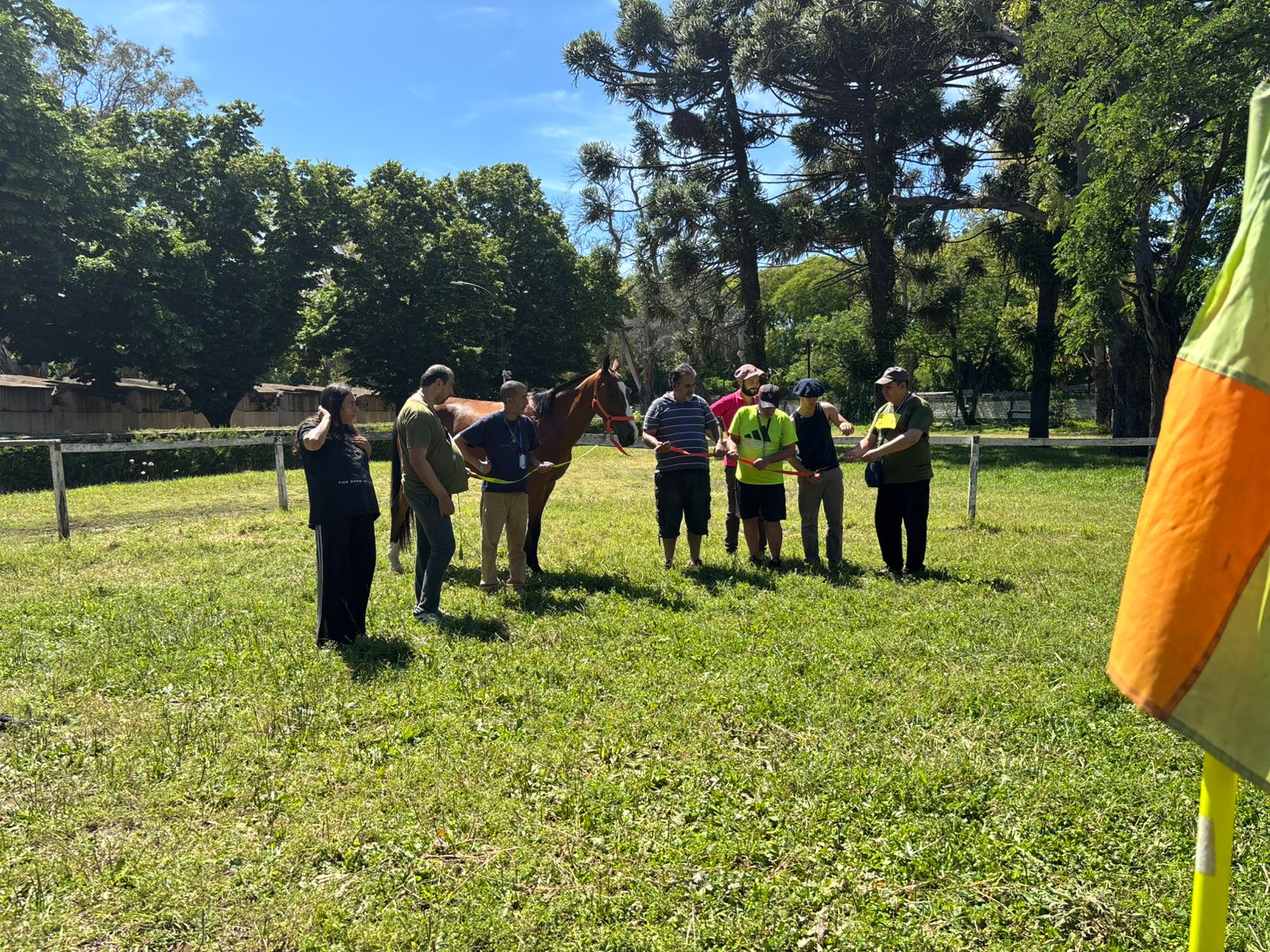
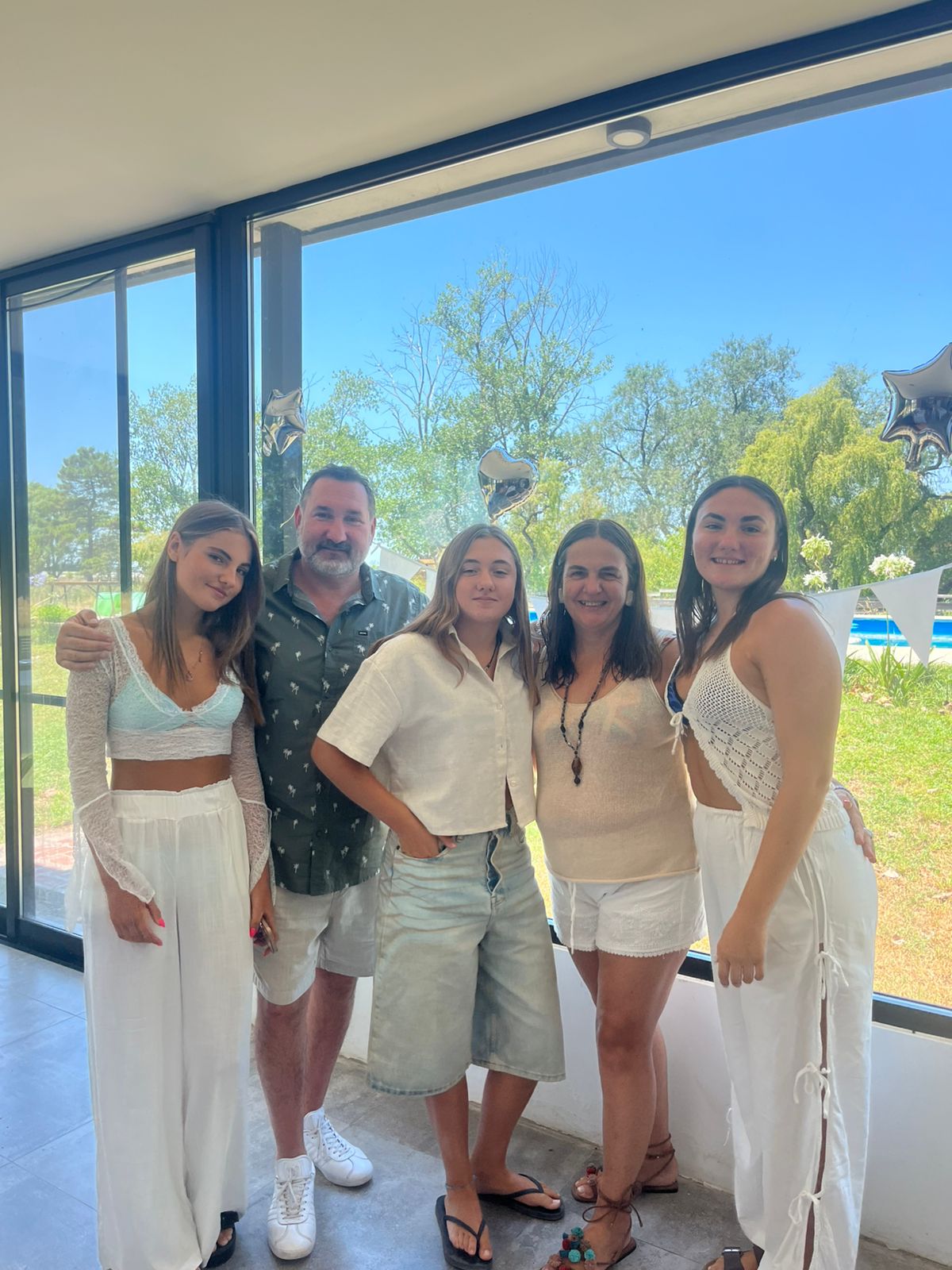
Image Credits
Erica Voget