

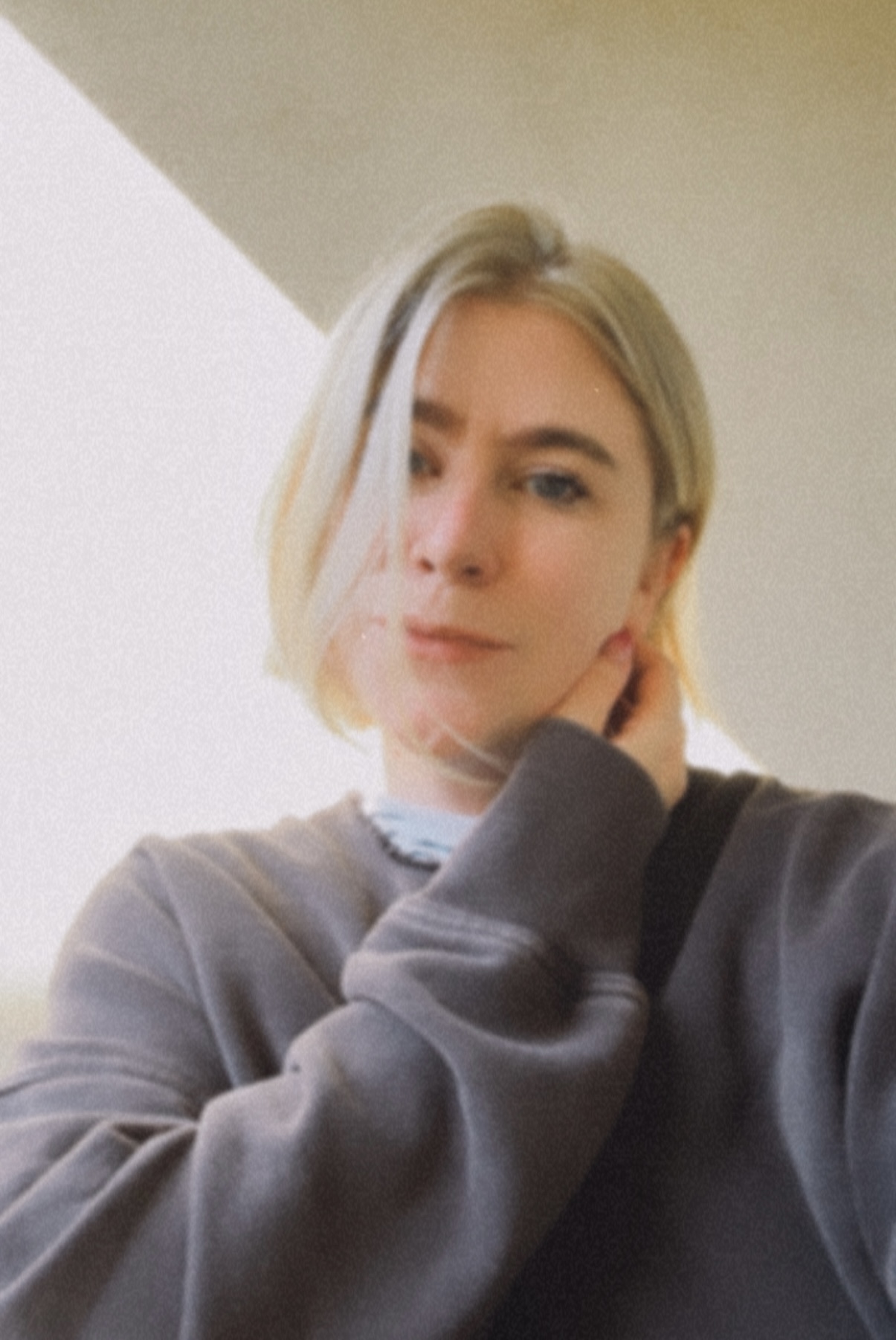
Today we’d like to introduce you to Casey Leone.
Hi Casey, so excited to have you on the platform. So before we get into questions about your work-life, maybe you can bring our readers up to speed on your story and how you got to where you are today?
I began my interest in the arts through my grandmother, who was an artist, curator, and art historian. Being around her really shaped how I saw art, not just as something you make, but as a way of exploring ideas, concepts, and larger meanings and I feel like I try to channel her spirit in my own practice.
I went on to study Studio Art at Texas Christian University, as well as RISD and University of Oxford, where I focused on printmaking and got really into conceptual and process-based work, especially ideas around repetition, erasure, and transformation. While I was at TCU, I was lucky to learn from and be mentored by Frances Colpitt, Cam Schoepp, Chris Powell, Terri Thornton, and Sara-Jayne Parsons who each had a big impact on how I think about both making and talking about art.
After graduating, I kept developing my own studio practice while also getting more involved in working with artists in my community. Over time, that naturally expanded into curating and organizing exhibitions, which has become a big part of what I do. I’ve especially loved creating opportunities for artists to share their work.
Would you say it’s been a smooth road, and if not what are some of the biggest challenges you’ve faced along the way?
It hasn’t always necessarily been the smoothest road. Like many artists, I’ve had to figure out how to balance making work with major life changes.
More recently, I went through a cancer diagnosis last year, which was obviously a major challenge, both personally and professionally. It forced me to slow down and really reconsider my relationship to time, process, and what feels essential in my work. In a lot of ways, that experience has deeply informed my practice, especially in how I think about fragility, endurance, and transformation, even though it was also just a hard period to move through while trying to stay connected to my practice.
Looking back, even though it was difficult, it’s also part of what’s brought me to where I am now, and I do feel grateful for that in its own way. It’s pushed me to be more intentional about the work I make and the projects I take on. It’s also made me really aware of how important community and support systems are, and of creating space to pause and reflect, which continues to shape both my studio practice and curatorial work.
I feel really grateful for the people around me, including friends, colleagues, and collaborators, who showed up for me in such meaningful ways. That support has stayed with me and has had a lasting impact on both my life and work, and I hope I can continue to return that care and reflect it back in a meaningful way.
Can you tell our readers more about what you do and what you think sets you apart from others?
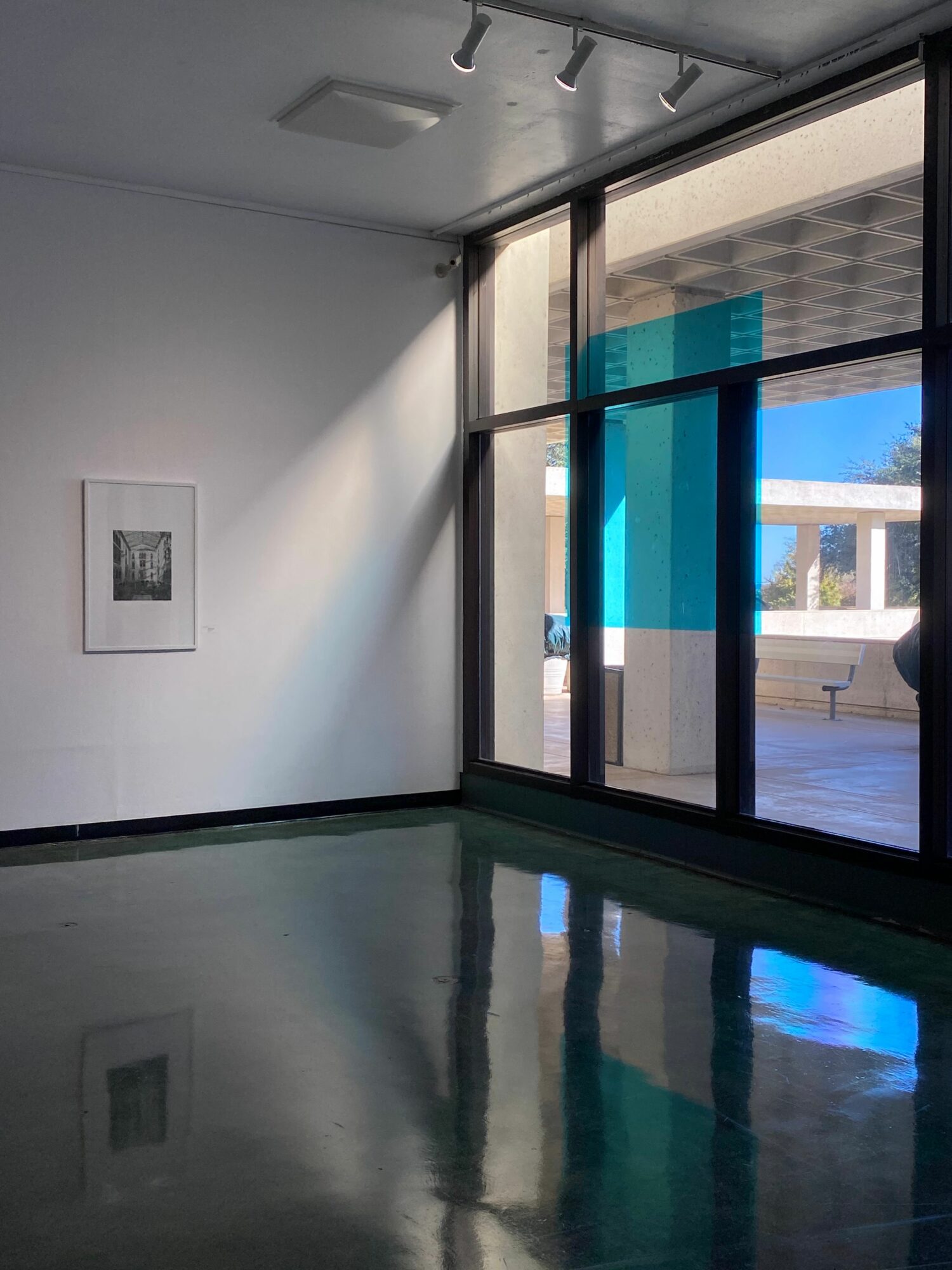
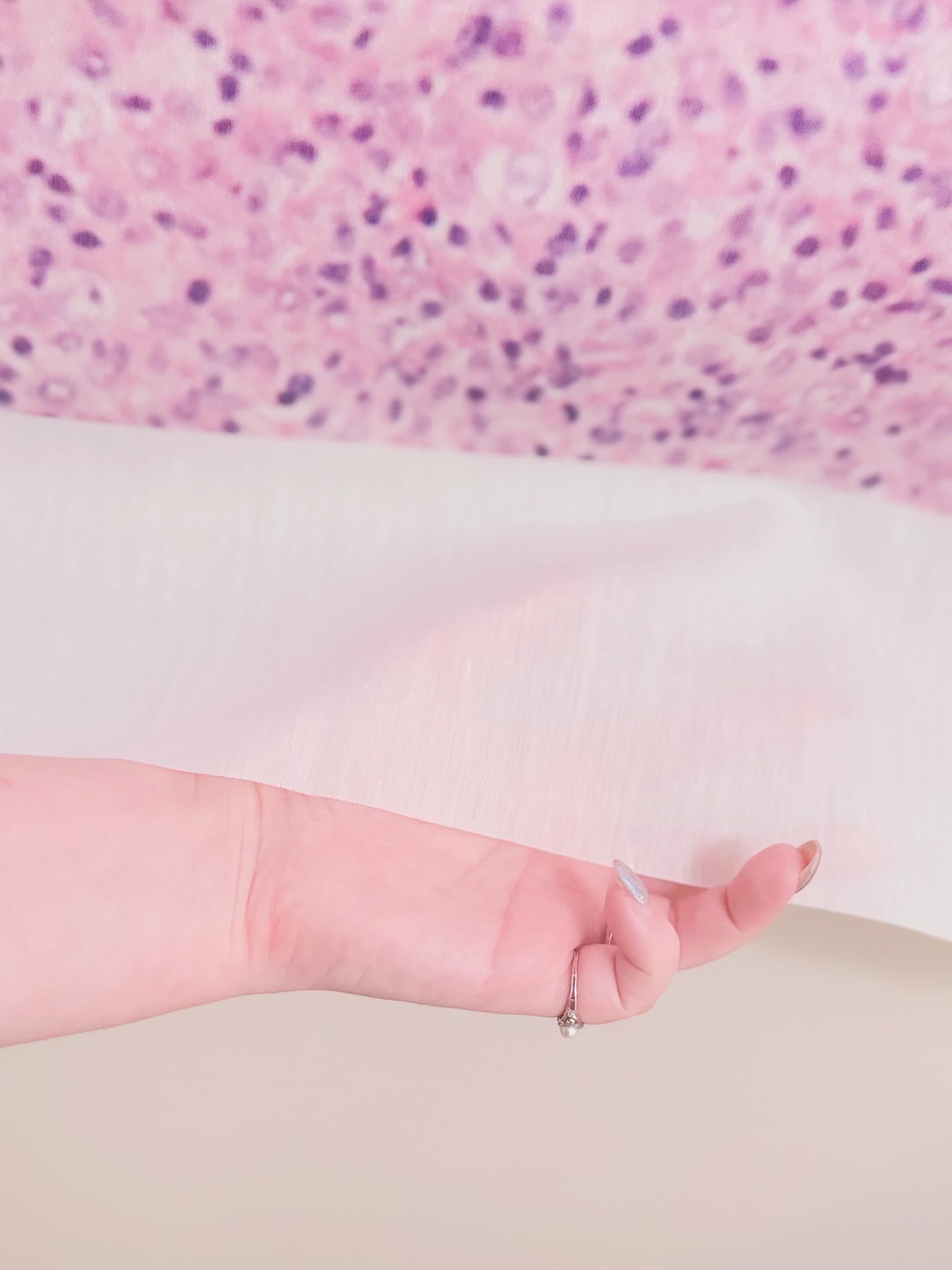
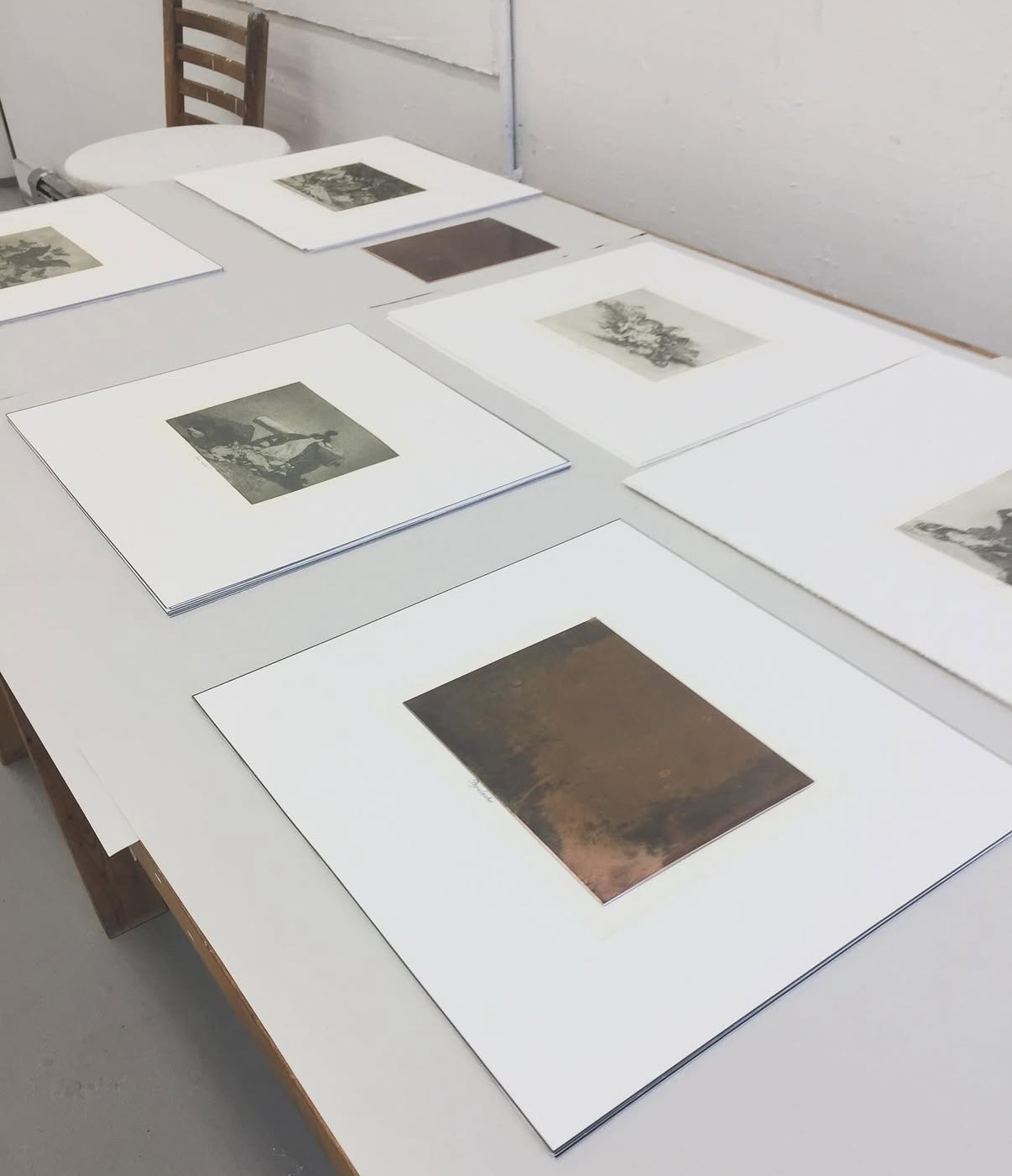
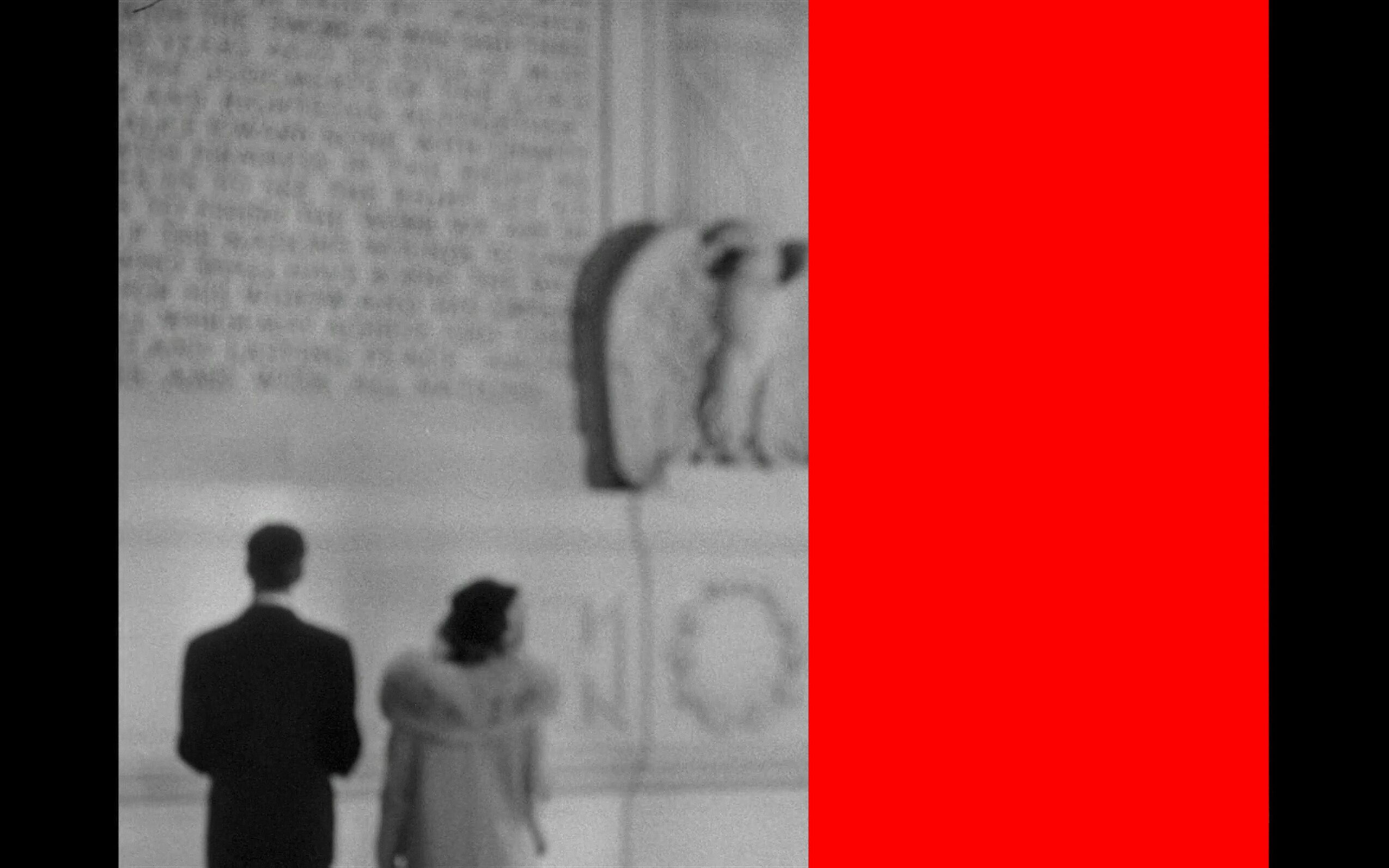
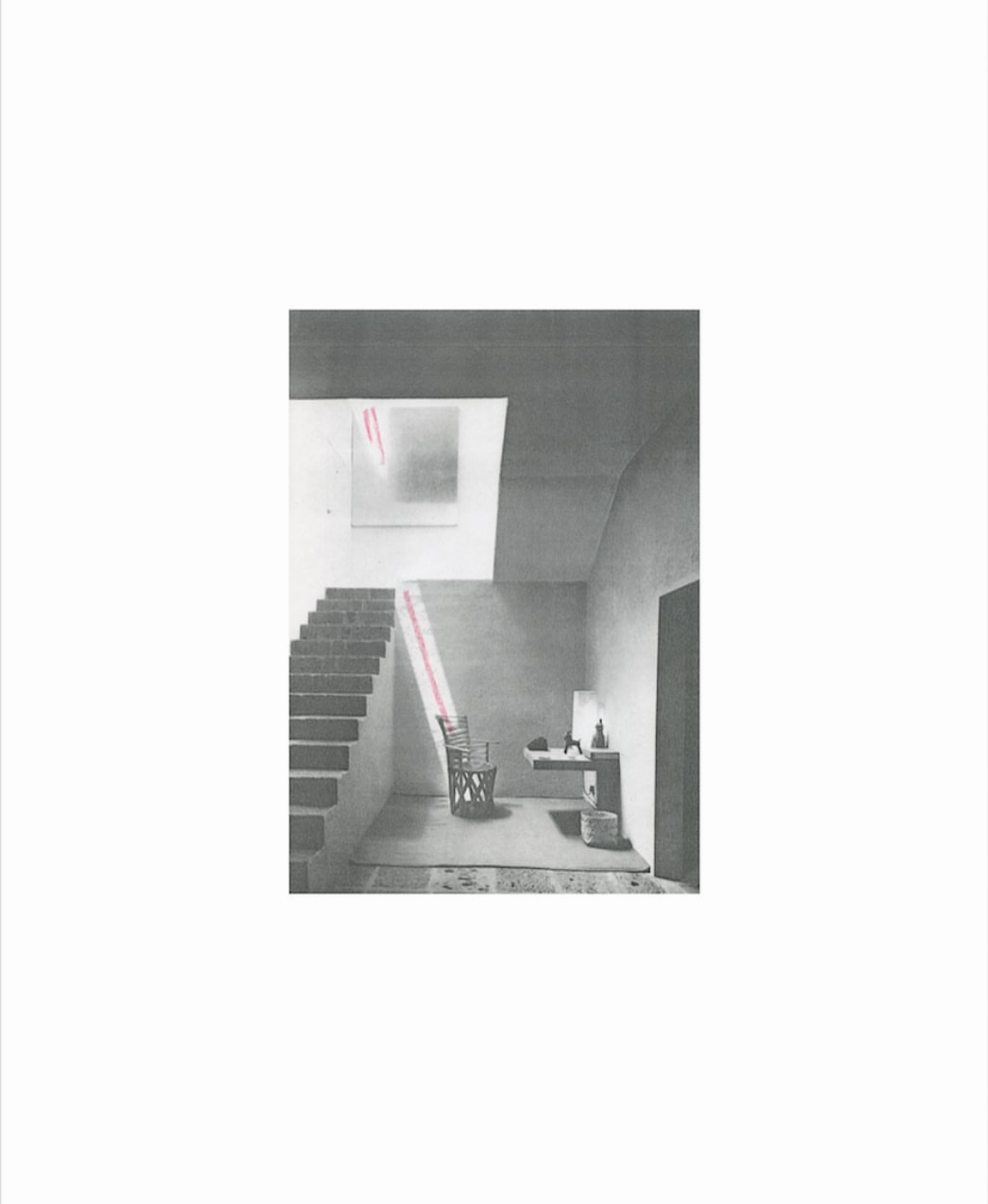
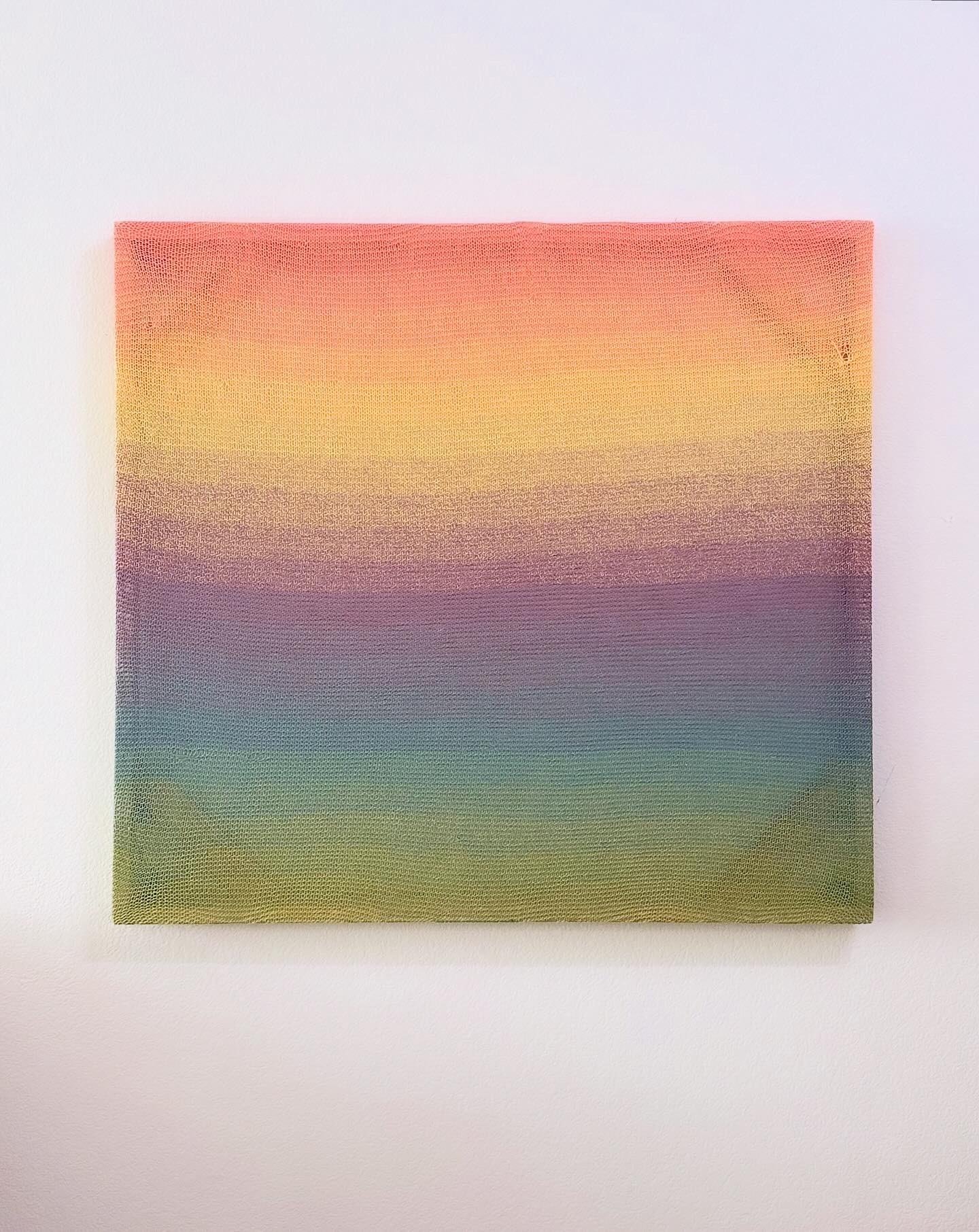
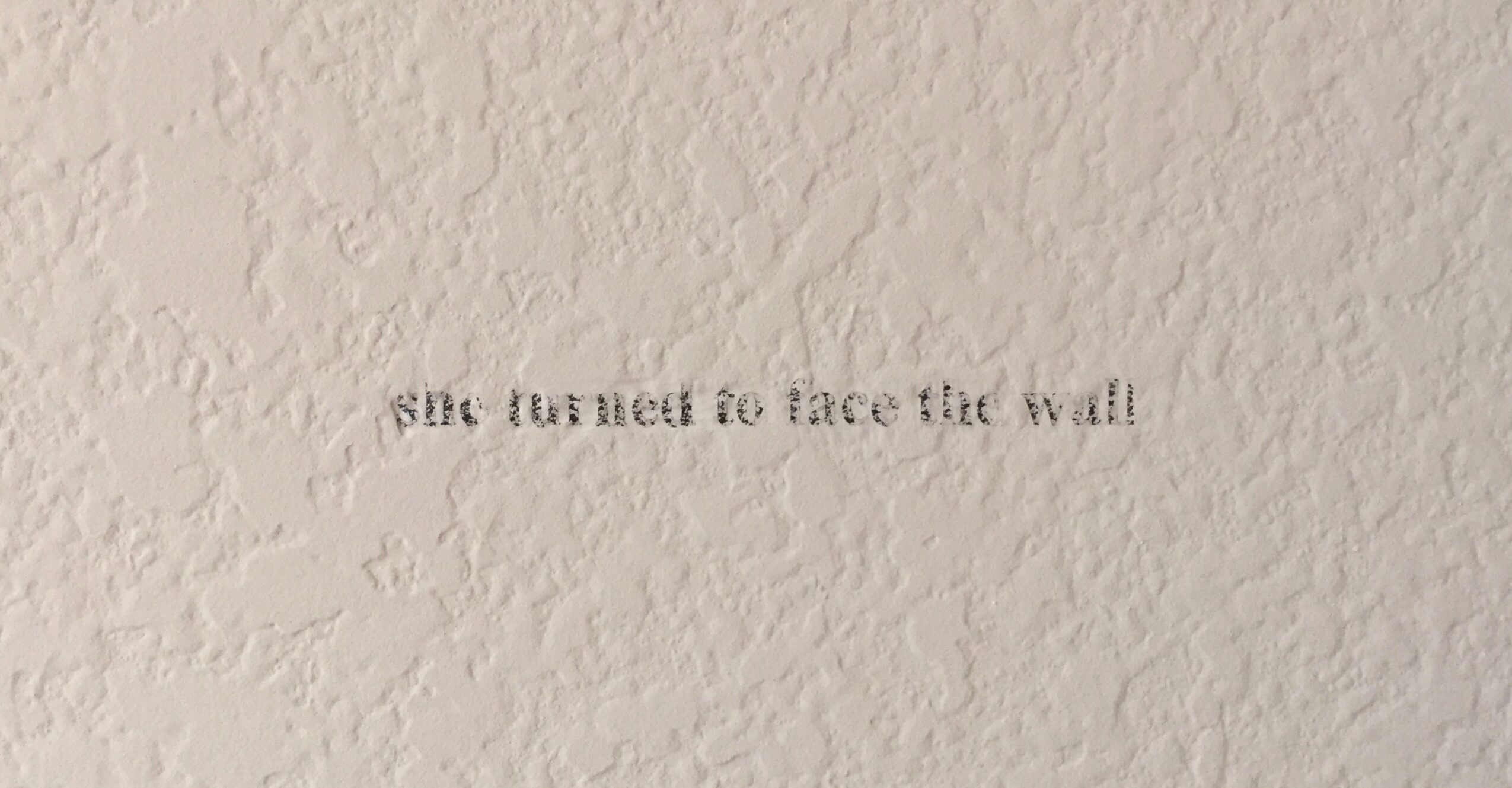
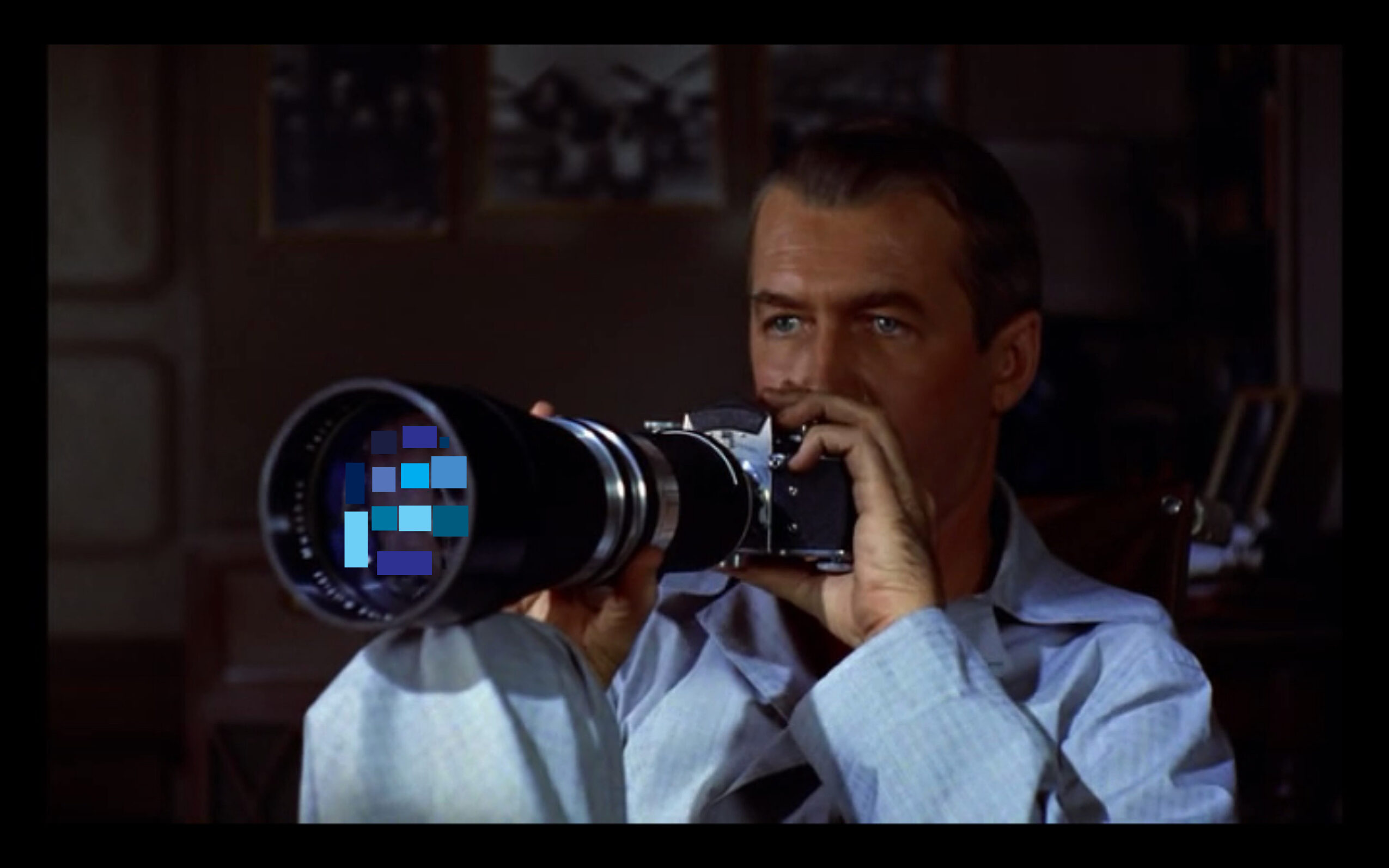
My work is rooted in a conceptual and process-driven practice that moves between printmaking, textiles, film, photography, and ceramics. I’m interested in themes of isolation, identity, and tension, and I often work with appropriated imagery, pulling from films, well-known artworks, and text, and then reworking those sources through erasure, obstruction, voiding, and distortion. By recontextualizing and altering these sources, I’m also thinking about the artifice behind them, whether it’s film, art history, or language, and what happens when that illusion is exposed. Through repetition and layering, the work becomes a kind of back-and-forth between the “making” and “unmaking”.
What I’m most proud of is how my work has evolved to hold both conceptual rigor and a more personal sense of reflection, especially as I’ve continued to think about resilience and transformation in my own life. More recently, the work has become something closer to a space for processing, where repetition and material become a way of working through and making sense of experience.
What sets me apart is that my practice isn’t just about producing objects, it’s also about this ongoing cycle of questioning, reworking, and reframing. That carries through not only in the work itself, but also in how I approach curating and collaborating with others.
If you had to, what characteristic of yours would you give the most credit to?
I think the most important quality to my success has been resilience. My work is rooted in processes of repetition, reworking, and sometimes undoing, so it requires a willingness to stay engaged even when things feel unresolved or uncertain.
That resilience has also extended beyond the studio. Balancing different roles, navigating challenges, and continuing to show up through difficult periods has shaped how I approach both my work and my career. Especially over the past year, I’ve had to rethink pace, priorities, and what it means to sustain a creative practice long-term.
At the same time, resilience in my work isn’t just about pushing through, it’s about adapting, allowing things to shift, and being open to change. That mindset has become central to how I make and reflect.
Contact Info:
- Website: https://www.caseyleone.com
- Instagram: https://www.instagram.com/caseyleone/
- LinkedIn: https://www.linkedin.com/in/casey-leone-883970244
- Other: https://vimeo.com/caseyleone