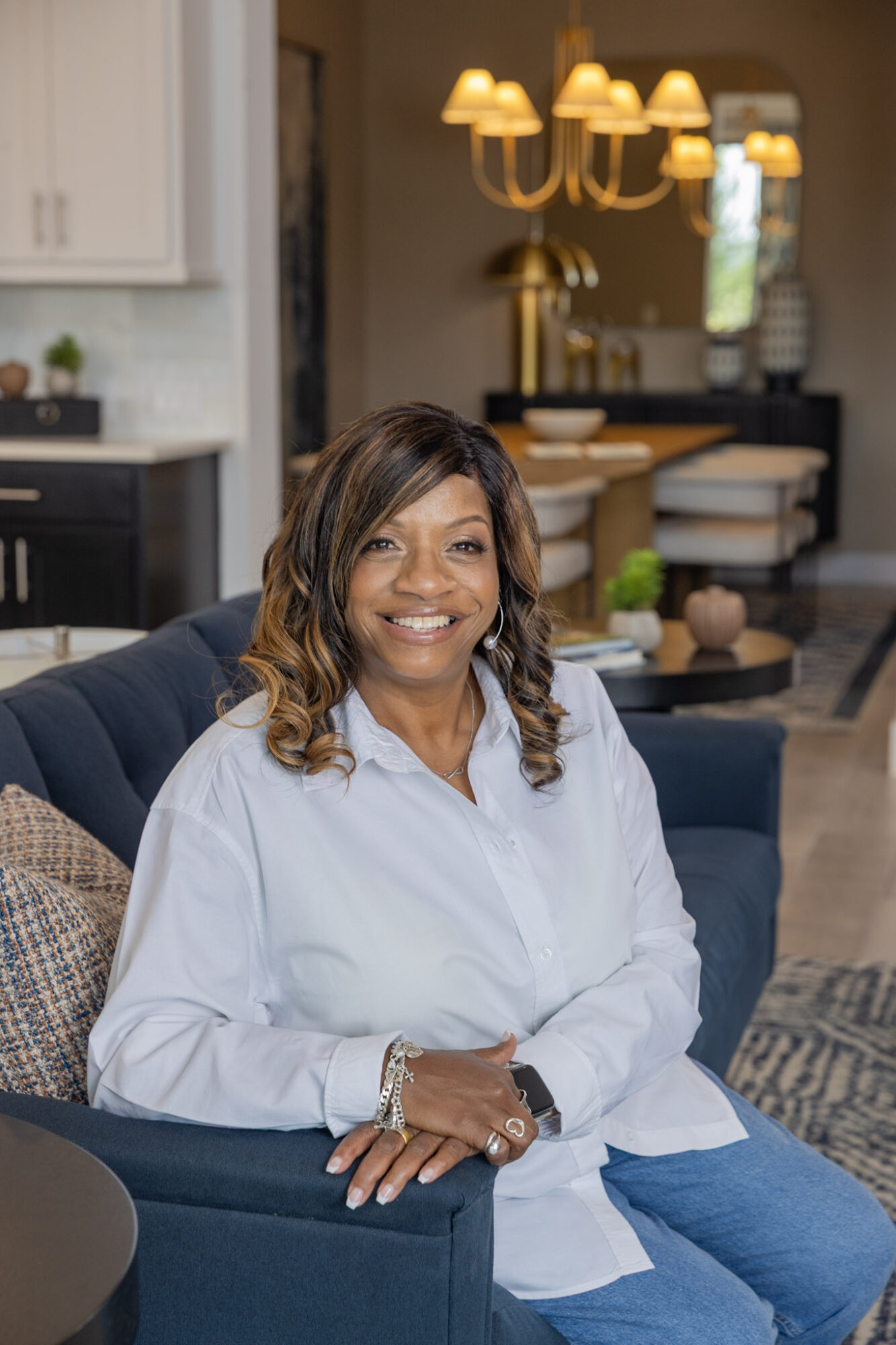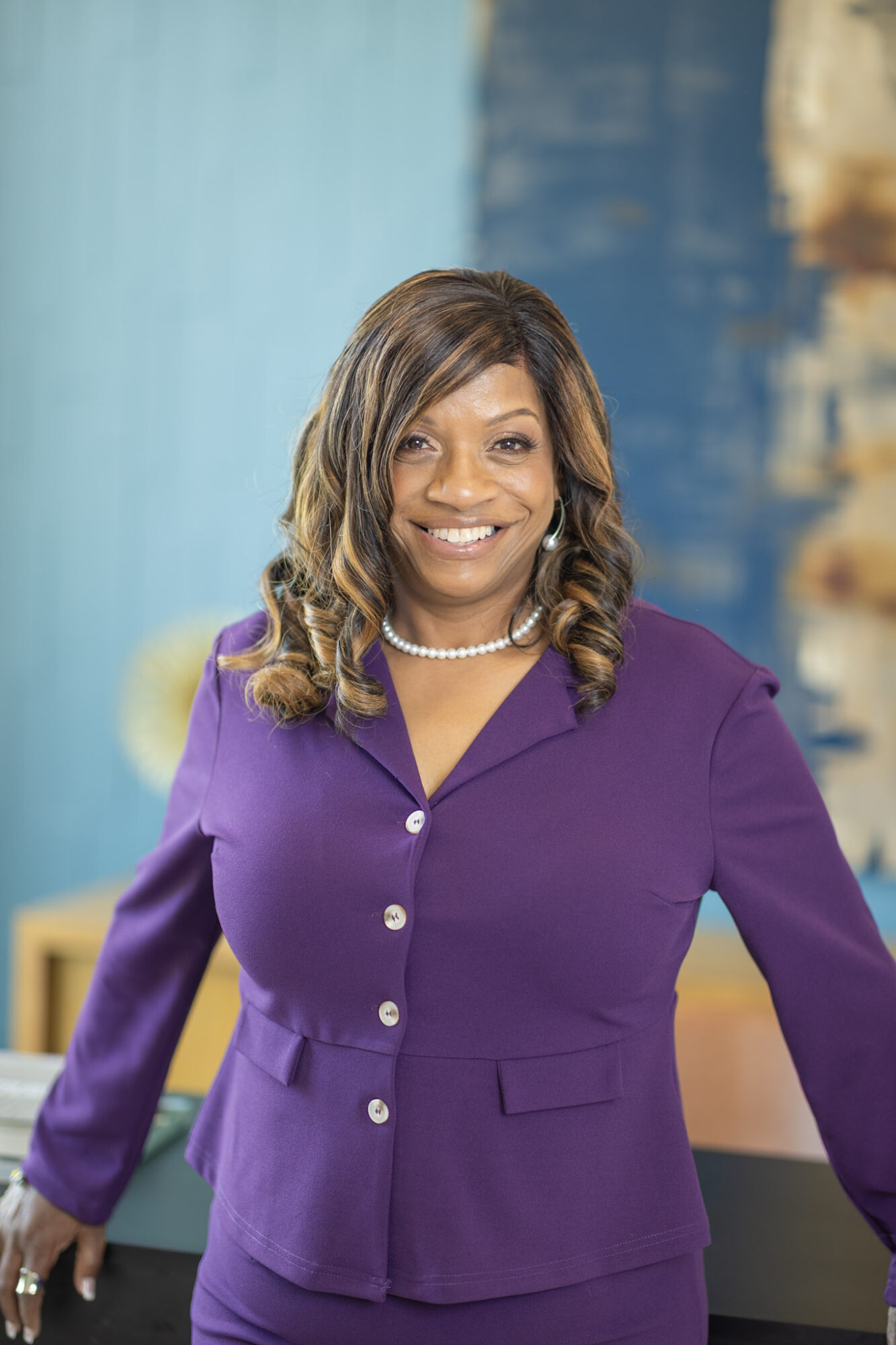






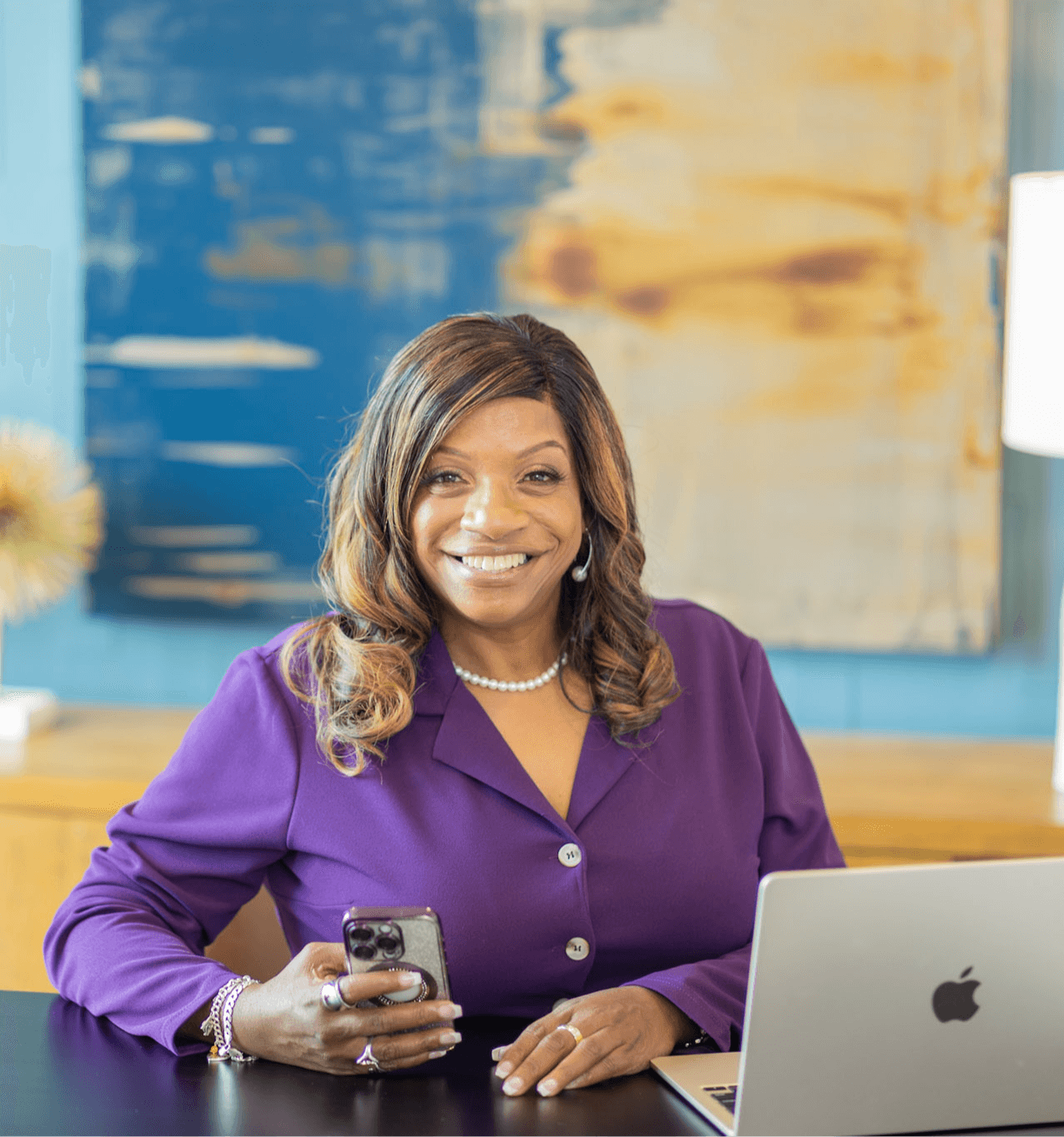
Today we’d like to introduce you to Dr. Patrice Dunn.
Hi Dr. Patrice, so excited to have you on the platform. So before we get into questions about your work-life, maybe you can bring our readers up to speed on your story and how you got to where you are today?
When people ask how I got here, honestly, I think my story started in my driveway on Saturday mornings.
I grew up with two sisters, one older and one younger, and we all had really distinct personalities and gifts. Both of my sisters were musical. They sang, played piano, and were genuinely talented at it. We all took piano lessons, but let’s just say I attended mine with resistance and a little bit of drama. I would practice about twenty minutes before it was time to leave for the lesson and hope for the best.
My younger sister was adorable, delicate, creative, and involved in everything. She was a cheerleader, played clarinet in the marching band, loved theater, and somehow managed to do it all at once, literally running from the football field during games to march with the band and then coming back to cheer. My older sister was thoughtful, studious, musical, and more laid back. She enjoyed tennis and had her own quiet strengths.
We were just very different kids. Neither of my sisters was especially athletic, and sports simply were not their thing. But for me, athletics became a huge part of my identity very early. I was the one my dad dragged outside early on Saturday mornings to race the neighborhood boys.
My dad always wanted a son, and instead, he got me. So while my sisters were inside, I was outside changing shingles, cutting grass, running track, and competing. My dad was a physical therapist, very disciplined, very athletic, and he pushed me hard. At the time, I probably thought it was unfair. But looking back, those moments taught me something powerful very early, what happens when someone believes in you before you fully believe in yourself.
I started running AAU track at six years old, training four hours a night after school, and sports became one of my first teachers. It taught me discipline, resilience, confidence, and how to keep showing up even when things feel uncomfortable. That foundation is a huge part of why I am now so passionate about supporting athletes beyond performance, helping them understand they are more than the game, more than the scholarship, and more than the applause. Athletics is a tool, not the total identity.
At the same time, I was being shaped by my mother in a completely different way. My mom had a PhD in social work, worked in higher education, children’s hospitals, and community organizations, and she lived a life of service. She exposed us to people from everywhere, different cultures, backgrounds, experiences, and languages. We had students from other countries living in our home. I remember sitting on the floor in her office at Ohio State listening to students come in with their struggles, questions, and dreams.
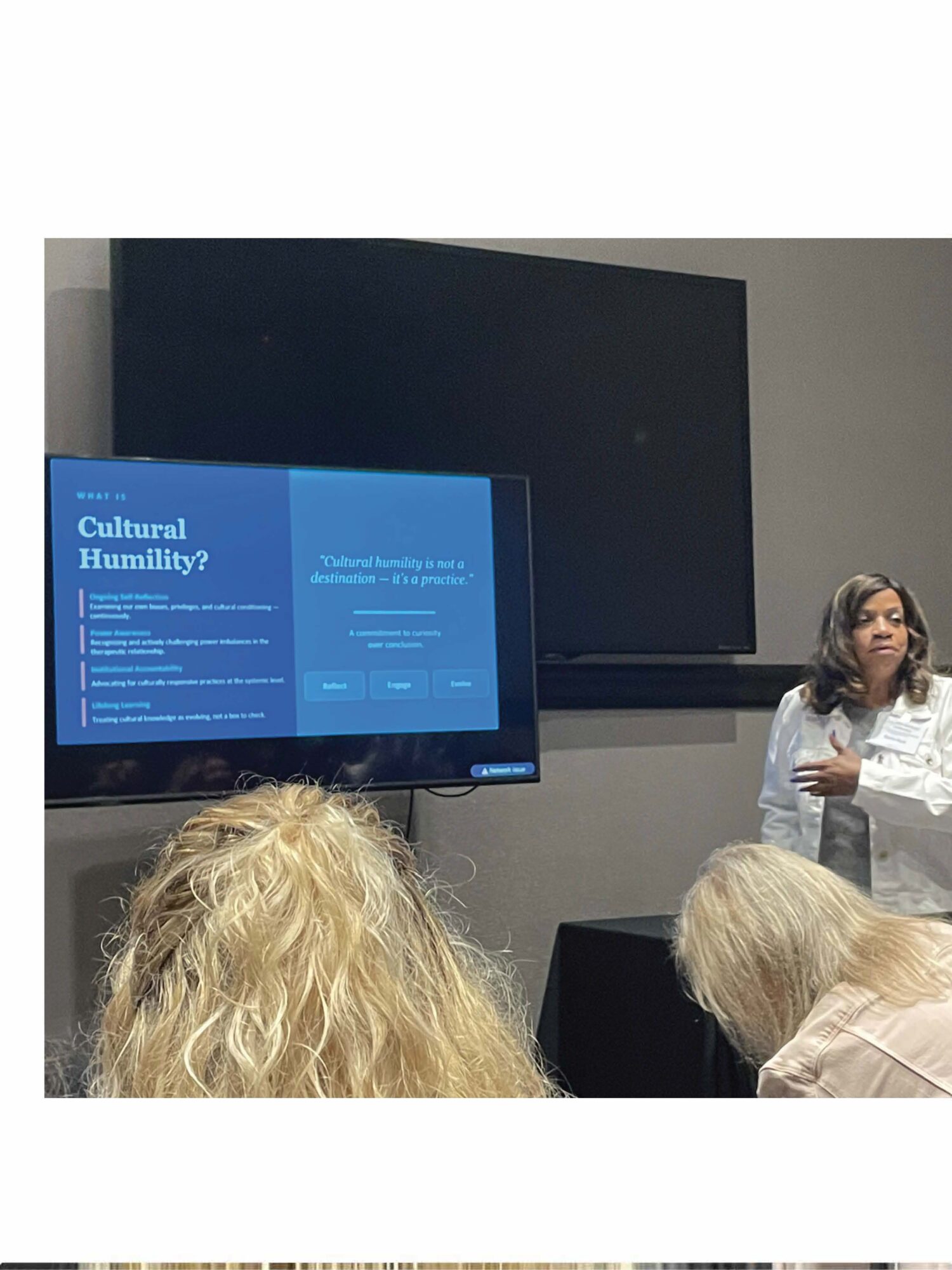
My mother taught me cultural humility before I even had language for it. She taught me that people deserve to be seen, heard, welcomed, and valued. Our home was always full, students, athletes, community members, conversations, food, and laughter. Looking back, I realize I built my counseling style and teaching style from that environment. I learned that relationships change people.
As I have grown personally and professionally, especially as a Black woman navigating higher education, counseling, leadership, and predominantly white spaces, I have also become more intentional about understanding identity, code switching, racial battle fatigue, and the importance of embracing Black joy as a form of survival, unapologetically. That journey deepened my passion for helping women heal, grow, and rediscover themselves outside of survival mode.
That is really where my current work was born. The work I am doing with women through Become HER and the work I am building for athletes through Playbook for Life both come from the same belief, people deserve support for the whole person, not just the role they perform for others.
I want women to know they matter beyond what they produce for everybody else. And I want athletes to know success is bigger than stats, money, or fame. It is about becoming healthy, grounded, emotionally intelligent human beings who can sustain success in every area of life.
And honestly, when I look back now, I can see how both of my parents shaped that mission. My father taught me how to compete and persevere in the face of adversity, and my mother taught me how to care for and encourage people while creating space for them to thrive. Somehow my life’s work became the combination of both.
But I also want to be honest about something, those lessons did not come wrapped in ease or comfort. The journey was rough, and I would never romanticize my childhood experience or suggest it was easy. My parents absolutely had the best intentions. They wanted opportunities for us that they may not have had themselves, and moving us from the inner city into the suburbs created advantages and access that likely shaped the trajectory of my life. For that, I am deeply grateful.
At the same time, growing up often meant learning how to navigate spaces where I did not always feel seen, fully understood, or comfortable. I have spent a lifetime learning how to sit in uncomfortable environments and still find a way to grow, lead, and thrive. In many ways, I joke that I am a lifetime member of the uncomfortable. But it is also where I developed resilience, self awareness, empathy, and the ability to connect with people across experiences and identities.
So now, in retrospect, I can appreciate both the beauty and the difficulty of my upbringing. I can honor what my parents gave me while also acknowledging the emotional complexity of the journey. And I think that honesty is part of what allows me to connect so deeply with the women, students, and athletes I serve today.
We all face challenges, but looking back would you describe it as a relatively smooth road?
No, it definitely has not been a smooth road. In fact, a lot of the work I do now was born directly out of my struggles.
One of the earliest struggles was identity. I grew up feeling like I was the daughter my father wanted to be a son. I did not fully understand that until I was grown and had children of my own, but once my mother shared that with me, a lot of things suddenly made sense.
I was the child outside doing physically demanding work, cutting grass, hauling gravel, helping build decks, climbing roofs, watering gardens, racing boys in the neighborhood, while also still being expected to fit into very traditional expectations of girlhood. So there was always this internal tension between who I naturally was and who I thought I was supposed to be.
I think another major struggle was growing up as a dark skinned Black girl in predominantly white spaces while constantly being measured against a white standard of beauty. I was teased about my skin tone, my hair texture, my features. I worried about things other kids never had to think about, whether my hair would hold up at a sleepover, whether swimming would ruin it, whether I looked acceptable enough to belong.
There were moments when I genuinely felt invisible, and other moments when I felt painfully visible in all the wrong ways. And honestly, I carried a deep sense of not being enough for a very long time.
Even when I went to Howard University, which I thought would finally feel like home because it was an HBCU, I still struggled with belonging. The young women around me seemed so confident, stylish, socially experienced, culturally grounded, and I still felt like I was trying to figure out who I was. So what I eventually realized is this, changing environments does not automatically heal insecurity.
Then came adulthood, motherhood, marriage, divorce, raising two sons as a single mom, navigating career decisions, and constantly trying to meet everybody else’s needs while losing sight of myself in the process. I became very good at shape shifting into whatever other people needed me to be. But underneath that was exhaustion and a real question of, “Who am I when I am not performing for everyone else?”
The good news is that healing is possible. I have spent years doing the internal work, sitting in uncomfortable spaces, examining my story, challenging my beliefs about myself, and learning to appreciate the very things I once struggled to accept.
I know we don’t enjoy being uncomfortable, but I also believe growth happens there. The struggles did not destroy me, they developed me. They taught me empathy. They taught me resilience. They taught me how to see people beneath the surface.
And now, that is exactly why I do the work I do. I know what it feels like to not feel chosen, not feel beautiful enough, not feel fully accepted, not feel certain about where you belong. So whether I am working with athletes, students, or women, my goal is to help people understand they already have value before the applause, before the relationship, before the achievement, before the validation from anybody else.
I really believe now that everything I went through was purposeful. Painful, yes. Lonely at times, absolutely. But purposeful.
And if there is one thing I would want people to take away from my story, it is this: your struggles do not disqualify you. Sometimes they are actually preparing you to become the very person someone else will need later.
Thanks for sharing that. So, maybe next you can tell us a bit more about your business?
I am the owner of Real Life Counseling and Consultation Services, PLLC, a private practice I have led for over 20 years. Throughout my career, I have worked with individuals, families, students, athletes, and professionals navigating everything from trauma and anxiety to identity, relationships, life transitions, and personal growth.
But over time, I realized something important. People do not just need counseling. They need community. They need practical tools. They need honest conversations. And most importantly, they need spaces where they can stop performing and finally just be human.
That realization led me to develop two passion driven initiatives under my umbrella of entrepreneurship: Become HER and Playbook for Life.
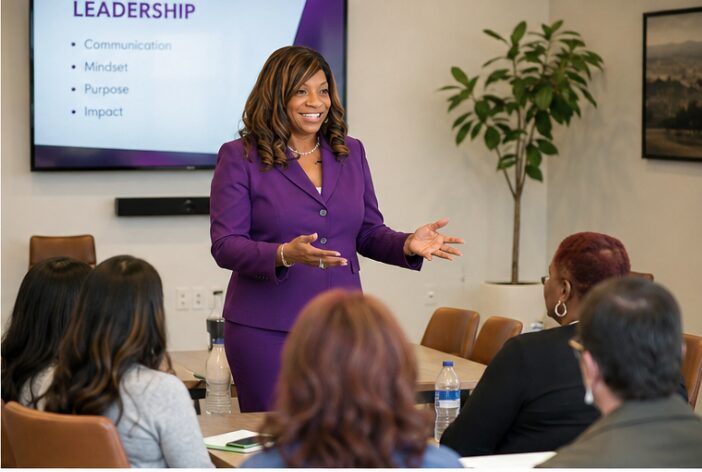
In addition to counseling and program development, I also travel nationally as a speaker, trainer, and consultant. I provide keynote presentations, workshops, professional development experiences, panel discussions, and leadership conversations for schools, universities, athletic programs, organizations, churches, conferences, and corporate teams.
My speaking topics often center around women’s empowerment, athlete development, mental wellness, identity, parenting, resilience, cultural awareness, relationships, leadership, burnout, communication, and personal growth. What makes my presentations different is that they are not just informative, they are relatable, interactive, honest, and practical. I believe people learn best when they feel seen, engaged, challenged, and inspired all at the same time.
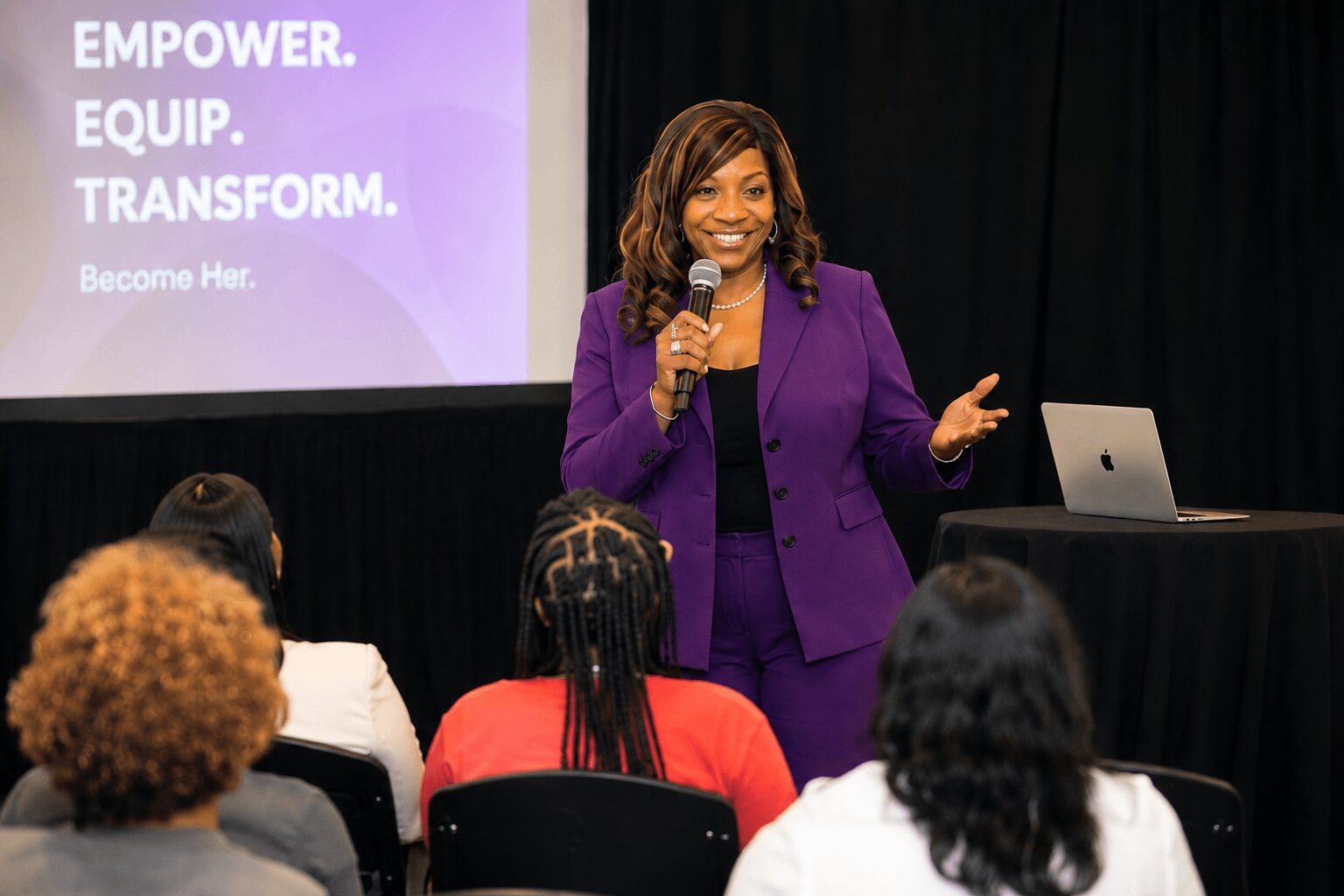
Become HER is a personal growth and empowerment community designed specifically for women who are trying to rediscover themselves beyond survival mode. So many women are successful on paper but exhausted internally. They are pouring into everybody else while silently losing themselves in the process. Become HER is about helping women reconnect with their identity, confidence, purpose, voice, healing, and joy.
What makes Become HER different is that it is not just motivational content. It is practical, reflective, and community centered. We have a monthly podcast, interactive Zoom conversations women can join from anywhere in the country, newsletters, personal growth tools, and a guided playbook designed to help women actually apply what they are learning in real life.
It is honest. It is healing. It is challenging. Sometimes we laugh, sometimes we cry, and sometimes we have to lovingly call each other out. But the goal is always growth. I want women to know they are worthy beyond what they produce for everybody else.
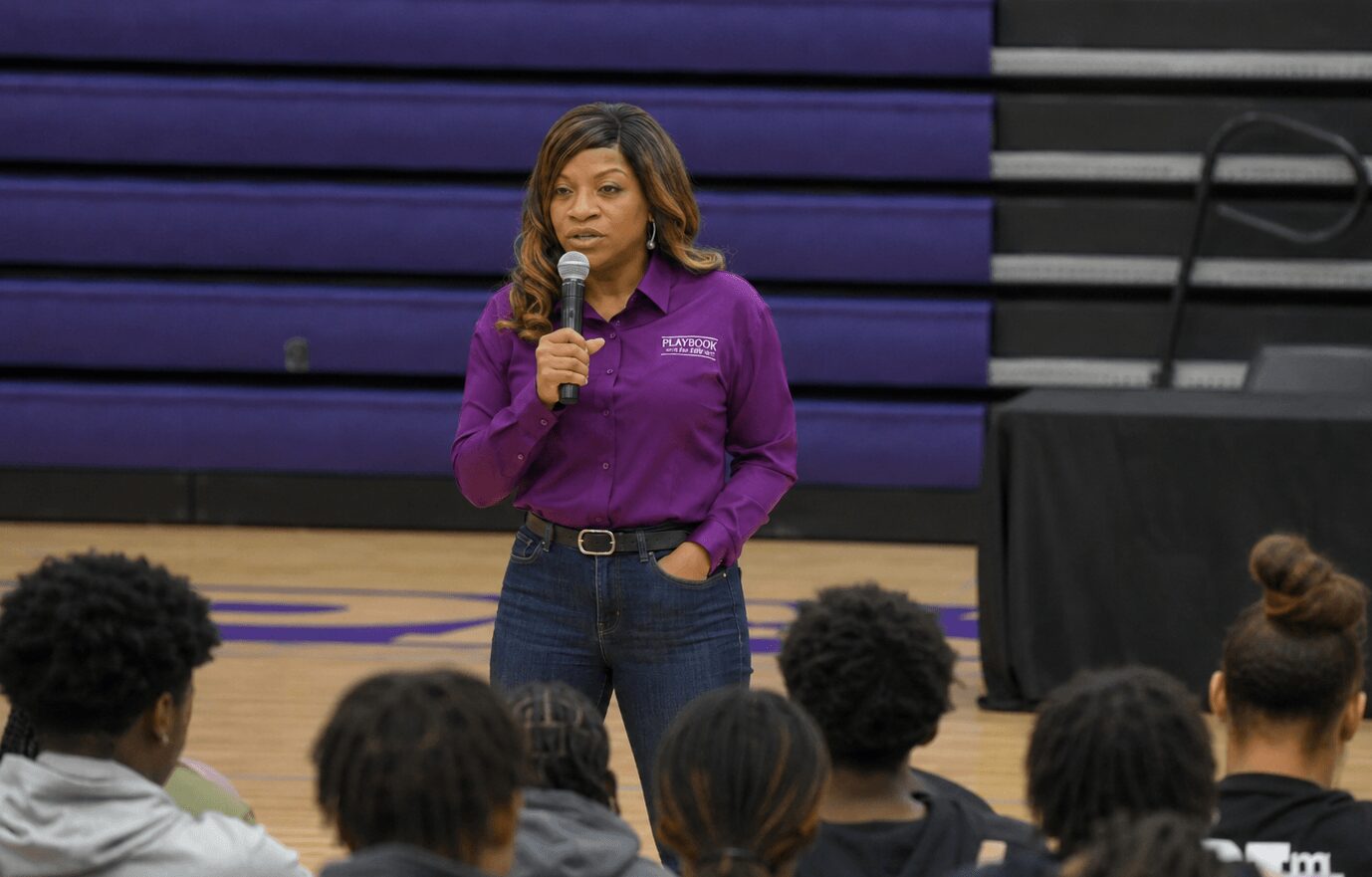
The second initiative, Playbook for Life, was born from my lifelong connection to athletics, mental health, education, and identity development. As a former athlete, counselor, professor, and someone who has worked closely with young people for decades, I saw a major gap in how we develop athletes.
We spend years building athletic performance, but often neglect emotional intelligence, identity, relationships, decision making, mental wellness, financial literacy, communication skills, and life after sports. Some athletes are highly trained physically but emotionally overwhelmed, isolated, over pressured, or completely unprepared for the realities that come with visibility, success, injury, NIL opportunities, social media, or transitioning out of the game.
Playbook for Life is designed to change that conversation.
Through speaking engagements, workshops, consulting partnerships, and curriculum based programming, we are creating space for athletes to become healthy, grounded, emotionally intelligent young adults, not just high performers on the field or court.
We provide programming, workshops, conversations, and mentorship focused on mental wellness, relationships, identity beyond athletics, family dynamics, branding and reputation management, social media awareness, communication skills, leadership, life transitions, and financial literacy.
One thing I say often is this: athletics should be a tool, not the total identity.
And we partner with coaches, schools, athletic directors, organizations, and families because this work truly takes a village.
I think what sets me apart overall is that I bring a unique combination of clinical experience, educational leadership, lived experience, cultural awareness, storytelling, humor, authenticity, and real world practicality. I am not interested in simply inspiring people for an hour and then sending them home unchanged. I want people to walk away with tools, insight, language, confidence, and a deeper understanding of themselves.
Brand wise, what I am most proud of is creating spaces where people feel safe enough to be honest while also being challenged to grow. Whether I am speaking to women, athletes, students, educators, or families, my goal is always the same: help people become the healthiest and most authentic version of themselves.
At the end of the day, both Become HER and Playbook for Life are really about transformation. Not perfection. Not performance. Transformation.
Do you have any advice for those looking to network or find a mentor?
I absolutely believe mentorship and networking can change the trajectory of someone’s life. Honestly, many of the opportunities, lessons, and moments of growth I have experienced personally and professionally came through relationships with people who were willing to pour into me, challenge me, guide me, and sometimes lovingly correct me.
One thing I have learned is that mentorship is not always formal. Sometimes it looks like a coach. Sometimes it is a professor, a supervisor, a colleague, a community leader, or even a friend of the family who sees something in you before you fully see it in yourself.
I know for me personally, during those adolescent years when I thought my parents did not know anything, my mother was wise enough to surround me with other adults who reinforced the same values she was teaching at home. Looking back, that mattered more than I realized at the time. I always had somebody in my corner, somebody speaking life into me, somebody helping me think bigger than where I currently was.
Even in my dissertation research, where I interviewed African American women navigating predominantly white professional and academic spaces, mentorship consistently emerged as one of the biggest factors in their ability to persist, grow, and thrive. One important lesson I learned from that research is that your mentors may not always be sitting in the same building with you. Sometimes you have to intentionally seek out people who align with your vision, values, goals, and lived experiences.
I also do not believe one mentor can meet every need. I think mentorship is more like building a personal board of directors. Different people bring different wisdom, perspectives, experiences, and strengths to your life. Some mentors encourage you. Some strategically challenge you. Some open doors. Some simply remind you who you are when you forget. The key is surrounding yourself with people who genuinely care about your growth and are not afraid to tell you the truth.
That philosophy is woven throughout both Become HER and Playbook for Life.
With Become HER, one of our biggest goals is helping women stop feeling isolated. Women are carrying so much, professionally, emotionally, financially, relationally, spiritually, and many of them feel like they have to navigate it all alone. We are intentionally creating community where women can learn from one another, encourage one another, and realize they are not the only person struggling, growing, healing, or reinventing themselves. Sometimes the greatest gift is simply hearing another woman say, ‘Me too.’
The same is true with Playbook for Life. One of the things I am most passionate about is helping athletes connect with mentors, former athletes, professionals, and leaders who can help guide them through the realities of performance, pressure, visibility, relationships, finances, mental wellness, and life transitions. We have to normalize real conversations with athletes beyond wins and losses. They need trusted people around them who can help them navigate both the spotlight and the setbacks.
Networking is another skill I think we have to teach intentionally, especially to young people. Many students and athletes are incredibly talented, but because so much communication now happens through screens, they sometimes struggle with confidence in face to face interactions. We have to help them learn how to introduce themselves, shake hands, hold conversations, maintain eye contact, present themselves professionally, and build authentic relationships. Those soft skills matter.
And honestly, networking has not always come naturally to me either. There is a part of me that is deeply introverted and still working through old stories of not feeling important enough, confident enough, or worthy enough to take up space. My natural instinct has often been to sit quietly in the corner and hope somebody notices me instead of confidently walking across the room introducing myself.
But growth happens in the uncomfortable. I have learned that networking is not about pretending to be somebody you are not. It is about building genuine relationships, showing up authentically, and being willing to let people see your value.
So my advice would be this: do not try to navigate life alone. Find people who challenge you, support you, sharpen you, and expand your perspective. And at the same time, be willing to become that person for someone else. That is how healthy communities, healthy leadership, and lasting impact are built.
Contact Info:
- Website: https://drpatricedunn.com
- Instagram: https://www.instagram.com/drpatricedunn/
- Facebook: https://www.facebook.com/patrice.g.dunn
- LinkedIn: https://www.linkedin.com/in/dr-patrice-dunn-464556219/
- Twitter: @drpatricedunn60
- Youtube: https://www.youtube.com/@patricedunn5447