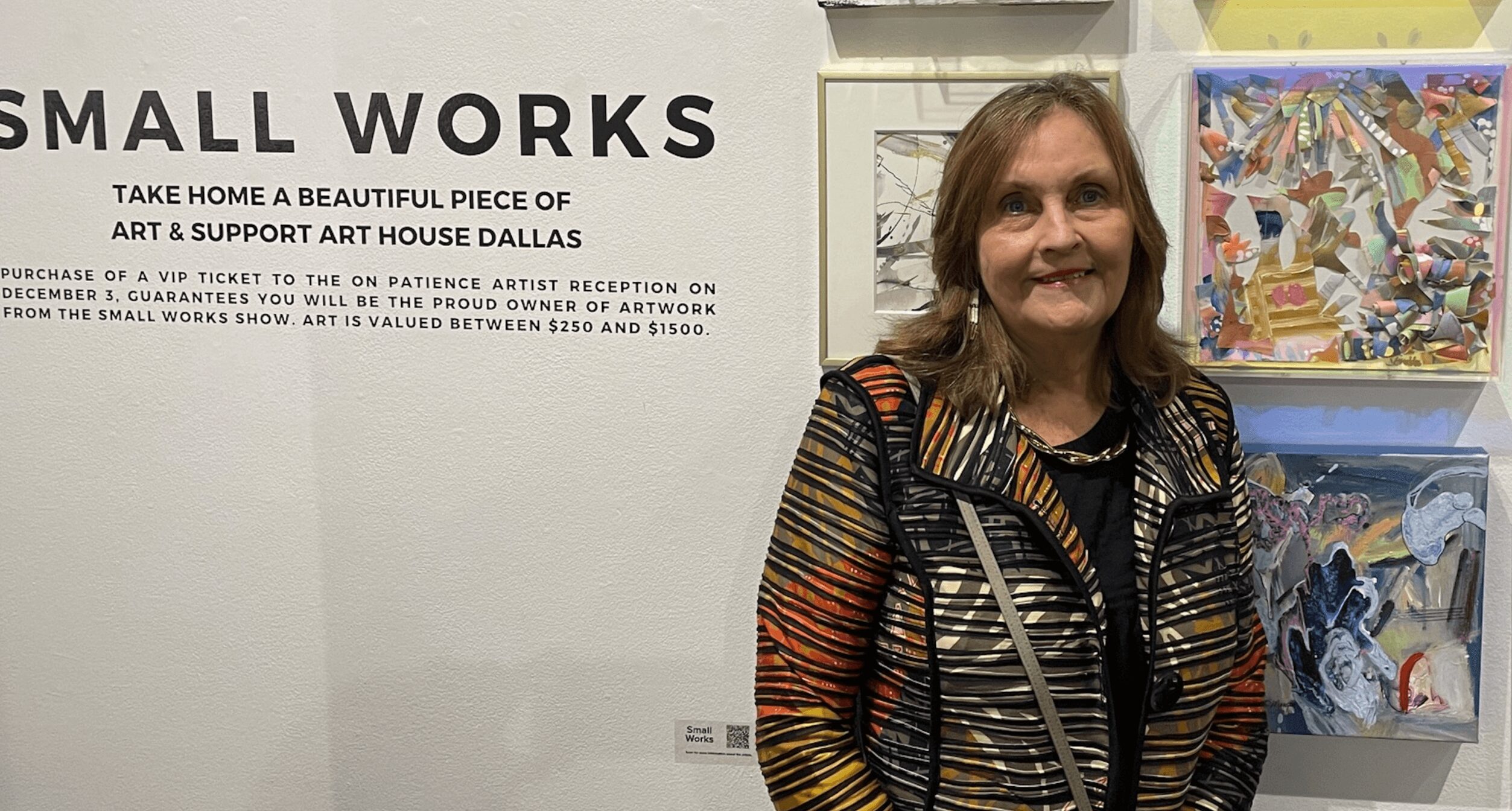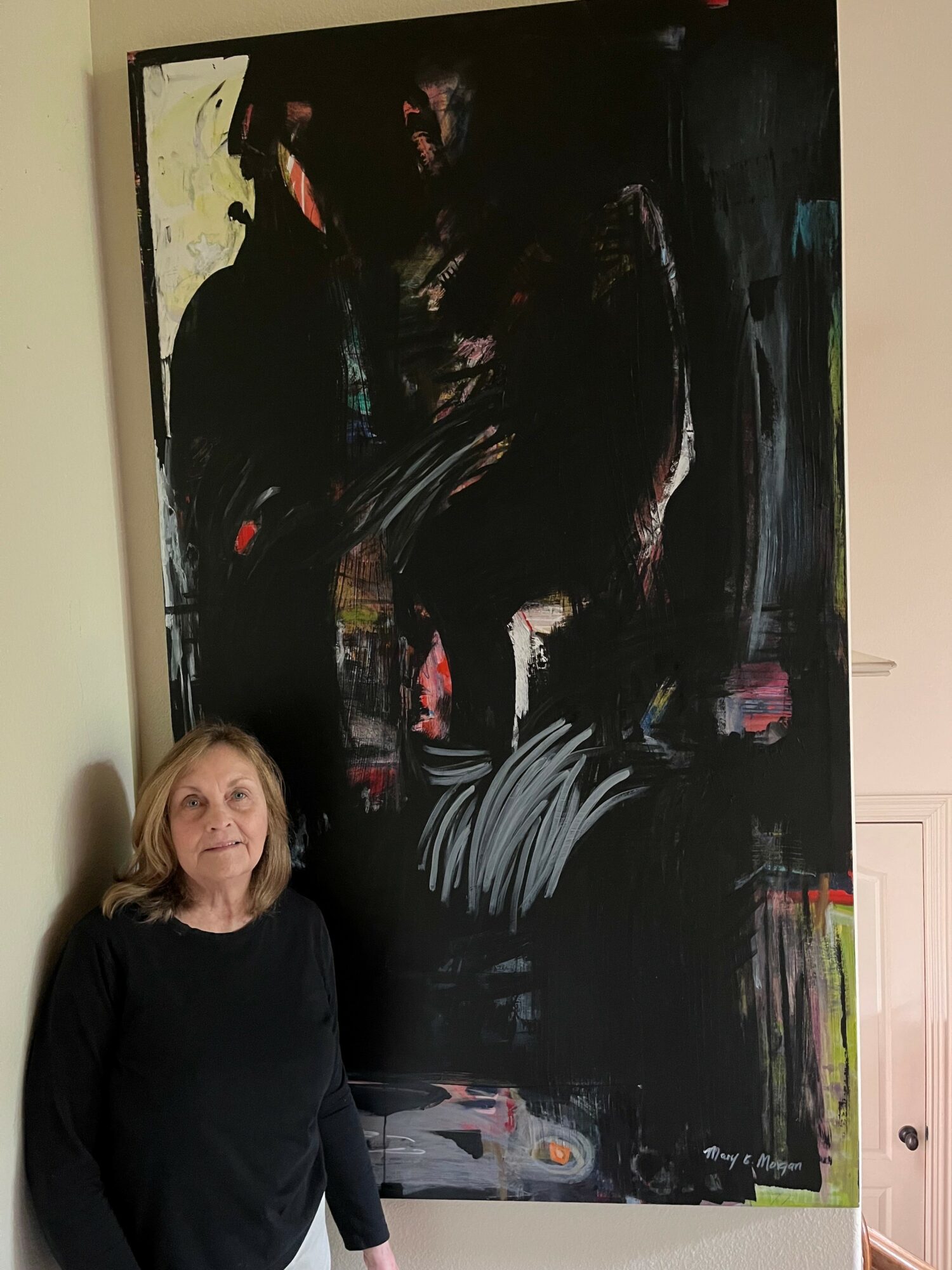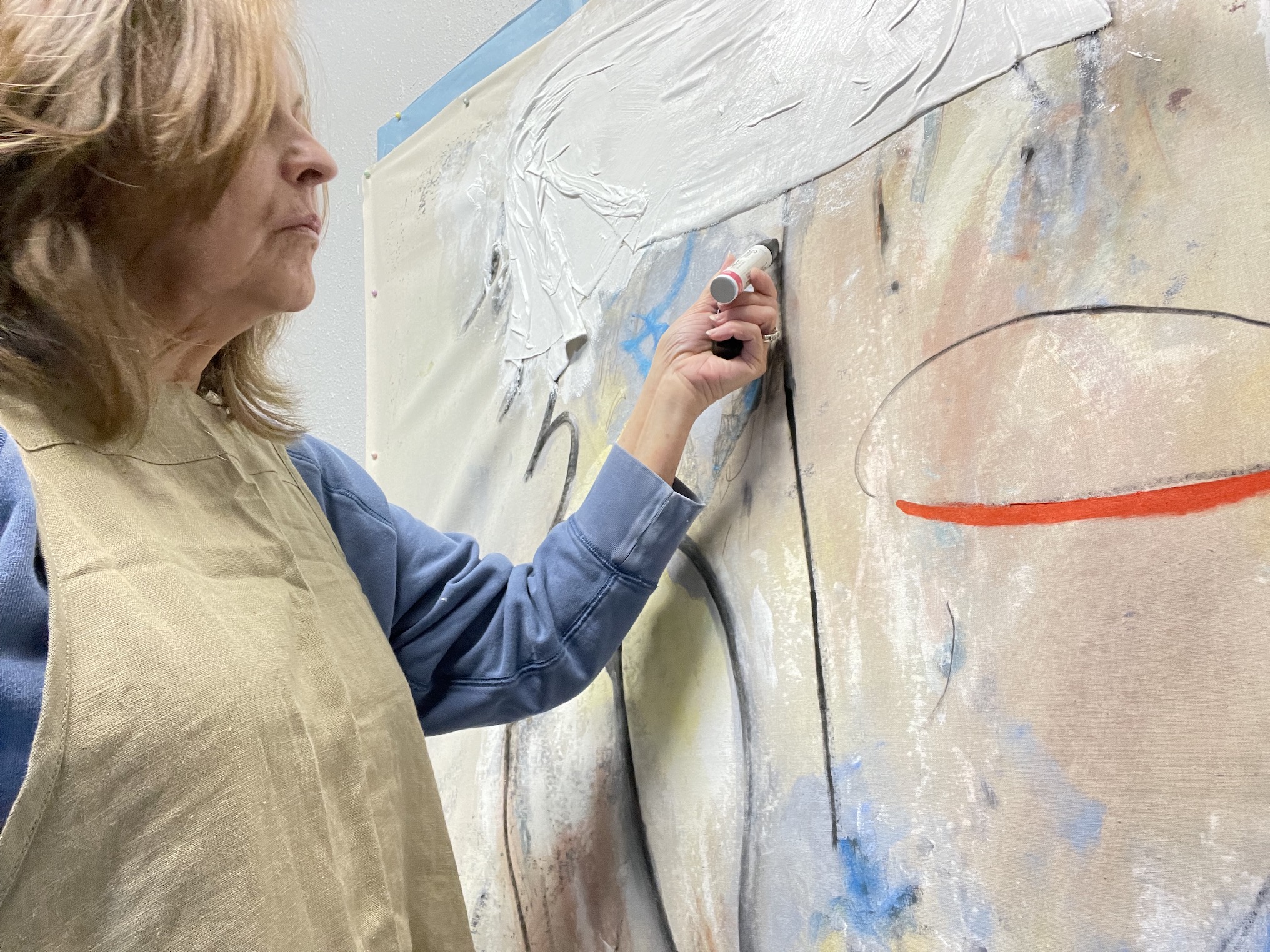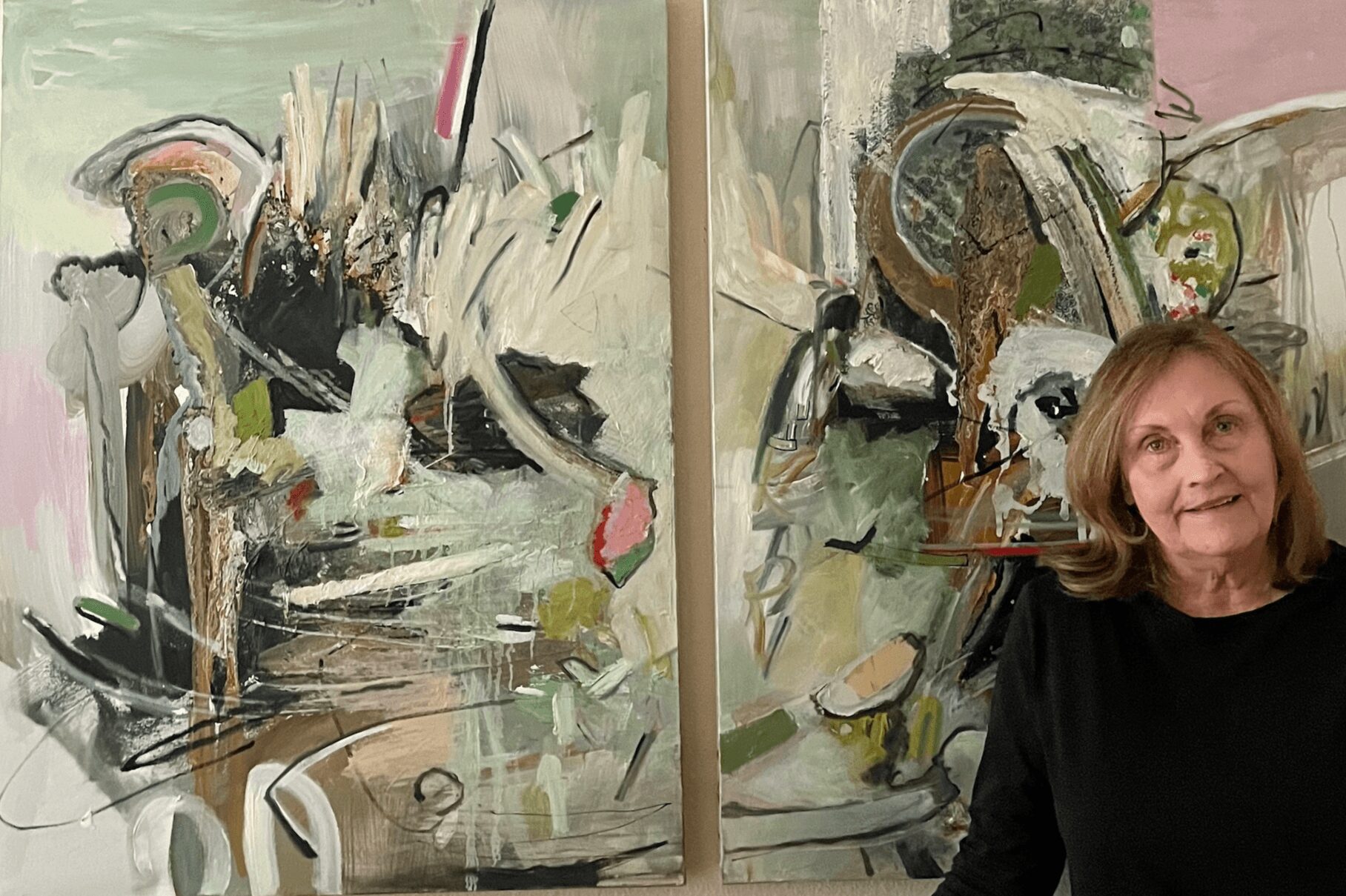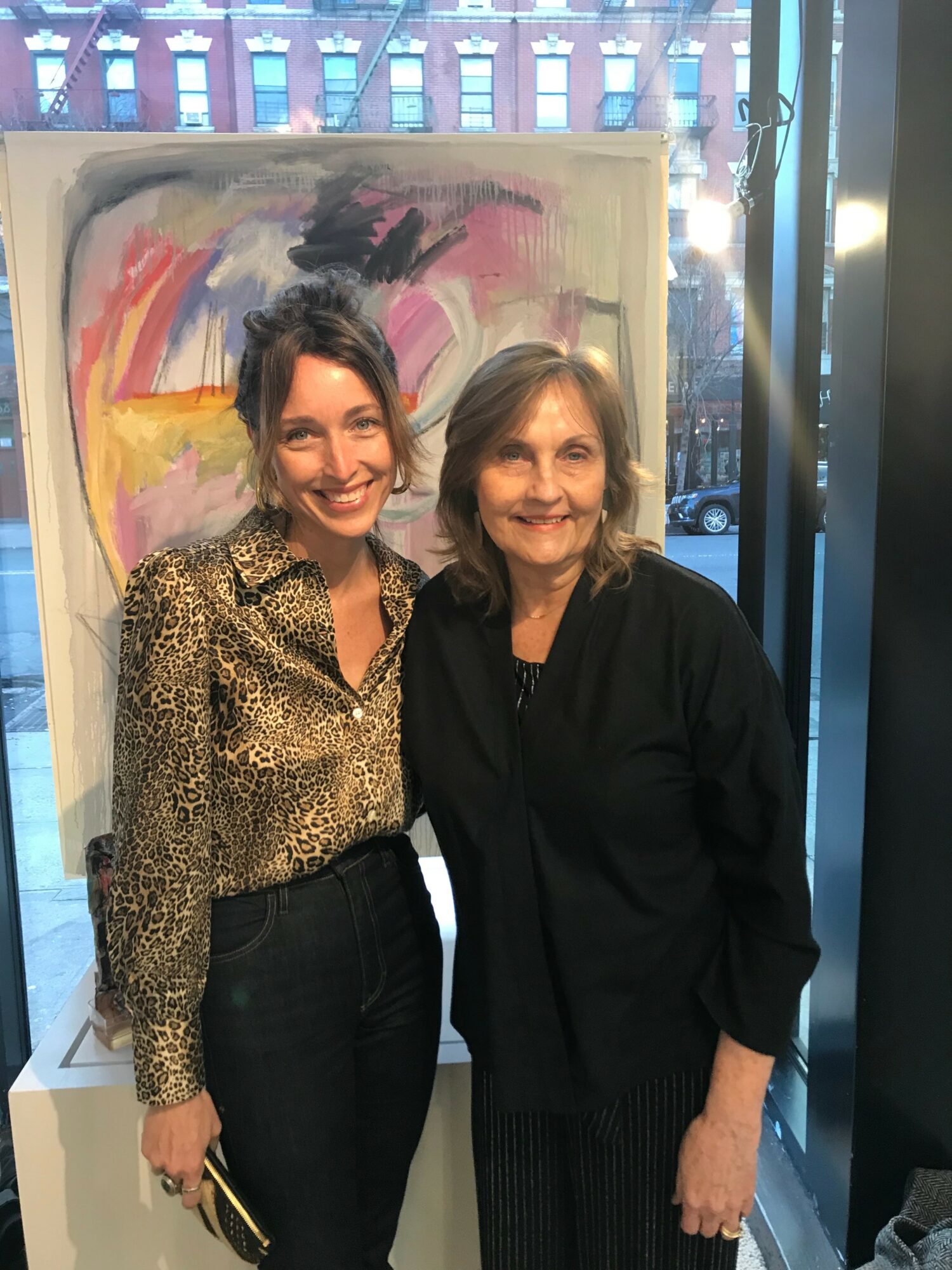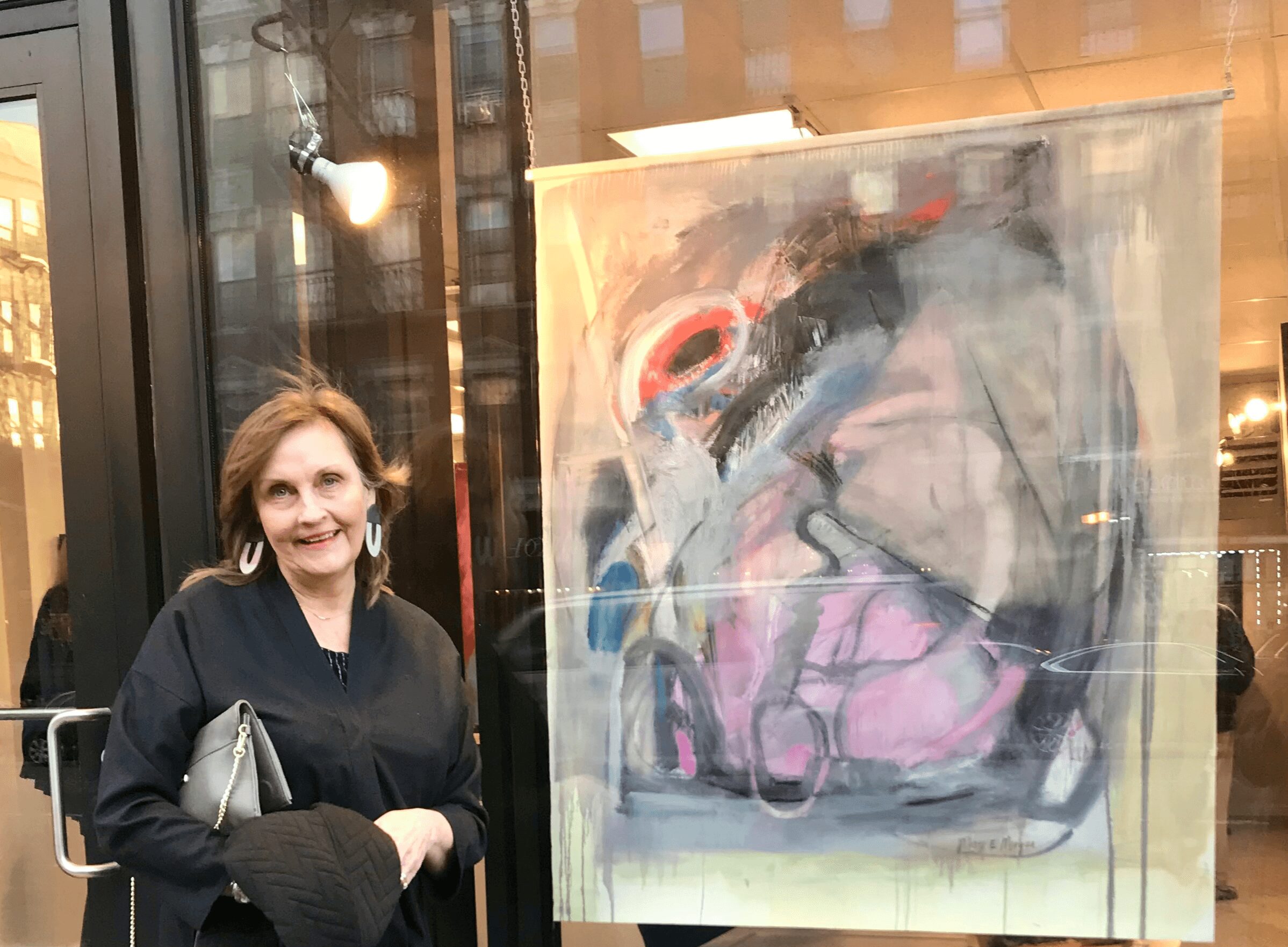






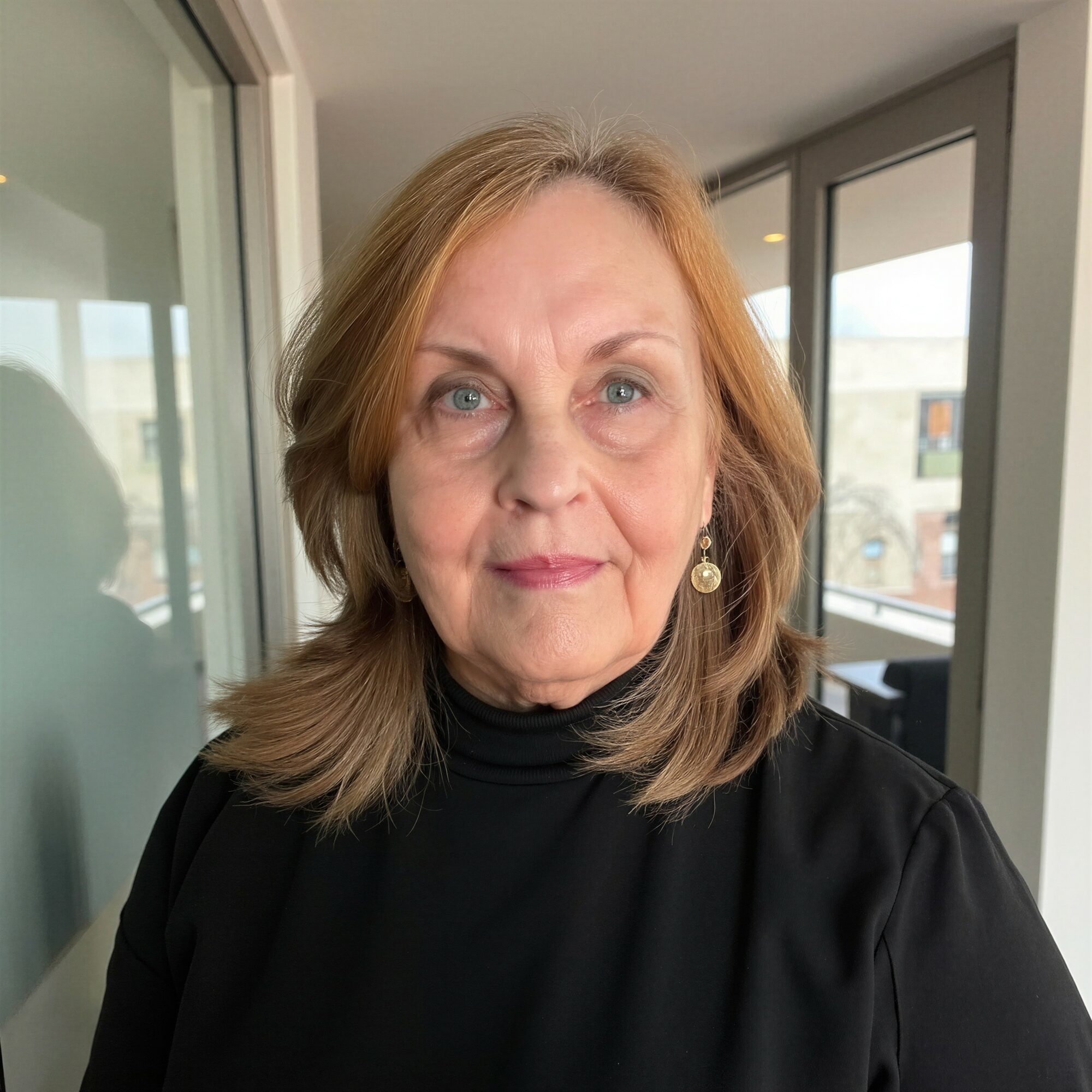
Today we’d like to introduce you to Mary Morgan.
Hi Mary, so excited to have you with us today. What can you tell us about your story?
I was born in Gainesville, TX., on February 12, 1950. When I was three, we moved from Houston to Fort Worth because my dad took a job as a professor at the Baptist Seminary. I spent the rest of my growing-up years in Fort Worth, with the exception of two years. The first time we moved to Cali, Colombia, where my dad took a sabbatical year to teach in the Seminary there. I was in the fourth grade at an International English-speaking school. Our second move was another sabbatical at another seminary outside of Zurich, Switzerland. I attended the International School as a high school senior. Although I graduated from R L Pascal High School, I took my first art class at this school with Rhoda Isaac. It was a wonderful opportunity since I fell in love with art. When we returned to the States, I attended Tarrant County Junior College for two years before heading to Baylor University to finish my college years. While at Baylor, I made some decisions about my future and decided to major in Physical Education and minor in Art. Since my parents had encouraged me to be a teacher, I decided to get my teaching certificate in secondary education. During my tenure at Baylor, I met and married my husband, Barry Morgan, who played football, a true “Baylor Bear”.
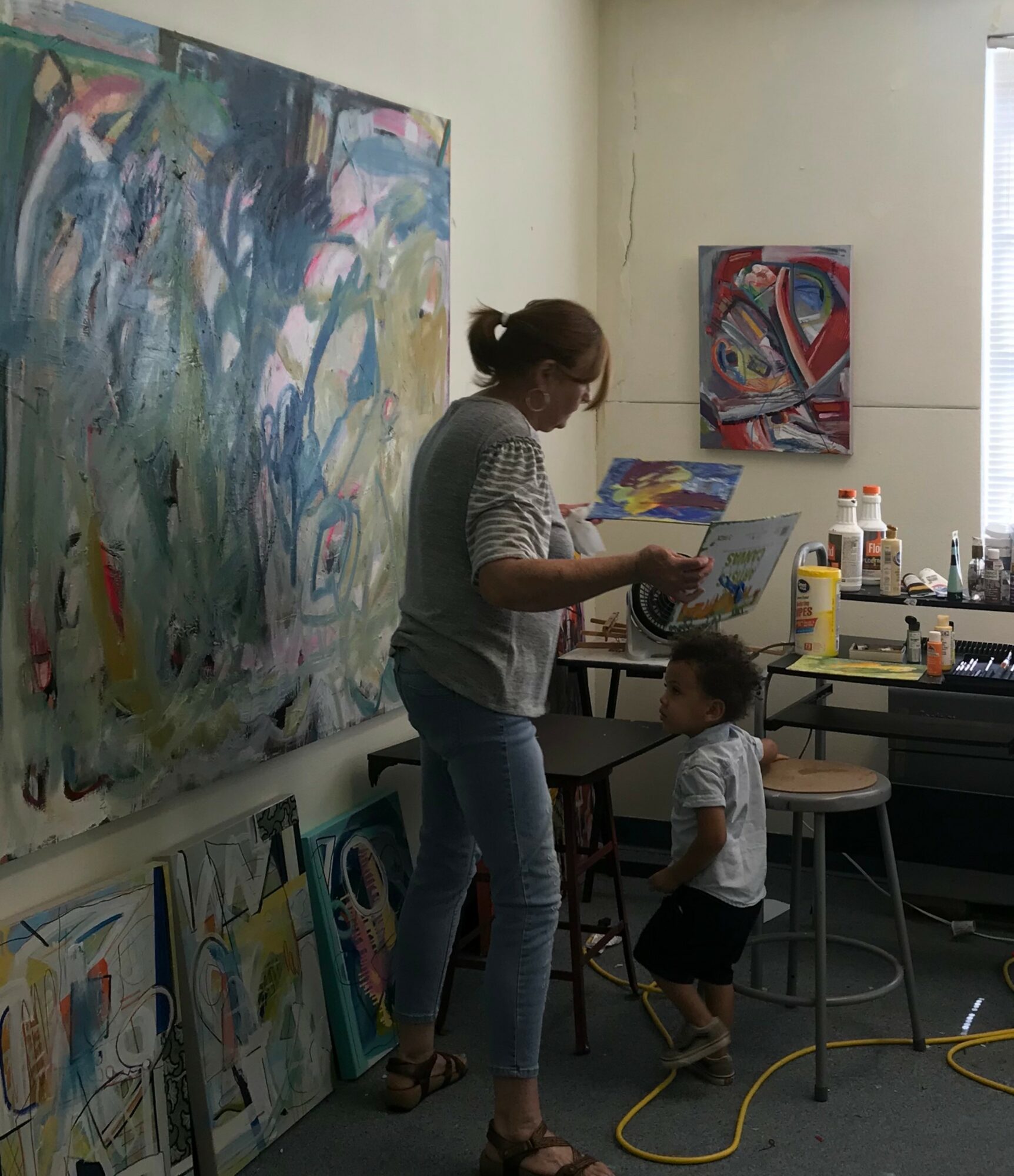
He was also pursuing his teaching degree, with plans to coach football. He and I started our lives together teaching in Grand Prairie. Little did I know how much we would move during those early years, as he was rising in the world of coaching and I was having babies and substitute teaching when I could. Looking back, the good thing was that the opportunity to substitute teach for an art teacher helped me to regain an interest in the art world. During a sustained art-teaching position as a substitute, I realized how little I knew about art and how to teach it. I soon began researching workshops and discussing with other art teachers’ curricula to gain an understanding of this new world. As the years passed, we finally settled down in Dallas, Texas, at Trinity Christian Academy. When Barry took the head football coaching job, we had one in 9th grade, another in 7th, and one in 3rd grade when we moved to Dallas. Trinity also offered me a job in Physical Education and coaching. It wasn’t long until I was physically worn out from not only the kids’ schedules but our combined teaching and coaching responsibilities. My mind wasn’t completely settled about what I was doing for myself. I began to imagine how I could possibly teach art. My request was heard by the administration, and I soon changed over from the Physical Education department to the Art Department. I taught 5-8th grades and immersed myself in learning as much as I could to enhance my teaching. After a few years of teaching art, I began discussing with the school the possibility of going back to earn a Master’s degree in Art. I continued teaching full-time while taking art classes, some of which were undergraduate courses, before I could enter the graduate program. It was a long journey, but I finally completed my MA from Texas Woman’s University in Denton, Texas, in May 2002. The year before I graduated, I changed teaching jobs when Prestonwood Christian Academy offered me the head of Art position in the upper school. After graduating, I began teaching at Dallas Baptist University as an adjunct professor in the Visual Art Department under the leadership of Dawna Walsh. I stayed at DBU for fourteen years, teaching the following: Painting at all levels, Watercolor, Introduction to Printmaking, and FA Survey. After I retired in 2016, I was finally able to give my full attention to my last goal: to paint and become an artist. That is what I continue to do today, working in my home studio.
Would you say it’s been a smooth road, and if not what are some of the biggest challenges you’ve faced along the way?
My journey has been a mix. There were times when things went smoothly and times when struggles were apparent. Some of the struggles were physical; having enough energy to finish everything I had to do with teaching and going to school became a real challenge. Other struggles were related to my family, especially the boys, who both went to the Air Force Academy. The up and down roller coaster ride for parents of any cadet is to be expected, but since our boys were both quarterbacks for the football team, the pressure for me was a never-ending cycle during their 6-year combined tenure. Our daughter was still in high school when her brothers went to the USFA; after graduating from Trinity, she attended Bellmont University on an athletic/academic scholarship. Once the kids were out of the house, life seemed to settle into a routine with teaching and, of course, Barry’s coaching. I still had a desire to have an artist’s career and struggled to find time in the studio. However, looking back, some of the artwork I produced was a true reflection of my current life’s original expressions. It wasn’t until I retired that the studio became my sacred space.
Appreciate you sharing that. What else should we know about what you do?
My work has been a gradual yet productive process. I specialized in abstract expressionism because my professors and mentors encouraged me to pursue that direction. The second reason for moving in that direction was the education outside of school, which I received through trips I took with the high schools where I taught, enabling me to see a diverse and vast collection of art in New York City. My eyes and soul gravitated to the American Abstract Expressionists. I also researched art and artists for my students, which led me to see works not only online but also, at times, at local museums here in Texas. This research presented an opportunity for serious contemplation about my stylistic choices. As I learned about movement and mark-making through visuals, it was another level to work in my studio and to experiment with materials and ideas. I think that teaching art has set me apart from those who don’t do as much research. I am proud that after all the hard working years, I can actually call myself an artist. I think I am known mostly for my ongoing work to remain original and authentic, which represents my life’s journey in abstract form.
I would like to make a few comments about visiting and living in other countries and cultures. I know that those experiences affected me. Life is vastly different from our American view. It taught me not to judge anyone else and to accept people for who they are. It has taken me to beautiful places offering new experiences. It taught me to respect people, especially other artists with similar goals. My worldview has been changed through the opportunities of meeting others, for which I am deeply grateful.
We’d love to hear about how you think about risk taking?
I think that risk-taking has been at the heart of what I do. I am not afraid of experimenting. I love to mix it up, combining paint with collage or using printmaking as part of a larger artwork. Not everything is always successful, but it becomes a teacher for me. My mistakes led me to explore other things that may work. The paper pieces I made were very experimental. They started when I soaked an over-colored watercolor in water. After leaving the paper in the bathtub longer than necessary, this beautiful shape took form when I pulled it out of the water. I thought about how “accidental” that moment was. I then applied acrylic paint over a watercolor underpainting. When I took my first shaped pieces to the framer and asked him how to make them archival, he suggested I use resin. I had never used resin, but I was willing to try it. The final layer for my paper pieces is resin, which I mixed and poured to seal the paint; the shiny surface was an interesting layer because it changed the look of the flat surface. I continued to do these pieces off and on for about 10 years. After I realized that my body was aging, I decided to try using the “shape idea” with canvas; one process led to another. I have several works using this technique. One of my favorites is titled Adoration, which was shown at the ALG Fine Art gallery in Dallas last fall and received very interesting reviews. In conclusion, risk-taking may not be for everyone; however, there is something to learn through the process. I would encourage more artists to take some risks to help them reach the next level in their own practice.
Contact Info:
- Website: https://www.maryemorganart.com/
- Instagram: @maryemorganart
- LinkedIn: Mary Morgan