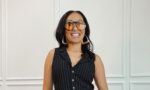




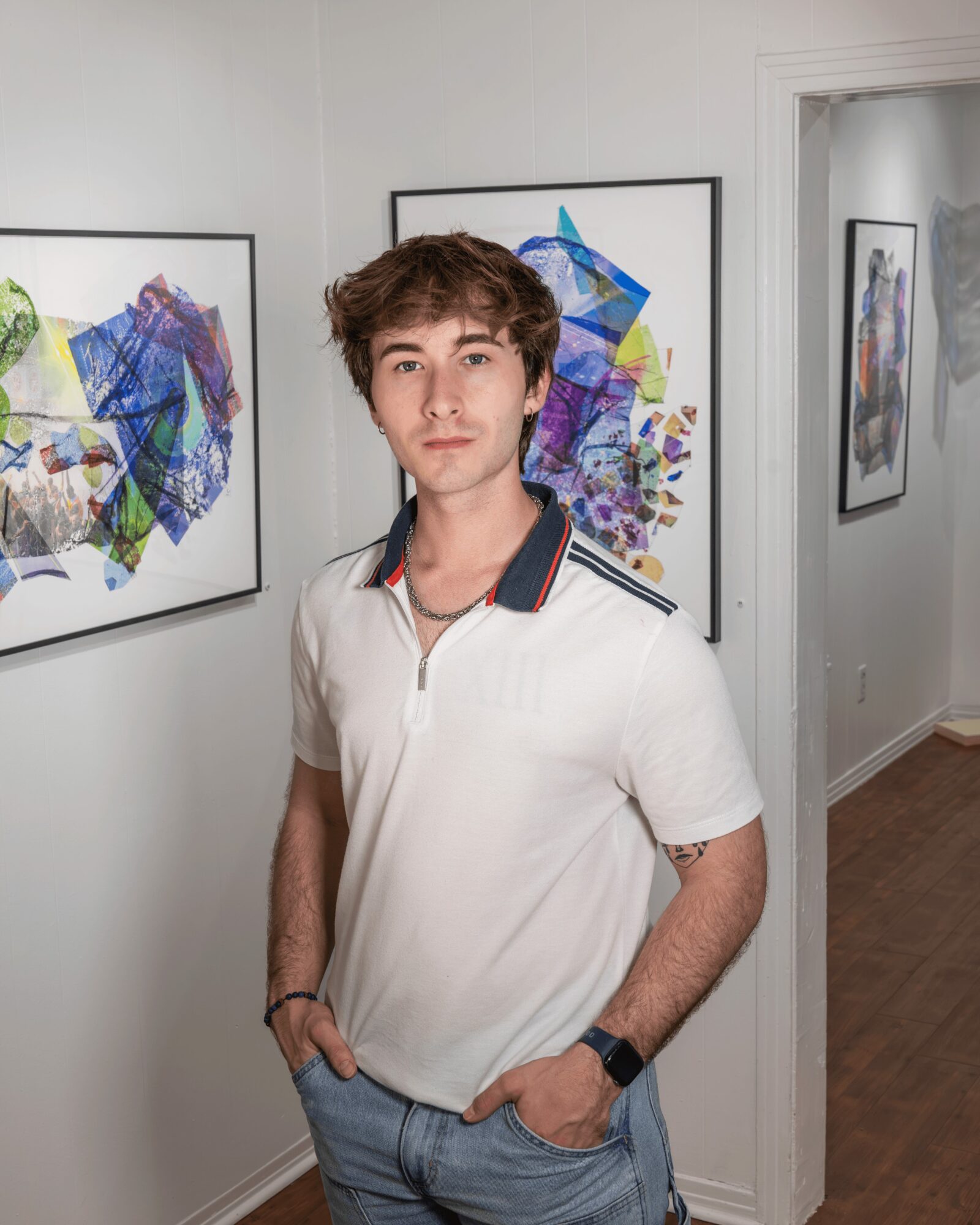
Today we’d like to introduce you to Noah Garcia.
Hi Noah, it’s an honor to have you on the platform. Thanks for taking the time to share your story with us – to start maybe you can share some of your backstory with our readers?
I grew up in Terrell, TX on the border of the urban and rural. Self-taught in photography until the age of 20, I have been practicing photography since the age of eight. Throughout the years, I participated in photography competitions from local to state levels, but put down the camera to attend East Texas A&M University as a member of the Honors College. In my third and final undergraduate year, I added a photography minor, which provided valuable technical training. However, I ultimately graduated with a B.S. in Liberal Studies with a concentration in Popular Culture Studies rather than a B.F.A. The classes within this minor were incredibly influential to my revived practice and led me to pursue an M.F.A. in Studio Art – Photography at the University of North Texas.
The summer before my first semester (in ’23) I interviewed to be the “UNT Libraries – Digital Projects Lab” Imaging Graduate Services Assistant. Growing up in Terrell, the librarians at my hometown library – the Riter C. Hulsey Public Library – were incredible supporters of my imagination, creativity, and personal development, so libraries felt like a natural step. I kept this GSA position through all three years of my MFA program. Within this position, my responsibilities included photographing, sorting, and cataloging cultural heritage materials. Here, I developed expertise in imaging technologies, metadata, and digital library standards, contributing to projects for The Portal to Texas History and UNT Digital Library. In 2024, I received the Texas Conference on Digital Libraries Student Excellence Award for his innovative digitization tools and in 2025 received a Digital Library Federation Forum Fellowship.
Because of this position, I felt inspired to concurrently pursue the Archival Management Graduate Academic Certificate (GAC) at UNT during my second semester in Spring ’24. After a semester of these additional classes, I decided to go ahead and commit to the full Master of Science in Library Science (MS-LS) with a concentration in Archival Studies. I graduated with this MS-LS in Fall ’25.
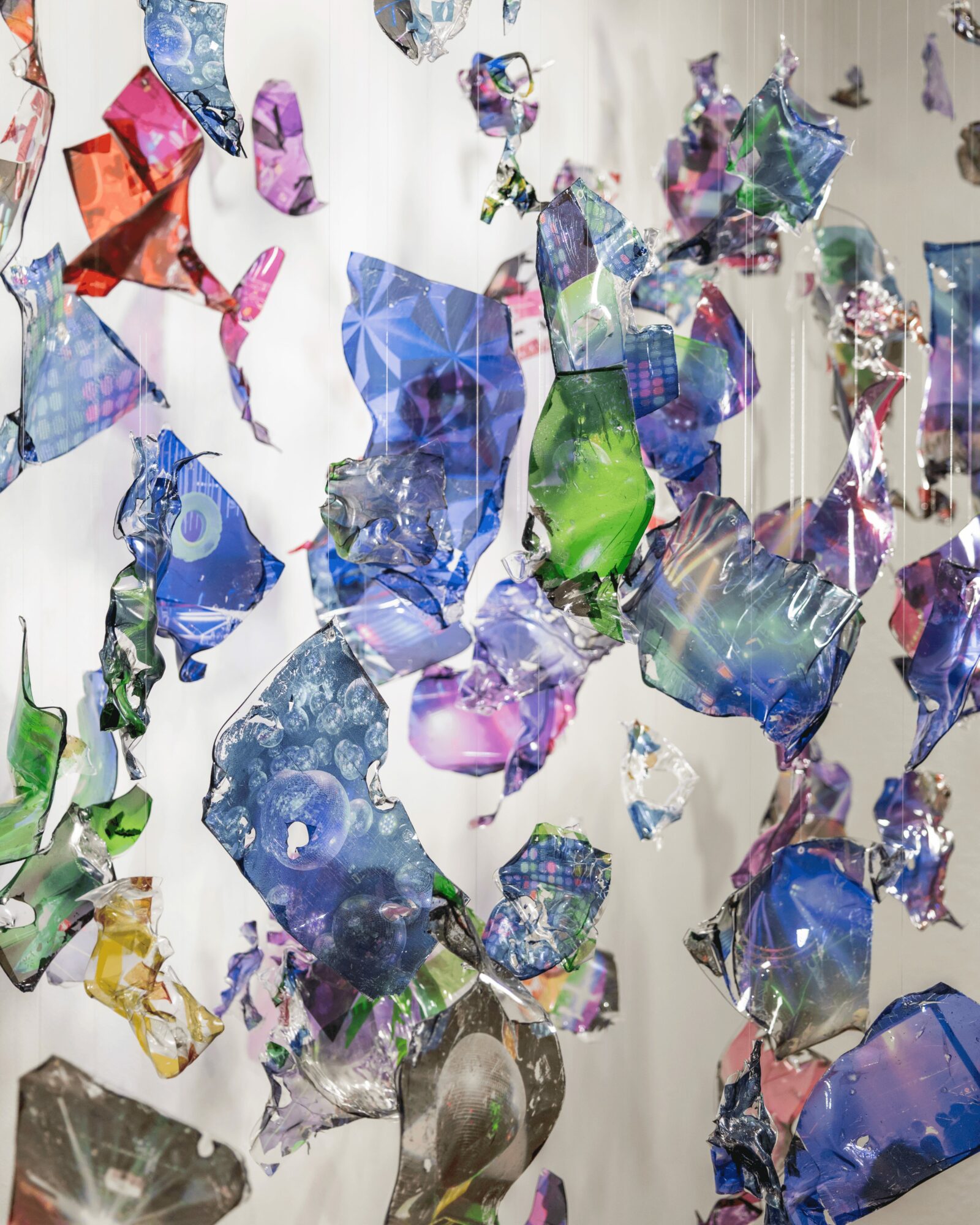
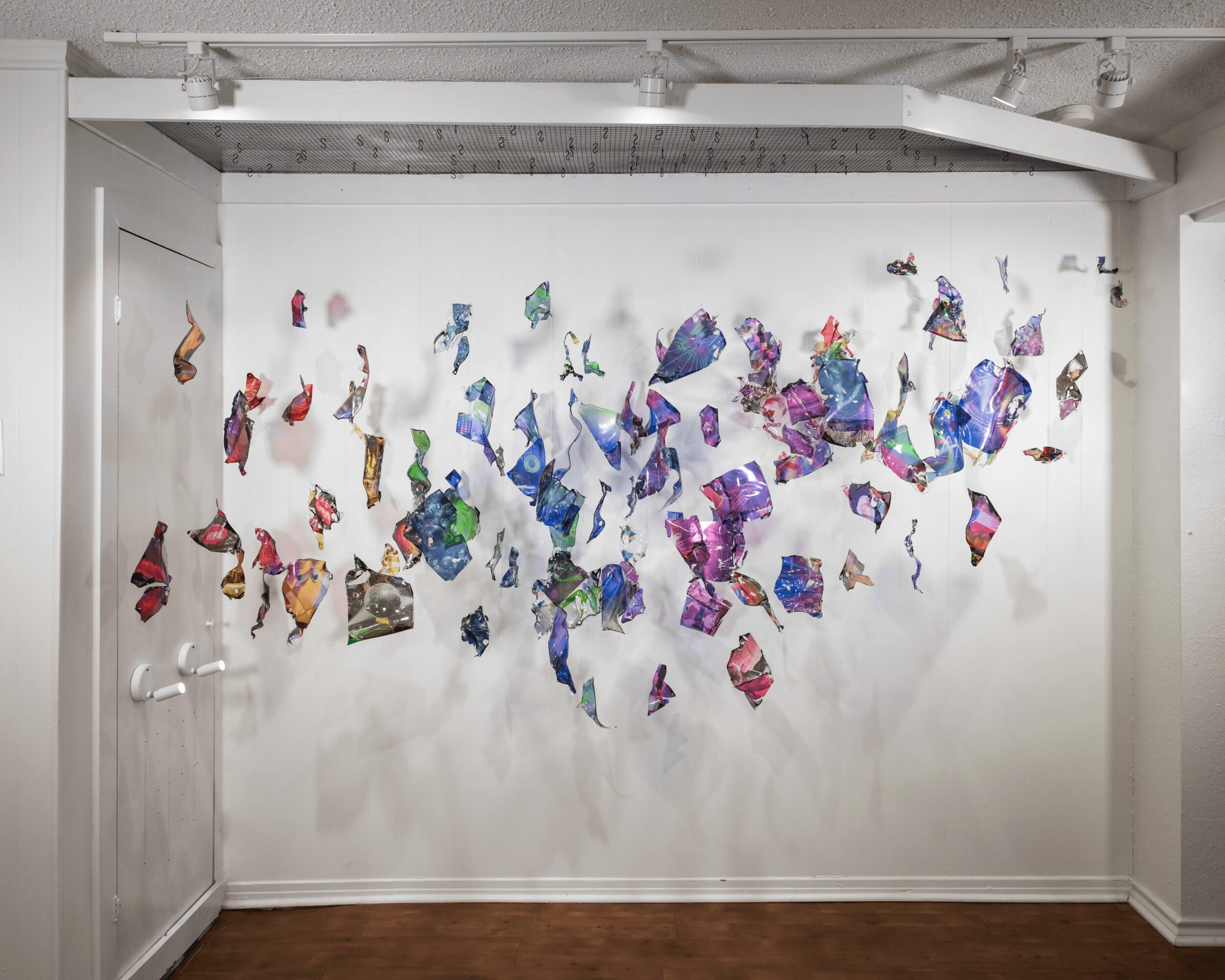
My MFA Thesis Exhibition was in April of 2026. Originally, my plan was to show within the Cora Stafford Gallery at UNT, but after political controversy and censorship within the campus, I joined in solidarity with 9 out of 11 of my fellow MFA cohort members by pulling my show. I held this show, titled “Disco Divinitas” at Anna Street Studios in Denton, TX, where it ran from April 1st-9th.
Currently after graduating this last May, I have been preparing for a Summer ’26 Fellowship with Fort Ticonderoga in Ticonderoga, NY. There, I will be an Edward W. Pell Fellow with the Nittolo Collection, photographing and cataloguing materials within Fort Ticonderoga’s collections. In September 2026, I will be traveling to Los Angeles for a year to work with the J. Paul Getty Trust in the Getty Villa, as the Getty Intern – Villa Imaging Intern. I am truly so excited to continue merging both my library and art backgrounds as an archivist and imaging professional within the realm of cultural heritage.
We all face challenges, but looking back would you describe it as a relatively smooth road?
There have been a few challenges! My second semester at ETAMU, I was informed that my original degree plan (Journalism) would be discontinued and I would be forced to switch majors. Though it ended up being a blessing in disguise, it originally was a leap of faith.
Additionally, I didn’t ever expect that I’d be pursuing a graduate degree (let alone two). Since I didn’t have a BFA background, learning how to think about art in a conceptual way, and make art in a conceptual way was a challenge for my first year and a half of my MFA program. I was not fully prepared for conceptual ways of thinking. My early critiques highlighted this gap—one professor referred to my work as “a strong technical test,” and peers found merit in images I considered unsuccessful. This dissonance made clear that while I had honed intuitive and technical skills, I lacked a critical framework for articulating artistic intent. I felt lost – I had always followed my instincts in my practice, but had not developed a way of recognizing what I truly wanted to discuss until later in my program.
It was difficult to balance two masters programs at once, but I feel so grateful that I did, and there were many ways that I was able to manage (online courses in addition to in person, summer classes, and tuition benefits for being a GSA).
Lastly, the entire censorship debacle at UNT was a major challenge to shift my thesis exhibition from one layout to a different space, navigate rescheduling events, as well as having to take a deep breath and join hands with my cohort in showing support by doing so.
Can you tell our readers more about what you do and what you think sets you apart from others?
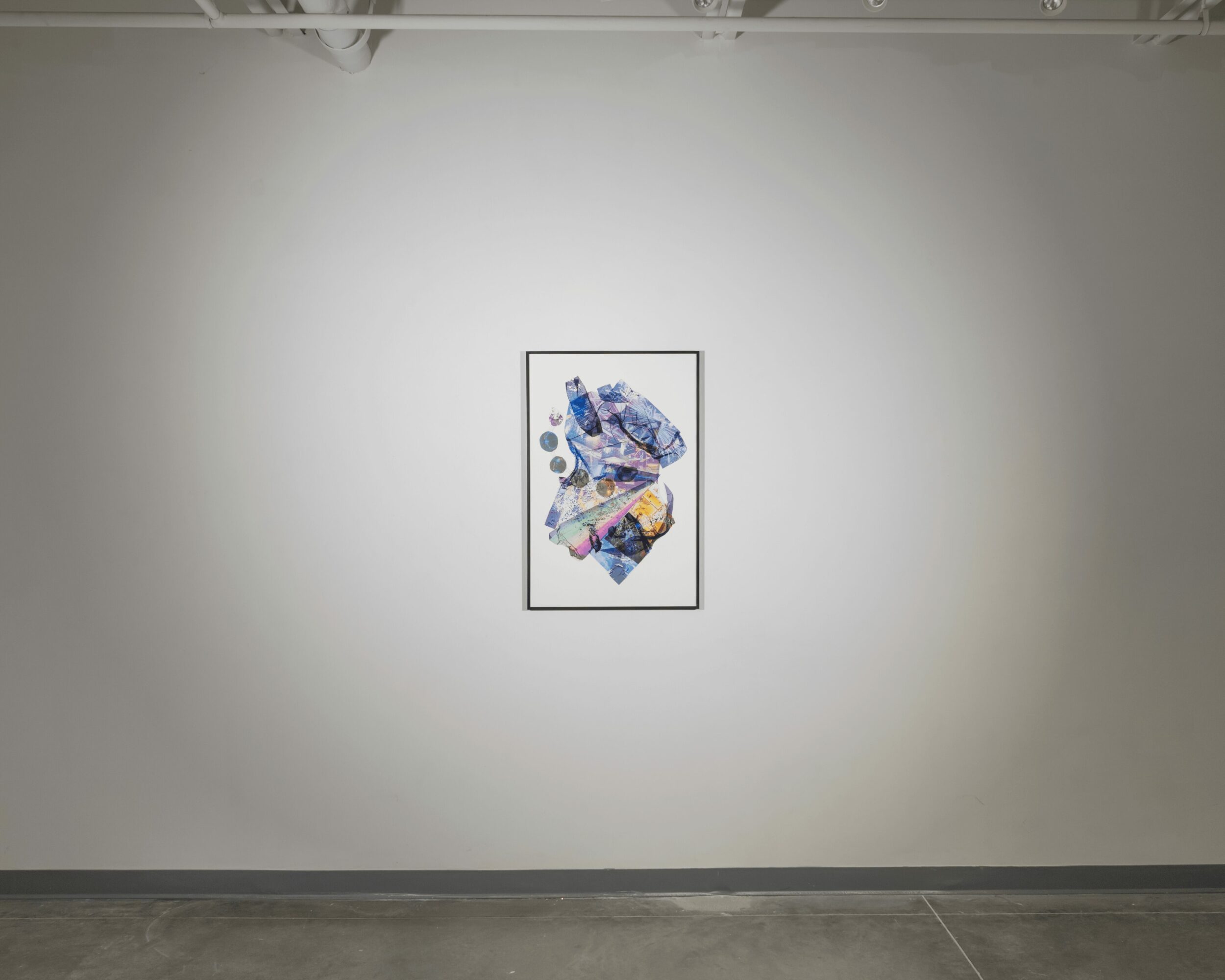
I am a lens-based artist, working fluidly between analog photographic processes and digital manipulation.
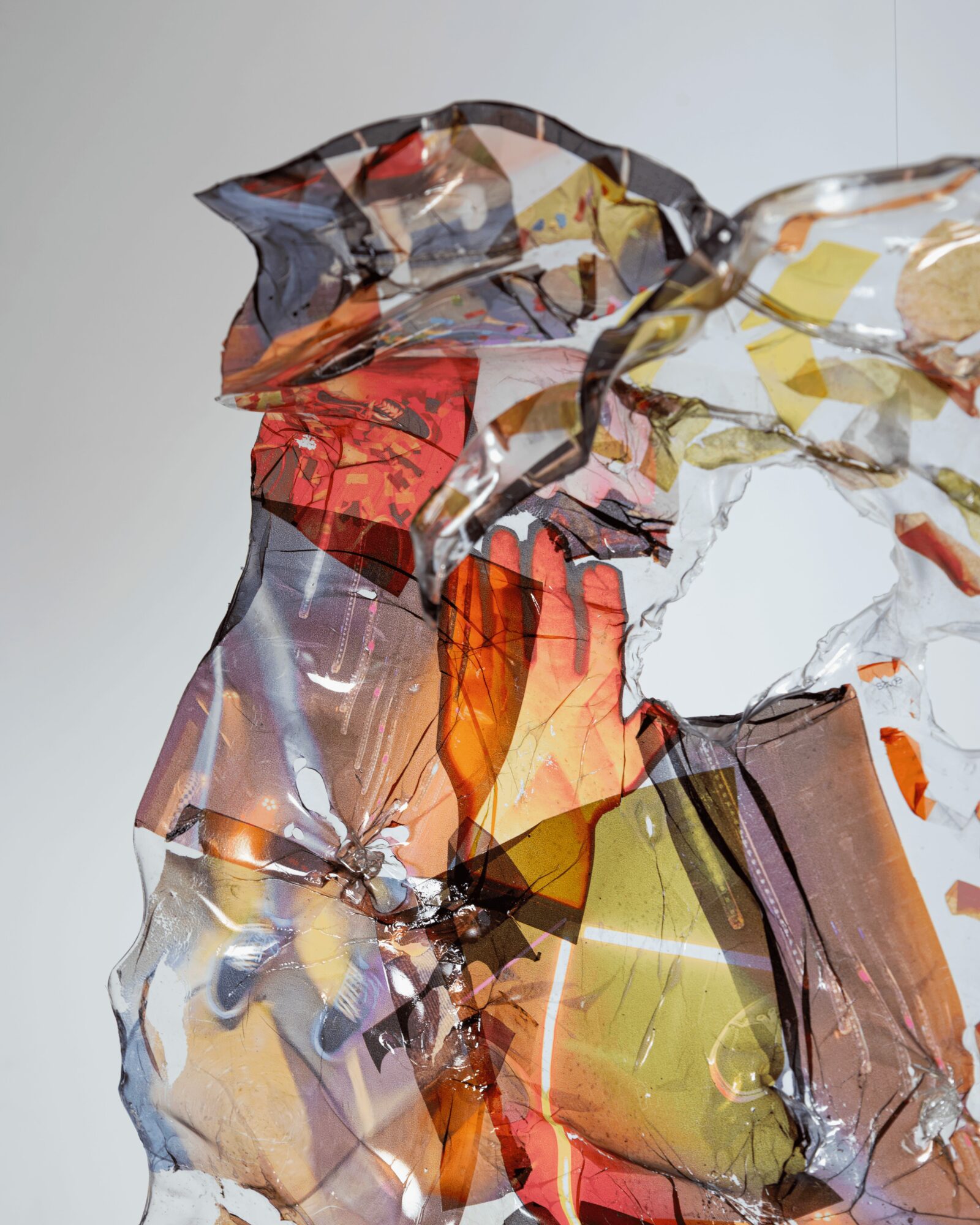
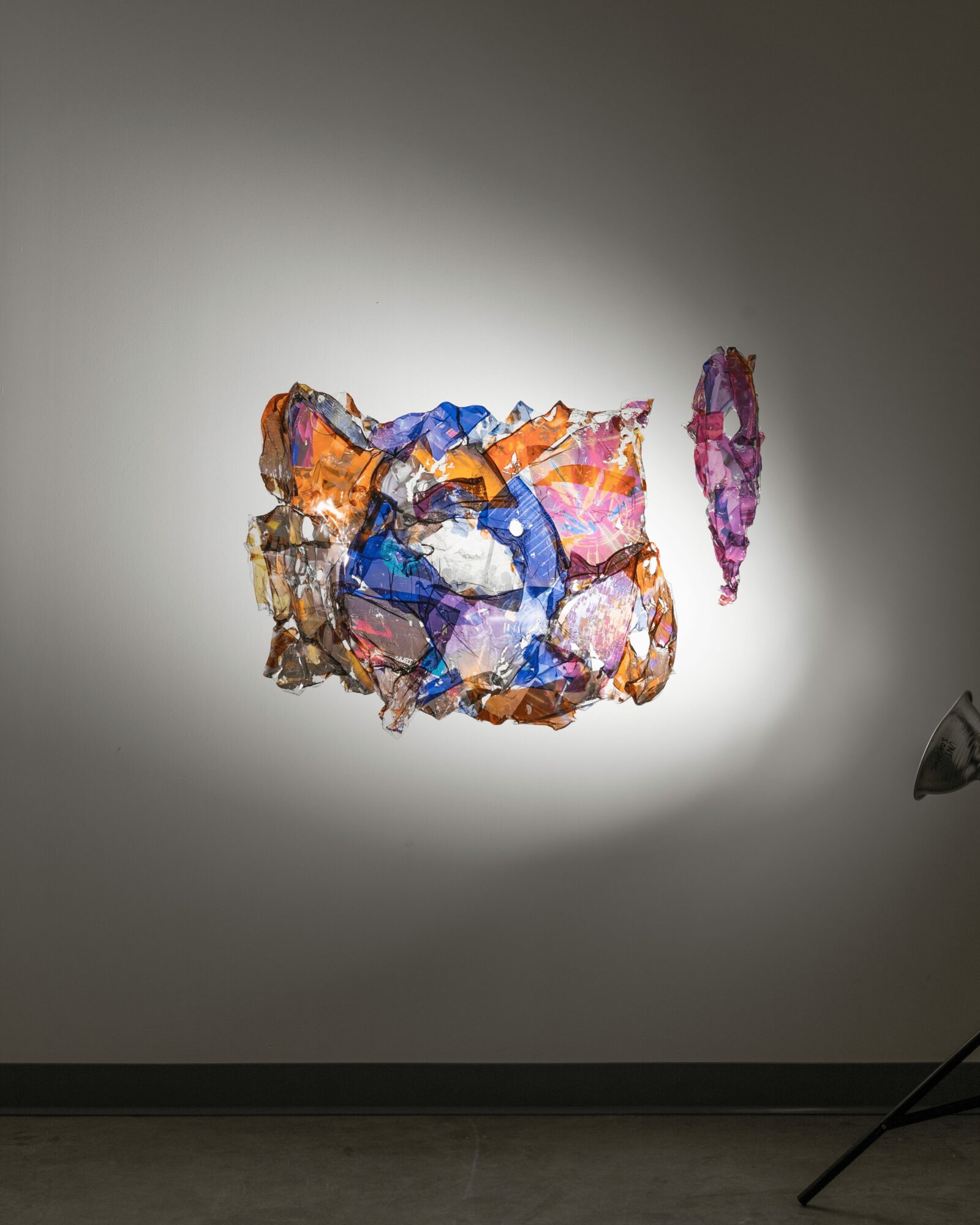
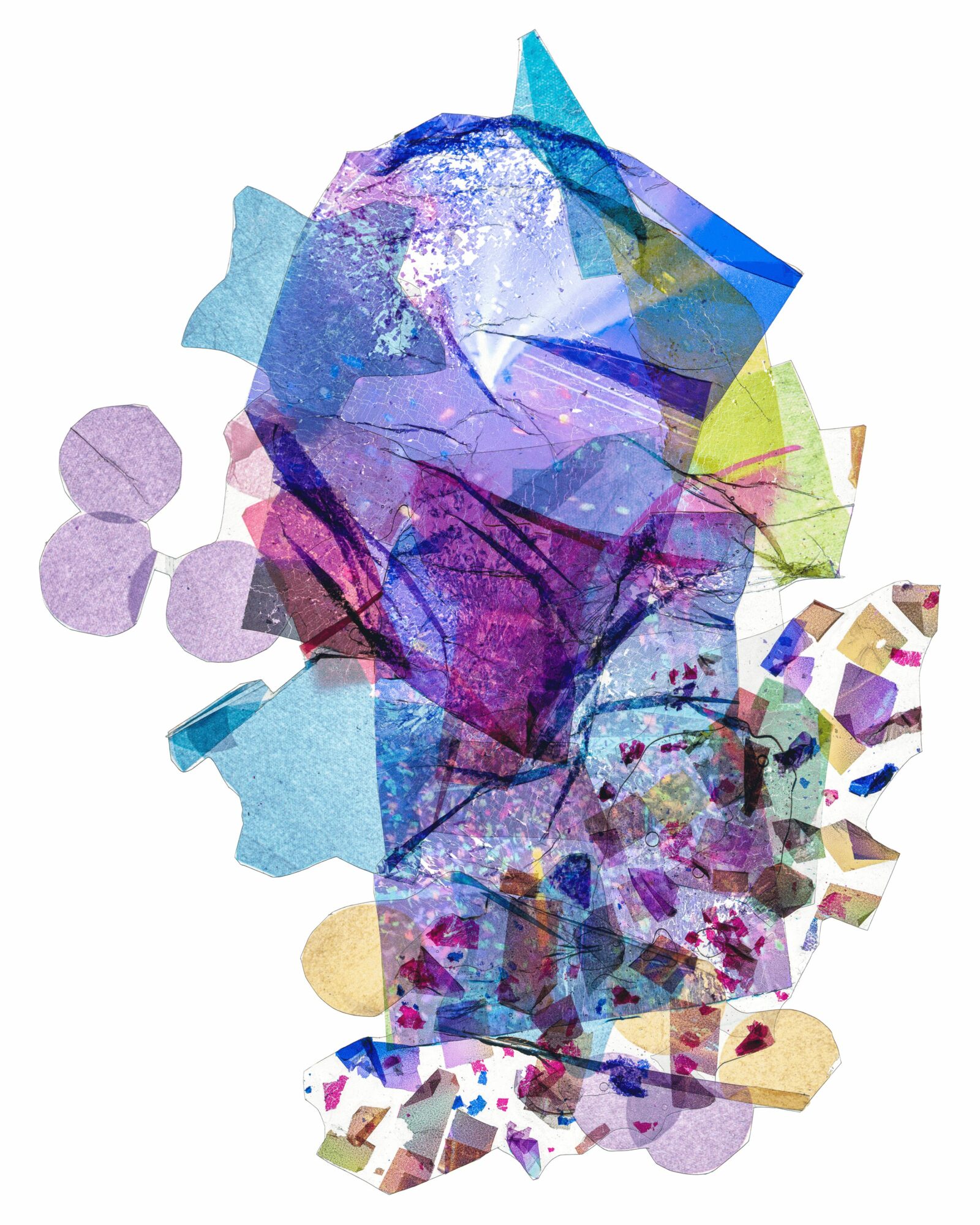
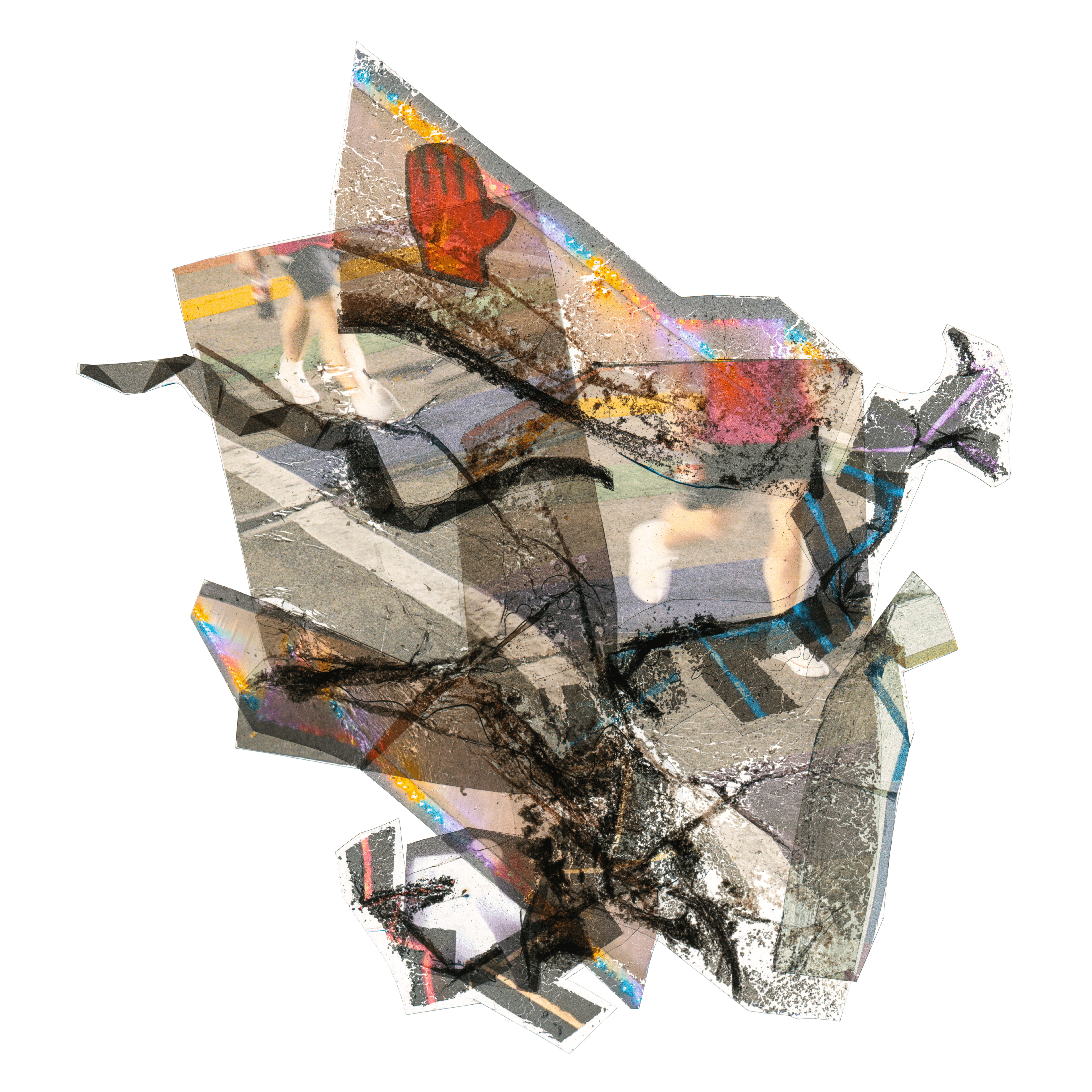
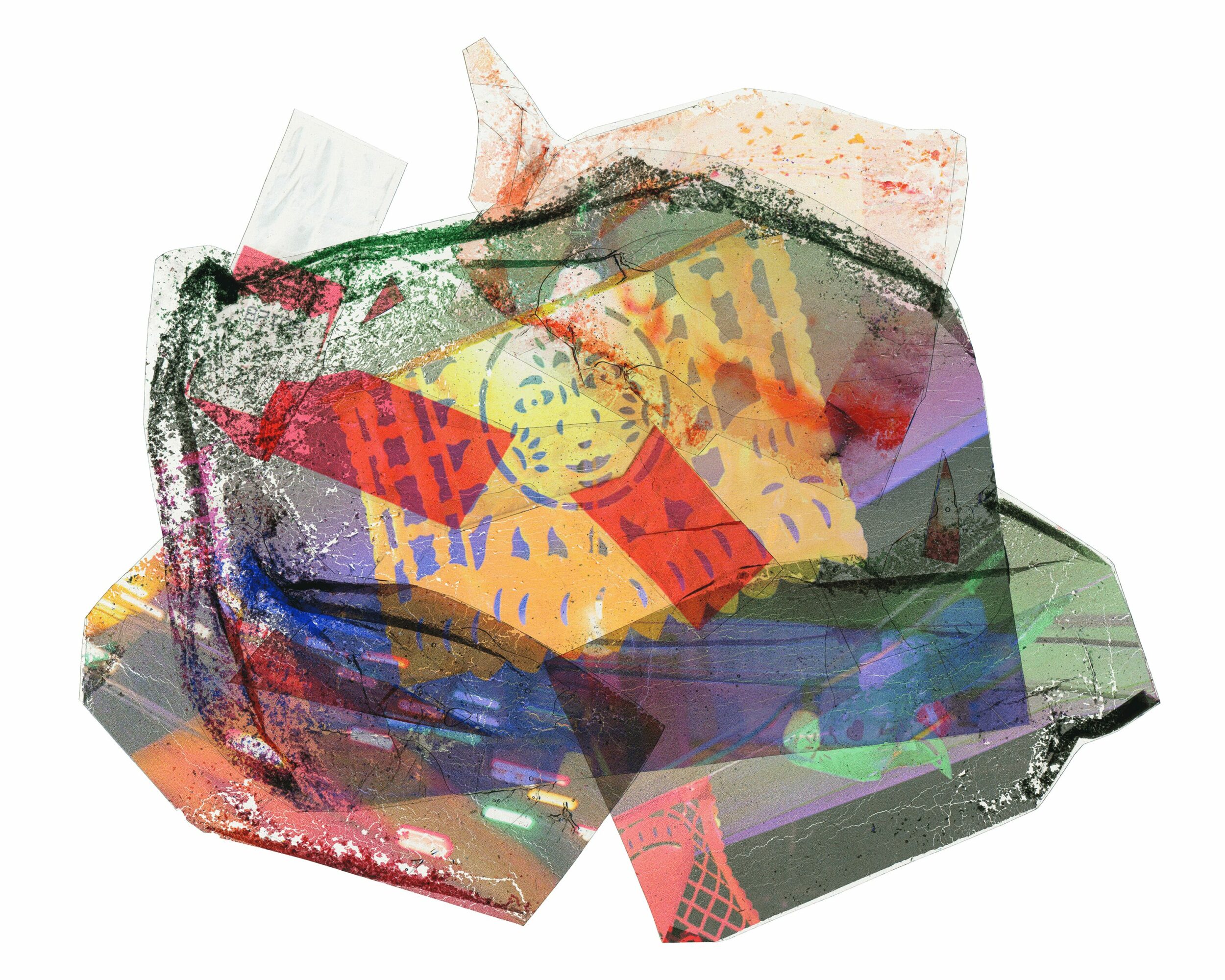
I use emulsion lifts, collages and flatbed film scanning to construct layered images that oscillate between abstraction and clarity. Through layering, fragmentation, and selective erasure, the collages resist a singular, stable image. These interruptions mirror the way memory and time function, as partial, unstable, and continuously reformed.Teetering between artificial and natural, growth and decay, I bring out the beauty in the in-between. The work invites slow looking, prompting viewers to linger with what is peripheral and to recognize their own relationship to time, mortality, and impermanence.
My work emerges from an ongoing negotiation between faith, identity, and place. Being raised as a “cradle Catholic”, spirituality and ritual shaped my upbringing through the rhythms of Mass, confession, and sacrament, while existing in tension with queerness and social stigma. This conflict between belief, belonging, and self forms the conceptual foundation of my practice, prompting questions of mortality, reverence, and the ways spiritual meaning can exist outside orthodox frameworks.
I work fluidly between analog photographic processes and digital manipulation, using emulsion lifts, collage, and flatbed film scanning to construct layered images that oscillate between abstraction and clarity. My compositions invite viewers to navigate multiple depths of surface, balancing negative space with dense textures while allowing intuition and material disintegration to guide the final form. Sculptural and projected works extend this photographic inquiry into physical space, creating shifting environments where perception becomes exploratory and unstable.
Before we let you go, we’ve got to ask if you have any advice for those who are just starting out?
Honestly, the biggest thing I wish I knew was that everyone is faking it juuuust a little bit – i.e., everyone is still learning and growing but doesn’t always show it.
I really learned by watching and asking questions to those around me in both the art and library worlds – how they discussed their work, conceptualized new ideas, and even how they explored experimental approaches. I ask so many questions when I’m learning, so having supportive mentors who could handle my curious nature (like my MFA Committee Chair, Dornith Doherty, and supervisors at the UNT Libraries Digital Projects Lab) made all the difference.
Pricing:
- Contact me for pricing of works through my website – noahgregorygarcia.com or email at noahgarcia13@yahoo.com.
Contact Info:
- Website: https://www.noahgregorygarcia.com
- Instagram: https://www.instagram.com/noahgarcia.art/
- Linkedin: https://www.linkedin.com/in/noah-garcia13/