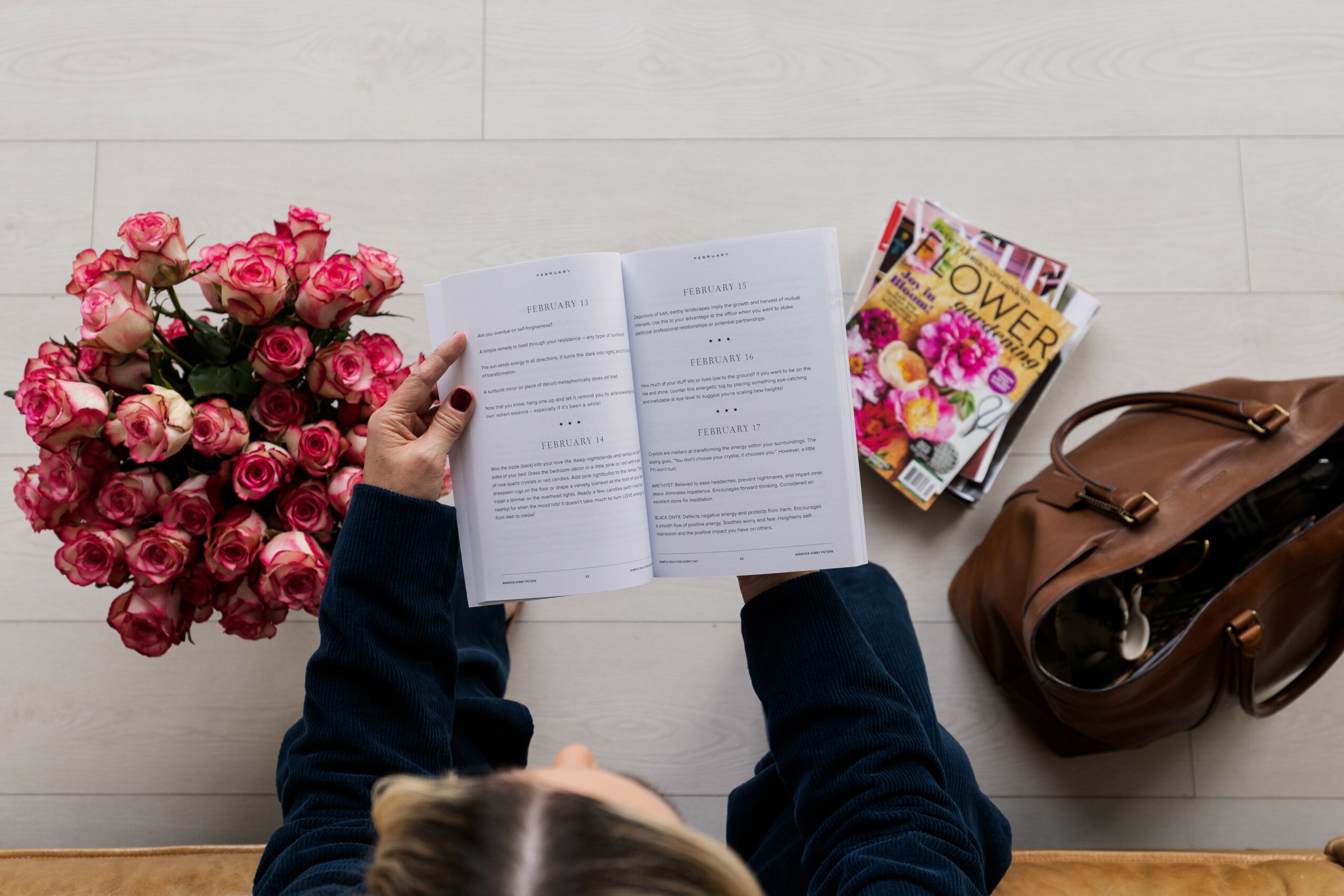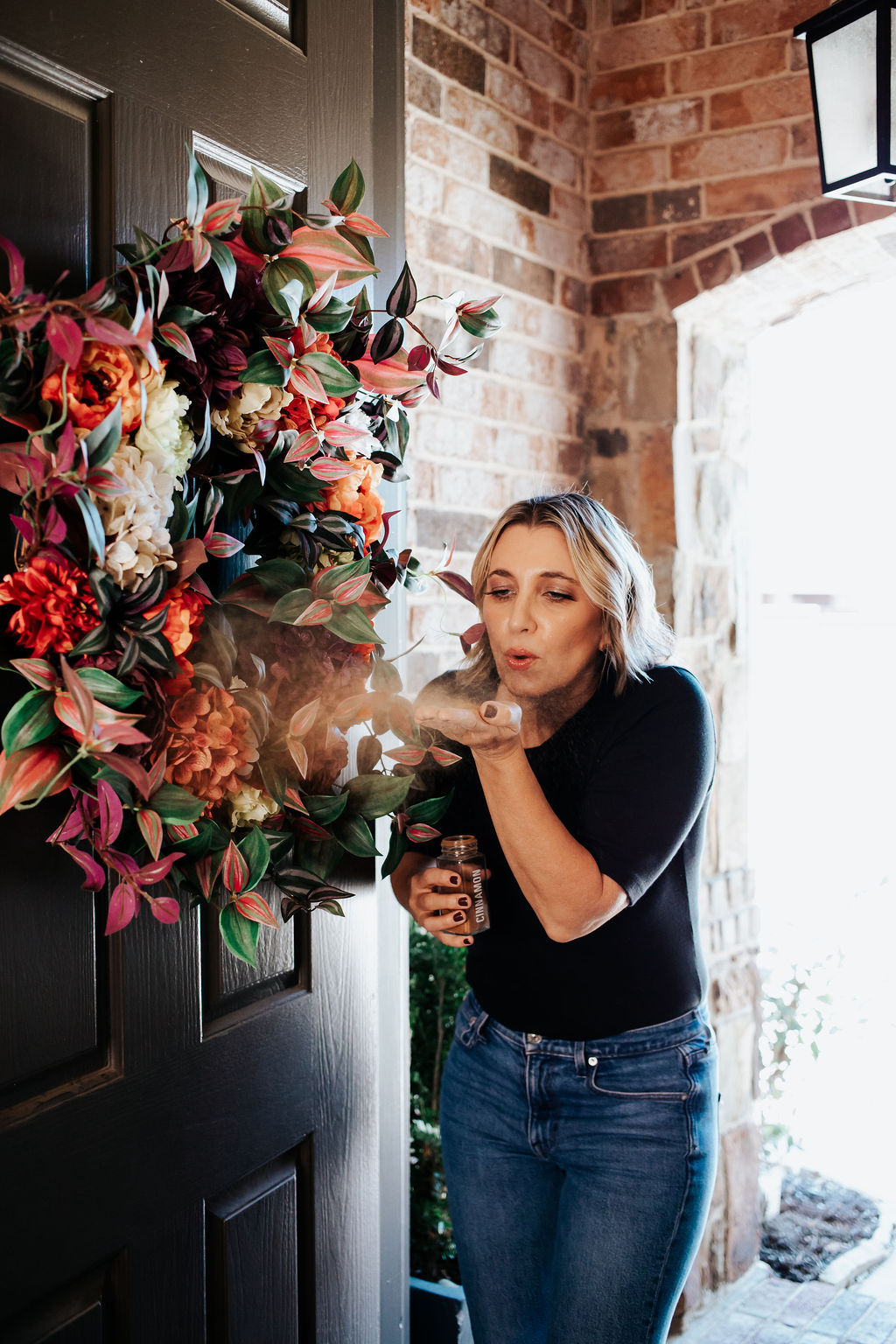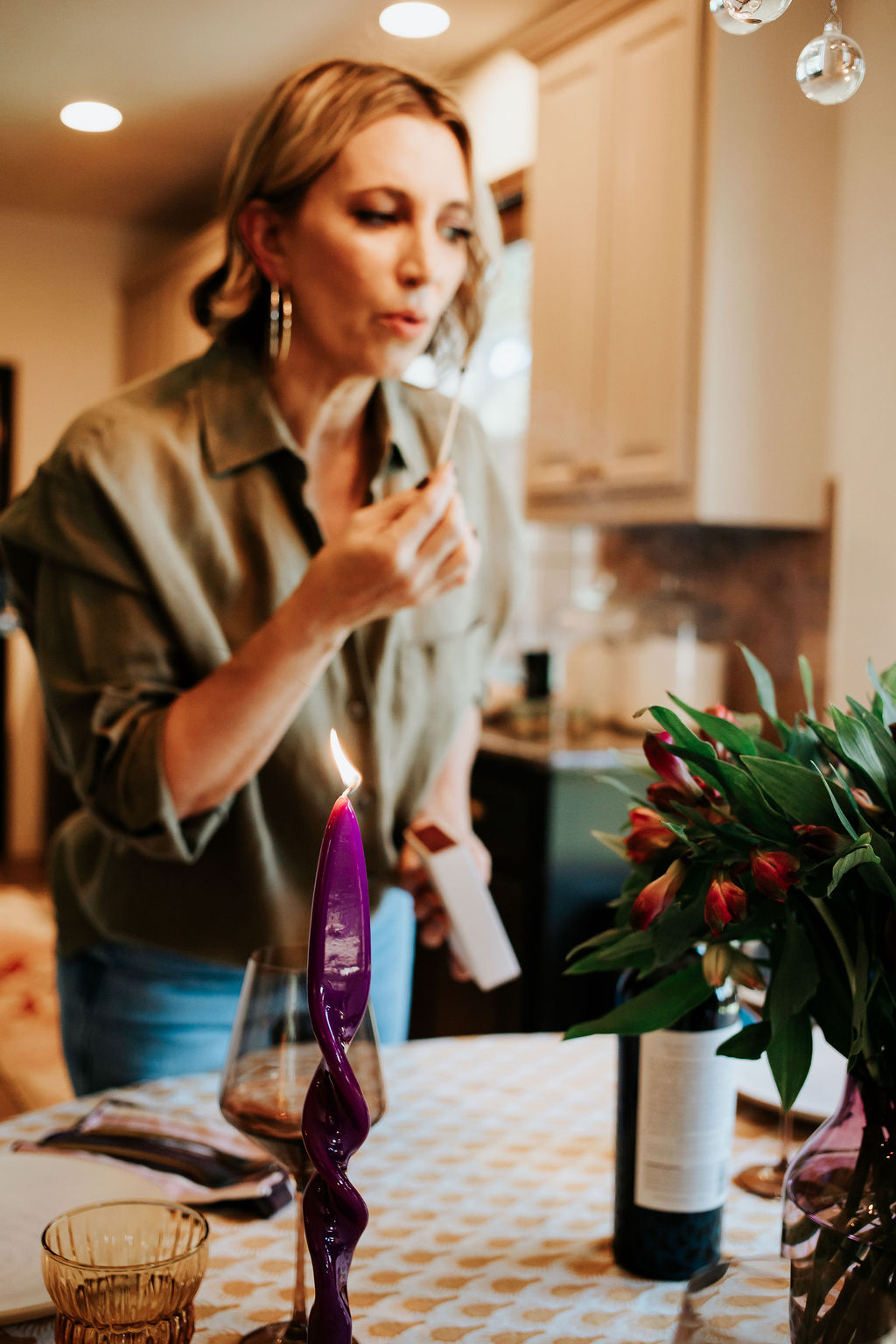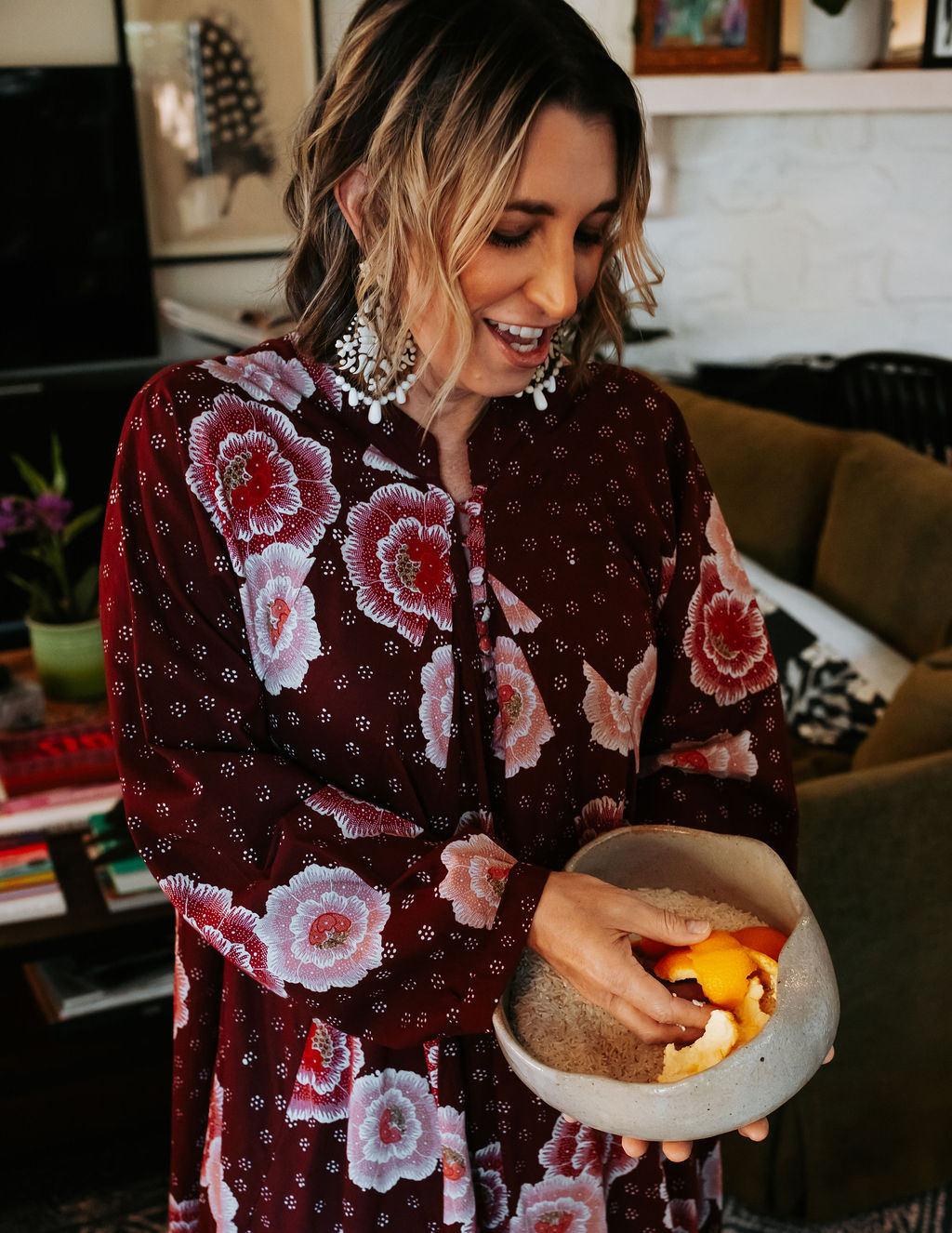





Today we’d like to introduce you to Amanda Gibby Peters.
Hi Amanda, we’d love for you to start by introducing yourself.
One of the questions I get asked most is: “How did you get started in Feng Shui?” People are always surprised when I tell them I came to it as a skeptic. I didn’t see the logic of how my house was going to improve my life circumstances. So, I came into it adversarially.
My husband’s job relocated us to Texas. We flew into town and spent a weekend looking for houses, literally finding ours on the way to the airport. We did one walk-through, rushed our offer, and hopped on a plane back home before we even knew if we’d gotten it. Within a couple months, we were unpacking boxes. Immediately nothing felt right, but blamed it on the quick move.
A little backdrop that matters:
I had just finished graduate school with plans to pursue my Ph.D., but the relocation put an indefinite pause on that path. We had three-year-old twins. My husband’s new role required constant travel. And money? Whatever came in disappeared just as fast. Our cost of living had jumped since the move, and we were white-knuckling it.
I was overwhelmed and stuck, and that feeling was compounding.
One afternoon, sitting on the floor beside my bed, I picked up my copy of <i>The Secret</i> and let it fall open, almost like I was superstitiously summoning an answer. Two words stared back at me: Feng Shui.
I’d seen those words wandering bookstores in college but knew very little, and the little I thought I knew sounded too abstract for my liking. I preferred hard proof. You know, pros and cons. Things I could control. Except… I couldn’t shake that something was different about us in this house.
So, I decided to blog about it. My slant: how it doesn’t actually work. It was that little spark of fight I was responding to because it was the first time I’d felt like myself in months.
I bought my first Feng Shui book, zeroed in on the prosperity section (because: finances), and ran my own experiment. I started with $4 stargazer lilies – bought while negotiating with a creditor in a grocery store parking lot. So, I know how real the guilt feels. Next, I bought a small tabletop fountain for our career area. For my final effort, I added purple Sharpies and purple construction paper taped to the underside of our kitchen table for the wealth corner. And, yes, actual elementary school construction paper. I am completely serious.
What I didn’t expect was that Feng Shui would morph into an addictive distraction. There was always ‘something’ to do next. A few months into tinkering with shui, things started shifting.
My husband landed a new job that more than doubled his salary. A preschool that had been completely full suddenly had two openings – same class, same day – for our daughters. My ‘disproval’ project had our lives looking genuinely different.
And… I still wasn’t convinced. I thought it might just be lucky coincidences. So, I gave Shui one more test. I decided to look for a part-time, work-from-home position at a specific salary. I identified three companies I’d LOVE. None of them had openings. I sent cold cover letters to all three anyway. All three replied. All three interviewed me. All three offered me a job.
I took the one that checked every practical box, even though two others were, in my mind, ‘dreamier’. Within months, the economy collapsed. Those dream companies were sending people out the door in droves. Instead, I was freelancing for the State Department and stayed on for a full year.
That was the moment Shui ‘officially’ got my attention.
From that point on, every spare hour went into studying Feng Shui as seriously as I’d studied anything in graduate school. That’s how this skeptic became the student…and here we are today.
I’m sure it wasn’t obstacle-free, but would you say the journey has been fairly smooth so far?
Anytime you make yourself a student, there will be additional tests… almost as if life wants to confirm you’re serious.
Learning Feng Shui and turning it into a business are two very different undertakings. I spent almost ten years as the student, doing quite a bit of “palms open” work, which looked like:
• taking whatever questions I could and answering them
• pitching online publications
• hosting video series on Facebook and Instagram way before TikTok and Reels were even a thing
And the whole time, I was investing – time, energy, money – with no guarantee any of it would pay off. That’s the part that really digs in. You’re betting on yourself before you have any proof you should.
Turning all of that into a business took real effort, because people were used to getting their tips and guidance for free. But staying the course – as uncertain, expensive, and “is this actually going anywhere?” it was – is what taught me to trust myself and refuse the seduction of quitting.
There was also the work of legitimizing myself.
I was a freshly minted Feng Shui graduate of the Western School of Feng Shui. And because I’d completed my master’s in communication before coming into Shui, I was already blogging as a way of keeping my writing muscles flexed. At the encouragement of someone I love dearly, I submitted an article to a big online publication. The topic was the power of sweeping, and specifically, what it does for your front door chi.
That article went viral. Hundreds of thousands of likes and shares, and I thought I had ‘arrived’!
Until a few Shui practitioners with a different approach to the practice started questioning me (quite critically) in the comments.
I wasn’t prepared for that. My communications background helped me handle it professionally, but it personally sent me into a shame spiral. I was embarrassed and full of self-doubt. Who was I to have been so bold? That eventually led me to enroll in another certification, where I was formally introduced to compass and classical Feng Shui. I spent a couple of years practicing those approaches more diligently than anything I’d learned at the Western School.
So, I say this now from that experience: I cringe every time a Shui expert criticizes an approach that isn’t their own. Every school, every method, every practitioner is working with what they know – and that deserves more grace than our community sometimes offers because every approach to shui shares more in common than they differ.
Thanks – so what else should our readers know about Simple Shui ?
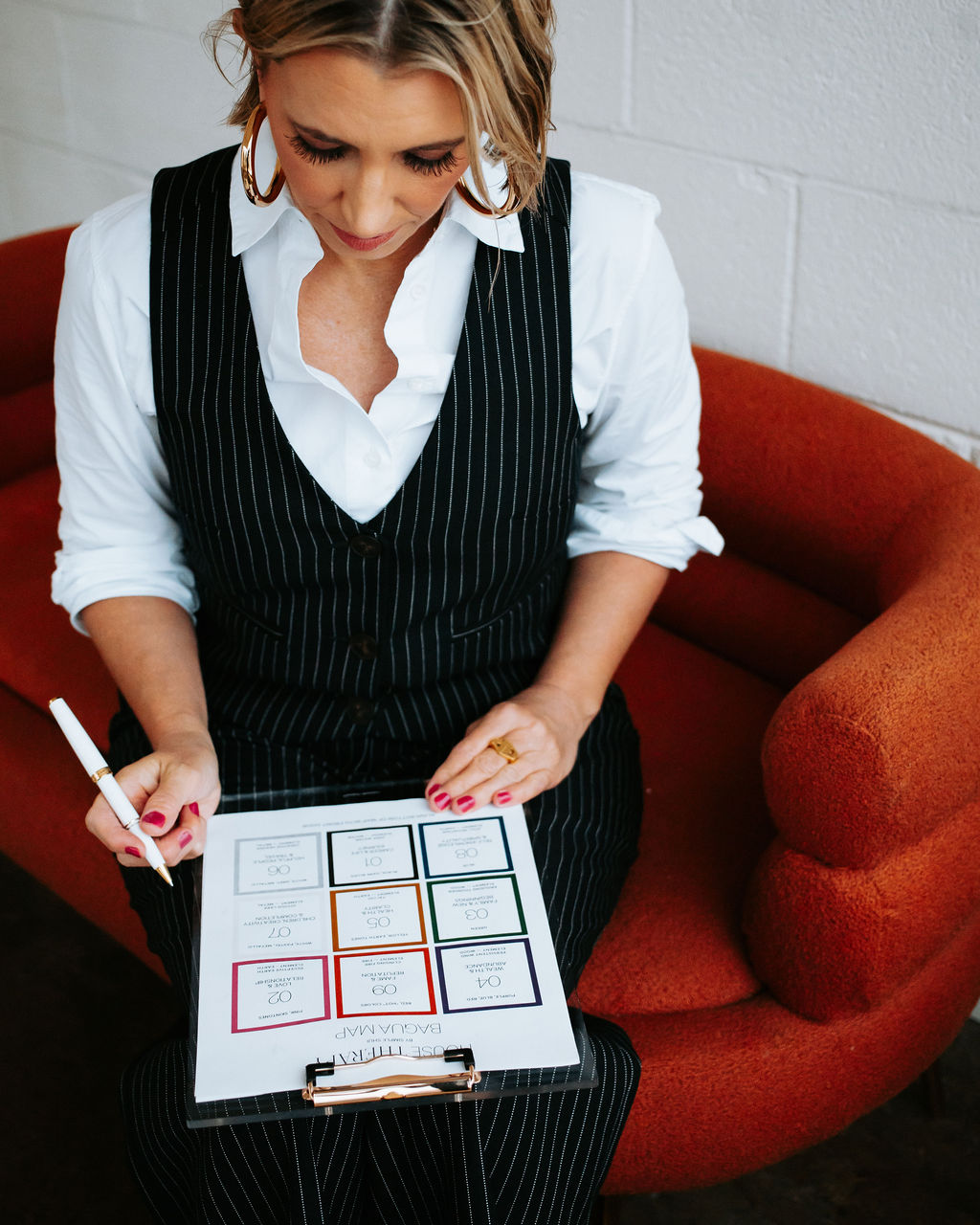
I’m the founder of Simple Shui and creator of House Therapy, a Feng Shui education and certification program that teaches people how to understand the energy of their homes in a practical, grounded, and transformative way.
I’ve worked with Feng Shui for more than 20 years, and what I’m probably most known for is making the practice feel accessible and emotionally relevant. I am not overly mystical, and the Shui I share is not fear-based. My work focuses on how our environments influence our relationships, creativity, stress levels, opportunities, and overall well-being. I often say: style makes a home beautiful, but Shui makes it powerful.
Over the years, I’ve worked with hundreds of private clients, taught thousands of students, written a book, hosted a long-running podcast, and been featured in publications like Architectural Digest, Forbes, and Food52. But what I’m most proud of is the community we’ve built through House Therapy and the stories from students who say this work completely changed the way they experience their homes and lives.
I think what sets my work apart is that it’s rooted in real life. I’ve spent decades inside real homes with people navigating everything from burnout and divorce to creative blocks, grief, growth, and reinvention. Feng Shui, to me, isn’t about perfection or superstition. At its core, this wisdom is about creating spaces that support the life you’re trying to live.
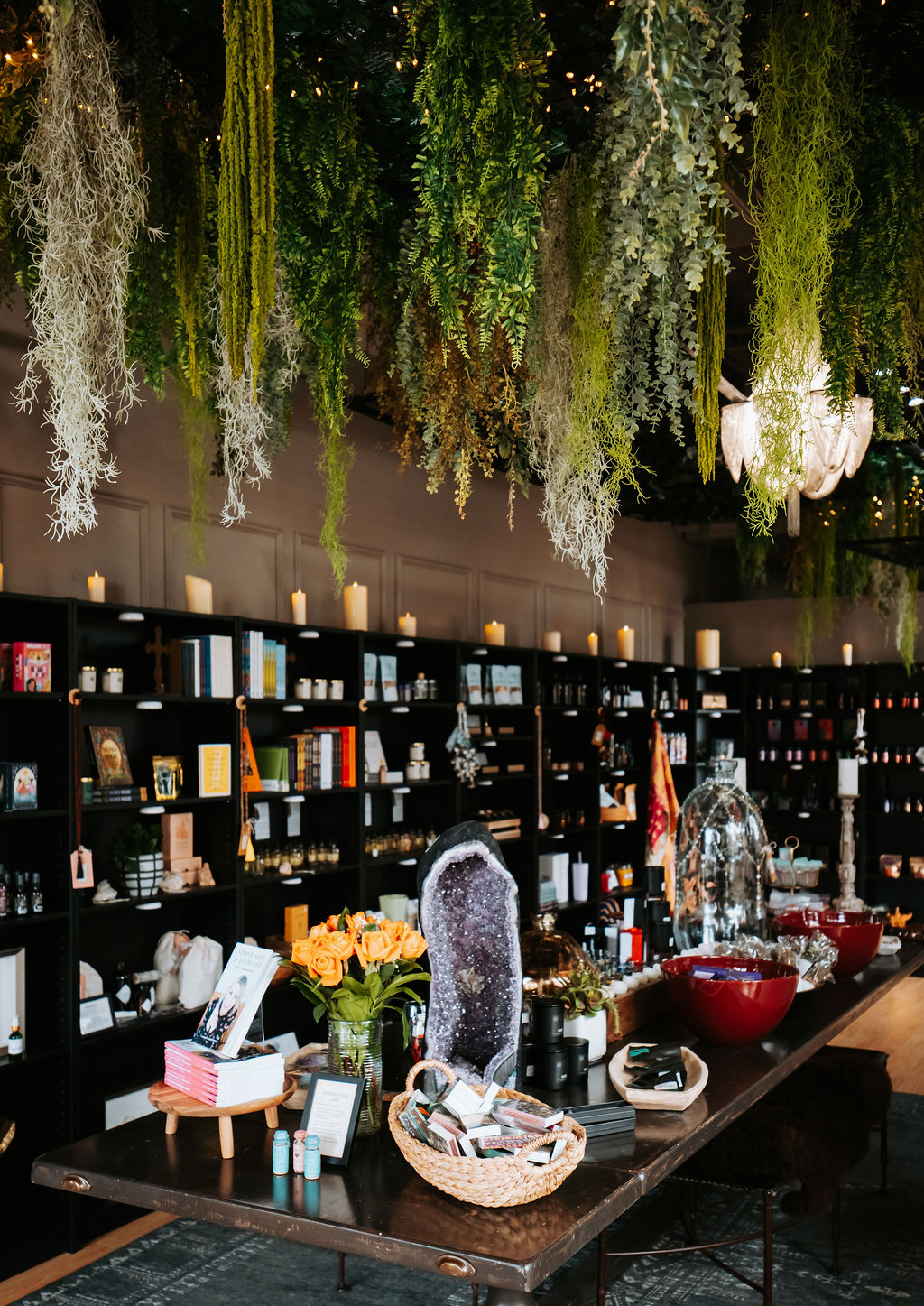
In addition to teaching and consultations, I also co-own Saint Ritual in Frisco, a boutique centered around ritual, intentional living, and thoughtfully curated objects for the home and spirit.
We all have a different way of looking at and defining success. How do you define success?
My definition of success has changed a lot over the years.
Earlier in my career, I probably would have measured it through growth, visibility, opportunities, or revenue. While those things still matter, I think success feels much more personal to me now. Success today looks like building a life and business that feel sustainable, meaningful, and feels / breathes with who I actually am. It’s having work that genuinely helps people while also allowing me to protect my health, creativity, relationships, and peace. It’s being able to create from a place of intention instead of constant urgency.
I also think success is reflected in longevity. I’ve been doing this work for more than 20 years, and I’m incredibly proud that people still return to it, grow through it, and share it with others. In a world that keeps moving quickly, there’s something meaningful about building work that lasts.
My favorite ‘metric’ for success, though, remains the same. It is when someone has a conversation with me – whether they know very little about Shui, or even feel skeptical about it – and by the time we’re done, they’re eager to get home and start changing their environment. My superpower is simplifying this very complex body of wisdom into something people can immediately understand, feel, and begin using in their own lives. Being present for that *A-HA!* never gets old!
Contact Info:
- Website: https://simpleshui.com/
- Instagram: https://www.instagram.com/amandagibbypeters/
- Linkedin: https://www.linkedin.com/in/simpleshui/
- Other: https://simpleshui.com/podcasts/