





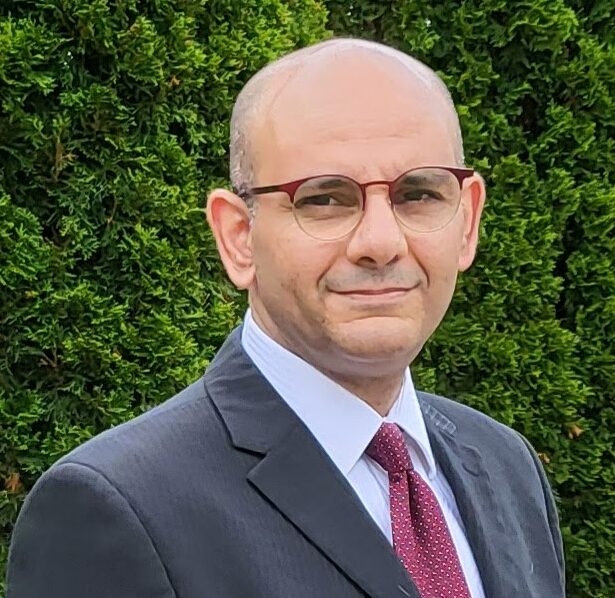
Today we’d like to introduce you to Loai Marashdeh.
Hi Loai, thanks for joining us today. We’d love for you to start by introducing yourself.
My journey into the security and technology sector was driven by a clear market realization: traditional security infrastructure is rapidly falling short of modern, complex threat environments. To address this gap, I founded Powerhouse Guardians Corp. in late 2024, architecting the firm to bridge the divide between physical security, advanced artificial intelligence, and low-voltage infrastructure.
Establishing the foundation required a rigorous, highly compliant phase focused on securing our Texas Department of Public Safety (DPS) licensing and Small Business Enterprise (SBE) certifications. With our regulatory framework solidified, we officially scaled operations in early 2026, positioning the company as a forward-thinking Division 27/28 security integrator.
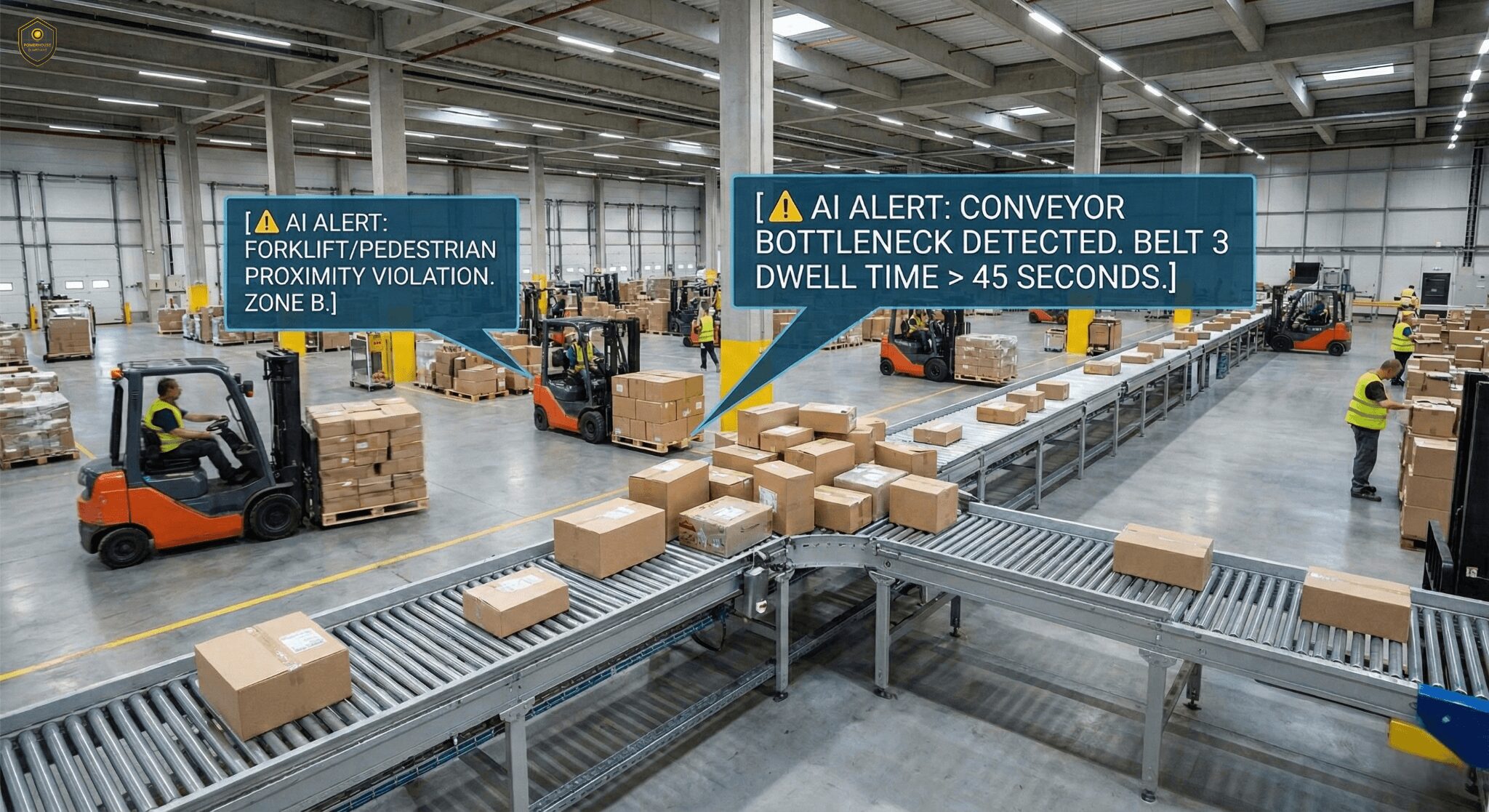
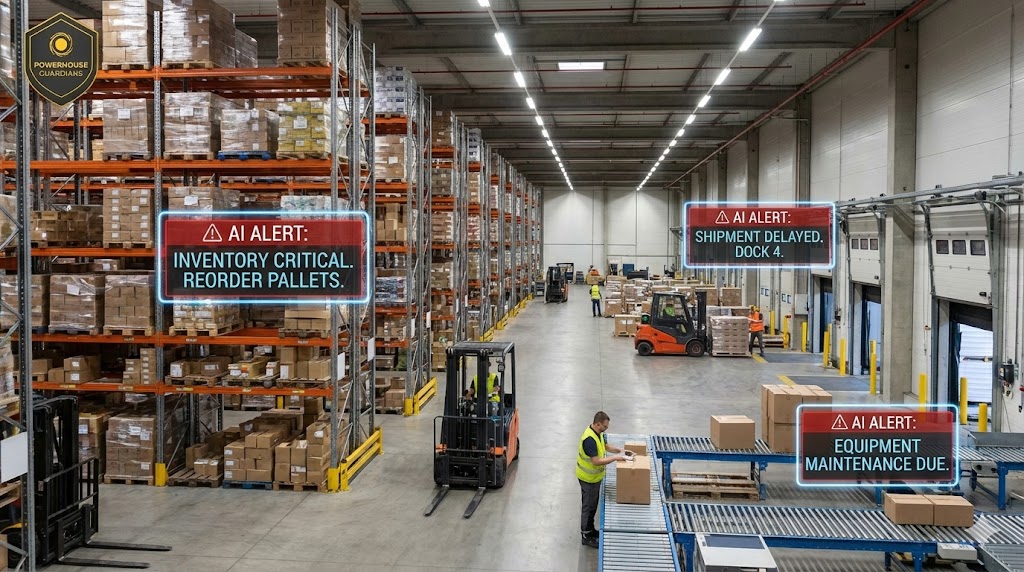
Today, as President and CEO, I lead our strategic direction from our North Texas base in McKinney. We specialize in deploying high-impact, enterprise-grade ecosystems—integrating AI-driven surveillance platforms (such as Avigilon Unity and Hanwha Vision) with robust physical access control systems and structured low-voltage cabling. By shifting the paradigm from reactive monitoring to predictive, AI-enabled situational awareness, we have successfully scaled our footprint across the Dallas–Fort Worth region. This momentum is highlighted by our selection for major infrastructure initiatives, including a three-year security integration contract for Dallas ISD encompassing 12,000 cameras and 2,500 readers, alongside critical federal proposals like the Dallas VA Medical Center parking asset protection project. Our trajectory is defined by a commitment to technical precision, operational integrity, and future-proof asset protection.
We all face challenges, but looking back would you describe it as a relatively smooth road?
No, it certainly hasn’t been a smooth road—building a security integration firm from the ground up came with significant hurdles. The most demanding early challenge was the regulatory and compliance phase. Before we could deploy a single system, we had to navigate the rigorous process of securing our Texas Department of Public Safety (DPS) licensing and our Small Business Enterprise (SBE) certifications. That groundwork was time-intensive and unforgiving, but it was non-negotiable for establishing credibility and operating with integrity.
A second major struggle was breaking into a market dominated by large, well-established integrators. As a newer firm, we had to prove that our technology-first approach—built around AI-driven surveillance, modern access control, and Division 27/28 low-voltage infrastructure—could compete with, and outperform, legacy providers. Earning the trust required to be considered for major institutional and federal projects meant demonstrating technical precision and reliability with every opportunity.
Finally, scaling quickly without compromising quality has been an ongoing balancing act. Pursuing enterprise-grade initiatives across the Dallas–Fort Worth region while maintaining operational integrity has pushed us to be disciplined about how we grow. Each of these obstacles has ultimately sharpened our focus and reinforced the standards that now define the company.
Appreciate you sharing that. What should we know about Powerhouse Guardians?
Powerhouse Guardians Corp. is a technology-first security integrator based in McKinney, Texas, serving clients across the Dallas–Fort Worth region. We design, deploy, and manage enterprise-grade security ecosystems—and what sets us apart is that we lead with intelligence, not just hardware. Rather than treating security as a reactive function, we build predictive, AI-enabled situational awareness into everything we do.
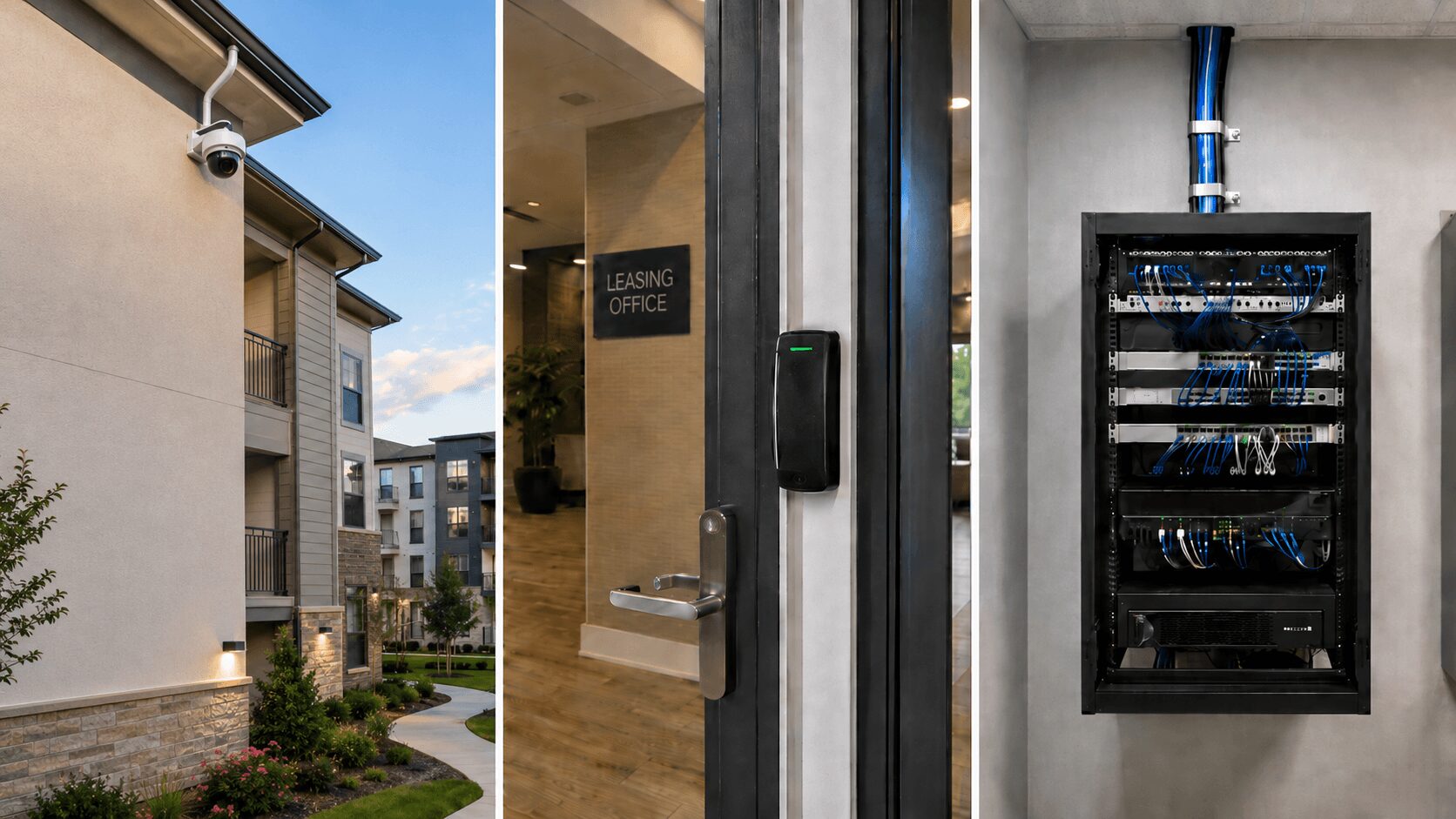
Our specialty lies in the integration of three disciplines that are too often handled separately: AI-driven video surveillance, physical access control, and structured low-voltage infrastructure. As a Division 27/28 integrator, we deploy and unify platforms like Avigilon Unity and Hanwha Vision with robust access control systems and the structured cabling backbone that ties it all together. That end-to-end capability means our clients get a cohesive, future-proof system rather than a patchwork of disconnected products.
We’re known for technical precision and operational integrity. We’re a fully licensed (Texas DPS) and SBE-certified firm, and we hold ourselves to enterprise standards on every project, regardless of size. What we’re most proud of, brand-wise, is the trust we’ve earned in a short time—reflected in our selection for major infrastructure initiatives such as a three-year security integration contract for Dallas ISD encompassing 12,000 cameras and 2,500 readers, and our pursuit of critical federal work like the Dallas VA Medical Center parking asset protection project.
What we’d most want your readers to know is this: Powerhouse Guardians exists to shift the security paradigm from simply watching to actually anticipating. Whether protecting a school district, a commercial campus, or a federal facility, we deliver intelligent, scalable, and reliable asset protection built for the threats of today—and tomorrow.
We’d love to hear about how you think about risk taking?
I view risk as something to be engineered, not avoided. In my world, the goal isn’t to eliminate risk—that’s impossible—but to understand it deeply, quantify it, and make calculated moves where the potential upside justifies the exposure. That same philosophy is exactly what we sell to our clients: we help organizations move from reactive risk management to predictive, AI-enabled situational awareness. So in a real sense, thinking rigorously about risk is the core of both how I run the company and what we deliver.
The most significant risk I’ve taken was founding Powerhouse Guardians Corp. in late 2024. Launching a technology-first security integrator meant committing substantial time and capital to a long, uncertain compliance runway—securing Texas DPS licensing and SBE certifications—before we could generate a dollar of revenue. There was no guarantee the market would reward a newer, AI-centric approach over established legacy providers. I made that bet because I was convinced the gap between traditional security infrastructure and modern threat environments was only going to widen.
A second major risk was choosing to compete for enterprise- and institutional-scale work early, rather than easing in with smaller, lower-stakes jobs. Pursuing initiatives like a multi-year, district-wide integration with thousands of cameras and readers—and federal opportunities—stretched us, but it forced us to build to the highest standards from day one. To me, that’s the right kind of risk: deliberate, well-researched, and aligned with where the market is heading. I’d rather take a calculated risk on the future than play it safe and be left behind by it.
Contact Info:
- Website: https://powerhouseguardians.ai/
- Facebook: https://www.facebook.com/PowerhouseGuardians
- LinkedIn: https://www.linkedin.com/company/powerhouse-guardians
- Yelp: https://www.yelp.com/biz/powerhouse-guardians-mckinney