





Today we’d like to introduce you to Rachel.
Hi Rachel, thanks for joining us today. We’d love for you to start by introducing yourself.
My journey into nonprofit leadership and advocacy stems from a lifelong commitment to community building. My parents instilled the value of volunteerism in me early; at 10 years old, I helped with the Summer Reading Program at our local library. I spent my summer days behind the library’s circulation desk, tracking reading logs and devouring book after book during the quiet stretches. That experience sparked a lifelong desire to put community first, a passion I carried through high school, college, and into my career.
My volunteer work and career naturally merged around civil and human rights activism. Global travel during my youth and education – visiting Europe, East Asia, Southern Africa, and Australia – instilled in me the critical thinking and empathy needed for meaningful change-making. After college, I volunteered with the Center for Survivors of Torture (CST) and International Rescue Committee (IRC) in Dallas. While earning my Master’s degree in Nonprofit Management from Regis University, I audited human rights courses at Southern Methodist University (SMU) to deepen my understanding of global systems. One of those courses took me to South Africa to study how the country’s history of human rights abuses shaped its young democracy, which further anchored my dedication to advocacy.
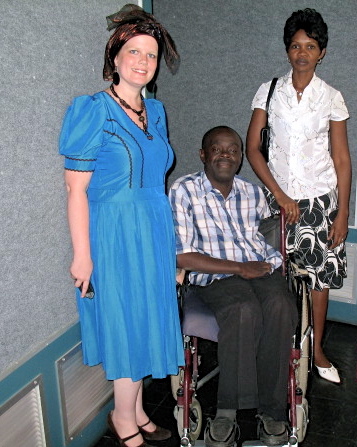
By 2009, I found myself at a career crossroads. I was immersed in the vibrant Dallas cultural and civic landscape having worked at some of the city’s cornerstone institutions. I started my career at the Dallas Children’s Museum and then moved into roles with Dallas Heritage Village at Old City Park, the Jewish Community Center of Dallas, and the Dallas Symphony Association. These early roles taught me the mechanics of fundraising, stewardship, and the immense power of community infrastructure. Yet, I felt a strong pull to serve a broader global purpose, alongside a long-held dream to live and work abroad. I joined the U.S. Peace Corps and served as an HIV/AIDS and Community Development Advisor in Namibia, partnering with local non-governmental organizations (NGOs) and the Ministry of Health and Social Services to design regional healthcare infrastructure. That experience shattered traditional, top-down “savior” frameworks and solidified my conviction that mutual aid, decentralized leadership, and community building are foundational for long-term systemic change.
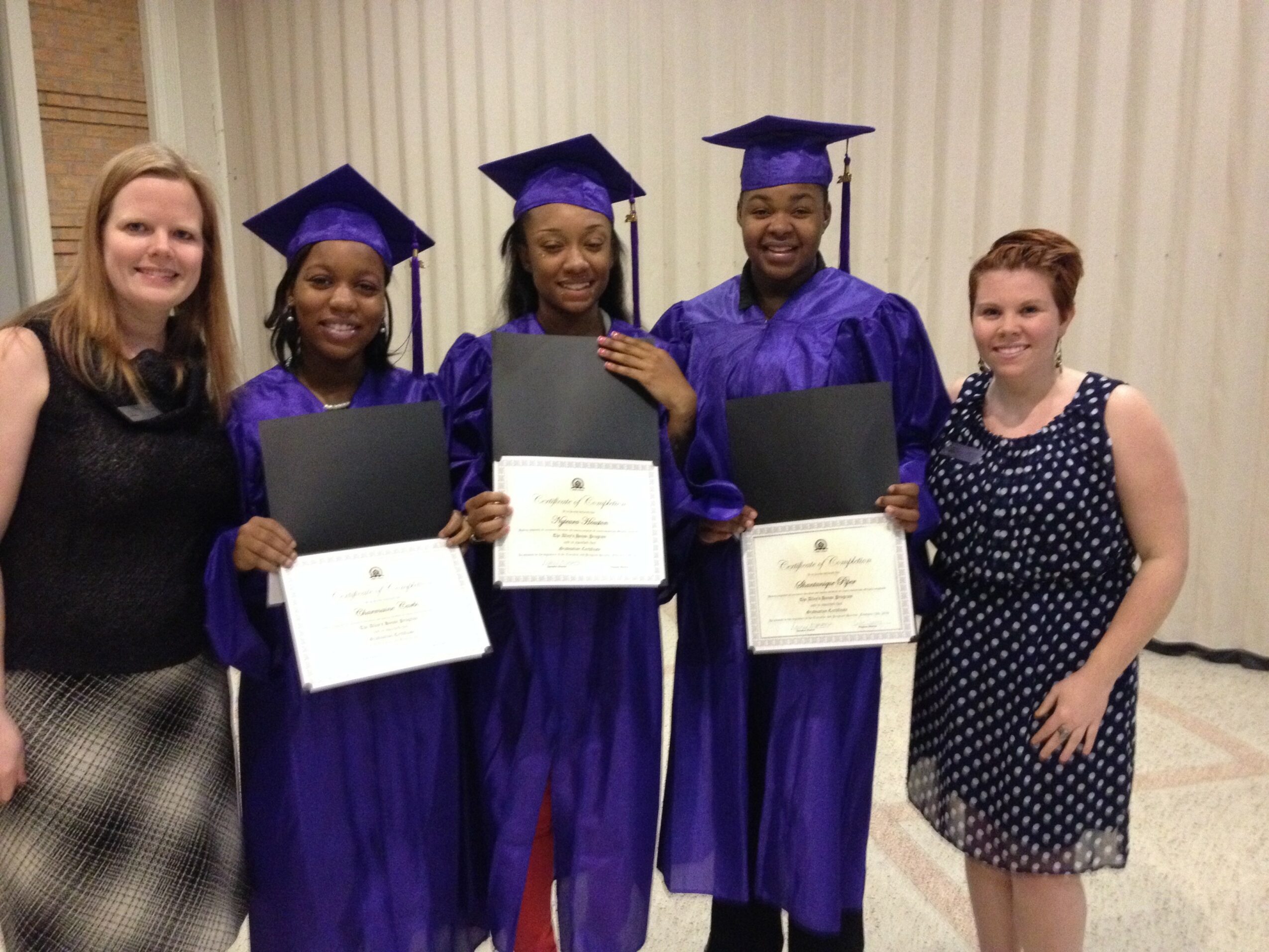
In May 2011, I brought that equity-centered, systems-driven framework back to the Dallas social impact sector and founded Talem Consulting to equip mission-driven organizations to dismantle systems of inequity and build operational resilience. Shortly after starting Talem, I stepped in as the Executive Director for Alley’s House, a Dallas nonprofit supporting young mothers. We centered the young moms directly in program development, professionalized program services, streamlined operations, launched a community counseling model, and partnered with Dallas Faces Race to audit internal systems and weave measurable equity benchmarks into daily operations. The turnaround and its focus on community counseling earned us the Pam Blumenthal Community Service Award from the Collin County Psychological Association.
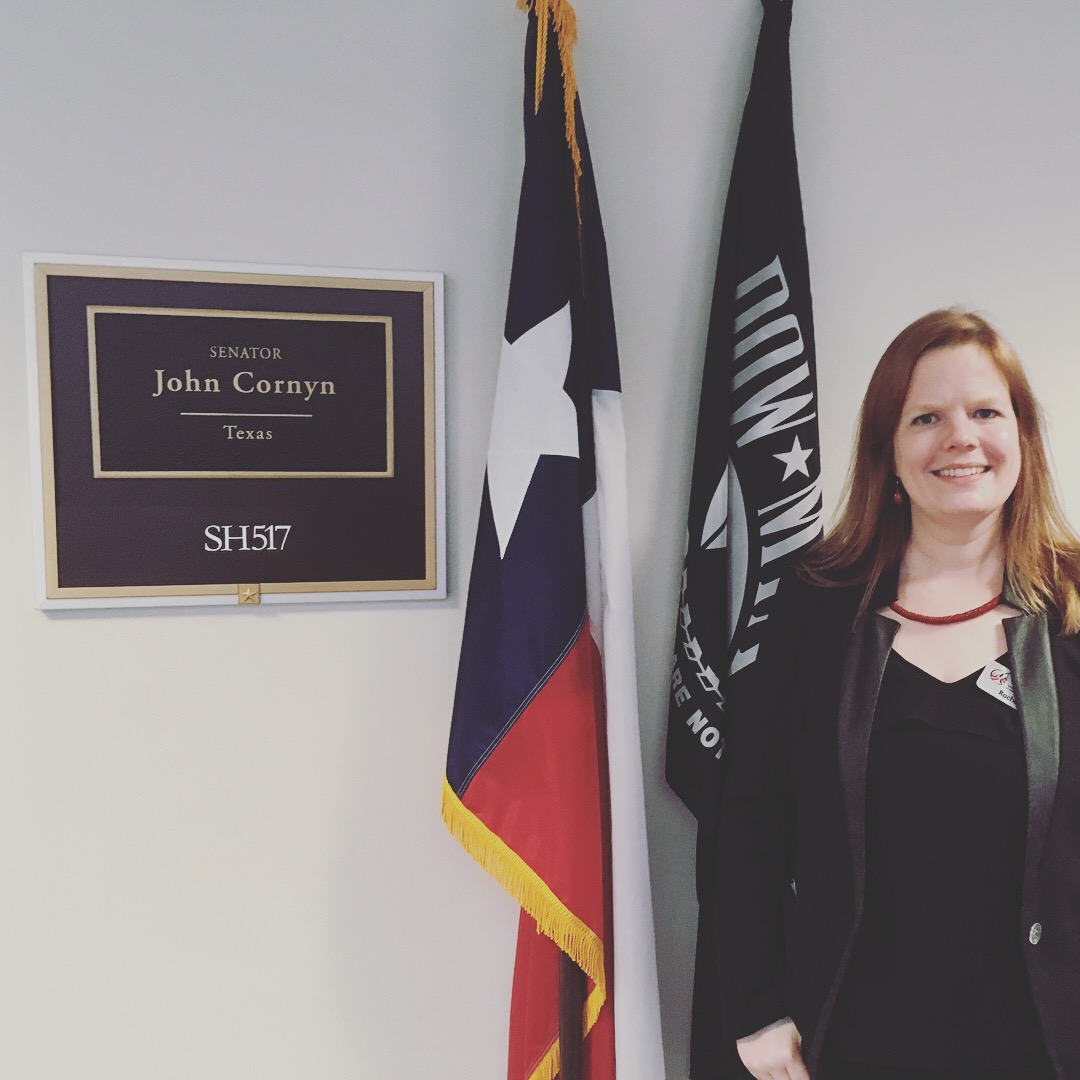
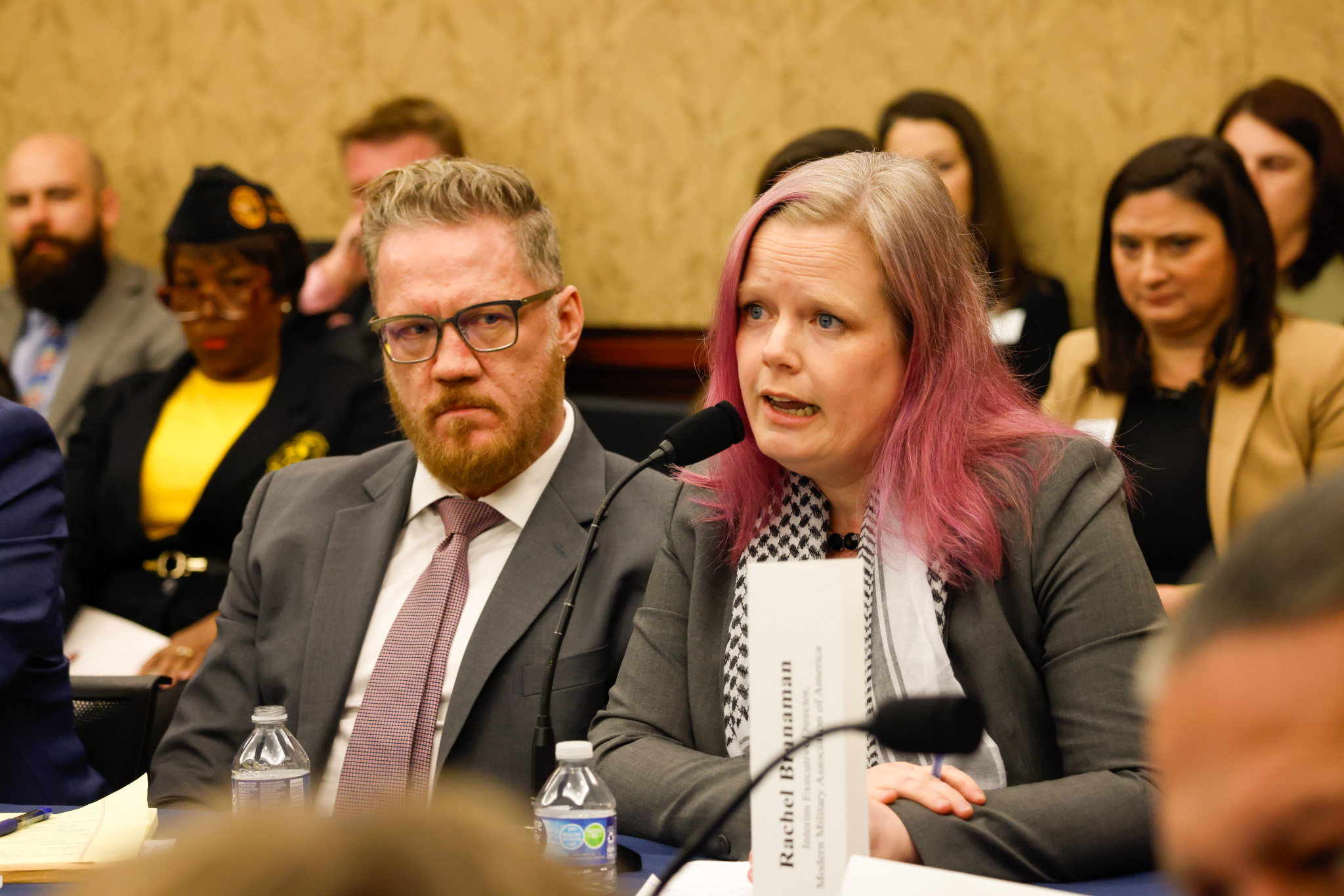
In 2015, I relocated to Washington D.C. to expand Talem’s national footprint and advocate for civil rights on a larger scale. Since then, I have guided a wide range of clients through critical transitions, including the National Women’s Health Network (NWHN), Modern Military Association of America, and the Turtle Survival Alliance.
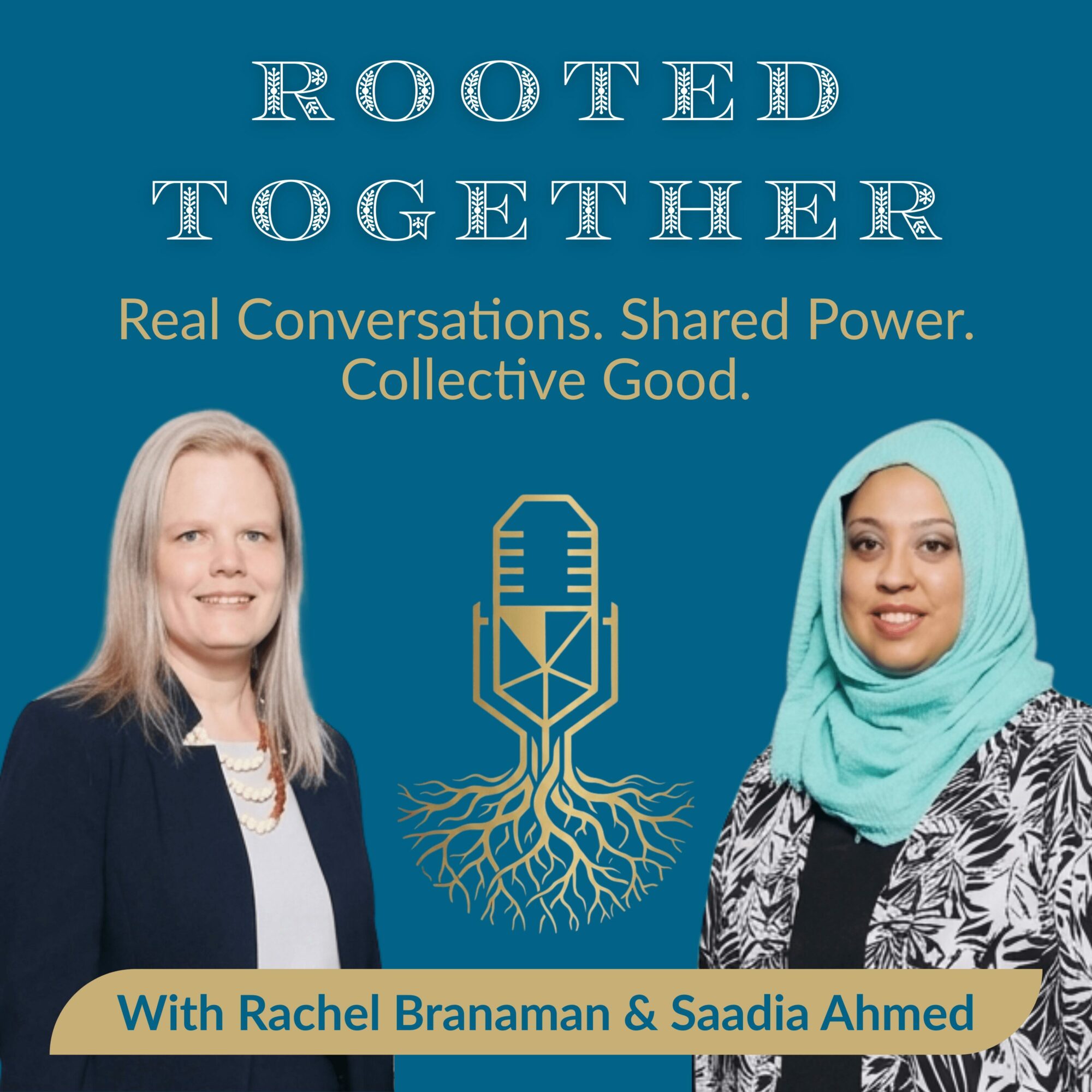
Throughout this journey, leadership development and community-centered capacity building remained central to my mission. In recent years, my practice expanded into the study of power dynamics and movement infrastructure. Following consecutive, intense interim leadership roles, I took a deliberate sabbatical to process my observations and write my book, Rooted Together: Democratizing Power for the Collective Good, which explores how visible, hidden, and invisible power shape structural outcomes in activist and nonprofit environments. Today, I split my focus at Talem between executive coaching, interim leadership, strategy planning, and running our Inclusive Leadership Program for women and gender-expansive leaders of color.
Looking back from that 10-year-old kid at the library desk to the work I do now is a continuous thread of learning to lead with community agency, collaboration, and equity.
Can you talk to us a bit about the challenges and lessons you’ve learned along the way. Looking back would you say it’s been easy or smooth in retrospect?
It has not been a smooth or linear road, but the bumps taught me how to navigate organizational crises.
Transitioning from traditional fundraising roles in established organizations into high-stakes leadership turnarounds is daunting. When I stepped into Alley’s House, I took the reins from a burned-out founder who resisted ceding control, managed inexperienced staff, and inherited a 20% annual deficit from a lack of covering annual expenses year-over-year. Resources were thin, staff struggled to serve program participants, and the community’s trust in the program waned. I quickly learned to make hard financial and management decisions while preserving the dignity of the young mothers we served.
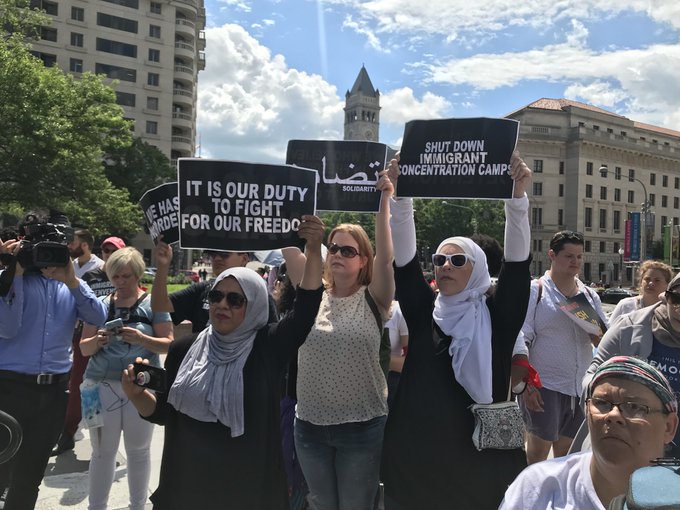
I also worked with organizations led by members of historically marginalized communities that, despite experiencing harm by the dominant culture, used their obtained power to perpetuate discrimination against those even more marginalized within their own ranks. Navigating gender discrimination, anti-LGBTQ+ sentiment, or ableism while simultaneously working to dismantle inequity against the broader community, required deep cultural sensitivity and a willingness to step away when organizations refused to stop replicating harm.
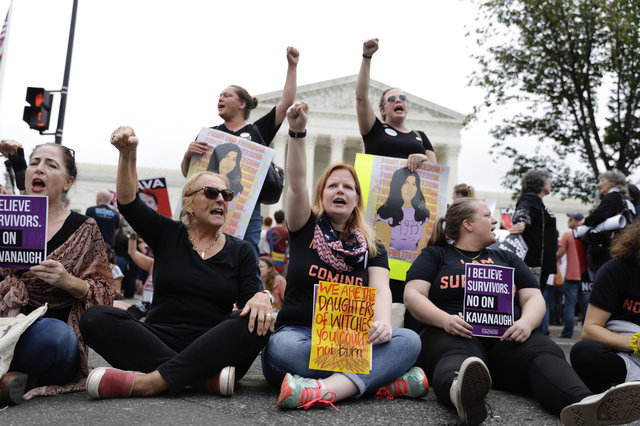
External social and political factors also complicate this work. When the Supreme Court’s Dobbs v. Jackson decision overturned Roe v. Wade, it radically shifted national advocacy and health education demands overnight. In that moment, the National Women’s Health Network retained me to stabilize their operations during an acute funding crisis caused by outdated donor engagement models and low-yield fundraising strategies. I modernized their infrastructure, used data-driven analysis to isolate fiscal inefficiencies, revitalized corporate and foundation partnerships, pivoted away from the organization’s exclusive reliance on an aging donor demographic, and successfully corrected the short-term financial forecast. Yet, a few years later, NWHN ultimately made the strategic choice to cede the space to similarly-aligned women’s health and reproductive justice organizations.
Navigating external funding and political shifts alongside internal organizational turmoil means constantly managing crisis, resistance to change, and the deep emotional exhaustion that activist environments often foster. Following consecutive turnarounds, I took a sabbatical to rest and process the impact of institutional power dynamics. Learning to stabilize organizations without losing my own humanity or sacrificing my values is what shapes my current methodologies.
Thanks for sharing that. So, maybe next you can tell us a bit more about your business?
I am the Founder and Principal Consultant of Talem Consulting, a national, woman-owned firm specializing in organizational restoration and dismantling inequity. We handle messy, high-stakes moments through interim leadership, strategic planning, change management, crisis resolution, and executive coaching. We are known for stabilizing at-risk organizations and building community-centric operational and fundraising models that last.
Talem stands apart because we combine practical leadership with a deep, systems-level understanding of human behavior. We practice horizontal leadership models, which dismantles traditional, top-down savior complexes and places donors, nonprofits, and communities on equal footing.
Brand-wise, I am particularly proud of our Inclusive Leadership Program, a master’s-level cohort journey that gives women and gender-expansive leaders of color the tools to navigate power and maximize fundraising potential. I am also thrilled about my upcoming book, Rooted Together: Democratizing Power for the Collective Good, which provides frameworks and tools to cultivate shared strength rather than hoarded power.
I want your readers to know Talem is here to help movements shift from survival mode into systemic impact. Whether an organization needs project-based consulting, a strategic roadmap, or a safe space for historically marginalized community leaders to reset through our Resilience Circles and coaching models, we help leaders redesign the very architecture of what is possible.
Risk taking is a topic that people have widely differing views on – we’d love to hear your thoughts.
I view myself as a calculated risk-taker. Risk is about having the courage to lean into discomfort when your values demand it. In nonprofit and advocacy spaces, comfort is a liability because it perpetuates broken, stagnant systems. Staying comfortable poses a direct risk to long-term sustainability and progress toward justice and equity.
I’ve taken several calculated risks throughout my life: leaving an established Dallas career trajectory in 2009 to join the U.S. Peace Corps in Namibia; launching Talem Consulting in 2011 without the security of a steady paycheck to build a firm centered on equity and disrupting traditional philanthropy; and recently taking a sabbatical to invest entirely in writing Rooted Together.
When evaluating risk, I don’t prioritize what I may lose by acting. Instead, I identify what the community loses if I stay silent or passive. I always ask: Does this risk align with collective liberation? Does it shift power to those who need it? If the answer is yes, then the risk becomes a necessity.
Pricing:
- Sliding Scale Options: We offer a sliding scale model to ensure grassroots and community-centered organizations can access our structural support and thrive.
- Personalized Executive Coaching: Individual coaching packages start at $350, helping leaders move out of survival mode and cultivate transformational change.
- Inclusive Leadership Program: Our cohort journey offers 12 comprehensive modules for systemic impact, personalized leadership coaching, live practice clinics, and deeper peer connection for $3,600.
- Corporate and Business Workshops: Customized corporate workshops that actively integrate equity, inclusion, and healthy organizational culture into businesses start at $15,000.
Contact Info:
- Website: https://www.talemconsulting.com/
- Instagram: https://www.instagram.com/dismantlinginequity/
- Facebook: http://www.facebook.com/talemconsulting
- LinkedIn: https://www.linkedin.com/company/talem-consulting
- Other: https://www.linkedin.com/in/rachelbranaman/