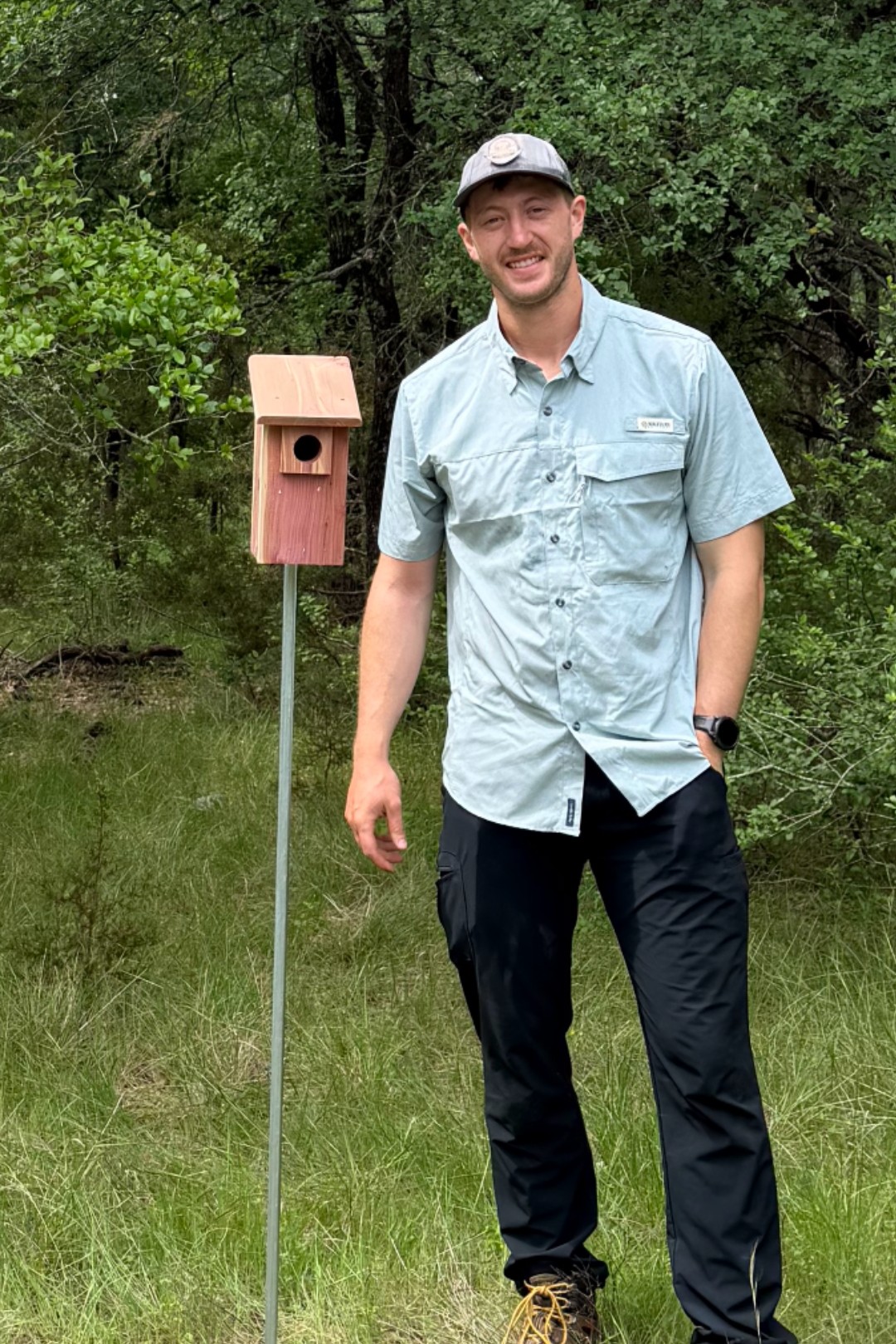






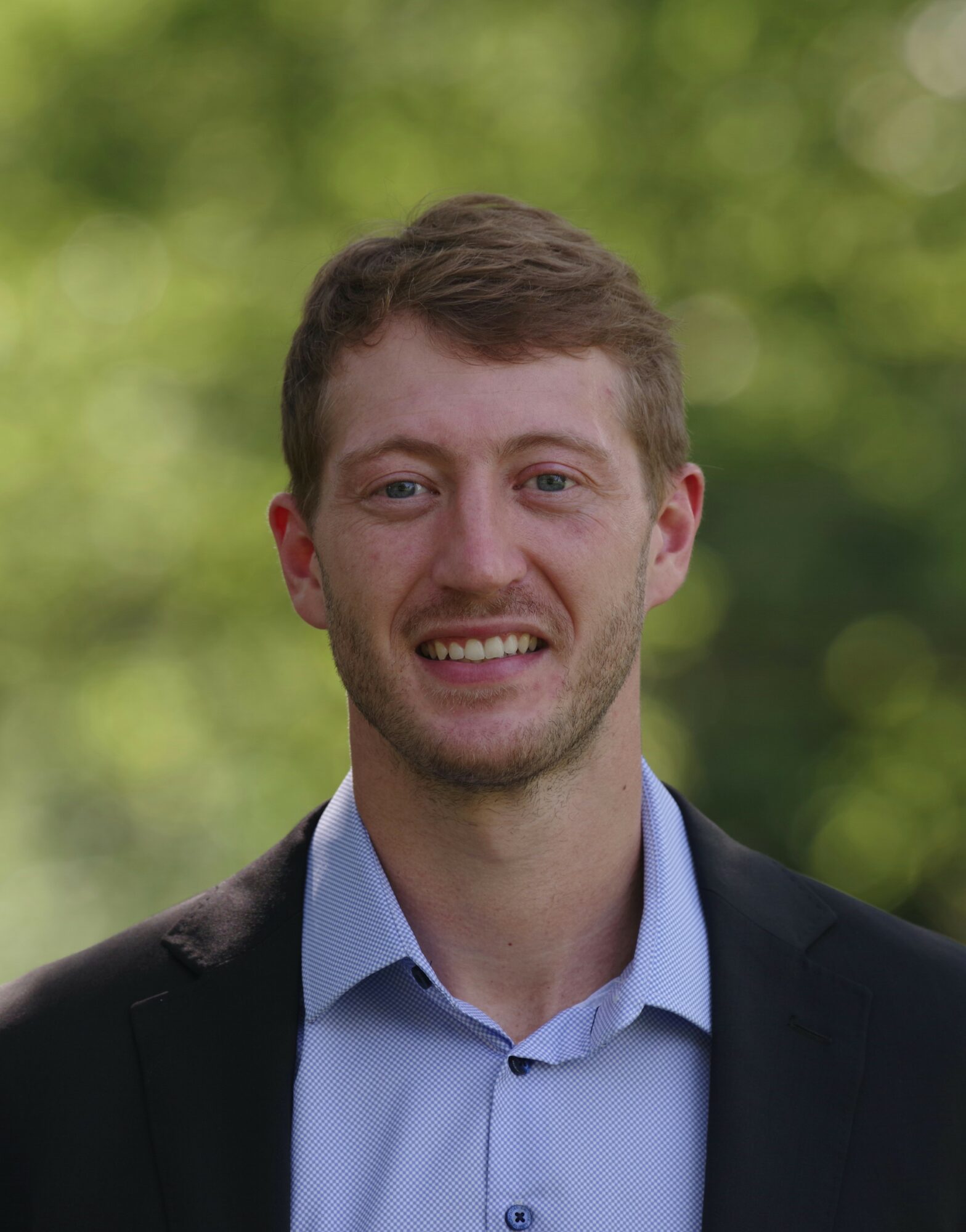
Today we’d like to introduce you to Alexander Murray.
Hi Alexander, it’s an honor to have you on the platform. Thanks for taking the time to share your story with us – to start maybe you can share some of your backstory with our readers?
I started out in science at John Carroll University. I’d originally planned on medicine, but after taking ecology classes my second year and doing some salamander fieldwork, I realized I was far more excited to study the natural world and try to make a difference in it through conservation. I’d always loved being outside, whether fishing or just looking for animals, so building a career around that made sense. From John Carroll I went to Marshall University in West Virginia, where I continued studying salamanders.
I came to Texas to start a PhD at UTA in 2018, largely influenced by the strong history of herpetological research at its Amphibian and Reptile Diversity Center and its incredible collection. Like a lot of people, I’ve always been drawn to seemingly simple questions about biodiversity patterns. Why do we have so many species? Why do certain ones live where they live? Why do some places hold more than others, and how much longer will they be around given everything we’re doing to the natural world? While those sound basic, scientists still haven’t fully answered them, largely because we have very little real data on what species occur where and in what numbers. This is further complicated by the fact that many species remain unknown and go extinct before they’re ever described, and human actions have been reshaping natural communities for thousands of years and continue to do so today.
I got lucky with my advisor at UTA, Dr. Luke Frishkoff. He had exciting research and was always open to whatever project idea I brought him, which gave me the freedom to pursue my interests. I worked in the field all across Texas and in the tropics in Costa Rica, Ecuador, Puerto Rico, and Thailand, and got to learn from assisting in a lot of research beyond my own.
A primary way humans impact biodiversity is through habitat modification, such as clearing forests for agricultural land. Despite knowing this is negative for many species, we still don’t fully understand why some persist, or even thrive, while others do not. My dissertation, “Biodiversity in the Anthropocene: understanding the impacts of land-use change and species interactions,” addressed questions like this across three chapters tied to that same theme. My first chapter looked at amphibians in the tropics and how clearing forest for agriculture affects them. We found that arboreal species, the ones living up in the trees, were often the most sensitive. But traits are only part of the picture. How severe the change is, the climate of the area, and a species’ own traits all interact to determine how individual populations respond.
My second chapter looked at how bird communities respond to habitat modification across the globe, specifically whether places that held relatively large human populations thousands of years ago have communities that hold up better to land-use change today. We found that historical human presence matters, even going back more than 10,000 years. At a community level, areas with a long human history do see less damage from habitat change, but not because they’re more resilient or adapted to disturbance. Our results suggest it’s because the sensitive species were already lost long ago: they don’t keep more species through land-use change, the natural habitats in these regions just have fewer to begin with. To me that shows how strong and widespread our impact really is, even in places we think of as pristine.
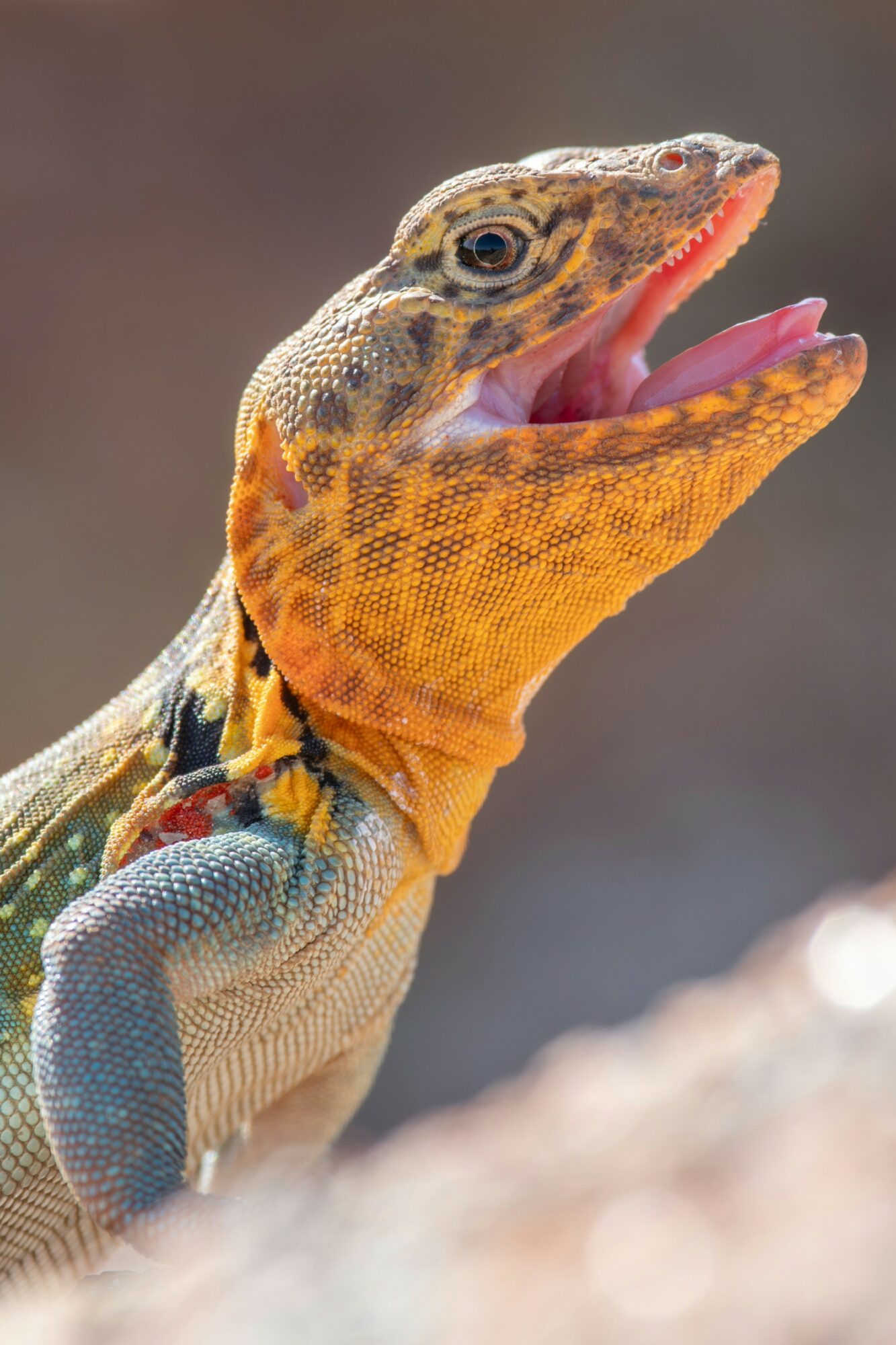
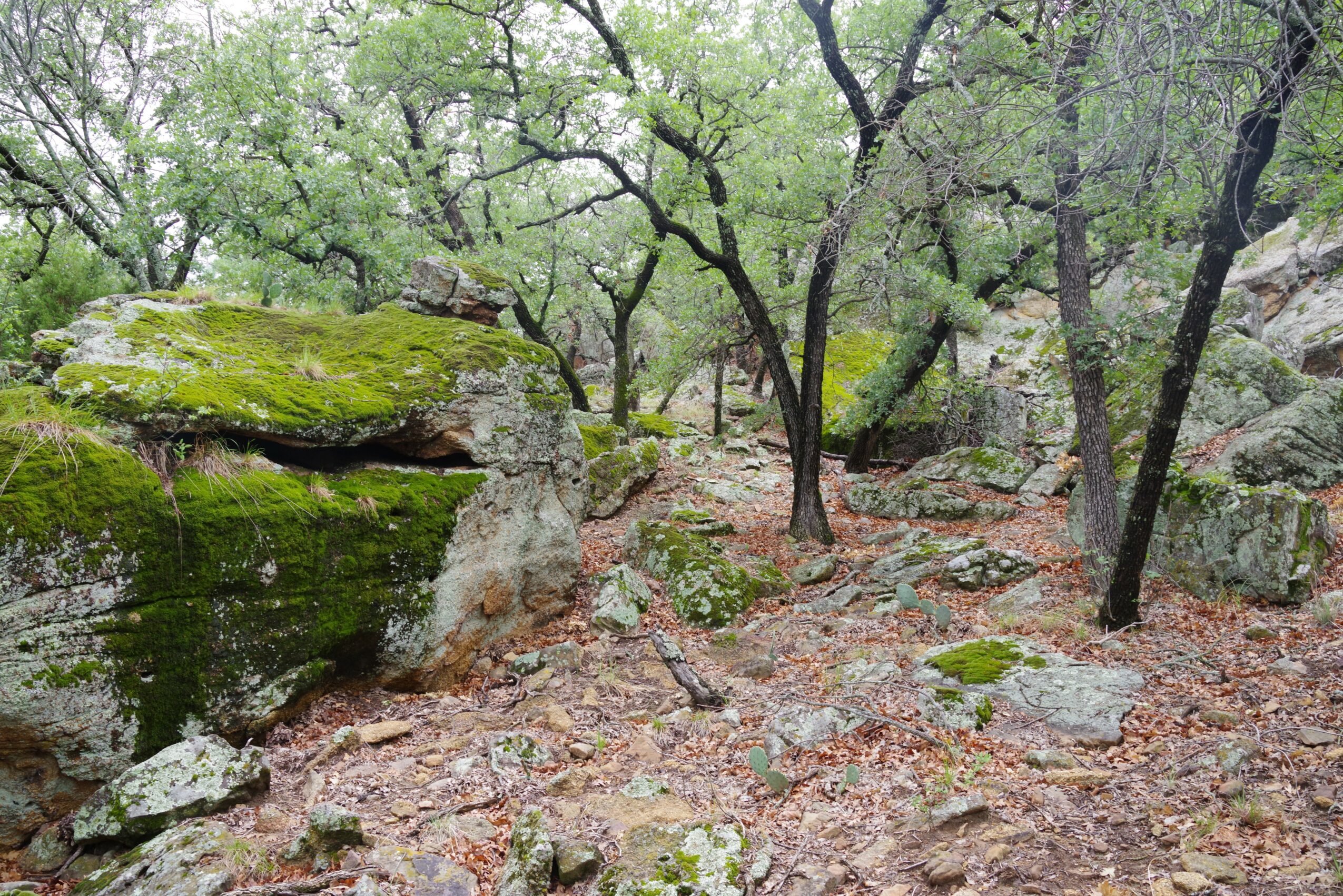
My final chapter was based here in Texas, a project I worked on for four years studying lizard communities. This was the most enjoyable part of my dissertation. It let me work all across Texas, getting to know the state and the incredible range of landscapes and wildlife here. I worked with private landowners, conservation groups like The Nature Conservancy, and people managing state and federal land. Most Texans know the Texas horned lizard has declined, but other species have had similarly dramatic declines without the same attention. One is the prairie lizard, Sceloporus consobrinus, once very common across most of the eastern two-thirds of the state. We found its occurrence has drastically declined over the last century, especially in central Texas, even in places where the natural habitat is still intact. To better understand why, we used statewide surveys, competition trials, occurrence records, and analysis of land use and climate change over time. The decline turned out to be driven largely by two factors: increased strength of competition with a larger species, the Texas spiny lizard, and increasing urbanization across the state.
Across all three chapters, a persistent theme was that we are having clear and negative impacts on biodiversity, particularly through habitat modification, but each situation is different and requires the proper context to fully understand. Things are not so simple, especially when balancing human needs with conservation priorities. And with limited resources for conservation, directing them where they’ll do the most good matters. Sound management decisions depend on understanding each system and assessing each situation on its own terms.
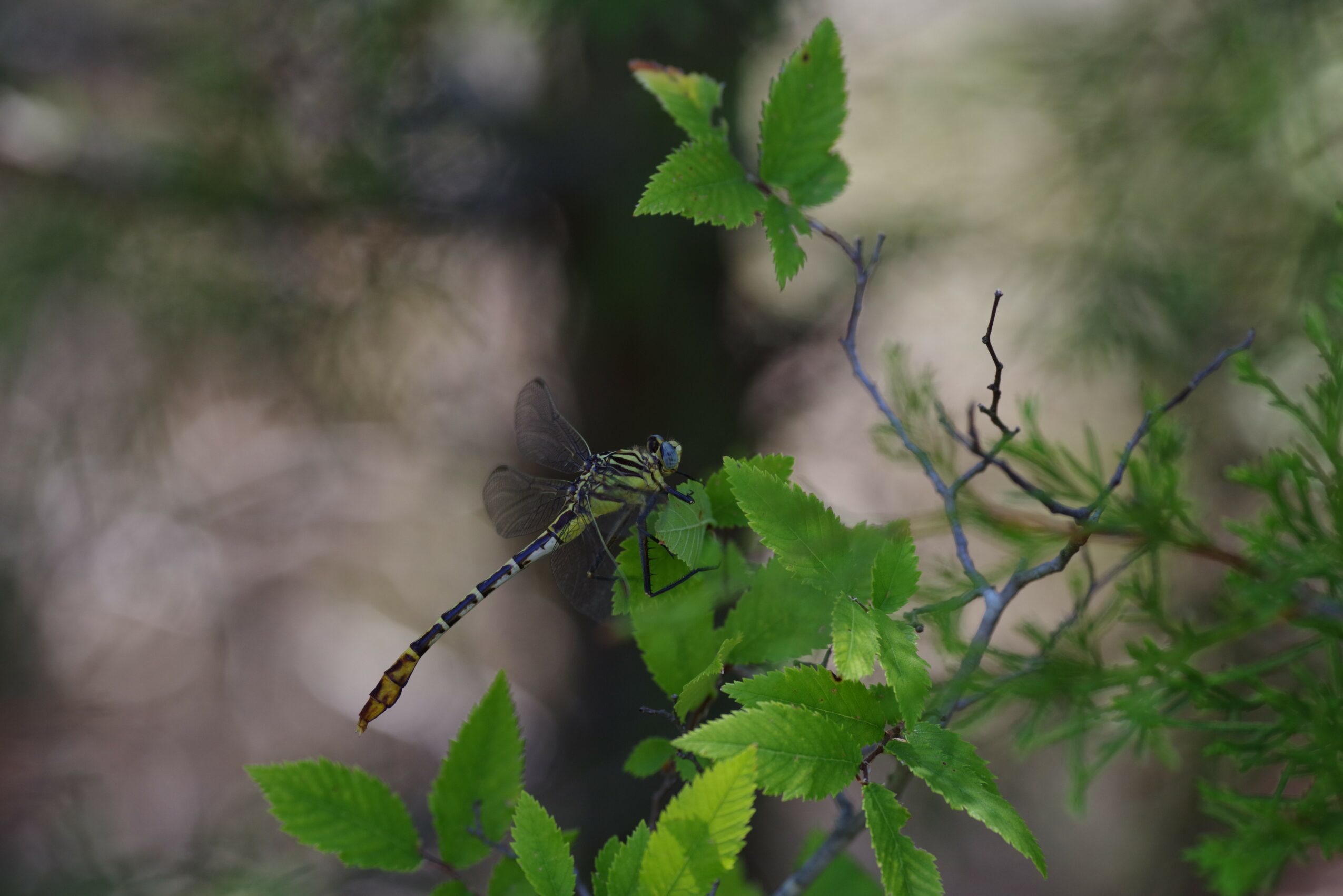
As I was wrapping up the dissertation, I started a project in Thailand with my friend Greg Pandelis, collections manager at UTA’s Reptile and Amphibian Diversity Research Center. The goal was to better understand what shapes biodiversity in tropical mountains and to survey remote, understudied areas we believed held undescribed species. I felt this was important work, particularly because it’s hard to protect a species you don’t know exists. I carried this work over into my postdoc at Tarleton State University, where I worked with Dr. Jesse Meik and spent roughly seven months in the field in Thailand on this project. It was some of the most exciting work I’ve ever done, and we’re still working through much of what we collected, with species descriptions expected soon. At Tarleton I also helped Jesse and his graduate students with work here in Texas, as they were studying populations of two state endemic reptiles (found nowhere else in the world but Texas). That kind of work put things in perspective. As incredible as those places abroad are, we have amazing wildlife right here in Texas worth our attention and protection.
For most of grad school, becoming a professor and continuing research seemed like the logical path. It’s fun and exciting to think up new ideas and have the chance to study them. But as I was finishing my PhD and moving into the postdoc, I started to feel I could have a more direct impact on conservation outside of academia. I could keep studying it and writing about it, but I wasn’t sure how I’d ever be part of the solution in a way that felt tangible. So I decided to try to take a more active role, here and abroad, by starting my own company, where I could apply what I had learned through research over the years. My goal was to advance private land conservation in America, and over time to grow enough to help fund research in the least disturbed and highest priority places left.
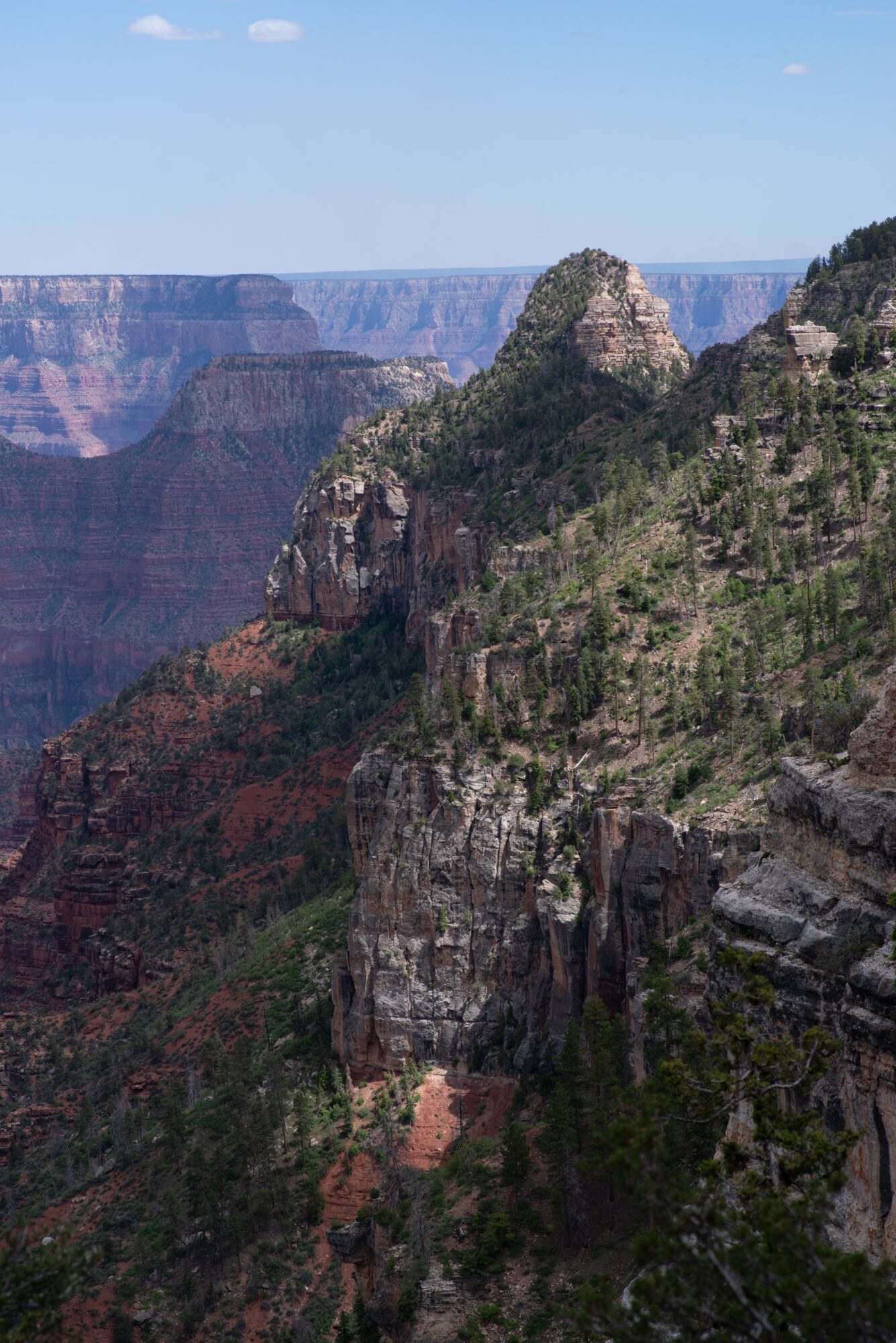
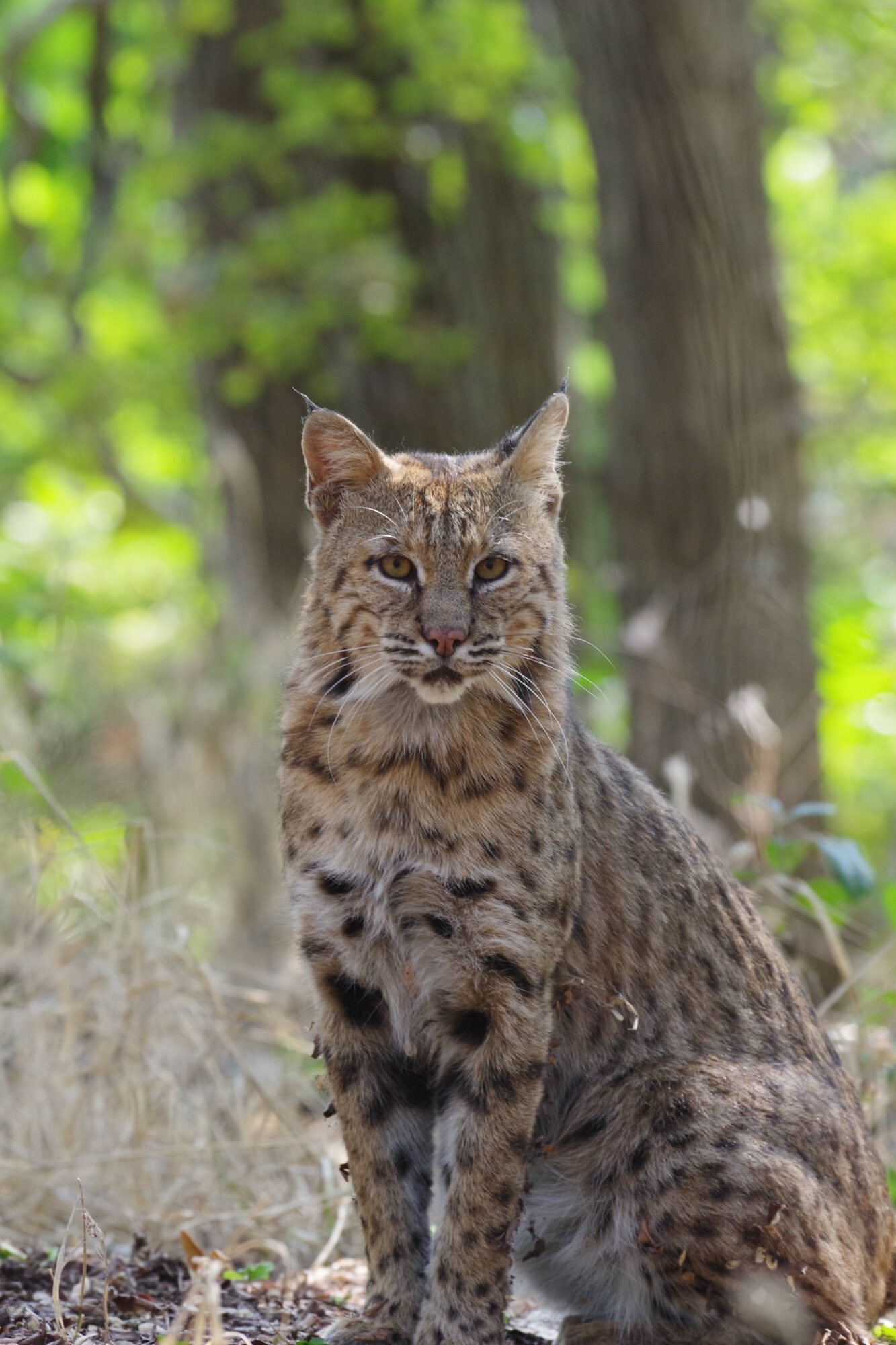
America is home to amazing wild places and wildlife, and that’s a big part of what makes our country so great. We have far more than most people really realize. The fact that we can still hunt and fish across the country is one clear sign of that, something a lot of other countries have lost. But it goes well beyond game animals. We still have large predators, songbirds, pollinators, and countless overlooked species that most people never think about, and they matter just as much. This is no accident. It’s the result of real conservation success, but it has to be maintained and improved, or we risk losing a part of what makes this country special. A lot of people think of the government as the group mainly responsible for conservation, and it is responsible for a great deal of it. But I believe the future depends just as much on private landowners and the general public, now and going forward. Roughly 60 percent of America is privately owned, and in Texas it’s over 95 percent. I think that starts with taking pride in what we have. That’s why I started Wild America Services, to advance conservation while serving the needs of private landowners. As an avid fisherman and ecologist, I firmly believe human wellbeing and nature go hand in hand, and that conservation is something all Americans benefit from. We help Texans get the most out of their property while protecting the natural resources that make this state special. Some of that impact is direct, through hands-on management of the land, but perhaps the most meaningful aspect of the work is helping people gain a greater appreciation for nature along the way.
Would you say it’s been a smooth road, and if not what are some of the biggest challenges you’ve faced along the way?
After being in school for so long, immersed in academia through a PhD and postdoc, it can be tough to transition out into the private sector. Much of what you learn prepares you to stay in academia in a research position, and most of your colleagues do exactly that, or go into government work. So when I realized I wanted something different, I didn’t really have a playbook for a way forward. I knew I still wanted to use the skills I’d built over the years and stay involved in science, just not in the same way. Starting my own company felt like a big risk compared to taking a normal job, since it wasn’t clear how long it would take to get things off the ground. Since starting Wild America Services, client acquisition has probably been the most challenging part, but I enjoy meeting new people and going to new places in the process.
Thanks for sharing that. So, maybe next you can tell us a bit more about your business?
Wild America Services is a wildlife management company working across the state of Texas, primarily serving private landowners and businesses. One of our core offerings is our wildlife management plans and the associated services. Texas allows for incredible property tax savings through agricultural valuation, and the best part is that wildlife management qualifies for it. We build custom plans that let landowners switch over from agriculture while keeping the exact same tax benefit. This works well for people who don’t want to deal with cattle or hay production, letting them enjoy their land more while supporting native wildlife at the same time. We handle everything needed to keep landowners compliant year to year, including annual reports, population surveys, habitat improvement, providing supplemental food, water, and shelter for wildlife, and more. On top of that, we offer biodiversity surveys, GIS services, photography, and environmental consulting by request across Texas.
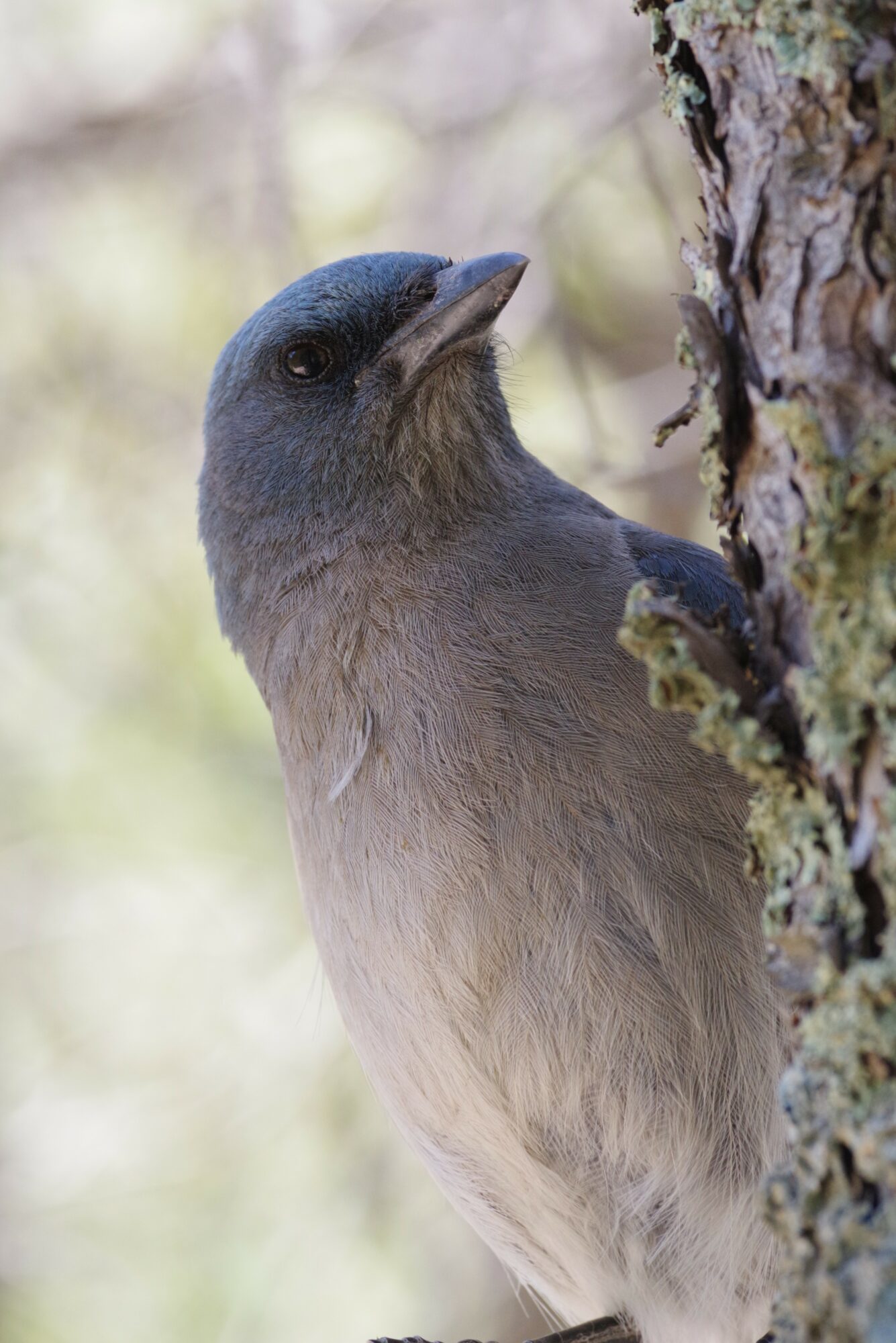
What sets us apart is how we work with landowners. We don’t push predefined plans on people. We start with the owner’s goals and needs and build from there. Many people think of wildlife management as focused on game species like white-tailed deer or turkey, and we do have clients focused on that, but it works for any native species. Often that means managing for non-game wildlife like migratory birds. Part of what makes this work so exciting is that everyone’s goals are different, and we’re here to help them get there.
Consistency is the other thing that sets us apart. We’re a small team, every wildlife management plan is designed by me personally, and I make a point of visiting each property myself. That’s how I make sure everyone gets the same high quality service. We love working with private landowners, and we’re open to any inquiry. Don’t hesitate to give us a call!
Can you share something surprising about yourself?
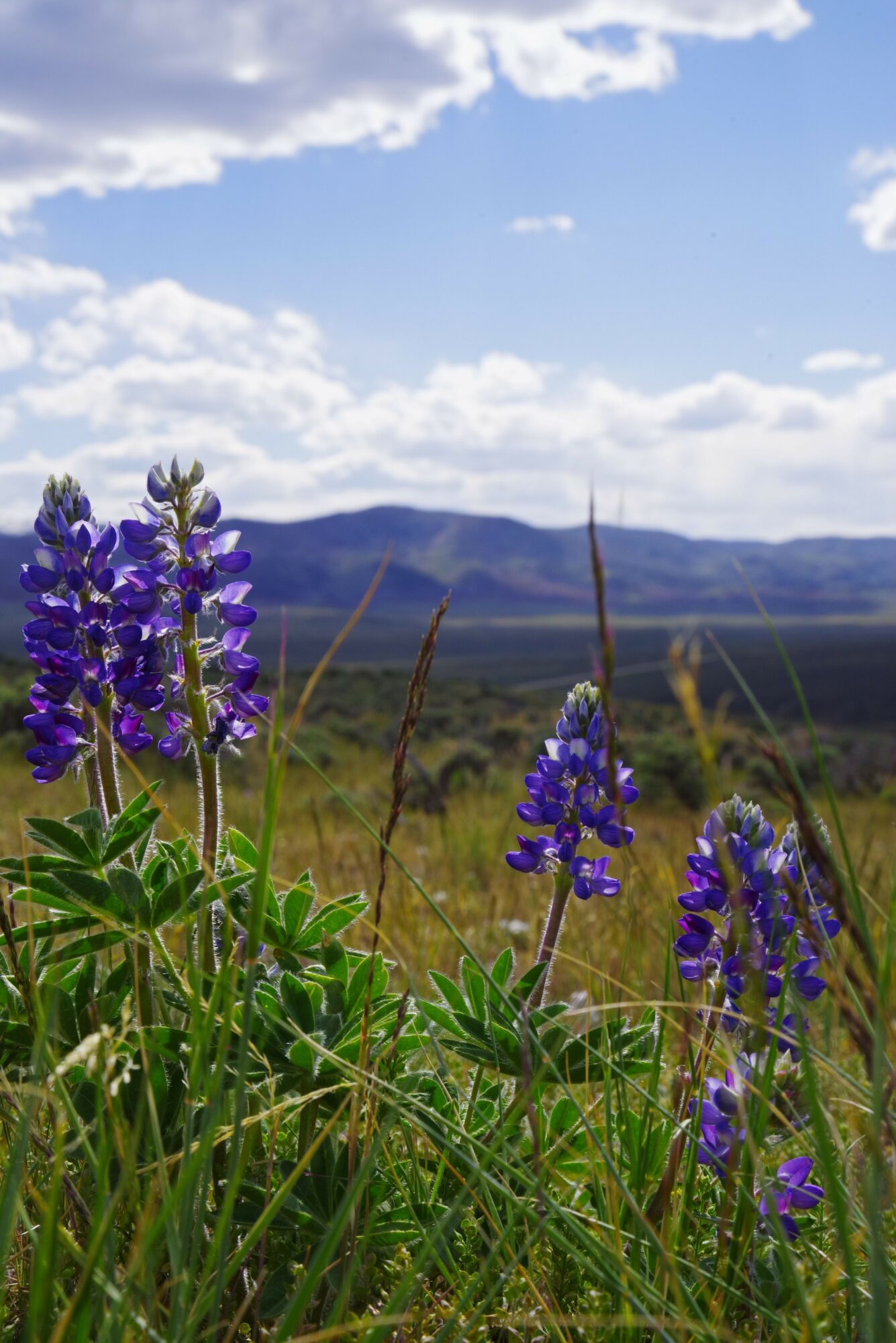
Tough question, and I’m not entirely sure of the answer. Most people who know me know the things I get most excited about are animals, fishing, sports and competition, and when I’m not working I’m probably out kayak fishing. However, what might surprise them is that I also consider myself a creative person, and I really enjoy art and photography.
Pricing:
- WIldlife Management Plans- Custom pricing
- Annual Reports-$495+
- Other Services-Custom pricing
Contact Info:
- Website: https://www.wildamericaservices.com/
- Instagram: https://www.instagram.com/wildamericaservices?igsh=Zjl1YnkyenBrbzZx
- Facebook: https://www.facebook.com/share/1CHNgvSBk9/
- Other: alex@wildamericaservices.com