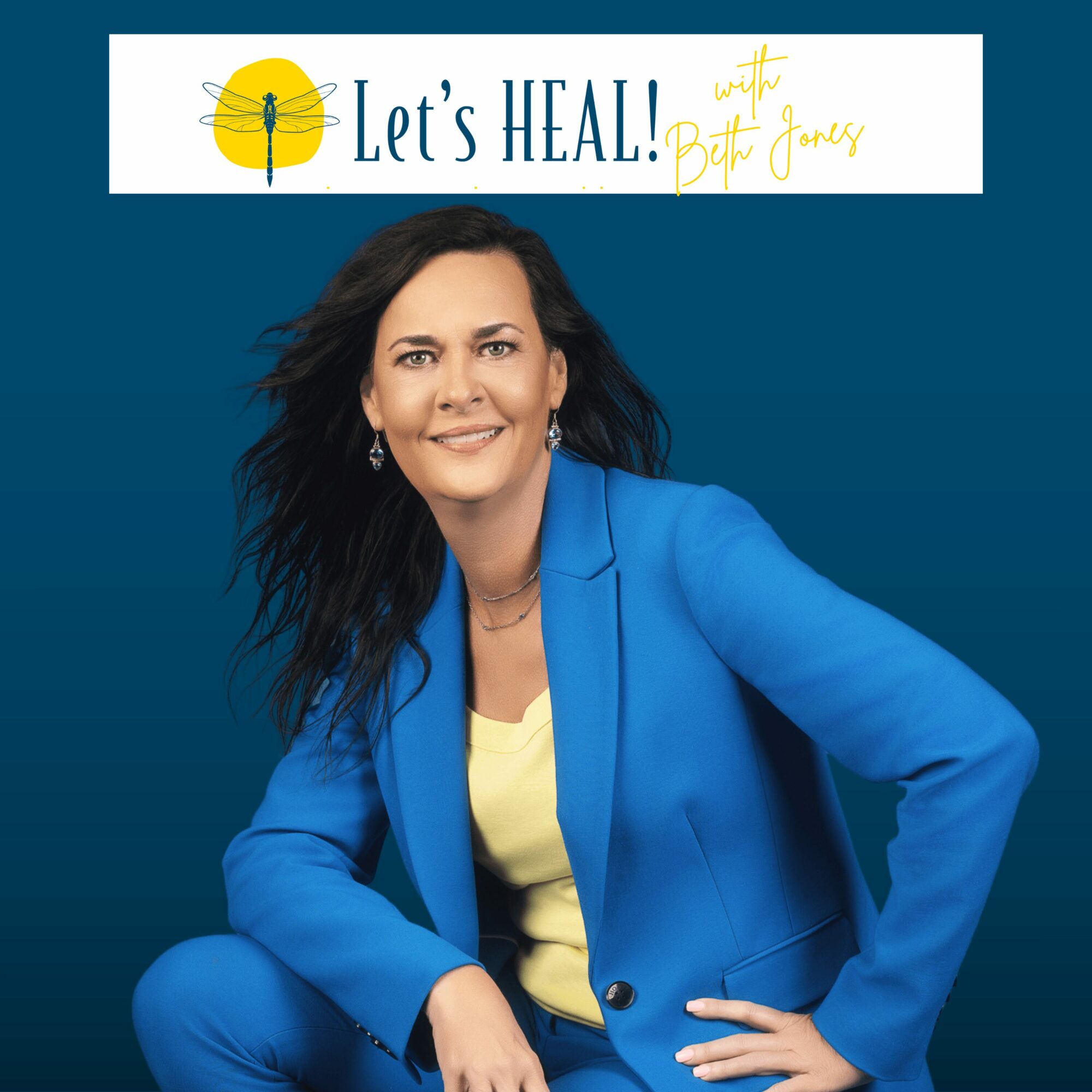






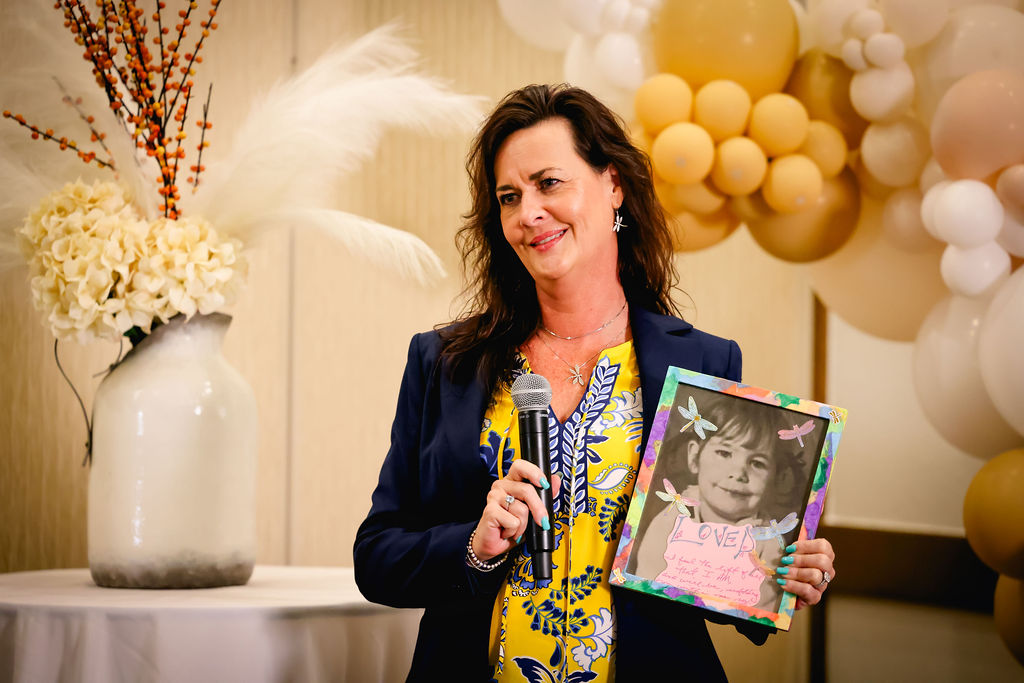
Today we’d like to introduce you to Beth Jones.
Hi Beth, so excited to have you with us today. What can you tell us about your story?
I spent more than thirty years as a forensic accountant, investigating fraud and white-collar crime for firms like FTI Consulting and EY. My work took me all over the world, and for the last six years of that career, I was based in Hong Kong. I sat in hundreds of witness interviews where the stakes were real, and the people in front of me knew it. You learn a lot about human behavior in rooms like that. I learned to read the inconsistencies, the reactions that were a little too big or a little too small for the moment, the tells that gave away more than someone’s words ever did.
I also observed leadership behavior in people whom I worked for and with. What I didn’t see, for most of those thirty years, was that I was looking at myself the whole time, too. I just didn’t know it.
In 2020, I went in for a hypnotherapy session to get help “connecting with people,” and what came up instead were buried memories of childhood sexual abuse, something I’d carried since I was five years old without consciously remembering it. That one session cracked open everything I thought I knew about my own life. I had spent forty-five years running from that pain, and the running had a cost I never realized.
Here’s the part that changed my work, though, not just my life: I realized the same survival patterns I had spent thirty years observing in other people — the control, the perfectionism, the emotional distance, the compartmentalizing — were patterns I had been running in my own leadership the entire time. They weren’t strengths I’d built. They were strategies I’d developed as a five-year-old trying to stay safe, and I’d just kept using them in boardrooms and conference rooms.
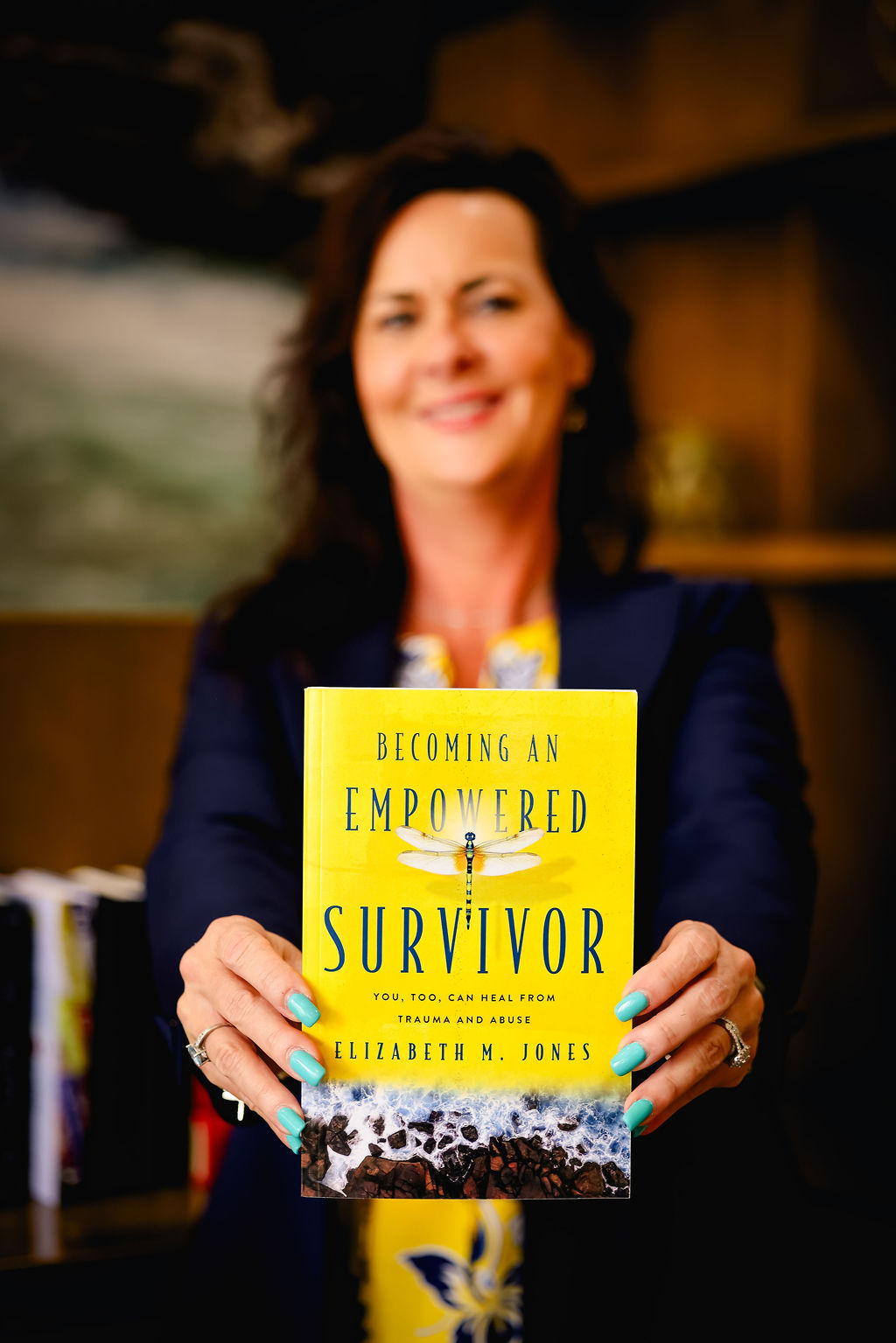
That recognition is where my company, Empowered Survivors, LLC, and The HEAL Framework™ came from. I took the same pattern-recognition skill I’d spent a career building, pointed it at myself and at the leaders and survivors I work with now, and built something structured out of it: a way to help people see the survival patterns running underneath their leadership, their relationships, their lives, and actually do something about them. Today, that work shows up as my book, Becoming an Empowered Survivor; my podcast, Let’s HEAL! with Beth Jones; my speaking platform; and the work I do directly with leaders and survivors.
All of my work traces back to that single hypnotherapy session, and the forty-five years before it that I didn’t fully understand until I did the work afterward to understand it all. Ironically, those forty-five years of pain and suffering were contained in a wall that I’d built to protect myself. It was that wall that prevented me from “connecting with people.” I just had no idea that it existed.
Can you talk to us a bit about the challenges and lessons you’ve learned along the way. Looking back would you say it’s been easy or smooth in retrospect?
No, not even close, and honestly, I wouldn’t trust the story if it had been.
First, there were those forty-five years of pain and suffering that I mentioned. All of my trauma, unprocessed emotions and coping mechanisms were stuffed into that wall.
But the hardest stretch came in 2020 following that hypnotherapy session. Yes, what I discovered about the abuse was very difficult, but even more so was the realization that I had no idea who I am; who I was born to be. That terrified me because if I didn’t know me, that meant no one knew me. So, I set out to heal from the past and discover myself.
Within a year and a half of that session, my marriage ended, a casualty of my healing process. In the middle of that, I left Hong Kong, where I’d been living and working for six years, and moved back to Texas. I changed cities, which changed my role at work, ended a marriage, and started rebuilding a sense of who I was, all at roughly the same time.
What made it harder wasn’t just the logistics of all that change. It was the self-discovery underneath it: that the very things I thought made me good at my job, my control, my emotional distance, my ability to compartmentalize and just keep moving, weren’t strengths I’d built. They were survival patterns I’d developed as a small child, and I’d been running them in conference rooms and boardrooms for thirty years without ever questioning where they came from.
There were months when getting out of bed took everything I had. I won’t pretend otherwise. But I’m also someone who has always been adaptable. I grew up an expat, moving constantly as a kid, and that early forced flexibility turned out to be one of the things that carried me through. I didn’t fight the change. I moved through it, even when it hurt, and used the same problem-solving instinct I’d built over a thirty-year career, just pointed at my own life for once instead of someone else’s.
That season is exactly where The HEAL Framework™ came from. It is the process I used and still use today to heal. I built it as a reflection of what the healing process actually requires: building hope to fuel it; evolving as a human being; and learning to love.
Can you tell our readers more about what you do and what you think sets you apart from others?
I chose Other because I have been and am all of the other options. I was an employee and a senior executive at professional services firms for thirty years. Now, I’m an entrepreneur working for myself as a leadership performance strategist and the HEALing Mentor. So much of what I do today is creative as the Chief Visionary for my business and as a writer, podcaster, and speaker.
The word HEAL is used as an acronym in my world, and you’ll see it everywhere in my work: The HEALing Mentor, Let’s HEAL! with Jones, and The HEAL Framework™. For me, the acronym means to Hope, Evolve, And, Love. That’s how I have experienced the healing process, all as actions. Again, building hope to fuel our healing, evolving as human beings, and learning to love. How’s that for creative?
As a Leadership Performance Strategist, I help high-performing leaders and the organizations that employ them understand something most leadership development never touches on: quite often, leadership behavior reflects survival patterns formed long before someone ever became a leader, and those patterns are still running the show. And sometimes, the behavior isn’t great.
I’m known for naming the connection between survival and leadership in a way that’s specific rather than abstract. I don’t talk in generalities about stress or burnout. I talk about the exact behavior, the exact moment, the exact cost, because that’s the lens thirty years of forensic work trained into me, and it’s the only way people actually recognize themselves.
What sets me apart is that combination. There are executive coaches. There are trauma therapists. There are very few people who’ve spent thirty years as a forensic investigator, professionally trained to read what’s underneath someone’s performance, and who have also done the deeply personal work of recognizing and healing those same patterns in themselves. I’m not teaching a concept I read about. I’m teaching what I lived and then turned into something useful for other people.
What I’m most proud of isn’t my best-selling book or my podcast, although I’m proud of both. It’s that I’m living proof the work itself holds up. I didn’t theorize my way to The HEAL Framework™. I lived it, falling apart and discovering who I was always meant to be. Now I get to watch other people do the same thing with a clearer map than I had.
Before we go, is there anything else you can share with us?
Just this: if you’ve read any part of my story and felt a flicker of recognition, that flicker is worth paying attention to.
Maybe it was the part about building a successful life on the outside while something underneath never quite settled. Maybe it was the part about discovering, later than you expected, that the very things you thought were your strengths were actually patterns you developed a long time ago just to stay safe. You don’t have to have lived anything as dramatic as what I lived to recognize that gap. Most high-performing people I talk to know it intimately, even if they’ve never said it out loud.
Here’s what I want you to know: that gap isn’t a character flaw, and it isn’t something you’re stuck with. It’s a pattern, and patterns can change. I’m living proof of that, not because I’m special, but because I did the work, and the work is available to anyone willing to do it.
You, too, can heal. And when you do, everything about the way you lead, live, and love will change.
If you’d like to learn more about my work, email me at beth@empoweredsurvivors.com
Contact Info:
- Website: https://www.empoweredsurvivors.com/
- LinkedIn: https://www.linkedin.com/in/bethjoneshealingmentor/
- Youtube: https://www.youtube.com/channel/BethJonesHEALingMentor
- Other: https://substack.com/@bethjoneshealingmentor