





We recently had the chance to connect with Jordan Smelley and have shared our conversation below.
Good morning Jordan, it’s such a great way to kick off the day – I think our readers will love hearing your stories, experiences and about how you think about life and work. Let’s jump right in? Have any recent moments made you laugh or feel proud?
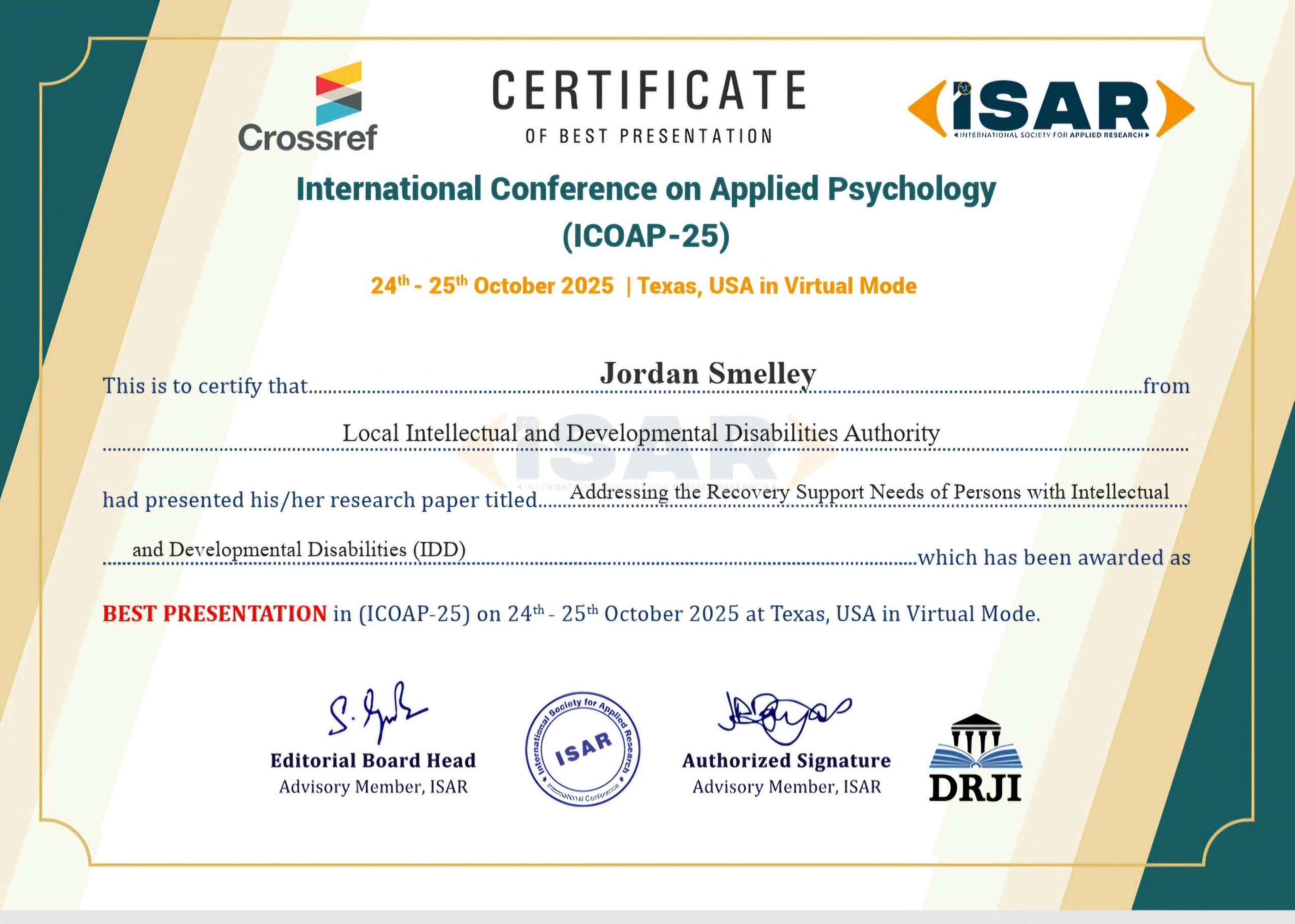
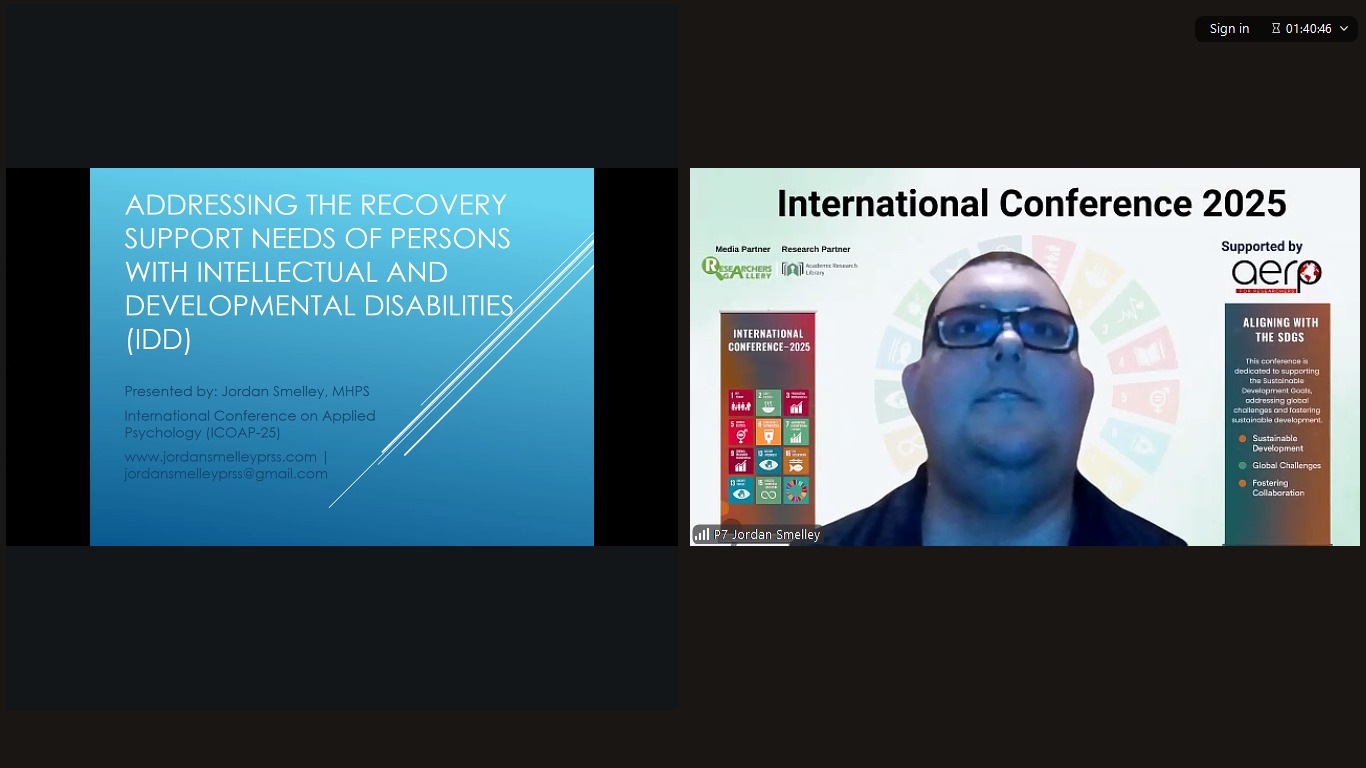
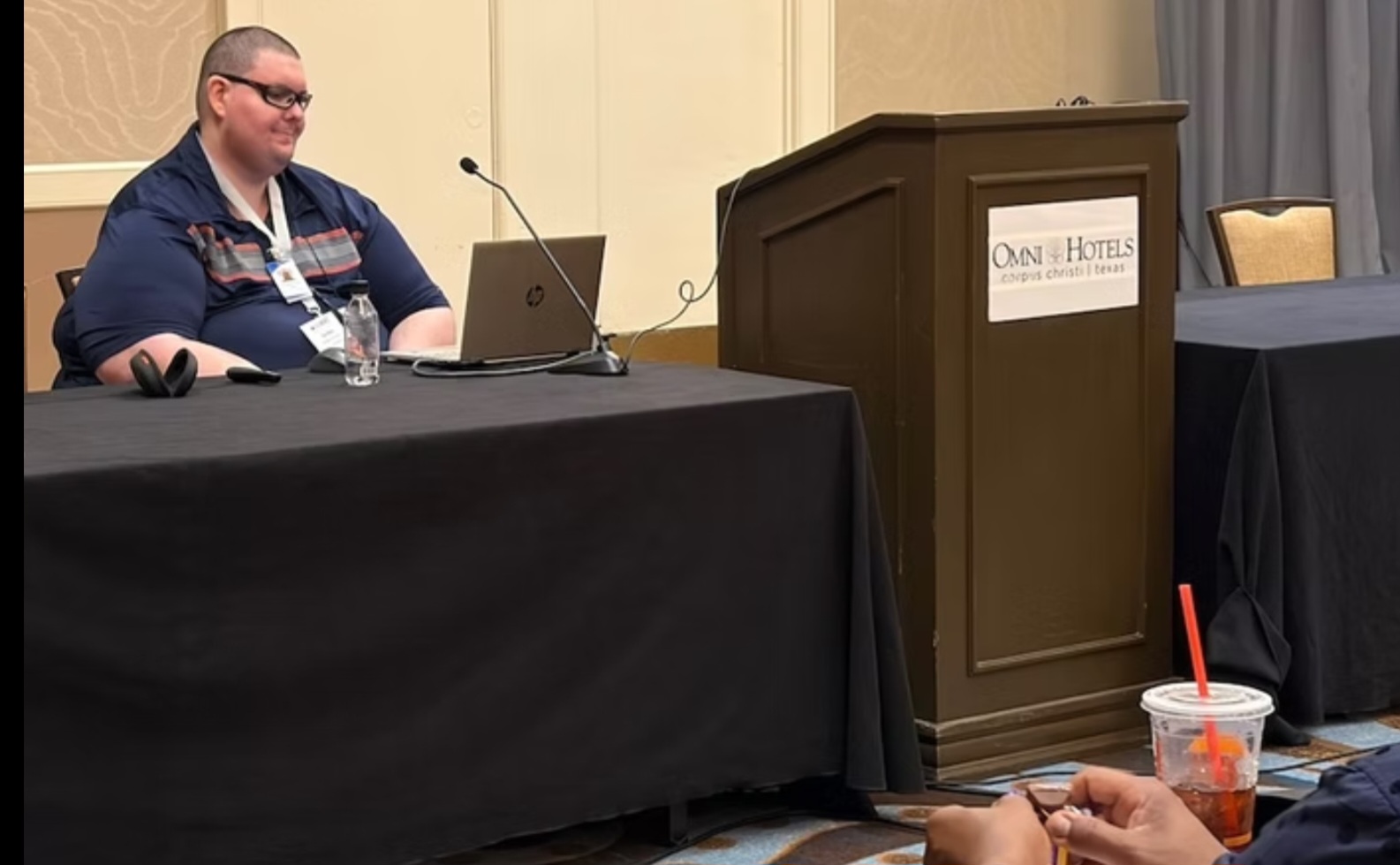
Yes. I presented at the International Conference on Applied Psychology back on October 24,2025 and I was awarded best presentation award. So I am now a internationally recognized and award winning speaker on Intellectual and Developmental Disabilities and Recovery Supports.
Can you briefly introduce yourself and share what makes you or your brand unique?
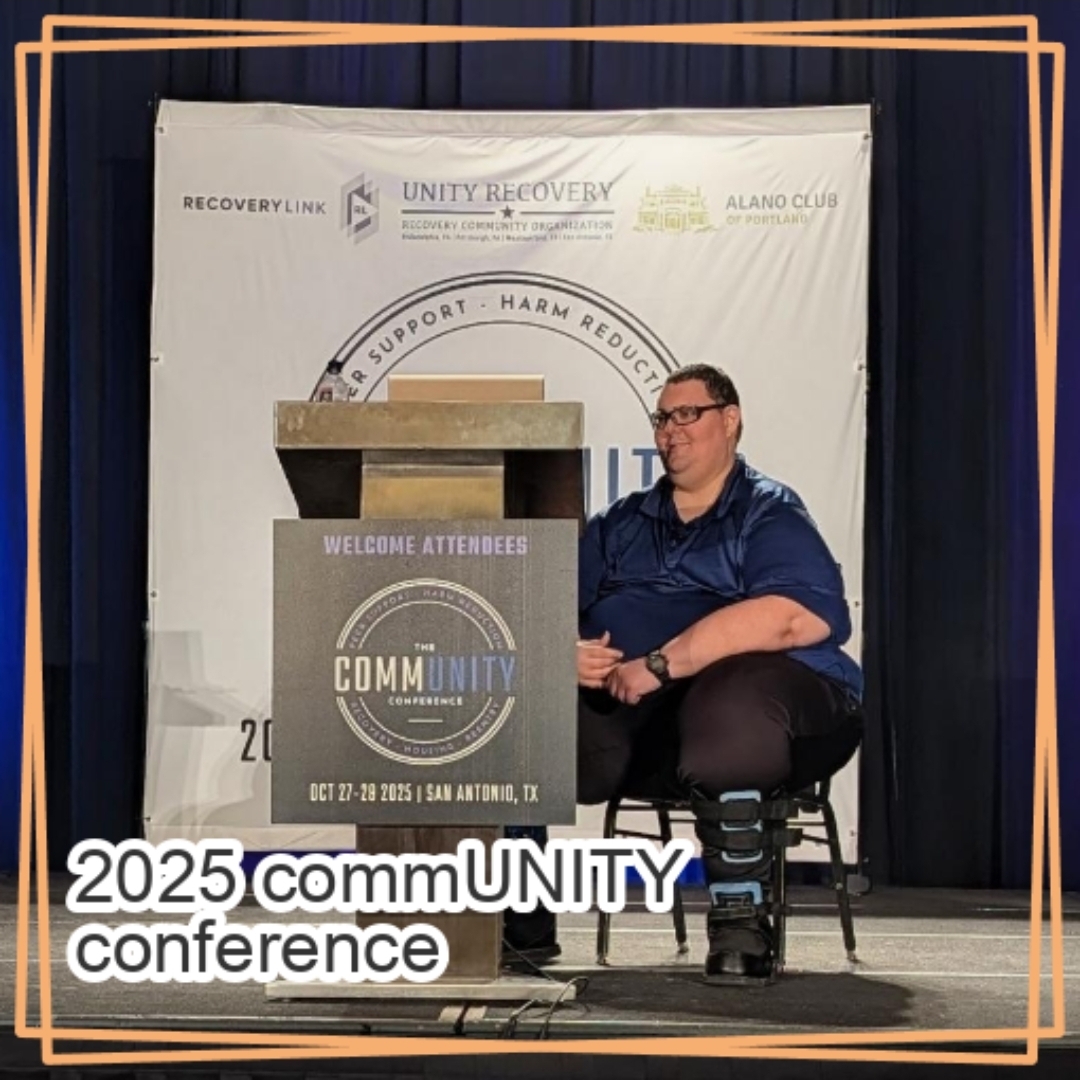
My name is Jordan Smelley, MHPS, and I bring a blended perspective as a lived-experience advocate, professional trainer, and systems-change leader. I am also the first IDD Peer Support Specialist on the Transition Support Team at Integral Care, where I support providers who serve people with intellectual and developmental disabilities and co-occurring mental health or behavioral-health needs. I also present at conferences across Texas, nationally, and internationally—including earning the Best Presentation Award at the 2025 International Conference on Applied Psychology. I also am now a certified People Planning Together Trainer. People Planning Together is a peer to peer training model. There are 2 co-facilitators, one with IDD and one without a Disability. The lead trainer is the certified trainer with IDD and they guide fellow participants with IDD to identify their goals, desired outcomes, and concrete action steps with support from the trainer without Disabilities as needed. PPT also equips participants with practical tools such as written communication charts and one page plan(covers how to best support them and what is important to and important for them around a specific outcome statement) they can take to planning meetings for work, school, Waiver services, and other settings, ensuring their needs and preferences are clearly reflected in their person-centered plans.
My work is deeply shaped by lived experience. After surviving a life-threatening reaction to the only FDA-approved medication for my rare genetic condition, Bardet-Biedl Syndrome, I spent over two years navigating the Texas Medicaid Fair Hearing process to access medically necessary care. That journey revealed how much systemic gaps can harm people—and how critical it is to ensure due-process protections for Texans with complex medical and behavioral health needs.
That experience led me into policy advocacy, where I am currently trying to collaborate with Texas legislative offices, the Texas Sunset Review Commission, and state advisory committees to strengthen fair-hearing procedures, improve transparency, and protect the rights of Medicaid members. My work is unique because it bridges lived experience, provider-focused training, and legislative systems change.
I’m also the author of The Texas Medicaid Fair Hearing Survival Manual for Appellants—a comprehensive guide designed to help Texans understand and navigate the fair-hearing process. It’s available on the Lulu Bookstore in physical print (priced only at cost of printing and shipping) and completely free as an eBook, because access to justice should never depend on someone’s ability to pay.
My mission is simple: help people with disabilities access the services they deserve, support the providers who serve them, and push for a Medicaid system that is more humane, person-centered, and legally sound for all Texans.
Okay, so here’s a deep one: What’s a moment that really shaped how you see the world?
A moment that profoundly shaped how I see the world was surviving a life-threatening anaphylactic reaction to the only FDA-approved medication for my rare genetic syndrome. In the aftermath, I endured over two years in the Texas Medicaid Fair Hearing process, battling for access to medication that could finally improve my quality of life despite the challenges of Bardet-Biedl Syndrome and Chung-Jansen Syndrome and my severe life-threatening reaction to Imcivree which is FDA approved for Bardet-Biedl Syndrome. There currently is no FDA approved medication for Chung-Jansen Syndrome.
What changed me wasn’t just the medical crisis—it was realizing how many people are navigating the same system without support, without a voice, and without the confidence to challenge decisions that impact their health and dignity. I saw firsthand how overwhelming the process can be, and how easy it is for someone to fall through the cracks simply because they don’t know the right form, the right rule, or the right statute to cite.
That experience didn’t just open my eyes—it ignited my purpose. It taught me that advocacy isn’t about being the loudest voice in the room; it’s about making sure no one is left to fight alone. It’s why I do the work I do today: supporting providers, empowering people with disabilities, and pushing for policy changes that make the system more fair, compassionate, and person-centered.
That moment reminded me that resilience is powerful, but community is transformative—and everyone deserves a system that sees their humanity before their paperwork.
What have been the defining wounds of your life—and how have you healed them?
One of the defining wounds of my life came from realizing, in a very real and frightening way, how fragile the healthcare safety net can be for people with complex needs. Surviving a life-threatening medication reaction and then spending over two years fighting through the Texas Medicaid Fair Hearing process left deep emotional and physical scars. It wasn’t just the crisis itself—it was the feeling of being unheard, unseen, and forced to navigate a system that wasn’t built for people in crisis.
But that wound also became the source of my greatest healing. I healed by turning pain into purpose—by becoming a peer specialist, a trainer, and a voice for others who are often silenced or overwhelmed by the systems meant to help them. I found healing in advocacy, in community, and in the belief that my lived experience could spare someone else the trauma I endured.
Another defining wound was learning, from a young age, what it feels like to be underestimated because of disability, differences, or the challenges that accompany rare genetic conditions. For a long time, that planted seeds of doubt about whether my voice mattered. I’ve healed by embracing my story—not as something to hide, but as something that gives me a perspective few others have. My lived experience is no longer a liability; it is the foundation of my work, my leadership, and my advocacy.
Healing for me has come through connection, purpose, humor, and service. It has come from transforming barriers into blueprints for change. And most of all, it has come from realizing that the wounds that once felt like obstacles were actually shaping me into the advocate I was meant to become.
I think our readers would appreciate hearing more about your values and what you think matters in life and career, etc. So our next question is along those lines. What’s a belief or project you’re committed to, no matter how long it takes?
A project I’m committed to—no matter how long it takes—is transforming and strengthening the Texas Medicaid system so that people with disabilities receive fair, person-centered, and trauma-informed care. After living through a life-threatening medication crisis and over two years in the Medicaid Fair Hearing process, I made a commitment that no one else should have to fight that hard just to get medically necessary treatment. That commitment will carry me for the rest of my life.
Part of that long-term mission includes advancing HB 1941, filed in the Texas 89th Regular Legislative Session, which would formally establish Intellectual and Developmental Disability Peer Support Specialists and define IDD Peer Services under Texas Medicaid. HB 1941 lays out training, certification, supervision, and scope-of-practice standards, and creates a stakeholder workgroup—including IDD peer specialists—to guide implementation. This bill represents a monumental step toward ensuring that people with IDD have access not only to services, but to people with lived experience who can support, advocate, and walk alongside them in ways traditional services cannot.
Even though HB 1941 did not pass in 2025, I am committed to helping it return—stronger, clearer, and supported by the voices of IDD peers, families, providers, and stakeholders. Whether it takes one session or several, I will continue advocating for this bill because it fills an urgent gap: Texas cannot claim to be person-centered if it does not recognize and fund peer support for persons with intellectual and developmental disabilities.
For me, this isn’t simply a legislative project—it’s a calling. My lived experience, my work as the first IDD Peer Support Specialist on the Transition Support Team at Integral Care, and my commitment to disability rights all point in the same direction: building a Texas where people with disabilities are supported by peers, empowered by knowledge, and protected by a fair Medicaid system.
Whether it’s modernizing the fair-hearing process, expanding IDD peer services through HB 1941, or amplifying the voices of people who have been historically overlooked, I am committed to this mission for as long as it takes. Change may come slowly, but I’m here for the long haul—because Texans with disabilities deserve nothing less.
Thank you so much for all of your openness so far. Maybe we can close with a future oriented question. What do you understand deeply that most people don’t?
What I understand deeply is what it feels like to navigate a rare genetic syndrome in a system that doesn’t know what to do with you. Most people never have to think about what happens when the only FDA-approved medication for your condition nearly kills you—or how hard it is to access alternatives when the system can’t adapt and/or refuses to adapt.
I understand how isolating, overwhelming, and terrifying it can be to face a medical crisis while also fighting a bureaucratic one. I understand the emotional toll, the resilience required, and the difference that clear information, peer support, and fair processes can make.
This understanding drives my advocacy, my training work, my policy efforts like pushing forward HB 1941, and the reason I wrote The Texas Medicaid Fair Hearing Survival Manual for Appellants.
Contact Info:
- Website: https://www.jordansmelleyprss.com
- Linkedin: https://www.linkedin.com/in/jordan-smelley-3259471bb