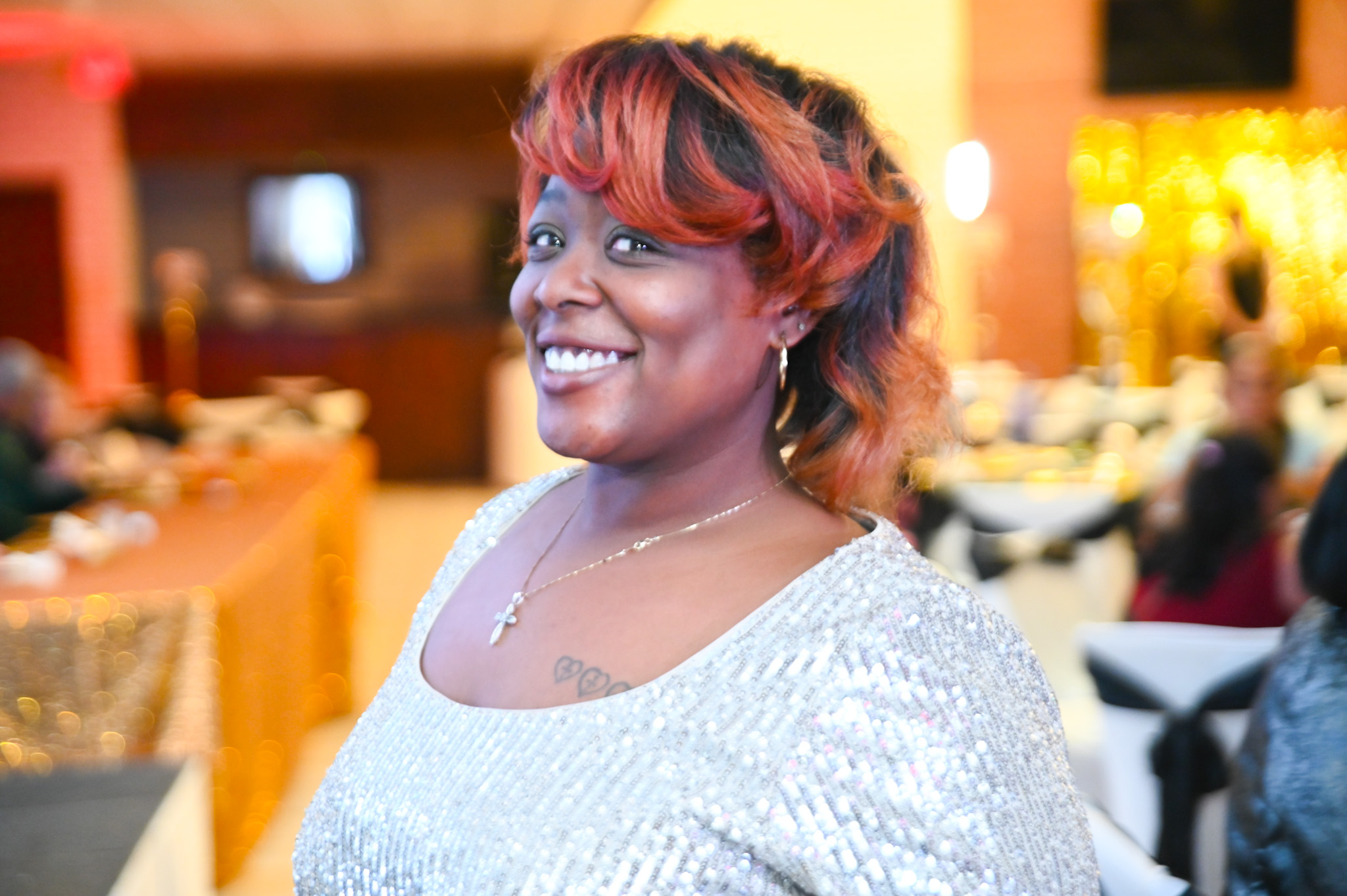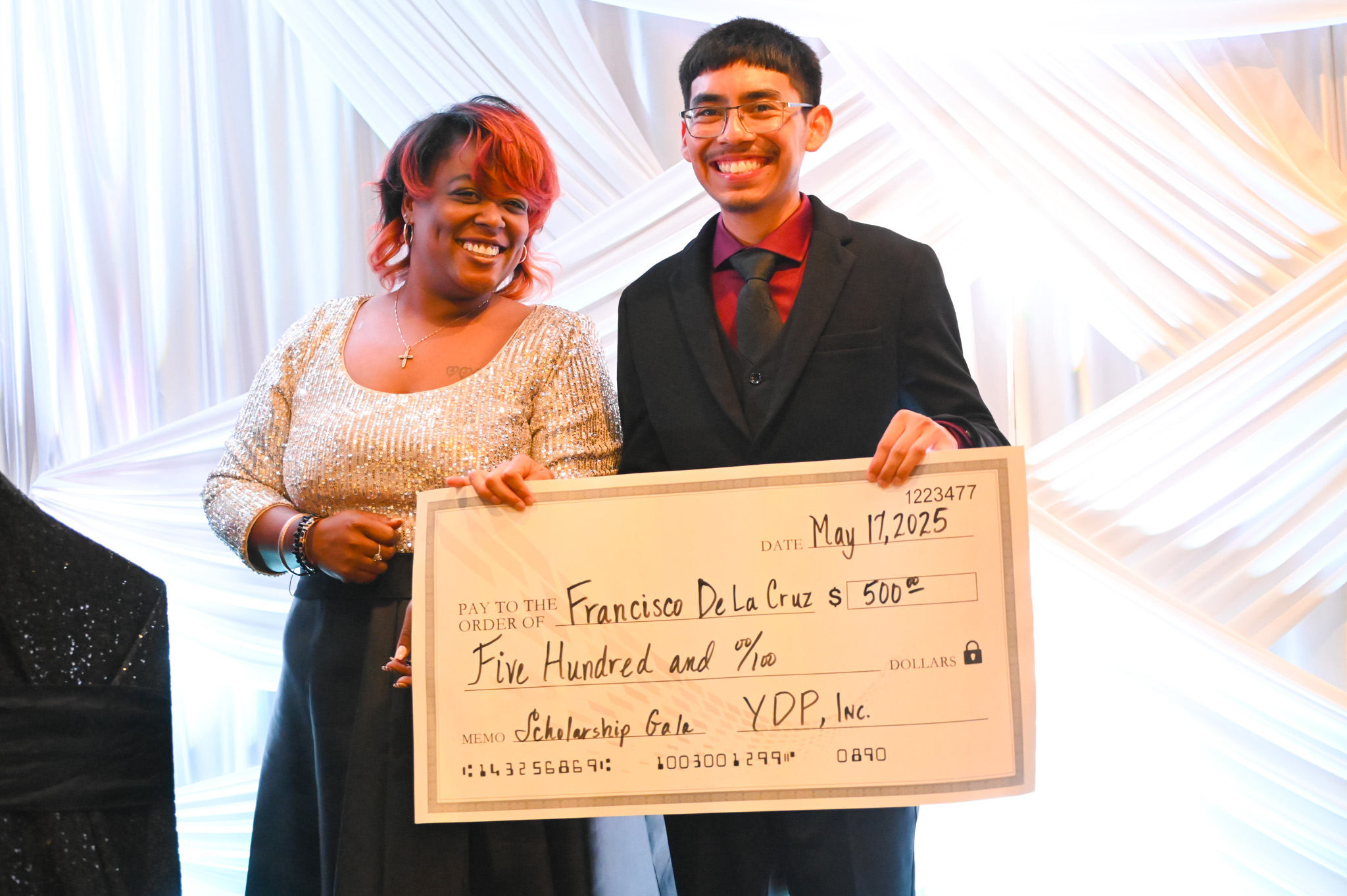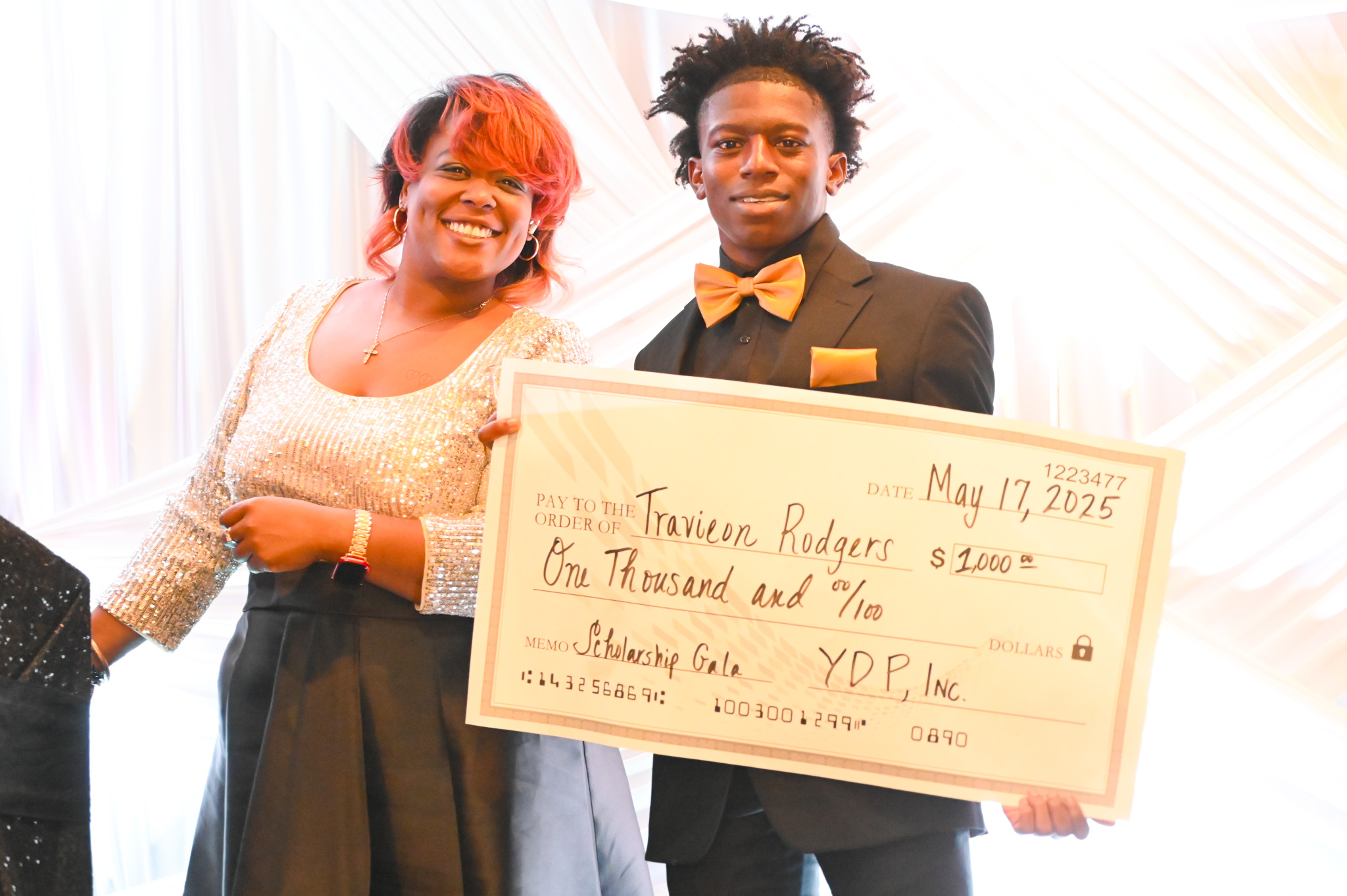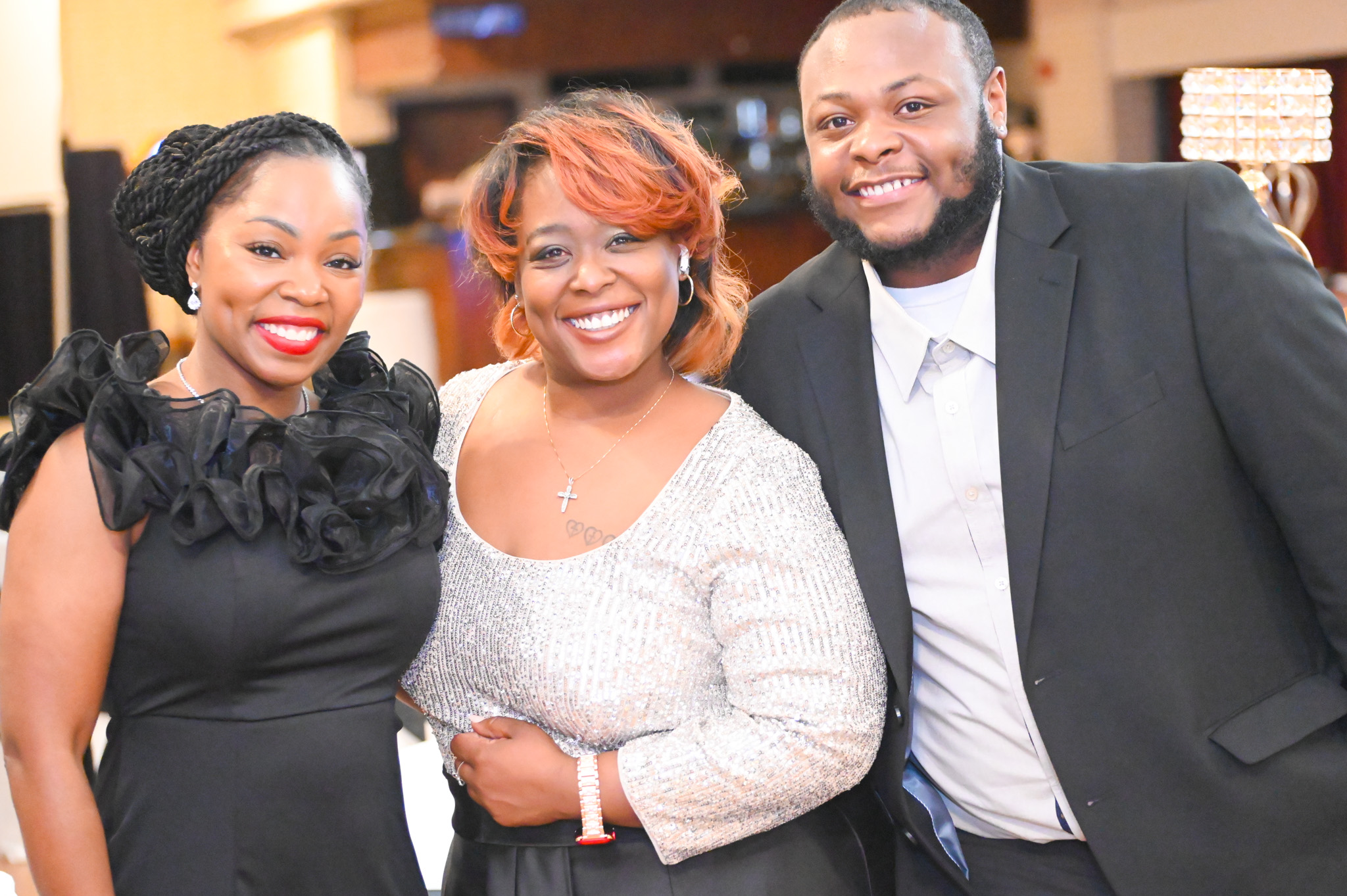





C. Joy Campbell shared their story and experiences with us recently and you can find our conversation below.
Hi C. Joy, thank you for taking the time to reflect back on your journey with us. I think our readers are in for a real treat. There is so much we can all learn from each other and so thank you again for opening up with us. Let’s get into it: Who are you learning from right now?
I’m C. Joy Campbell, MA, LCDC, a divorced mother of two beautiful daughters, CEO of Guiding Minds Counseling and Treatment Center, CEO/President of Your Discovery Place Inc., and founder of ReDirect Inc. I’m in a season where I’m leading, healing, and learning myself all at the same time. Guiding Minds now operates as a full outpatient counseling and treatment center for adults, Your Discovery Place Inc. serves at-risk youth and families across Dallas County, and ReDirect Inc. is my emerging housing and re-entry initiative designed to bring together treatment, housing, adult education, and workforce readiness so second-chance offenders, justice-involved women, and struggling families can truly rebuild their lives. Since my first Voyage feature, my life has shifted from “my husband and I” to me standing on my own as a solo CEO, navigating divorce, motherhood, and organizational growth, while discovering who I am as a woman, leader, believer, and visionary.
I see my future including my own podcast/show, where I show up as a healer, life coach, faith-based transformation coach, trauma-informed life strategist, and spiritual and practical guide. I want to hold real conversations about faith, trauma, addiction, justice involvement, womanhood, entrepreneurship, and starting over, and create a space where people feel seen, understood, and equipped with tools to change their lives. My podcast and future coaching work will simply extend what I already do in the counseling room and courtroom—helping people redirect their lives in every area: spiritually, mentally, emotionally, financially, and practically.
Right now, I’m learning from my clients and community, who teach me daily about resilience and what truly works; from my daughters, who remind me to balance purpose with presence; from mentors and fellow women leaders, who stretch my thinking around systems, policy, and sustainability; and from my own healing journey, as I unlearn survival mode, listen to my needs, and give myself the same grace I give my clients. At my core, I am both teacher and student, building Guiding Minds, Your Discovery Place, ReDirect Inc., and my future podcast into platforms that all carry the same message: there is no shame in starting over when you’re laying down the foundation of change.
Great, so let’s dive into your journey a bit more. Who were you before the world told you who you had to be?
Before the world told me who I had to be, I was just Joy, a little Black girl with a big imagination, a big heart, and a desire to fix everything and everyone around me. I was naturally a helper, a dreamer, and a feeler. I loved hard, I believed what people said, and I thought if I worked hard enough and behaved well enough, life would make sense and be fair. Over time, the world tried to turn that girl into a people-pleaser, an overachiever, and a “strong one” who carried everything but rarely felt safe enough to break down. I learned how to perform, how to show up, how to survive… even when I was hurting inside.
Before God told me that I was called to reach a generation that no longer knew who He was, I was trying to fit myself into the roles that made other people comfortable – wife, fixer, go-to person, perfectionist, and “strong friend.” I always had a heart for people on the margins, but I didn’t yet have language for it as a calling. When God started dealing with me, He reminded me of that original girl, the one who loved to talk, to encourage, to teach, to protect the underdog, and He showed me that none of that was random. He told me, “You’re not just surviving. You are assigned.” Assigned to second-chance offenders, assigned to families in pain, assigned to young people who’ve never seen real love from the church, assigned to people who think they’ve messed up too much to be used. So, who I was before the world told me who to be is who I’m circling back to now: Joy soft but firm, called, and committed to reminding a whole generation that God has not forgotten them.
What did suffering teach you that success never could?
Suffering taught me who I really was when everything I thought I could depend on began to shake. During COVID, I was navigating a failing marriage, a pandemic, financial uncertainty, and the pressure of still having to show up as “the strong one” for clients, staff, and my children. In that season, God stripped away a lot of the noise and titles and forced me to sit with myself. I learned that I had been finding my worth in what I could do for people, in being a wife, in being needed, and in constantly performing. Success had patted me on the back for all of that. Suffering exposed how exhausted, unseen, and spiritually empty I really was.
COVID and divorce together taught me that I am not in control, but I am held. I learned how to cry out to God from a very real place, not the polished church girl prayer, but the “Lord, I’m breaking, and I don’t know what to do next” prayer. I learned the difference between busyness and purpose, between loyalty and bondage, between being chosen and being used. In my pain, I discovered boundaries, self-respect, and that I am worthy of love that doesn’t require me to shrink or suffer to keep it. It was in that valley that I remembered: I am still Joy, still called, still anointed, even when my personal life is in pieces.
Success never slowed me down long enough to heal; suffering did. It taught me empathy on a deeper level. I don’t just serve people who are starting over; I am someone who had to start over. It softened my heart while sharpening my discernment. It made me a better mother, a more honest leader, and a more present healer. Now, when I sit with a client going through divorce, addiction, loss, or shame, I’m not talking from a distance. I know what it feels like to rebuild from the ground up. Suffering taught me that resurrection isn’t just a Bible story; it’s a way of life.
So a lot of these questions go deep, but if you are open to it, we’ve got a few more questions that we’d love to get your take on. Is the public version of you the real you?
Is the public version of me the real me? I believe so. What people see in public is the same woman who prays, cries, laughs loudly, and fights for her clients behind the scenes. I’m not putting on a “brand” just to be seen, I really am that advocate, that nurturer, that straight-talker who wants to see people win. I don’t just show up for second-chance offenders, youth, and families in front of the camera or on a flyer; I show up for them in courtrooms, treatment plans, late-night calls, and challenging conversations.
At the same time, I’ve learned to advocate for myself the way I advocate for the people I serve. That means the public version of me is real, but she also has better boundaries now. I’ve learned that I can be transparent without bleeding, I can be strong and still say “I’m not okay today,” and I can lead others while still honoring my own healing. So yes, what you see is truly me, a woman who is still growing, still healing, still called, but now I’m just as committed to protecting Joy as I am to safeguarding the communities I serve.
Before we go, we’d love to hear your thoughts on some longer-run, legacy type questions. What do you understand deeply that most people don’t?
I deeply understand the mindset of a person who’s been labeled a “criminal” and someone coming out of low-income, severe poverty who’s still trying to become something. Many people only see the case number, the charge, the mugshot, or the attitude. I know the survival mode, the trauma, the unhealed child, the lack of options, and the way the system has been stacked against them for generations. I understand what it’s like to make decisions from a place of fear, scarcity, and desperation, not because a person is “bad,” but because they’ve never really been shown another way that felt real, accessible, or safe. I understand the shame of always feeling behind, the frustration of wanting to change but not having access to transportation, childcare, decent housing, or someone to advocate for you when you walk into a courtroom or a boardroom.
I also understand the fight inside of them, that little spark that still wants more, even when life has told them over and over that “people like you don’t make it.” I get the mindset of someone who is tired of being associated with their past but doesn’t yet fully believe they deserve a different future. That’s why my work is so focused on mindset, systems, and support. I don’t just see “a criminal” or “a poor person”; I see someone who is managing trauma, stigma, addiction, and poverty all at once while still trying to become a better parent, partner, and person. I understand that if you change how they see themselves and surround them with real resources, accountability, and love, that same person can become a leader, a business owner, a healer, and an example for the next generation.
Contact Info:
- Website: https://www.guidingmindsed.com
- Instagram: https://www.instagram.com/guidingmindsed/?hl=en
- Linkedin: https://www.linkedin.com/company/guiding-minds-ministries-llc
- Facebook: https://www.facebook.com/guidingmindsed/