



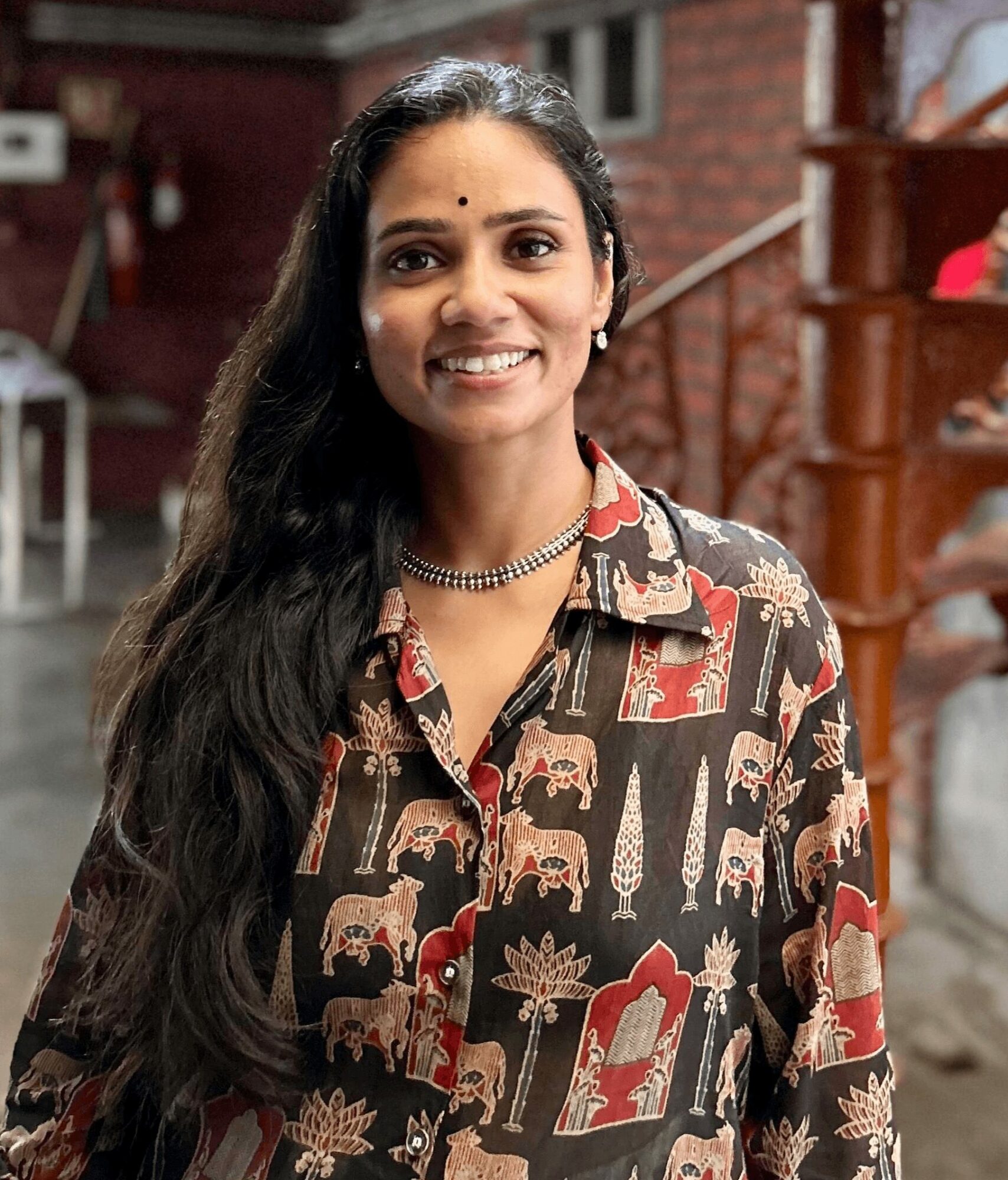
Today we’d like to introduce you to Diya Kalia.
Diya, we appreciate you taking the time to share your story with us today. Where does your story begin?
My journey in pottery began long before I imagined it could be a career. As a little girl in India, I would dig clay straight from the ground and shape it into tiny kitchen utensils. I’d sun-dry them and spend hours playing, completely lost in that world. What began as play became a quiet passion that stayed with me.
I went on to earn a Master’s degree in Ceramic and Glass Design from the National Institute of Design (NID), India. After graduating, I worked closely with craft communities across the country—experiences that deeply shaped my approach to art and tradition.
When I moved to the U.S., I continued my ceramic journey through various studios before starting out independently. In 2019, I co-shared a studio with an established artist, and that’s when Folklorez Art Colab was born.
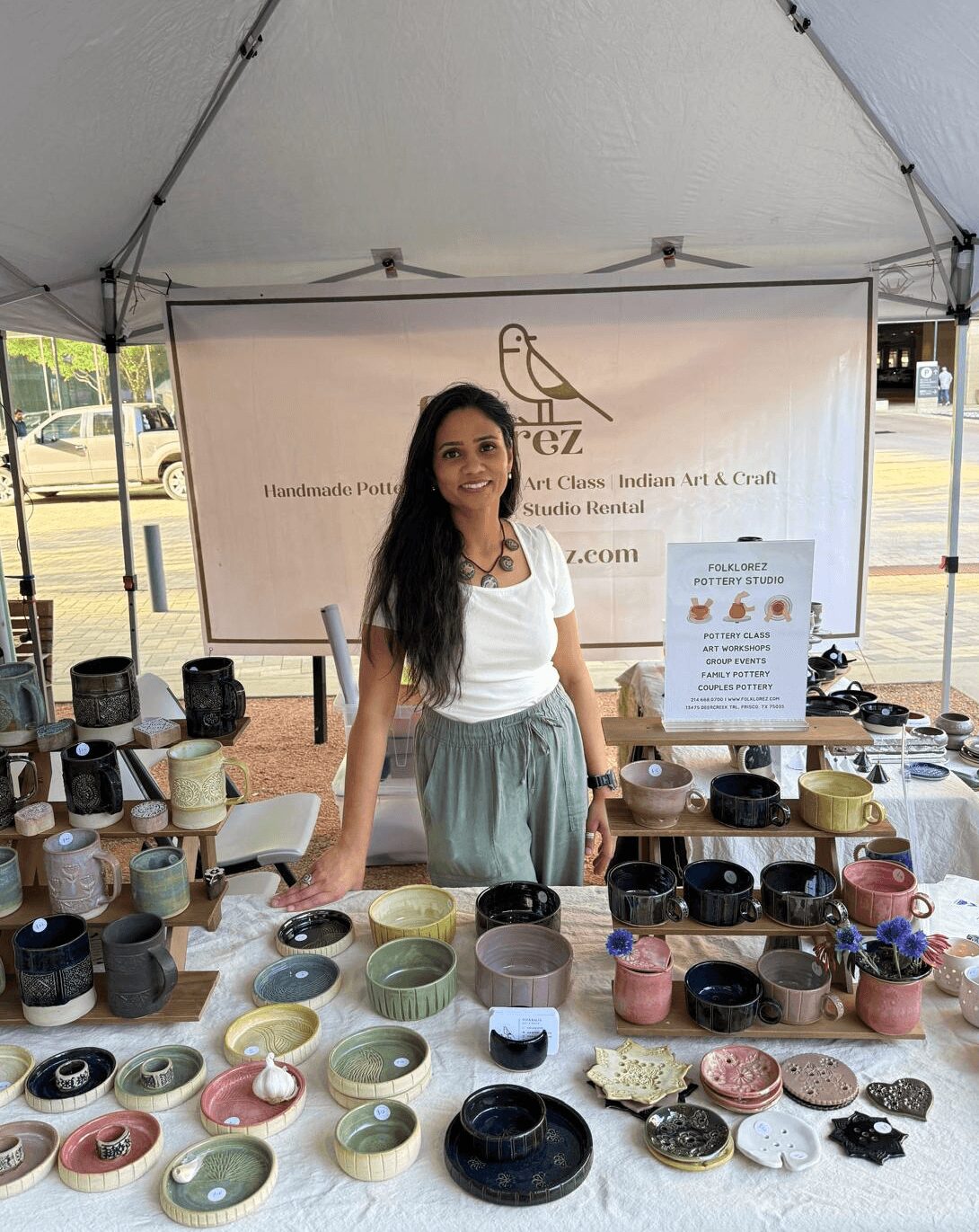
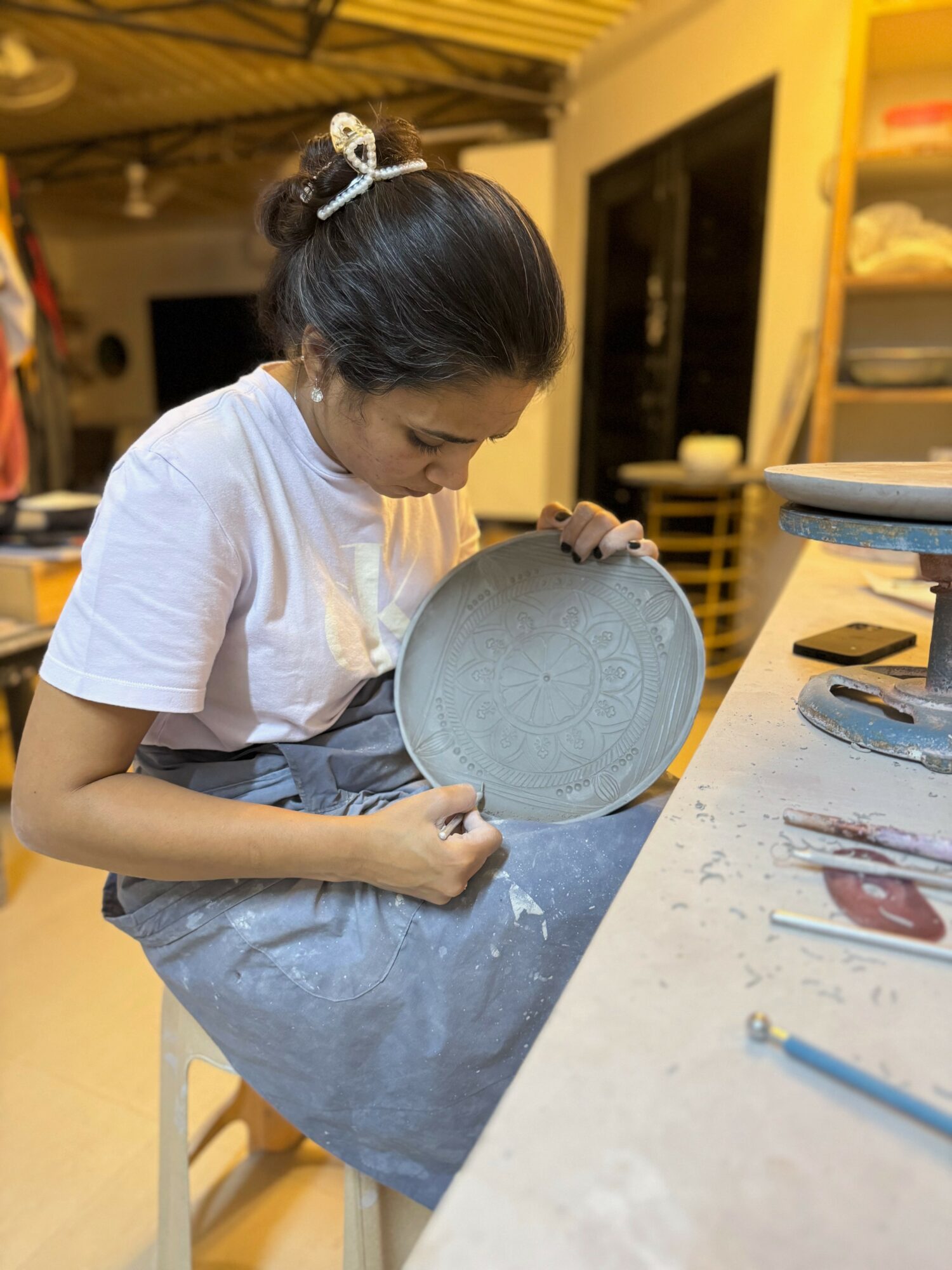
Folklorez is a space rooted in clay, culture, and connection. It’s about teaching pottery, bringing people closer to their roots, and celebrating individual creativity. Whether through workshops or open studio sessions, my goal is to make space for people to express themselves and find joy in the handmade. It’s also become a way to bring together like-minded souls who value craft, culture, and community.
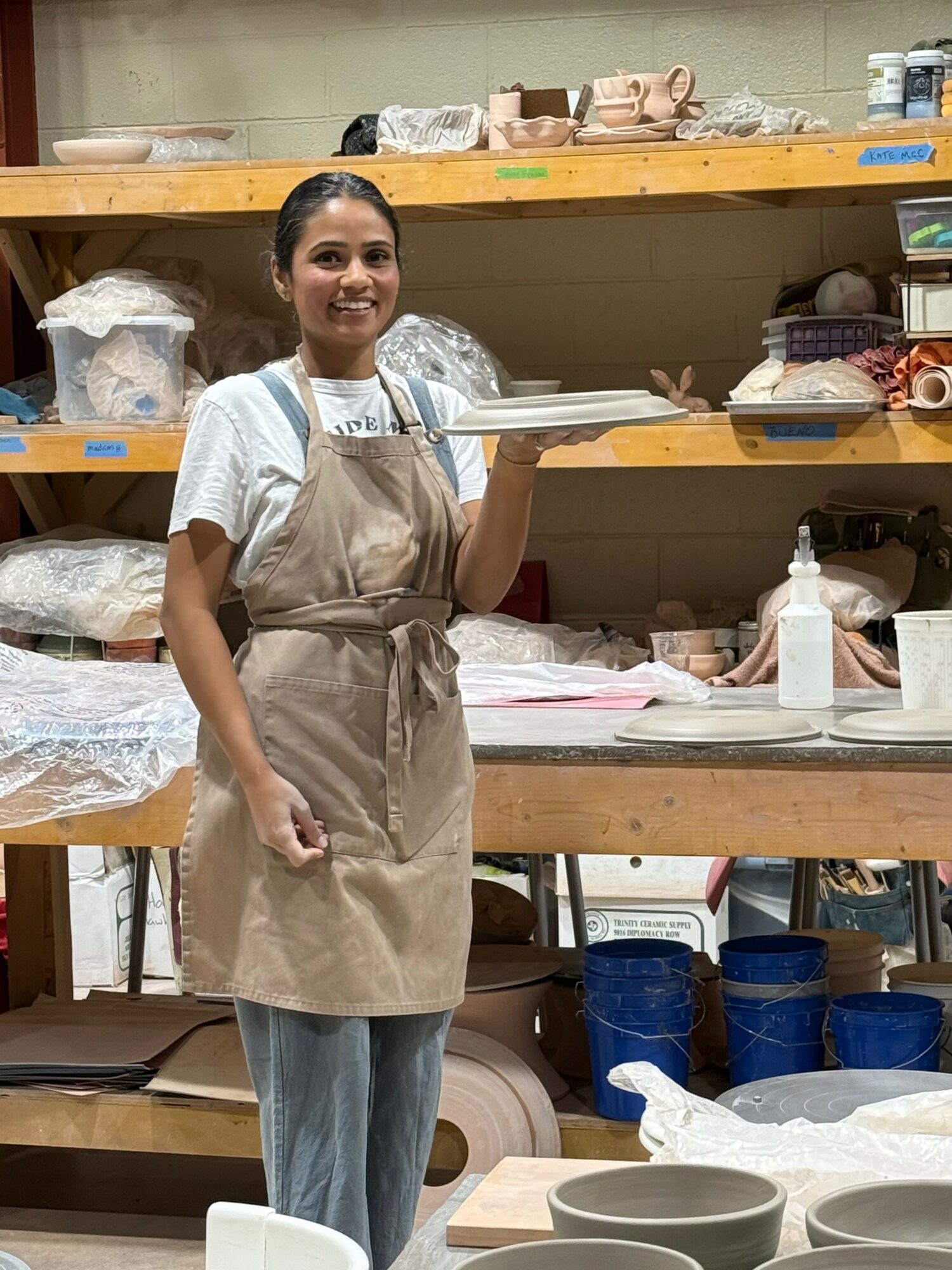
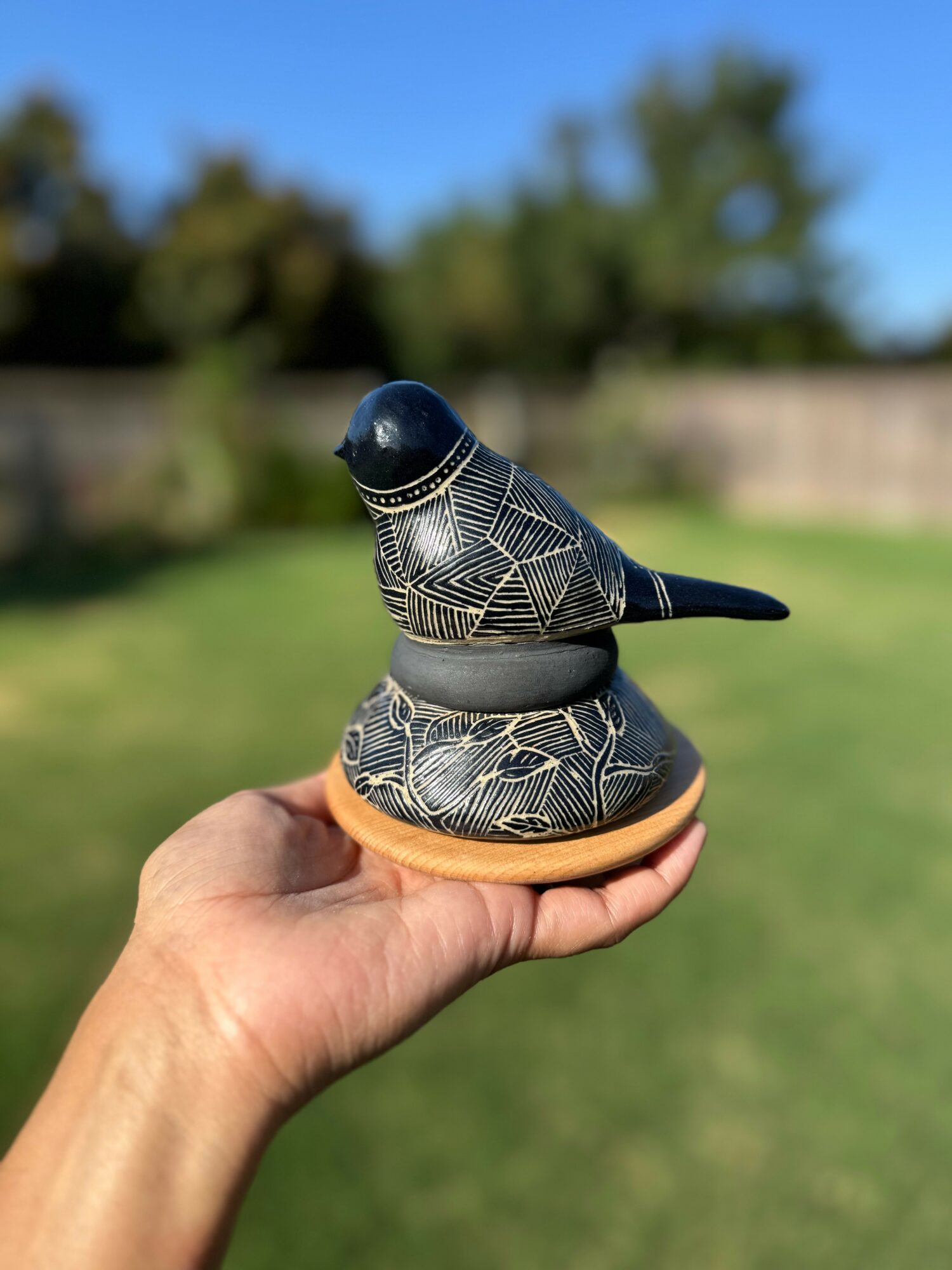
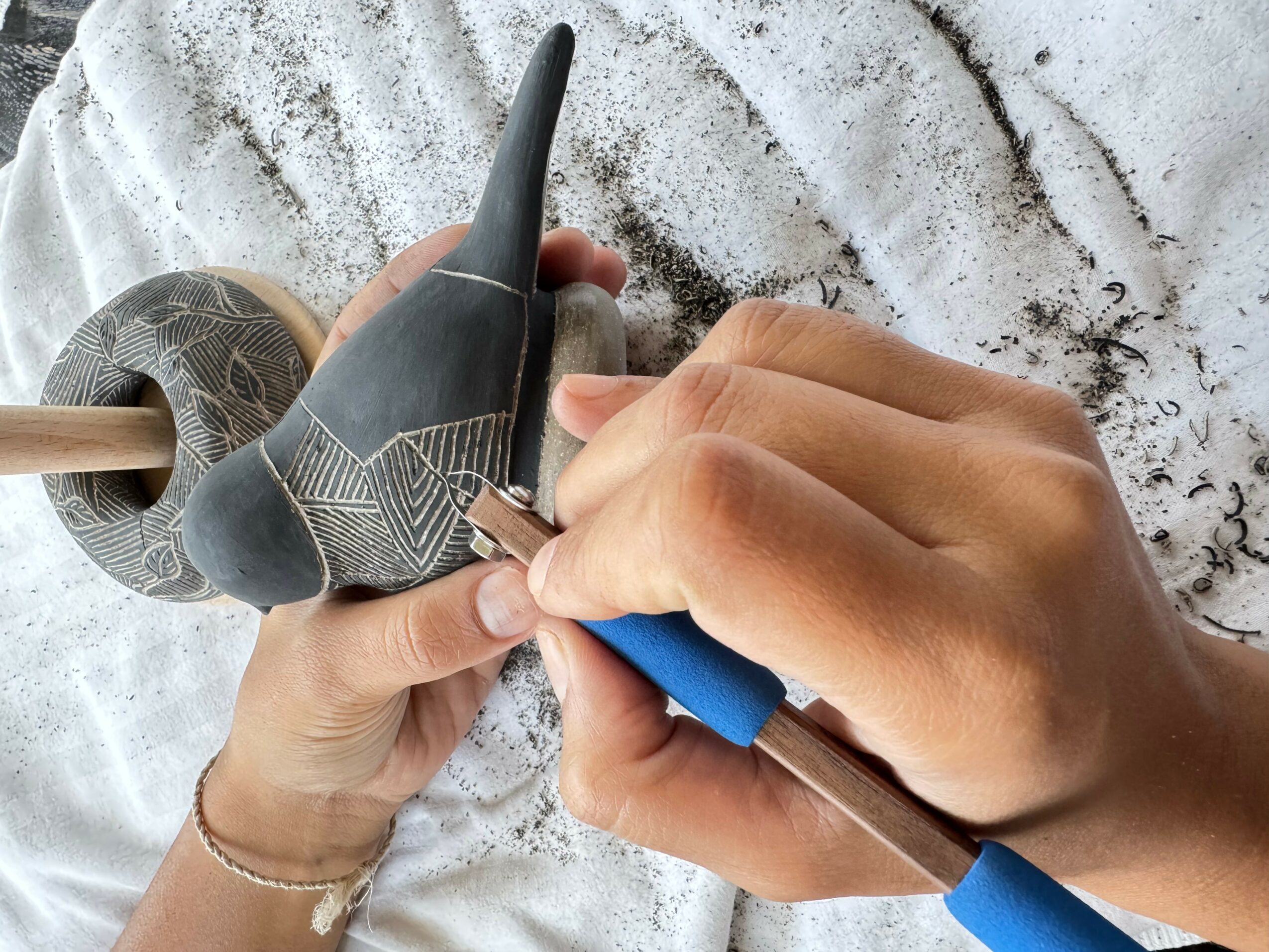
These days, I’ve shifted my focus more toward teaching and developing my own work. I create both functional and decorative pottery through wheel throwing and hand building—often inspired by Indian art, textiles, and traditional motifs.
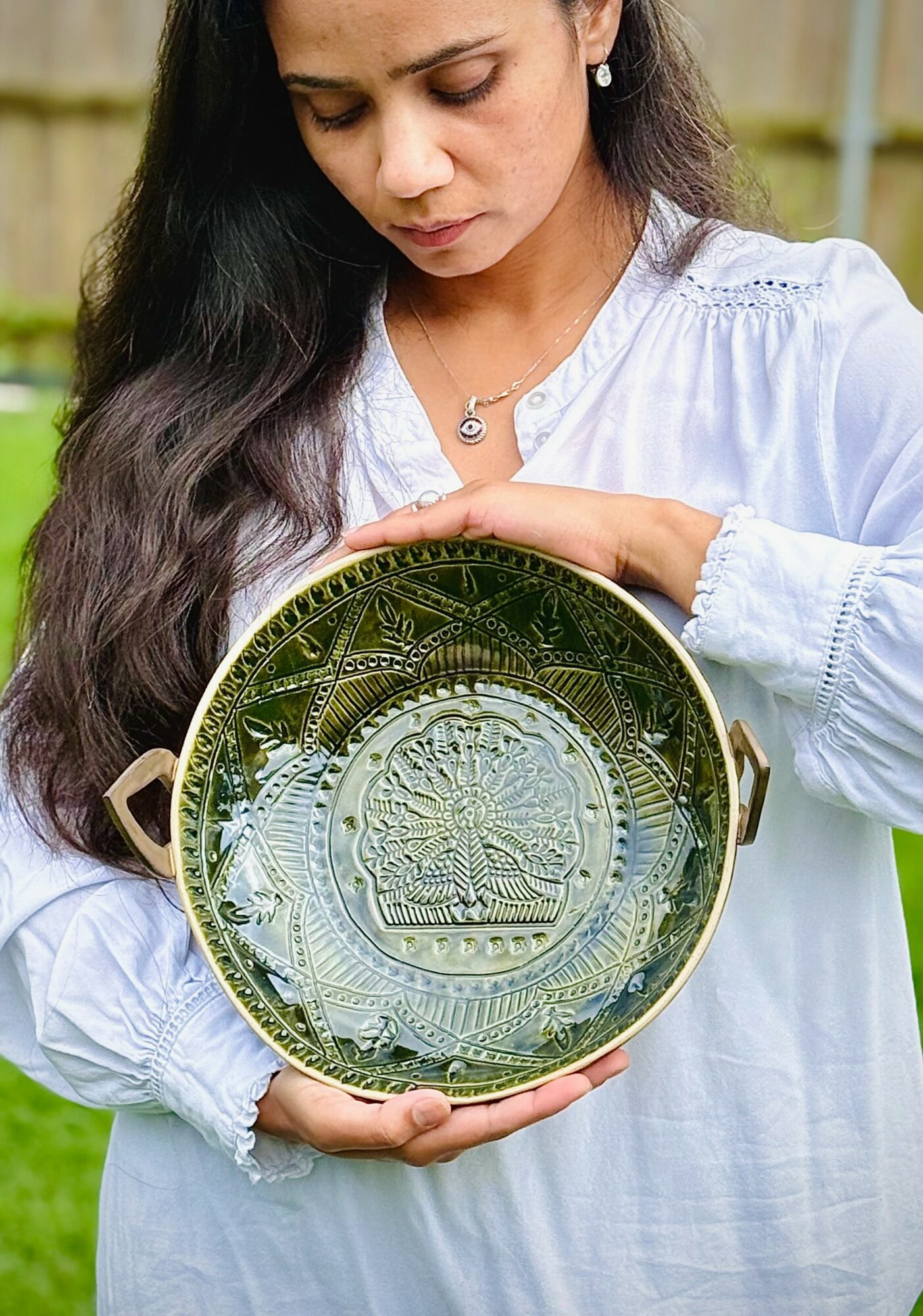
One of the most meaningful moments in my journey was designing a custom platter for Michelin-star chef Vikas Khanna, inspired by traditional Indian utensils and decorated with hand block prints, spices like cardamom and clove, and intricate carvings. It brought together everything I value—heritage, storytelling, and the handmade.
Through Folklorez and my practice, I continue to explore clay as a storyteller—one that honors culture, memory, and the beauty of individuality.
We all face challenges, but looking back would you describe it as a relatively smooth road?
I wouldn’t say the road was filled with major obstacles, but there were definitely challenges—especially in the beginning. Coming from a design and art background in India, where I had structure, guidance, and a creative ecosystem, moving to the U.S. felt like starting all over again. I had no network here, no one to ask for help, and no clear direction on how to continue my practice. I had to figure out everything on my own—how to find studio access, where to get materials, how the art world worked here.
Of course, I had the emotional support of my family and especially my husband, who has always encouraged me. But professionally, it took time to find my footing. Things slowly started to shift when I began visiting community studios. That’s where I started meeting people—makers, mentors, fellow artists—and one thing led to another.
I consider myself incredibly lucky to have met the right people along the way. Their guidance, kindness, and shared knowledge helped me build the foundation I needed to eventually set up my own studio. But I’ll be honest—those early days felt uncertain. There were moments when it felt like I was going nowhere. It’s only with time, persistence, and connection that things began to unfold.
Thanks for sharing that. So, maybe next you can tell us a bit more about your work?
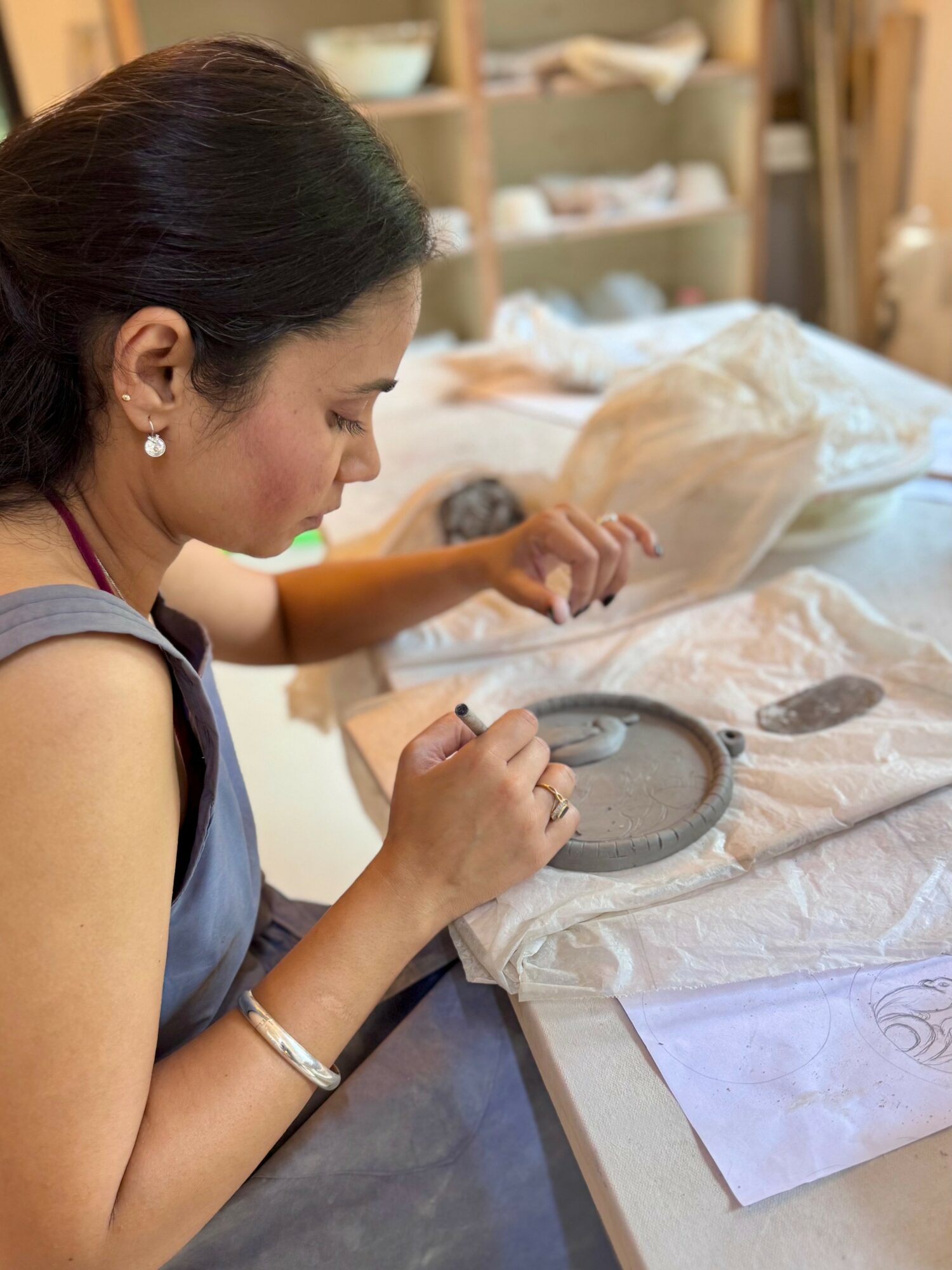
As a ceramic artist, my work is a quiet dialogue between tradition and the modern world—an attempt to create a symphony where the roots of Indian art, culture, and craftsmanship meet contemporary form. Deeply inspired by traditional Indian handicrafts, colors, and everyday objects, I often incorporate natural elements like leaves, flowers, and even spices such as cloves and cardamom into my surface designs. I use hand-carved wooden block prints sourced from India, along with techniques like carving and inlay, to bring texture and storytelling to each piece. Many of my forms are drawn from nature or classic Indian utensils—like the platter I crafted for Chef Vikas Khanna, inspired by the kadhai, layered with spice imprints and block print textures. Through my work, I hope to honor where I come from while creating pieces that speak to the world we live in today.
Is there anyone you’d like to thank or give credit to?
I am nothing without the support I get from everyone I cross paths with—those who show me love, encouragement, and guidance at every step. From my family and my incredibly supportive husband, to friends in India who go out of their way to help me source materials or ideas, I’m constantly surrounded by people who lift me up. Every small win has felt bigger because of the people who celebrate it with me, and every moment of doubt has been met with a reassuring hand that brings me back to my path. Their belief in me fuels my own, and for that, I’m endlessly grateful.
Contact Info:
- Website: https://www.folklorez.com
- Instagram: folklorez_