





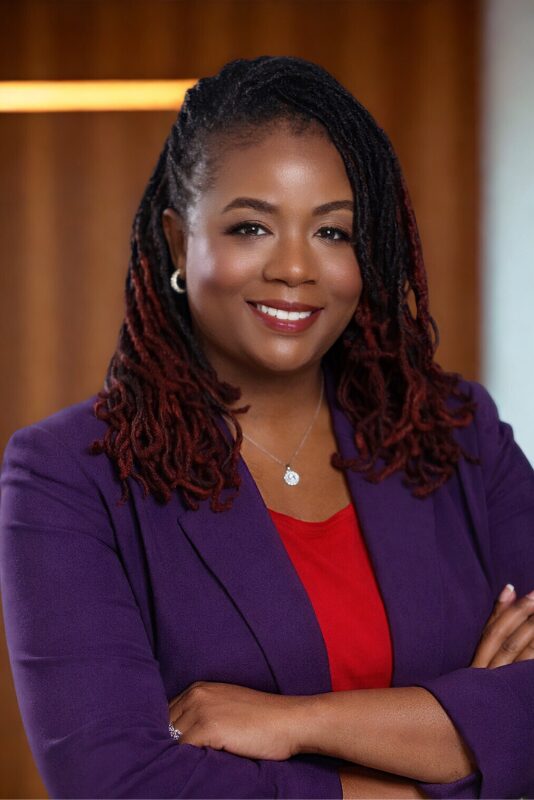
Today we’d like to introduce you to Dr. Twanda Wadlington, DrPH, MPH.
Hi Dr. Twanda, we’re thrilled to have a chance to learn your story today. So, before we get into specifics, maybe you can briefly walk us through how you got to where you are today?
I am a proud Memphis native, and my journey has always been rooted in a desire to strengthen communities and expand what is possible for people who have been historically overlooked. That passion first took shape at Fisk University, where I studied Biology and began to understand how science, community, and lived experience intersect to shape health outcomes. Opportunities like the Summer Medical and Dental Education Program at Duke University and traveling to South Africa with the International Scholar Laureate Program helped me see that health is not only a clinical issue. It is a matter of equity, access, and the environments that support human potential.
This understanding guided me into public health. I earned my Master of Public Health and a Certificate in Epidemiology from East Tennessee State University, followed by my Doctor of Public Health in Community and Behavioral Health. My training included work at the Centers for Disease Control and Prevention and a return to South Africa to support community-driven solutions for children and families in Munsieville. These experiences taught me that leadership in public health requires humility, partnership, and a commitment to long-term change.
Throughout my career, I have focused on building healthier systems and stronger communities. I have coordinated cancer coalitions, managed heart health campaigns, and conducted research on food insecurity in the Mississippi Delta. I have taught public health and statistics at LeMoyne Owen College, served as DrPH contributing faculty for Walden University, taught at the University of North Texas at Dallas, and consulted for Meharry Medical College’s HBCU Wellness Project. Teaching and mentoring have allowed me to invest in the next generation of public health leaders, which remains one of the most meaningful parts of my work.
In 2018, I moved to Texas and joined My Health My Resources (MHMR) of Tarrant County as Grants Manager. That opportunity opened the door to a new chapter in leadership and philanthropy. Today, I serve as the Senior Director of Development, Executive Director of the MHMR Foundation, and a member of MHMR’s Executive Leadership Team. In these roles, I lead philanthropic strategy and resource development for one of the largest behavioral health and disability service providers in Texas. My work focuses on expanding access to mental health care, early childhood intervention, substance use recovery, and community wellness across Tarrant County.
I am also honored to be a member of the Leadership Fort Worth Class of 2026. This cohort represents a powerful group of changemakers who are committed to learning, connecting, and leading positive impact across the city. It is inspiring to stand alongside leaders who are exploring local issues, engaging across sectors, and shaping the future of our community.
When I reflect on my path, I see a journey that has been purposeful rather than linear. Every fellowship, every classroom, every research project, and every leadership role has shaped the way I serve today. I remain committed to reducing health disparities, expanding opportunities, and building systems that honor the dignity of every person.
My story is still unfolding. My mission remains steady. I am here to lead, to serve, and to help create healthier and more equitable communities, one partnership and one possibility at a time.
Would you say it’s been a smooth road, and if not what are some of the biggest challenges you’ve faced along the way?
Not at all. The road has been meaningful, but it has not been smooth. Working in grants and development before and after COVID required a level of resilience that reshaped how I lead. Before the pandemic, the work was already complex. It required building relationships, aligning community needs with funder priorities, and navigating systems that often moved slowly.
COVID changed the landscape overnight. Community needs surged, especially in behavioral health, early childhood intervention, and intellectual and developmental disability (IDD) services. At the same time, funders shifted priorities, timelines tightened, and the competition for resources intensified. As a leader in development, I had to rethink how we engaged partners, how we told our story, and how we advocated for programs that were stretched to their limits.
Today, in my role as Senior Director of Development, Executive Director of the MHMR Foundation, and a member of the MHMR Executive Leadership Team, I carry those lessons forward. The Foundation exists to support the mission of MHMR of Tarrant County, which is to improve lives through accessible mental health care, substance use recovery, IDD services, and early childhood supports. Our nonprofit raises the resources that allow people to receive care regardless of their circumstances.
Navigating the challenges of the pandemic strengthened my commitment to this mission. It taught me to lead with clarity, compassion, and strategy, and to champion the programs and people who make healing possible in our community.
As you know, we’re big fans of you and your work. For our readers who might not be as familiar what can you tell them about what you do?
My work focuses on strengthening communities through public health, philanthropy, and strategic leadership. I specialize in connecting complex community needs with the resources and partnerships required to expand access to mental health care, early childhood supports, IDD services, and substance use recovery in Tarrant County.
I am known for translating public health challenges into compelling cases for investment. My background in epidemiology and community health allows me to approach development with both analytical precision and a deep commitment to equity. I build strong relationships with funders, cultivate cross-sector partnerships, and design sustainable funding strategies that support programs serving thousands of individuals and families.
I am most proud of the impact this work has on real people. When a child receives early intervention services or an adult finds stability through mental health care, it reinforces why this mission matters. Helping secure the resources that make these outcomes possible is an honor.
What sets me apart is the blend of public health expertise, philanthropic strategy, and community-centered leadership. I understand the issues, the systems behind them, and the partnerships needed to create long-term change. My work is not only about raising funds. It is about building a healthier and more equitable community, one opportunity at a time.
What has been the most important lesson you’ve learned along your journey?
The most important lesson I’ve learned along my journey is the power of flexibility. Nothing in this work – whether philanthropy, public health, or community leadership – moves in a straight line. Priorities shift, crises emerge, funding landscapes change, and the needs of the community evolve faster than any strategic plan can predict.
I’ve learned to expect the unexpected and to meet it with openness rather than resistance. Flexibility isn’t about being unprepared; it’s about being prepared to adapt. It’s the ability to pivot with purpose, to reimagine solutions when the original plan no longer fits, and to stay grounded in mission even when the path forward looks different than you anticipated.
That mindset has allowed me to lead with steadiness through uncertainty, to innovate when circumstances demanded creativity, and to see challenges as invitations to grow rather than obstacles to fear.
Pricing:
- Since my work is rooted in philanthropy rather than direct service pricing, the most relevant information for readers relates to how individuals and organizations can support the MHMR Foundation and the impact of their contributions.
- The MHMR Foundation accepts donations of any size to support mental health care, IDD services, early childhood intervention, and substance use recovery in Tarrant County.
- Corporate and community partners can sponsor programs, events, or specific initiatives that align with their mission and values.
- Grantmakers and philanthropic organizations can collaborate with us to expand access to care for underserved populations.
- All contributions directly support programs that help individuals and families receive services regardless of their ability to pay.
Contact Info:
- Website: https://www.MHMRFoundation.org
- Instagram: https://www.instagram.com/mhmr_tarrant/
- Facebook: https://www.facebook.com/MHMRtarrant/
- Other: www.MHMRTarrant.org and Foundation@mhmrtc.org
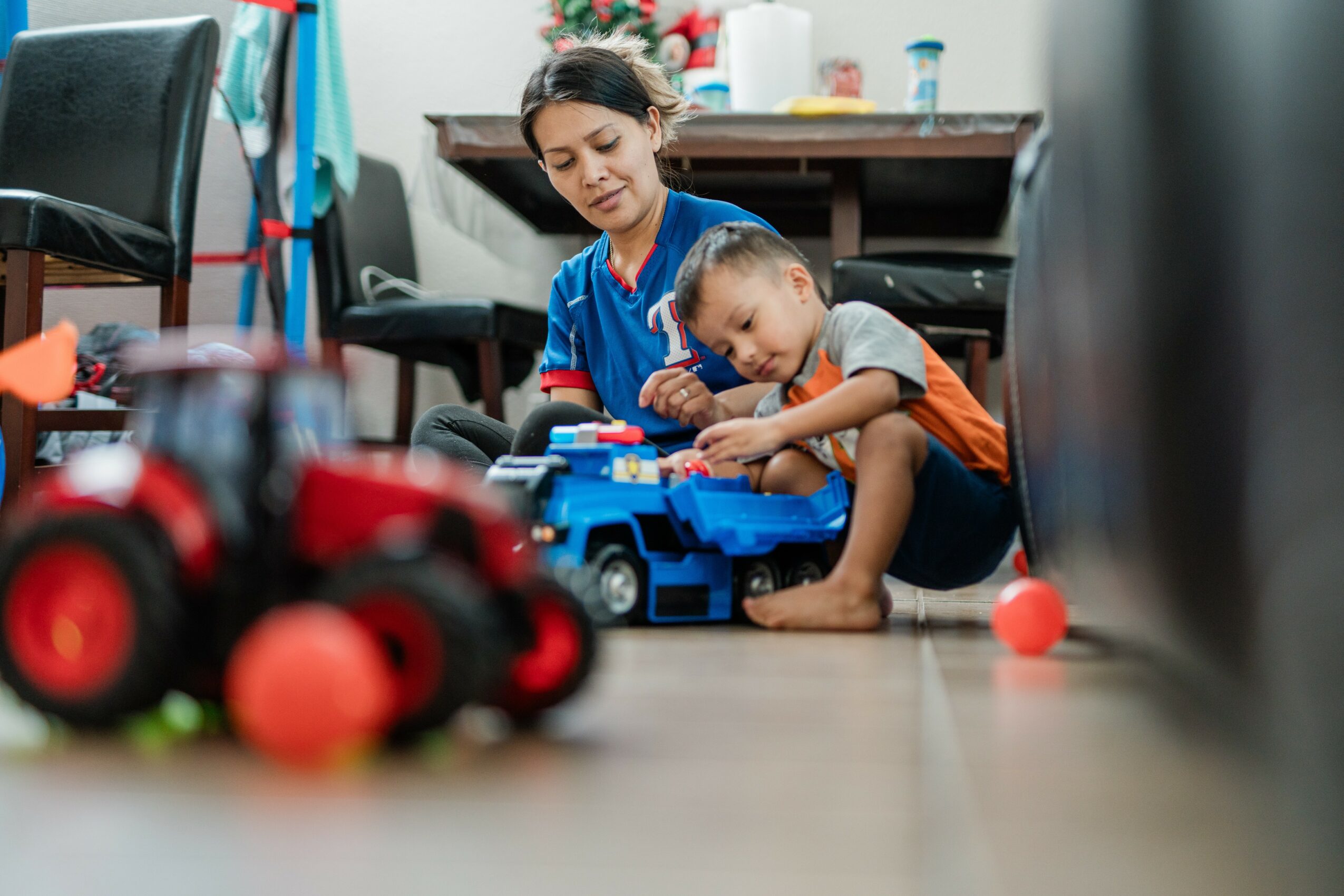
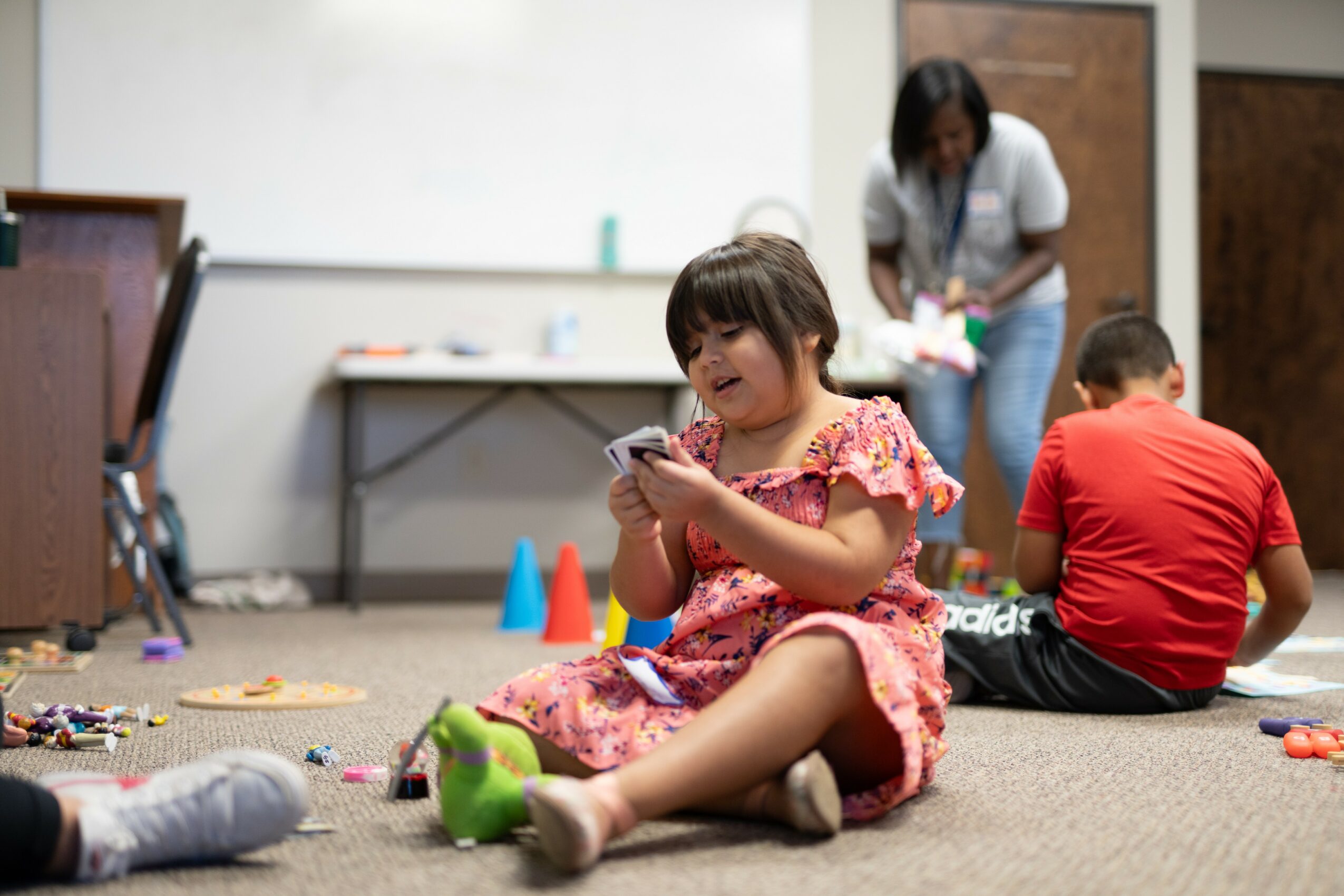
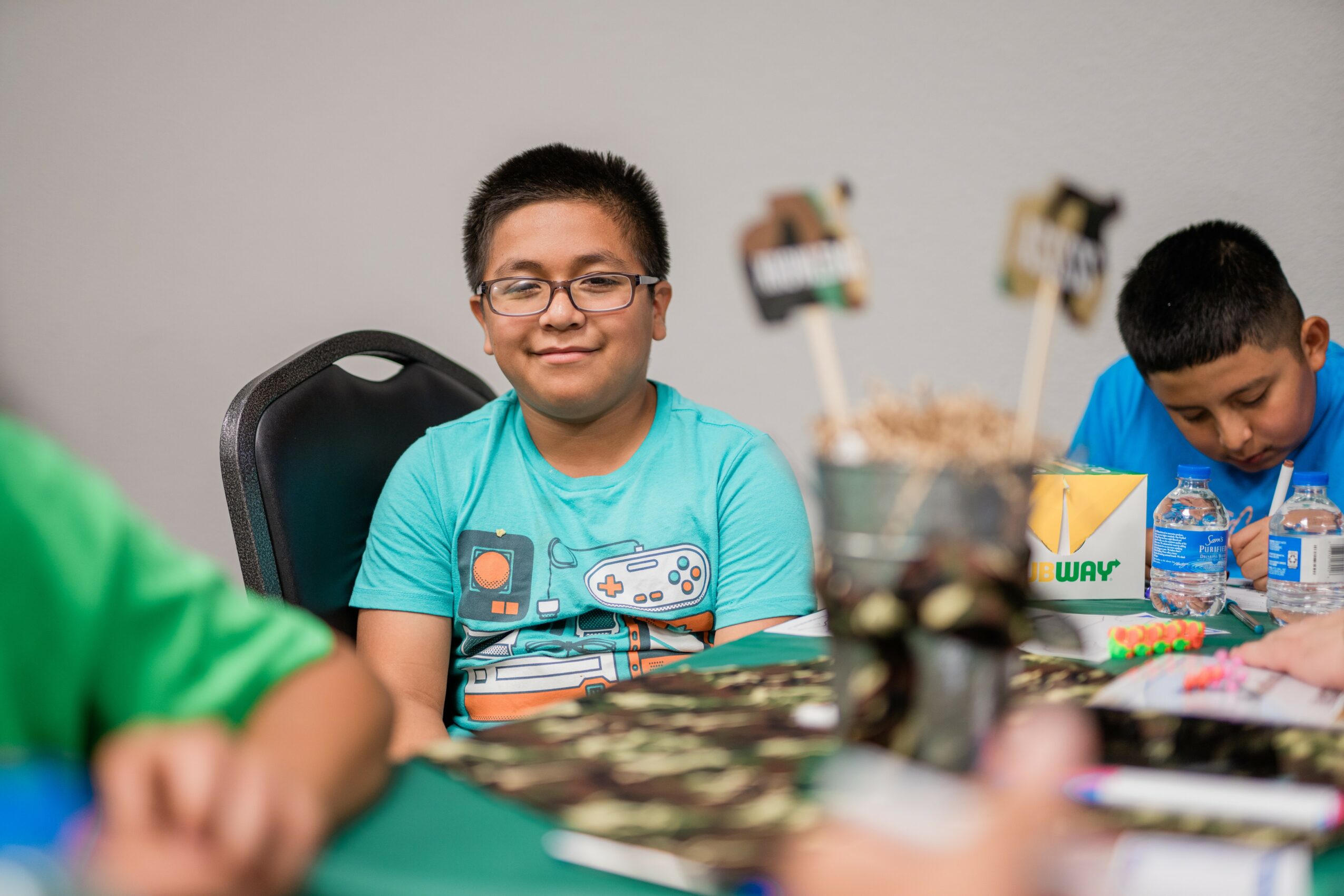
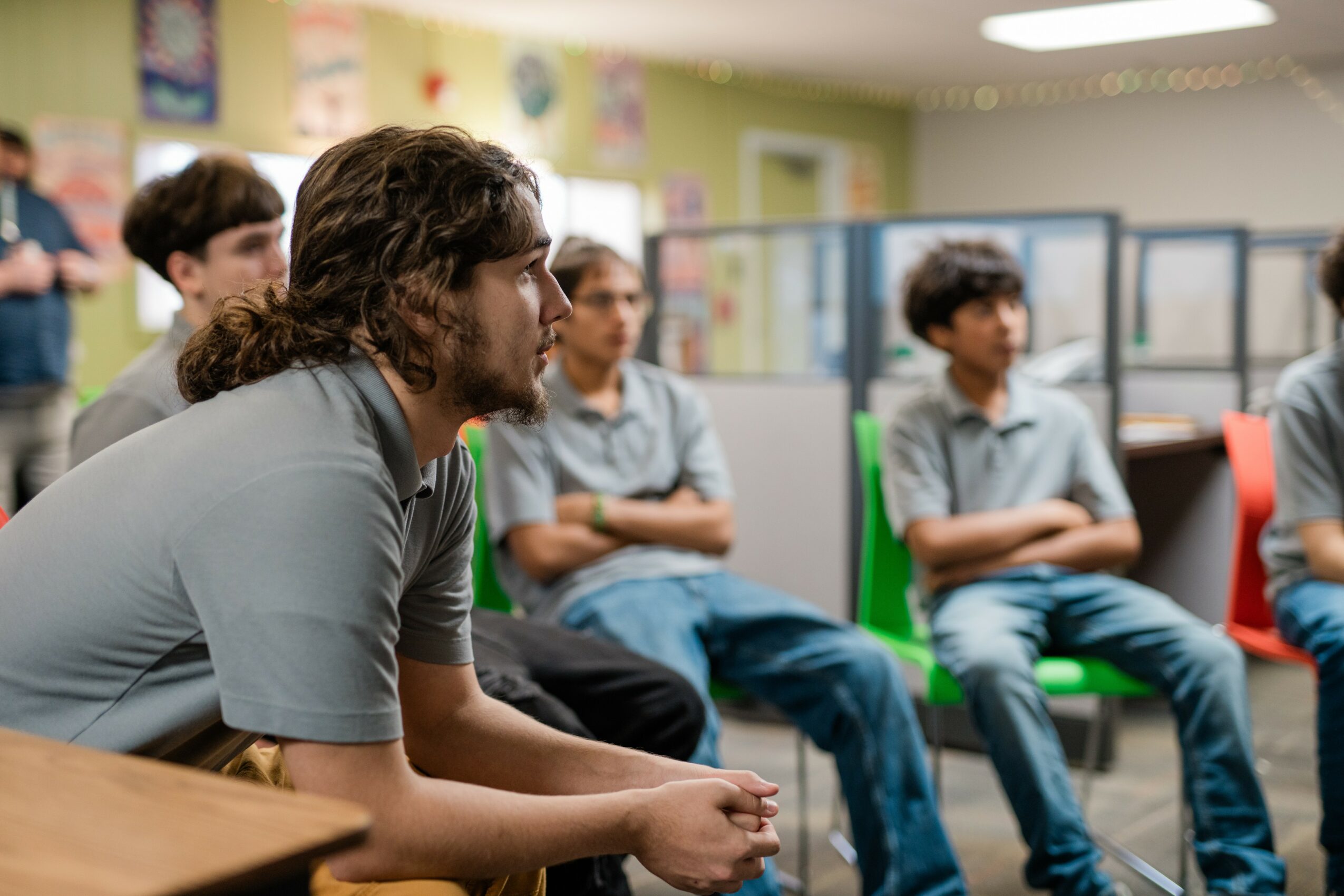
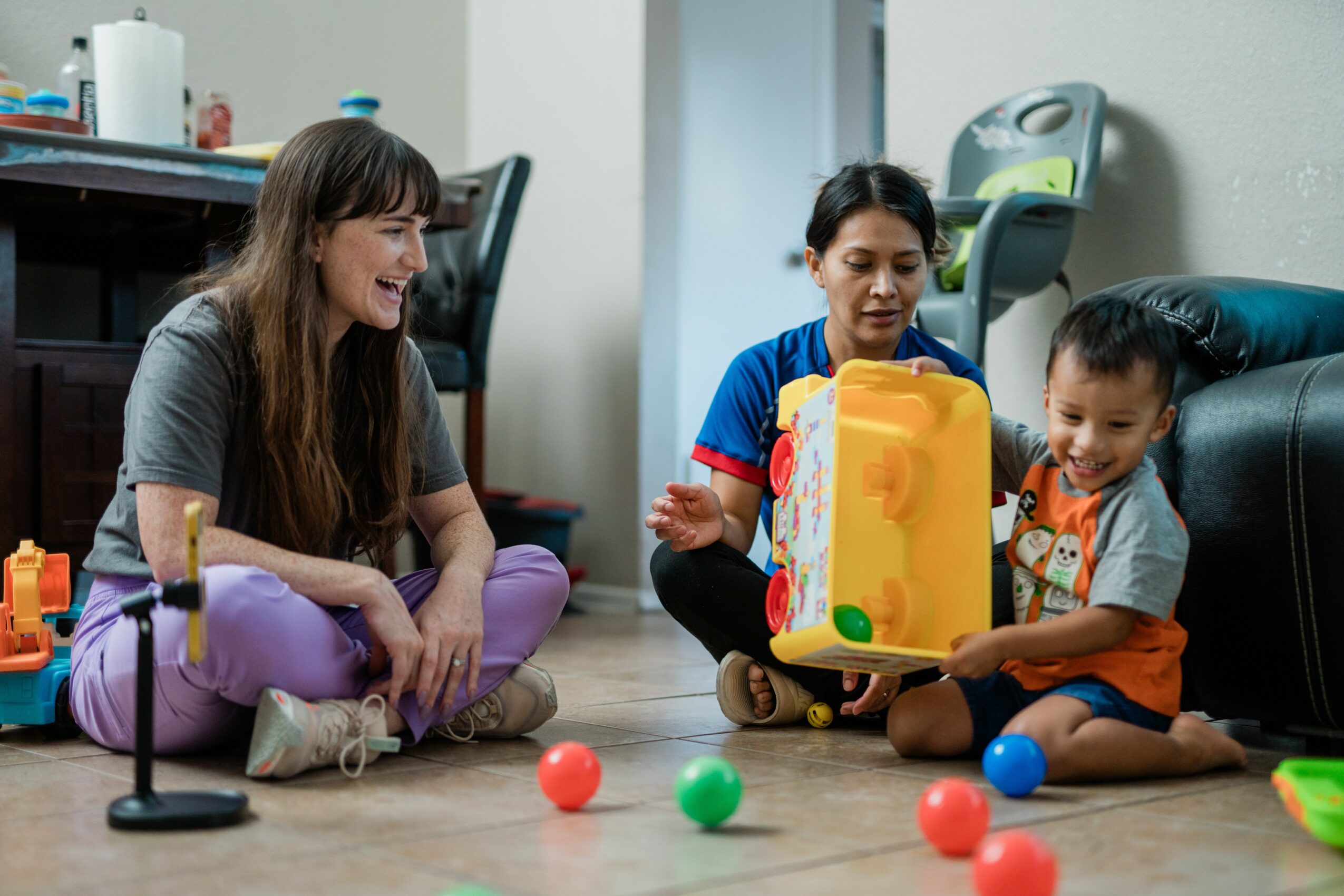
Image Credits
Images approved by MHMR of Tarrant County/MHMR Foundation Communication Department.