






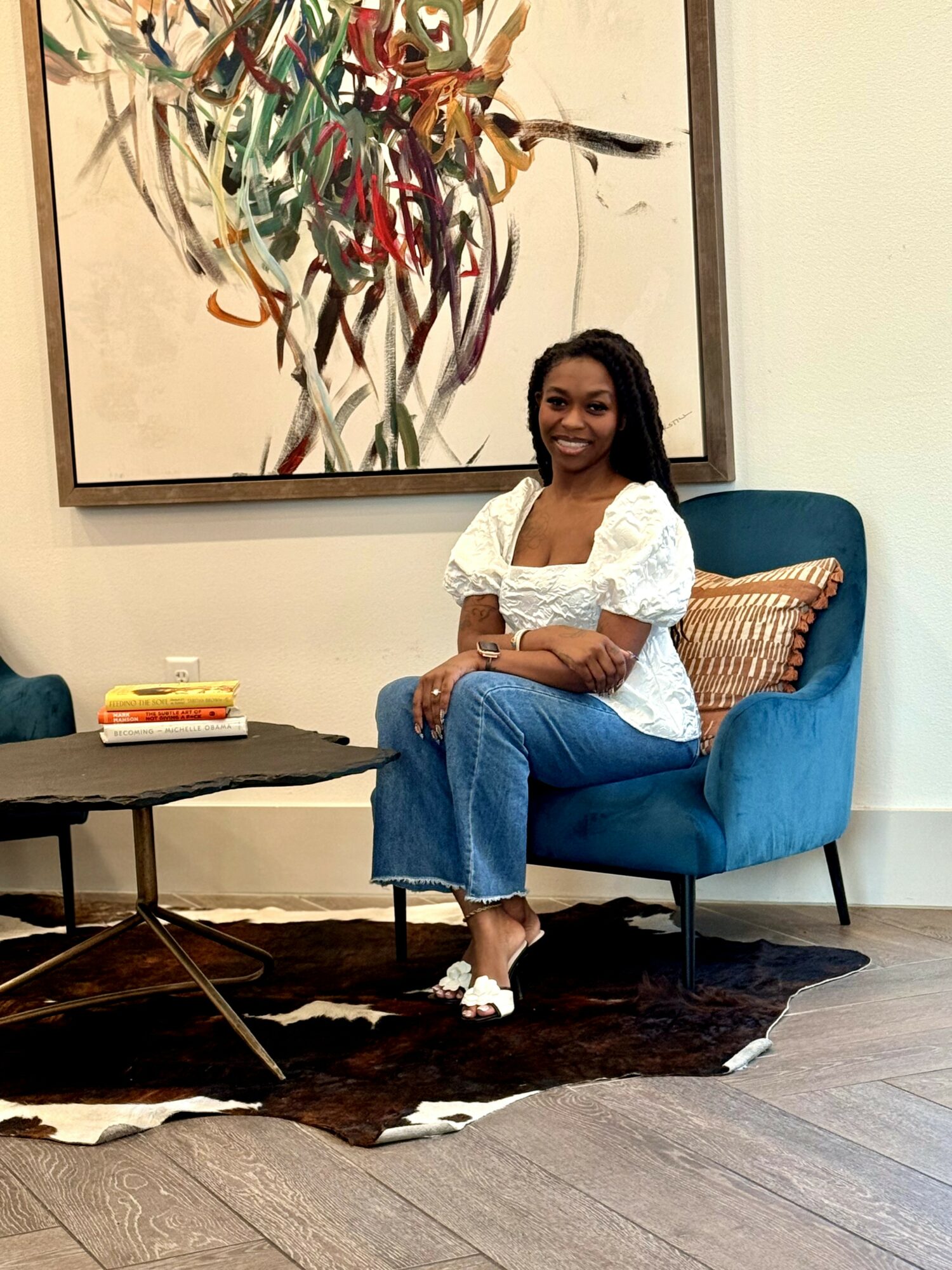
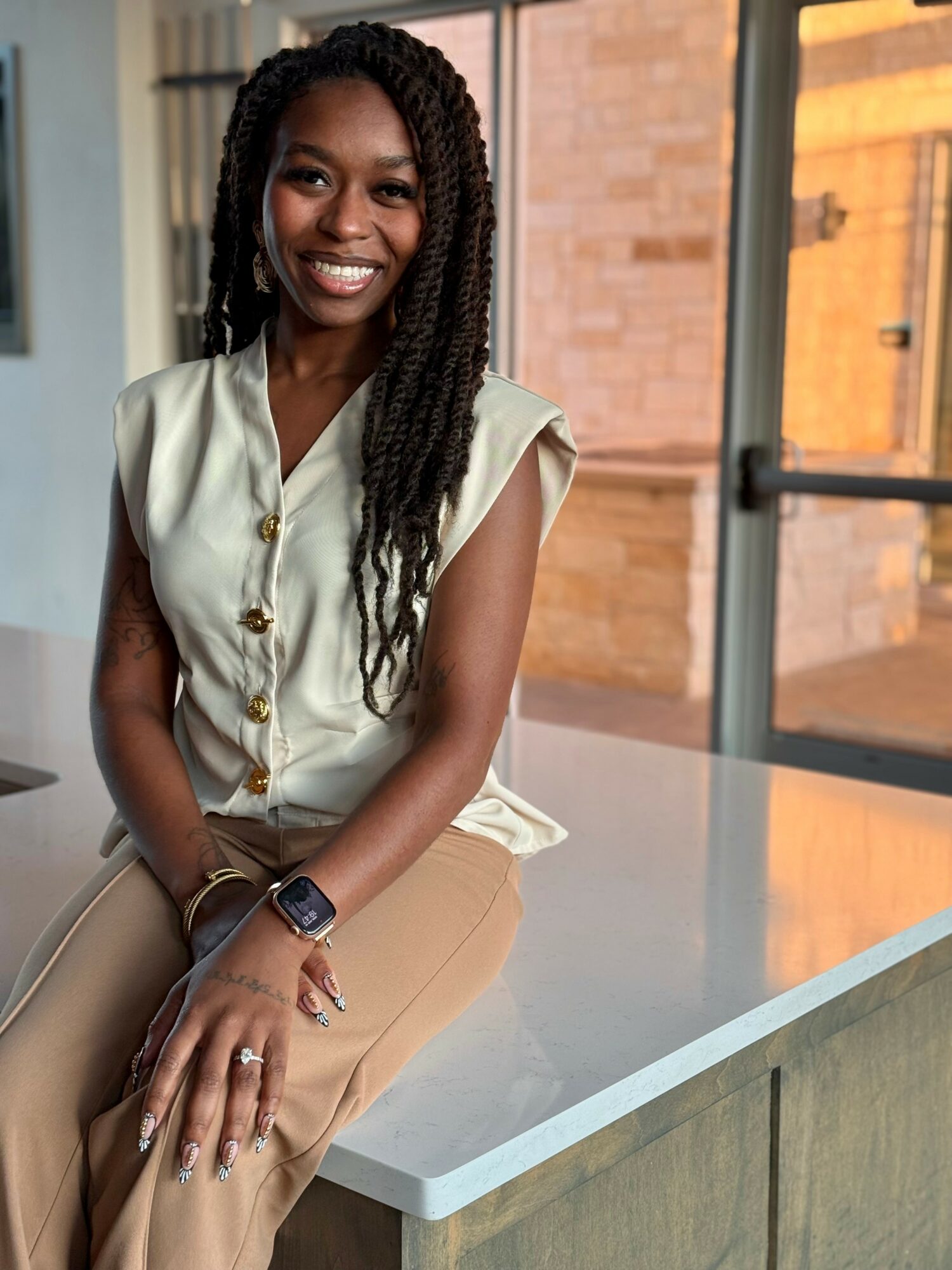
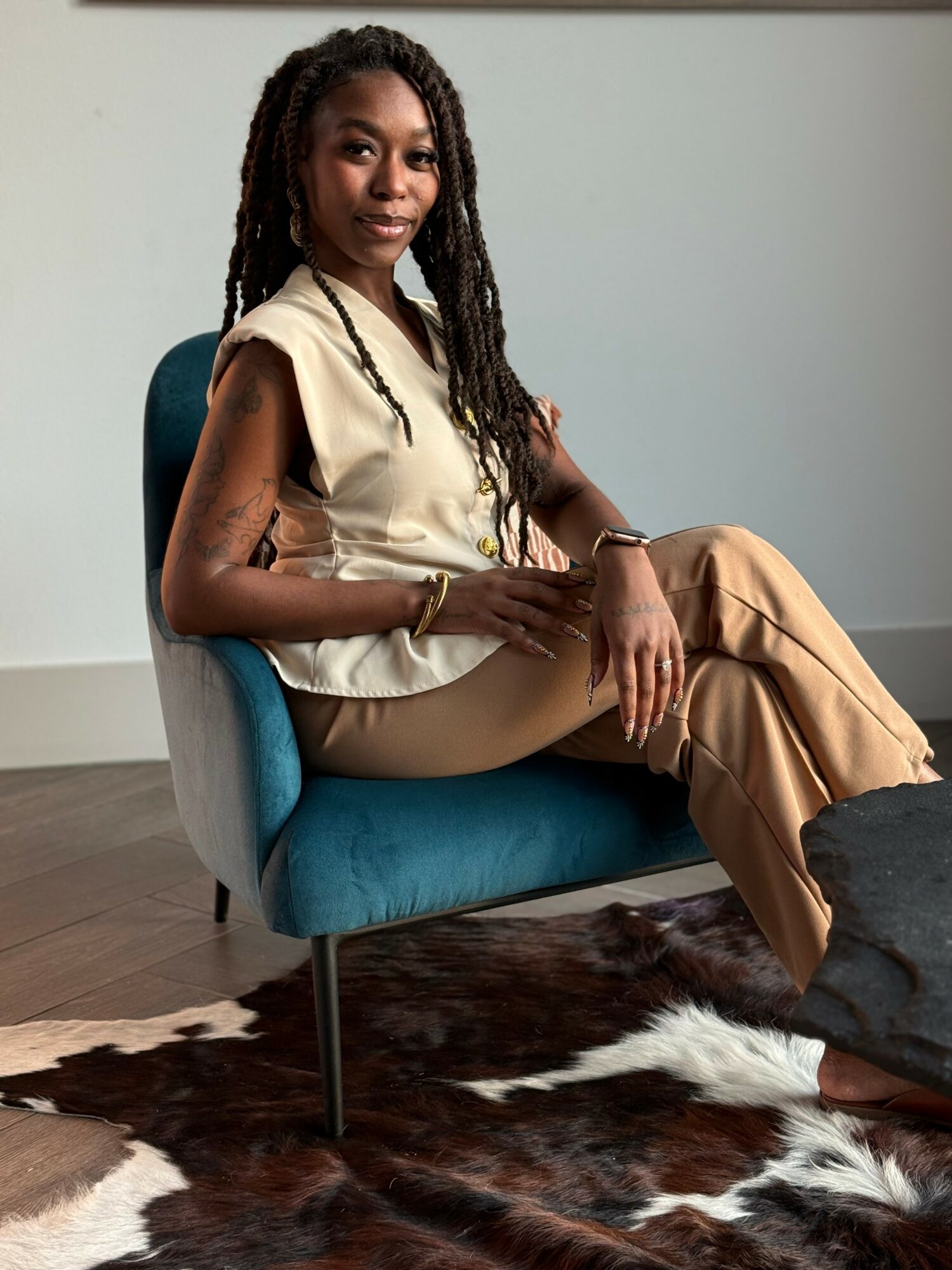
Today we’d like to introduce you to Jazmyn Nobles.
Hi Jazmyn, thanks for sharing your story with us. To start, maybe you can tell our readers some of your backstory.
My path developed through a combination of curiosity and exposure to the real impact support systems can have in people’s lives. Early on I was drawn to work that involved helping others navigate challenges, but over time I realized I was especially interested in understanding behavior rather than just responding to it. That interest led me toward roles working directly with youth and families, where I could see how environment, trauma, and access to resources shape outcomes. Working closely with young people in difficult situations deepened that perspective. I saw how often behavior is interpreted without context, and that pushed me to learn more so I could contribute in a more informed way. That experience is what motivated me to pursue advanced education in clinical psychology, with a focus on trauma-informed care and early intervention.
Alongside my professional work, I have continued building ways to make mental health tools more approachable in everyday life. I am developing guided resources designed to help people reflect, regulate, and build awareness outside of traditional clinical settings. My goal has always been to bridge practical support with accessibility so growth is not limited to formal environments. Where I am today feels less like a destination and more like alignment. Each step, from direct service to advanced training and resource development, has moved me closer to work that balances understanding, advocacy, and long-term impact.
Would you say it’s been a smooth road, and if not what are some of the biggest challenges you’ve faced along the way?
It definitely has not been a smooth road. One of the biggest challenges has been learning how to grow while managing multiple responsibilities at the same time. Pursuing advanced education, working in demanding environments, and maintaining personal commitments required me to develop discipline and patience in a way I had not experienced before. There were periods where progress felt slow because I was balancing learning with real-world responsibility, and that can be mentally taxing.
Another challenge was letting go of the idea that you need to have everything figured out before moving forward. Early on I put pressure on myself to feel completely prepared before taking on new opportunities, but many of the most meaningful steps in my path required me to learn as I went. Accepting that growth often happens during the process, not before it, changed how I approach challenges. Those experiences taught me resilience and perspective. Instead of seeing obstacles as signs to pause, I learned to treat them as part of the development process. The road has been steady rather than smooth, and that steadiness is what ultimately built confidence in my ability to adapt and continue progressing.
Can you tell our readers more about what you do and what you think sets you apart from others?
I work in juvenile services supporting high-risk youth and families, and I’m currently pursuing a doctorate in clinical psychology with a focus on trauma-informed care. My work centers on understanding behavior within context, helping systems respond in ways that are both accountable and supportive. I spend a lot of time bridging communication between young people, caregivers, and professionals so that interventions are consistent rather than reactive. I would say I specialize in building stability. Many of the youth I work with have experienced disrupted environments, so progress often depends on predictability and trust before anything else. I’m known for being steady and approachable, someone who can maintain structure while still helping people feel heard. That balance tends to create better engagement and more sustainable change. What I’m most proud of is not a single outcome but the moments when someone begins to see themselves differently, when a young person regulates instead of escalates, or when a family starts working together instead of against each other. Those shifts are small on the surface but significant long-term.
What sets me apart is that I approach the work with both clinical understanding and practical application in mind. I care about making mental health concepts usable in everyday situations, not just theoretical. That perspective also carries into the resources I’m developing, which are designed to make emotional skills more accessible outside of formal treatment settings. Overall, I want my work to feel consistent and reliable to the people it serves. If people know they will be treated with fairness, clarity, and respect, real change becomes possible.
Where we are in life is often partly because of others. Who/what else deserves credit for how your story turned out?
I’ve been fortunate to have support in different forms throughout my journey. Mentors in both academic and professional spaces have helped me think more critically about my work and encouraged me to approach challenges with curiosity instead of pressure. They provided guidance not just on what to do, but on how to think, which has shaped how I make decisions today.
Colleagues and teammates have also played a major role. Working in collaborative environments taught me that meaningful impact rarely happens individually. Their perspectives, feedback, and willingness to problem-solve together strengthened my ability to communicate and adapt. Many of the approaches I use now were developed through shared learning rather than independent effort.
I also credit the youth and families I work with. They have taught me patience, humility, and the importance of consistency far more than any textbook could. Their trust and honesty continually refine how I approach the work and keep me grounded in why I chose this path.
Finally, my personal support system has been essential. Encouragement from family and close friends helped me stay steady during demanding seasons and reminded me to maintain balance while pursuing long-term goals. Altogether, each group contributed differently, and the combination of guidance, collaboration, and trust is what made progress possible.
Contact Info:
- Instagram: https://www.instagram.com/thejourneywithjazz/?hl=en
- Facebook: https://www.facebook.com/share/17Cm6D1Wv1/?mibextid=wwXIfr
- Youtube: https://www.youtube.com/@Littlemissjahde

Popular
-

Deborah Fessenden on Turning Foraged Beauty into Purpose-Driven Jewelry and Advocacy
-

Andrew Finch on Building Elite Athletes Through Fundamentals, Mindset, and Global Experience
-

Genai Walker on Turning Life Experience into Impact Through Writing, Business, and Self-Mastery
-

The Most Inspiring Stories in Dallas