




Today we’d like to introduce you to Jon Pattie.
Hi Jon, so excited to have you with us today. What can you tell us about your story?
Of course! I’ve been playing guitar and writing songs since I was 12. Even though I followed a traditional academic path and earned a degree in biochemical engineering, music was always the thing I returned to when everything else felt lackluster. By the time I was in college, I knew engineering wasn’t my long-term path. So right after graduation, I moved to Nashville to pursue music full-time.
Those years in the music industry were transformative. I learned how to create from nothing, navigate rejection, and stay committed when the path wasn’t clear. At the same time, I got a front-row seat to how expensive and difficult it truly is to break an artist today. I struggled to secure the funding I needed for my own projects, and I saw countless talented artists run into the same wall. That experience sparked something deeper in me — a curiosity about the business side of creativity and why so many artists struggle to move forward.
In the past two years, I stepped back from music and started rebuilding from the ground up. I joined Fidelity Investments and began pursuing the CFA designation. At the same time, I’ve been exploring the intersection of finance, entrepreneurship, and the creative world — learning how capital actually flows, studying different business models, and trying to understand how new solutions could help independent artists access opportunities that weren’t available before. I’m not pretending to have the answers yet; this is very much a learning phase. But every step I take is guided by the same goal: to eventually build something meaningful that supports both creativity and financial sustainability.
Today, I’m releasing the final recordings from my time in Nashville, with the last song coming out on Friday, January 9, 2026. It’s a way of honoring where I started while stepping fully into what’s next. My path hasn’t been linear, but it’s been authentic — driven by a willingness to take risks, reinvent myself, and build something meaningful.
We all face challenges, but looking back would you describe it as a relatively smooth road?
It has not, and I would be genuinely surprised if anyone has had a smooth road to get to where they want to be. Some of the most defining challenges came from recognizing when I needed to change direction. Pursuing music was meaningful, but the way I was going about it started taking a real toll on my mental and emotional health. I was pushing nonstop, tying everything to external results, and ignoring how drained and overwhelmed I really was.
Getting sober in my mid-twenties became a turning point. It forced me to slow down, be honest with myself, and pay attention to my emotional and mental well-being. Sobriety helped me take my career more seriously, but more importantly, it helped me understand what was actually sustainable for me long-term. It gave me clarity I didn’t have before.
Around that time, I also got an honest look at how the Nashville industry works behind the scenes — the massive financial barriers, the politics, and the structural challenges that make it incredibly difficult for independent artists to break through. Instead of making me bitter, it helped me see that the system itself wasn’t built in favor of independent creators. That realization didn’t kill my passion for music; it highlighted a problem I felt compelled to understand.
Letting go of music as a full-time career was one of the hardest decisions I’ve ever made. For most of my life, that was the future I envisioned — it was the identity I built everything around. Walking away from that dream felt like losing a part of myself, and it took time to accept that choosing a different path wasn’t the same as giving up. I was fortunate to have support around me during that transition — people who helped me see that my life didn’t end with music, it just evolved. That support enabled me to redirect my energy toward something healthier and more aligned with who I’m becoming.
Stepping into finance came with its own challenges — learning a new industry, building new skills, and studying for the CFA without a traditional background. But all of those obstacles — the emotional strain, the industry realities, the reinvention, the internal work that came with getting sober — ended up giving me a clearer sense of who I am and the kind of life I want to build. They didn’t break me. They shaped me into someone more grounded, more aware, and more willing to grow beyond old versions of myself.
Appreciate you sharing that. What else should we know about what you do?
Today, my work centers on finance while I bring closure to the final chapter of my creative career. I currently work at Fidelity Investments, where I support clients with account-related needs, place trades, and ensure everything aligns with firm policies and industry regulations. It’s given me a solid understanding of how the financial system functions day to day and direct exposure to the challenges real people face when navigating their finances. I’m also working through the CFA program to build deeper technical knowledge and prepare for more advanced roles in the future.
Although I’ve moved on from pursuing music full-time, I’m proud of what I accomplished during those years. I released multiple projects, organized showcases, writers’ rounds, and songwriting camps, and built a genuine creative community around those efforts. One of the most surprising and rewarding milestones was learning that my music was being played in grocery stores across Germany — and seeing someone comment on my YouTube channel about hearing my songs while shopping overseas. Moments like that reminded me how far my work reached, even when I didn’t always see it directly.
I’m currently releasing the final recordings from my time in Nashville. It feels like the right way to bring that chapter to a close — with gratitude rather than regret. I’m also allowing myself to return to music in a lower-pressure way — experimenting with new lyrics and production purely for the joy of it.
Outside of my full-time role, I’m involved in several young professional communities, including the Dallas Junior Chamber of Commerce and the Dallas Regional Chamber’s Young Professionals program. These groups have helped me stay connected, grow my network, and surround myself with people who are equally driven to learn and build meaningful careers.
I’m also exploring the broader intersection of business, finance, and creative industries. My years as an independent artist gave me firsthand insight into how difficult and expensive it is for musicians to fund their careers. That experience is what pushed me to start studying the financial side of the creative world. I’m still very much in the discovery phase, but I’m committed to finding ways to contribute meaningfully to that space.
What sets me apart is the path I’ve taken. Few people have lived fully in both the creative and financial worlds. That mix gives me a unique perspective and allows me to connect with business professionals and creatives alike in a way that feels natural. I understand the language, pressures, and ambitions of both sides — and that ability to bridge those worlds is something I’m proud to carry into whatever I build next.
Who else deserves credit in your story?
I’ve been lucky to cross paths with people who supported me at different stages of my journey. In Nashville, I met writers, artists, producers, and industry professionals who were willing to share their experience freely. Even though the industry could be difficult to navigate, the creative community itself was incredibly generous. There were people who offered feedback, encouragement, and guidance when I needed it most, and their support helped me grow as both an artist and a person.
In finance, I’ve had a few mentors who helped me get my footing in an industry that was completely new to me. They didn’t sugarcoat how challenging the transition would be. Still, they helped me understand the landscape, pointed me toward the right opportunities, and, most importantly, reminded me that my nontraditional background was an asset — not something to hide.
My recovery community and therapy have probably played the biggest role in shaping who I am today. They’ve helped me build emotional awareness, develop a healthier relationship with work, and recognize my limits rather than trying to operate like a machine. They’ve also been a steady source of clarity and grounding during periods of burnout, confusion, or self-doubt. That emotional foundation has been essential for every major decision I’ve made.
My friends and family have also supported me through transitions, setbacks, and big career swings. They’ve encouraged my ambitions, given me space to vent when things felt overwhelming, and never made me feel like my goals were too big or unrealistic. Their belief made it easier for me to keep going, even when the path wasn’t clear.
Contact Info:
- Instagram: https://www.instagram.com/jonjpattie/
- Linkedin: https://www.linkedin.com/in/jonathan-pattie-5679a883/
- Other: https://open.spotify.com/artist/3IMTVF08zqSjJah8Xa4JKZ?si=atdsjQMdSpacWnLpUjre5Q
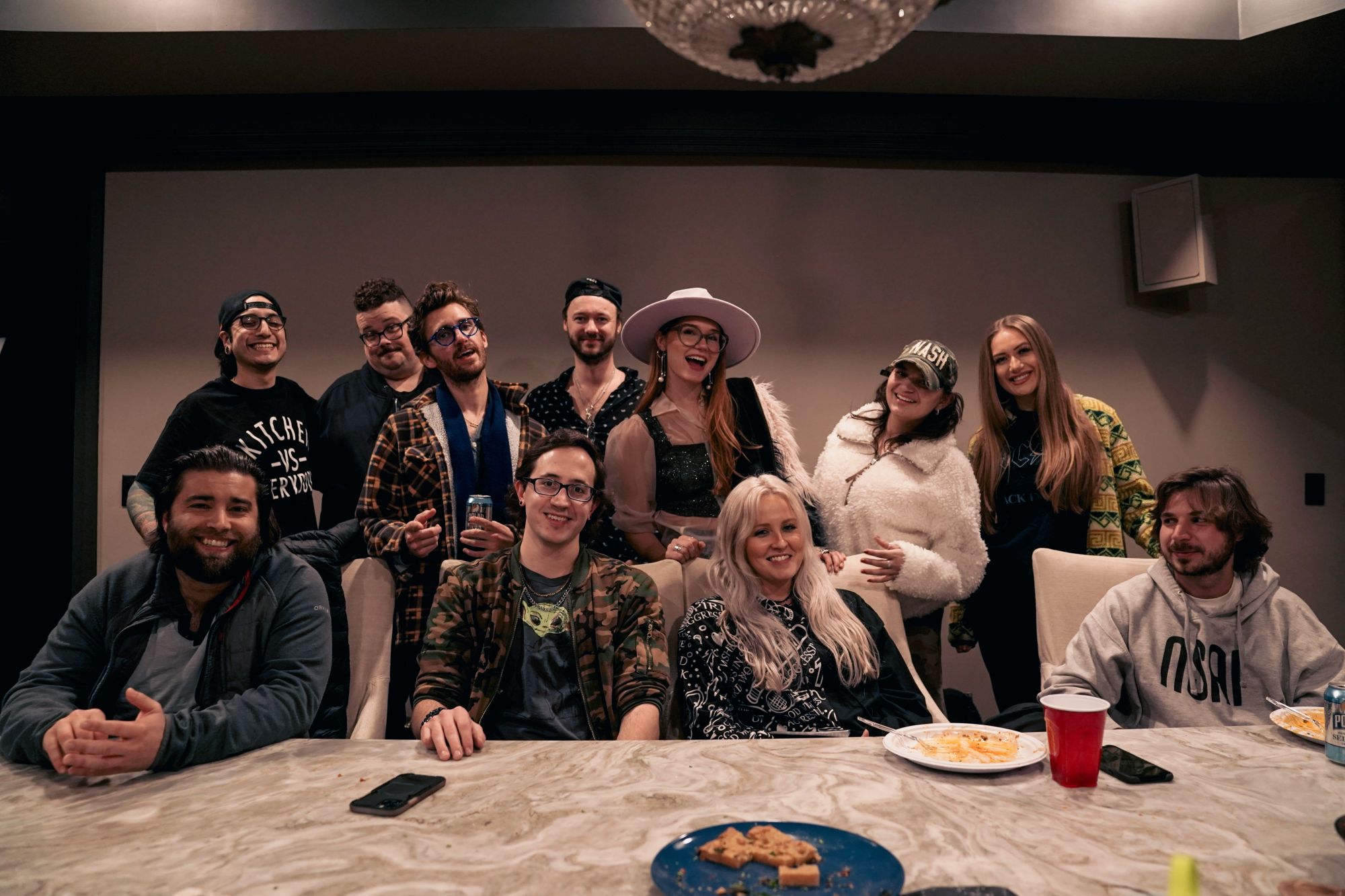
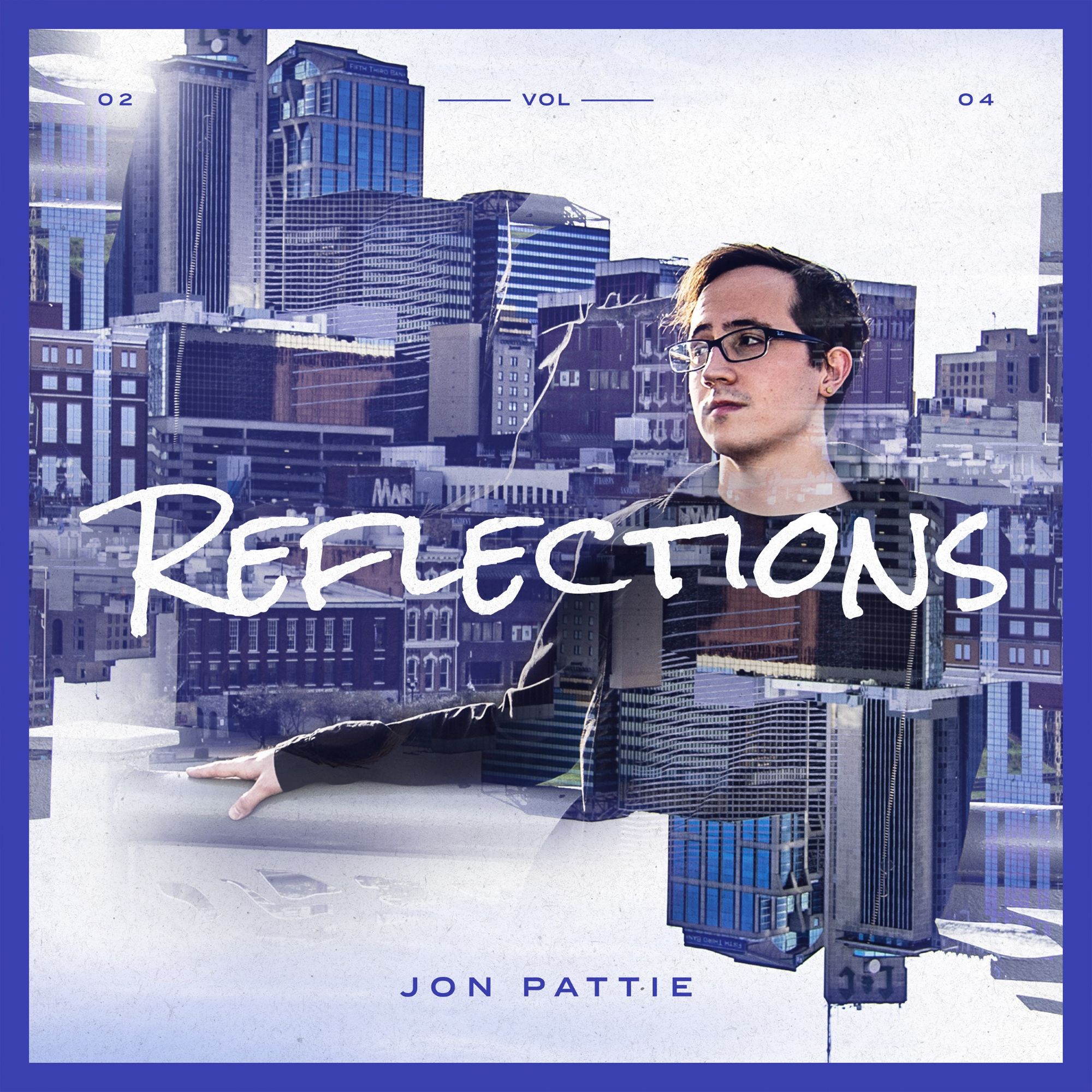
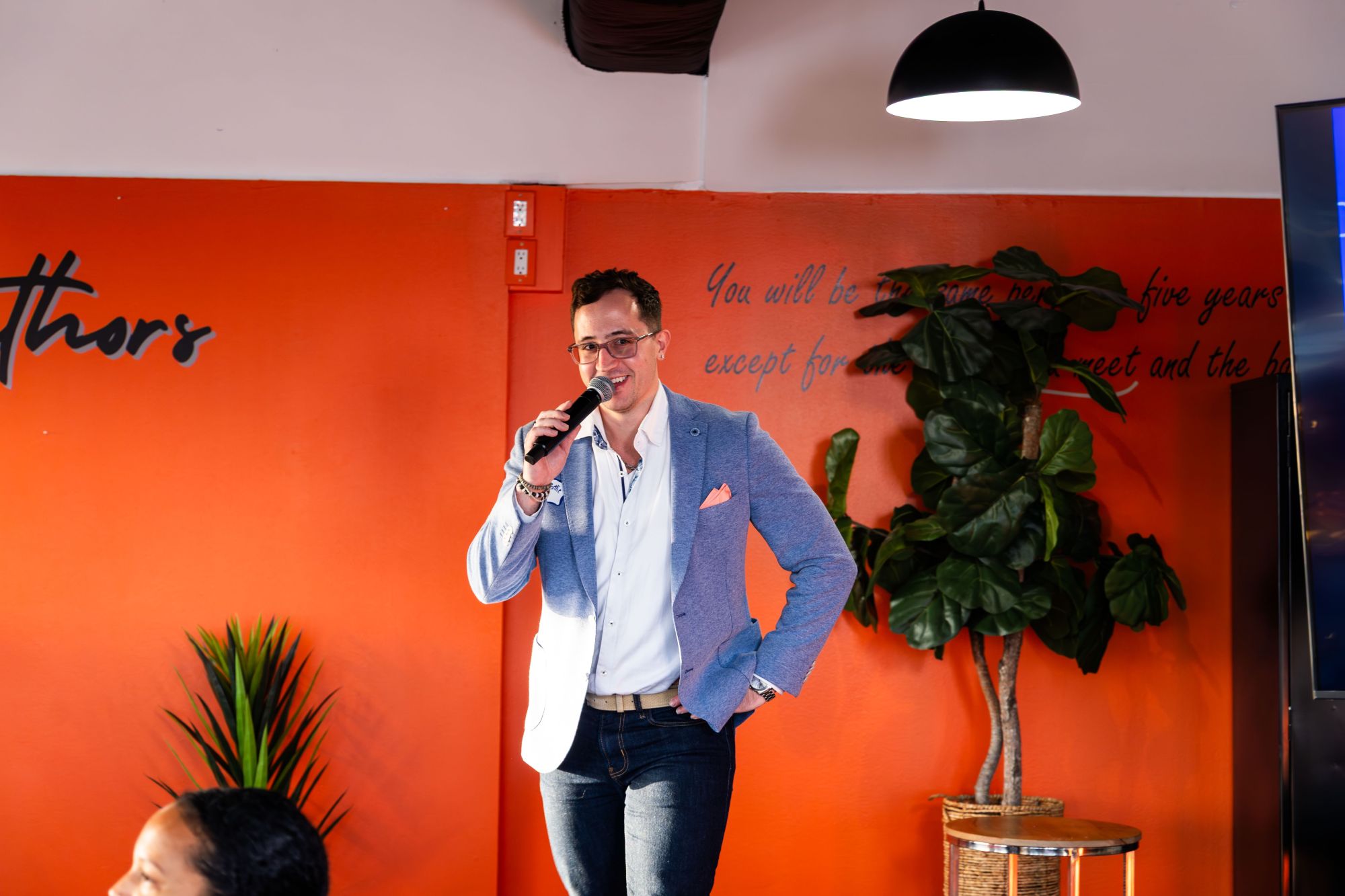
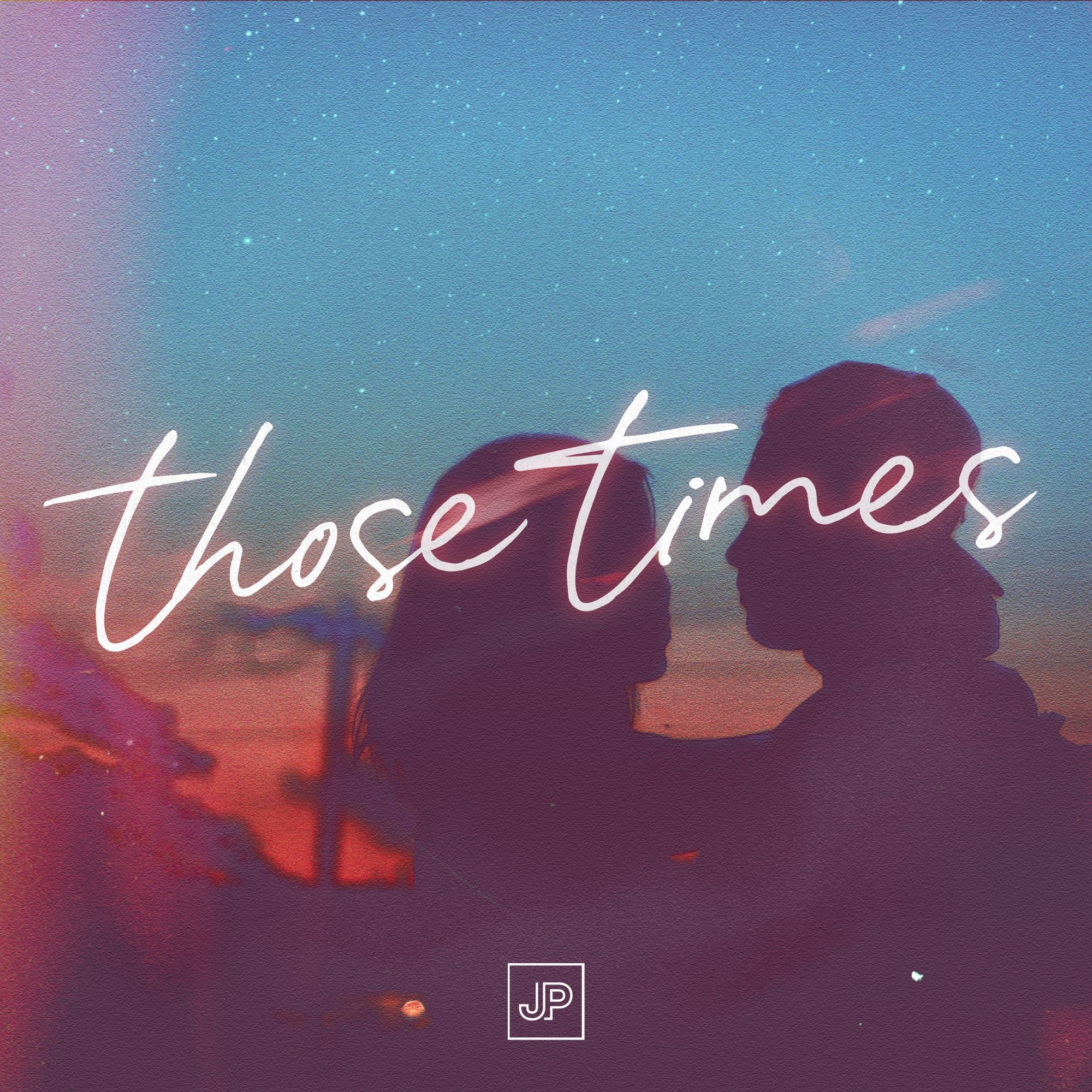
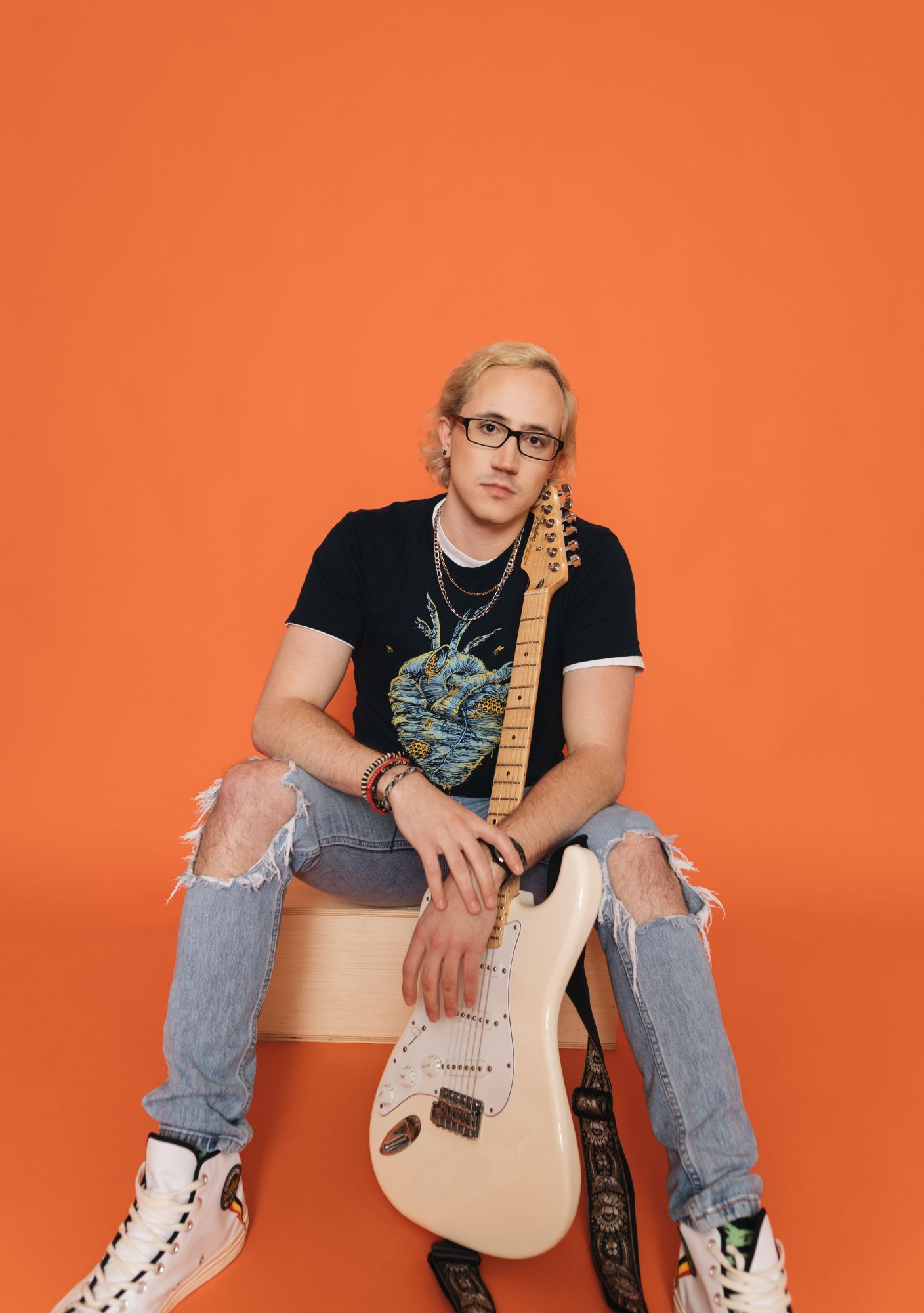

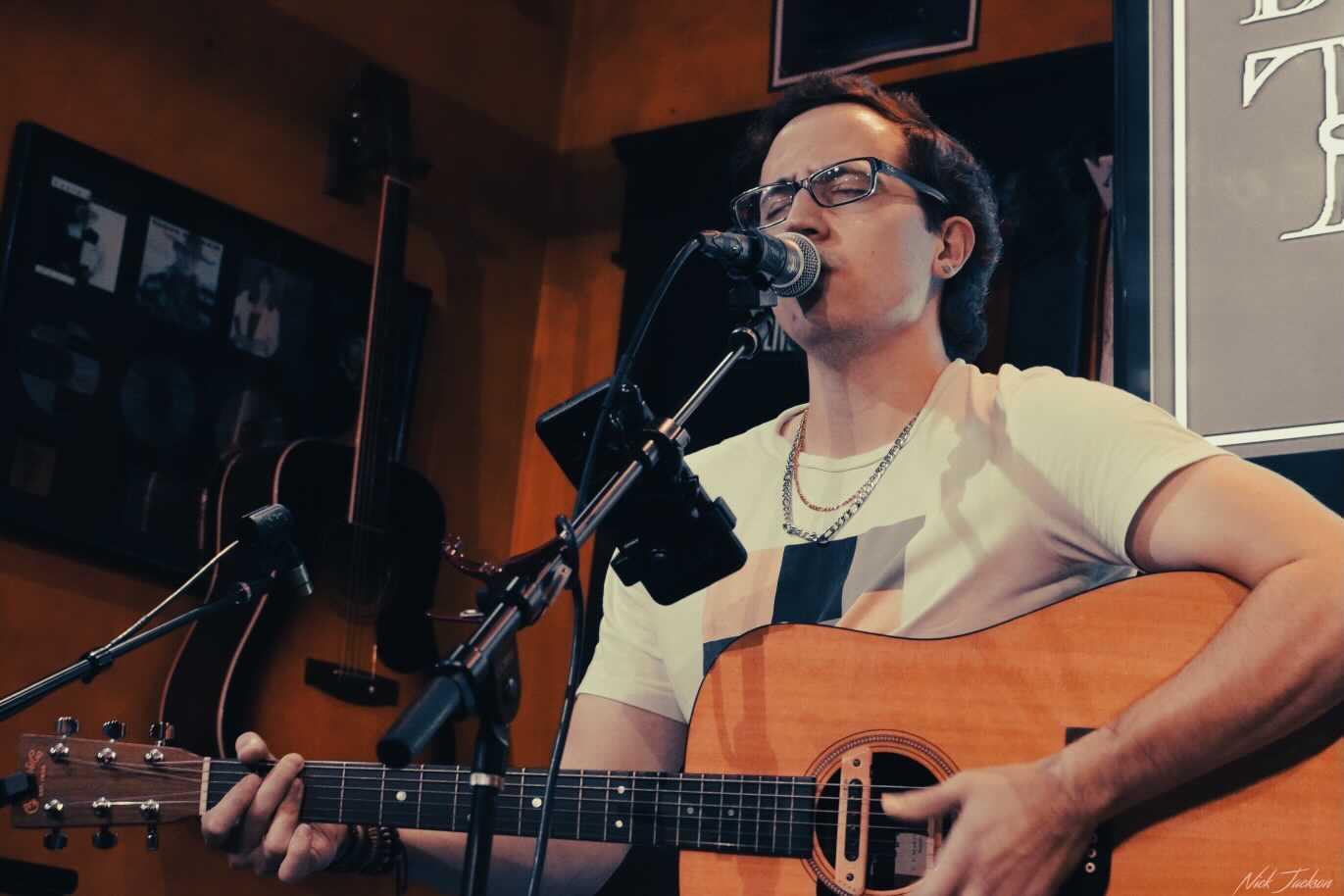
Image Credits
Professional headshot – photo by Joe Fang Photography Group photo from a songwriting camp I organized – photo by Erik James Hosting and speaking at a Dallas Junior Chamber of Commerce event – photo by Wayfarist Media Album artwork for my EP, Reflections: Vol. 2 – photo by Jenny Faye-Klooster, artwork by Adam Dodson Single artwork for my next release, ‘those times (feat. Linde LaChance)’ – artwork by Adam Dodson Black & white live performance – photo by Gerard Longo Acoustic performance – photo by Nick Jackson Artist studio portrait – photo by Kenzie Maroney