






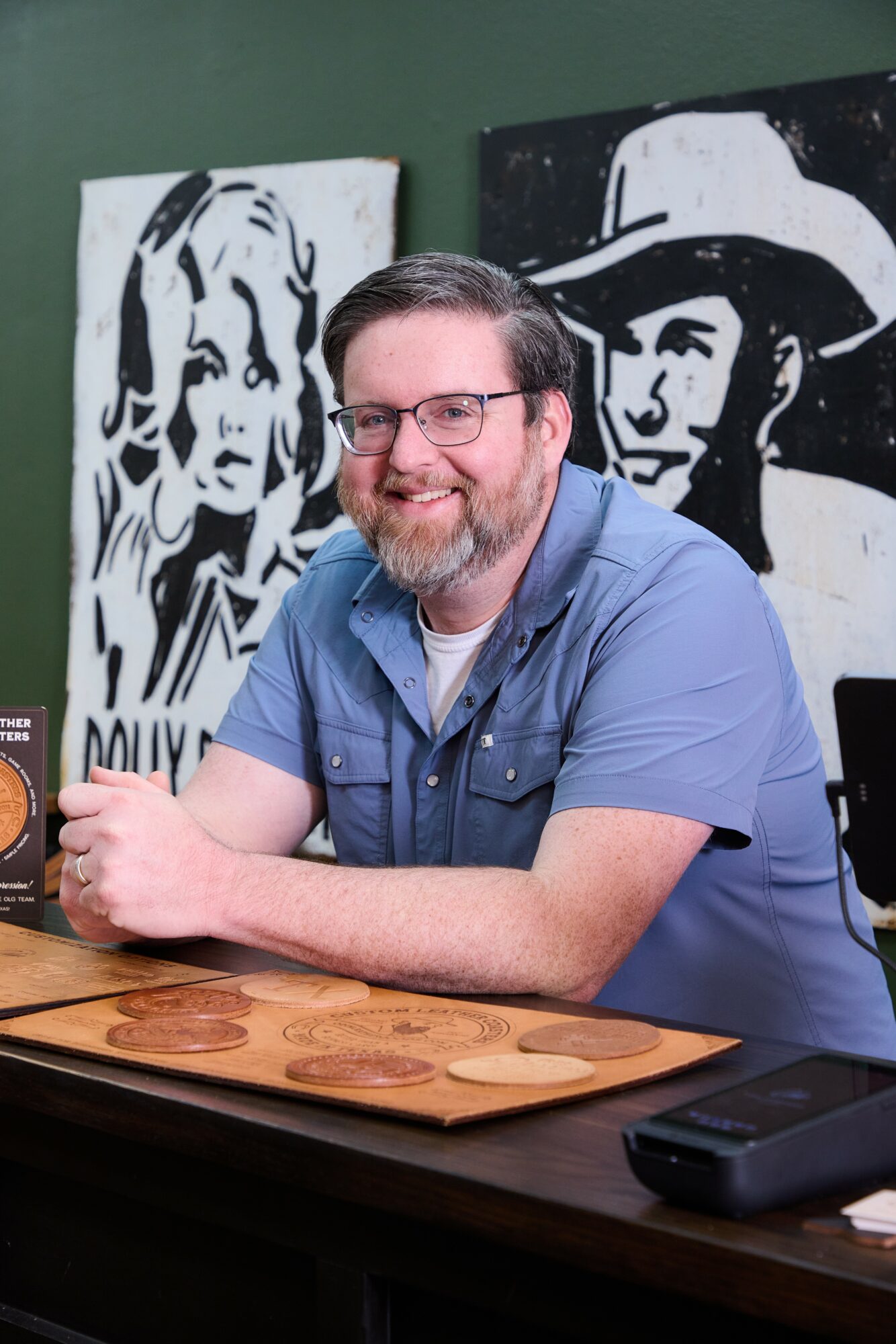
Today we’d like to introduce you to Michael Magnus.
Alright, so thank you so much for sharing your story and insight with our readers. To kick things off, can you tell us a bit about how you got started?
I’ve spent the last two decades of my career working at the intersection of storytelling, teaching, and supporting traditional crafts. Early on, my work focused on marketing and eCommerce, helping niche businesses figure out how to reach the right audience without losing the character and care that made their work special. Over time, that evolved into building websites and content designed for building brands rather than quick wins.
Through that work, I became deeply invested in helping use digital tools to support traditional crafts, particularly within the leatherworking community. What began as casual consulting has turned into years of collaboration. I kept seeing the same pattern: an incredible amount of knowledge existed, but it was fragmented across personal sites, aging platforms, or projects that faded when priorities shifted.
That realization led to the recent launch of LearnLeathercraft.com as a more community-oriented platform. The goal wasn’t to create a personality-driven brand, but to build a neutral, durable home for leathercraft learning. The site helps people discover resources and instructors that match their interests and experience, while allowing creators to maintain ownership of their work.
Would you say it’s been a smooth road, and if not what are some of the biggest challenges you’ve faced along the way?
There have been challenges along the way; however, it has been more about patience and listening than about technical hurdles. Working with traditional crafts means moving at a different pace than most modern digital projects. Trust matters, relationships matter, and many of the people involved care deeply about their work but have little interest in marketing or technology.
One of the biggest challenges has been balancing progress with respect. Much of the knowledge I’ve worked with represents decades of experience, and in some cases, personal or family legacies. Building something that feels stable and neutral enough for people to contribute to takes time, and there’s no shortcut for that.
There’s also the practical challenge of building something meant to last. LearnLeathercraft.com isn’t designed for fast growth or hype, which means decisions tend to favor sustainability over speed. That can be frustrating at times, but it’s also what gives the project its purpose.
In the end, those challenges shaped the platform more than any technical decision. They clarified values, boundaries, and intent, and made it clear that this kind of work succeeds only if it serves the community first.
Thanks for sharing that. So, maybe next you can tell us a bit more about your work?
My work is really about helping artists and makers do what they love without having to become something they’re not. Many talented people feel pressure to also be marketers, content creators, or business operators, which can take energy away from the work itself. I focus on creating space and support so they can stay focused on their craft. Supporting artists in that way has become my own creative outlet.
Over the years, I’ve worked closely with leatherworkers, instructors, and creative small business owners, often behind the scenes. I’ve come to understand how much knowledge exists in these communities and how easily it can be lost or overlooked. Both the new website and Beyond the Workbench, the podcast I co-host, grew out of a desire to make that knowledge easier to find.
I’m blessed to have had a successful career in marketing, which allows me to build these resources for the community as a passion project rather than having to use them to build my personal brand. Instead, I can focus on advancing and promoting traditional arts and artists while preserving their history.
Risk taking is a topic that people have widely differing views on – we’d love to hear your thoughts.
Most of the risks I’ve taken have been quiet ones, choosing to invest time and energy into long-term projects that don’t offer immediate payoff. Building LearnLeathercraft.com is a good example. It’s a project rooted in patience, trust, and steady progress rather than fast growth.
For me, risk is less about bold moves and more about commitment. I’m comfortable taking on something if it feels aligned with my values and if I believe it will still matter years down the road.
A quote that I go back to frequently is, “It’s easy to overestimate what we can accomplish in one year and underestimate what we can accomplish in ten.” Probably my biggest risk is playing the long game. Doing the right things for the right reasons and not getting distracted by other, more exciting projects is a gamble in itself.
Pricing:
- Free Leatherworking Patterns and Templates
- Pattern Packs start at $10 and are set by the artists
- Videos range in price and are set by the artists
- Our class page shows free and paid classes available
Contact Info:
- Website: https://learnleathercraft.com/
- Instagram: https://www.instagram.com/beyondtheworkbench/
- Facebook: https://www.facebook.com/learnleathercraft
- LinkedIn: https://www.linkedin.com/in/mmagnus/
- Youtube: https://www.youtube.com/@LearnLeathercraft
- Other: https://www.magnusopus.com/
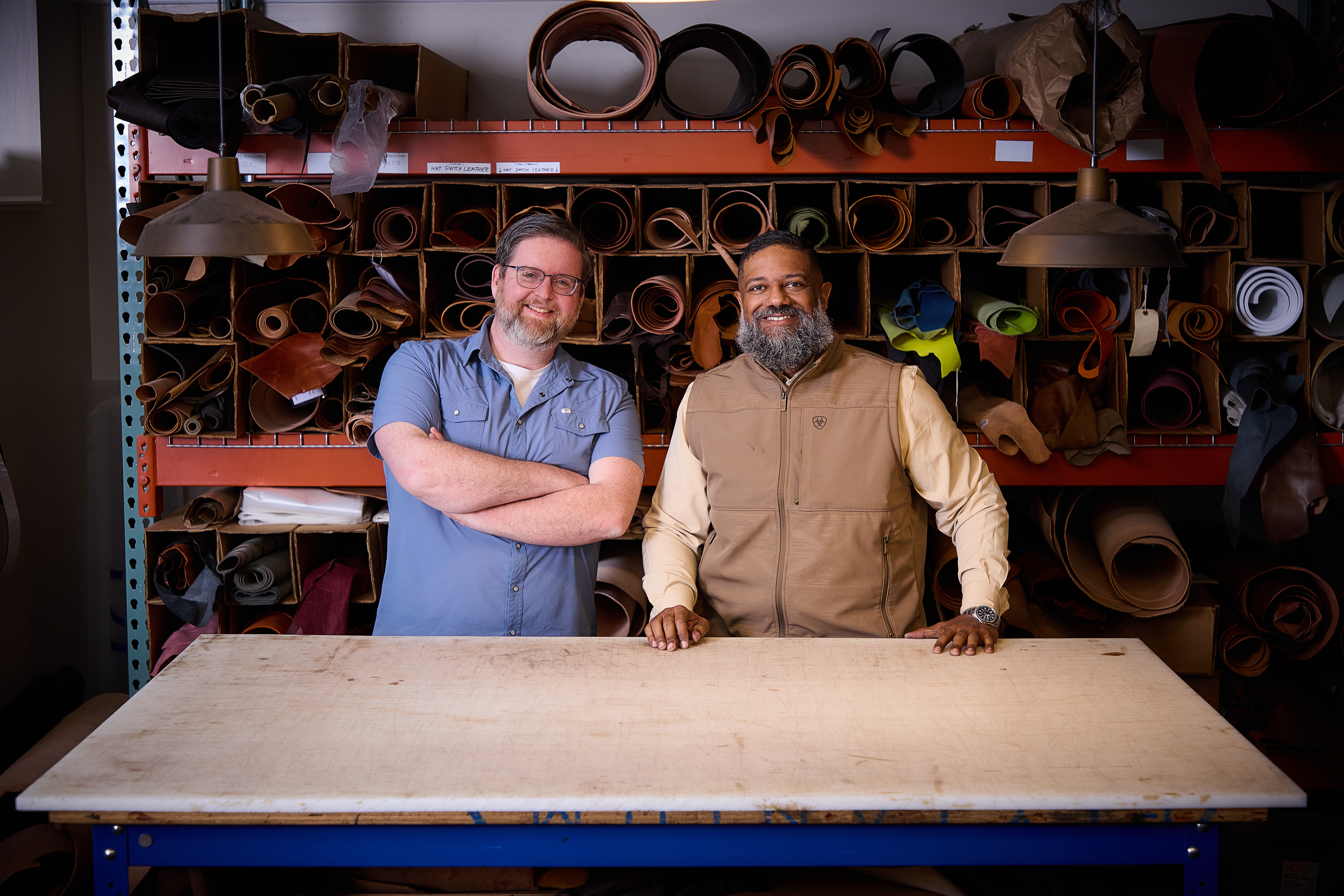
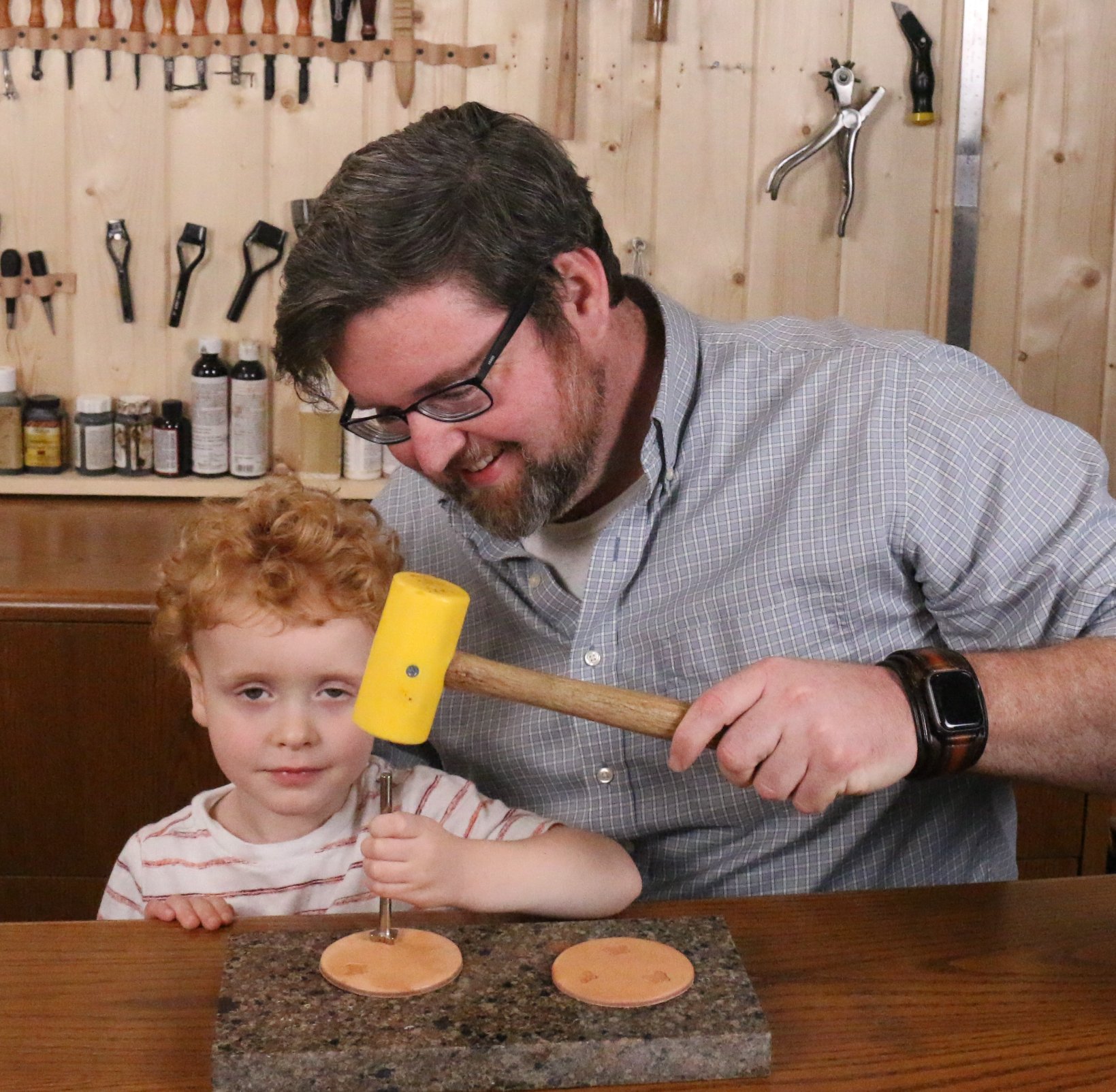
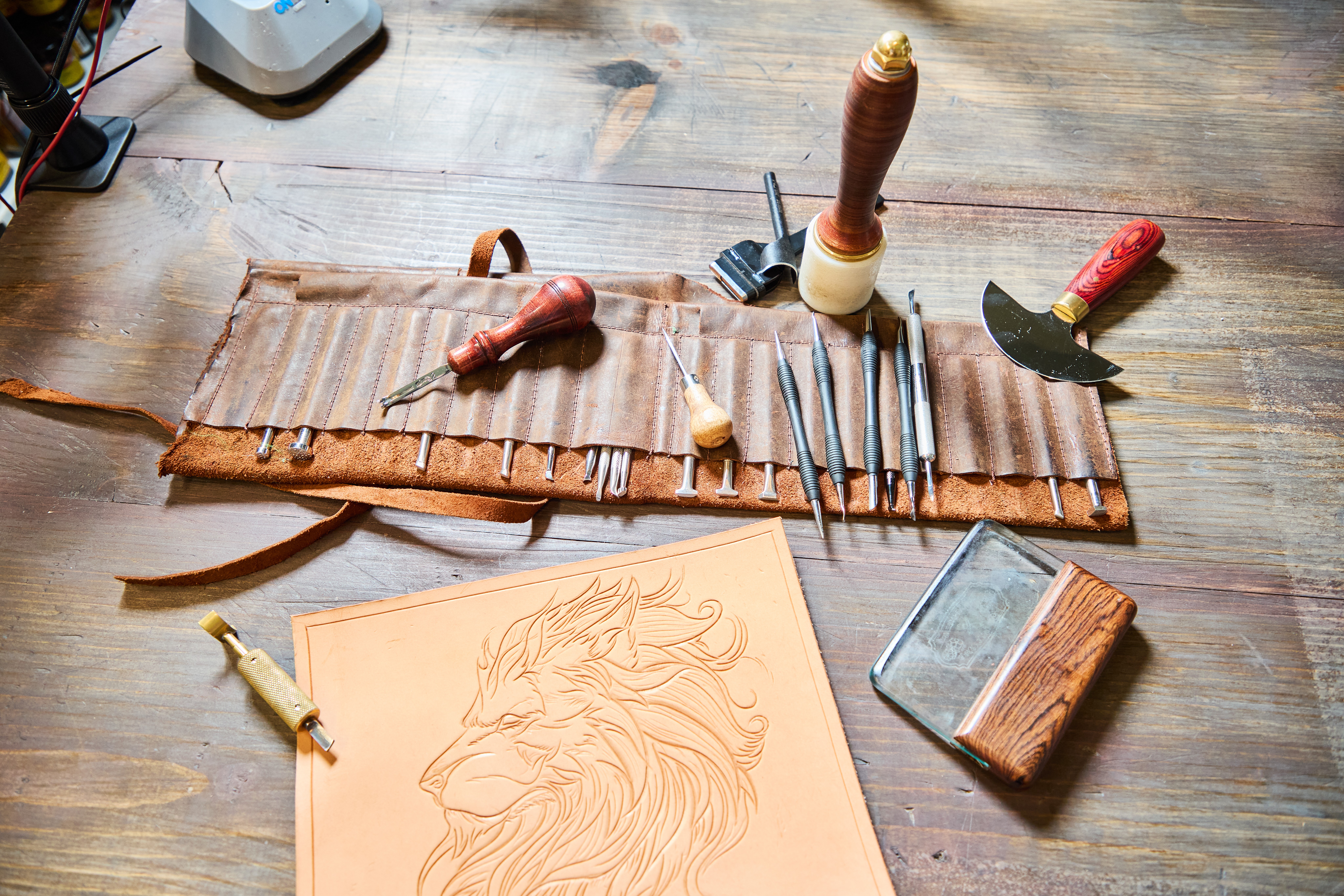
Image Credits
The professional photos (headshot, promo shot with Odin Clack, and image of leather tools) were photographed by Taz Bentley, Taz Bentley Photography.
https://www.instagram.com/tazbentleyphoto/
Other articles you could internally link to:
https://voyagedallas.com/interview/conversations-with-taz-bentley/