





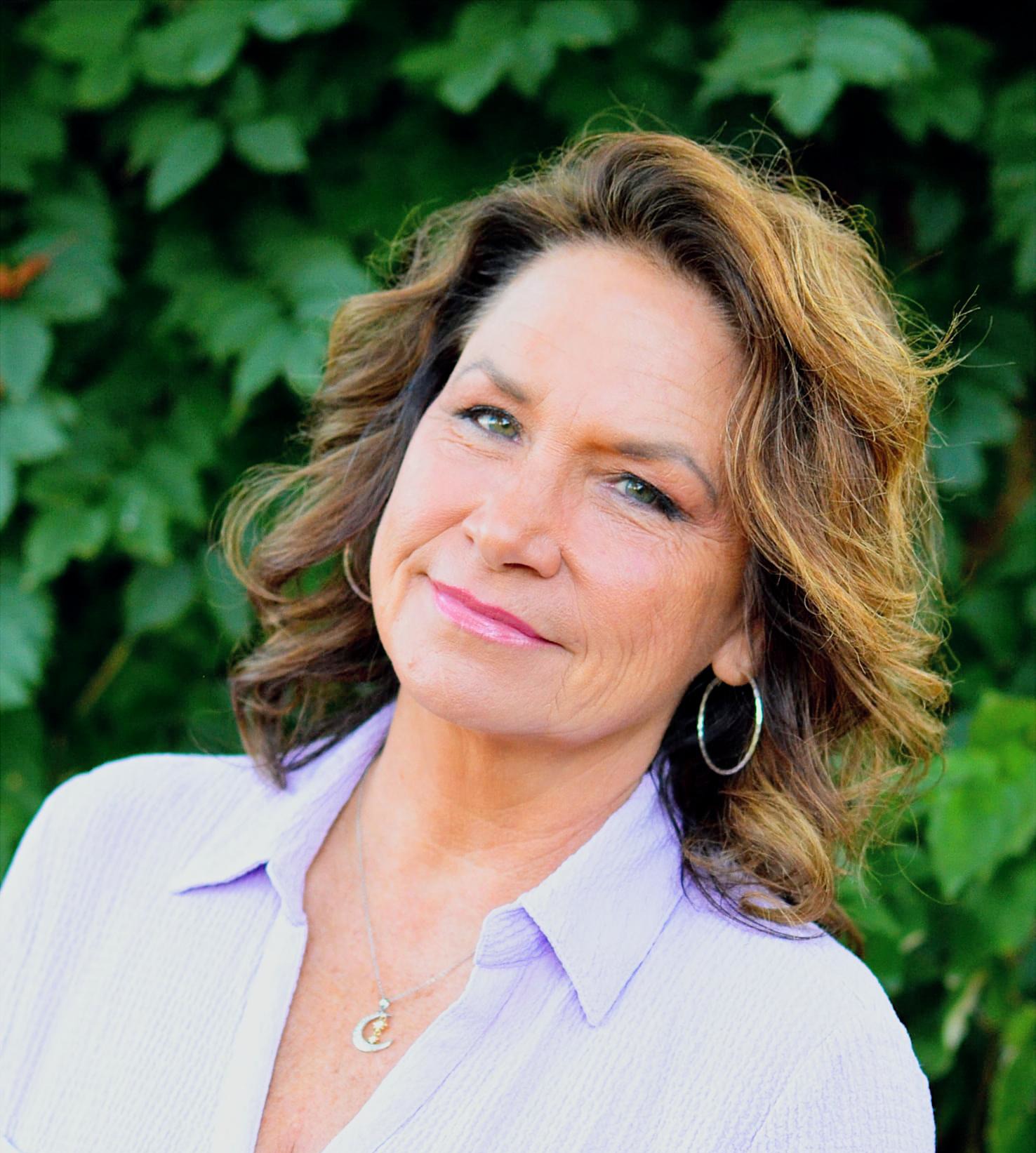
Today we’d like to introduce you to Tinamarie Ivey.
Hi Tinamarie, it’s an honor to have you on the platform. Thanks for taking the time to share your story with us – to start maybe you can share some of your backstory with our readers?
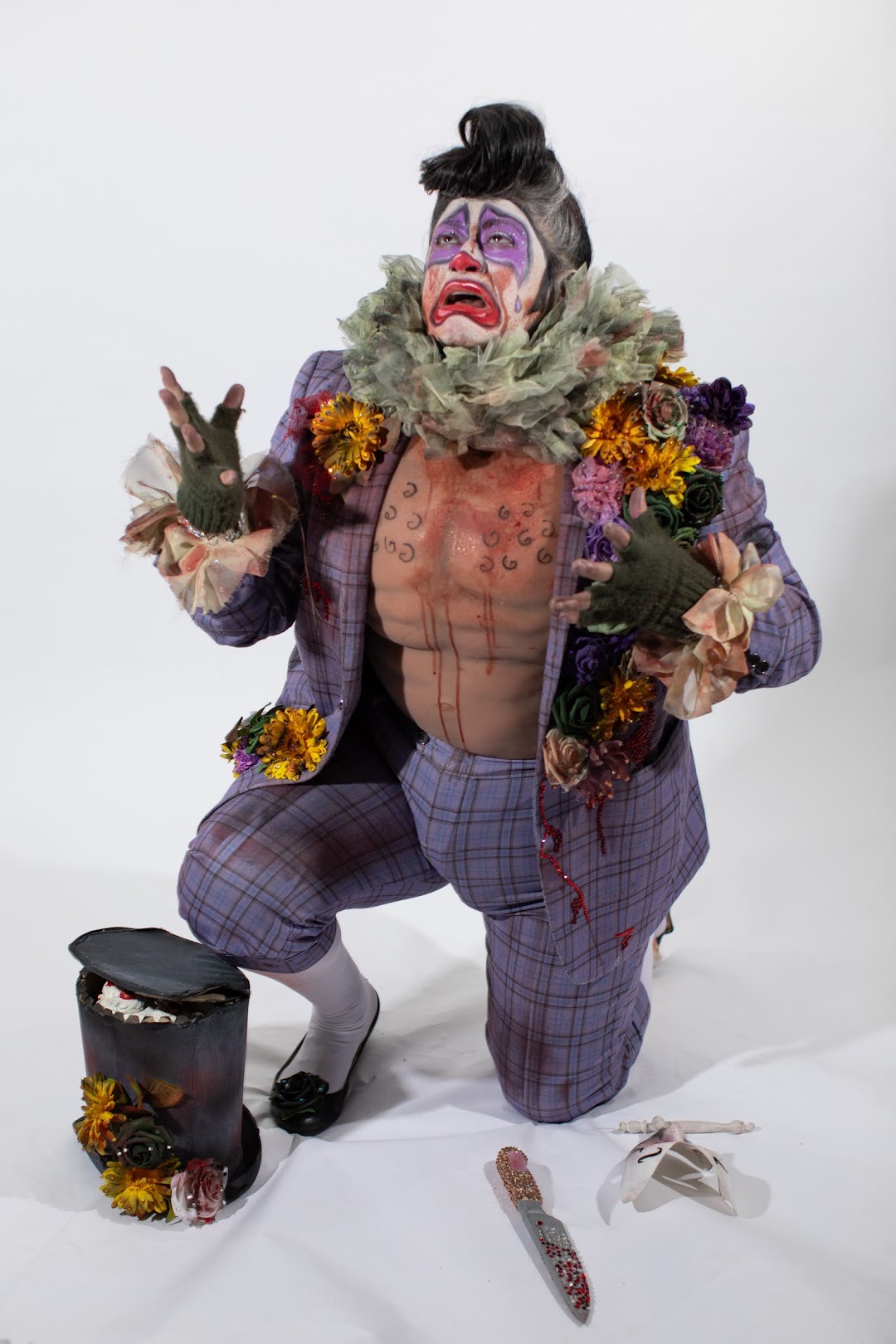
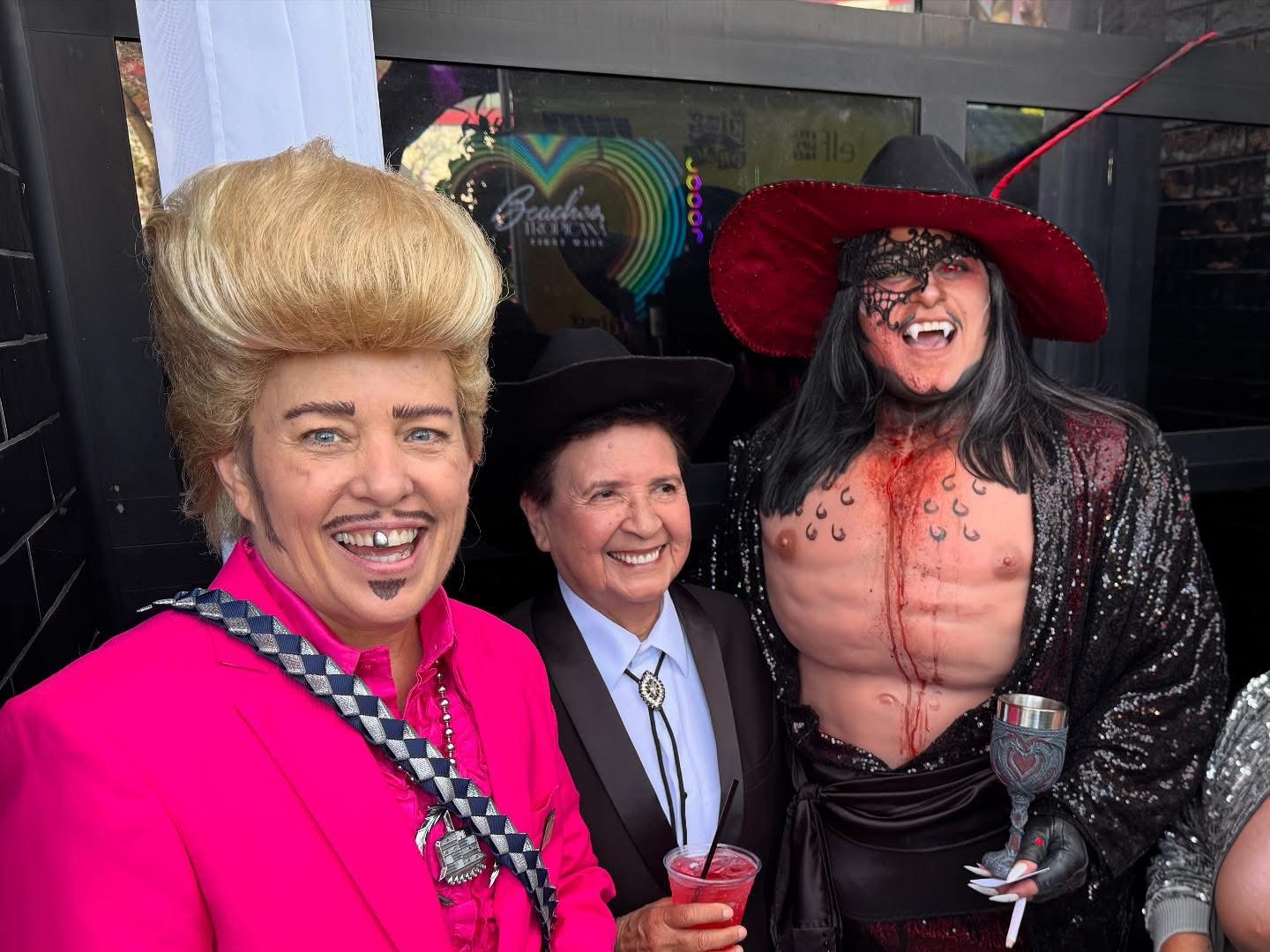
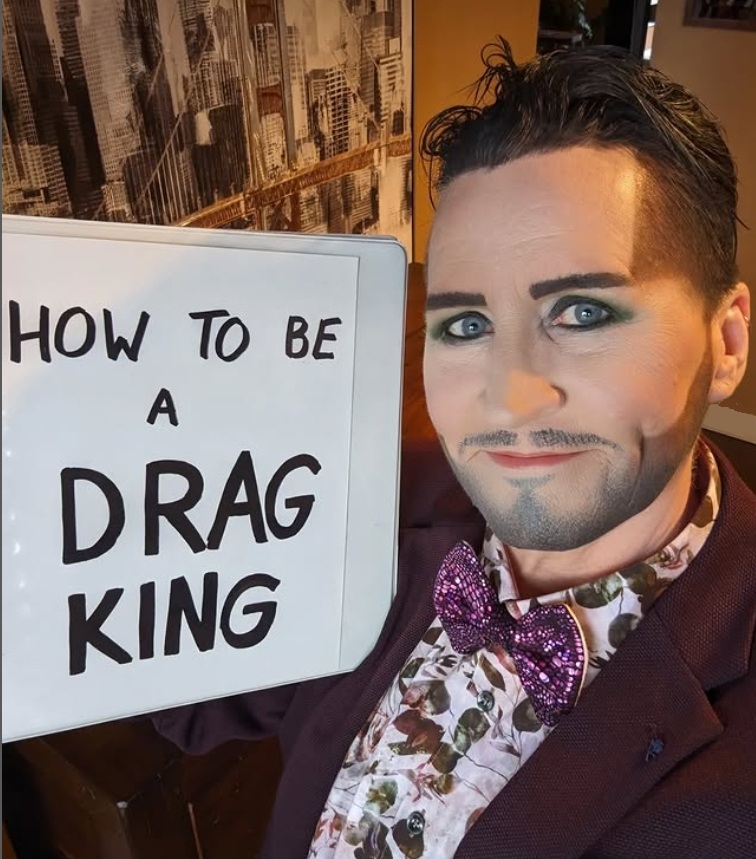
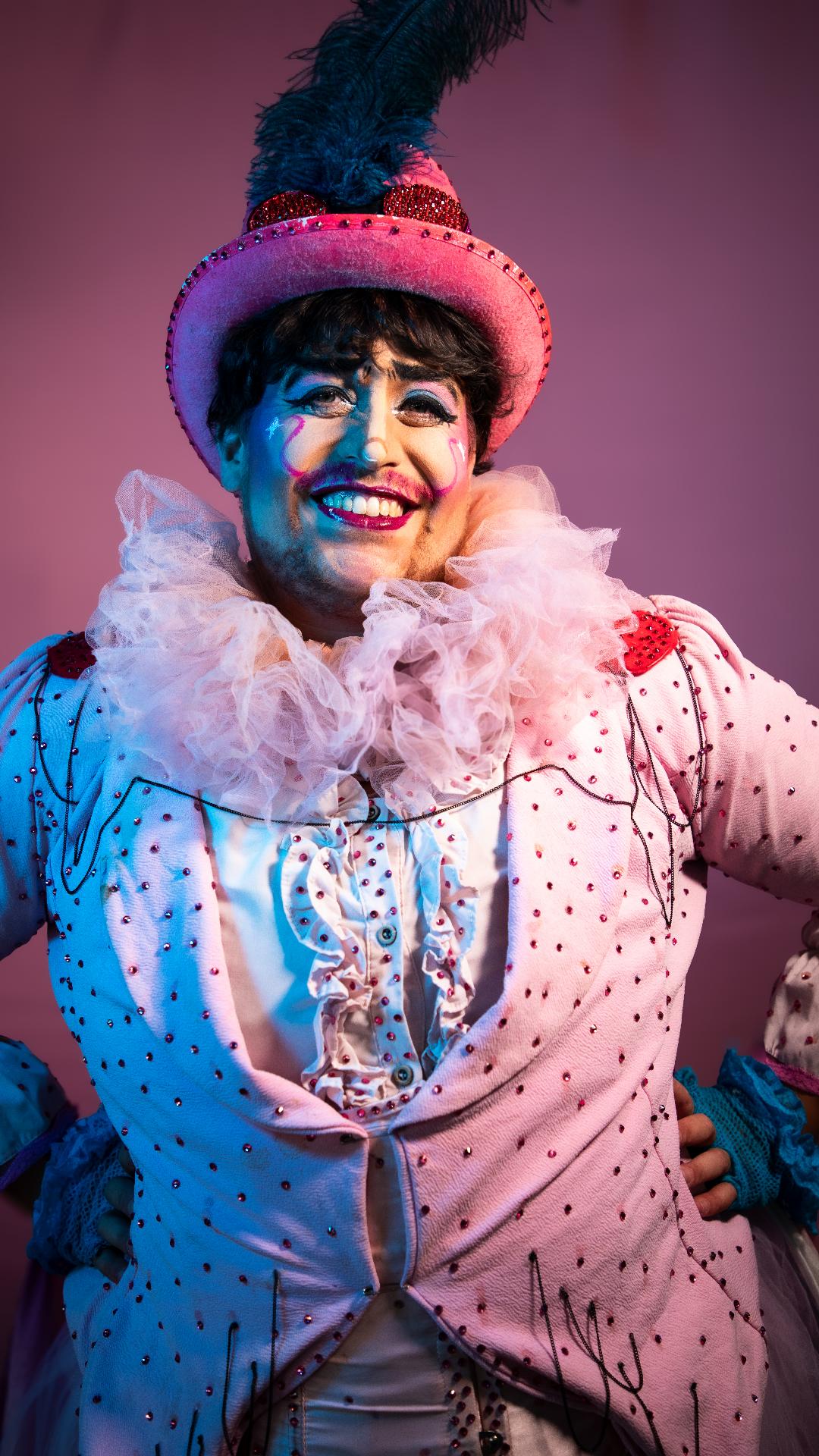
I have been a performing artist for most of my life, so storytelling has always been at the center of what I do. My path into filmmaking, however, was unexpected. I came to it through my work in theatre and my growing interest in drag king performance. The more time I spent attending shows, talking with performers, and becoming part of the community, the more I realized how many extraordinary stories there were—and how few of them were being documented.
That realization eventually became YAS KING!, my first documentary film. What began as a desire to document drag king performance in Dallas and North Texas quickly grew into something much larger. I started traveling, interviewing performers from different generations, and learning about the history of an art form that has continually evolved while receiving far less mainstream attention than other forms of drag. I have now conducted more than 60 interviews across eight states and provinces, speaking with performers whose experiences span multiple generations of drag king history.
Making YAS KING! has been very much a learn-by-doing experience. I did not come into this as an established filmmaker with a large production team or budget. I learned how to make the film while I was making it—traveling to performances, sitting down with artists, gathering stories, working through archival material, and figuring out how to bring all of those voices together on screen. Along the way, the project has been supported by grants and by people who believed these stories deserved to be told.
A 17-minute short version of YAS KING! has now begun its festival journey, receiving awards including Best Film, Best Director, and Best LGBTQ+ Short Film, as well as selections at film festivals around the country. One of the most meaningful parts of that experience has been getting to attend festivals as a new filmmaker and seeing audiences encounter these performers and their stories. At the same time, the short film is only one stage of the project. I am continuing to develop YAS KING! into a longer documentary that can tell a much broader story about drag kings—the artists who helped build the form, the performers carrying it forward today, and a new generation imagining what drag king performance can become.
What has surprised me most about this journey is where following one story can take you. I started with a camera and a desire to document a community and an art form that fascinated me. That has taken me into theatres, bars, archives, festivals, and conversations with remarkable artists across the U.S. and Canada. I still consider myself a new filmmaker, and there is a great deal I am learning, but that is also one of the things I love about this project. YAS KING! continues to grow because the community and the story continues to grow.
We all face challenges, but looking back would you describe it as a relatively smooth road?
When I began documenting drag kings in 2022, Texas was a very different environment for drag than it had been even a few years earlier. Drag performances were increasingly becoming targets of political debate, proposed restrictions, protests, and public hostility. Performers and venues were dealing with very real concerns about safety, and communities were understandably protective of themselves. I was coming into that environment as someone who wanted to document the community, but I was also an outsider. I had a camera, I was asking questions, and people did not necessarily know who I was or what I intended to do with their stories. Looking back, I completely understand that hesitation. Trust had to be earned.
Buck Wylde was the catalyst that changed everything for me. Buck is a Dallas drag king and producer, and our relationship became the bridge that allowed me to begin connecting with the larger drag king community. He trusted what I was trying to do and helped me understand the community from the inside—not simply who the performers were, but how to approach people respectfully, how the community functioned, and why protecting these spaces mattered.
Once Buck opened that door, other relationships began to develop organically. One performer introduced me to another, people invited me into their spaces, and eventually performers began trusting me with their histories and experiences. What started locally in Dallas ultimately connected me with drag kings across the United States and Canada.
I give Buck an enormous amount of credit for that. Without our relationship, I don’t know that YAS KING! would have developed into the film it has become. He didn’t simply introduce me to performers; he helped establish the trust that made the project possible.
Thanks – so what else should our readers know about your work and what you’re currently focused on?
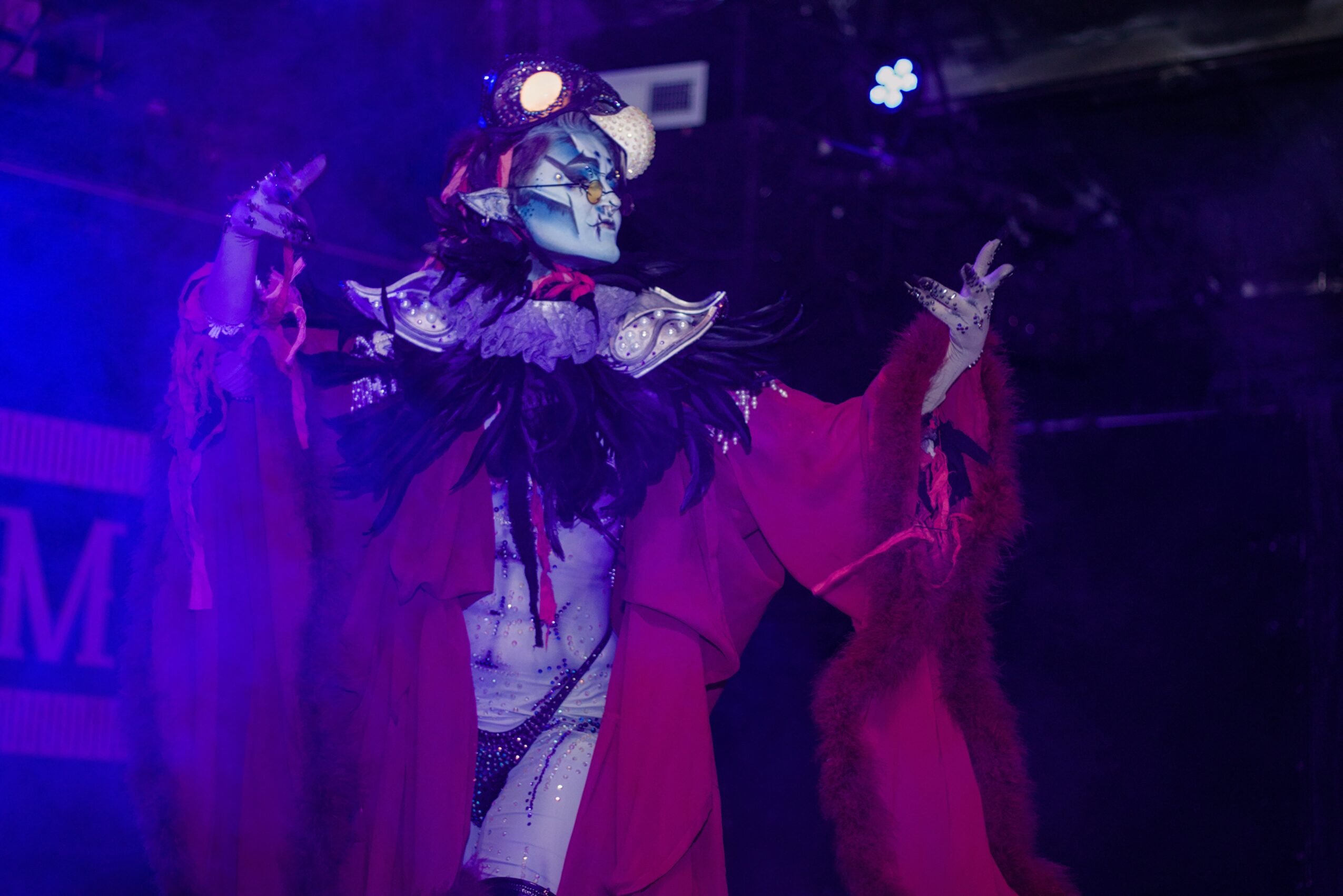
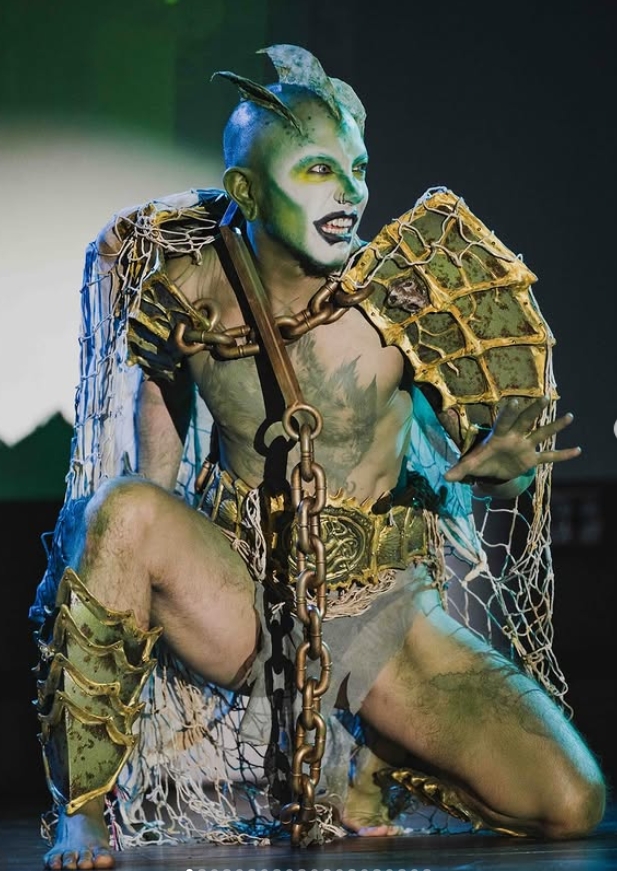
My professional life has always centered on performance and storytelling. I am a theatre artist, filmmaker, writer, educator, director, and performer, and I have taught acting, directing, film, theatre, and performance studies at several universities. Over the last several years, much of my creative and professional work has become increasingly focused on drag king performance—its history, its artists, and especially the ways the form continues to evolve. That work crosses several different mediums. As a writer, I have published extensively on drag king history and contemporary performance. My article “YAS KING: Three Generations of Drag” appeared in Liber Magazine, and my chapter “Swaggering Through History: Rebellious Acts in Leigh Crow’s Archival Drag” was published by the University of Delaware Press in Iconic: Drag Infrastructures and Queer Worldmaking. I have also written about early drag king history for the Drag King History digital archive, which is preserved by the Library of Congress. Most recently, I signed a contract with Bloomsbury Publishing for my forthcoming book, Embodied Fabulism: Drag King Creature Performance and Metamodern Aesthetics. The book looks at an exciting development I have been following within contemporary drag king performance: artists moving beyond conventional masculine impersonation and creating mythic, monstrous, fantastical, and sometimes entirely nonhuman characters. It brings together the history, interviews, performance analysis, and creative work that I have been developing over several years.
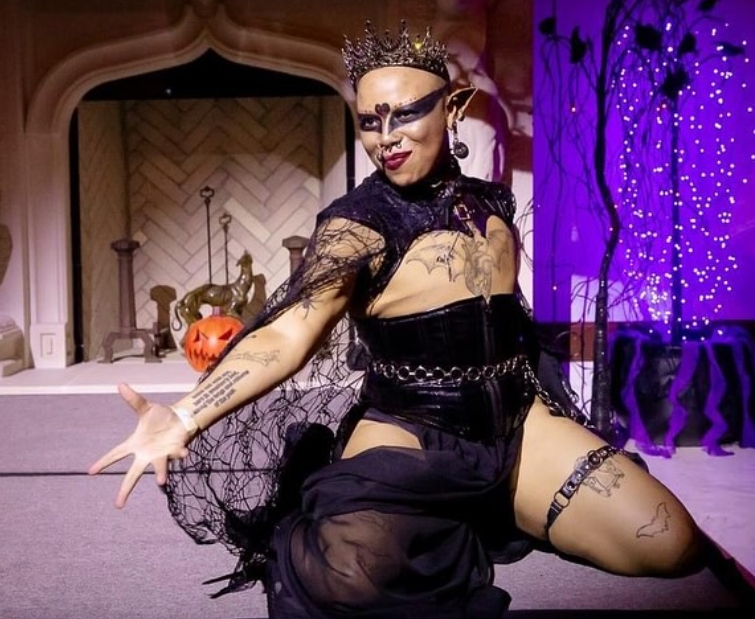
But I didn’t want my relationship to drag to exist only through writing, interviewing, or standing behind a camera. Eventually, I challenged myself to step onto the stage. I created my own drag creature, Elemental, a nongendered, otherworldly figure inspired by the natural elements. Developing and performing Elemental gave me a completely different understanding of what I had been witnessing in other performers. Suddenly I was dealing with costume, makeup, movement, transformation, audience response, and the vulnerability of walking into a drag space and asking people to believe in a character I had created. It was terrifying and exhilarating. It also reminded me that there are things about performance that you simply cannot understand until you put your own body into the work.
That intersection is probably what sets my work apart. I move between being an artist, writer, filmmaker, educator, and participant. I can spend months researching a historical performer, sit across from a contemporary drag king and record their story, create and perform my own drag creature, and then translate those experiences into writing or film. I don’t see those as separate careers. For me, they are different ways of asking questions and telling stories. I am especially proud of YAS KING! because it brings so many parts of my professional life together.
What I am most proud of, though, isn’t an individual award or publication. It is the trust that people have placed in me. Drag kings from different generations have sat down with me and shared their histories, photographs, performances, struggles, humor, and memories. Some of those stories have never been documented before. Being trusted to help preserve them—and to introduce audiences to the extraordinary range of drag king artistry—is something I take very seriously. Ultimately, I hope my work contributes to making sure these artists and their histories are not only documented, but recognized as an important part of our larger cultural and performance history.
Is there any advice you’d like to share with our readers who might just be starting out?
My biggest advice is to start before you feel completely ready. I think people often believe they need more training, more money, better equipment, or a perfect plan before they can begin. I certainly did not know everything I needed to know when I started YAS KING!. I learned by doing, by asking questions, by making mistakes, and by surrounding myself with people who knew more than I did. For filmmakers especially, I would say do not underestimate the value of simply telling the story you care about. You do not need to imitate what everyone else is making. The thing that makes your project worth doing is often the thing that feels most specific to you.
I would also encourage people to value relationships as much as the work itself. Pay attention to how you enter a community, listen before you ask people to share their stories, and take the time to build genuine trust. Especially when you are working with communities that have historically been misrepresented or overlooked, people are not simply subjects for your project—they are trusting you with pieces of their lives. Some of the most meaningful relationships and opportunities in my career have grown from approaching people with genuine curiosity, respect, and reciprocity rather than thinking of relationship-building as “networking.”
And finally, be willing to let the project change you. YAS KING! became much larger than I originally imagined because I kept following the story rather than forcing it into my first idea of what the film should be. Starting out, I thought the goal was to know exactly where I was going. Now I think the more important skill is knowing when to listen and adapt.
Contact Info:
- Website: https://www.yaskingfilm.com
- Instagram: https://www.instagram.com/yaskingfilm
- Other: https://www.tinaivey.com