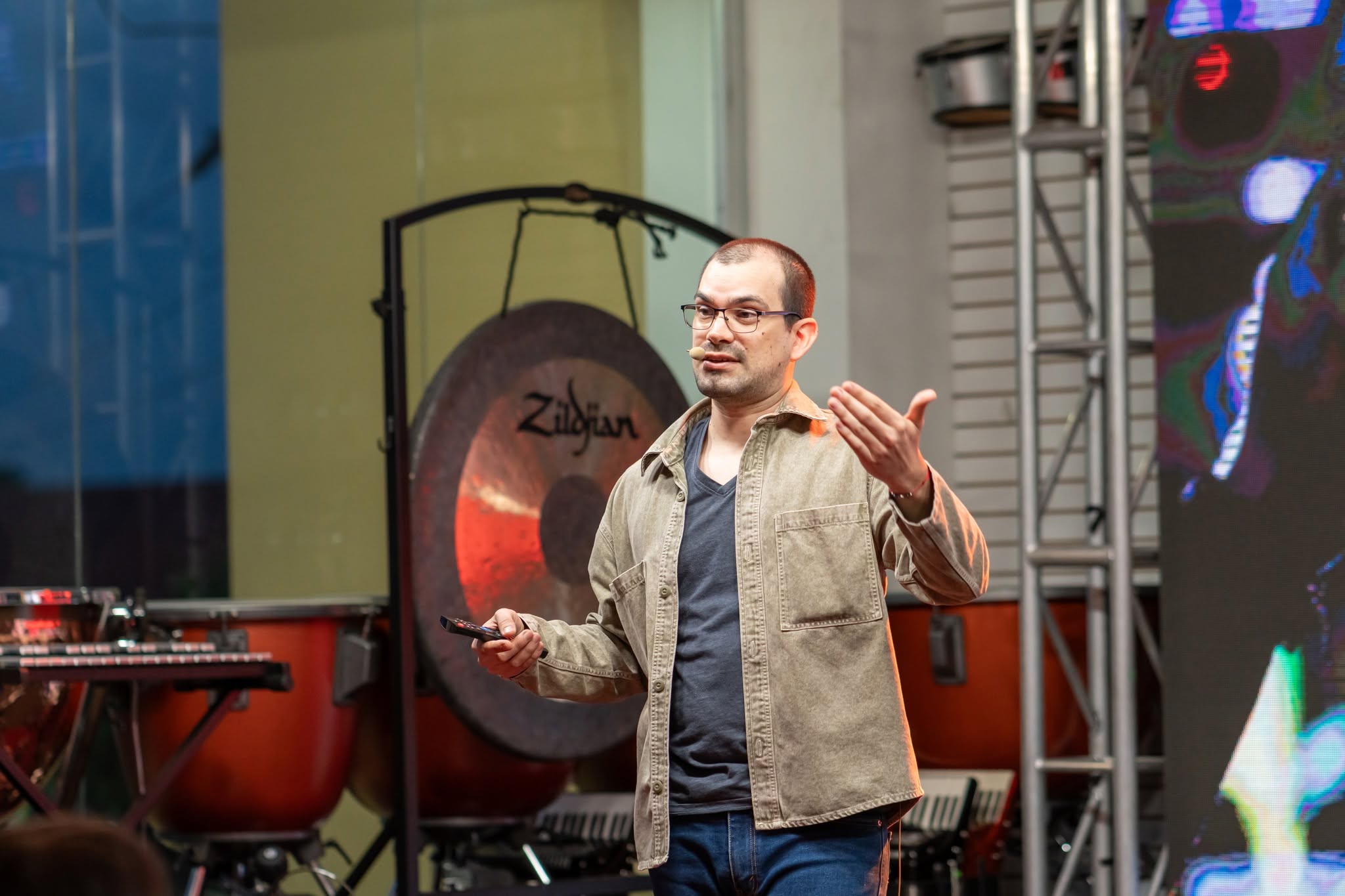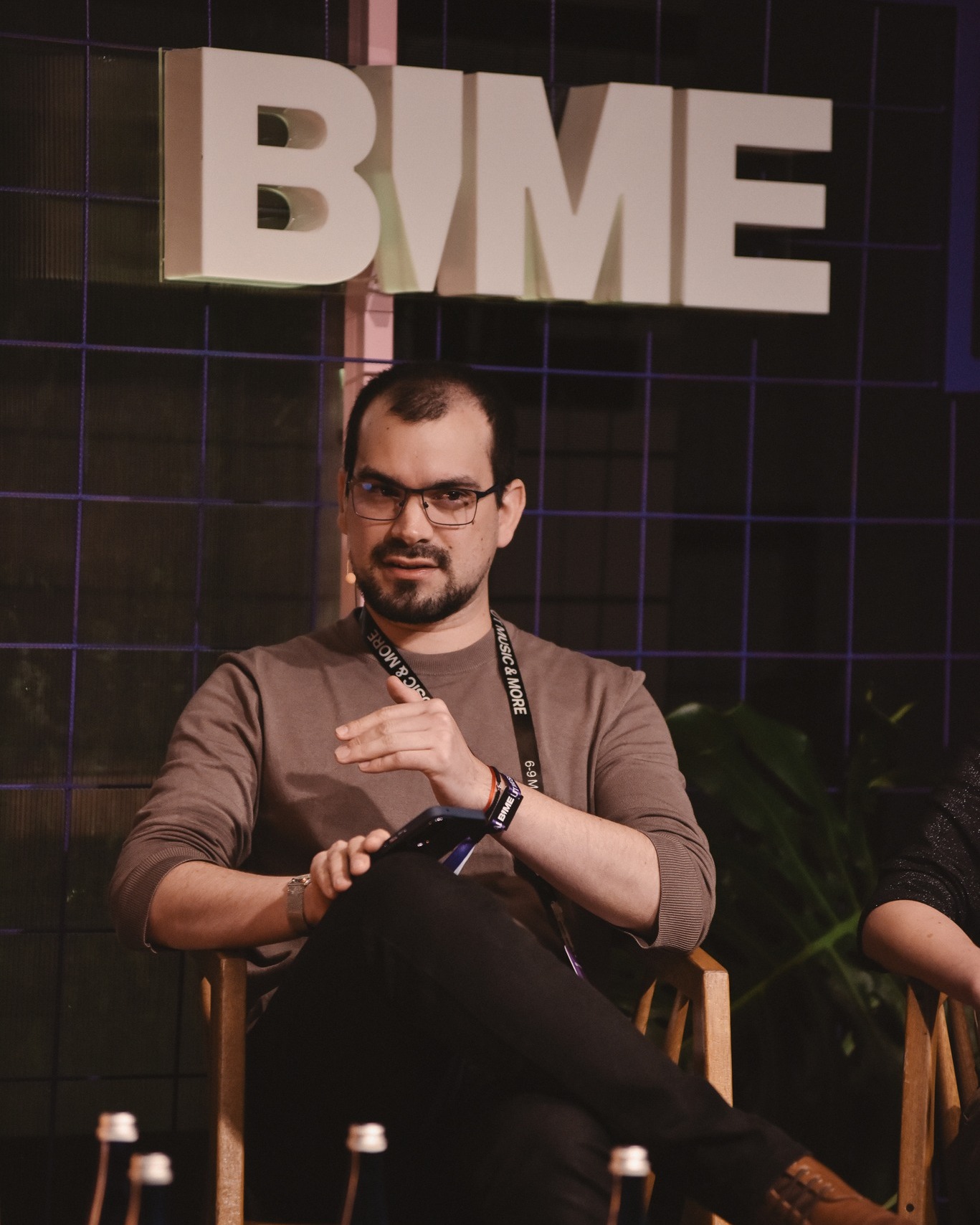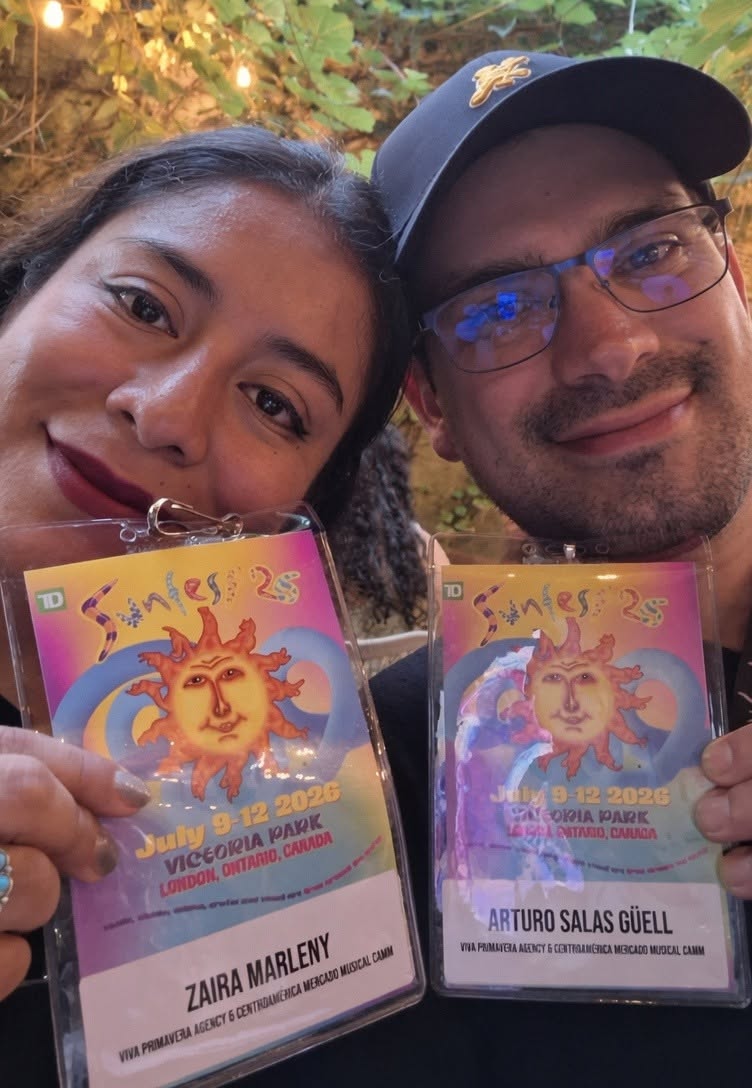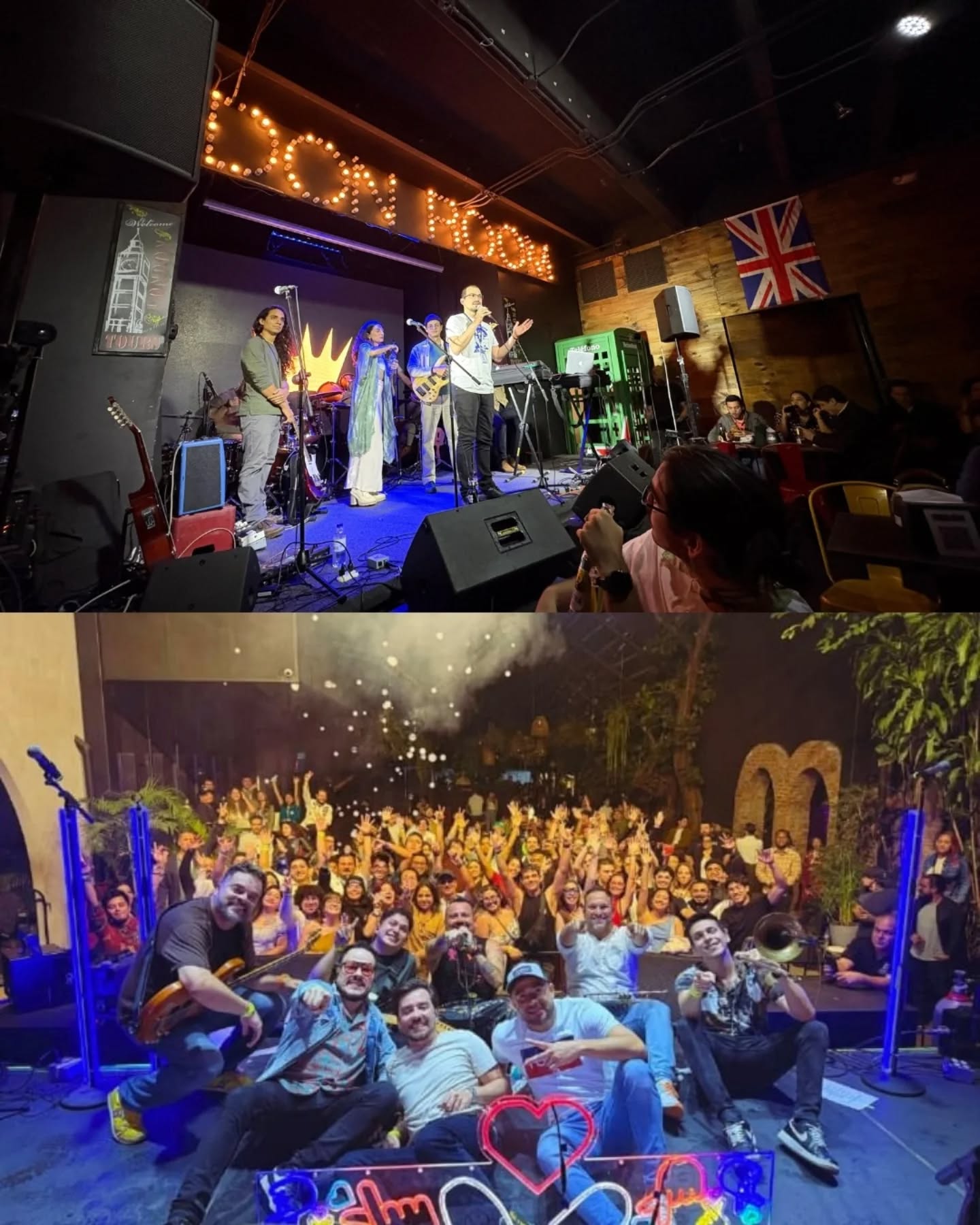






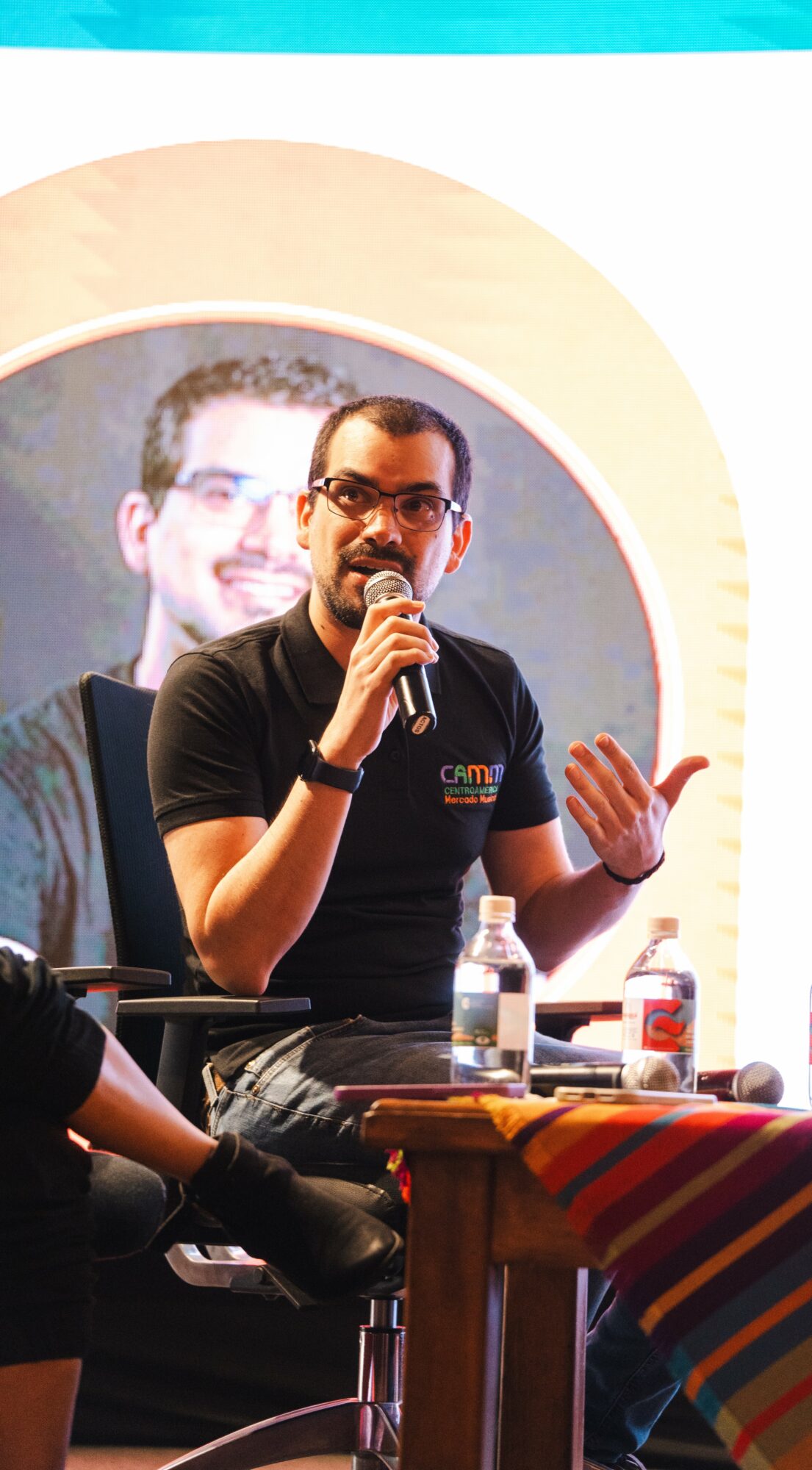
Today we’d like to introduce you to Arturo Salas Güell.
Arturo, we appreciate you taking the time to share your story with us today. Where does your story begin?
My journey has always been connected to music, creativity, and the people behind it. I started working in the music industry more than 17 years ago, initially as a musician and later expanding into artist management, music business, cultural management, and creative entrepreneurship. Over time, I became increasingly interested not only in creating music, but in understanding the systems, opportunities, and relationships that allow artists and creative projects to grow.
That curiosity led me to work across different areas of the music industry, including artist development, A&R, production, publishing, metadata, rights management, booking, and strategic consulting. I have had the opportunity to represent and work alongside artists from different parts of Central America, helping them develop their careers and connect with new audiences and professional opportunities.
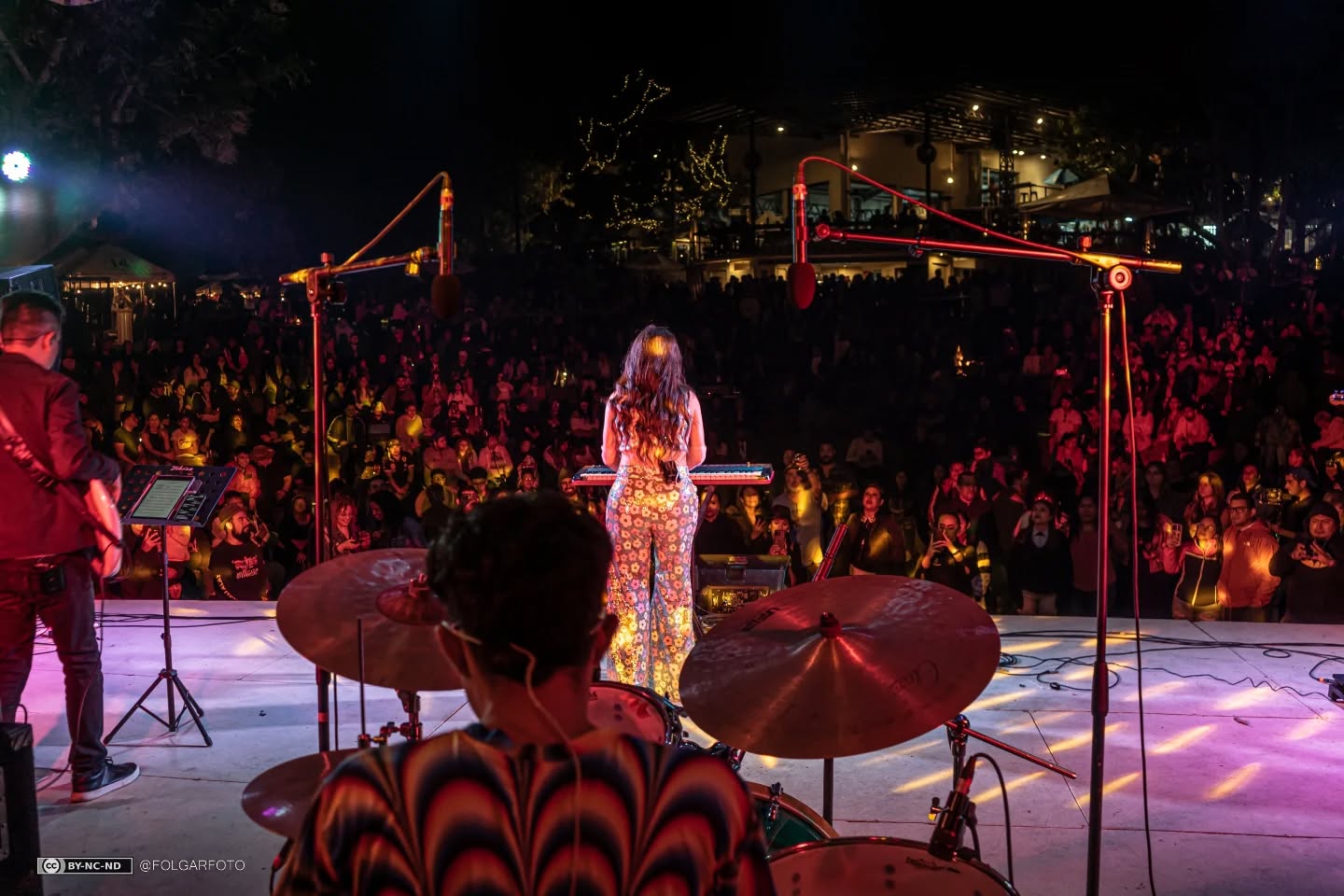
In 2019, I co-founded Viva Primavera, a Central American agency focused on artist management, booking, strategic consulting, and professional development for creative entrepreneurs. Through Viva Primavera, I also developed Primavera EDUCA, a training initiative designed to help independent artists and music professionals strengthen the business side of their projects. I am currently the manager of the Guatemalan artist Fabiola Roudha, a Spanish-language R&B and Soul artist, with whom I have had the opportunity to tour Spain, South Korea, Canada, and the USA.
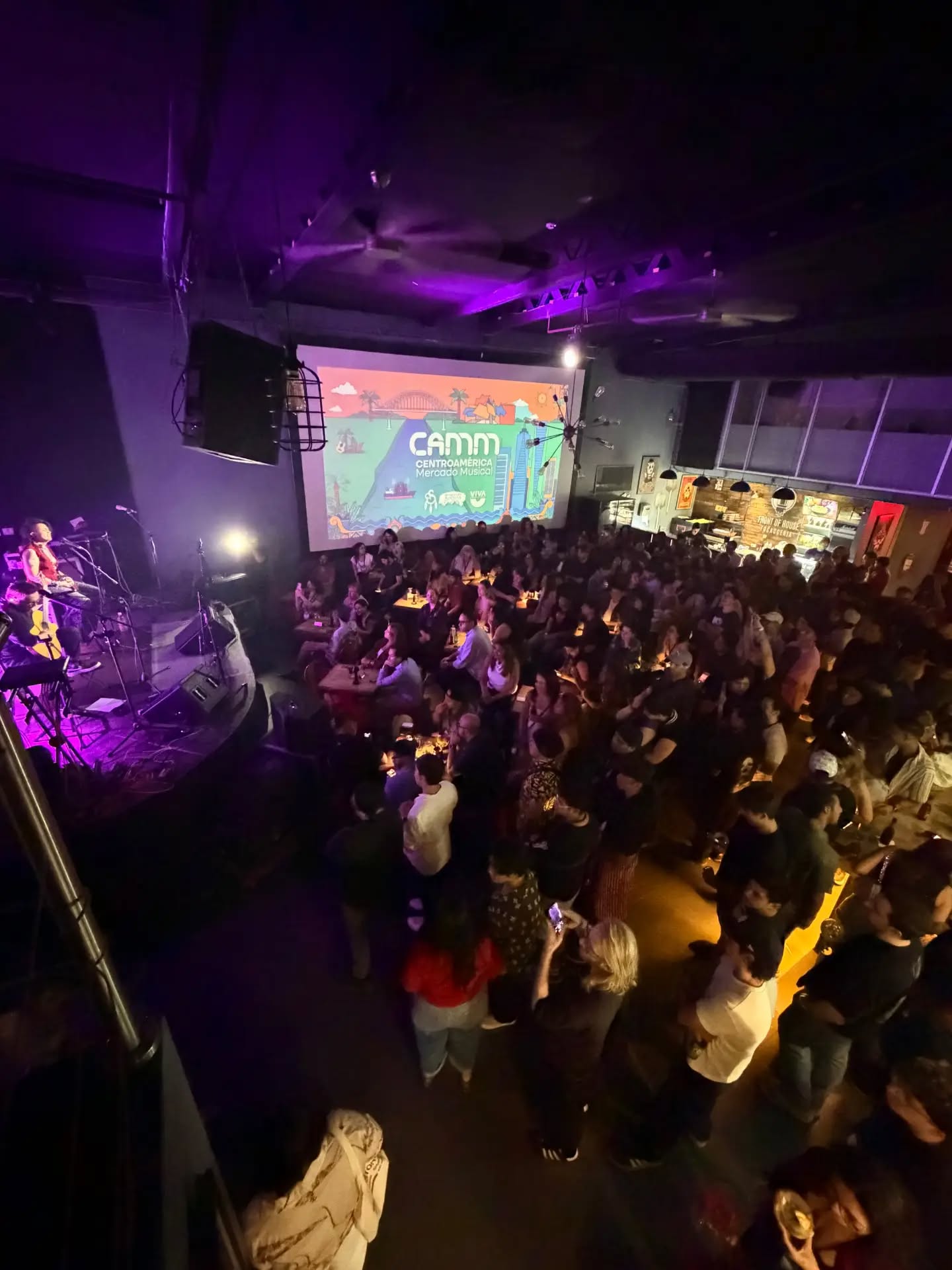
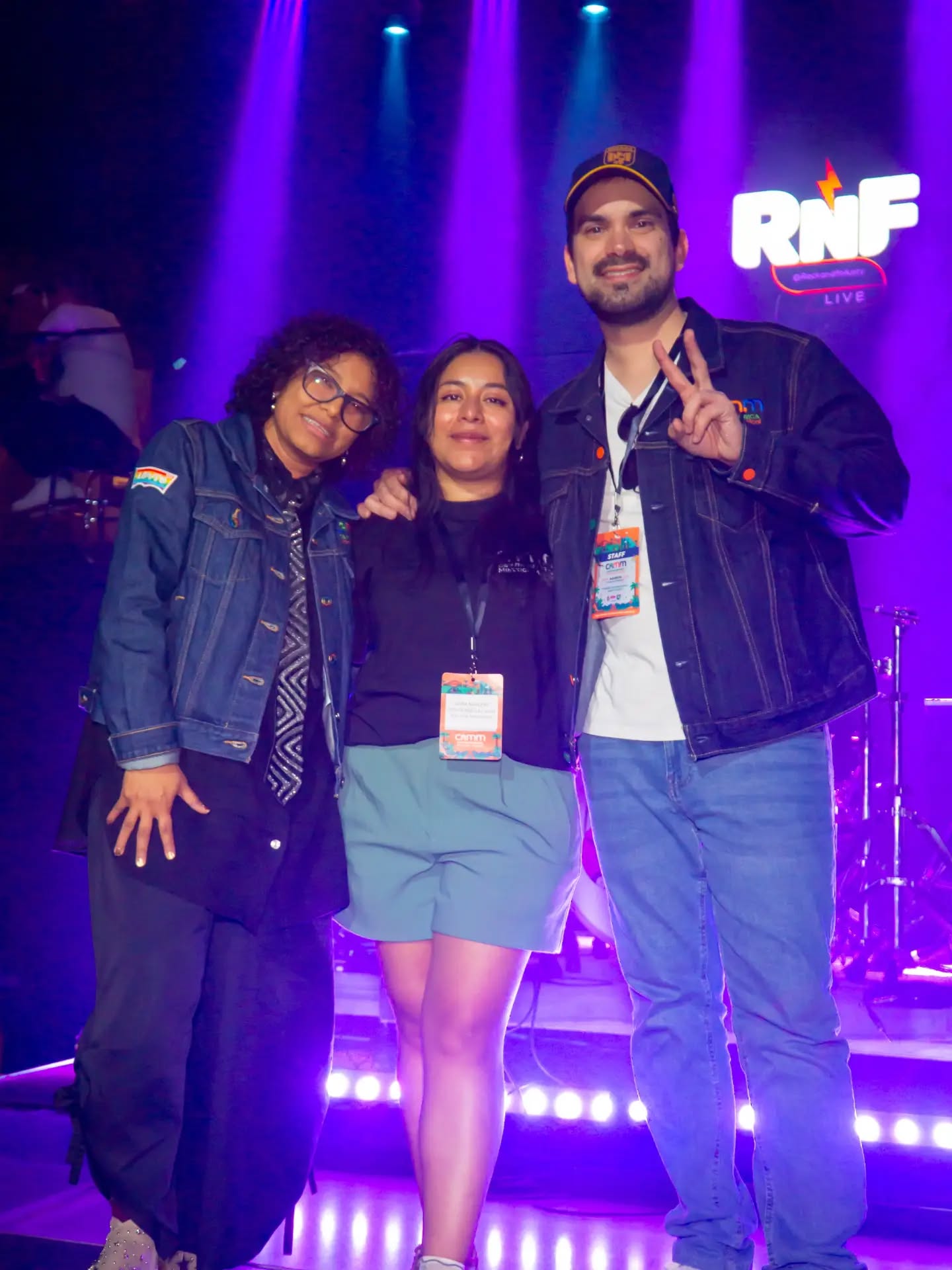
Another important chapter of my journey has been the creation of “Central American Music Conference CAMM” (in spanish: Centroamérica Mercado Musical), an itinerant music market designed to connect Central American talent with industry professionals, buyers, festivals, labels, publishers, and other international partners from USA, Canada, México, Colombia, Europe and other agents. Building CAMM has allowed me to combine many of the things I care about most: music, entrepreneurship, regional collaboration, and creating opportunities for others. Most importantly, we have successfully made a positive impact on more than 2,700 artists and industry professionals in the region by providing the knowledge and tools necessary for the self-management of their projects and the professionalization of the sector. In recent years, we have seen positive outcomes, such as artists signing with record labels, participating in prestigious festivals, and gaining recognition in Billboard and other major media outlets. This is how we have connected with the U.S. market and other key industry arenas.
Today, I see my work as being somewhere between the creative and the business worlds. I am passionate about building bridges, between artists and opportunities, between Central America and the international music industry, and between creative ideas and the structures needed to make them sustainable. My story is still evolving, but I remain committed to using my experience to help create a stronger and more connected ecosystem for music and creative industries in the region, so that new generations do not have to go through the same challenges I experienced during my time as a musician.
We all face challenges, but looking back would you describe it as a relatively smooth road?
It has definitely not been a smooth road, but many of the challenges I have encountered have also shaped my purpose. Building a career in the creative industries in Central America means working in an ecosystem that is full of talent and potential, but still lacks many of the structures needed to turn creativity into sustainable economic opportunities.
One of the biggest challenges is that the different parts of the creative productive chain are often disconnected. We have extraordinary artists, musicians, producers, designers, and entrepreneurs, but we still need more managers, agents, publishers, promoters, cultural organizations, investors, and specialized professionals who can help transform creative ideas into sustainable businesses. This is not only an issue for artists; it is an opportunity to create new professions, companies, jobs, and sources of income throughout the entire creative economy.
There are also structural challenges: limited public policies for the creative sector, insufficient investment, fragmented markets, and limited access to international networks. Artists can struggle to find audiences in their own countries, while national music often has very little presence in mainstream media. In Costa Rica, for example, less than 3% of the music played on some media outlets has been reported as national music. At the same time, Central America has an extraordinary diversity of cultural and musical identities that deserve greater visibility, both within the region and internationally.
These challenges have made me believe even more strongly in the potential of the creative economy as a driver of development. Creativity is not simply about entertainment or culture; it can generate businesses, employment, innovation, tourism, exports, and opportunities for thousands of entrepreneurs. The question is how we build the ecosystem that allows that potential to become sustainable.
That perspective has shaped my work through Viva Primavera and CAMM. Instead of waiting for the ecosystem to become stronger, I have tried to contribute to building it, creating professional networks, sharing knowledge, opening doors for artists and entrepreneurs, and connecting Central America with the international creative economy.
There is still a long way to go, but I believe that some of the greatest opportunities are hidden inside the problems we have not solved yet. If we can connect our talent, knowledge, businesses, and markets, Central America’s creative economy can become not only a source of cultural identity, but a powerful engine for employment, entrepreneurship, and regional development.
There is a phrase that has become something of a life philosophy for me: “Those who plant a tree knowing they may never sit in its shade have begun to understand life.” I think that is also how I see the work we are doing. We may not be the ones who benefit from every seed we plant today, but we have the opportunity to build something that creates shade, opportunities, and possibilities for the people who come after us.
As you know, we’re big fans of Viva Primavera. For our readers who might not be as familiar what can you tell them about the brand?
Viva Primavera is a Central American agency focused on artist management, booking, strategic consulting, and professional development within the music and creative industries. We work with artists and creative entrepreneurs to help them develop sustainable careers, strengthen the business side of their projects, and connect with opportunities beyond their local markets.
What sets Viva Primavera apart is our regional perspective. We understand that Central American artists often have to navigate fragmented markets and limited professional infrastructure, so our work goes beyond traditional artist representation. We focus on building connections, sharing knowledge, and creating bridges between countries and between the creative and business sides of the industry.
One of the projects I am most proud of is CAMM Centroamérica Mercado Musical. Since its creation, CAMM has become a space where the region can meet itself first, and then connect with the rest of the world. That is particularly meaningful to me because one of the biggest challenges in Central America is that our music markets have traditionally operated in isolation (all 7 countries). CAMM is an attempt to change that by creating a stronger regional network and making it easier for talent, knowledge, and opportunities to circulate.
I am particularly proud that both Viva Primavera and CAMM are built around the idea of creating value for an entire ecosystem, rather than simply focusing on individual projects. We want artists to have better tools, professionals to have better connections, and the region to have a stronger presence in the international music industry.
Ultimately, our brand is about connection: connecting people, countries, ideas, and opportunities. We believe Central America (Belize, Guatemala, El Salvador, Honduras, Nicaragua, Costa Rica and Panama) has a tremendous amount of talent and creative potential, and our role is to help build the infrastructure and relationships that allow that potential to travel further.
Risk taking is a topic that people have widely differing views on – we’d love to hear your thoughts.
I don’t think of myself as someone who takes risks blindly. I see myself more as someone who is willing to take calculated risks when I believe there is a meaningful purpose behind them.
Creating CAMM and the process that preceded it was probably one of the biggest professional risks I have taken. We were trying to build something that had never existed in Central America: an itinerant music market designed to connect the region’s music industry with itself and with international markets. There was no established model in the region for us to follow, which meant that we had to build the concept, the community, the relationships, and the trust almost from scratch.
One of the approaches that helped me navigate this process was the entrepreneurial methodology presented by Daniel Priestley in his book *Entrepreneur Revolution* (2013 edition). His approach to building ventures through community, relationships, visibility, and creating value before asking for something in return resonated strongly with the kind of ecosystem we wanted to develop.
Instead of immediately trying to launch a large-scale event, we spent more than five years traveling throughout Central America, as well as Colombia and Mexico, giving talks and workshops, meeting artists and industry professionals, and building a community around the idea of a more connected Central American music ecosystem. Much of that work was free and focused on creating relationships and trust rather than immediate financial returns.
After years of preparation, we finally launched the first edition of CAMM in Antigua Guatemala in June 2024.
For me, that experience changed the way I understand risk. Sometimes the biggest risk is not taking a leap, but having the patience to build something before you know whether the market is ready for it. CAMM required years of work without any guarantee that the idea would succeed.
Today, seeing CAMM continue to grow and receiving invitations from other festivals and music markets to participate in their projects has been incredibly rewarding. It has also shown me that taking a risk can create opportunities that you couldn’t have planned for at the beginning.
Perhaps one of the most meaningful results has been the connection we have been able to build between Central America’s music industry and the English-speaking markets of the United States and Canada. Through CAMM and the network we have developed around it, we have created opportunities for Central American artists and music professionals to connect with organizations and industry leaders such as BMI, Folk Alliance International, Folk Canada, Sunfest London in Canada, Symphonic Distribution, Billboard, Believe, SXSW (South by Southwest), LAMC, and others.
For me, this is one of the clearest examples of why building an ecosystem matters. The goal was never simply to create another music market. It was to create a bridge, one that could help Central American talent travel further, while also allowing international industry professionals to discover the creativity and potential that exists in our region.
I believe meaningful risks are often connected to long-term vision. You have to be willing to invest time, energy, and resources into an idea before there is proof that it will work. Sometimes you have to build the road while you’re walking on it, and sometimes, if you build it well enough, you discover that other people are willing to walk it with you.
Contact Info:
- Website: https://centroamericamercadomusical.org/
- Instagram: https://www.instagram.com/arturosalasguell/
- LinkedIn: https://www.linkedin.com/in/arturosalasguell/
- Youtube: https://www.youtube.com/@centroamericamercadomusical
- Other: https://www.instagram.com/redvivaprimavera/