






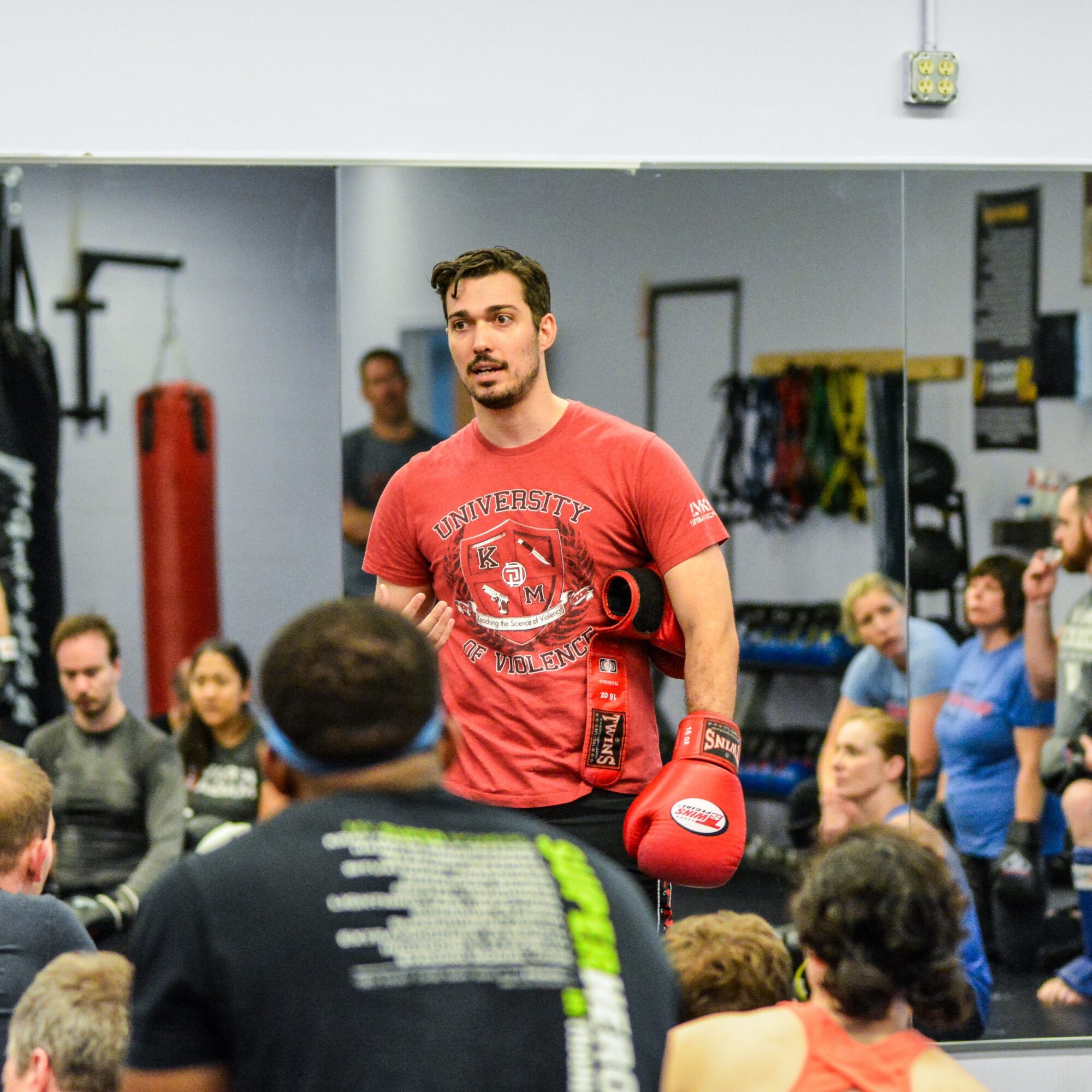
Today we’d like to introduce you to Daniel Hines.
Hi Daniel, so excited to have you on the platform. So before we get into questions about your work-life, maybe you can bring our readers up to speed on your story and how you got to where you are today?
I started training in martial arts when I was nine years old, beginning with traditional Korean martial arts. That experience had a huge impact on my life. It taught me discipline, perseverance, and confidence, but just as importantly, it gave me a sense of belonging. I made lifelong friends and found a community that helped shape who I am today. Looking back, that’s where my belief about what a gym *should* be really formed: a place where people feel welcome, supported, and challenged to grow.
After college, my focus shifted toward Krav Maga and combat sports. I earned instructor certifications and began cross-training in Muay Thai, Brazilian Jiu-Jitsu, and boxing. At the same time, I was working in medical research, specifically immunology, and planning to apply to graduate programs to continue that career path.
That all changed when my stepfather, who owned DFW Combat Co. (then Krav Maga DFW), decided he was ready to retire and offered to sell me the business. The gym had always been a family operation, and when the opportunity came up, I had to make a choice. In the end, I realized I couldn’t walk away from something that had already shaped my life so much, and I bought him out.
Once I took over, I focused on building a multidisciplinary approach to training. I strongly believe that blending disciplines creates better athletes, better self-defense practitioners, and better coaches. If you get too dogmatic about one system, training stagnates and standards drop. Our combat sports programs originally existed to supplement self-defense training, but over time they grew into something much bigger. Today, we have a thriving community that includes competitive athletes, hobbyists, and people who simply want to be healthier, stronger, and safer.
Beyond the gym itself, one of my major goals has been raising standards across the industry. I’ve spent years studying training methodology and earning certifications so I can help train other coaches and gym owners. I’m an instructor trainer for the Krav Maga Alliance, one of the largest Krav Maga affiliations in the world, where I certify civilian, law enforcement, and military instructors. Teaching with integrity matters to me, especially in an industry where there are far too many gyms cutting corners or treating students like numbers.
I’ve trained at places where the coach didn’t even bother to learn students’ names, and that kind of environment drives people away from something that could genuinely improve their lives. That’s why I host events like coaching courses and SPARbecue—to build community, model what good coaching looks like, and push things in a positive direction.
Most recently, I accepted the role of Chief Operating Officer of the Krav Maga Alliance. In that position, I help gym owners grow sustainable businesses while staying aligned with the core mission of improving training quality and raising the bar worldwide. At every level—from beginners stepping onto the mats for the first time to seasoned instructors—I’m focused on building environments where people feel supported, challenged, and proud to be part of the community.
I’m sure it wasn’t obstacle-free, but would you say the journey has been fairly smooth so far?
Not even close. It’s been anything but smooth.
When I first took over, I was one person running six separate programs across two locations, managing more than 20 part-time employees, with zero administrative support. Every part of the business fell on me—payroll, scheduling, marketing, sales, accounting, advertising for two gyms, two rents, plus loan payments from purchasing the business and paying back an investor. I had a lot of financial pressure and very little margin for error. If I didn’t figure things out quickly, the gym simply wouldn’t survive.
Any time there’s a change in leadership, there’s also turbulence. Expectations shift, people are unsure of the direction, and trust has to be rebuilt. Fortunately, once I clearly defined the mission and values, my team aligned quickly. That clarity became an anchor during some very chaotic periods.
Building our combat sports programs was another major challenge. I didn’t grow up in a Muay Thai or Brazilian Jiu-Jitsu gym, and adding those programs meant stepping into territory I didn’t fully understand yet. Combat sports also attract different personalities, and coaching styles vary dramatically—especially because I brought in high-level coaches from outside our existing organization. There were definite growing pains, but by consistently reinforcing our core values and culture, those programs eventually began working alongside our self-defense training in a way that strengthened the entire gym.
COVID was probably the biggest stress test of all. Because of my background in medical science, I took a very cautious approach to our policies, and that didn’t sit well with everyone. Some long-time students were frustrated, and many people lost jobs or simply couldn’t train. We had to pivot fast—offering online coaching, virtual training, and any resources we could to keep people moving forward.
When we reopened, it was clear that things weren’t going back to “normal.” People had changed. One thing I consistently hear now is how much people crave real community and physical interaction—things that are increasingly missing in everyday life. We had to adapt how we operate to meet that deeper need, not just provide workouts or classes.
Running a gym like this feels like juggling twenty plates at once—some of them on fire—and every so often a completely unexpected problem comes flying in from nowhere. There were times it felt overwhelming. I’ve had significant physical setbacks, including breaking my neck, and there were periods where my finances and personal relationships took a hit.
Despite all of that, the struggle has been worth it. Every hard decision and sacrifice has been in service of building a community where people feel supported, challenged, and genuinely cared for—and where they can grow, together.
Great, so let’s talk business. Can you tell our readers more about what you do and what you think sets you apart from others?
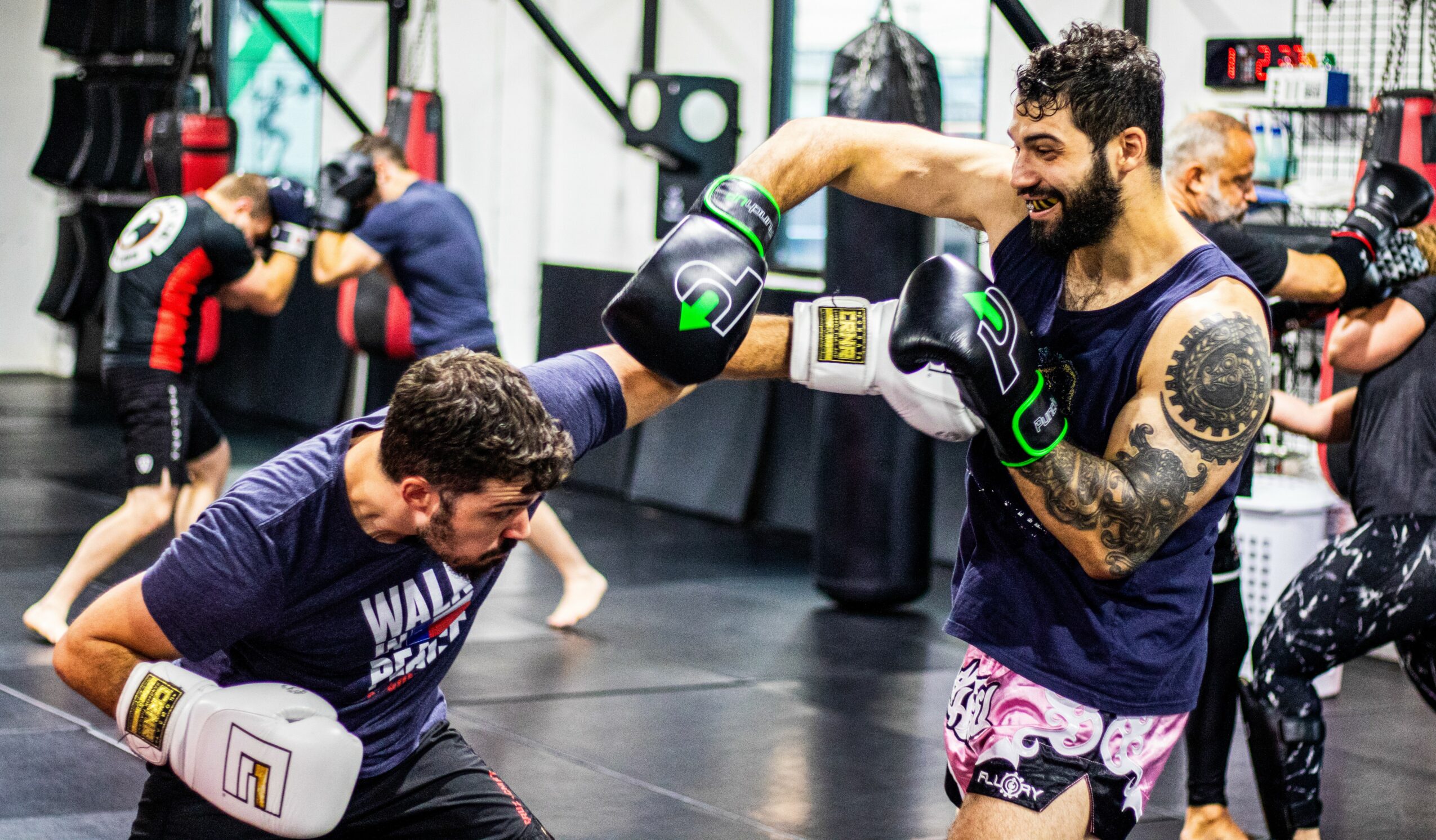
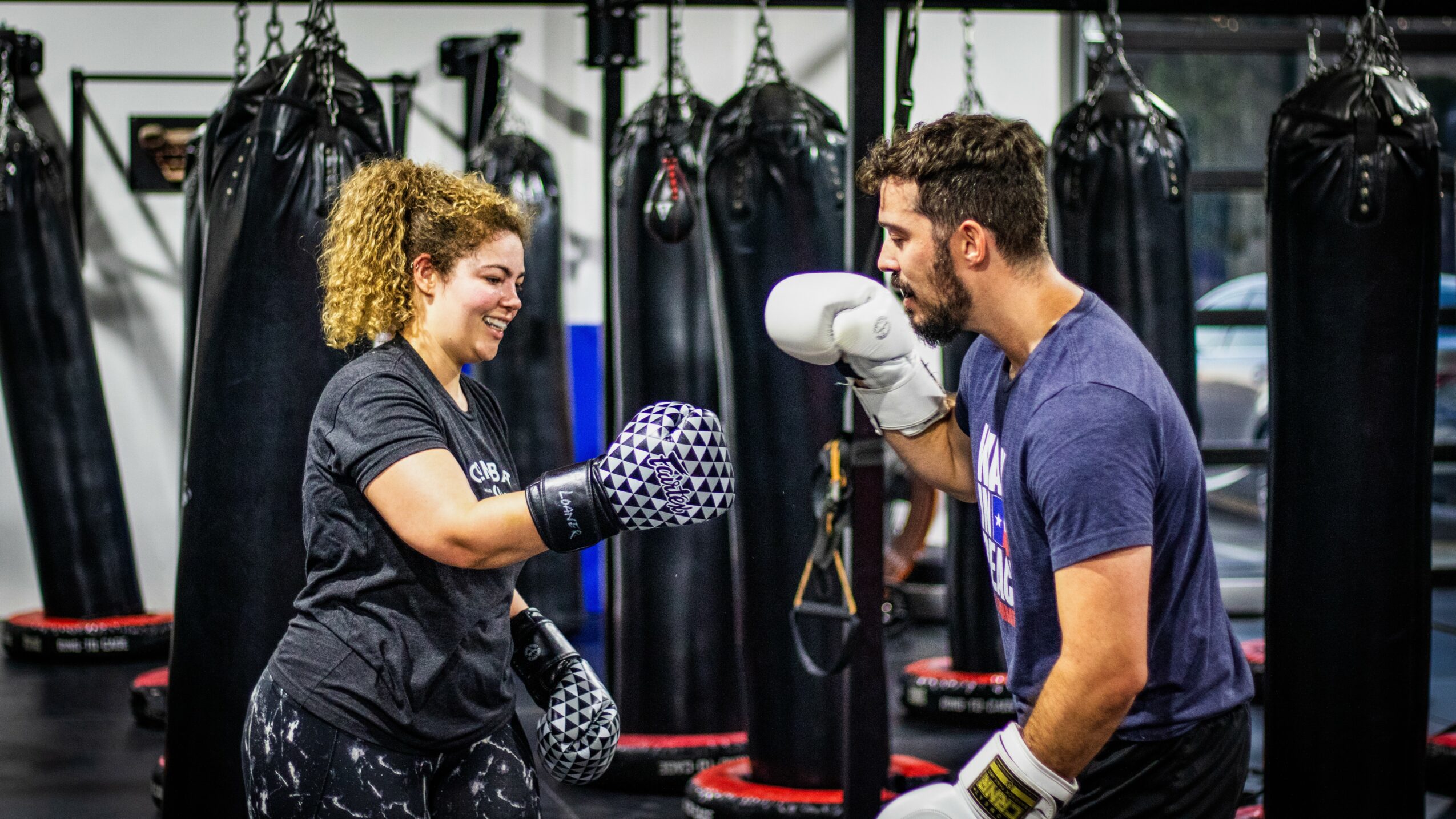
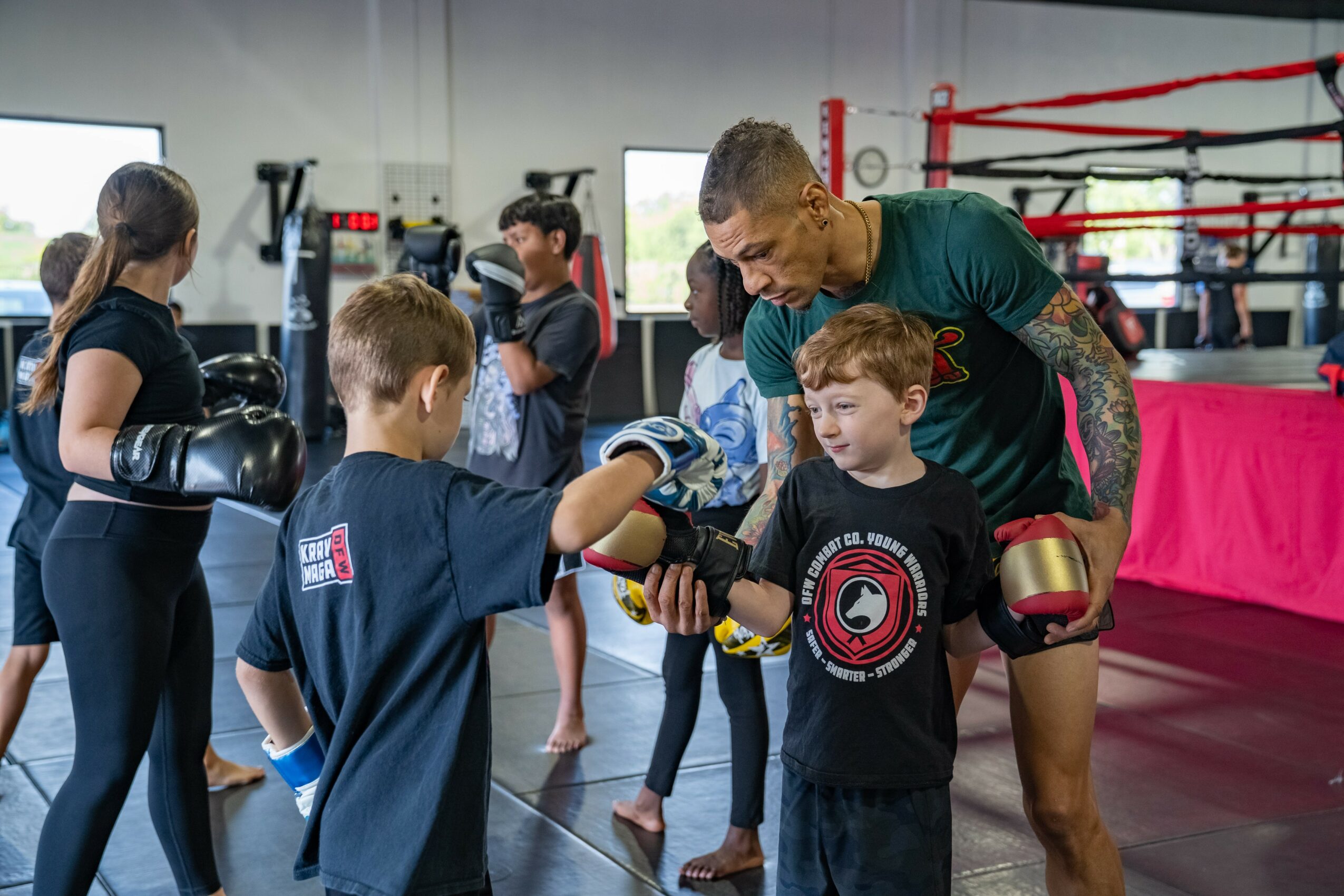
DFW Combat Co. is a multidisciplinary martial arts and training academy built around one core idea: great training and strong community should go hand in hand. We specialize in self-defense, combat sports, and fitness, offering programs in Krav Maga, Muay Thai, Brazilian Jiu-Jitsu, boxing, and youth training. Some of our students train for competition, some are here for self-protection or fitness, and many just want to feel stronger and more capable in their everyday lives.
What sets us apart is how intentionally we blend disciplines and culture. We don’t believe in training in silos. Each program stands on its own, but they reinforce one another, creating well-rounded athletes and students who understand how to move, think, and perform under pressure. That multidisciplinary approach also keeps our coaching honest—nothing gets hidden behind tradition or dogma, and everything has to work. This has been our core mission for almost 27 years now. We’re the original Krav Maga training program in all of Texas and we want to set the standard.
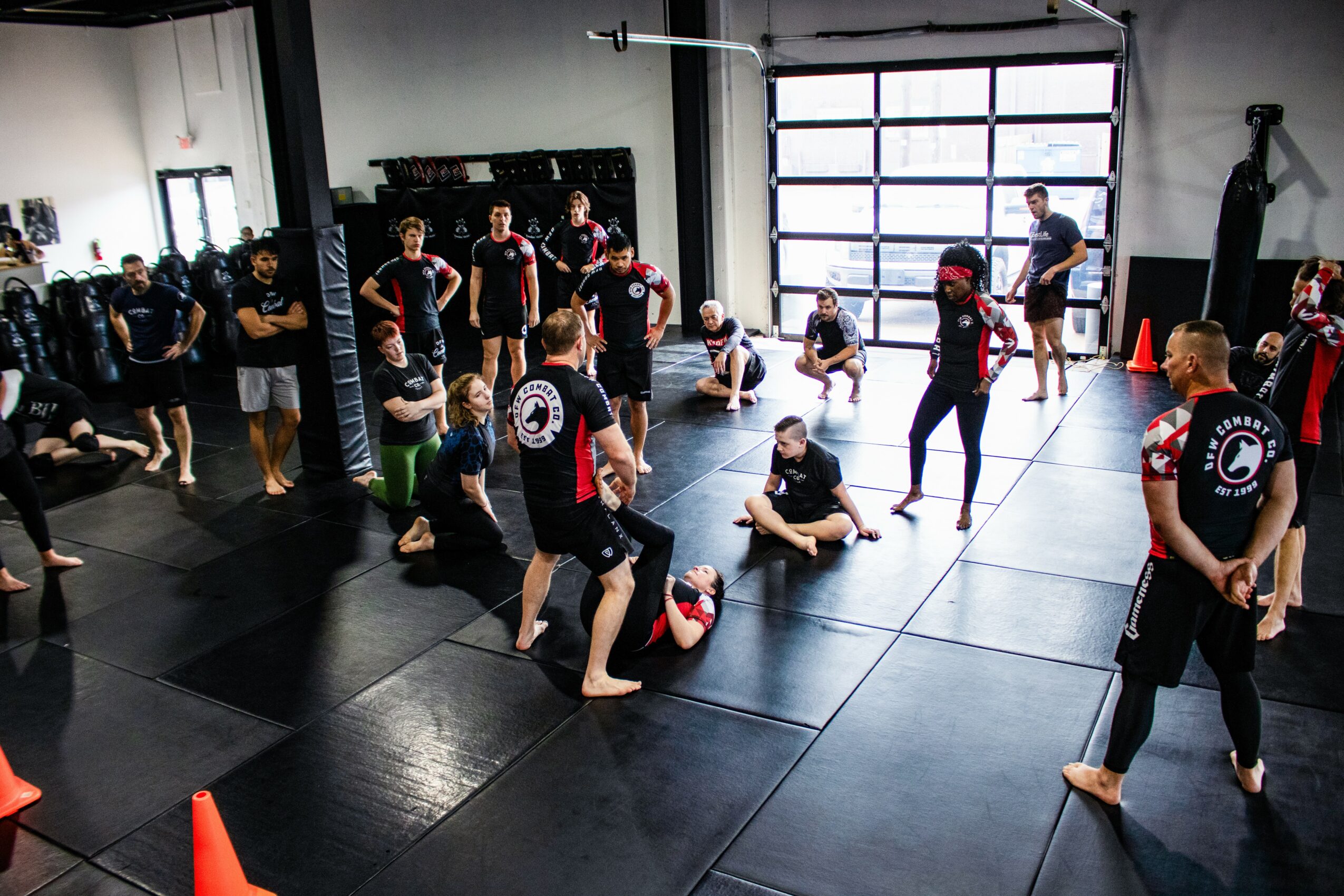
We’re also known for holding a very high standard for coaching. Our instructors are trained not just to teach techniques, but to coach people. That means learning students’ names, understanding their goals, scaling training intelligently, and creating an environment where people feel challenged without being broken down. For us, professionalism, safety, and integrity matter just as much as toughness.
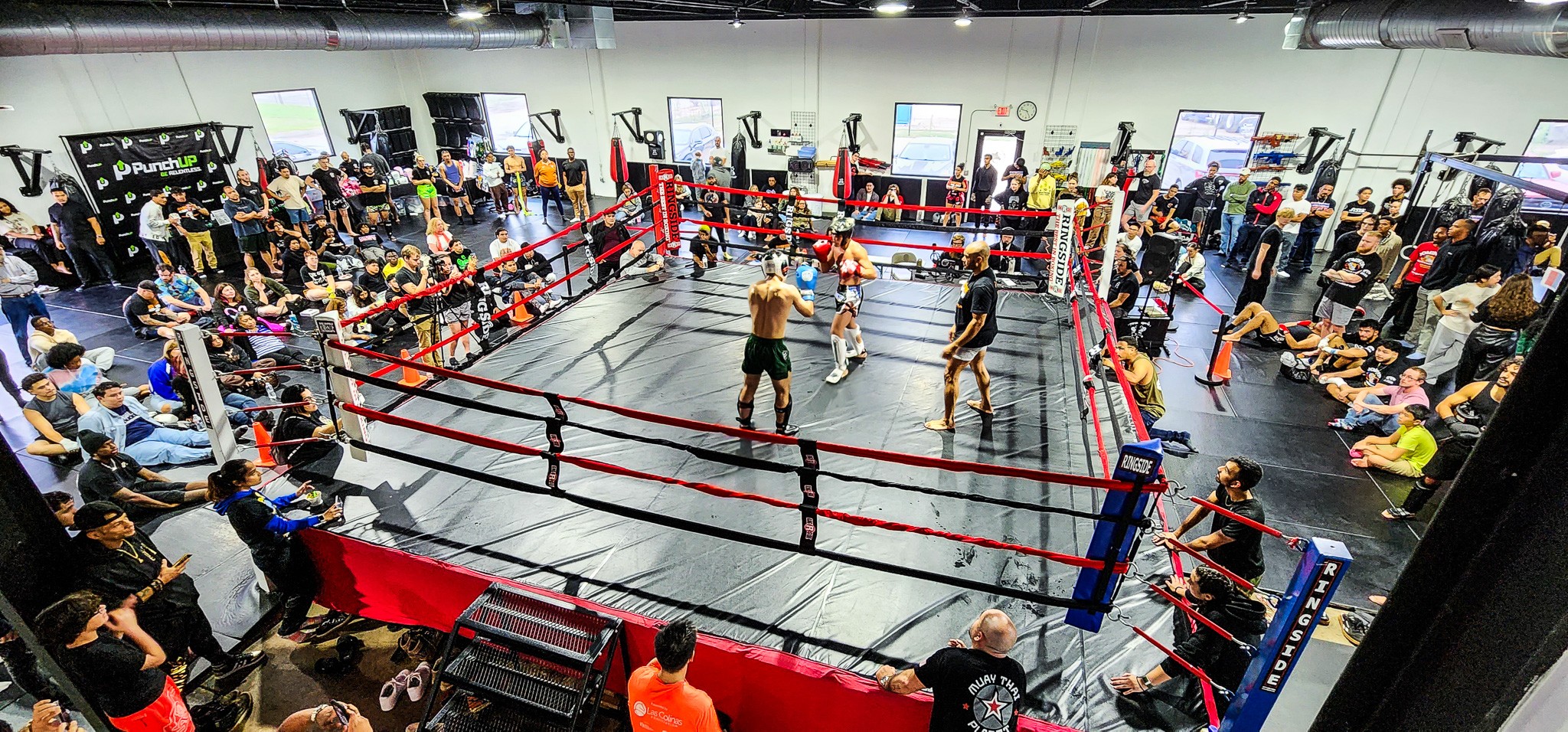
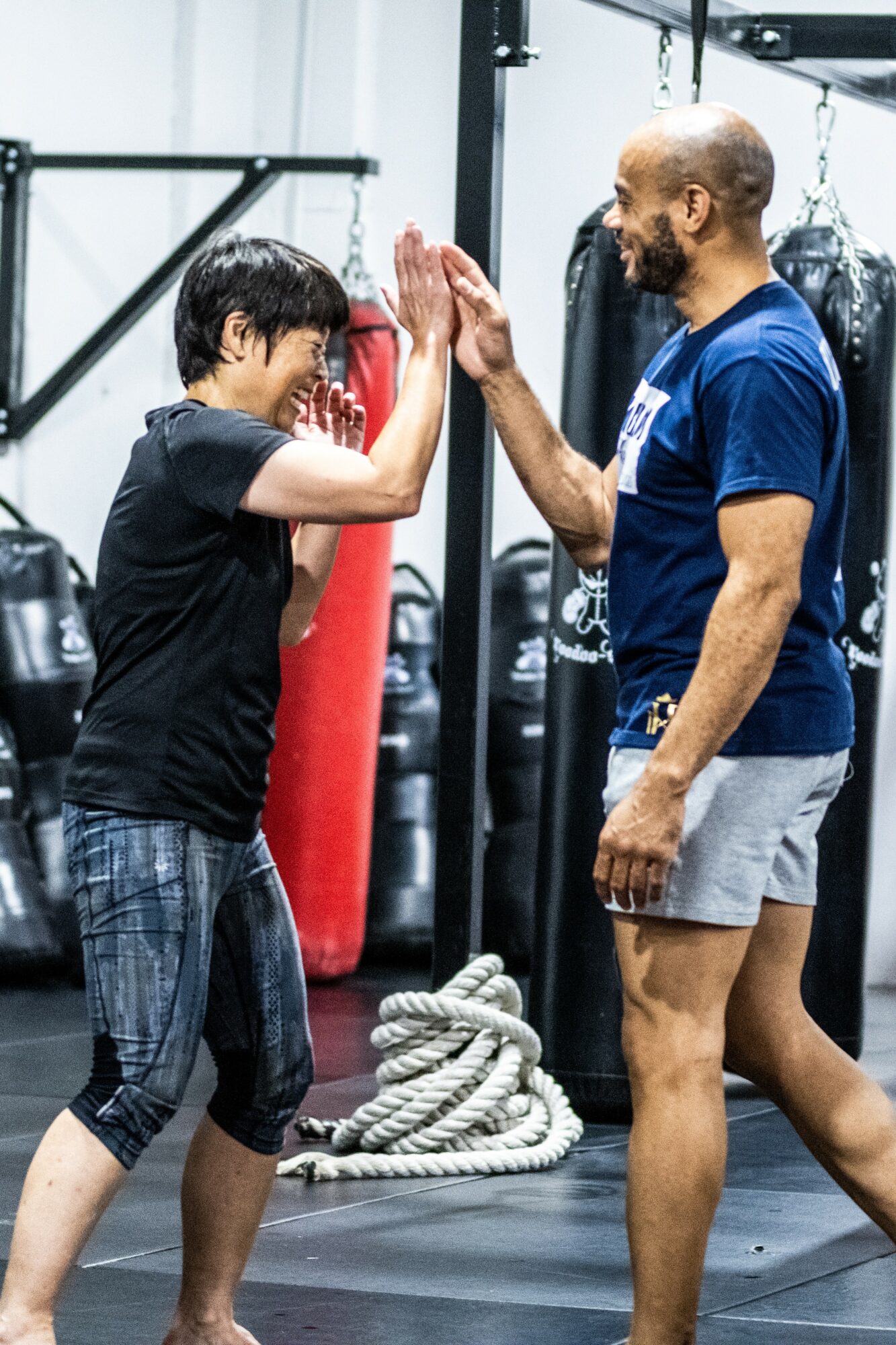
Community is another defining feature of our brand. We work hard to make the gym a place where people feel like they belong, whether they’re brand new or have been training for years. We host events, seminars, and community-driven training experiences that go well beyond “just taking a class.” That sense of shared purpose is something our members feel almost immediately when they walk through the door.
Brand-wise, what I’m most proud of is consistency. We’ve built a reputation for being a gym that does what it says it’s going to do—high-quality training, honest coaching, and a positive culture. We don’t chase trends, shortcuts, or hype. We focus on building people up and doing things the right way, even when it’s harder.
What I’d want readers to know is that DFW Combat Co. isn’t just a place to work out. It’s a place to grow skills, confidence, and community. Whether someone is stepping onto the mats for the first time or has years of experience, our goal is the same: to help them leave better than they arrived—physically, mentally, and socially.
In terms of your work and the industry, what are some of the changes you are expecting to see over the next five to ten years?
I think we’ve already been seeing the early stages of a major shift in the martial arts and fitness industry, and over the next 5–10 years it’s only going to accelerate.
Virtual learning and the use of AI are a huge part of that. I recently launched an online training library for our students, and it’s already grown into hundreds of videos covering technique, drills, conditioning, and concepts. What I’ve learned is that there’s always a segment of students who are absolutely hungry for more—more detail, more explanation, more ways to improve. When you feed that curiosity and pair it with a strong in-person community, those students become positive influencers in the room. They elevate the culture. They ask better questions. They help drive everyone forward. That hybrid ecosystem—online depth paired with in-person coaching—is going to become the norm.
As AI continues to improve coaches will be tempted to use it for almost everything from programming to content creation and customer service. I think customers are innately opposed to that and there’s no substitute for genuine human interaction at the end of the day. AI is an incredibly powerful tool and we can definitely use it to enhance the training experience, but I think the gyms that can serve that emotional need will be the front-runners in the future.
From a business standpoint, the days of gym owners simply “charging rent” for floor space are coming to an end. People want more than access; they want connection. They want real coaching, real relationships, accountability, and a sense of belonging. If a gym doesn’t understand that, it’s going to get left behind.
The future of this industry belongs to places that put community and coaching quality at the center. Students aren’t just choosing a martial arts style anymore—they’re choosing an environment that supports their goals and makes their life better. Everything I’m building now is centered around that idea. And in five or ten years, I think the gyms that survive and thrive will be the ones that treat training like a full ecosystem—education, mentorship, culture, community—not just a place to break a sweat.
Contact Info:
- Website: https://www.dfwcombat.com
- Instagram: https://www.instagram.com/dfwcombatco/
- Facebook: https://www.facebook.com/DFWCombatCo
Popular
-

Deborah Fessenden on Turning Foraged Beauty into Purpose-Driven Jewelry and Advocacy
-

Andrew Finch on Building Elite Athletes Through Fundamentals, Mindset, and Global Experience
-

Genai Walker on Turning Life Experience into Impact Through Writing, Business, and Self-Mastery
-

The Most Inspiring Stories in Dallas