





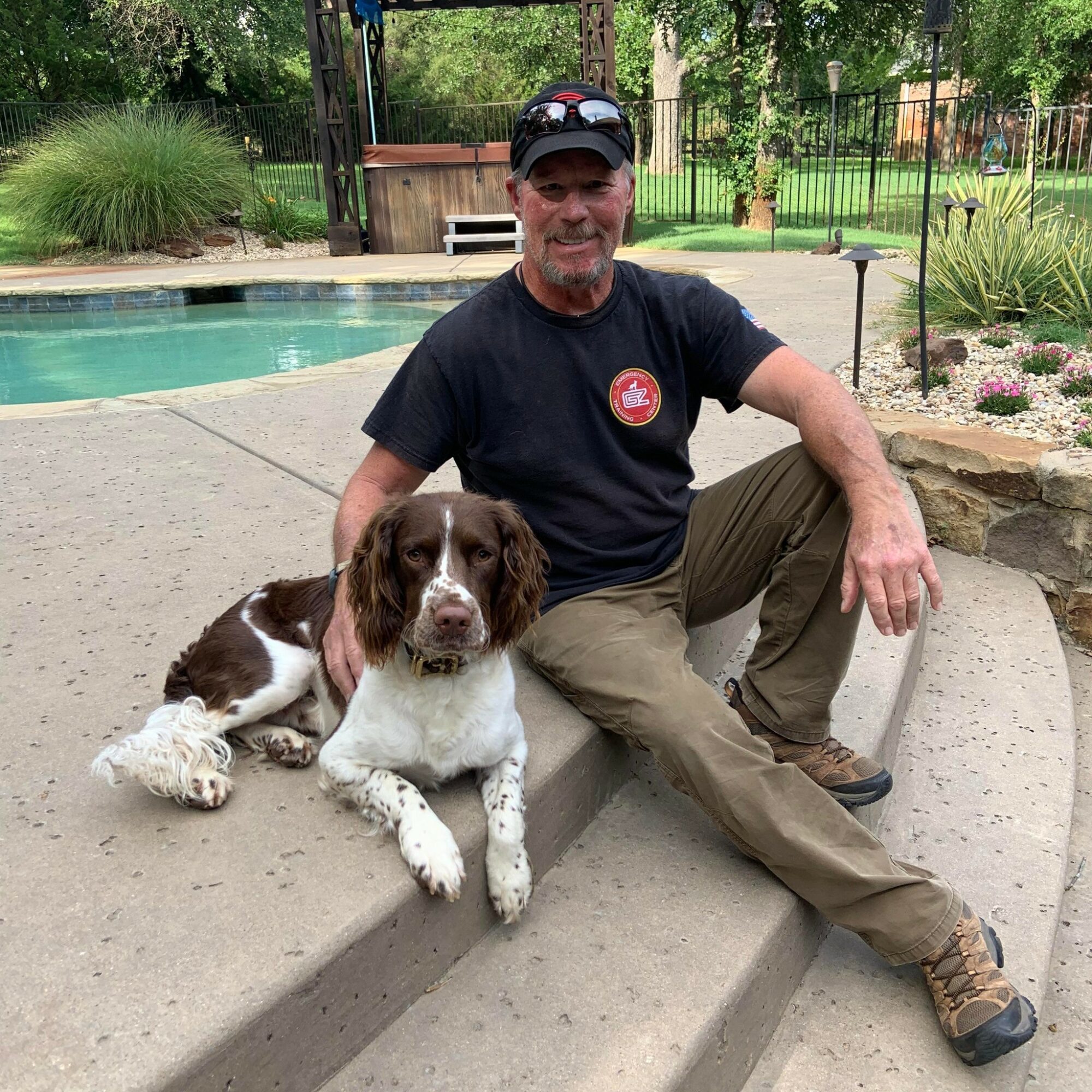
Today we’d like to introduce you to David Brownell.
Hi David, so excited to have you on the platform. So before we get into questions about your work-life, maybe you can bring our readers up to speed on your story and how you got to where you are today?
My journey into canine training began with a simple truth I discovered early in life. I loved dogs and I loved helping people. What started as a fascination with working dogs eventually became a lifelong calling.
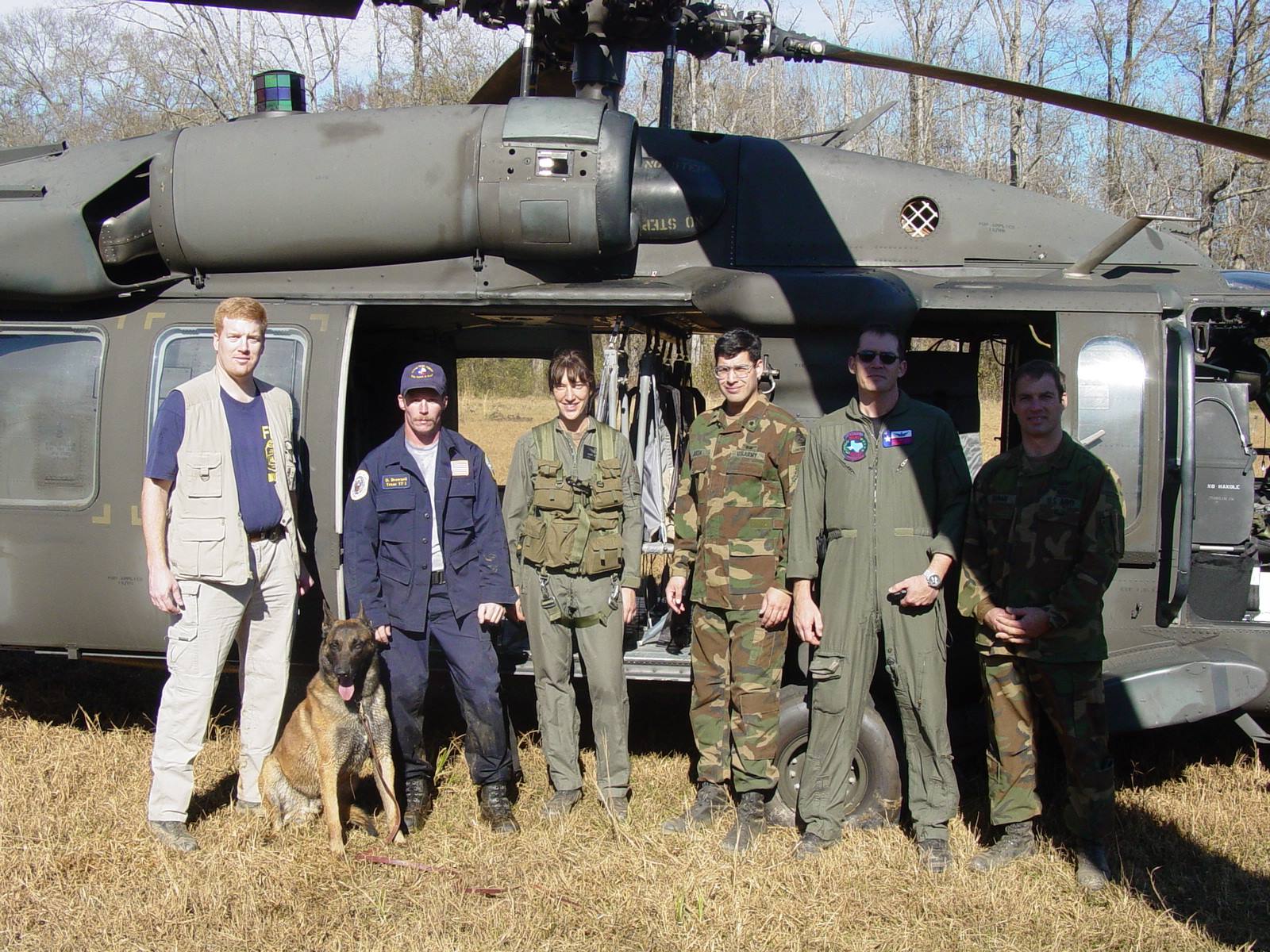
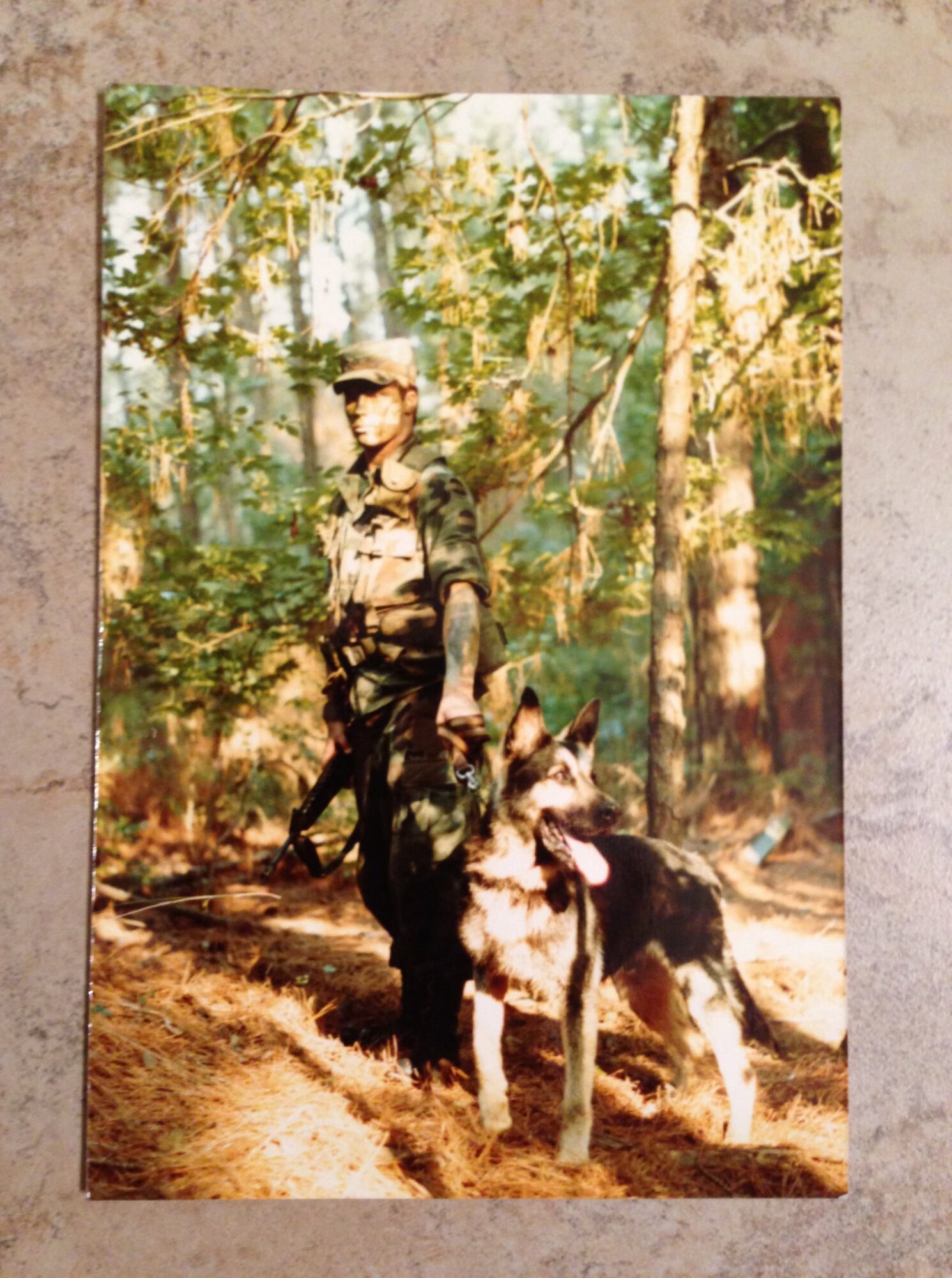
Early in my career I served as a United States Army Military Police Canine Handler. That experience allowed me to see firsthand the incredible partnership that can exist between a dog and a handler. Watching a well trained dog protect lives and accomplish difficult missions showed me that these animals were capable of far more than most people realized. That experience shaped my commitment to working dogs and to the people who rely on them.
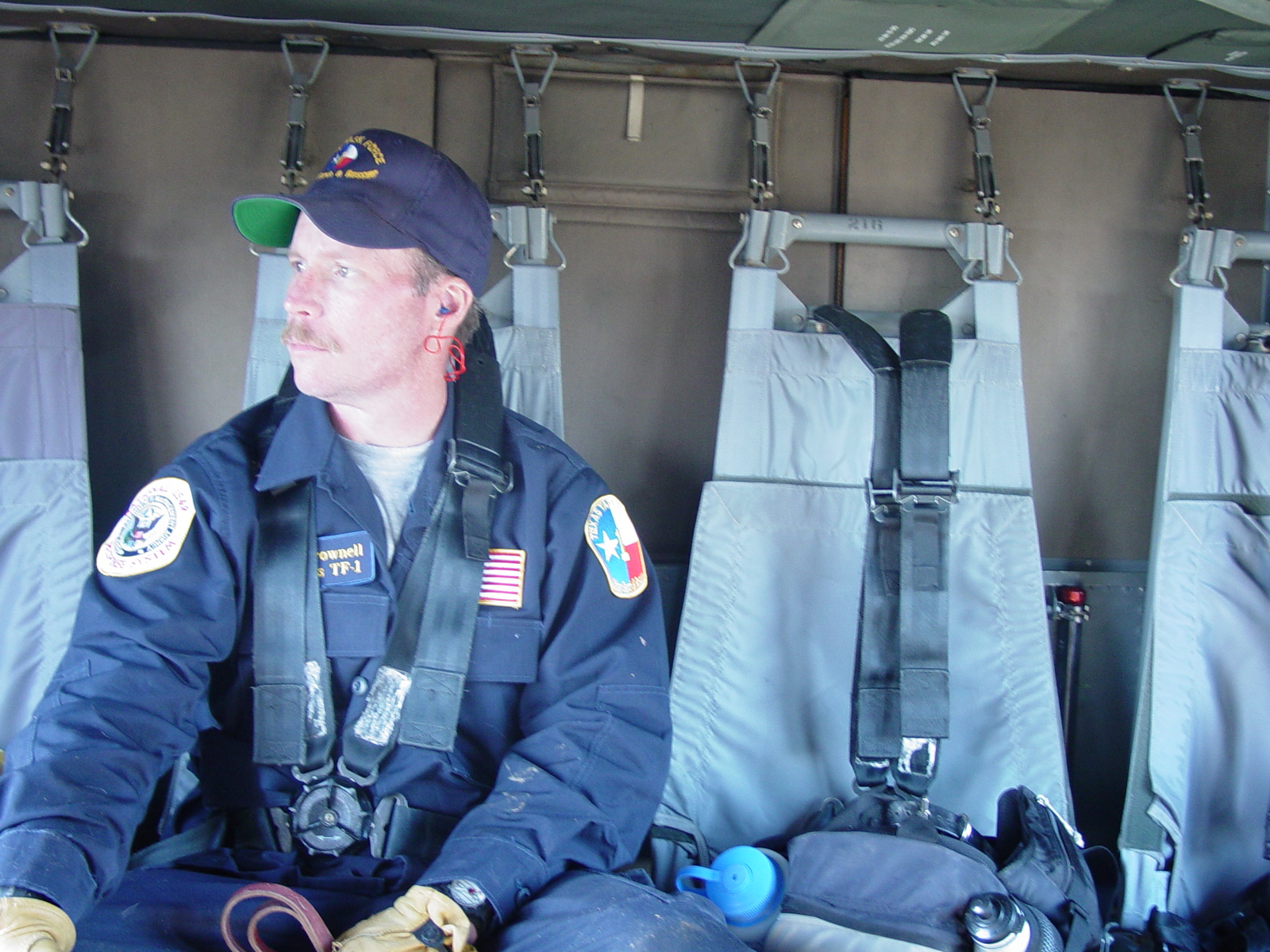
After my military service I continued working with dogs in several disciplines. I became involved in Schutzhund, search and rescue, human remains detection, and disaster response while working with teams in Texas. These efforts supported missions that helped families and communities during times of crisis. Those experiences reinforced something important to me. A well trained dog can bring hope, safety, and answers when people need them most.
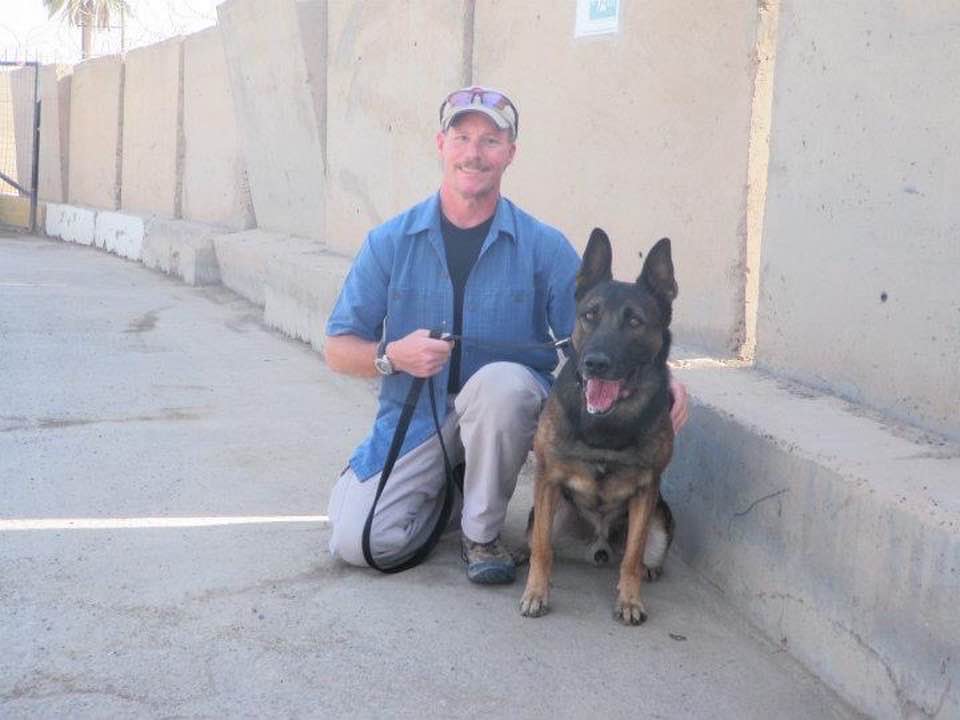
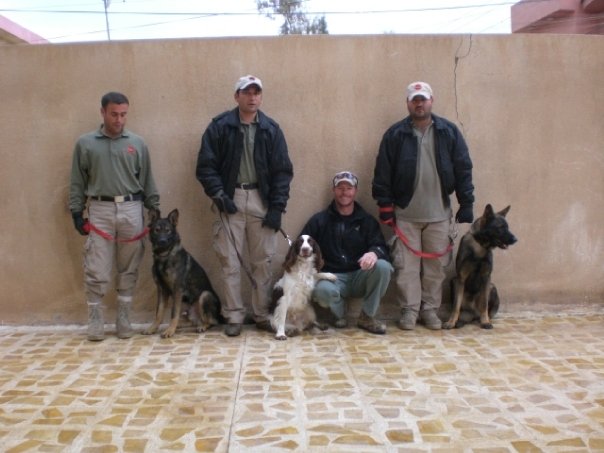
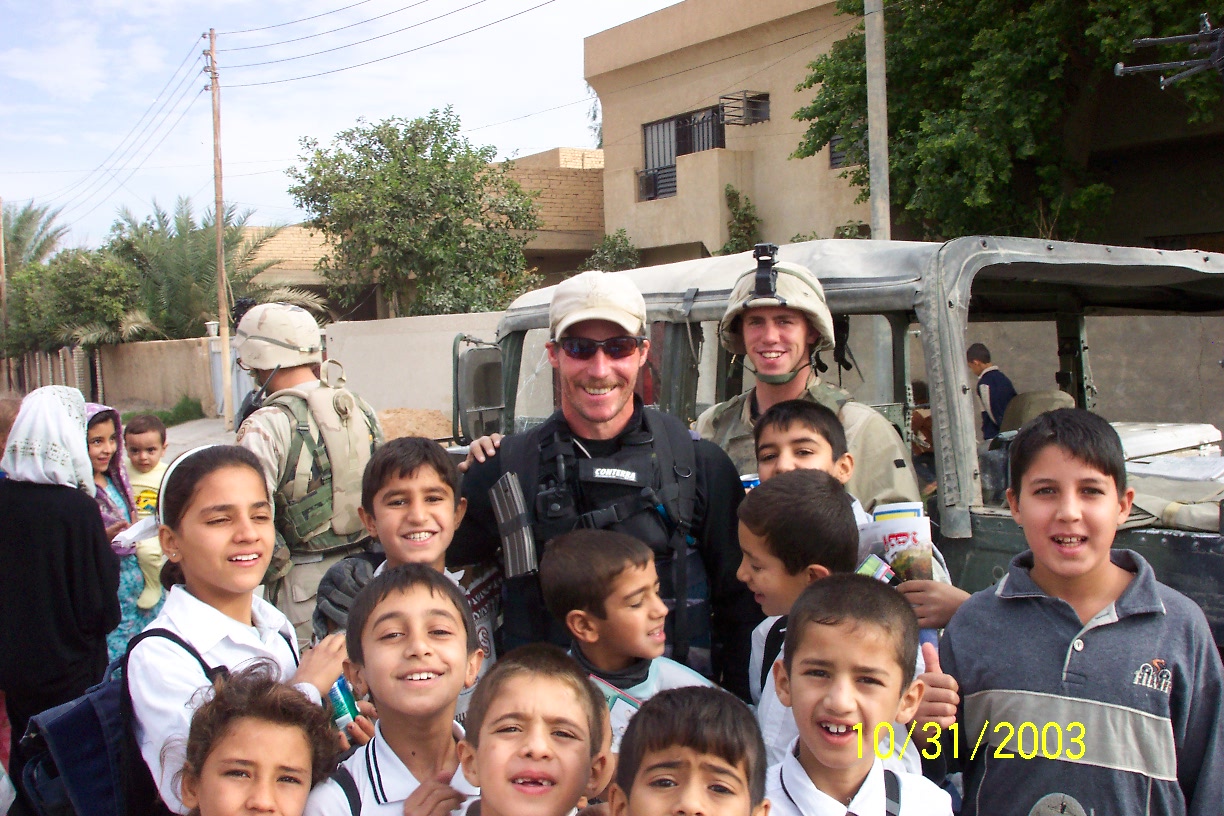
Later my work took me overseas. I spent more than sixteen years working in Iraq and other high threat environments, including nearly six years serving as the Canine Program Manager and Senior Canine Trainer for G4S RONCO. During that time I helped establish and manage detector dog programs that protected the United States government, the Iraqi government, the United Nations, nongovernmental organizations, and critical energy infrastructure.
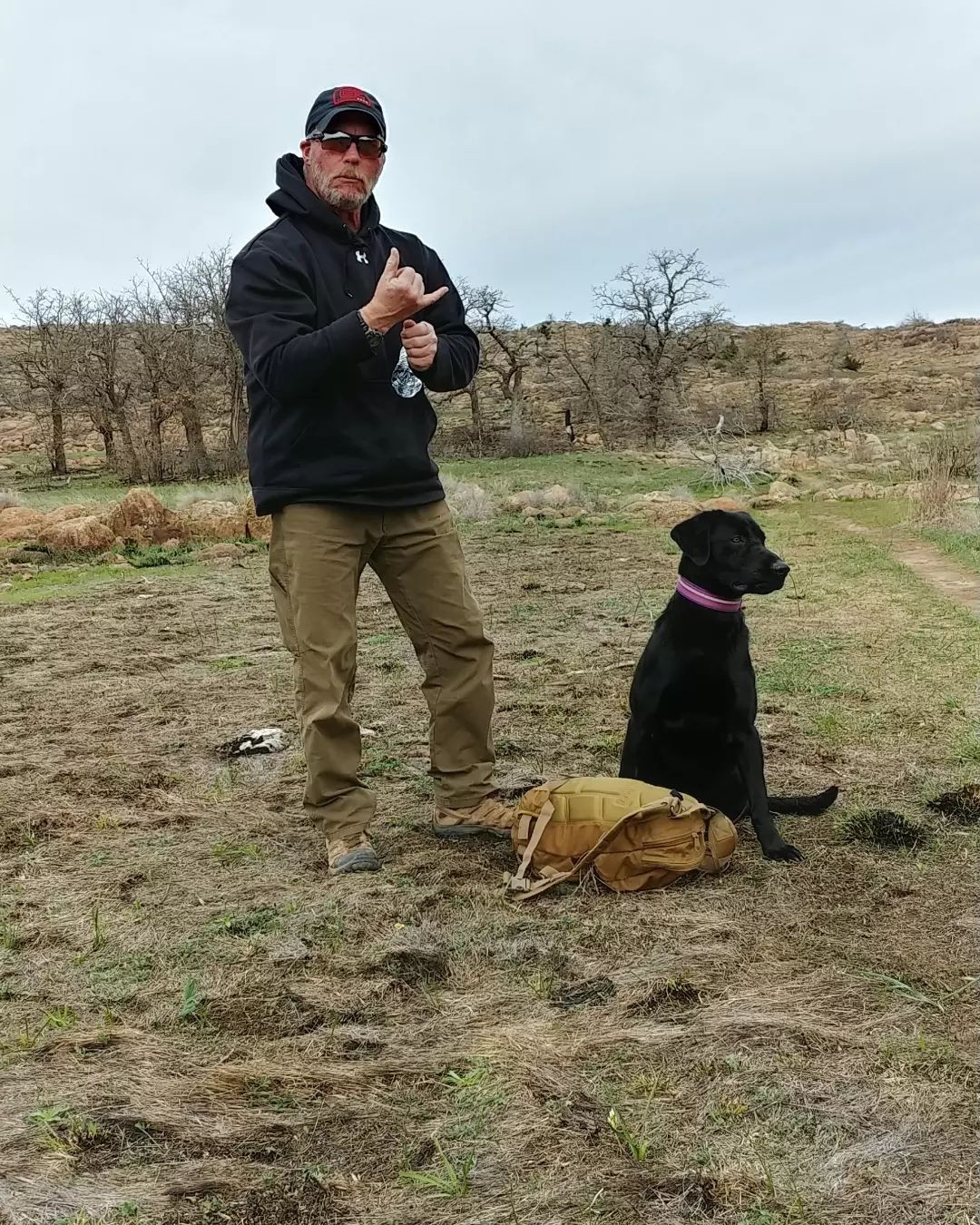
Over the years my focus has increasingly shifted toward mentoring others and sharing the knowledge that so many good trainers once shared with me. I believe strongly in paying it forward. The canine profession grows stronger when experienced trainers take the time to guide the next generation. Through Brownell Canine Training I work to teach handlers how to properly train and understand their own dogs so they can build strong partnerships based on trust and clarity. I also enjoy helping young trainers develop their skills and confidence. Passing along practical knowledge and professional standards is one of the most rewarding parts of my career.
Today through Brownell Canine Training, I continue that mission by training dogs, developing programs, and helping others build reliable canine teams that serve their communities and our country.
Would you say it’s been a smooth road, and if not what are some of the biggest challenges you’ve faced along the way?
Working with dogs for more than four decades has been one of the greatest privileges of my life, but it has also come with many challenges and sacrifices. Much of my early work in search and rescue was done as a volunteer. Like many SAR handlers, I spent countless nights, weekends, and holidays training and responding to call outs. The financial commitment alone was significant. Many years I spent between ten thousand and fifteen thousand dollars out of my own pocket to support my dogs and my training. That included equipment, dog food, veterinary care, travel expenses, and fuel for countless miles driven to training sites and search missions.
The emotional toll of the work could also be heavy. As a search and rescue and human remains detection handler, I was sometimes called to scenes involving homicides, drownings, and natural disasters. While the goal was always to help families find answers and closure, those experiences stay with you.
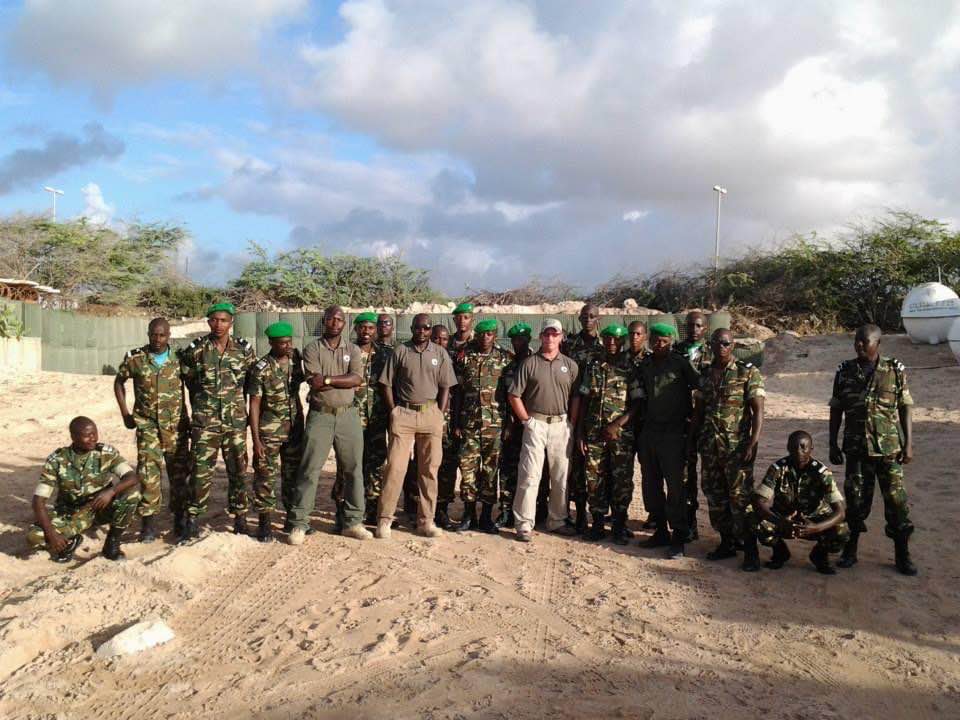
Later in my career I spent more than sixteen and a half years working in Iraq, Somalia, and other high threat environments supporting canine detection programs in war zones and conflict areas. The work often required twelve to eighteen hour days in extremely harsh conditions. Summer temperatures regularly reached between one hundred fifteen and one hundred thirty degrees. Sandstorms, rockets, and constant security concerns were part of daily life.
The personal sacrifices were just as real. After I was married in 2012, my work required me to spend three to six months at a time away from my wife and stepdaughter. Those long separations were difficult for all of us.
When I returned home in 2022, I faced another challenge. After so many years of intense operational work, I had to rediscover my purpose and sense of fulfillment. Today I find that purpose in continuing to work with dogs and in helping others learn, grow, and succeed in the canine profession.
Appreciate you sharing that. What should we know about Brownell Canine Training?
The mission of Brownell Canine Training is simple but deeply important: to provide high quality canine education and training that strengthens the relationship between dogs and the people who depend on them. At Brownell Canine Training we believe every dog has the potential to become a reliable companion or working partner when training is based on clear communication, proven methods, and an understanding of canine behavior. Our goal is not simply to train dogs. Our goal is to educate handlers and owners so they understand their dogs and can build a lasting partnership built on trust, consistency, and clear communication.
What sets Brownell Canine Training apart from many other canine training companies is the depth of real world experience behind the program. With more than four decades of experience working with dogs at the local, national, and international level, our training philosophy is grounded in practical operational knowledge, not just theory. This experience includes work in law enforcement, military, search and rescue, disaster response, and detection dog programs in high threat environments around the world.
Brownell Canine Training offers a wide range of services designed to support both pet owners and professional canine programs. These services include private dog training, behavior modification, puppy development, board and train programs, working dog development, detection dog training, canine program consulting, and trainer education. We also provide evaluations and guidance for individuals or organizations seeking to select the right dog for working roles such as detection, search and rescue, or service work.
Another key factor that distinguishes Brownell Canine Training within the professional canine community is the development of the Brownell-Marsolais Scale. This screening and evaluation instrument was created to help trainers and program managers identify dogs with the natural traits required for search and detection work. By evaluating characteristics such as sociability, nerve strength, hunt drive, and environmental stability, the scale helps ensure that dogs are selected based on their true working potential.
At Brownell Canine Training we believe that proper selection, clear communication, and ethical training practices are the foundation of every successful canine team. Our mission is to help develop better dogs, better handlers, and stronger partnerships through knowledge, integrity, and experience.
.
Any advice for finding a mentor or networking in general?
The canine profession is built on experience, mentorship, and shared knowledge. Whether in detection work, search and rescue, sport, law enforcement, or service dog training, no handler succeeds alone. Every skilled team stands on a foundation laid by trainers, mentors, decoys, helpers, and fellow handlers who gave their time and insight. Paying it forward is not just a kind gesture in this profession, it is a responsibility that strengthens the entire community.
Knowledge in the canine world is often earned through long hours of trial, error, and real-world application. When experienced handlers choose to mentor newcomers, they shorten the learning curve and prevent avoidable mistakes. This guidance protects dogs from poor training methods and protects handlers from discouragement that can come from unnecessary failure. Sharing lessons learned, especially the hard ones, builds stronger, more ethical teams.
Paying it forward also preserves standards. In disciplines such as Human Remains Detection, narcotics detection, or patrol work, integrity and credibility matter deeply. When seasoned professionals model proper documentation, humane training practices, and honest representation of a dog’s capabilities, they influence the next generation to do the same. Mentorship becomes a safeguard for the profession’s reputation.
Support does not always require formal instruction. Sometimes it is as simple as helping set hides, volunteering as a decoy, providing constructive feedback, or encouraging a struggling handler. These small investments of time create a culture of teamwork rather than competition. A profession that shares knowledge openly advances more quickly than one that hoards it.
Most importantly, paying it forward honors the mentors who helped us. At some point, every handler relied on someone more experienced to answer questions, offer corrections, or provide opportunity. Continuing that cycle ensures that the canine profession grows stronger, more skilled, and more ethical with each generation.
When we invest in others, we elevate the entire field. Skill develops teams. Mentorship develops a profession.
Ethics are the foundation of professional canine handling, particularly in disciplines such as Human Remains Detection (HRD), law enforcement, and search and rescue. A canine handler is not only responsible for the performance and welfare of their dog but also for the integrity of investigations, the trust of the public, and, in some cases, the outcome of legal proceedings. Without strong ethical standards, even the most skilled dog team can lose credibility and effectiveness.
First and foremost, ethical handlers prioritize the welfare of their canine partner. This includes proper training methods, humane treatment, appropriate rest, and medical care. A handler who cuts corners, overworks a dog, or uses improper corrections risks both the dog’s well-being and the reliability of its work. Ethical training practices ensure the dog remains confident, motivated, and mentally sound, which directly affects performance in the field.
Ethics are equally critical in training and deployment decisions. A responsible handler must accurately represent their dog’s capabilities and limitations. Exaggerating experience, ignoring weaknesses, or deploying a dog that is not adequately prepared can lead to false alerts, missed evidence, or compromised investigations. In HRD, Law Enforcement and other forensic-related disciplines, such mistakes can have serious emotional and legal consequences for families and communities.
Documentation and transparency are also ethical obligations. Maintaining accurate training logs, recording aid usage, and honestly reporting both successes and failures demonstrate professionalism and accountability. Ethical handlers understand that credibility is earned through consistency and honesty, not perfection.
Finally, ethics guide how handlers interact with law enforcement, search teams, and the public. Professional communication, respect for chain of custody, and confidentiality are essential. The handler represents not only themselves, but their agency, team, and profession.
Contact Info:
- Website: https://brownellcaninetraining.com/
- Instagram: https://www.instagram.com/brownellcanine/
- Facebook: https://www.facebook.com/profile.php?id=61575127163369#
- LinkedIn: https://www.linkedin.com/in/david-brownell-627a269/
- Twitter: https://x.com/k9_trader
- Other: https://www.tiktok.com/@brownellscanine13?lang=en