





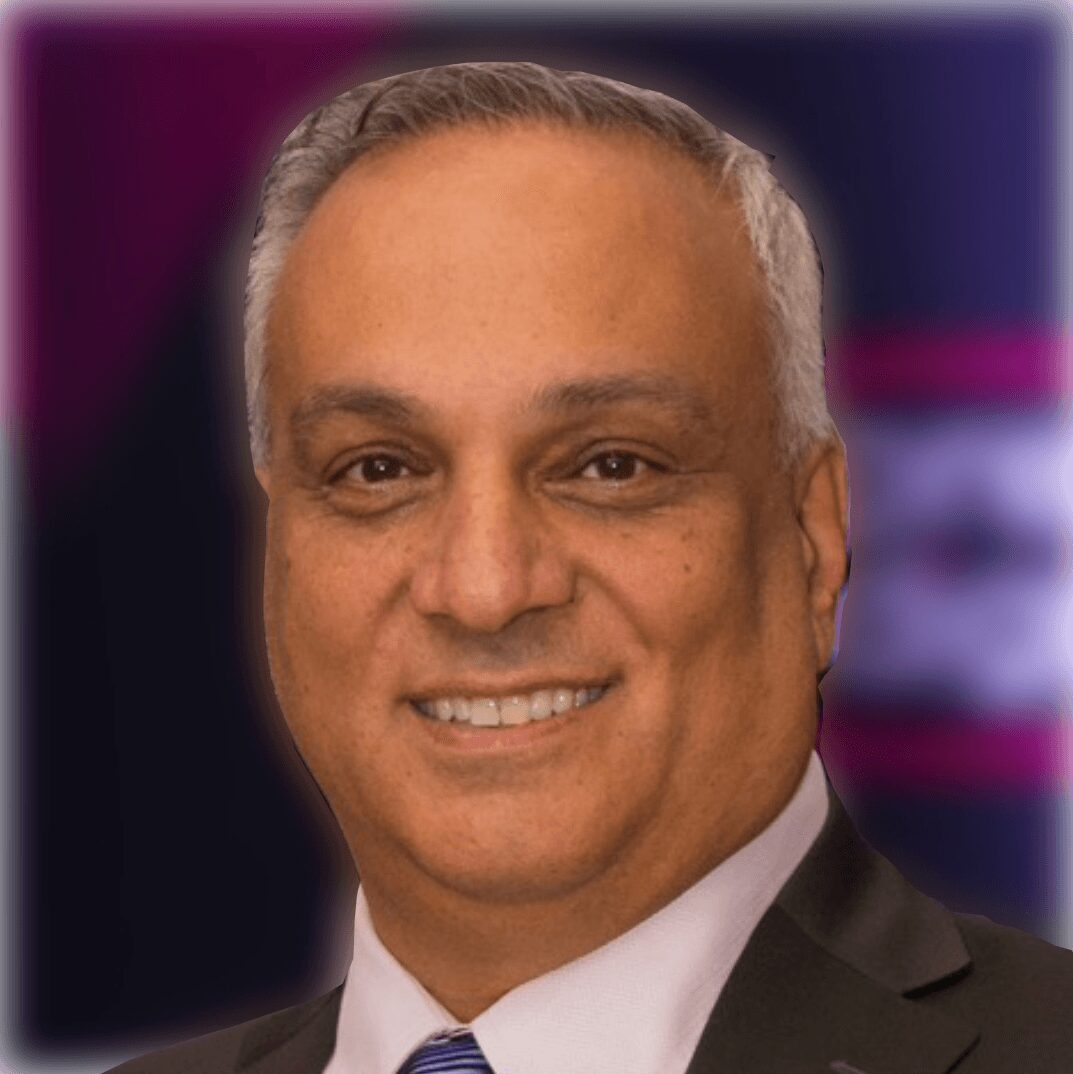
Today we’d like to introduce you to Duane Varan.
Hi Duane, thanks for joining us today. We’d love for you to start by introducing yourself.
I used to be an academic at an Australian university. I created a research center that studied the emotional response of people to media content and new ad models. We recognized that people lack command of their own emotional journeys, so when they tell you something (in a focus group or in a survey question), they are giving you the ‘rational’ interpretation of what they think they are feeling – which is often different to their actual emotional journey. So we perfected ways of measuring the emotion directly, using neurometric measures like galvanic skin response, heart rate, facial expression analysis, eye tracking, EEG and the like. Our approach proved to be far more accurate in predicting market success. Then in 2008 I got a call from Disney who was an industry sponsor for some of our research telling me that in five days, it would be their big annual conference, and that they were going to announce an innovation lab just like mine – but that I was literally the only person who could run it – so they wanted to do a deal with me. I turned them down and said that as tempting as it was, I didn’t want to leave academia. They told me to not say ‘no’ – ‘what would it take’. I rattled off a long list of crazy wishes – like if I did it, it would have to be a business I owned, I’d have to own the IP, I’d need a big super expensive lab – and much much more. They agreed but had only one condition – that I would have to be exclusive to Disney. That’s how MediaScience was born.
I then needed to pick a city for our lab. Naturally, I was partial to Austin as I had graduated from UT and my mom still lived there. But Disney was reluctant. So we came up with a list of criteria for our test city. Austin aced it (it has to be a city with direct flights to both east and west coast, needed a sizeable Hispanic population, need both red and blue America, but most important, needed to be rapid adopters of innovation).
For our first five years we were exclusive to Disney – then once our exclusivity was no longer in place, we grew. Today, almost every TV network (and most major social media firms) are clients.
Alright, so let’s dig a little deeper into the story – has it been an easy path overall and if not, what were the challenges you’ve had to overcome?
The media landscape has changed dramatically since 2008. With every turn, we’ve had to adapt our methods and develop new capabilities. It’s required us to be incredible innovative and adaptive.
Our biggest challenge, by far, however was COVID which almost sunk us. Our business requires in-person testing – so literally our entire business ground to a halt. But we doubled down, innovated and rolled out a ton of in-home research solutions capitalizing on software we had already developed for our in-house need. Now, software development accounts for almost half of our revenue – so COVID proved to be a gift rather than obstacle in the end.
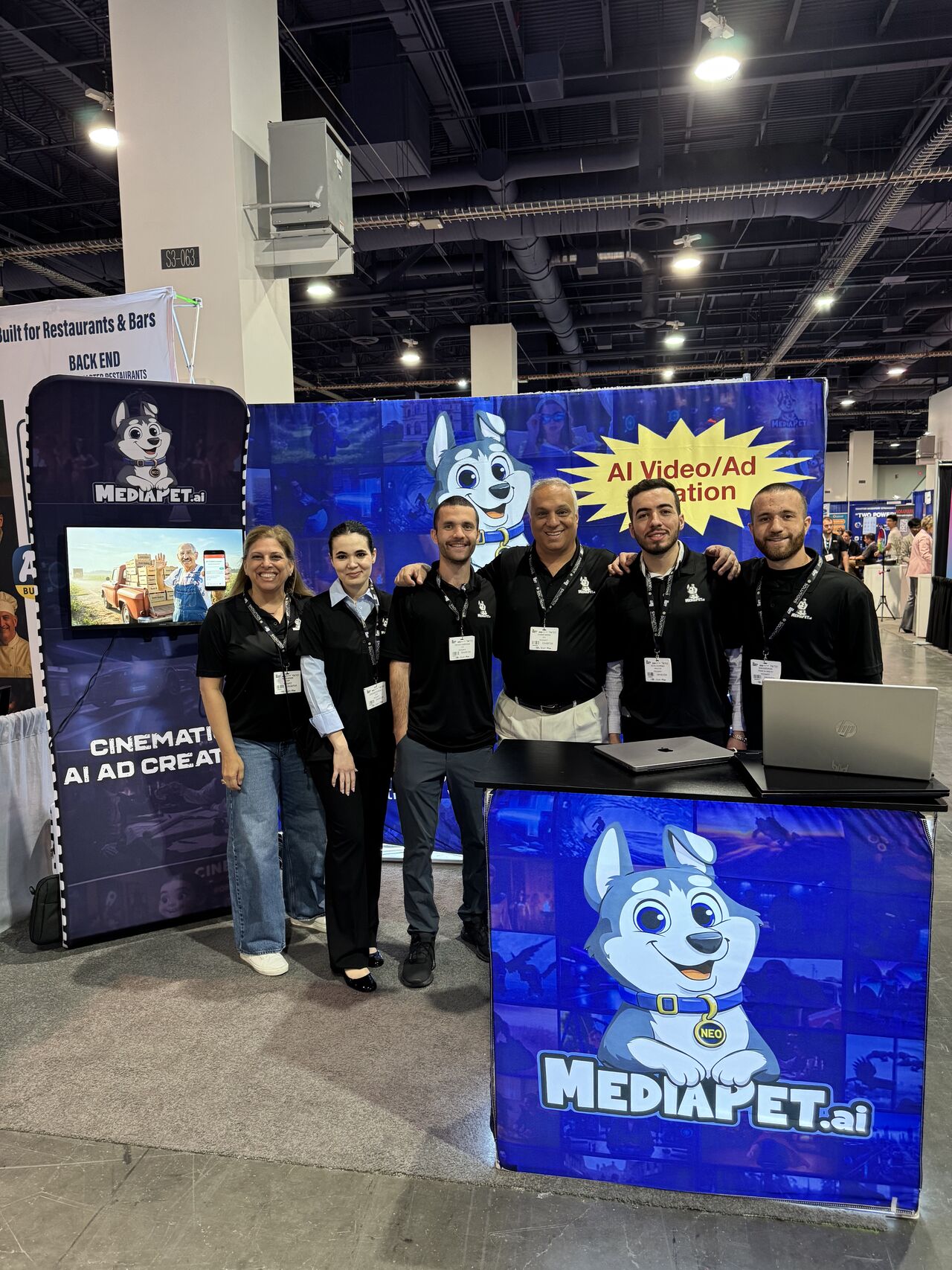
As you know, we’re big fans of MediaPET.ai. For our readers who might not be as familiar what can you tell them about the brand?
Our approach to management is based on a Baha’i quote originally intended for social and economic development – we view the challenge for managers to be: cultivating environments conducive to releasing the limitless potentialities latent in human consciousness.
This approach has been transformational to our culture. Although we still have our kinks (primarily at the lower levels where the work is less fulfilling), we have a team that delivers impact well beyond our numbers. This has been key to our success to date.
Before we let you go, we’ve got to ask if you have any advice for those who are just starting out?
I’m not the best person for this question – because the way that I started was so different. It doesn’t get much better than having your incubation period fully funded by Disney.
What I wish I knew starting out though was how critical ‘sales’ was to our function. We actually lacked a sales department for most of our history – it’s only something we recently added. Previously, we didn’t need it because we were limited in capacity and the cue of business was actually greater than we could manage. With the benefit of hindsite, we should have grown capacity sooner and built a sales-force to grow faster.
But then again, I don’t know if we would have been the same organization had we gone down this path.
Contact Info:
- Website: https://www.mediapet.ai/
- LinkedIn: https://www.linkedin.com/in/dvaran/
- Twitter: https://x.com/DuaneVaran