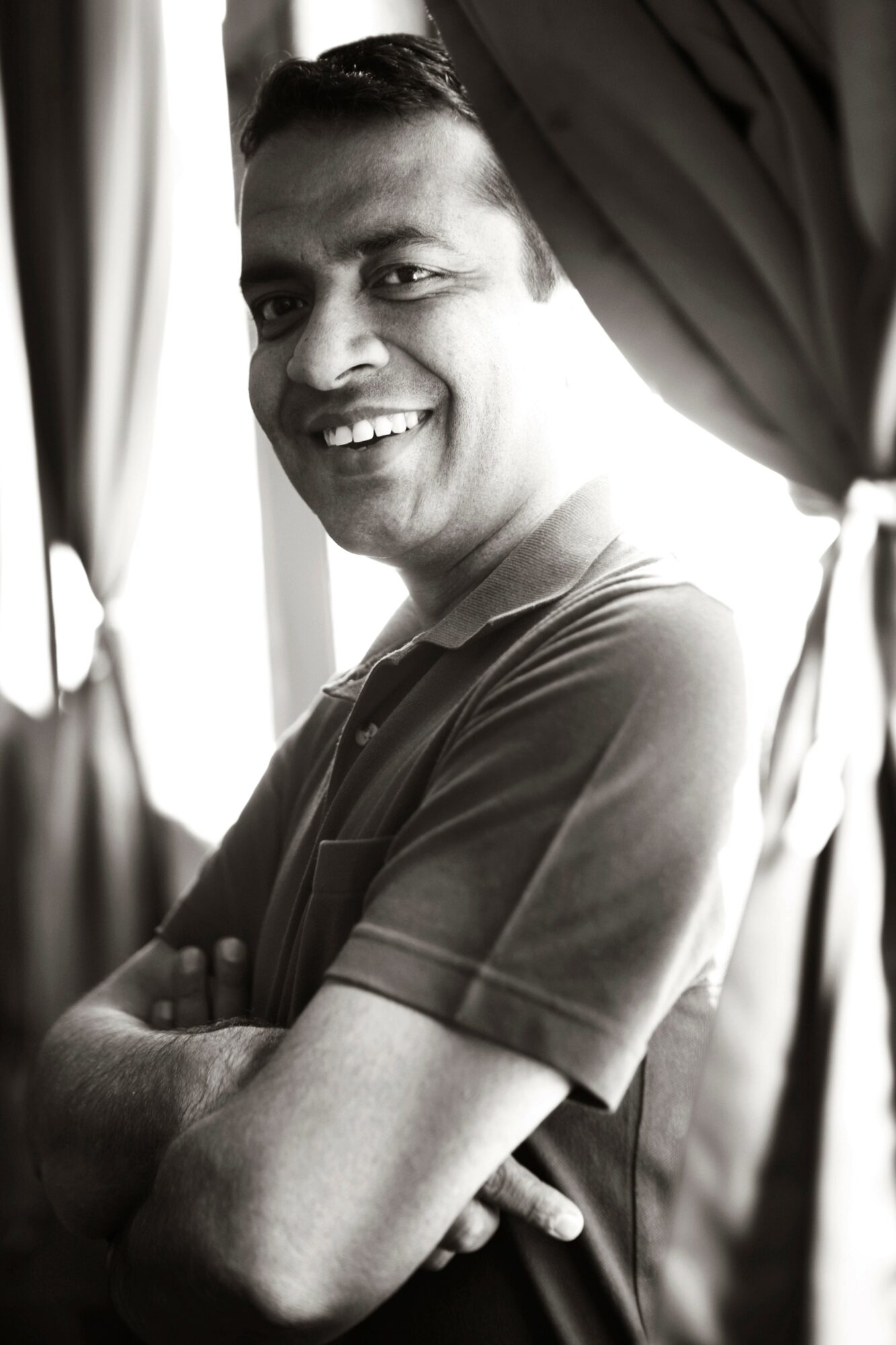






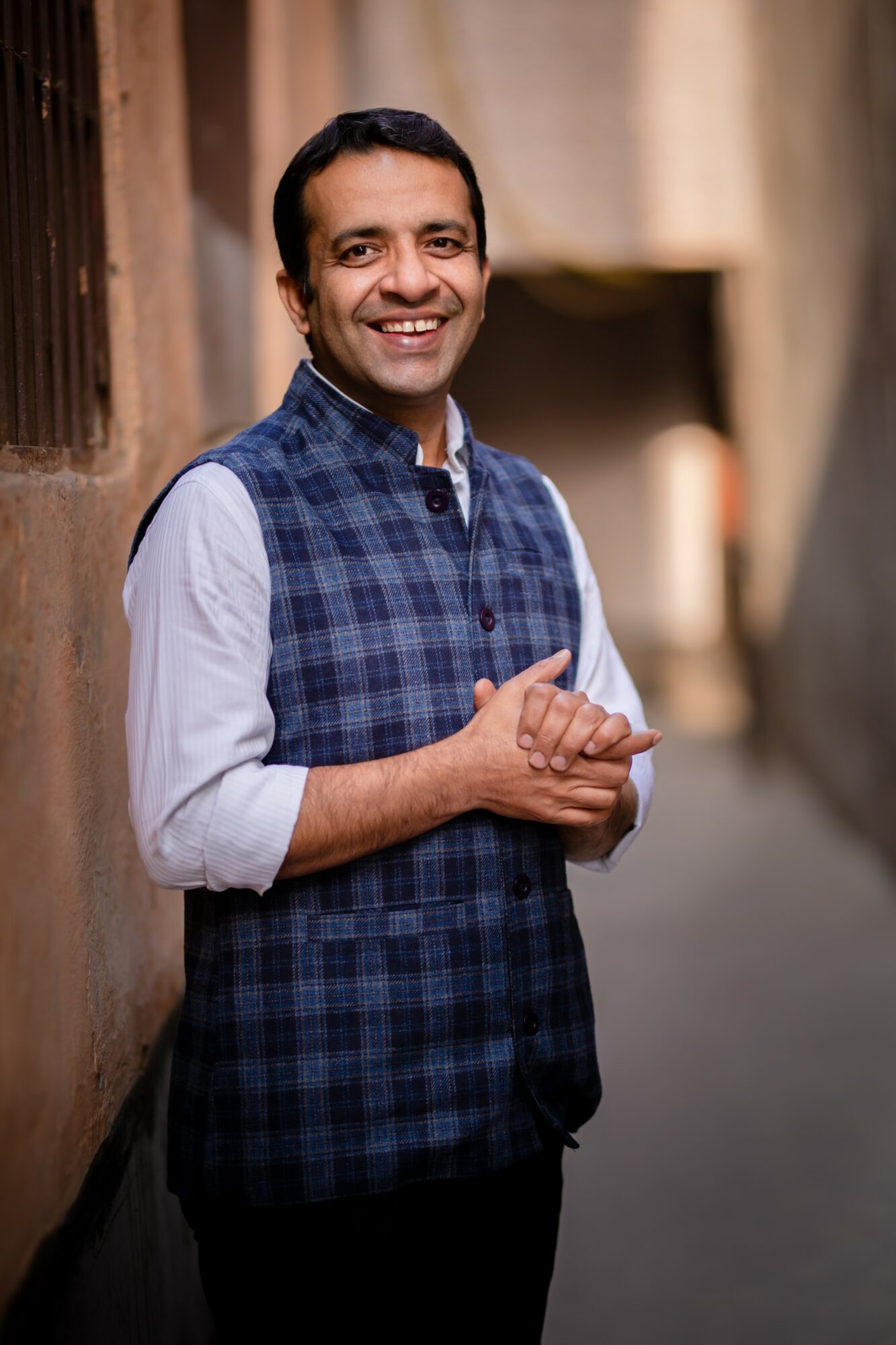
Today we’d like to introduce you to Anshu Gupta.
Hi Anshu, please kick things off for us with an introduction to yourself and your story.
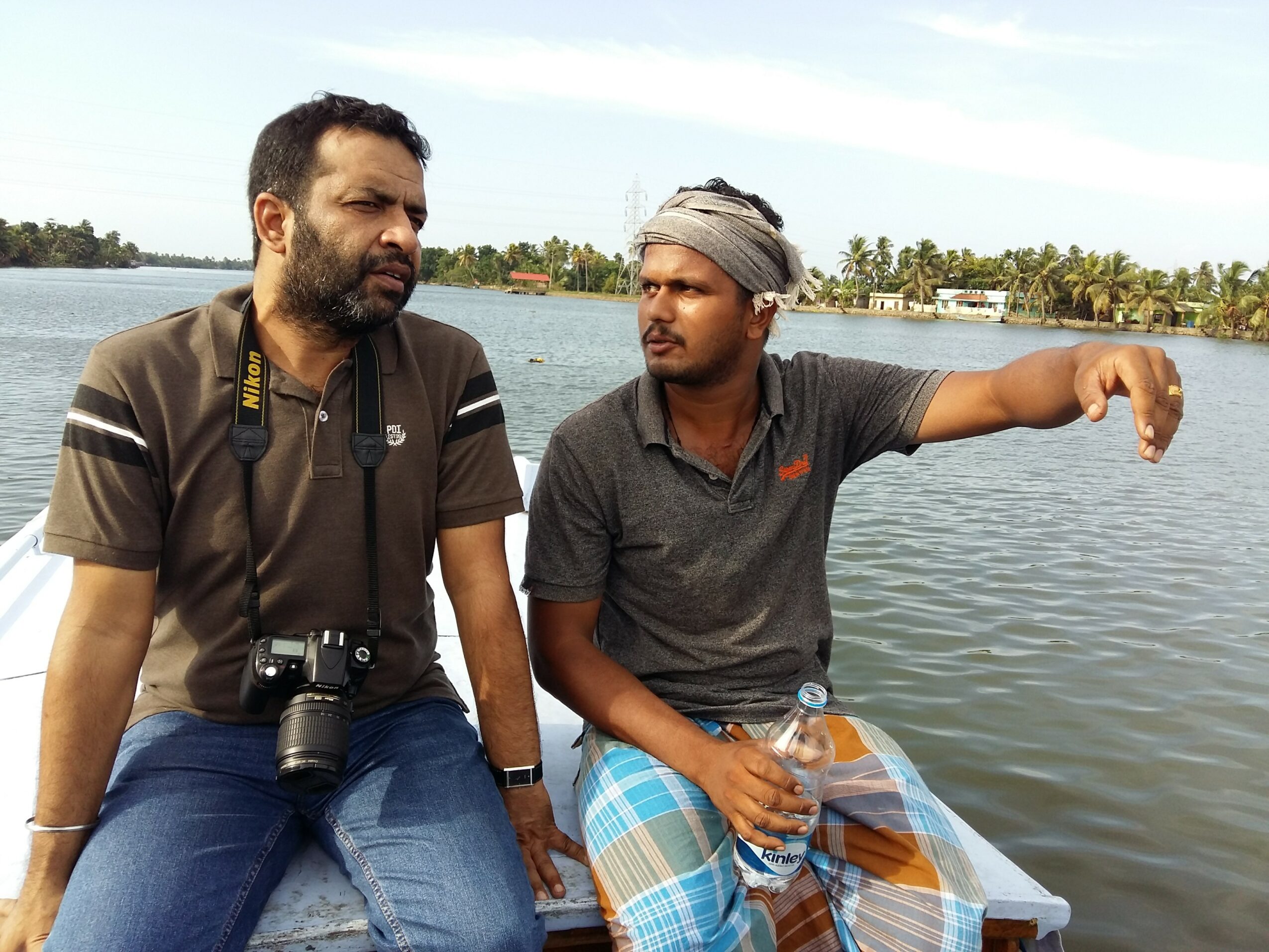
The journey that became Goonj started long before we had a name, a registered office, or a grand vision. In the early 1990s, I moved from Dehradun to New Delhi to work as a journalist. Those were different times—my understanding of the world came from books, long walks, and lived realities. Armed with a camera, I roamed the streets looking for stories. One man’s quiet routine was about to completely reframe how I saw the world. That man was Habib.
On the roads of Old Delhi I saw him pulling a handcart painted with the words: “Disposer of abandoned Dead Bodies.” in Hindi. I spent a week trailing him. Habib Bhai’s job was to pick up abandoned, unclaimed bodies from the streets and pavements of old Delhi. For every body he retrieved, he was given about 50 cents and two meters of cloth. When I asked him about his work, he casually mentioned that during winter, his workload went up sharply. I realised the brutal reason: cold affects everyone, but for those sleeping on open pavements without cover, it can be fatal.
Soon after when we started Goonj, I realised another, systemic aspect about clothing.
We are taught from childhood that food, clothing, and shelter are the three basic human needs. Yet, as I looked around the development space, I saw issues – from domestic violence to global warming but clothing was not mentioned as a development issue. I came to understand that while we all experience winter every year but privilege lets some of us buy extra blankets, while others suffer in the exact same cold. Why is winter still never called a natural disaster? For millions of people on the roads it is an invisible disaster—one that never makes it into official aid reports or international policy briefs.
In 1999, my wife Meenakshi and I started Goonj—which means an echo. We didn’t know much about the formal non-profit sector. We didn’t have funding. We started out of our own home with just 67 personal items. But we had one firm conviction: We do not need more thinkers in this world; we need doers. And we do not need more charity; we need dignity.
From day one, I started to see possibilities in urban surplus. As I traveled and spent time in the villages of India I started to understand rural communities NOT as passive ‘beneficiaries’ waiting for a handout but as participants in their own development. I started to design the work of Goonj as a bridge connecting these two worlds: one struggling with excess, and the other with scarcity.
We started to turn urban surplus—the discarded, underutilized clothes and other household material sitting in city closets—into a new currency. But we never gave it away for free, believing that sustained charity strips a person of their agency.
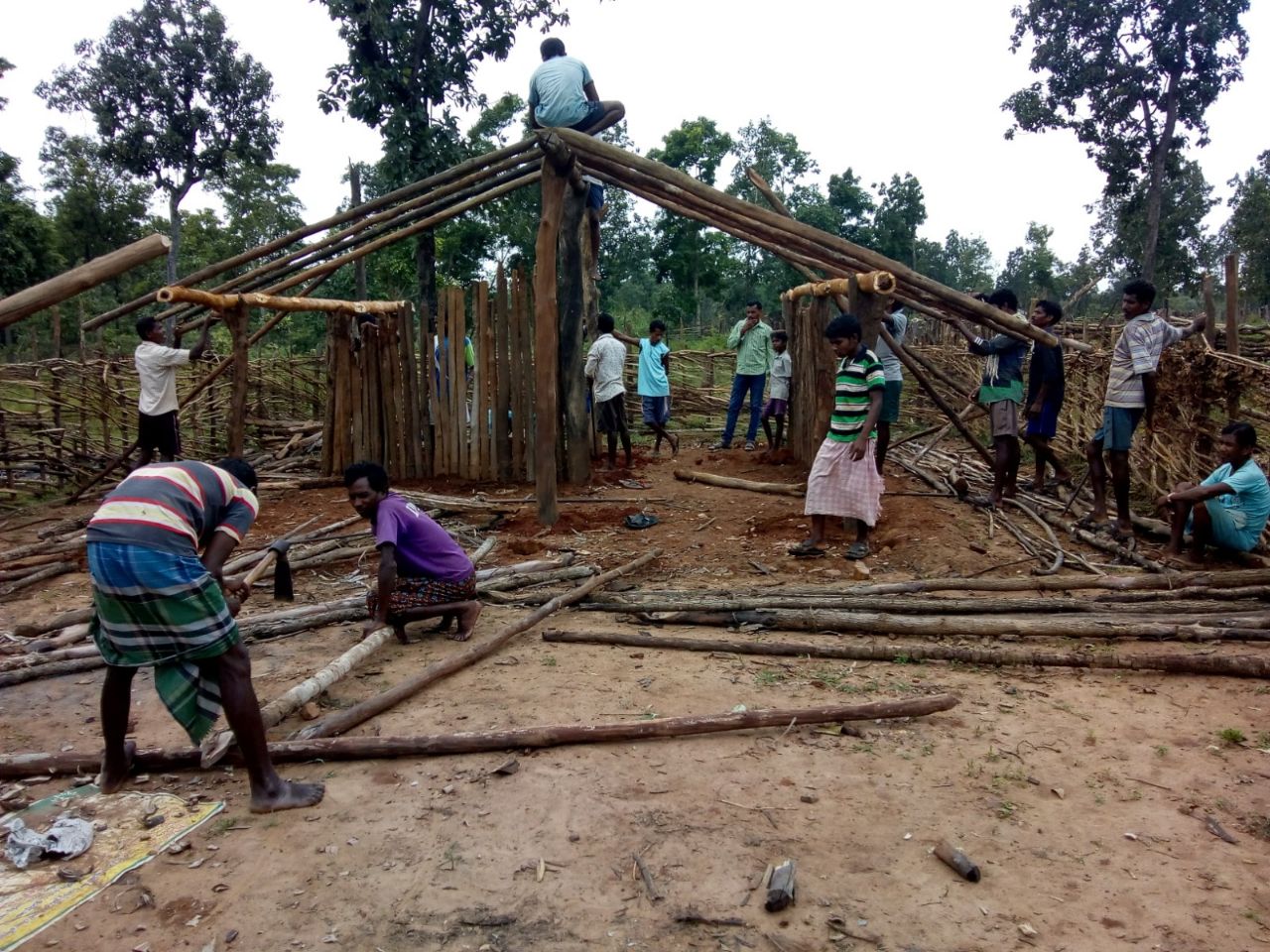
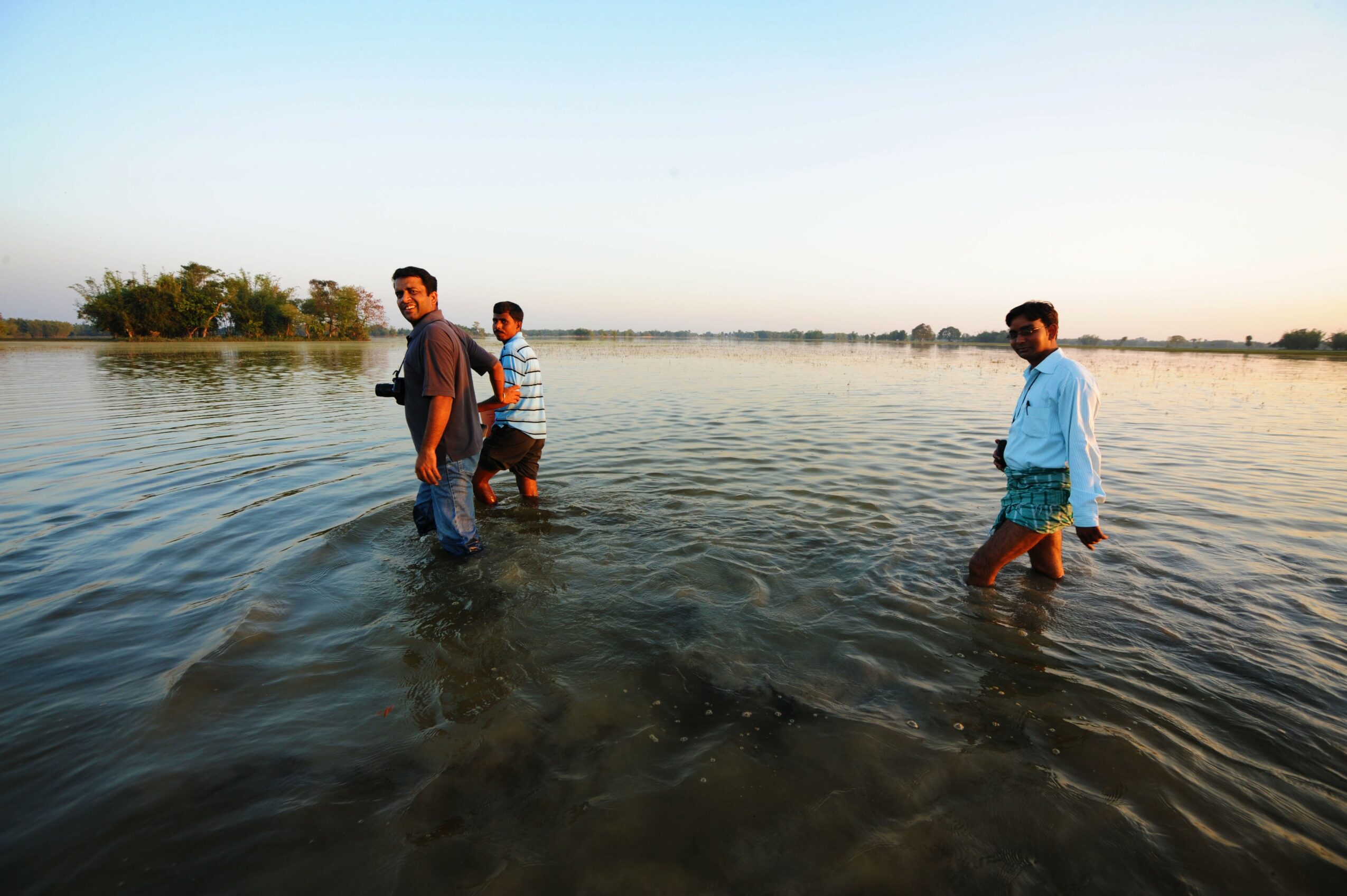
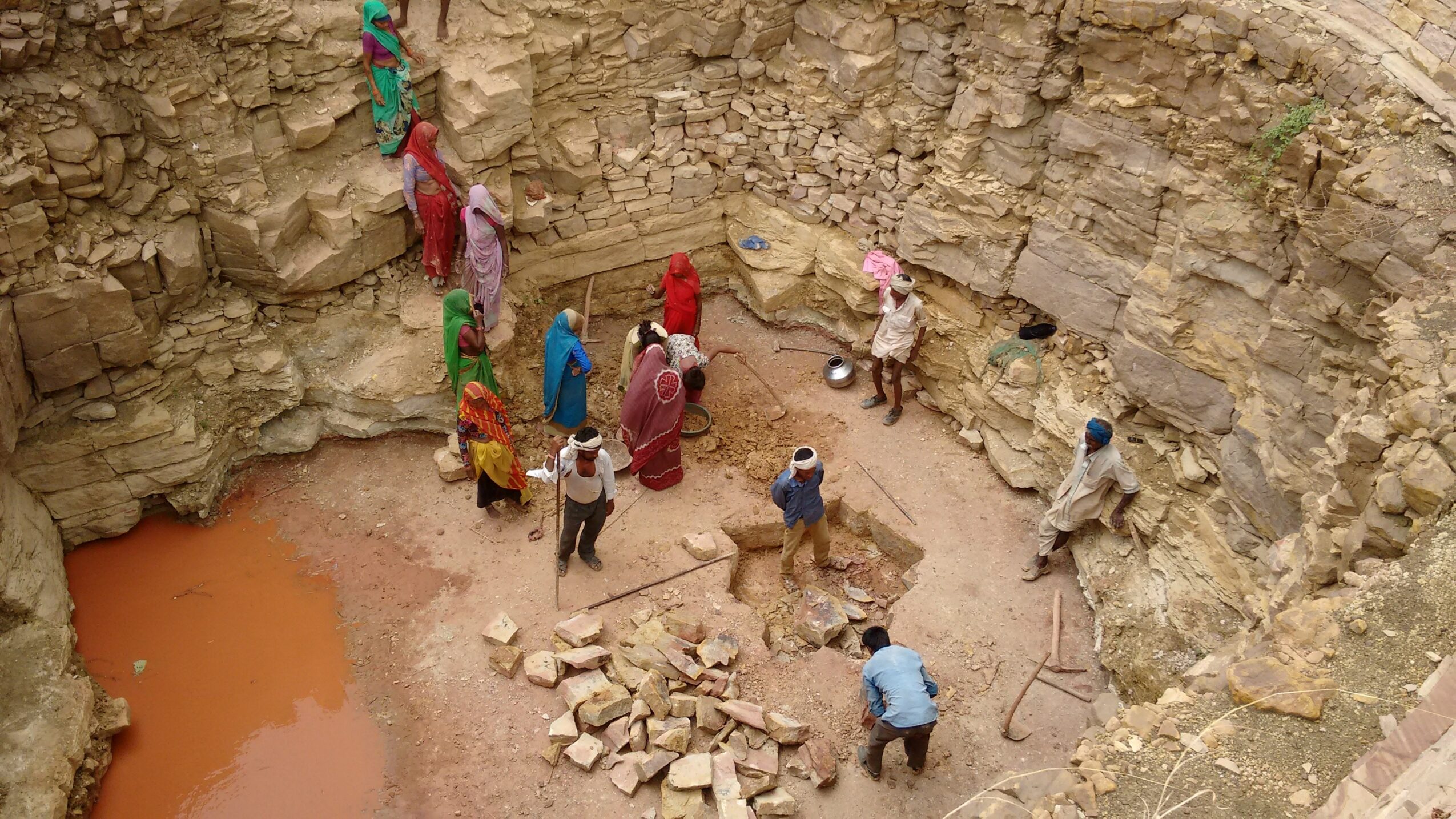
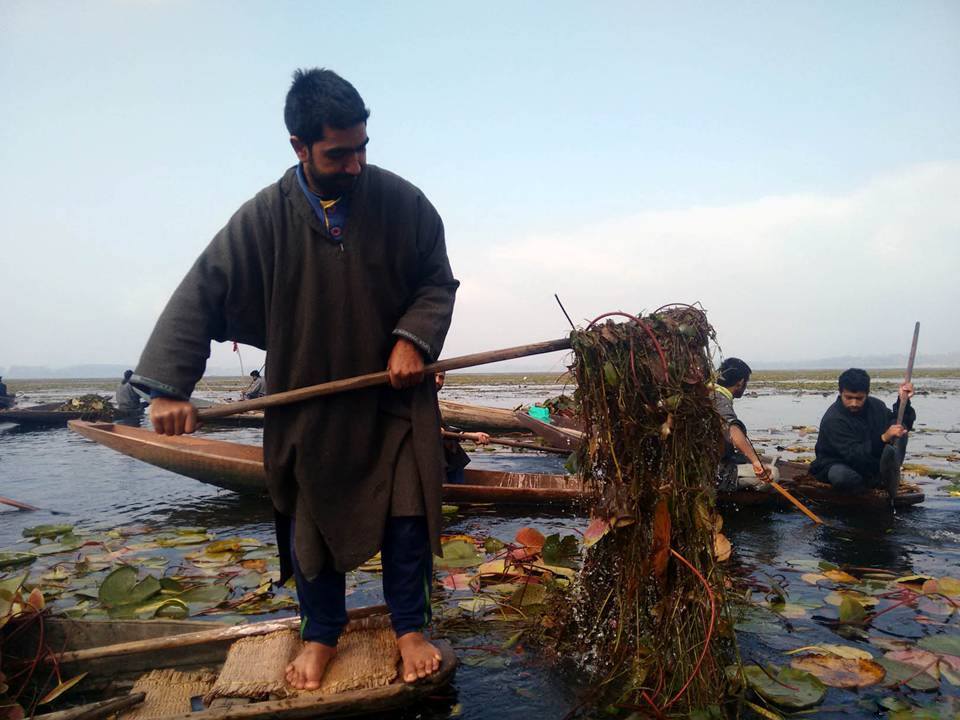
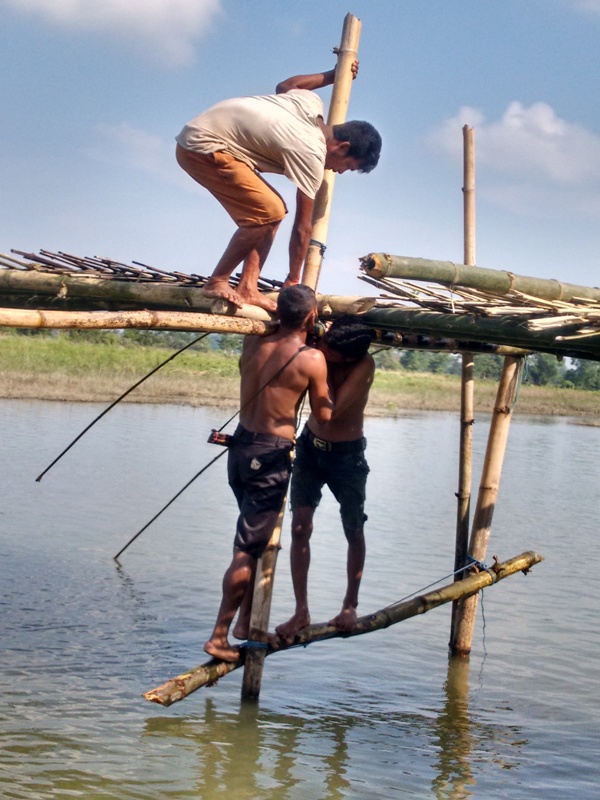
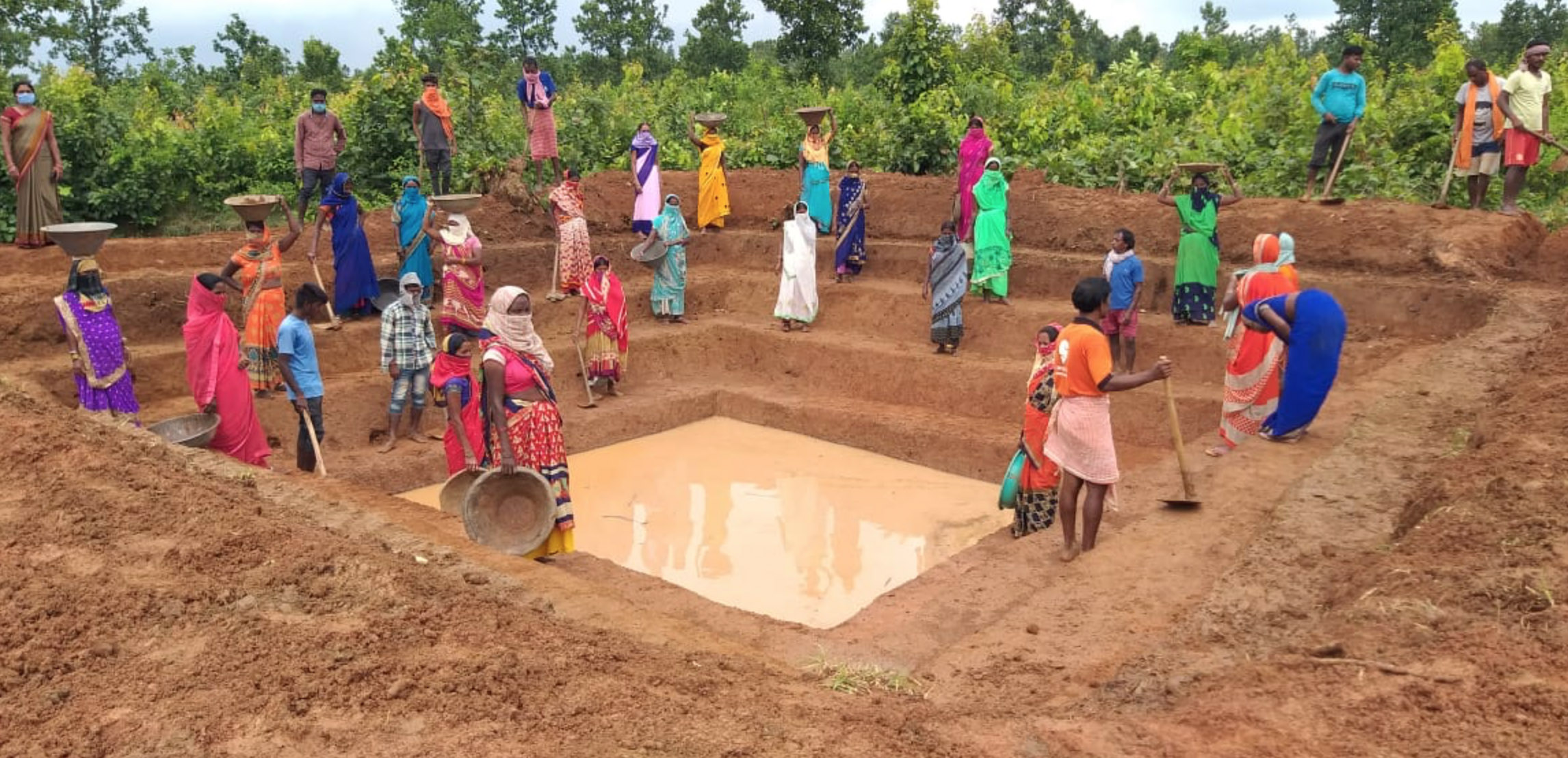
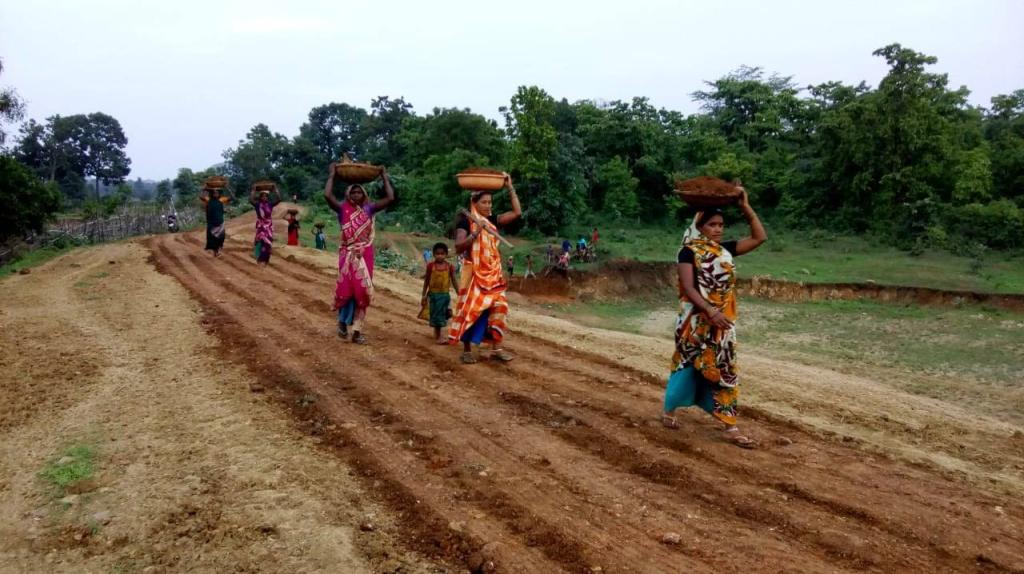
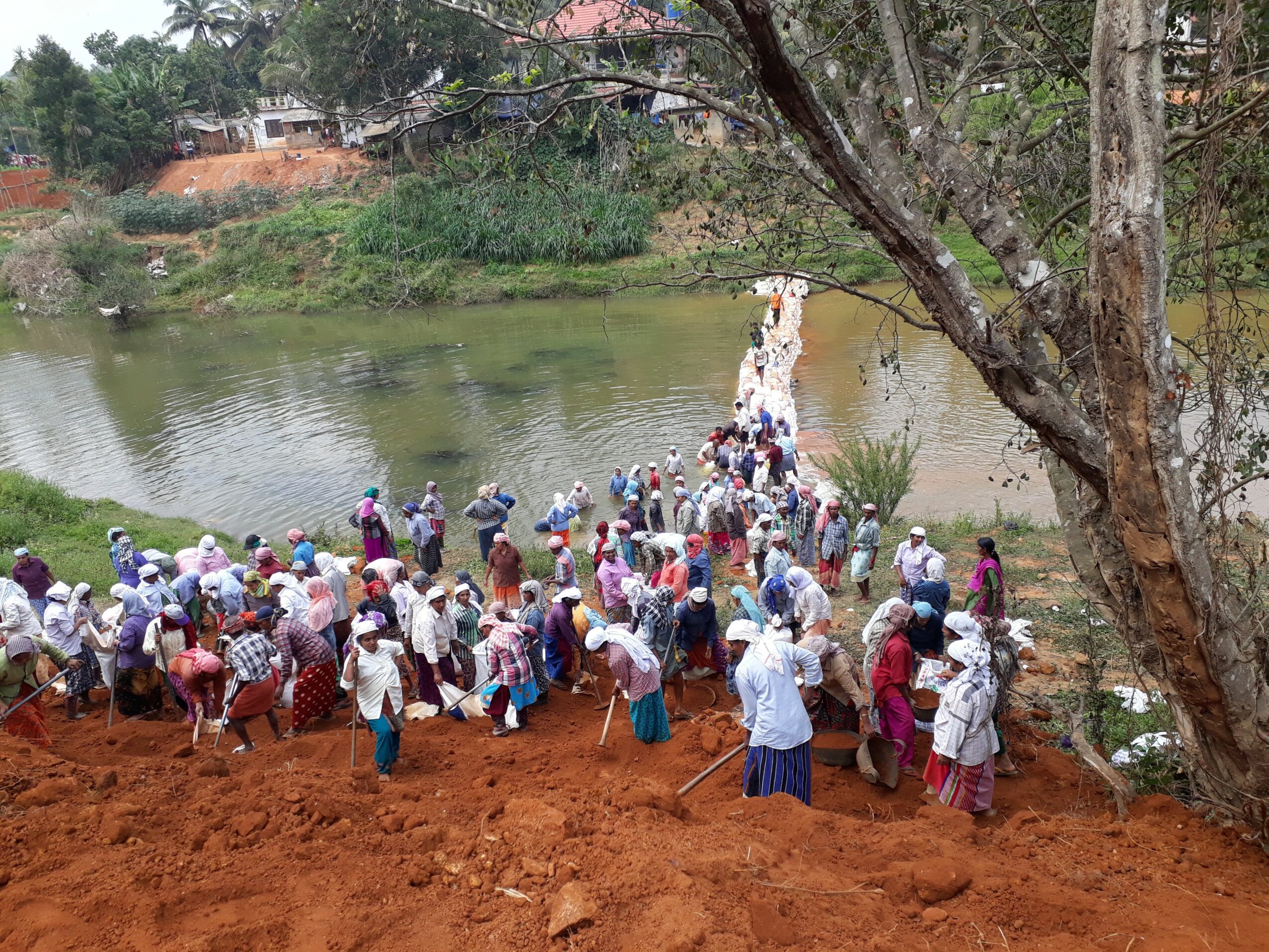
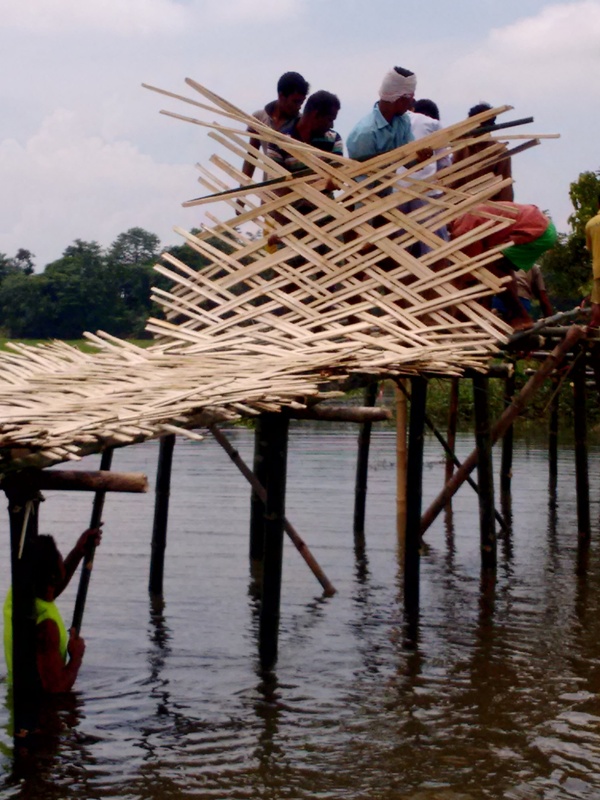
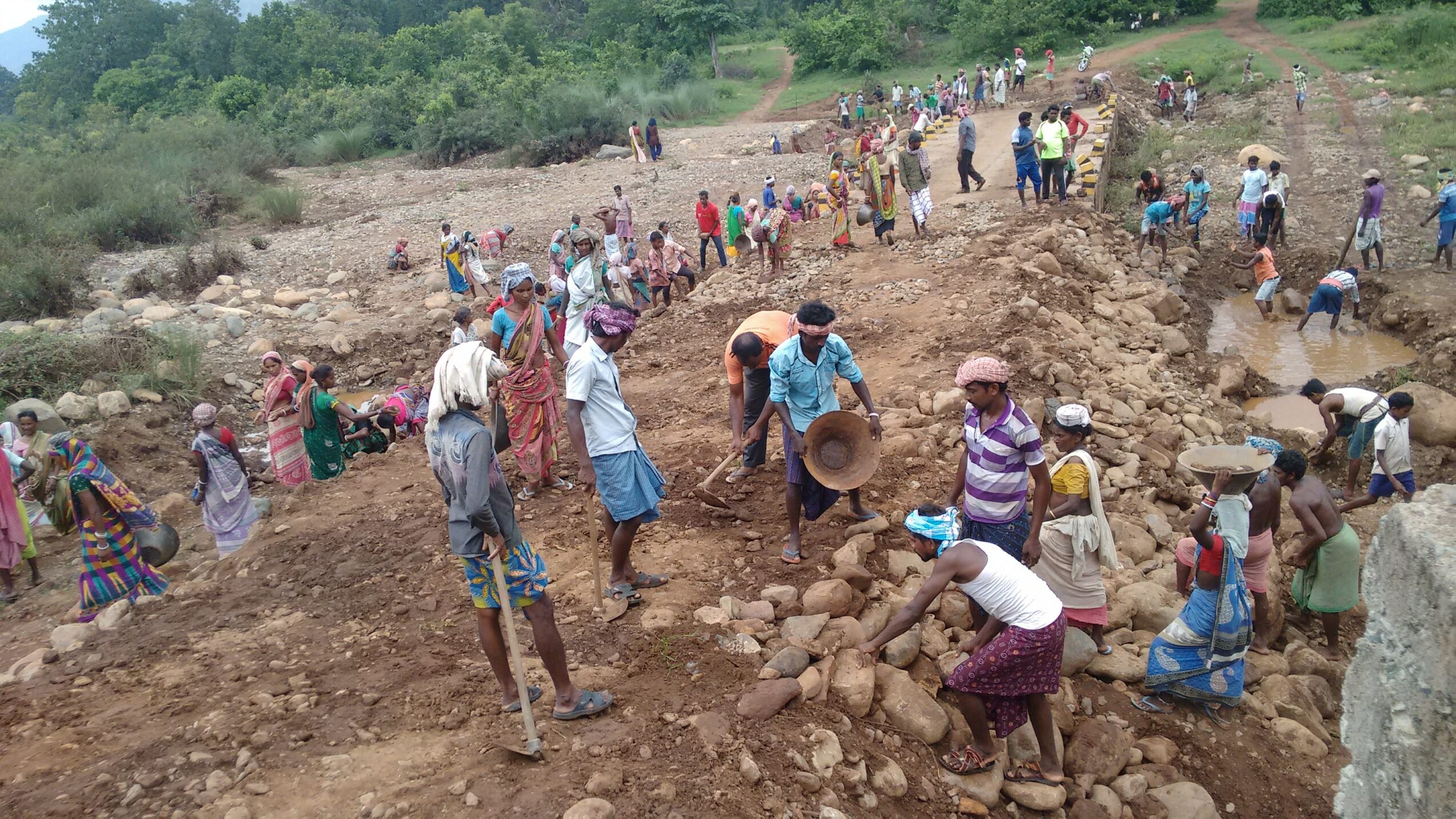
Instead, in Goonj’s work rural communities get these materials as a reward for their efforts and wisdom. They identify their own local challenges—a broken bridge, a dried-up pond, a crumbling school—and they organize themselves to solve them. When a village restores its own water body or builds its own road, they receive urban material as reward for their efforts and wisdom. The material thus becomes a catalyst; the real work is of restoring peoples’ dignity and self-respect as much as it is to fulfill their basic material needs. Thus a non monetary barter evolved at scale between two new currencies; urban surplus and rural wisdom and efforts, for the larger wellbeing.
Over the last 27 years, that initial idea has grown into a parallel, circular economy. Between 2014 and 2025 alone, we channeled over 72 million kilograms of material away from landfills, enabling over 100,000 community-led development initiatives across India. We’ve brought the same dignity-first lens to menstrual wellbeing, rural education, sanitation, environment and other —treating it as a fundamental human need rather than a taboo—and to long-term disaster rehabilitation.
I realised that true development is about unlearning our own arrogance and knowing, listening to the people on the ground, and also seeing those struggling with monetary poverty, for what they already possess – deep wisdom, efforts and local resources.
Looking back, I still sometimes think about Habib Bhai and his handcart. His simple, tragic observation taught me that changing the world begins when we stop accepting the status quo, stop looking through our own distorted lenses, and start asking different questions.
Can you talk to us a bit about the challenges and lessons you’ve learned along the way. Looking back would you say it’s been easy or smooth in retrospect?
Goonj’s journey has always been about shifting deep-seated paradigms. Operating a nationwide footprint on a lean budget presents immense operational complexity, but our greatest challenges—and most meaningful evolutions—lie at the intersection of mindsets, dignity, and systemic impact.
When we began in 1999, clothing was viewed almost entirely as an act of charity rather than a fundamental development need linked to health, protection, and human dignity. Reframing urban surplus as a developmental resource—and ensuring rural communities are positioned as decision-makers rather than passive recipients—has required us to constantly challenge institutionalized ways of thinking. Because we chose not to rely on heavy marketing, our growth has depended on deep, relationship-based trust built over decades with individual contributors, volunteers, and ground partners who believe in this ethos.
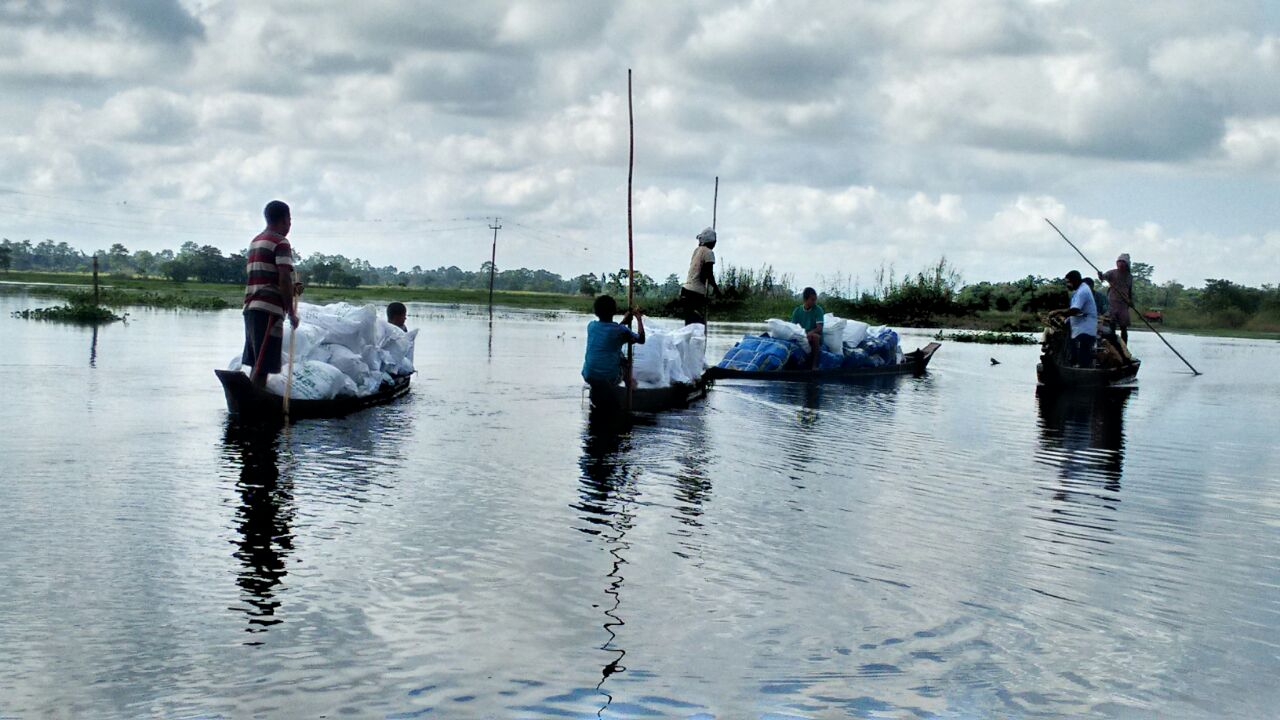
Today, as consumption patterns change rapidly across urban and rural India, ensuring dignity at scale brings new operational realities. Not every piece of material is suitable for every culture or terrain. Respecting local context means investing in careful sorting, processing, and mindful distribution so that what reaches a family is useful, relevant, and honoring. This challenge intensifies as climate disasters become more frequent and widespread, forcing us to constantly stretch our operations across expanding geographies while keeping nuance and empathy at the center of rapid response.
Parallelly, we are navigating a significantly altered social sector landscape marked by evolving regulatory frameworks and shifting funding paradigms. While corporate partnerships have expanded, deep individual giving remains our backbone. The ongoing work is to build institutional resilience and maintain operational stability without ever compromising on our core purpose: standing with the most missed-out communities and addressing issues that fall outside traditional funding priorities.
Perhaps our most profound challenge remains an internal one: measuring what truly matters. Our real impact lives in the intangible—restored dignity, strengthened community ownership, and the subtle bridges of empathy built between urban and rural citizens. Capturing these human-centered, transformative outcomes in a world mostly focused on standard metrics remains an ongoing, vital part of our evolution.
Thanks – so what else should our readers know about your work and what you’re currently focused on?
Anshu Gupta is the founder Director of Goonj. Goonj, literally translated, means an echo. Every moment, we try to listen, with our ear to the ground, for unheard voices, connecting our doing with what we hear and echoing it in the world.
Goonj’s model takes a comprehensive approach to development considering first human dignity. We reposition the surplus material of the world as a new resource to mobilize and motivate civic participation in urban and rural communities.
Goonj work on the following fronts:
Rural Development: Goonj aims to build an equitable relationship of strength, sustenance, and dignity between the cities and villages, using under-utilized material as a tool to trigger development with dignity. We envision growing as an idea across regions, economies, and countries using urban surplus material as a tool to address basic but neglected issues of the financially and materially poor, involving them in designing and implementing their own solutions, with their own efforts, knowledge, and dignity, and material as a reward for their participation. The village communities have built many huge bamboo bridges, dug up wells, done bunding of acres of land, developed small irrigation canals, built drainage systems, built village schools and have taken up massive exercises of repairing roads, developing water harvesting systems to cleaning up ponds.
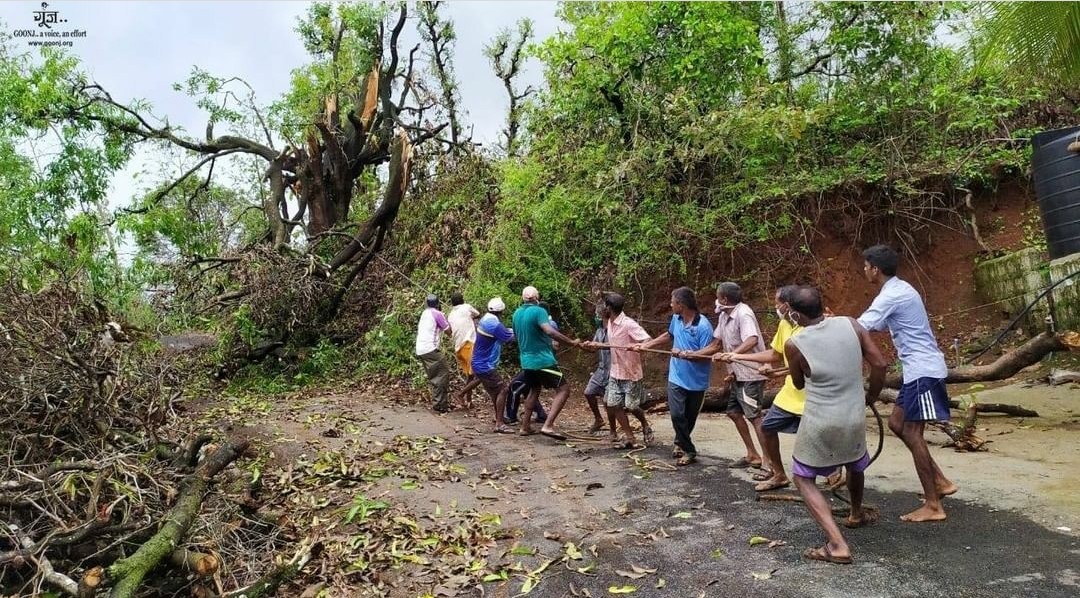
Disaster Relief: Involved in sustained people-led disaster relief, rehabilitation & long-term development work in the past 27 years.
Environment: Mobilize people to take up collective action projects for nurturing, reviving & repairing their own community assets & other water & land resources.
Goonj Fellowships: Encouraging young professionals to explore a world of possibilities with a year long experience of engaging with diverse development issues.
Standing with the Missed-Out-Communities: Deepen our engagement with the most missed-out people among us.. addressing their needs & channelising material & exploring opportunities for surplus cloth-based livelihoods.
Women’s Menstrual Health and Dignity: Create cloth sanitary pads as a viable solution for women and using them as a tool to trigger dialogue and action around menstruation among rural communities of women.
Sustainable recycle products label: Goonj’s products label ‘Green By Goonj’ for sustainable urban living offers a range of
handcrafted, unique products for daily living, special events and gifting.
Any big plans?
Goonj is stepping into its next chapter—transitioning into an institutional framework for long-term societal resilience. We are focusing on four strategic transformations to fundamentally shift how change happens.
After more than two decades of embedded grassroots learning, we are moving from organic field practice to structured wisdom. By creating a dedicated space for research and knowledge-building, we are translating field-tested intelligence into open-source frameworks, academic research, and policy insights—offering the broader ecosystem a field-proven blueprint for community-led development.
We are reimaging Goonj’s urban centers as physical anchors for circular living and learning. These will be spaces where urban citizens actively engage with mindful consumption, resource lifecycles, and sustainable habits.
In rural India, our work is deepening its focus on localized pride, complete self-reliance, and community governance, ensuring villages lead their own transformation. Simultaneously, in urban spaces, we are focusing on transforming occasional giving into vibrant festivals of citizen participation.
As Goonj undertakes this institutional transition, my own efforts will align directly with these systemic shifts. I plan to spend significantly more time on the ground—listening to and learning alongside grassroots communities, young leaders, and social innovators. I want to build deeper bridges with fellow changemakers globally addressing poverty, inequality, and climate change. By opening up our ground-level insights and learnings to support their work—and continually learning from theirs—we can collectively build frameworks that foster deeply people-led, enduring change in the world.
Contact Info:
- Website: https://goonj.org/
- Instagram: https://www.instagram.com/goonj/
- Facebook: https://www.facebook.com/goonj.org
- LinkedIn: https://www.linkedin.com/company/goonj/
- Twitter: https://x.com/goonj
- Youtube: https://www.youtube.com/channel/UCCq8iYlmjT7rrgPI1VHzIHg