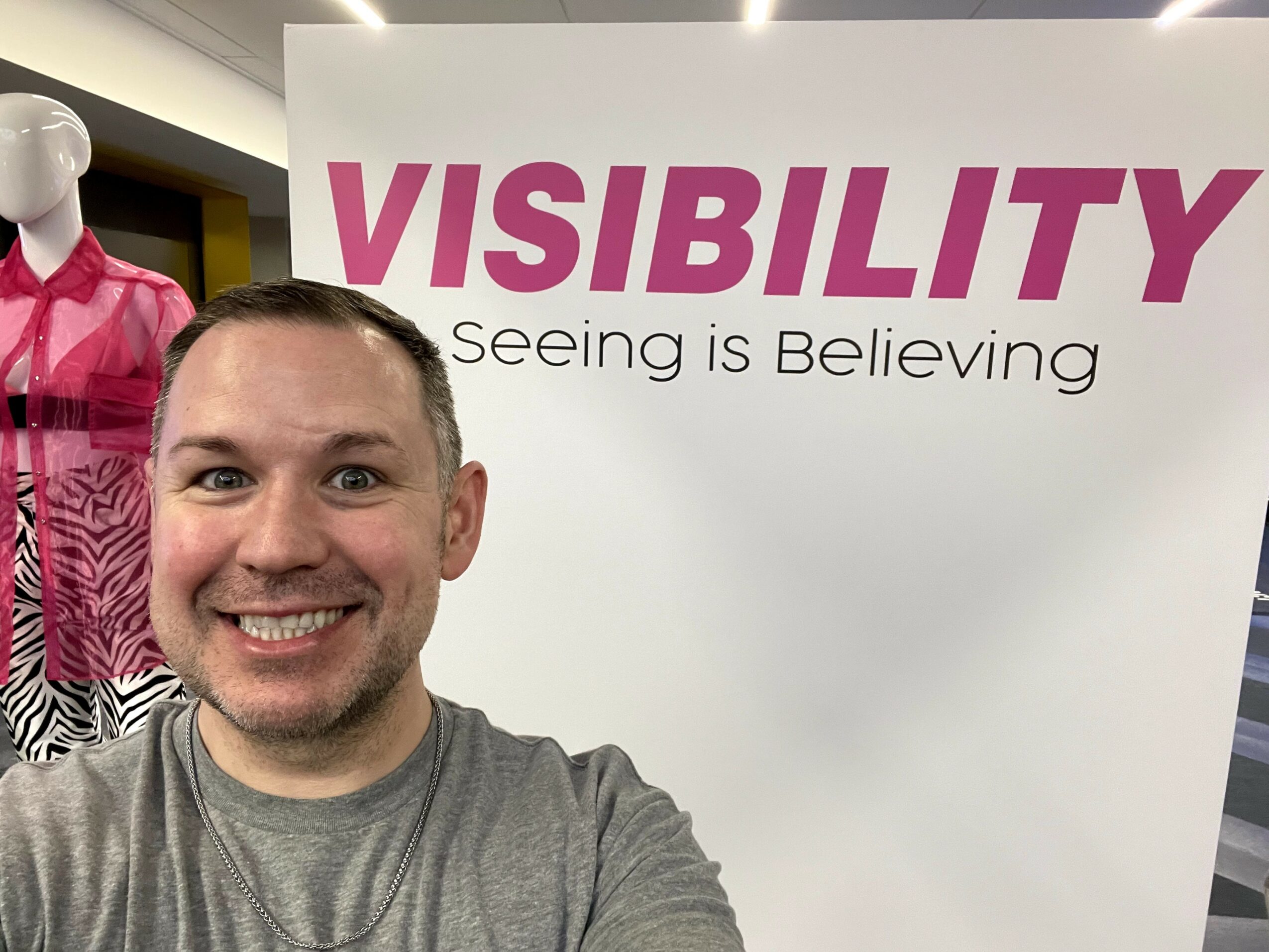






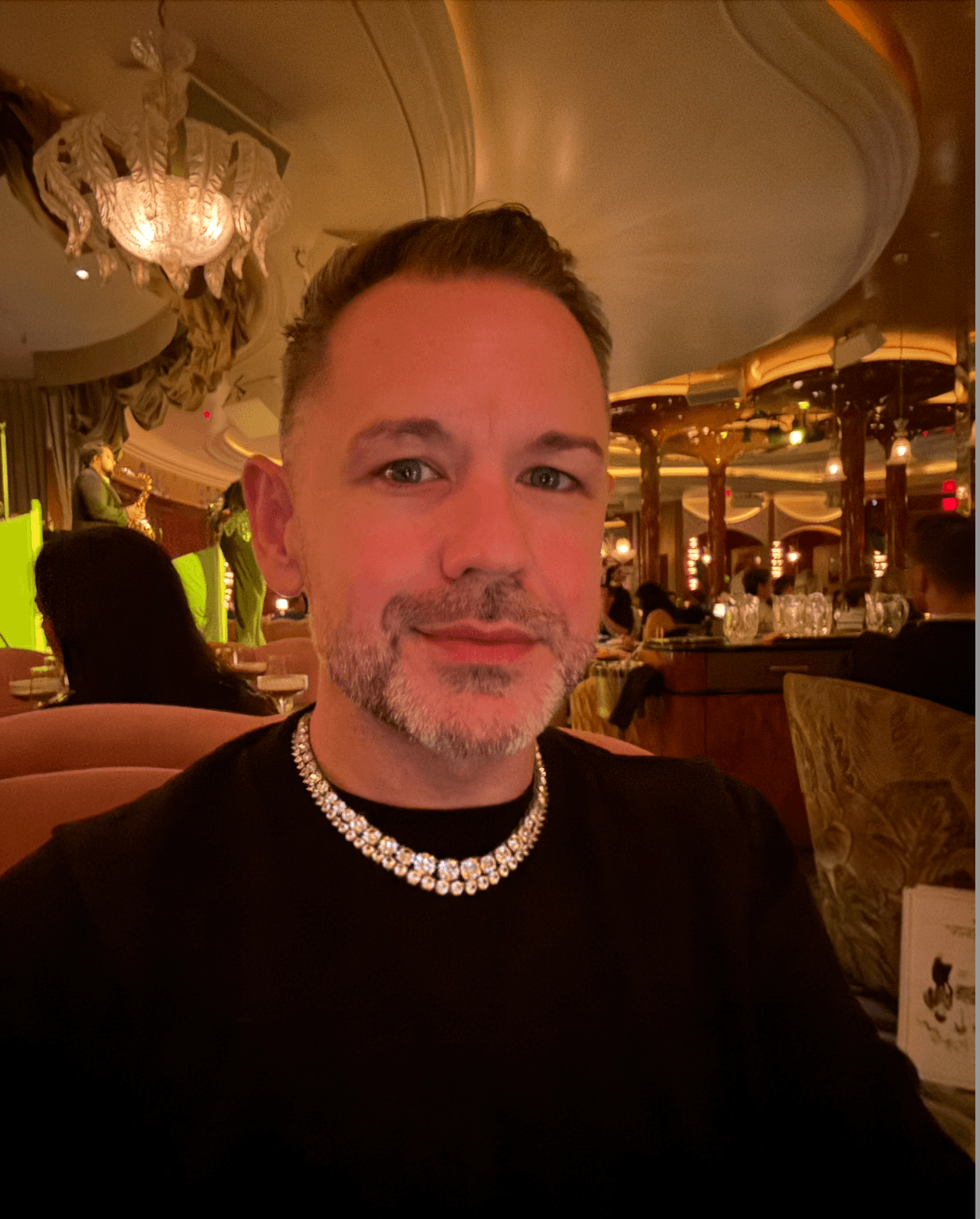
Today we’d like to introduce you to Kendel Bolton.
Alright, so thank you so much for sharing your story and insight with our readers. To kick things off, can you tell us a bit about how you got started?
My path has never been particularly linear, and I think that is one of the reasons I care so deeply about creating opportunities for other people.
I did not begin college until I was 27, so I understand firsthand how transformative education can be when someone is given the right access, encouragement, and environment to see new possibilities for themselves. Fashion became the through-line that connected my interests in culture, history, business, education, and community. Over time, that interest grew into academic research, curatorial work, teaching, and eventually the creation of The Bolton Arts Foundation.
My academic and professional journey has allowed me to work across several areas of the fashion ecosystem. I completed graduate research focused on fashion and culture, held internships and fellowships with fashion collections and archives, and later moved into higher education. I have taught at institutions including Parsons School of Design, MICA, SMU, and now Dallas College, where I am a faculty member in Fashion Marketing. What I have loved most about teaching is helping students understand that their education is not simply about earning a credential. It is about building confidence, professional networks, experiences, and a sense that they have a place in the creative industries.
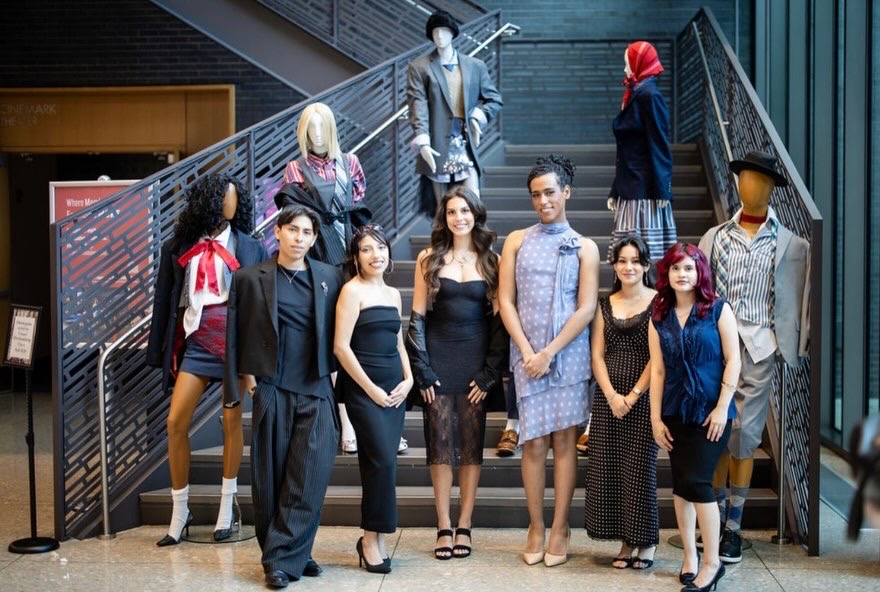
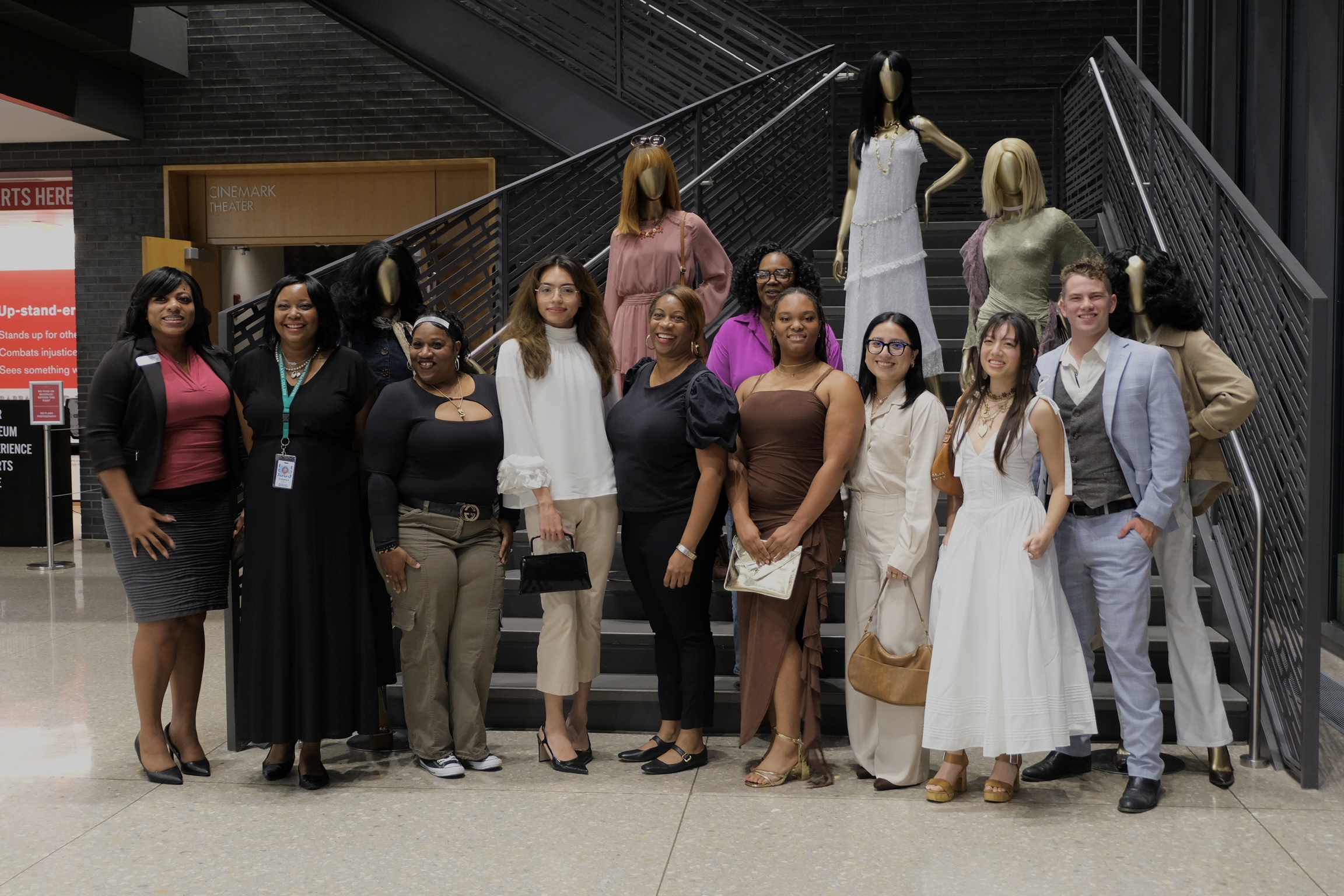
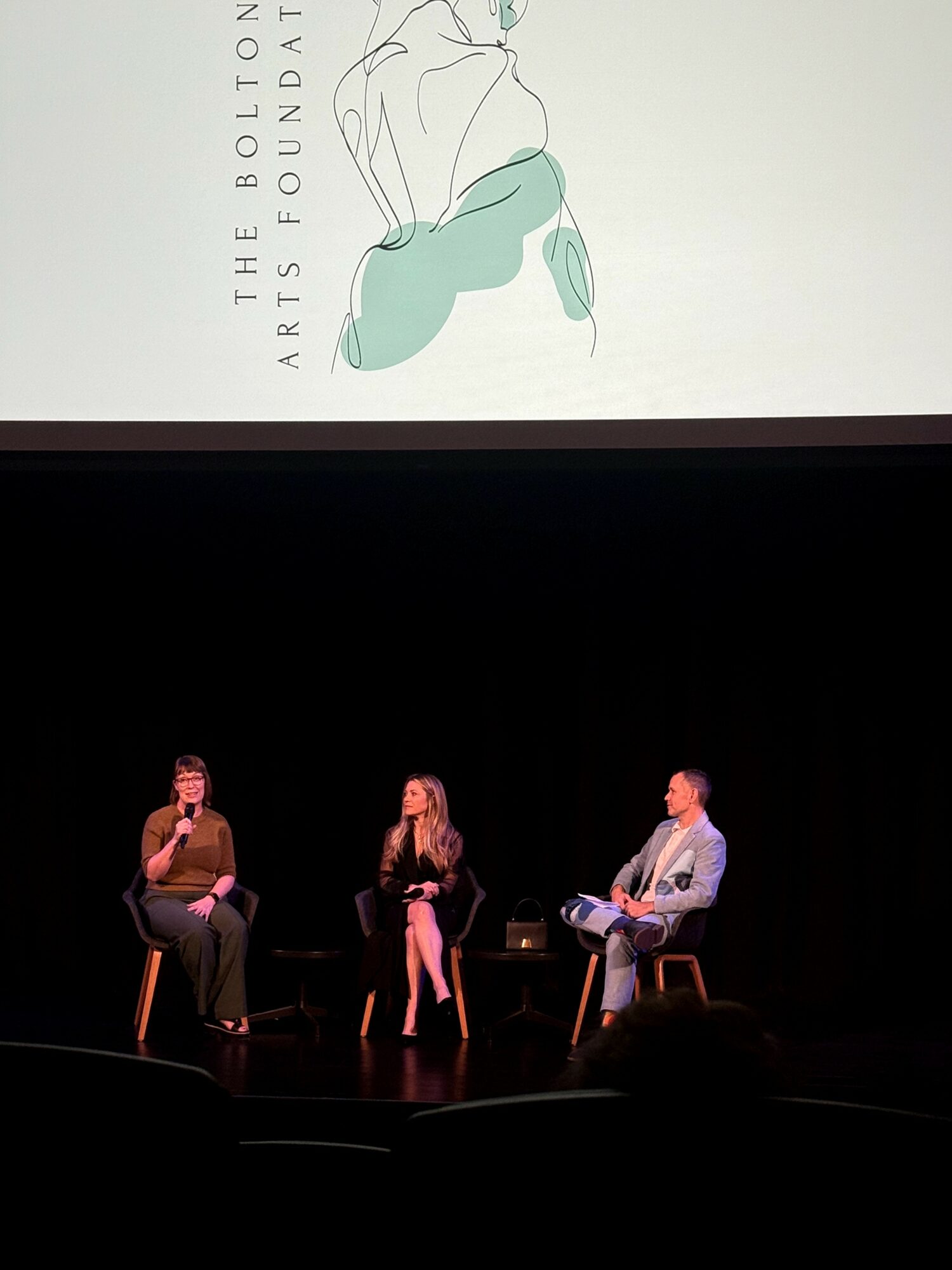
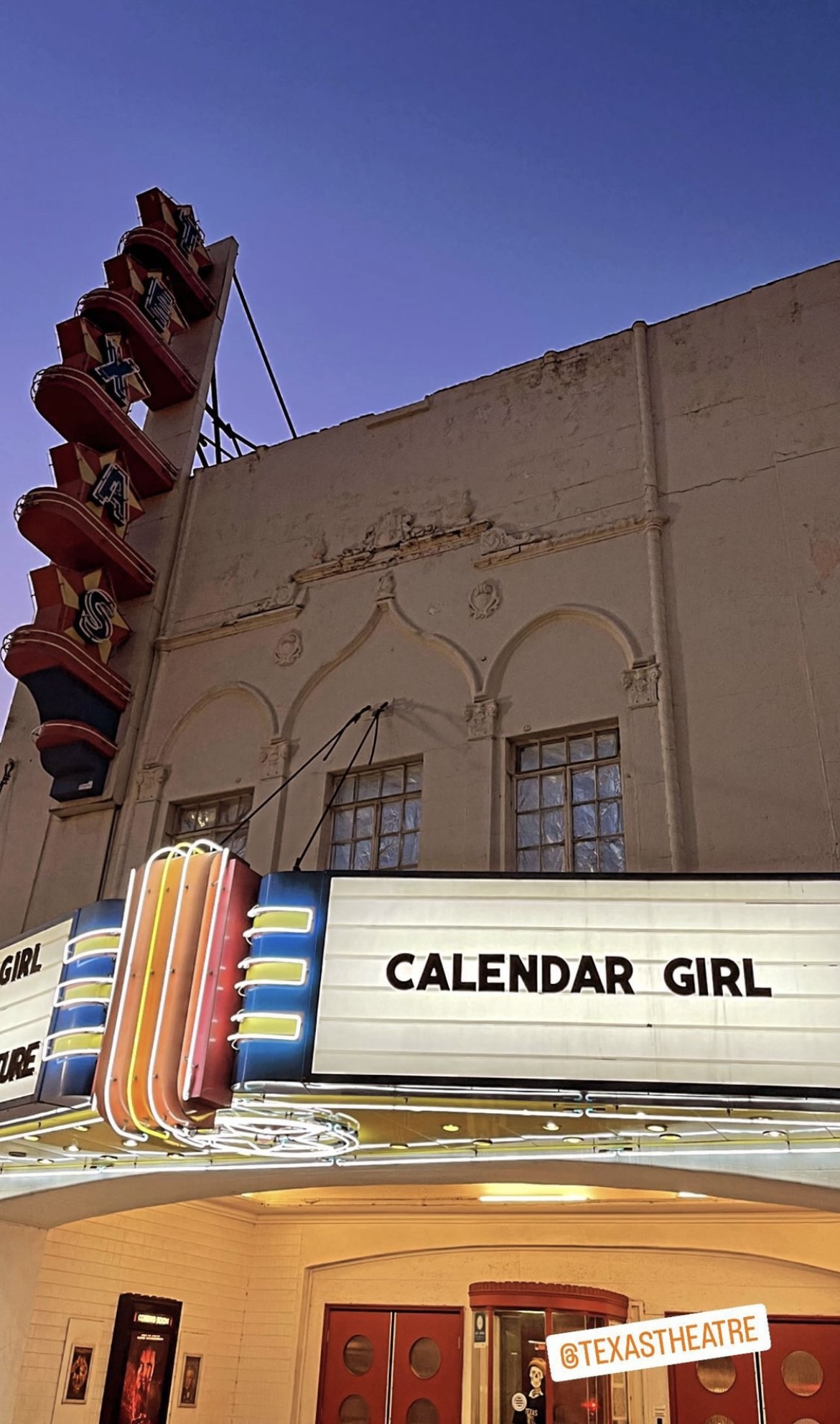
The Bolton Arts Foundation grew out of that same philosophy. I wanted to create programming that could bring together fashion, film, education, cultural institutions, and the broader community while also producing a tangible benefit for students. What began as an annual fashion documentary screening has grown into a five-year initiative that has brought important fashion films to Dallas audiences, built partnerships with institutions and industry leaders, and raised support for student internships and research opportunities connected to the Texas Fashion Collection at the University of North Texas.
For me, the foundation has never really been about hosting events for the sake of hosting events. The event is the vehicle. The larger purpose is access. It is about creating a room where a student can meet someone they might never otherwise encounter, see their field reflected at a high professional level, engage with an archive, participate in a public-facing project, or begin imagining a future for themselves that previously felt out of reach.
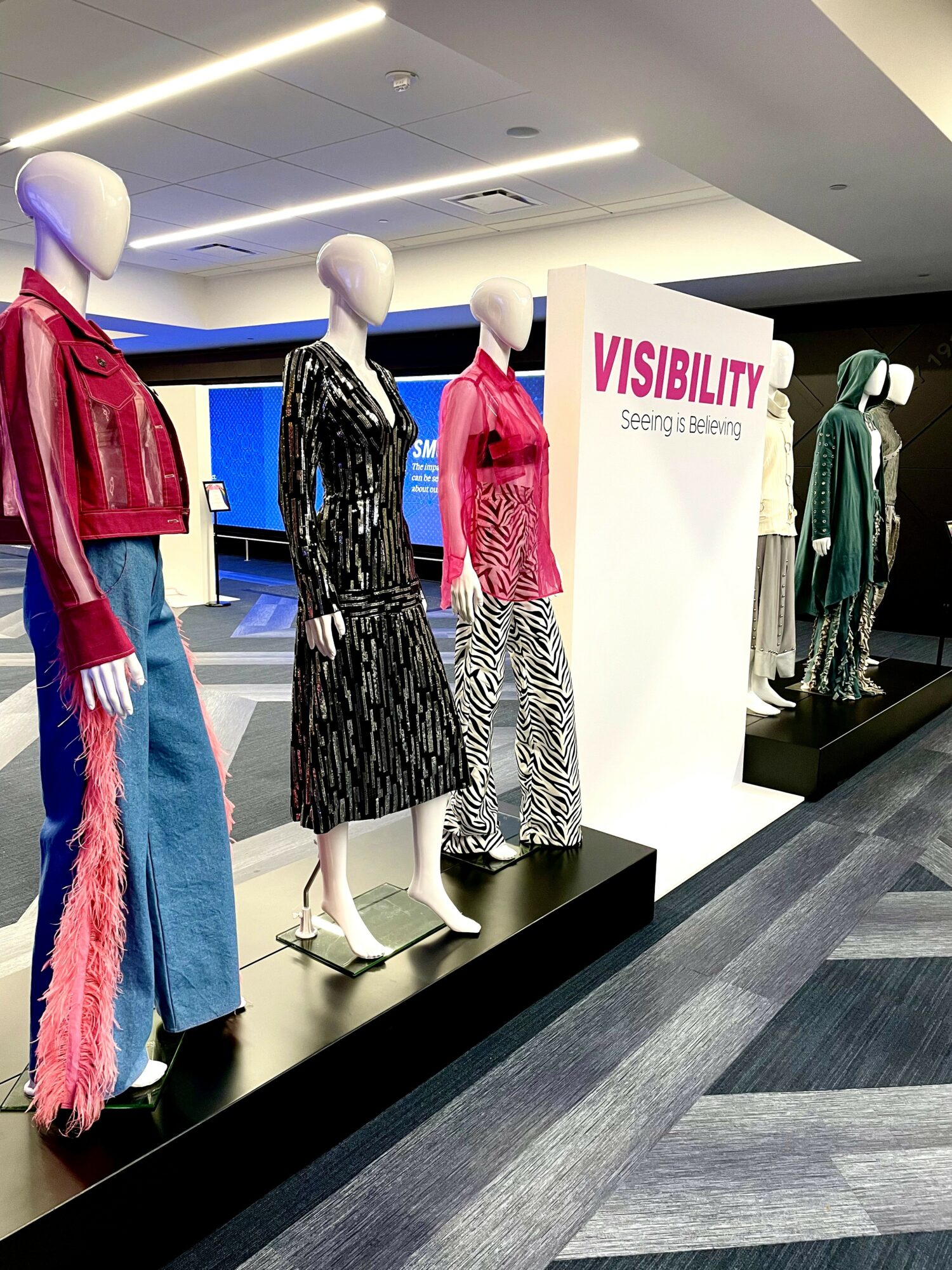
That same thinking guides my work at Dallas College. Whether we are creating partnerships with retailers, developing experiential projects such as Winter Windows Walk with the Bishop Arts District Merchants Association, or bringing students into conversation with leaders across fashion, film, and the arts, I am always asking the same question: how can this opportunity become meaningful for a student?
At this point in my career, I think my work as an educator, researcher, and foundation founder has really become one shared mission. I want to use whatever relationships, experience, and platform I have built to create pathways for other people. If a student leaves one of our programs with greater confidence, a stronger professional network, a meaningful internship, or simply a clearer sense of what is possible for their life, that is the work I am most proud of.
Alright, so let’s dig a little deeper into the story – has it been an easy path overall and if not, what were the challenges you’ve had to overcome?
It has definitely not been a completely smooth road, but I think some of the most meaningful work rarely is.
One of the greatest challenges has been helping potential community and corporate partners understand the value of this kind of cultural programming. Many of the fashion documentaries we present would simply never be screened in Dallas-Fort Worth without someone intentionally creating the opportunity. Securing film rights, venues, sponsorship, marketing support, and an audience takes a tremendous amount of relationship-building. You are often asking people to invest in something before they can fully see the long-term impact. Over time, I have learned that the strongest partnerships come from organizations and individuals who understand that bringing these films to Dallas is not simply about entertainment. It is about education, access, cultural dialogue, and exposing students and the community to ideas and creative voices they might otherwise never encounter.
The other challenge is deeply personal to me because I always want to do more for students than resources sometimes allow. I care a great deal about the experience students have when they participate in one of our programs, whether they are my students or students I may never teach personally. There have been many times when I have reached into my own pocket to make sure a student can attend an event, participate in a project, have the materials they need, or simply feel that the experience was thoughtful and worthy of their time. I do not say that for recognition. I think it reflects how seriously I take the responsibility of creating opportunities for young people.
Those challenges have also clarified the purpose of the work. They have taught me to be resourceful, persistent, collaborative, and very intentional about who I partner with. Every time a student tells me that an event introduced them to a career they had never considered, connected them with someone in the industry, or simply made them feel that they belonged in that room, it reminds me why the obstacles are worth working through.
Alright, so let’s switch gears a bit and talk business. What should we know about your work?
My work sits at the intersection of fashion, education, archives, curatorial practice, and community engagement. I am an educator and researcher by profession, but increasingly I think of my role as someone who builds bridges between students, cultural institutions, and the fashion industry.
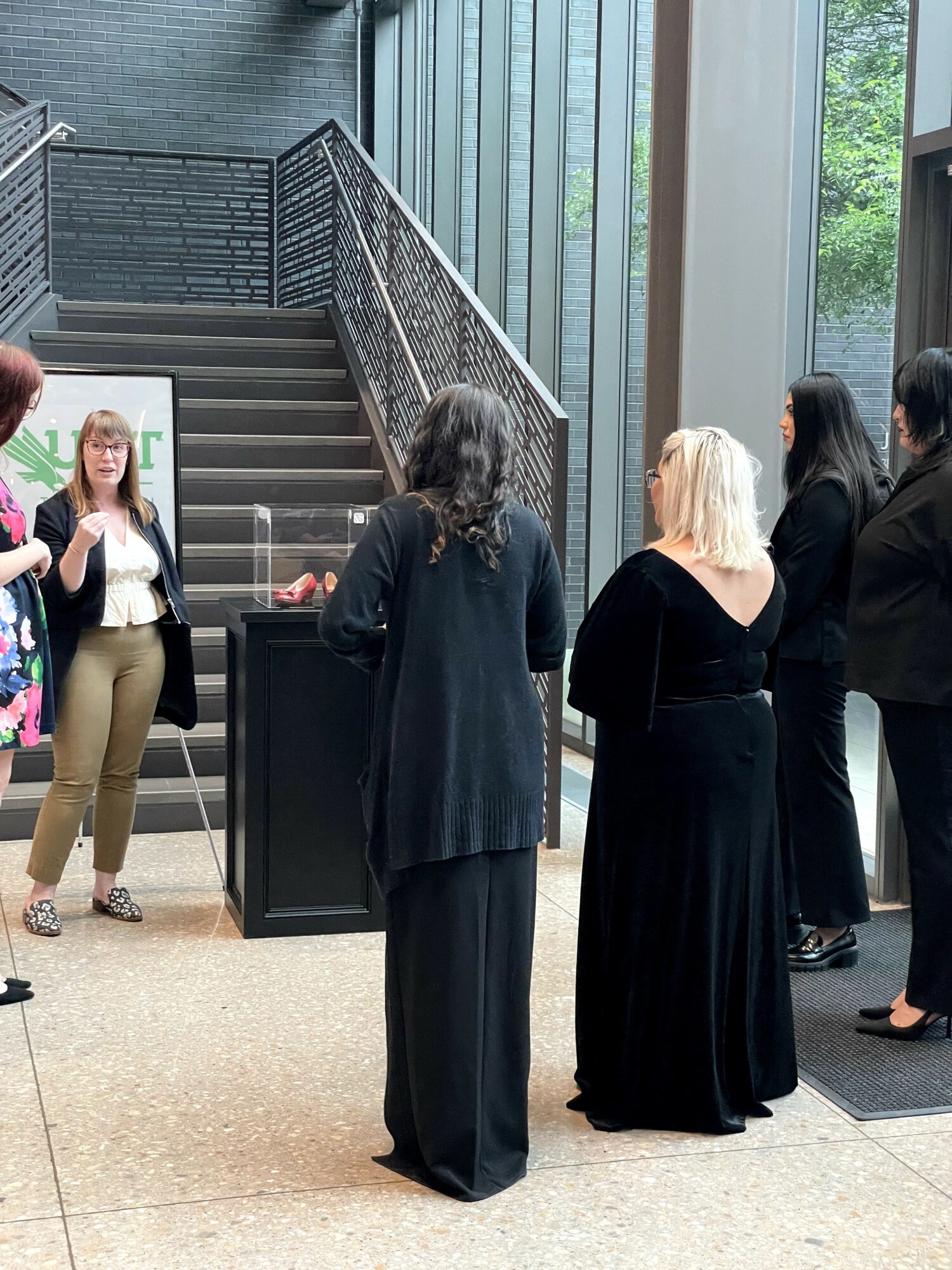
Archives have been particularly important to that journey. Early in my academic career, I interned with the Texas Fashion Collection at the University of North Texas, where I began to understand the extraordinary educational value of encountering fashion objects firsthand. Working with a garment in an archive changes the way you understand fashion. You begin to see not only design, but history, construction, labor, identity, commerce, and culture embedded within an object.
I later had the opportunity to continue that work as a Curatorial Fellow with the Robert and Penny Fox Historic Costume Collection at Drexel University. Those experiences profoundly shaped the way I approach teaching and helped reinforce my belief that collections should not exist at a distance from students. They should be active educational laboratories where emerging scholars can learn how to research, preserve, interpret, and ultimately contribute new knowledge to the field.
That is why the work I am most proud of through The Bolton Arts Foundation is our support of paid student internships at the Texas Fashion Collection.
For me, that represents the foundation’s mission in its clearest form. We can host a beautiful evening, screen an important film, and bring together extraordinary people, but the lasting measure of the event is what happens afterward. If the money we raise allows a student to spend meaningful time inside an archive, conduct research, gain professional experience, and begin building a career, then the program has accomplished something much larger than a single night of programming.
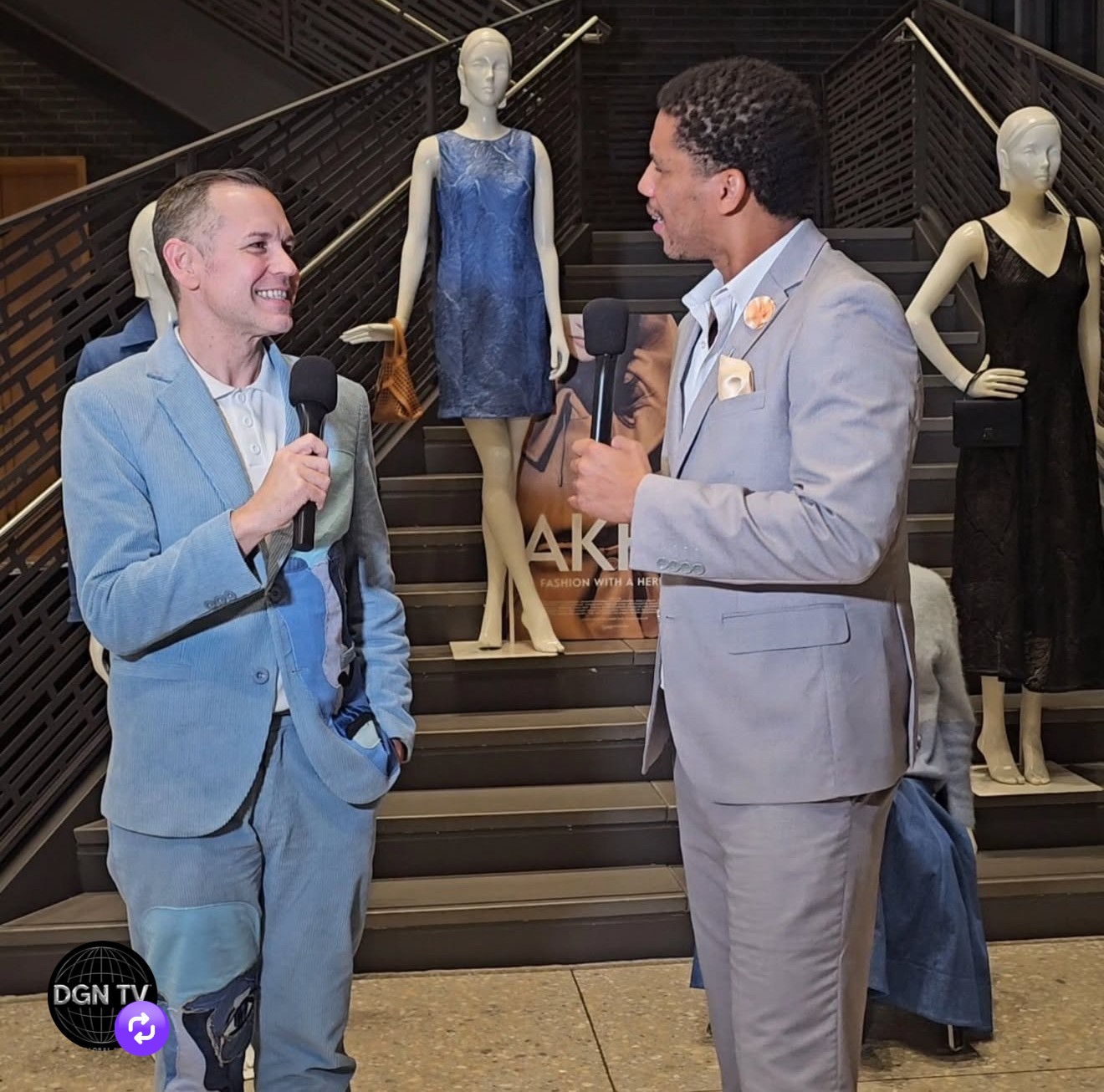
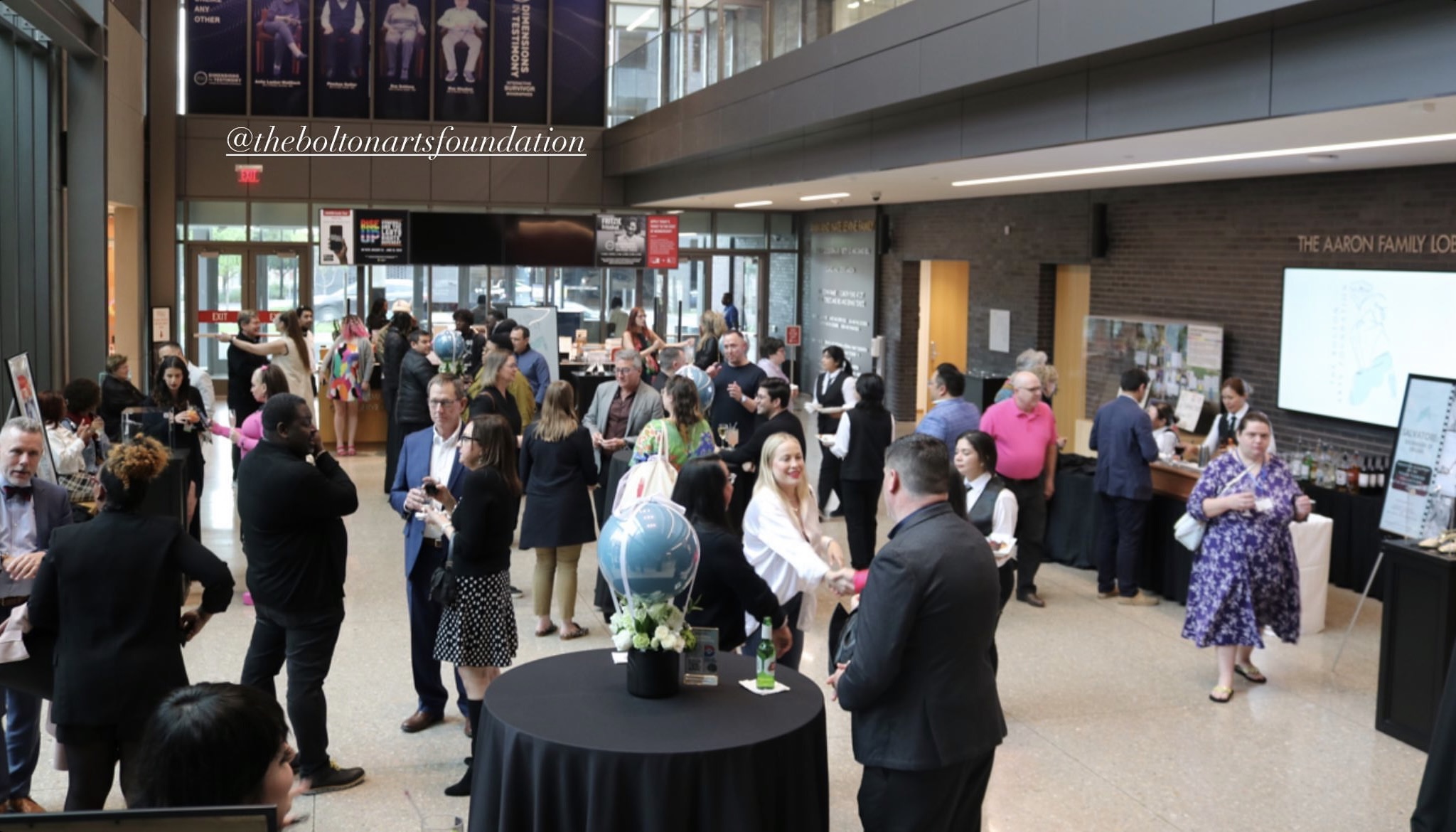
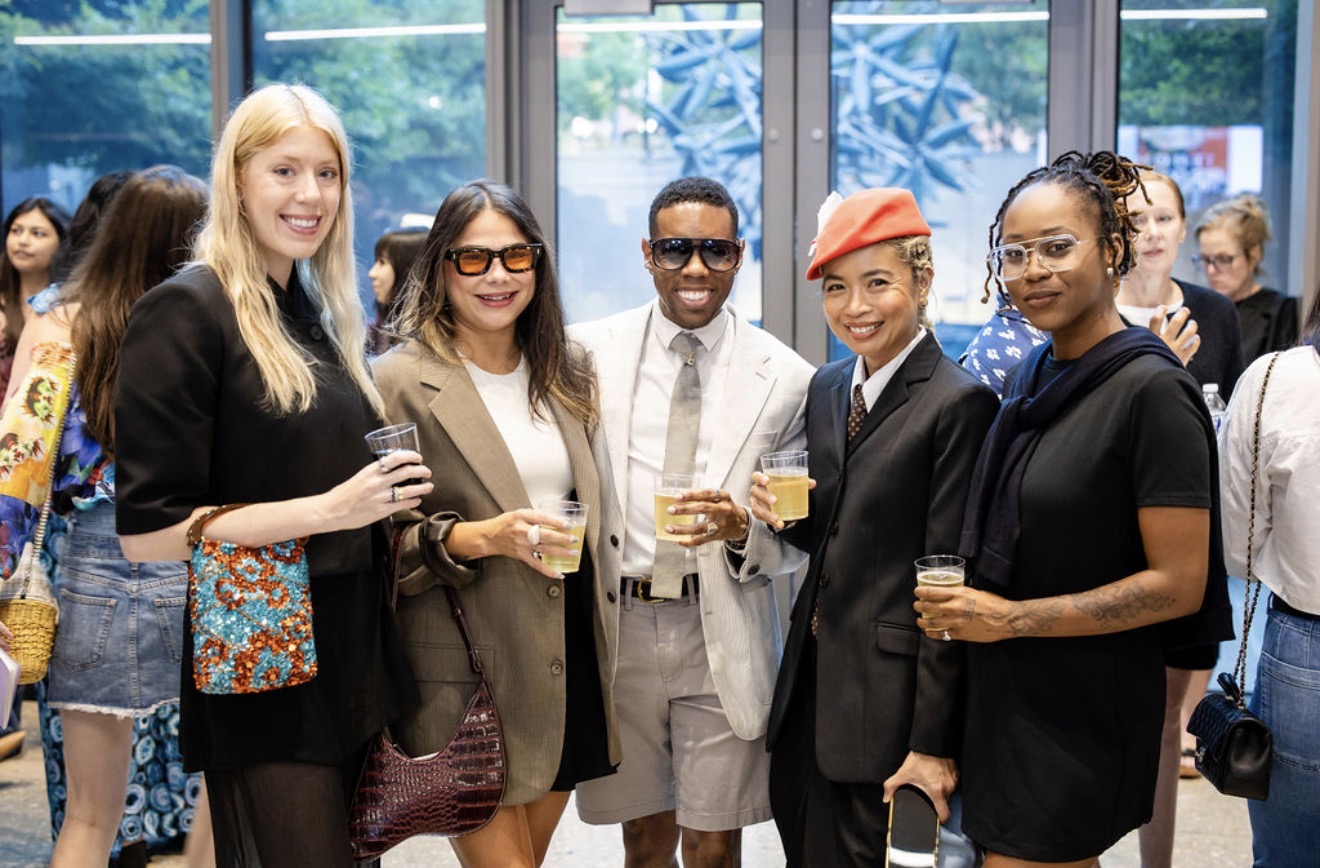
Our fifth annual screening is a wonderful example of that philosophy. We were able to bring Thom Browne: The Man Who Tailors Dreams to Dallas-Fort Worth, giving our community rare access to a fashion documentary that has had extremely limited exhibition in the United States. Through partnerships with Dallas College, Forty Five Ten, Patron Magazine, the Dallas Holocaust and Human Rights Museum, and others, the screening became more than an opportunity to watch a film. It became a vehicle for supporting students, introducing audiences to the importance of fashion scholarship, and strengthening connections across the Dallas-Fort Worth creative community.
I think what distinguishes my work is that I rarely see education, industry, and cultural programming as separate endeavors. I am always thinking about how one can strengthen the others. If I am developing an event, I am thinking about how students can participate. If I am building an industry partnership, I am asking what professional access it can create. If we are raising money, I want to understand how those resources can directly benefit a student.
Ultimately, I am most proud when the work creates access. I benefited enormously from people and institutions that opened doors for me, particularly because my own path into higher education was unconventional. At this stage of my career, I feel a responsibility to hold those doors open for someone else. Whether that happens through a paid internship, an introduction to an industry leader, an archival research opportunity, or simply giving a student the confidence to imagine themselves in a space they had never considered before, that is the impact I want my work to have.
Who else deserves credit in your story?
I have been incredibly fortunate to have people in my life who have believed in me, challenged me, encouraged me, and, at times, carried me through moments when I was not sure what came next.
I have to begin with Jan Strimple. She gave me one of my earliest opportunities to step into a leadership role on a professional photoshoot with Wade Livingston, and that experience stayed with me. Jan has remained a touchstone for the kind of professional I want to be: generous, exacting, gracious, deeply committed to the work, and always willing to create space for other people to succeed.
Dr. Joe Hancock has been my mentor since graduate school. His belief in me has sustained me through some extraordinarily difficult periods in my life and career. He is a lightning rod for creativity, and he has always encouraged me to think bigger, take risks, and trust that there is value in the ideas I am trying to bring into the world.
Dr. Zara Kourtz is both a colleague and one of my closest friends. She has an extraordinary ability to lovingly tell me when I am drifting away from what matters and help guide me back toward the path that is right for me. Everyone needs someone in their life who knows them well enough to be both supportive and honest, and Zara has been that person for me countless times.
My best friend, Constance Crouch, is one of those rare people who simply finds a way forward. Whenever I feel that I have reached an impasse, Constance is usually the person who helps me see another option, make another call, or rethink the problem entirely. She has supported not only me personally, but also The Bolton Arts Foundation and the Dallas College Fashion Marketing program in ways that have made a very real difference.
And I could never leave out Dr. Annette Becker. She has been my friend, cheerleader, advocate, unofficial promotional agent, sounding board, and, more times than either of us could probably count, therapist. Her generosity with her time, her intellect, and her encouragement has meant an enormous amount to me. She has also been instrumental in helping connect the Foundation’s mission to meaningful student opportunities through the Texas Fashion Collection.
I am immensely grateful for all of them. Whatever success I have had has never happened in isolation. These relationships remind me constantly that careers are not built only through ambition or hard work. They are also built through trust, generosity, mentorship, friendship, and people who are willing to believe in you before you fully know what you are capable of yourself.
Contact Info:
- Website: https://theboltonartsfoundation.org
- Instagram: https://www.instagram.com/professor_bolton/