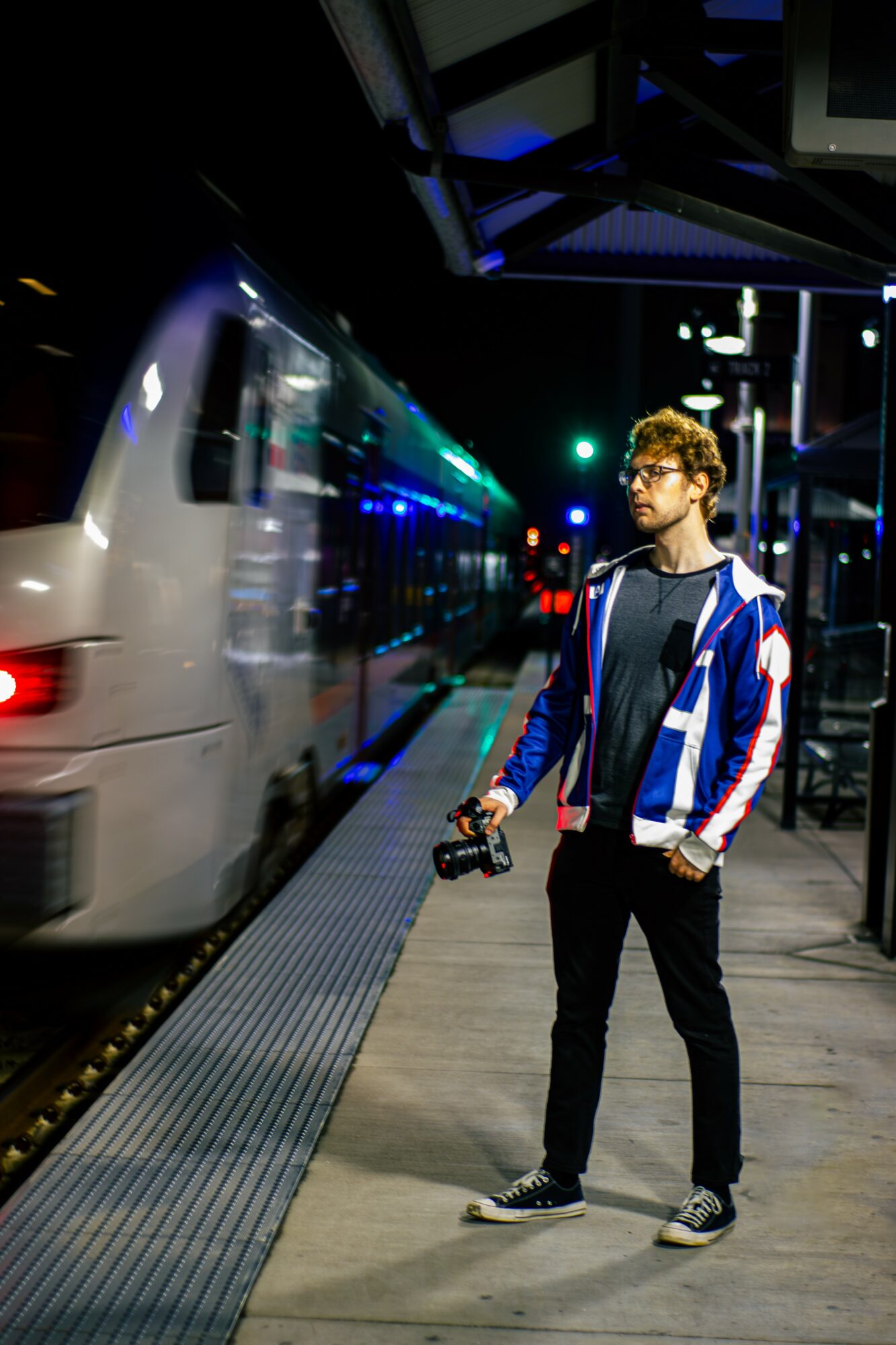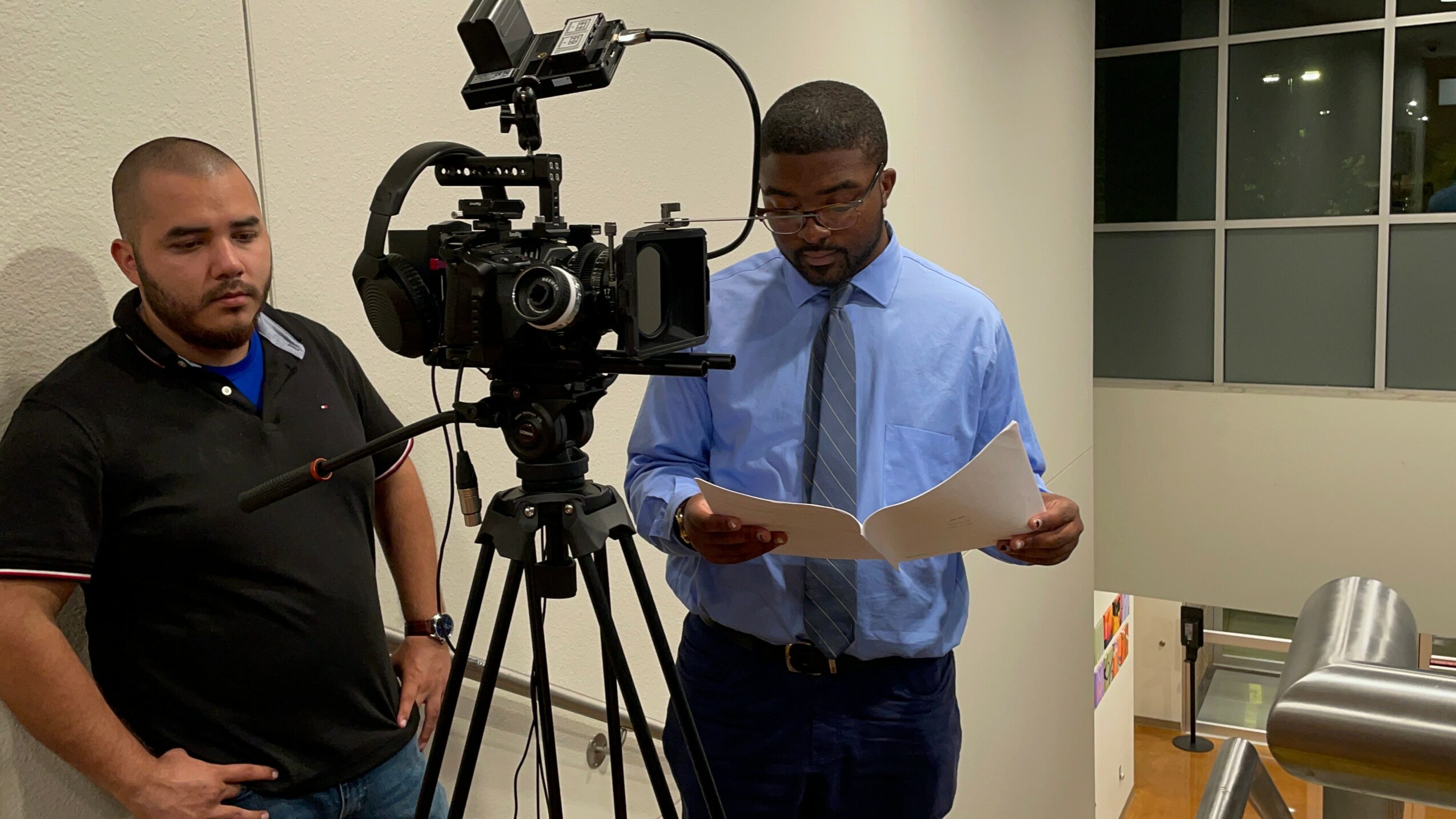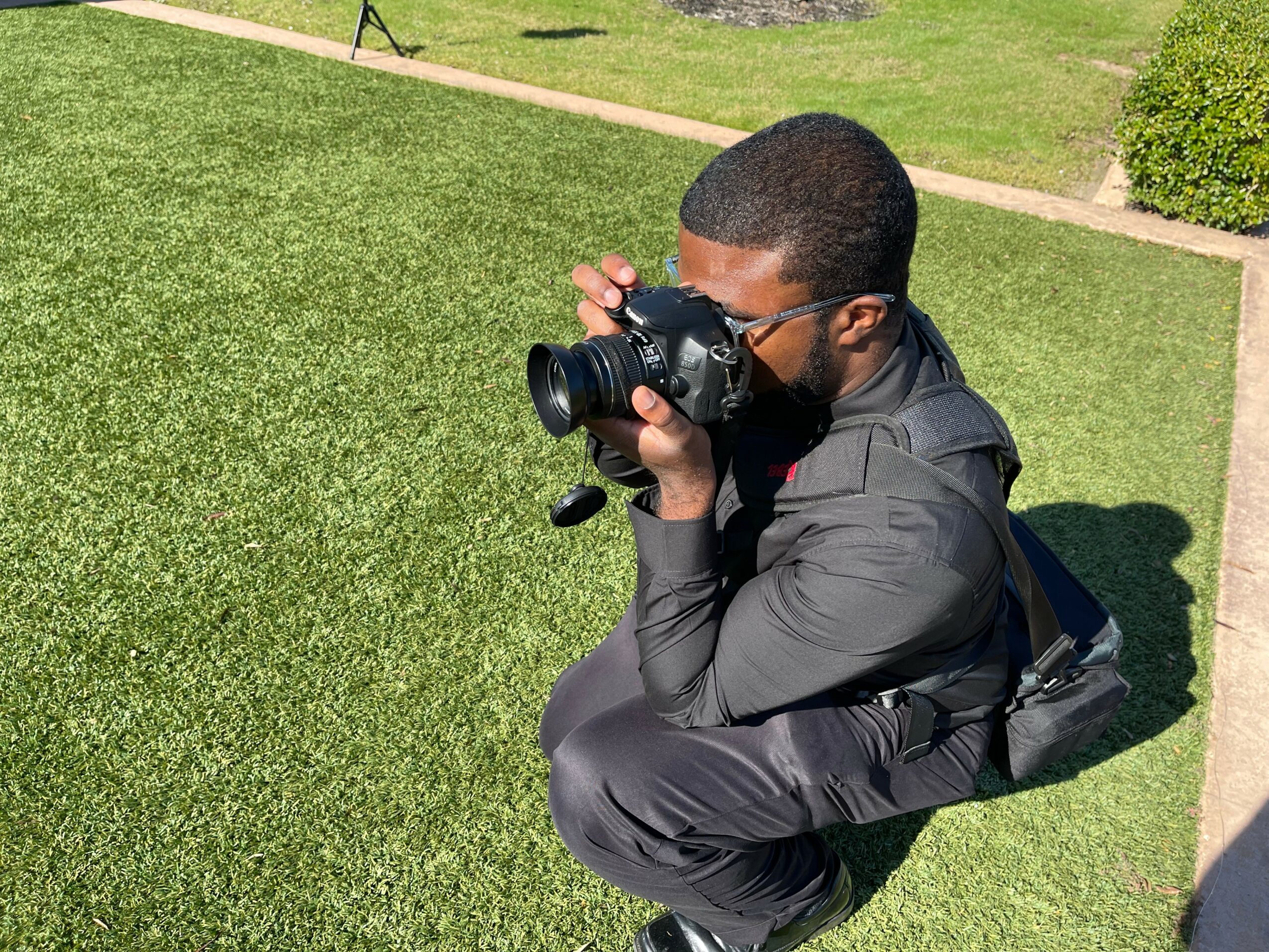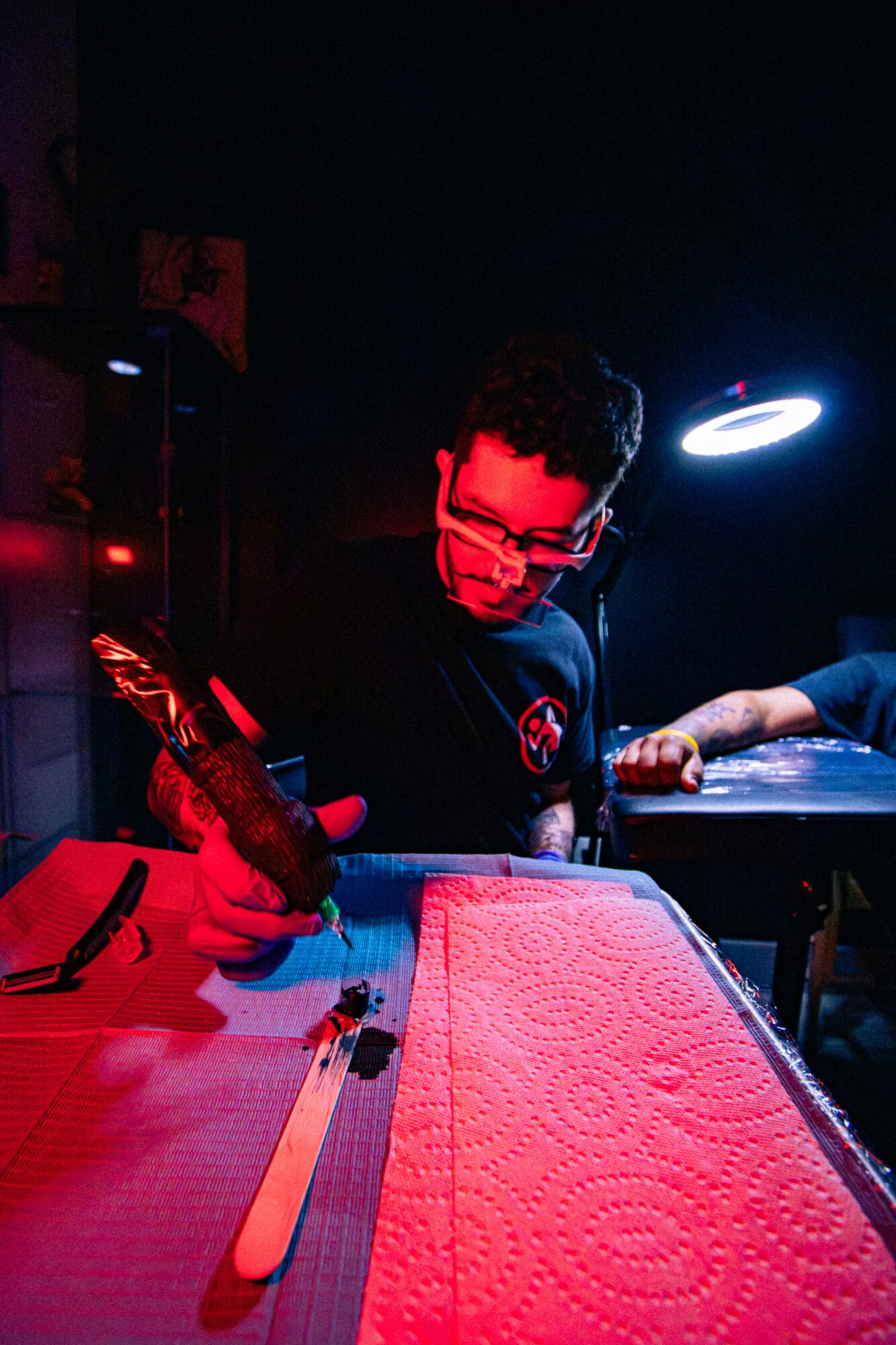
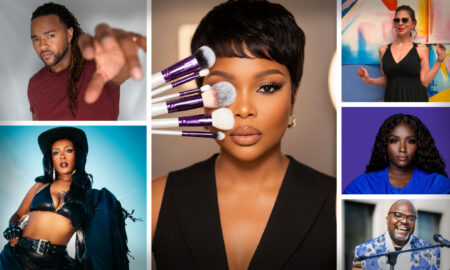





Today we’d like to introduce you to Lukas Oliver.
Hi Lukas, please kick things off for us with an introduction to yourself and your story.
I think my story really starts with being fascinated by storytelling before I fully understood that I wanted to be a filmmaker. I’ve always loved movies, photography, and the way an image can communicate something before anyone says a word. Eventually, that interest stopped being something I only consumed and became something I wanted to create myself.
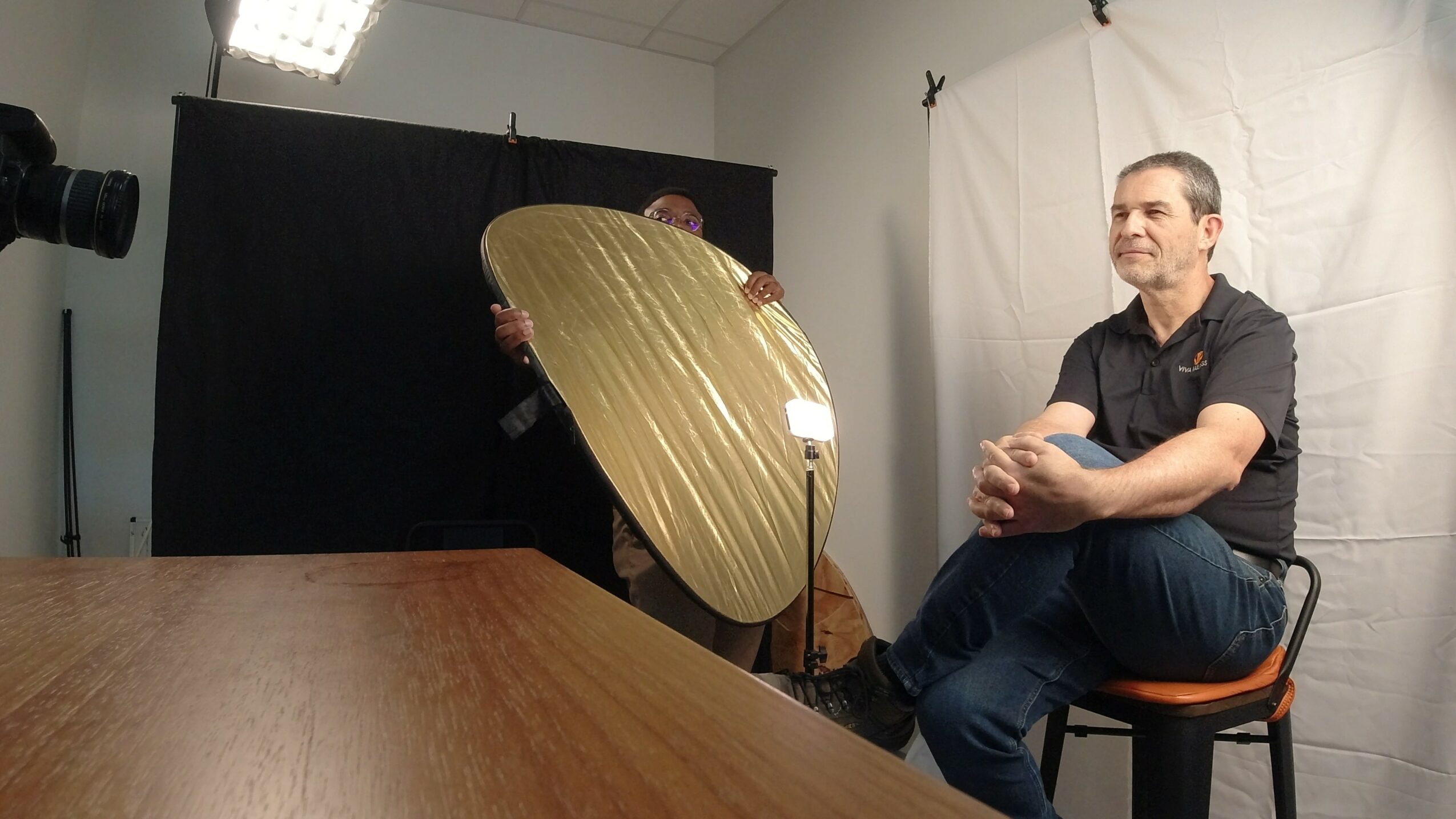
Over the last several years, I’ve worked to turn that interest into an actual career. I started learning photography and video production more seriously, taking on different kinds of projects, experimenting constantly, and figuring out what kind of creative I wanted to be. A lot of that growth happened by doing the work before I necessarily felt completely ready for it. Every shoot taught me something, how to light people better, how to communicate with clients, how to work with a crew, how to solve problems quickly, and, probably most importantly, how much storytelling matters regardless of whether I’m making a short film or photographing someone for their business.
Professionally, I now work as a Media Marketing Assistant, where I’m responsible for a large amount of the photo and video production for the company I work for. Being in that position has forced me to become much more well-rounded. I’m not only thinking like a photographer or filmmaker anymore. I’m thinking about the purpose of the content, the audience, the message, deadlines, logistics, and how the final piece actually helps a business communicate.
At the same time, I’ve been building MOJ Media, a DFW-based photo and video company. MOJ has become the place where I’m applying everything I’ve learned professionally while developing the kind of experience I want clients to have: strong cinematic work, straightforward communication, and a production process that doesn’t feel unnecessarily complicated. I’ve had the opportunity to photograph portraits, events, weddings, brands and other projects while continuing to develop the business side of what I do.
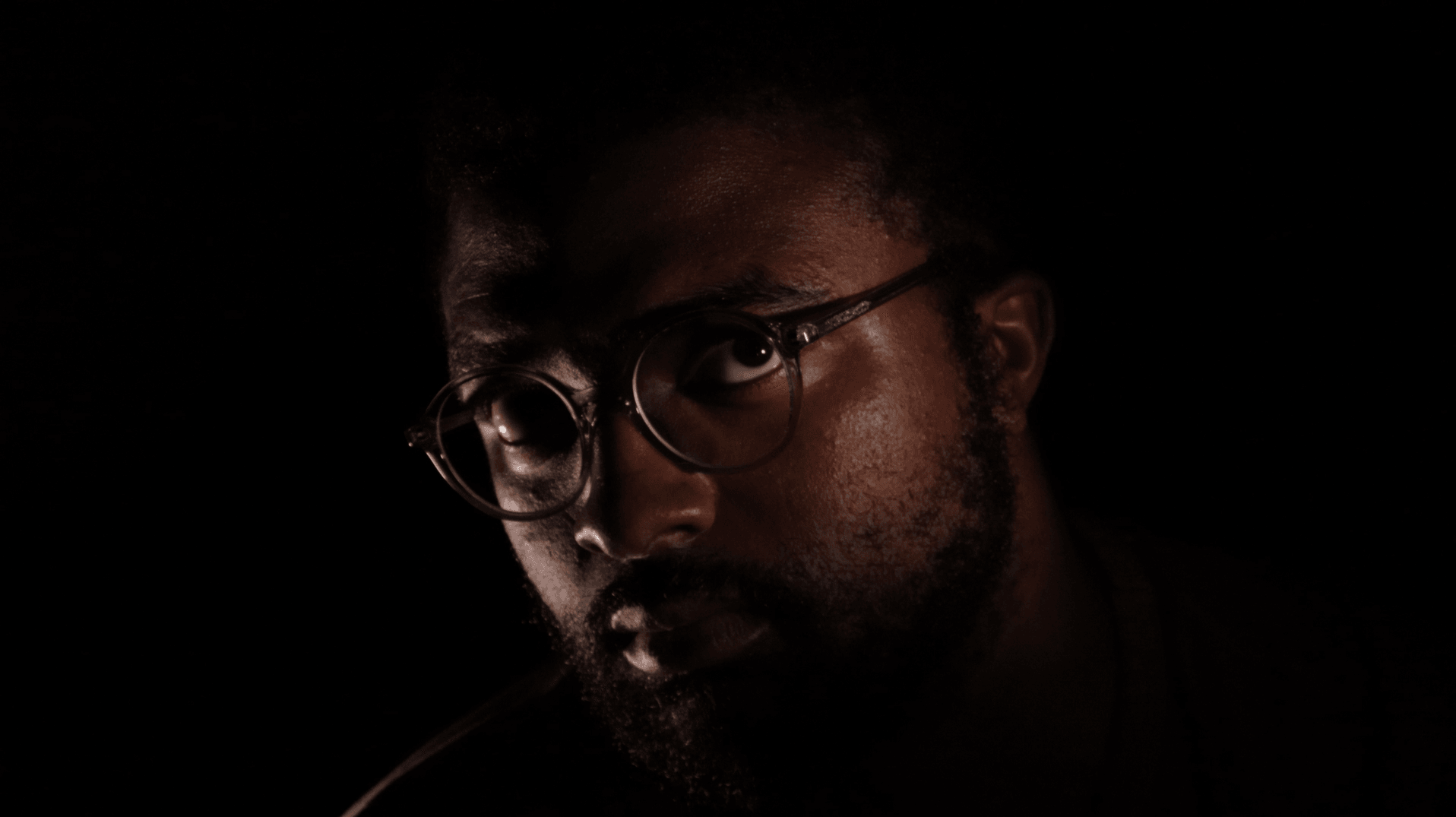
Filmmaking is still a huge part of who I am creatively. Outside of commercial work, I write and direct narrative projects through Lukas Oliver Filmmaking. My current film, The Writer, is a psychological horror story that I wrote, directed and acted in. Making my own films has probably taught me more about myself than almost anything else because those projects force me to confront what I actually want to say as an artist instead of just making something that looks good.
I’m still very much in the middle of the story. I don’t think I’ve reached some final destination where I can say, “This is where I made it.” Right now, I’m trying to build a sustainable career around the things I care about filmmaking, photography and storytelling, while continuing to become better at the craft and better at running the business around it. If anything, where I am today feels less like the ending and more like the point where all of the different things I’ve been working toward are finally starting to connect.
Can you talk to us a bit about the challenges and lessons you’ve learned along the way. Looking back would you say it’s been easy or smooth in retrospect?
It definitely hasn’t been a smooth road. A lot of the challenge has been trying to build a creative career while also figuring out how to make that career sustainable.
One of the biggest struggles has been resources. Photography and filmmaking can become expensive very quickly, and for a long time I was trying to improve with whatever I already had access to. That forced me to learn that better equipment does not automatically make better work. I had to get better at lighting, composition, directing people, editing, problem-solving and telling a story with the tools that were actually available to me.
Time has probably been an even bigger challenge. I work full-time in media while also building MOJ Media and developing my own films. Those are essentially three different creative responsibilities competing for the same hours. There have been plenty of nights and weekends where I’ve had to decide whether I’m going to edit client work, work on a screenplay, build the business, or simply rest. I’m still learning how to balance ambition with having an actual life.
There’s also the business side of being creative. I think a lot of artists imagine that getting better at the craft is the whole job, but eventually you realize you also have to learn pricing, contracts, communication, marketing, scheduling, client expectations and how to value your own time. Learning to treat my work like a business instead of just something I love doing has been a major adjustment.
I’ve dealt with plenty of self-doubt too. There are moments where you look at people who are further along than you and start wondering whether you’re moving fast enough, whether your work is good enough, or whether you should already be somewhere else in your career. I’ve had to get better at measuring myself against who I was a year ago instead of constantly comparing my chapter to someone else’s.
Probably the biggest lesson has been accepting that progress rarely feels dramatic while you’re living through it. A lot of growth has looked like small decisions: finishing the edit, showing up to the shoot, rewriting the scene, sending the quote, learning from something that didn’t work and trying again. Looking back, those small decisions have added up much more than any single breakthrough moment.
Thanks – so what else should our readers know about your work and what you’re currently focused on?
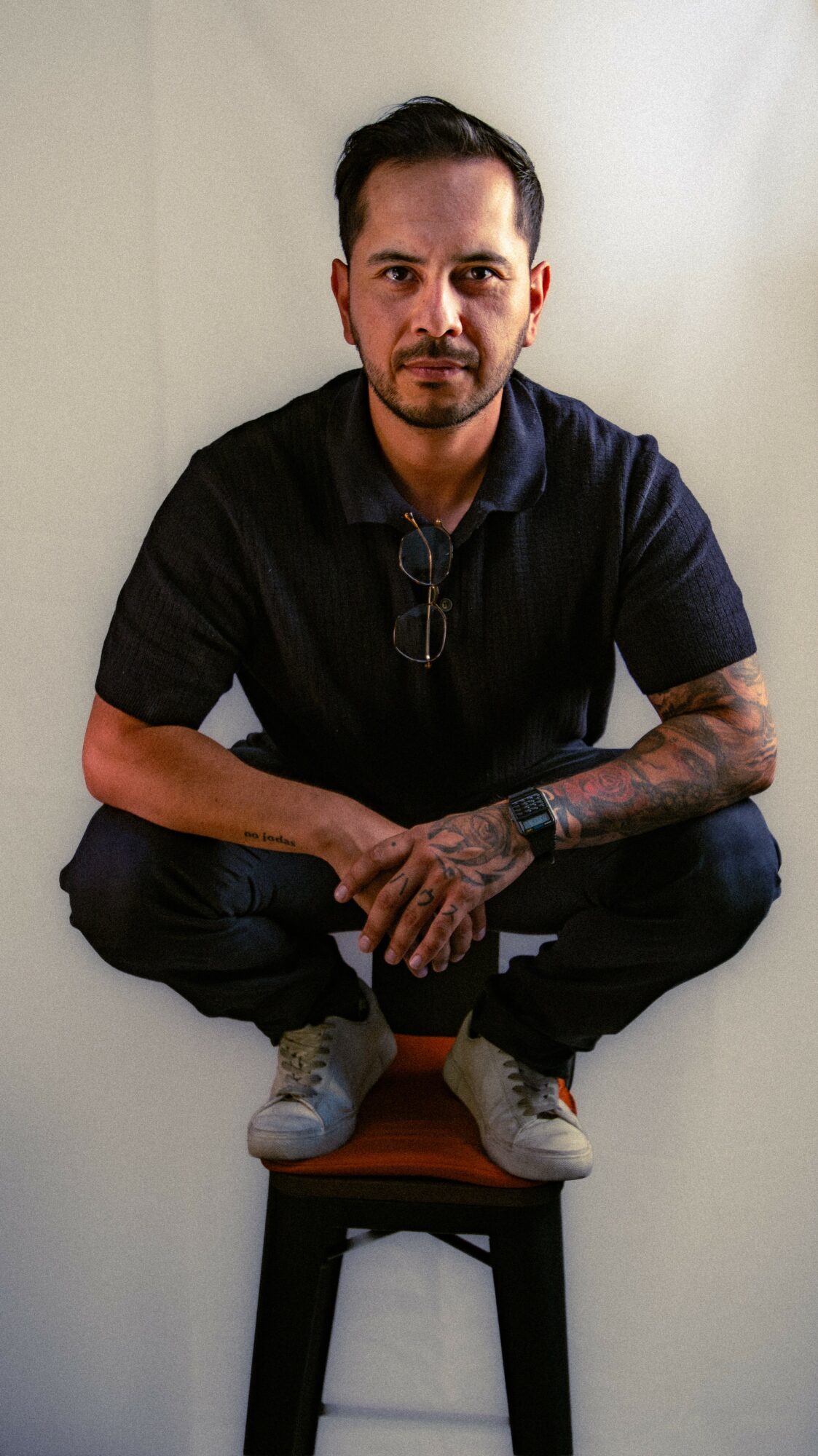
My work sits at the intersection of filmmaking, photography, and commercial media. I’m a filmmaker first in the sense that I tend to approach everything through story, even when the assignment is something as straightforward as a corporate headshot or a piece of branded content. I’m always thinking about what the image is communicating, how the person should feel on camera, and what the audience is supposed to take away from it.
Professionally, I work across photo and video production, including corporate headshots, events, brand content, real estate, and other commercial work through MOJ Media. I also write and direct narrative films through Lukas Oliver Filmmaking, which gives me a different creative outlet and keeps pushing me to grow as a storyteller, director, and visual artist.
I think one of my strengths is being able to move between those two worlds. Commercial work has taught me how to work efficiently, communicate clearly, meet deadlines, and create something that serves a specific purpose. Narrative filmmaking has taught me to think more deeply about character, emotion, pacing, lighting, composition, and why a shot exists in the first place. Each side makes the other stronger.
One thing I care about a lot is making people comfortable in front of the camera. A surprising amount of good photography has less to do with the camera itself and more to do with creating an environment where someone can stop thinking about being photographed. I’ve had clients tell me that what they expected to be an uncomfortable process ended up feeling quick and easy, and that means a lot to me.
With MOJ Media, the experience is just as important as the finished image. I want the work to feel cinematic and polished, but I also want the process to be straightforward. Clients should be able to communicate what they need, understand what is happening, and get professional execution without unnecessary layers or confusion.
What I’m most proud of right now is that my work is beginning to feel more connected. The photographer, the commercial media professional, the business owner, and the filmmaker used to feel like separate parts of my life. Now they are starting to influence each other. Whether I’m directing a short film, photographing a person, or creating something for a business, the principle I keep coming back to is pretty simple: story first, then light, then everything else.
We’d be interested to hear your thoughts on luck and what role, if any, you feel it’s played for you?
I think luck has played a real role in my life and career, but mostly in the form of timing, people, and opportunities rather than some single dramatic lucky break.
There have been times when the right person happened to see my work, someone recommended me for something, or an opportunity showed up before I necessarily felt completely ready for it. Even this VoyageDallas interview came from someone thinking of me and making an introduction. I don’t take that lightly. A lot of creative careers are built through relationships, trust, and people deciding to give you a chance.
At the same time, I’ve learned that luck only helps so much if you aren’t prepared when it arrives. A referral might get someone to look at your work, but the work still has to be good. Someone might give you an opportunity, but you still have to show up, communicate well, solve problems, and deliver. So I try to think of preparation as the part I can control.
Bad luck has played a role too. Things don’t always line up the way you expect. Schedules change, opportunities fall through, projects become more complicated than planned, and sometimes you simply don’t have the resources or timing you wish you had. Those moments have taught me to be adaptable instead of waiting for perfect circumstances.
I’d probably describe my career so far as a combination of preparation, persistence, and fortunate timing. I’m grateful for the people who have opened doors for me, but I also want to keep becoming the kind of person who is ready to walk through the next one when it opens.
Contact Info:
- Instagram: https://www.instagram.com/lukas_oliverfilmmaking/
- LinkedIn: https://www.linkedin.com/in/lukas-oliver-b601a5367/
- Youtube: https://youtube.com/@lukasoliverfilmaking?si=qURQdGkoMcsDgdaQ
- Other: https://www.instagram.com/moj__media?igsi=M2RseGxwM2xyZms5&utm_source=qr