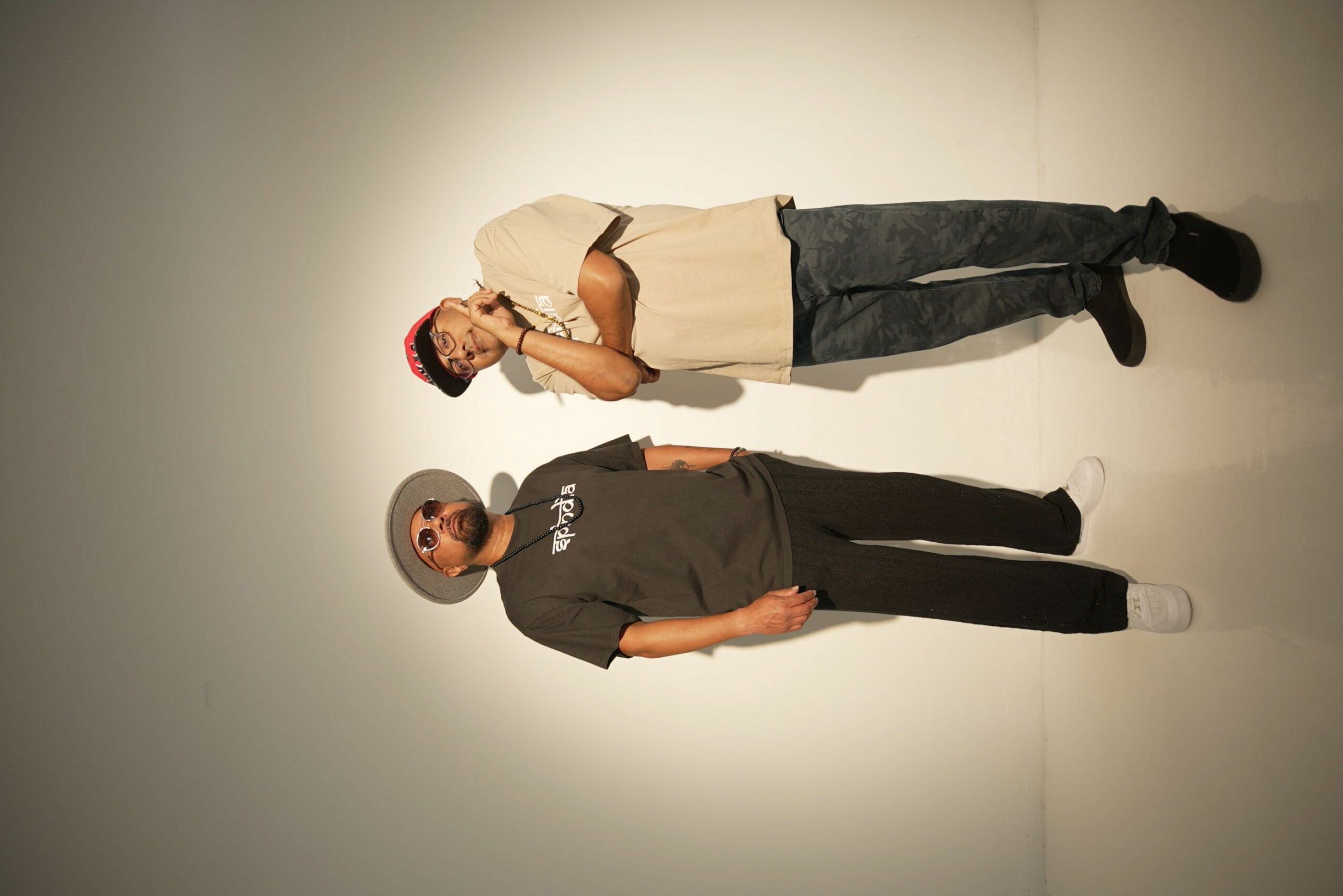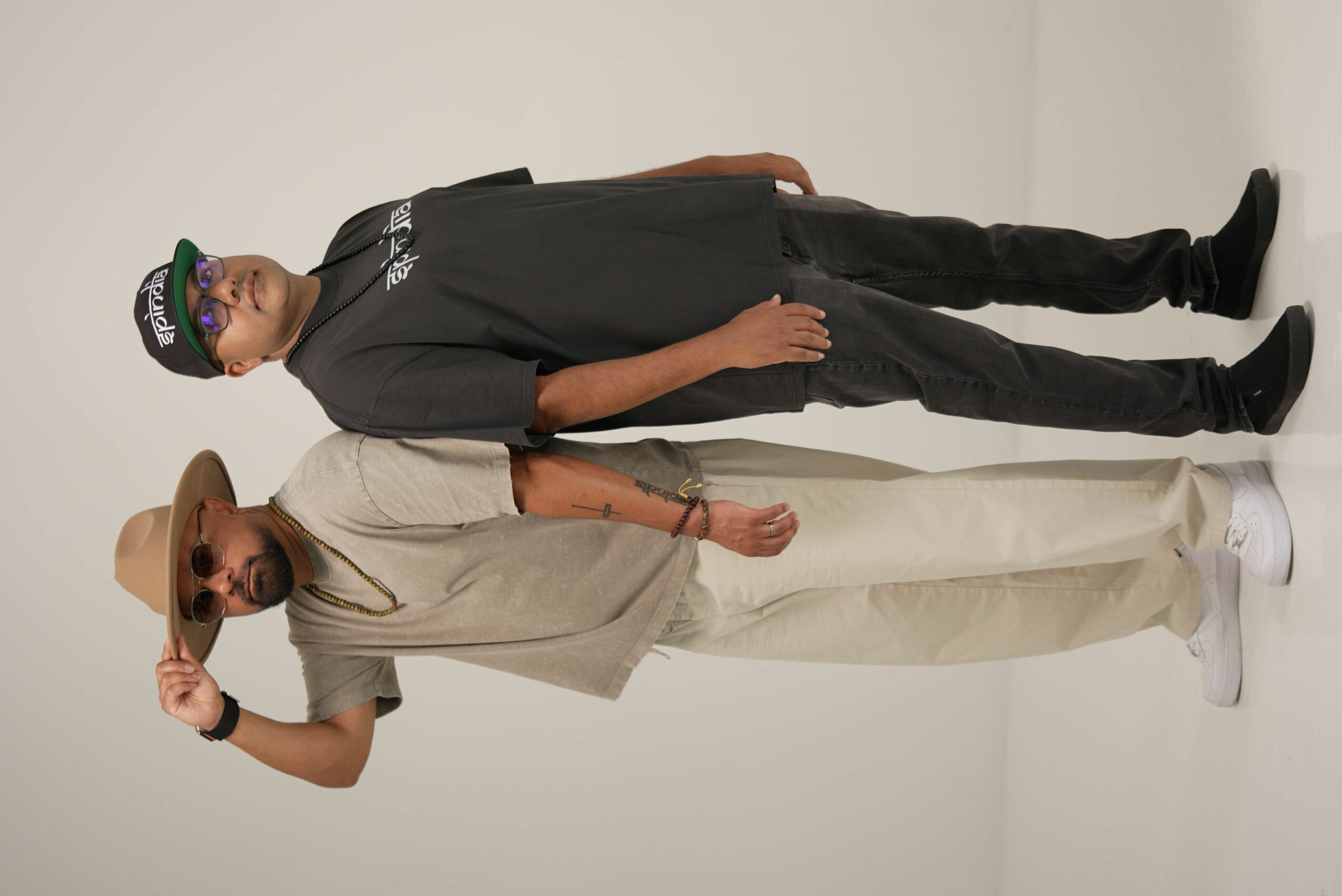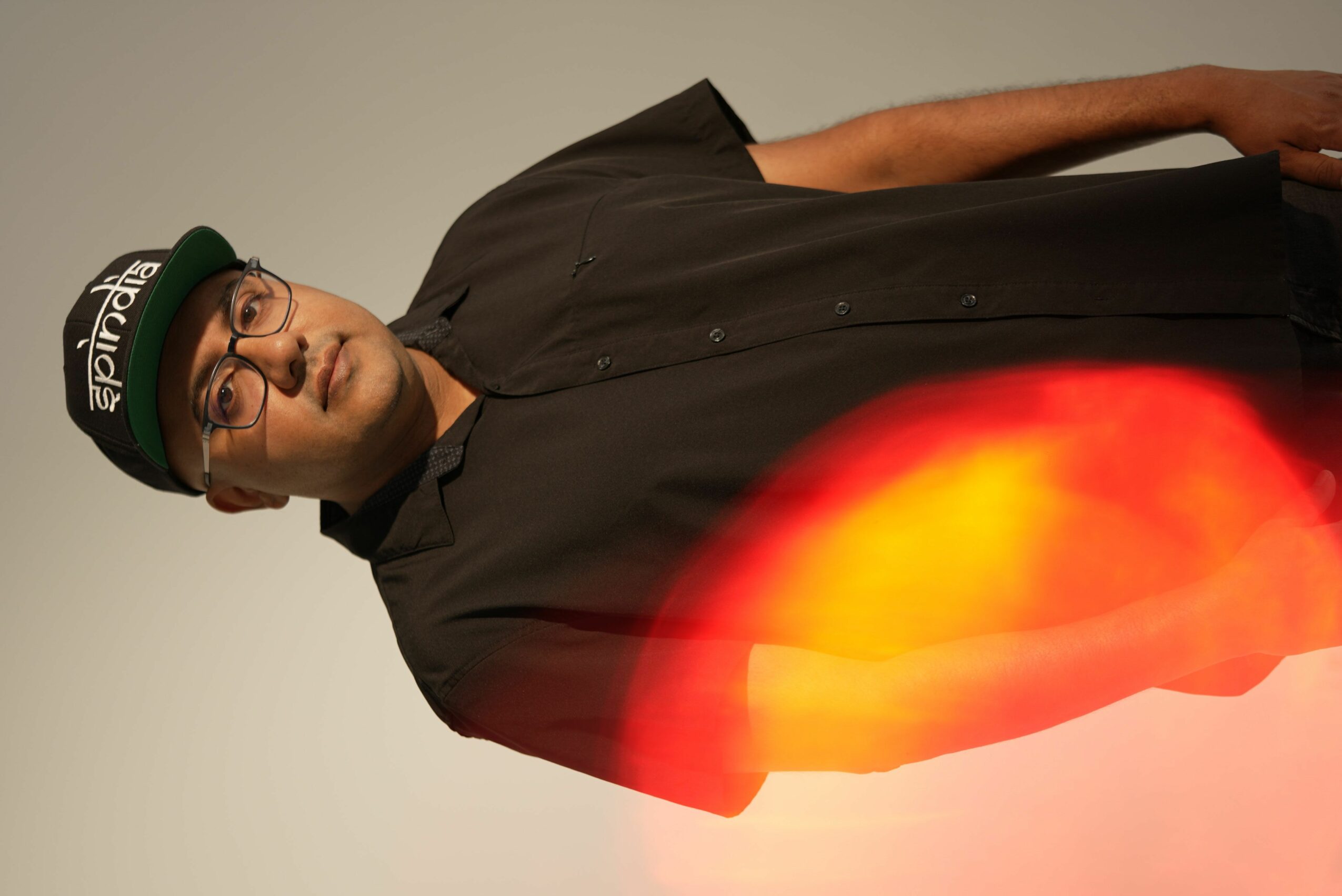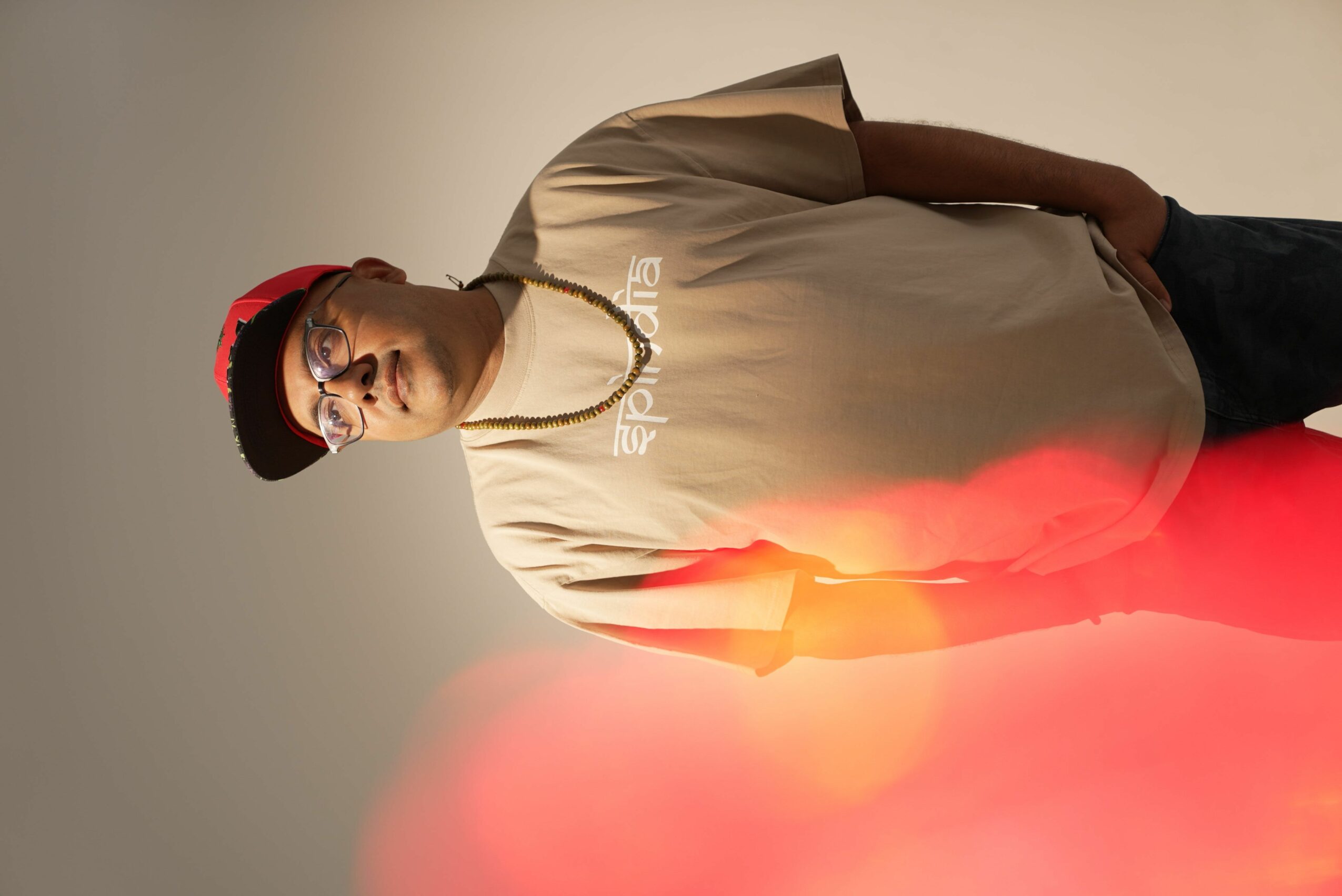






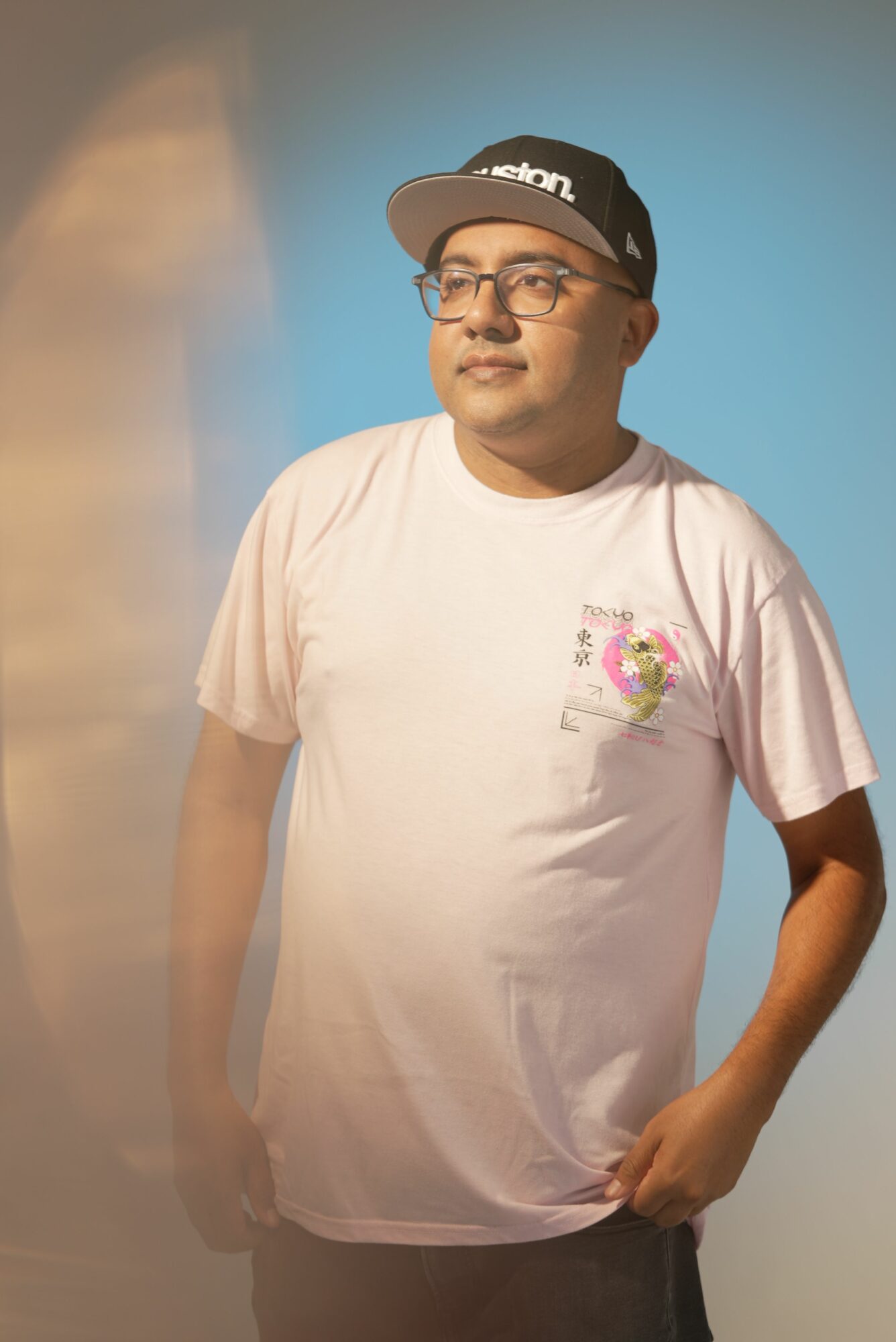
Today we’d like to introduce you to Nibu Abraham.
Hi Nibu, we’d love for you to start by introducing yourself.
My path has been rooted in music and community from the start. I’m a cohost of Generasian Radio on 90.1 KPFT FM and a co-curator of Spindia, a monthly IndoHouse night at the House of Blues Foundation Room in Houston, where I focus on creating spaces that blend diasporic sounds with contemporary club culture. Alongside that, I’ve been deeply involved in music production—working on remixes, original tracks, and live performance—and I’ve spent years playing in punk bands, which shaped my approach to energy, experimentation, and authenticity. All of these experiences come together in what I do now: building platforms, sounds, and events that connect scenes, genres, and people.
We all face challenges, but looking back would you describe it as a relatively smooth road?
It definitely hasn’t been a smooth road. Introducing something new to a venue is always a gamble, and finding an audience willing to listen to—and dance to—sounds that fall outside the expected can be a real challenge. That said, every time we’ve taken that risk, we’ve managed to win over the dancefloor, which has reinforced the value of trusting the vision and staying committed to doing something different.
Thanks for sharing that. So, maybe next you can tell us a bit more about your work?
I’ve spent over two decades co-hosting Generasian Radio, the longest-running ethnic fusion radio show currently on air. The show has always been rooted in exploration—moving fluidly from bhangra to K-pop to dancehall reggae and beyond—while remaining commercial-free on public radio through listener support. That longevity matters to me because it reflects trust from both the audience and the community we serve.
Beyond radio, I host Spindia, a monthly IndoHouse night that recently celebrated its two-year anniversary. It’s the first of its kind in Texas, and it was created to give diasporic dance music a dedicated, credible space within club culture.
What sets me apart from other DJs is a willingness to take real risks. I actively seek out music from all corners of the globe, often before it’s deemed “safe” or marketable, and I trust audiences to meet it with curiosity rather than familiarity. While much of the DJ landscape today is focused on content creation and follower counts, my focus has been on building a sonic movement—one grounded in culture, experimentation, and community. I’m most proud that this approach isn’t just resonating; it’s growing, and it’s changing what people expect on the dancefloor.
Is there something surprising that you feel even people who know you might not know about?
One thing that often surprises people is my background in punk rock. Before DJing and radio, I played in two Houston-based bands—No Resistance, a hardcore street punk band, and The Tomfooligans, a Celtic punk band—both of which had strong local followings. While punk and DJ culture may seem far apart on the surface, that experience fundamentally shaped how I understand music: energy, authenticity, and connection to the audience matter more than genre. Being in those bands taught me discipline, performance instincts, and how to read a room, all of which continue to inform the way I approach DJing, programming, and building inclusive, high-impact dancefloors today.
Contact Info:
- Website: https://generasianradio.com
- Instagram: https://www.instagram.com/nibuspins
- Twitter: generasianradio
- Youtube: generasianradio