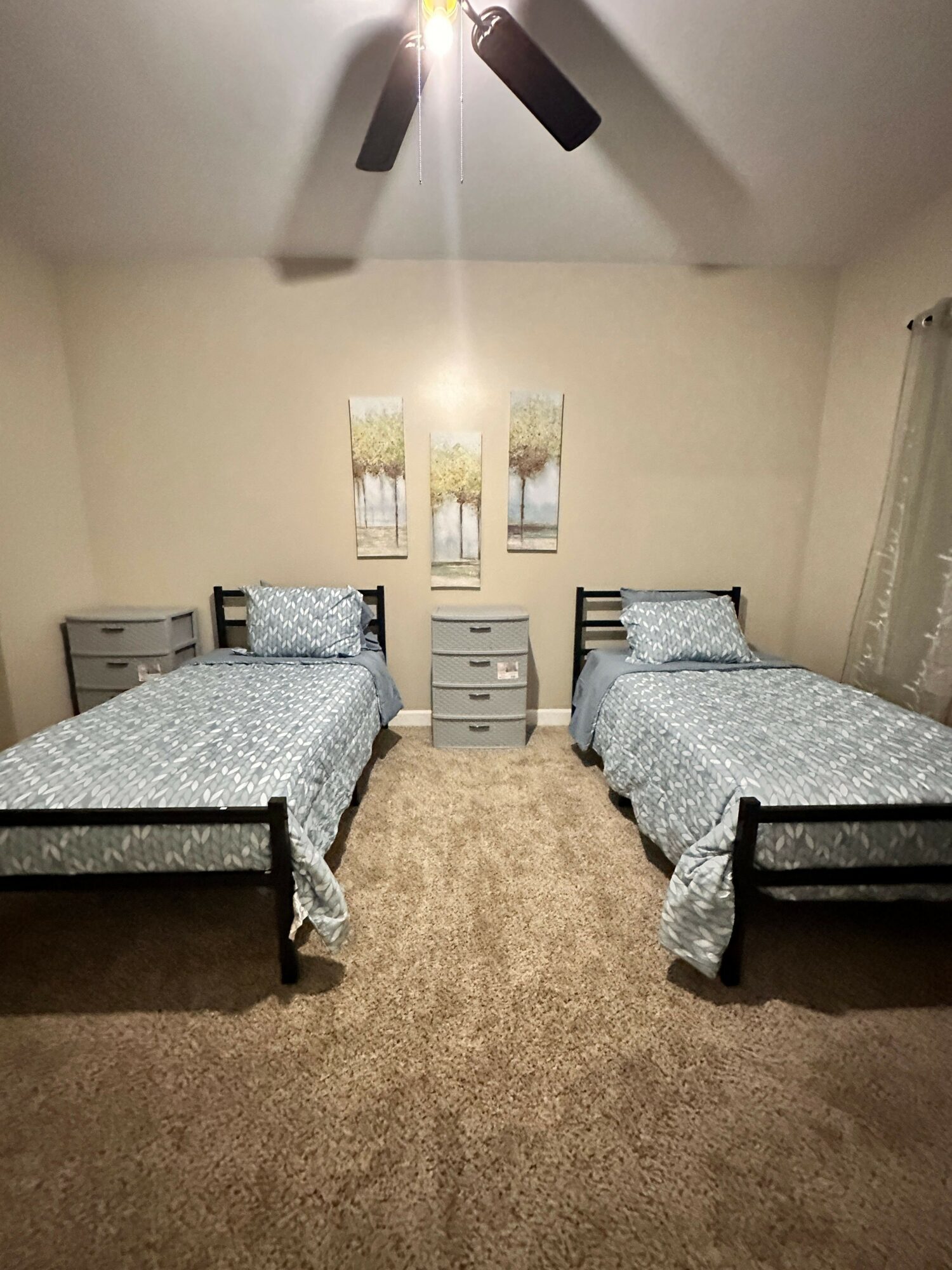






Today we’d like to introduce you to Porcha Gary.
Hi Porcha, thanks for sharing your story with us. To start, maybe you can tell our readers some of your backstory.
I didn’t wake up one day and say, “Let me start an independent living facility.” Life pushed me into it — gently at first, then all at once. My passion for senior care and supportive housing came straight from home. My father went through open-heart surgery, my aunt needed 24/7 care as a double amputee, and my grandparents — Julius and Adele Moore — were the heartbeat of our family. They opened their doors to anyone in need. That spirit of compassion shaped everything I do.
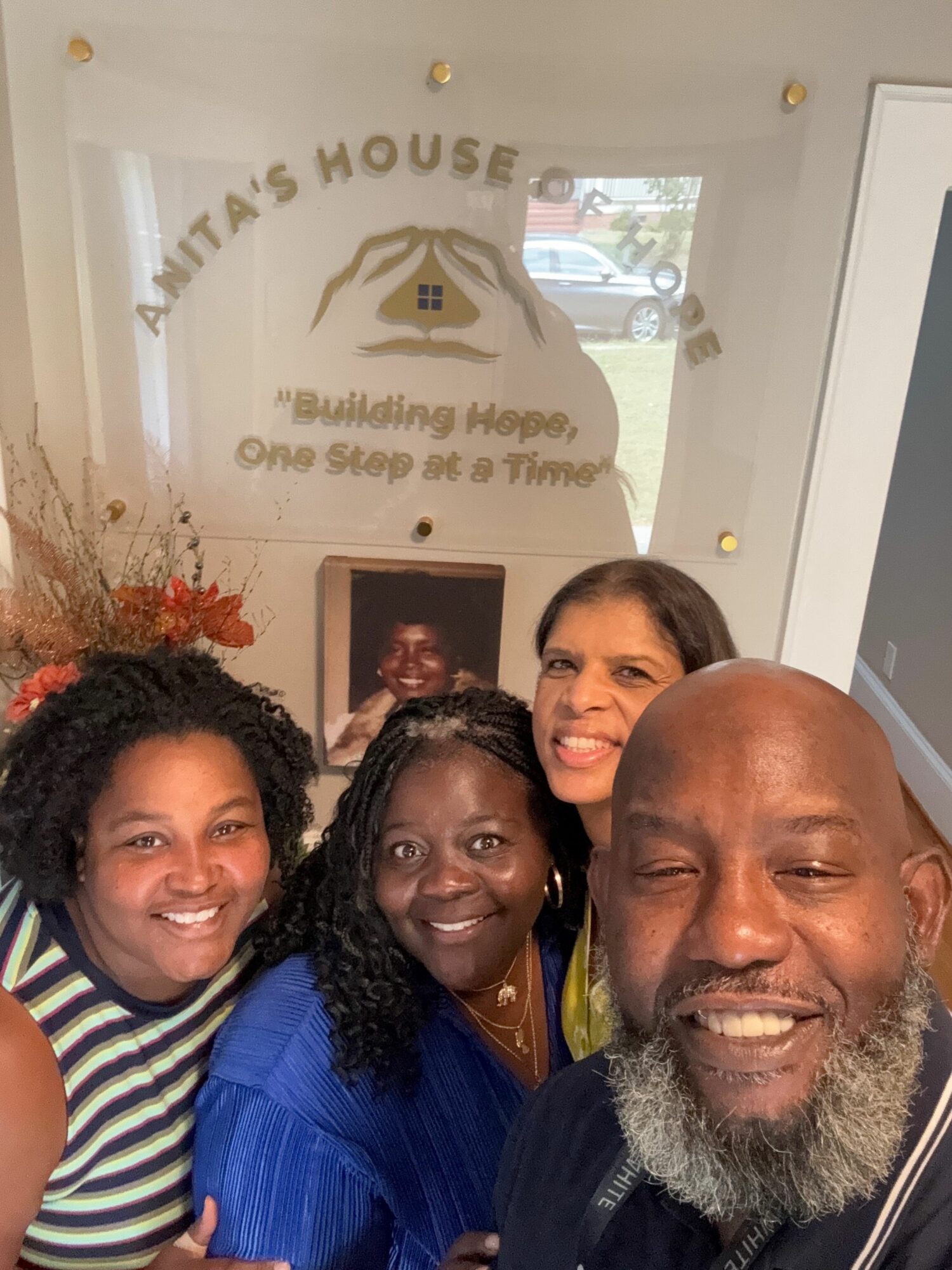
But the story of Anita’s House of Hope is bigger than just me — it’s also deeply rooted in my husband, Kareem. He named the facility after his late mother, Anita, who was known for her kindness, her strength, and her belief in helping people get back on their feet. Watching her struggle at times, yet still pour love into others, gave him a powerful “why.” He wanted her name to live on through something meaningful, something that lifted people up — and this became that legacy.
For both of us, service isn’t a cute slogan — it’s a marriage goal. When we said “I do,” we also agreed to serve our community together. We combined my background in caregiving and compliance with his experience, resilience, and heart for people in recovery and transition. That’s how Anita’s House of Hope was born: a shared mission, built on love, faith, and the desire to create a safe, structured home for anyone who feels unseen.
Today, we provide housing and support for individuals aging out of foster care, those in recovery, veterans, independent seniors, and people facing homelessness. It’s more than beds and walls — it’s structure, peer support, life-skills development, community, and a chance to rebuild.
We built this the same way we built our marriage — with compassion, determination, and a promise to make a real difference. What started as personal experiences evolved into a calling, a business, and a legacy we’re proud to carry together. And honestly, we’re just getting started.
Alright, so let’s dig a little deeper into the story – has it been an easy path overall and if not, what were the challenges you’ve had to overcome?
Smooth? Not even close. But worth it? Absolutely.
Building Anita’s House of Hope has come with more plot twists than a Netflix drama. When you step into supportive housing, you quickly learn you’re not just running a business — you’re navigating systems, emotions, regulations, and real human needs all at the same time.
Some of the biggest struggles we faced included:
• Understanding the regulations and compliance:
North Carolina has a maze of rules, especially around housing, peer support, and independent living. We had to learn the difference between every license type, every requirement, and what we could and couldn’t offer. It was like learning a new language.
• Funding everything out-of-pocket in the beginning:
We bootstrapped this. No grants. No big investors. Just grit, sacrifice, and our personal finances. Turning a house into a functioning supportive living environment isn’t cheap — furniture, safety equipment, utilities, insurance, repairs — it all hits at once.
• Residents coming from hard situations:
We serve people who are transitioning out of homelessness, recovery, foster care, or major life crises. That means we’ve seen trauma, fear, and survival mode firsthand. Sometimes we’re not just giving people a room — we’re giving them stability they’ve never had. That comes with challenges, tough conversations, and a lot of patience.
• Balancing the marriage and the mission:
Running a supportive housing facility as a husband-and-wife team is beautiful, but it’s real work. There were days we disagreed, days we were exhausted, and days where the mission almost overshadowed the marriage. But we learned to communicate, tag-team, and support each other so the home — and our home — stayed strong.
• Community misconceptions:
Some people don’t understand independent living. They confuse it with group homes or assume negative stereotypes. We had to advocate, educate, and show the community the positive impact structured housing can have.
Through every struggle, we stayed focused on the “why.”
People need housing. People need hope. People need support.
And every time someone stabilizes, gets a job, reunites with family, or simply smiles again — it reminds us that none of the challenges were in vain.
Thanks for sharing that. So, maybe next you can tell us a bit more about your work?
I wear a few hats — and yes, they all match.
I’m a licensed North Carolina Realtor, New Homes Sales Consultant with D.R.Horton, certified Life Coach, and Teen Parent Mentor, and my husband Kareem is both a Certified Peer Support Specialist and a CDAC (Certified Drug & Alcohol Counselor). Together, we use our lived experience, training, and compassion to serve people who are rebuilding their lives.
At Anita’s House of Hope, my work centers around supportive housing, case navigation, and creating structured environments where individuals can stabilize and grow. As a REALTOR®, I understand housing on both sides — the business side and the human side — which helps me create realistic, sustainable housing programs. As a Life Coach and Teen Parent Mentor, I focus on mindset, accountability, empowerment, and helping people believe in themselves again.
Kareem brings something rare — real empathy with professional credentials. His journey through recovery and transformation is what makes him a powerful Peer Support Specialist and CDAC. He connects with our residents in a way you can’t teach in a classroom. He understands trauma, resilience, and motivation because he lived it, overcame it, and now uses it to pour into others.
What we specialize in:
• Independent living services
• Peer support and life coaching
• Housing stability and life-skills development
• Working with individuals aging out of foster care, seniors, veterans, people in recovery, and those transitioning out of homelessness
• Creating structured programs that guide residents toward independence
• Delivering hope with accountability
What we’re known for:
• Being hands-on and heart-first
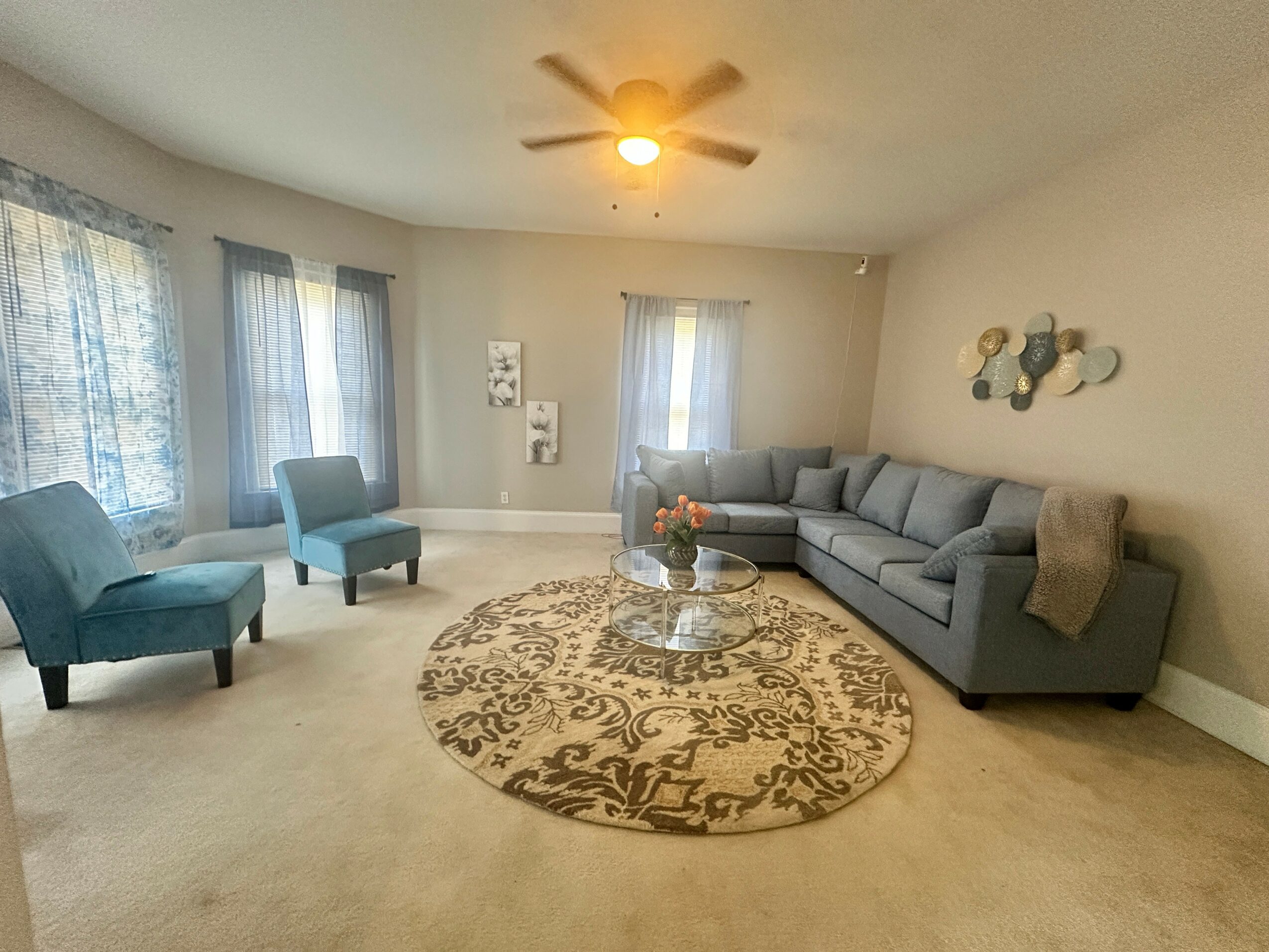
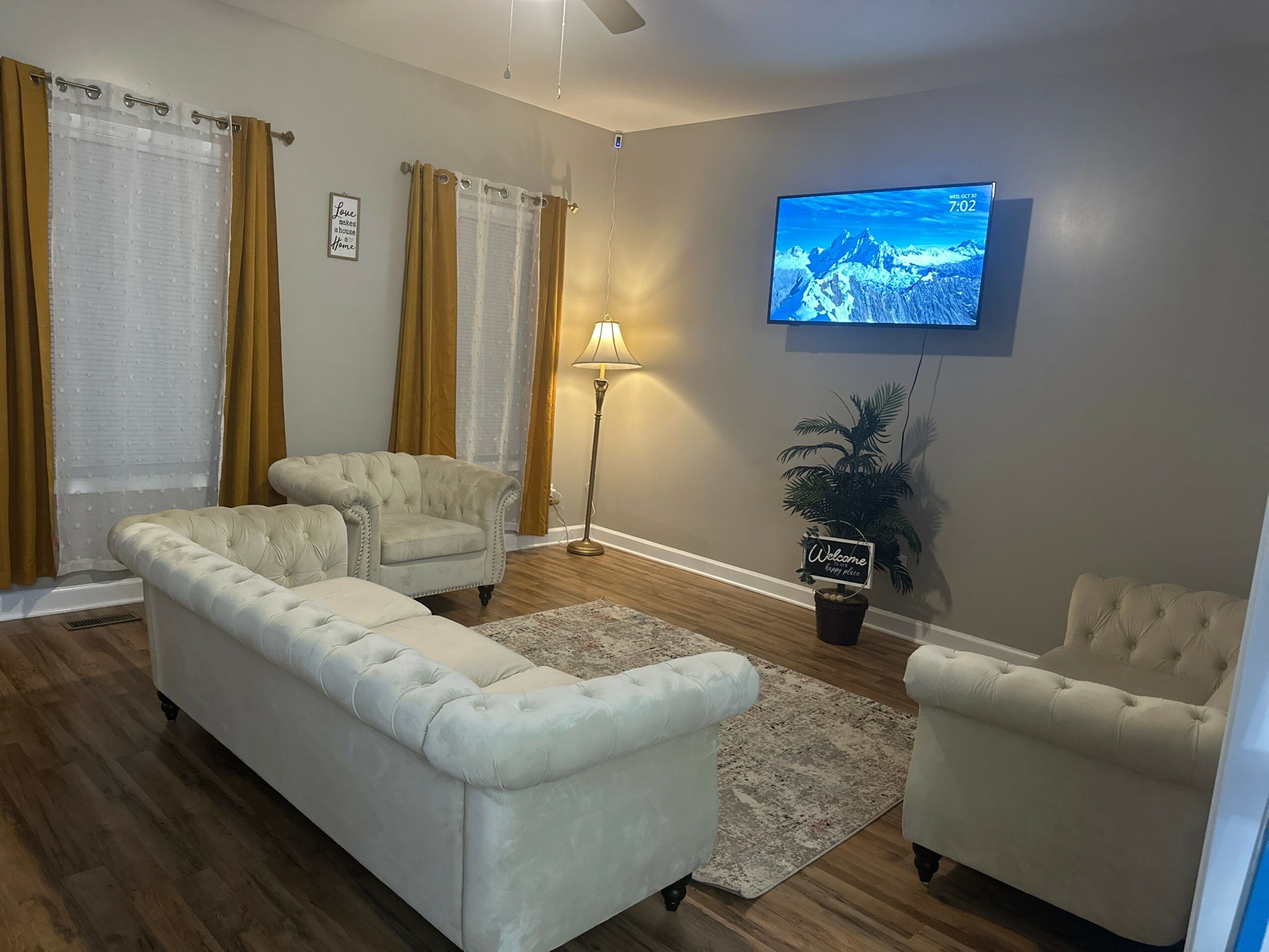
• Creating safe, home-like environments
• Treating people with dignity, not judgment
• Helping residents stabilize faster through structure, coaching, and peer support
• Being relatable, real, and consistent — not robotic or textbook
What we’re most proud of:
Seeing people walk in broken and walk out better.
Watching someone get their first job in years… reunite with family… choose sobriety again… get their own apartment… or simply feel safe for the first time in a long time — that’s what makes all of this worth it.
What sets us apart:
We built this from personal experience, not theory.
We aren’t just housing providers — we’re coaches, support systems, and advocates. We serve with empathy, structured leadership, and a deep understanding of what people in transition truly need: stability, accountability, resources, and real human connection.
We don’t just give people a room.
We give them hope, structure, and a path forward.
How do you think about luck?
I don’t really call it luck — I call it preparation meeting opportunity… and sometimes adversity showing up early.
Sure, there have been moments of “good luck” — the right connection at the right time, a door opening when we needed it, or someone believing in us before the proof was obvious. But those moments only mattered because we were ready to work when they showed up.
There’s also been what people might label “bad luck” — unexpected setbacks, financial strain, zoning challenges, learning curves, and hard lessons that came without a warning label. But honestly, those moments shaped us more than the wins. They forced us to slow down, tighten our systems, get educated, and build something sustainable instead of rushed.
What I’ve learned is this:
Luck doesn’t build a business — discipline does.
Luck doesn’t keep the doors open — consistency does.
And luck doesn’t change lives — people who show up daily do.
If luck plays any role in our story, it’s that we were blessed with resilience, a strong partnership, and the courage to keep going when quitting would’ve been easier. We stayed teachable, stayed focused, and stayed rooted in service.
So yes, opportunity showed up — but it showed up because we were already working, learning, and willing to do the hard parts when no one was watching.
And that’s not luck — that’s purpose.
Pricing:
- Monthly rates typically range from $650–$850, depending on room type and availability
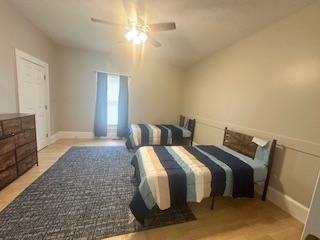
- All rates are all-inclusive, covering utilities, Wi-Fi, and fully furnished living spaces
- Homes are move-in ready — no furniture required
- Supportive services include peer support, life-skills guidance, and resource navigation
- Flexible payment arrangements may be available through partner agencies, case managers, or third-party payors, when applicable
Contact Info:
- Website: http://www.anitashouseofhope.com/