



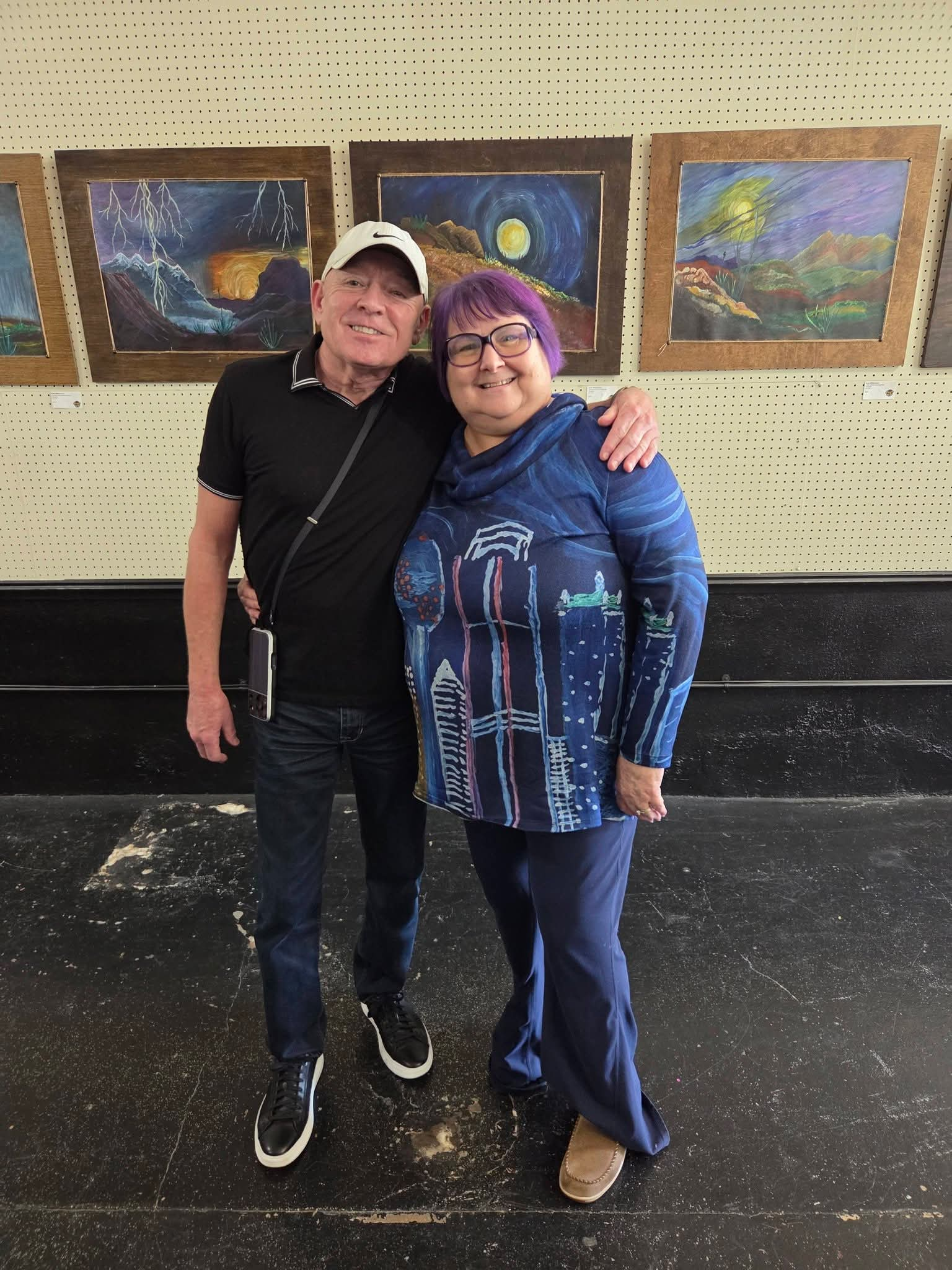
Today we’d like to introduce you to Ruth Williamson.
Hi Ruth, thanks for sharing your story with us. To start, maybe you can tell our readers some of your backstory.
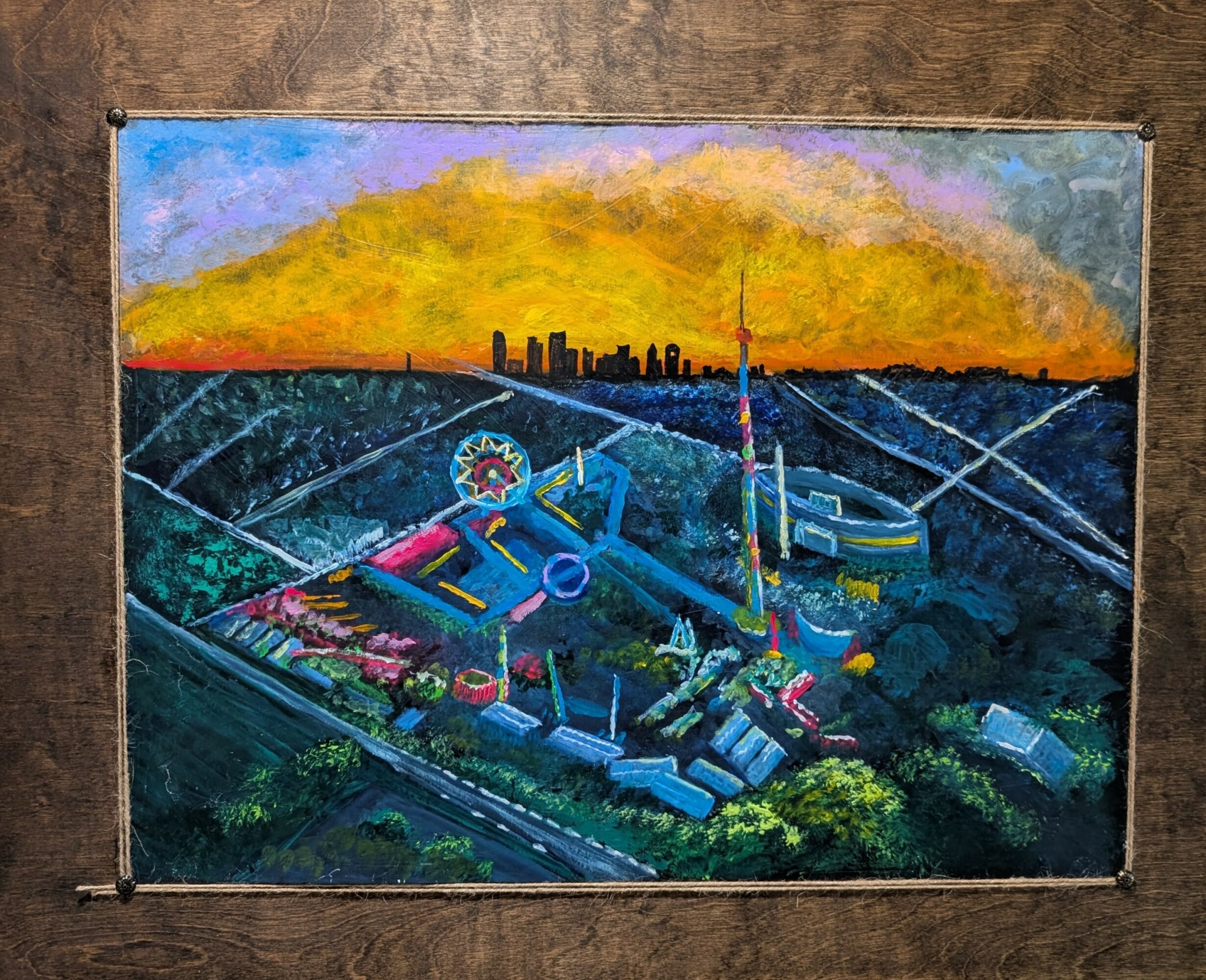
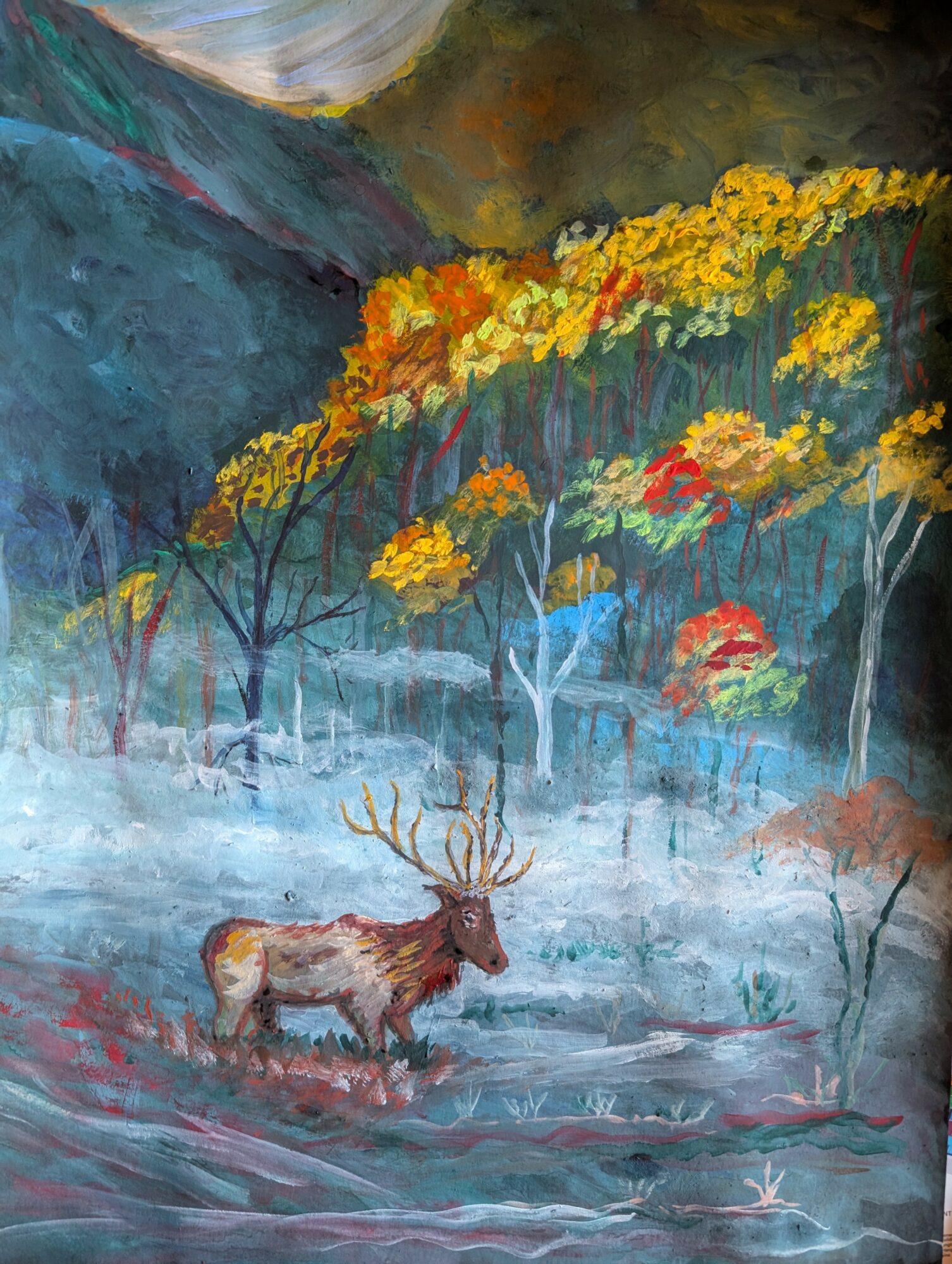
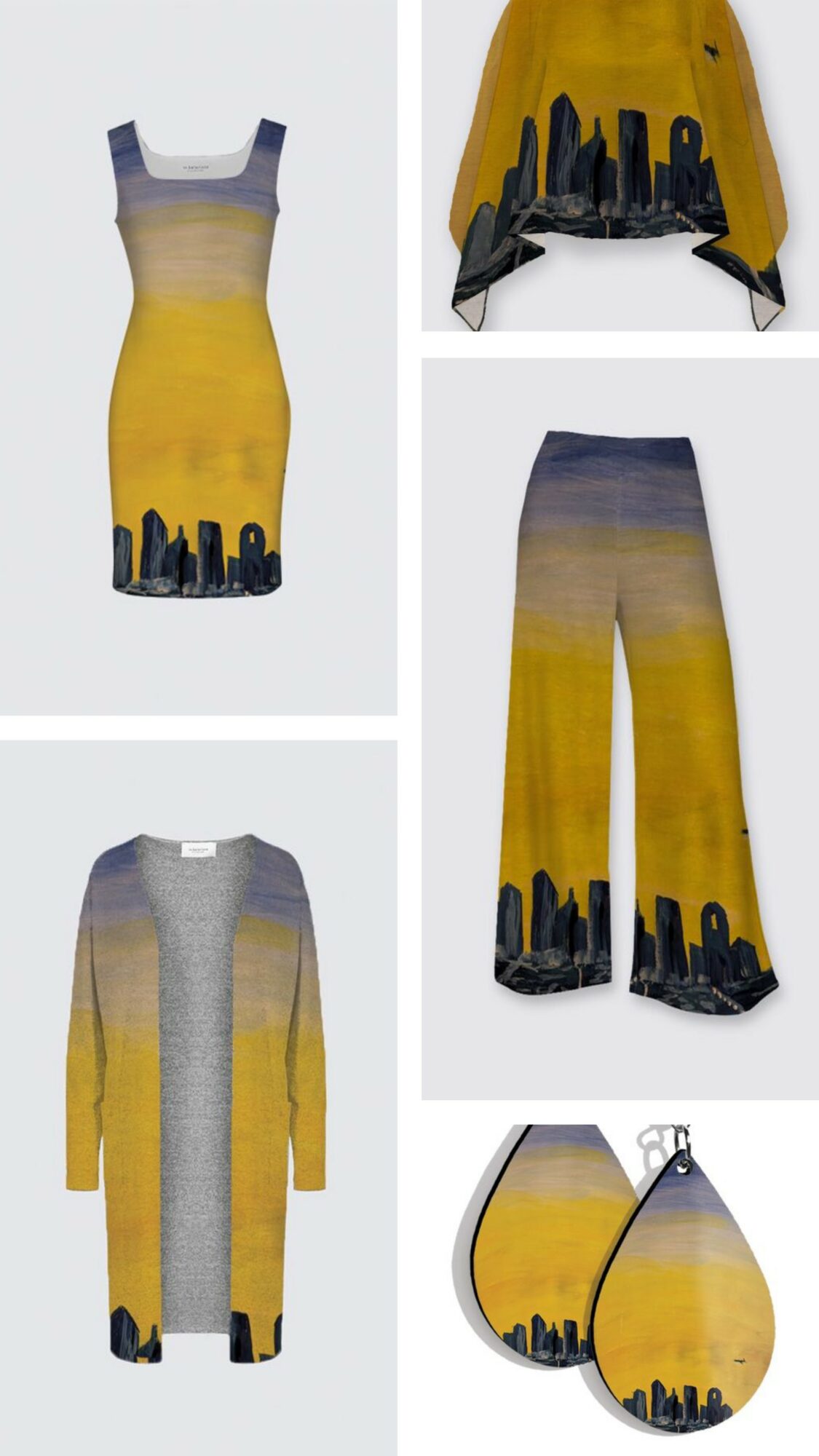
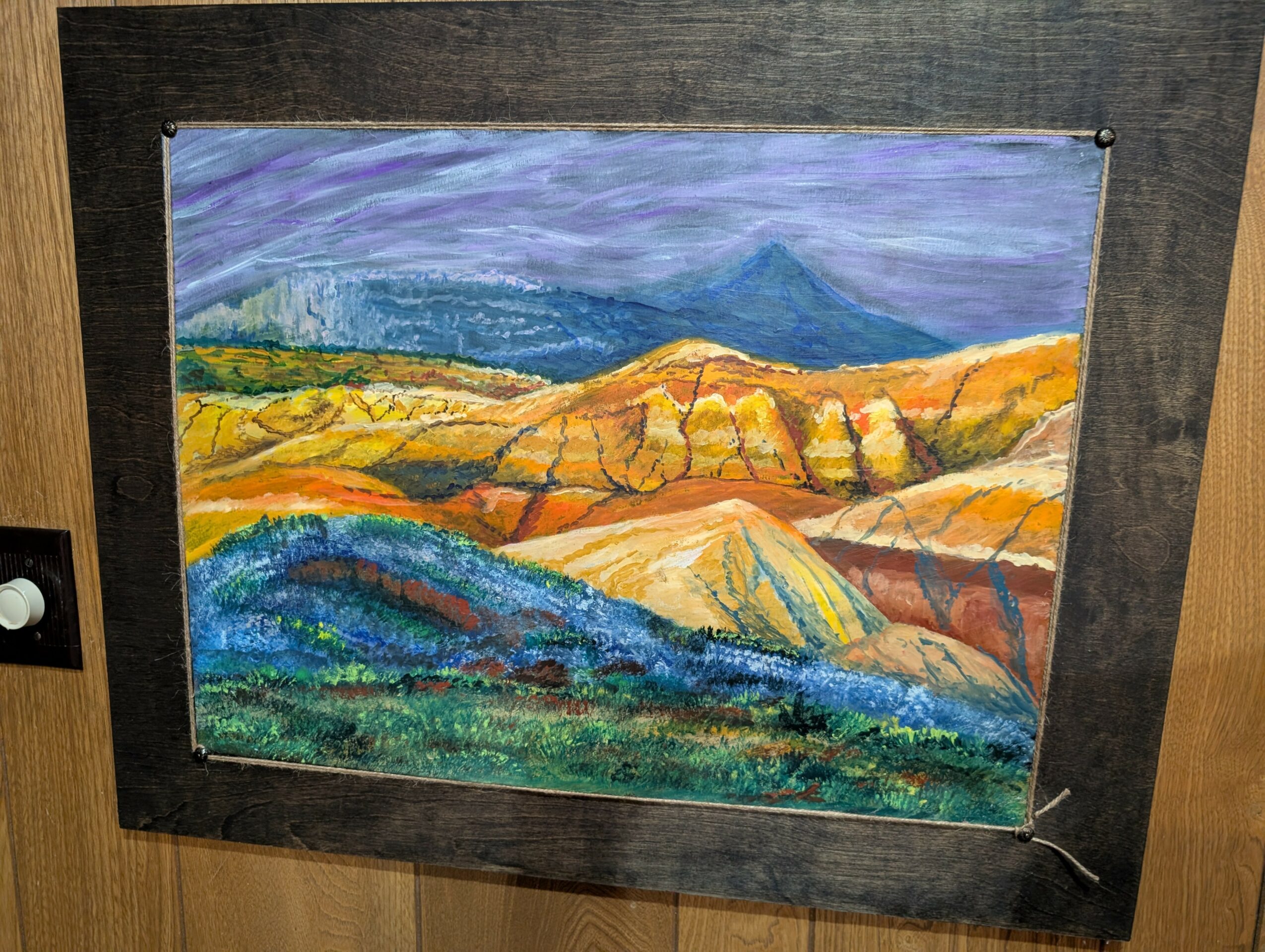
My name is Ruth Williamson, and I am a landscape artist primarily working in gouache and watercolor on wood panels or paper. My artistic journey has been one of exploration and growth, deeply inspired by movements such as Fauvism, Expressionism, Impressionism, and Surrealism. These influences are evident in my evolving style, which seeks to capture the emotion and beauty of landscapes both rugged and expansive. I draw inspiration from the rich and varied vistas found in landmarks and national parks across the United States and the British Isles.
When I resumed my art practice, I dove deep into the techniques and principles that I had absorbed through private lessons and during my education in various institutions. This foundational period allowed me to experiment with colors and expand my technique. In my art journal, I explored complementary, analogous, and contrasting hues, which helped me to refine my craft and expand my artistry beyond visual art alone. Today, my creative practice includes writing essays and sharing my thoughts and art on Substack while continuing to produce pieces for sale and personal reflection.
My primary subject matter lies in land and seascapes, with a particular attraction to the American West, flowing streams, waterfalls, the Appalachian Mountains, and the vibrancy of the skies. In addition to these subjects, I also explore animals and figurative work, which provide a rich avenue for expression and experimentation. Still life’s offer excellent opportunities to hone my skills with directional light and organic forms, allowing me to continually evolve as an artist.
In all my work, I hope to impart a sense of peace and serenity to those who experience it. Through my art, I aspire to create a reflective space where viewers can momentarily escape the chaos of everyday life and find solace in the tranquility of nature’s beauty. My approach is direct and minimalist, aiming to distill the essence of the landscapes and subjects I portray, offering a window into the serene and harmonious world I see through my artist’s eye.
We all face challenges, but looking back would you describe it as a relatively smooth road?
Living with Fibromyalgia: Pain, Missed Meditation, and Art
Living with fibromyalgia on a daily basis feels to me like a continuous throbbing pressure emanating from the inside out across my entire body. It is somewhat like what I imagine would happen in a vacuum or in space—an intense build-up of force—but the explosion never comes. Alongside this constant pressure, I experience strange sensations caused by constricted fascia, and several times throughout the day I am overwhelmed by a profound bodily fatigue, as though every muscle has exhausted its strength. This deep exhaustion is unpredictable and can disrupt even the most basic activities.
Chronic pain inevitably affects my emotional and mental state, often correlating with feelings of depression, irritability, and detachment. To combat these challenges, I turn to nature, spending time in my backyard where the natural world helps ground me. I also find comfort and joy in petting and grooming my Chow Chow, Blaze, which encourages the release of oxytocin and fosters a sense of connection. Making art and writing, even if it is “bad” poetry or prose, serves as a valuable emotional outlet that helps me regulate my feelings. Staying connected with family and friends through meetups, messaging, social media, and phone calls is essential to maintaining my emotional well-being. In addition, I incorporate prayer, meditation, and audiobooks into my daily routine, all of which contribute to a holistic approach to coping with chronic pain.
Before missing a guided meditation session led by Stacy Rake Murphy, I was looking forward to it as I have really enjoyed these sessions in the past and commit to joining at least once a month. The sessions represent more than meditation—they are an opportunity to receive a blessing from a friend, to meet new people, and most importantly, to connect to my inner self with joy and acceptance. Missing a session was not an easy decision, but it was necessary for me to reset my body by increasing my REM and deep sleep. The night before I informed Stacy that attendance might not be possible because I felt out of balance. When I woke around 5:00 am, I took my medications, listened to “Southern Man” by Gregg Iles, relaxed, ate breakfast, and returned to a more restful sleep for several more hours. This rest allowed me to feel more balanced in the afternoon, and I was even able to create a small watercolor for the upcoming Sherman Art League Show. This experience reinforced the importance of listening to my body’s needs even if it means missing routines that normally benefit me.
There is a clear and powerful connection between pain and my need for meditation or relaxation techniques. Any activity or emotion I would describe as “agitating” causes my pain and discomfort to escalate—from a low vibratory hum to heightened states of pressure, numbness, burning, or sharp nerve pain. This makes relaxation and mindfulness practices not merely beneficial but crucial for managing pain levels effectively.
Art plays a vital role in how I cope with and express my experience of chronic pain. Creating art must generate pain-relieving and warm emotional brain chemicals like dopamine and serotonin. When I can paint my way forward through discomfort, I experience relief. Art becomes a form of emotional self-regulation that fosters relaxation and focus both inside and outside of my body. This is reflected in my work—the more pain I feel, the simpler and less painterly my art becomes. In contrast, when my body, mind, and soul align and I am feeling better, my art is more complex and aesthetically nuanced, indicating higher brain functioning and a richer creative engagement.
During periods with more severe fibromyalgia symptoms, I focus on work in my Art Sketchbook Journal. These pieces typically create a sense of peace through their simplicity: color washes, simple figures, organic shapes, and the use of lime tones become the focal point. These elements help soothe my spirit and provide a calm visual refuge during difficult times.
There have been specific moments tied directly to my pain that inspire my artwork. For example, I created two figurative studies that illustrate the pain I endured prior to having a synovial cyst excised and undergoing fusion surgery on my L4 and L5 vertebrae. These pieces capture the intensity of physical suffering and serve as personal documentation of my journey.
Physically and emotionally, when I am engaged in my art practice or attending to the business side of my creative work, I often feel motivated, accomplished, and at peace with myself. In these moments, my inner and outer selves are aligned, offering a sense of harmony and purpose that contrasts with the usual chaos of chronic pain.
Creativity for me is synonymous with joyfulness. I experience it as a mountain top experience—an alignment with the divine. It is through creativity that I find transcendent moments that elevate me above the day-to-day struggle of living with chronic pain.
My hope is that others will understand or relate to my experience through my writing and art by feeling calm and peace. Despite the chaos and destruction that exist in the universe—part of the sacred cycles of creation—there is profound beauty in the natural flow of life and death. We often forget that we are made of stardust and will return to that state, and recognizing this fact can bring comfort. I want my art to remind viewers that we are part of that beauty, and in embracing it, we should strive to create more beauty for humanity.
The message I want to convey about fibromyalgia and chronic pain through this project is that I am who I am in this particular place and time, shaped and defined by my experiences. By focusing on creation, beauty, wonder, and the sacred cycles, I create moments of joy and peace, embodying the most human I can be. Sharing this truth is important to me while I have the opportunity.
Recently, I have experienced a breakthrough through a year of daily artwork, writing, and sharing my work. This dedication restored my artist’s soulfulness and sensibility, reaffirming my connection to creativity as a vital part of my health and well-being.
Community and support systems are indispensable in my experience with fibromyalgia and creativity. Connection with others is necessary for communication, sharing, receiving, and fulfilling our best potential. It is through this network that I gain strength and encouragement.
Balancing managing my pain while pursuing creative passions is a daily act of adjustment. I strive to balance creativity, movement, and rest so that I can do my best each day as it comes. This dynamic balance allows me to continue creating, healing, and living fully even in the presence of chronic pain.
Thanks – so what else should our readers know about your work and what you’re currently focused on?
I returned to Art after a 50 year hiatus. I worked, parented, and developed a career at the intersection of Information Technology, Finance and Accounting, and Business Operations. I’m named on one patent for Reverse Logistics Business Process development, and was known for creative problem solving and business systems and operational analysis. I participated in other artistic endeavors in the performance Arts. Retirement has allowed me to return to the visual arts, primarily painting, that engages me every day.
Can you tell us more about what you were like growing up?
I loved ballet, drawing and painting, and singing solo or in choirs. I would have loved to “be an artist” in my career, but couldn’t imagine how that would be possible. I found no role models other than teachers, and I knew I did not want to teach in public schools. I had interest in governmental policy and operations. I was happiest in creative intellectual environments. One highlight of my youth was when my Father was on Sabbatical from Austin College, he was a Professor of Religion, traveling to Berkeley, California. We had a lot of freedom there in the Bay Area to experience life very different from small town North Texas. I can say I have always been open to diverse cultures and experiences that valued the human experience.
Contact Info:
- Website: Https://practicing-art.com
- Instagram: Https://instagram.com/shermanoffthesquare
- Facebook: Https://facebook.com/bellaspadiva