




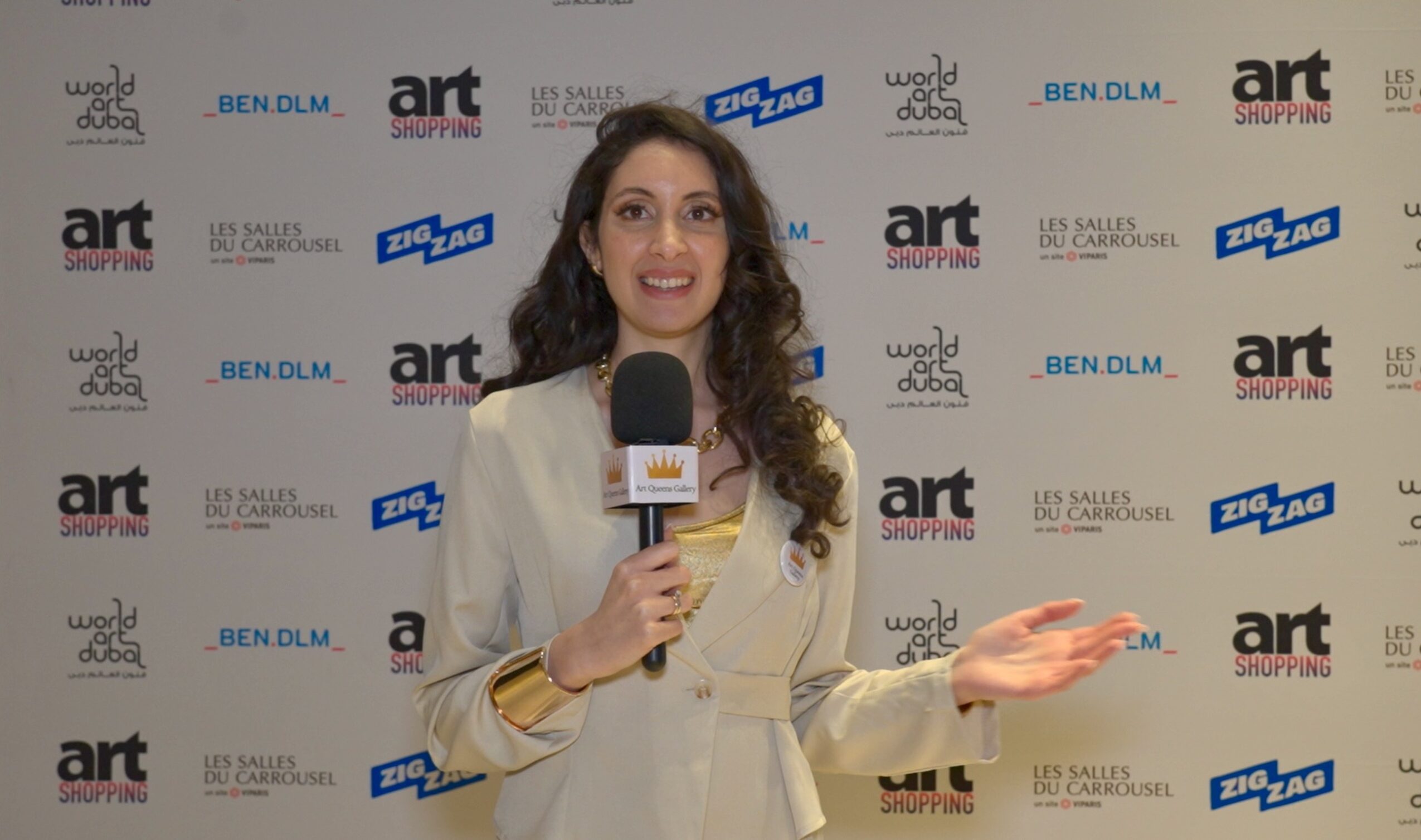
Today we’d like to introduce you to Salma Eltoukhy.
Hi Salma, thanks for joining us today. We’d love for you to start by introducing yourself.
Before Art Queens, I was an artist trying to find my own place in the art world.
I was a painter.
After graduating from the Academy of Fine Arts in Venice, I entered the art world with the same hope many artists have: to create, show my work, and build a life around art. Studying in Venice, surrounded by centuries of artistic history and the energy of the Biennale, gave me an incredible foundation. Later, my studies took me to Rome, another place where art and culture are woven into everyday life.
But experiencing the art world from the artist’s side also opened my eyes to something else. You learn how to create the art, but not how to make a career around it.
How do galleries discover artists? What makes a competition select one artist over another? You send applications to galleries and competitions, often without really knowing what happens on the other side of the process.
Then I was rejected from a competition.
At the time, I didn’t know that this rejection would eventually change the direction of my life.
Instead of simply accepting it, I became curious. I wanted to understand the system behind those decisions. I realized that if I wanted to help myself as an artist, I needed to understand the art market, curation, and the mechanisms that shape visibility in the art world.
So I went back to studying and pursued a master’s degree in curation in Rome. And somewhere along the way, something unexpected happened: I discovered that curation was my passion.
I loved looking at an artist’s work and understanding the story behind it. I loved creating the context in which that work could be seen, understood, and remembered.
And then I realized I didn’t want to keep what I had learned to myself.
I wanted to use it to create opportunities for other women artists.
That became Art Queens.
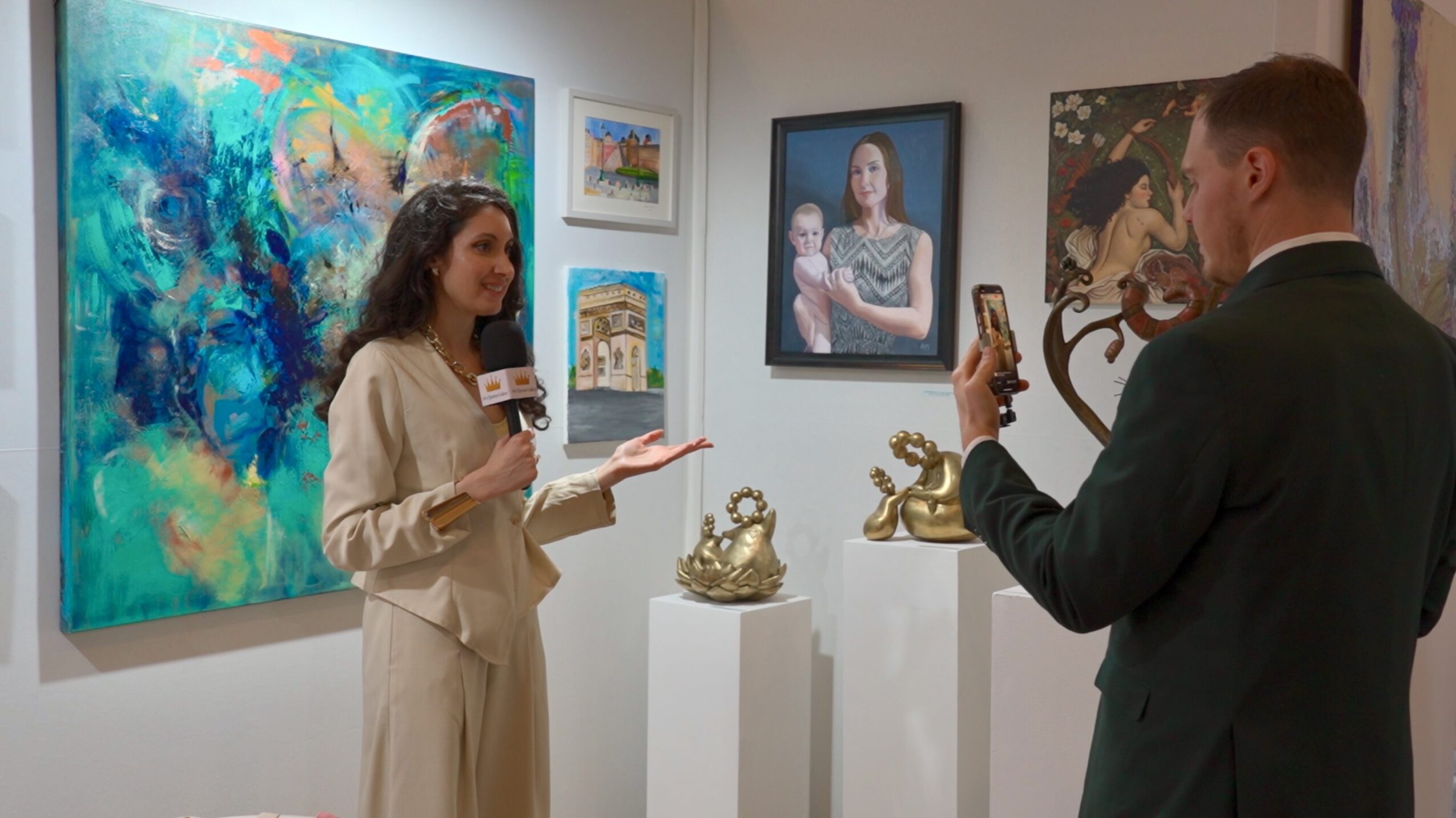
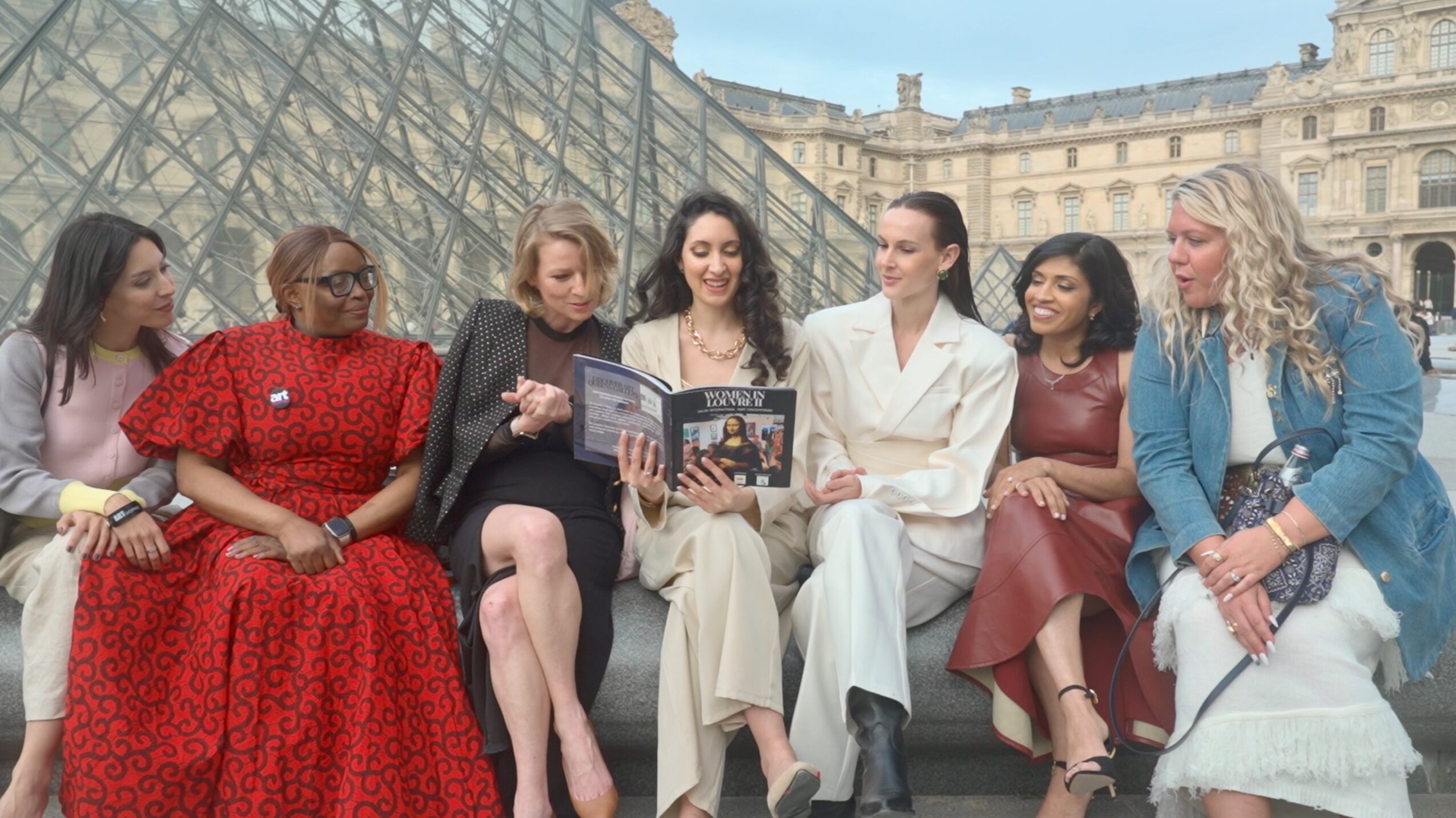
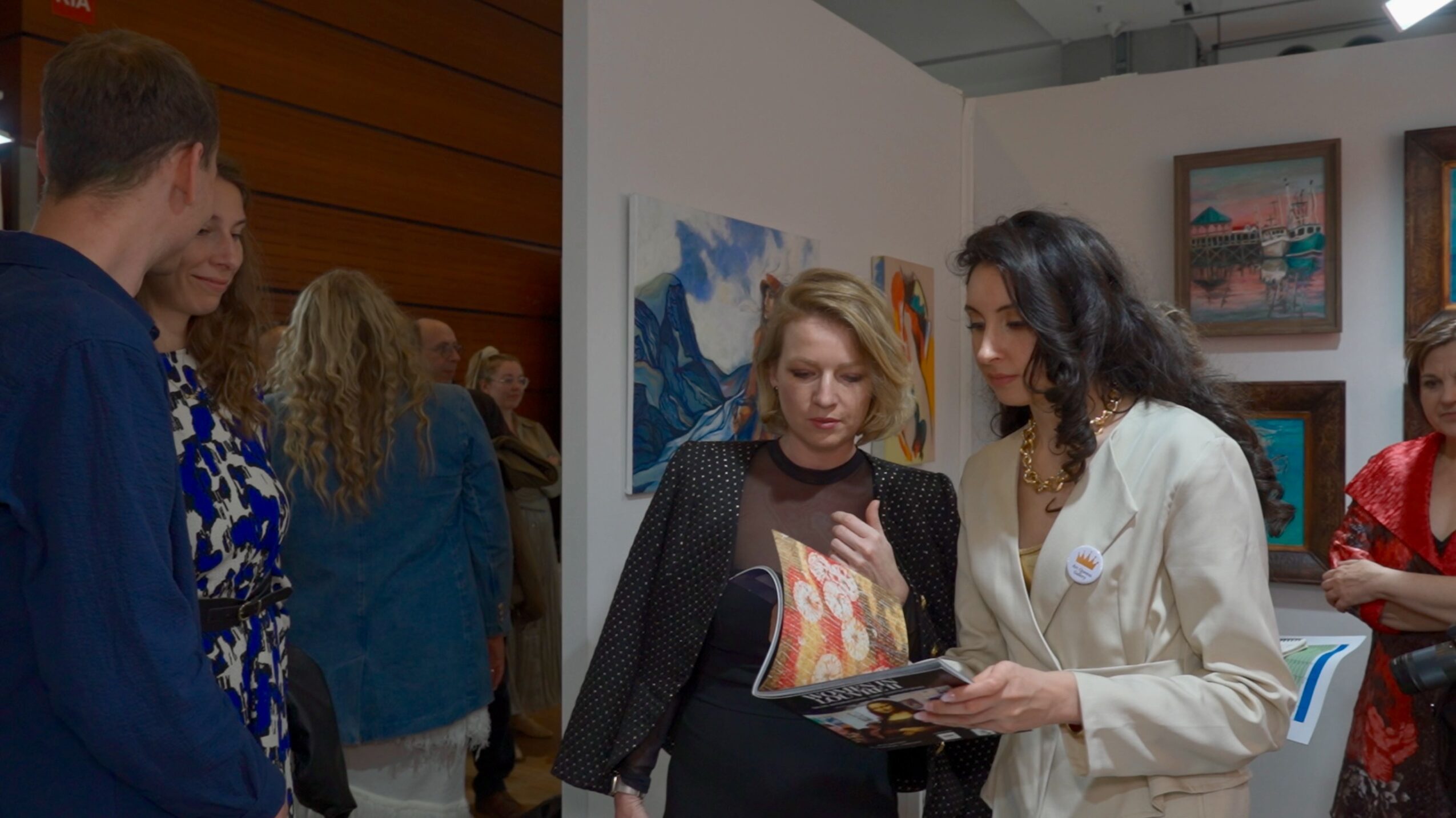
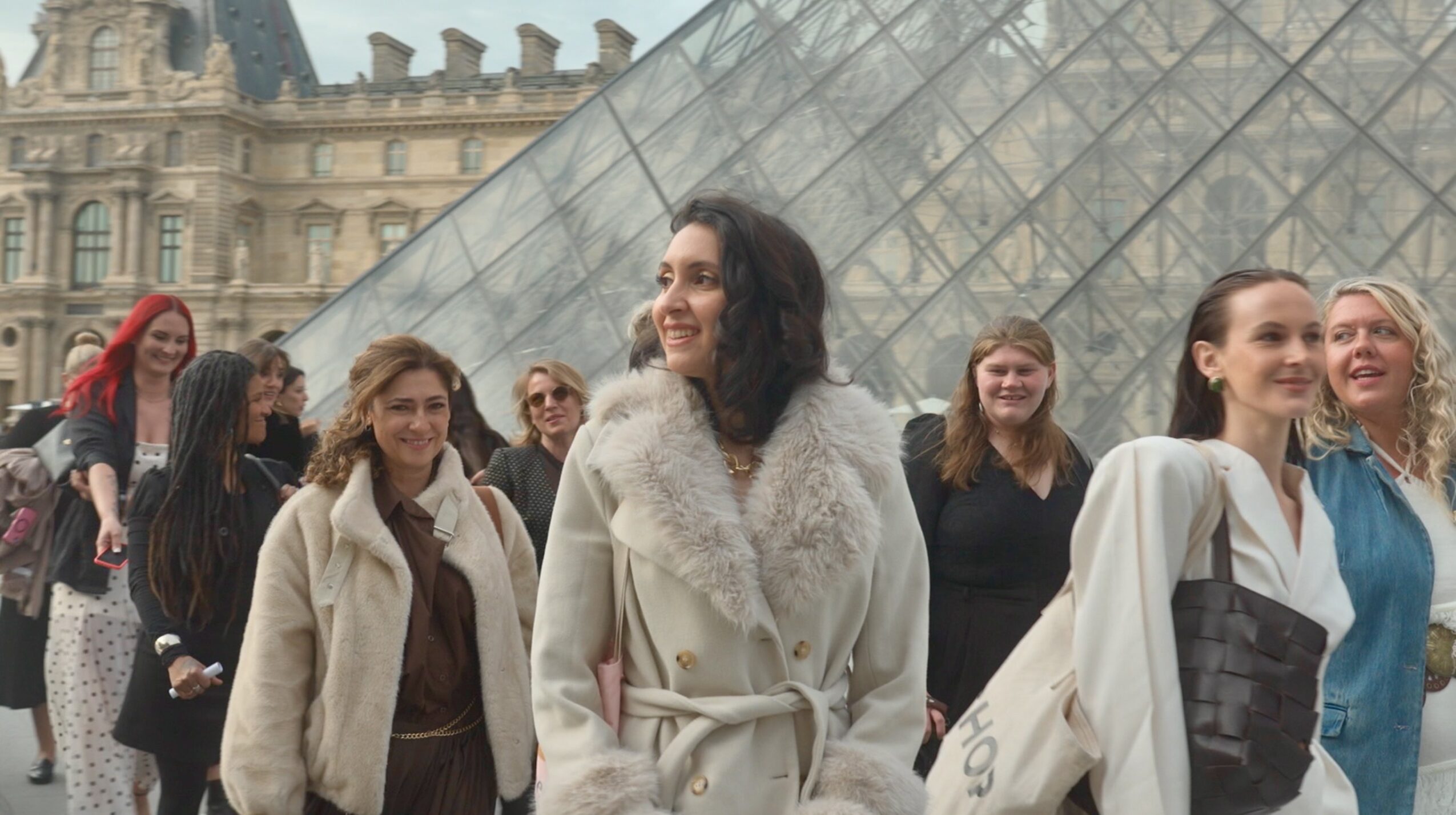
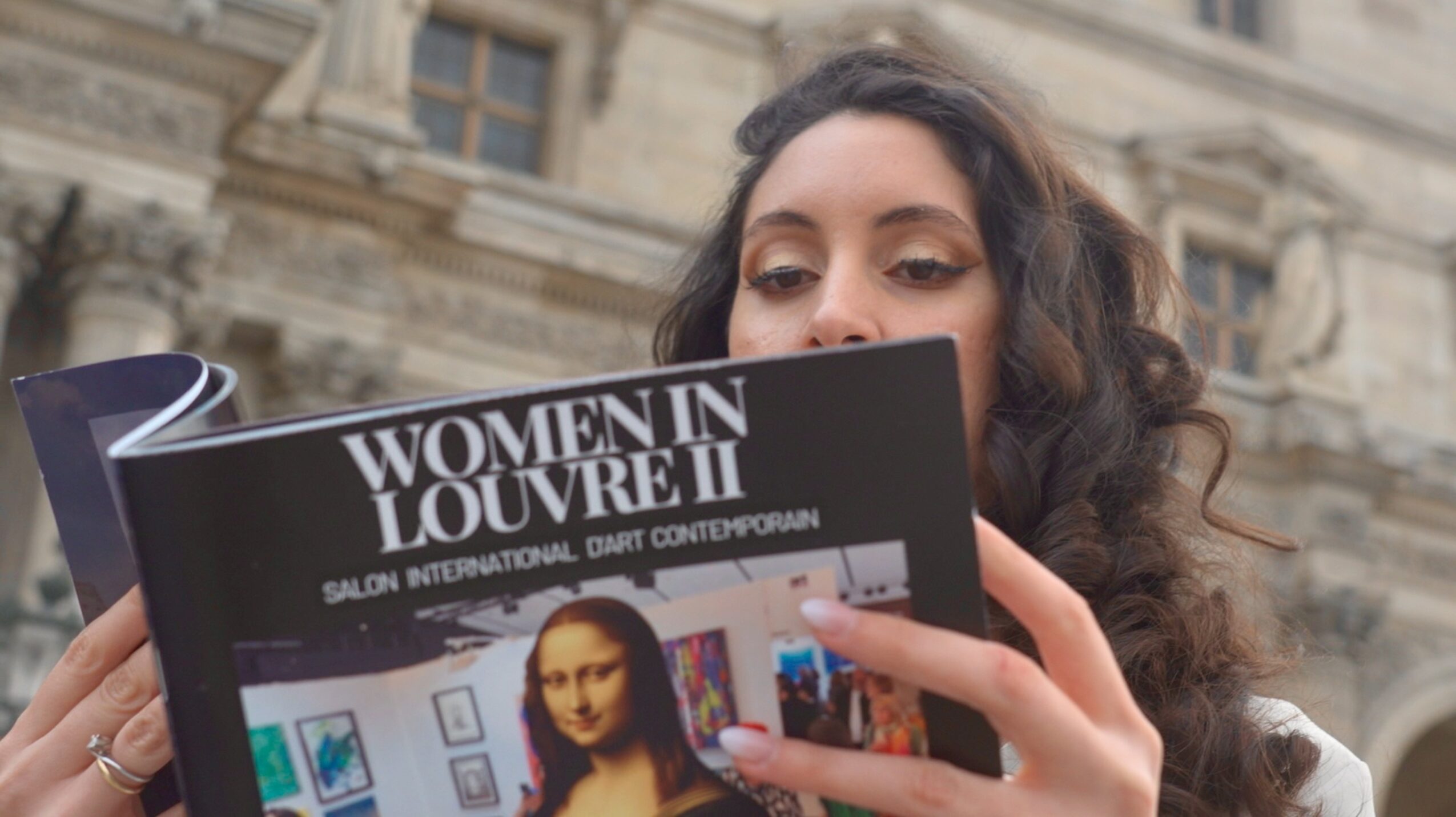
What happened next has surprised me many times. What started from my own experience as an artist has grown into an international community. We have brought women’s art to the Louvre in Paris and transformed Times Square in New York into an open-air gallery, giving artists from different countries a chance to see their work on one of the world’s most recognizable stages.
But there is another twist to that original rejection that still makes me smile.
Six years later, while scrolling through my old inbox, I found an email from that same competition. They had made a mistake. I had actually been accepted.
By then, my life had already taken a completely different direction.
I think that moment taught me something I still carry with me: sometimes what feels like a closed door can send you toward a door you would never have thought to knock on.
Today, I am incredibly proud of what Art Queens has become, but I don’t feel that we have reached the destination. In many ways, I feel we are only beginning.
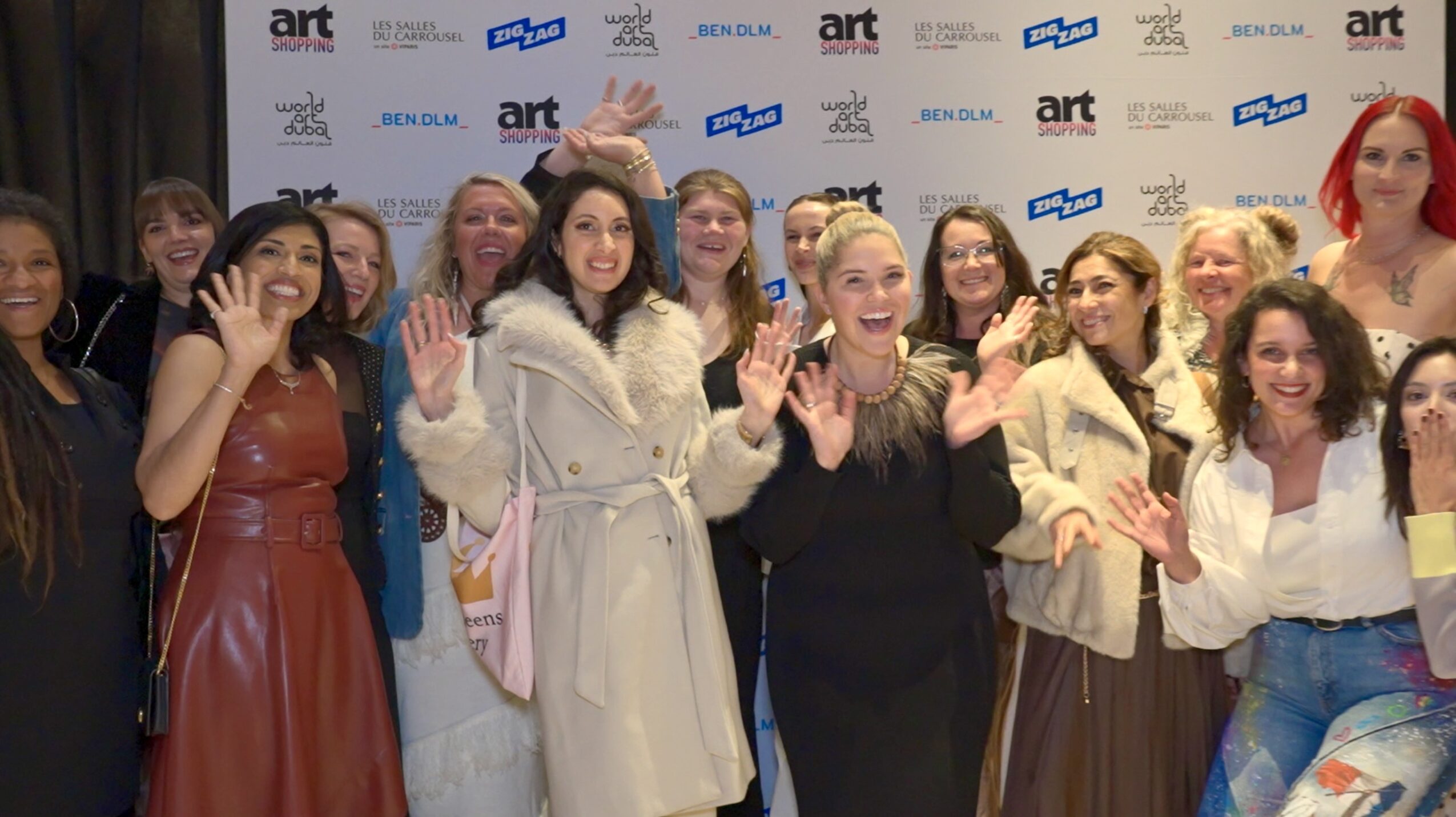
Our community of Queens continues to grow, and what moves me most is seeing what happens to the artists themselves: their work reaching new audiences, their stories being picked up by media in their own countries, their names appearing in important art books, and their work connecting with collectors, historians, and people they may never otherwise have reached.
That is the part that matters most to me.
I didn’t create Art Queens simply to put artworks on walls. I wanted to create moments in which an artist could look at what she had created and think, I really did this. People can see it. My story matters.
And that is still what drives me today: helping women artists become seen, remembered, and written into history.
We all face challenges, but looking back would you describe it as a relatively smooth road?
Definitely, it hasn’t been a smooth road.
As women artists, we often struggle to be seen in a saturated art world, without a clear roadmap. I had to figure out that map for myself, and then learn how to create better paths for other artists.
One of my biggest challenges was trusting my vision before others could see it, and earning the trust of institutions and partners along the way.
I think that’s part of building anything new: you have to believe in it before you have the proof.
As you know, we’re big fans of you and your work. For our readers who might not be as familiar what can you tell them about what you do?
At its heart, my work is about people and stories.
Through Art Queens, I curate international exhibitions and create opportunities for women artists to bring their work into spaces and conversations they may never have reached on their own. But I think what sets my work apart is that I don’t look at an artwork simply as an image. I want to understand the artist behind it, what she is trying to say, and how we can give that story the right context and audience.
I’m most proud when an artist tells me, “I finally feel seen.” That means much more to me than simply seeing a name on an exhibition list.
We have exhibited in places like the Louvre and Times Square, but for me, the real achievement is what happens beyond the location: when an artist gains confidence, reaches new audiences, connects with collectors or institutions, or realizes that her work can travel much further than she imagined.
That is what I want Art Queens to be known for: not just showing art, but helping artists become seen, remembered, and written into history.
In terms of your work and the industry, what are some of the changes you are expecting to see over the next five to ten years?
I believe we’ll see a stronger focus on artists’ stories and personal voices, not only their work. For women artists especially, I hope the next decade brings greater visibility, recognition, and a more equal place in the history of art.
Contact Info:
- Website: Https://artqueensgallery.com
- Instagram: Https://www.instagram.com/artqueensgallery
- Facebook: https://www.facebook.com/ArtQueensGallery