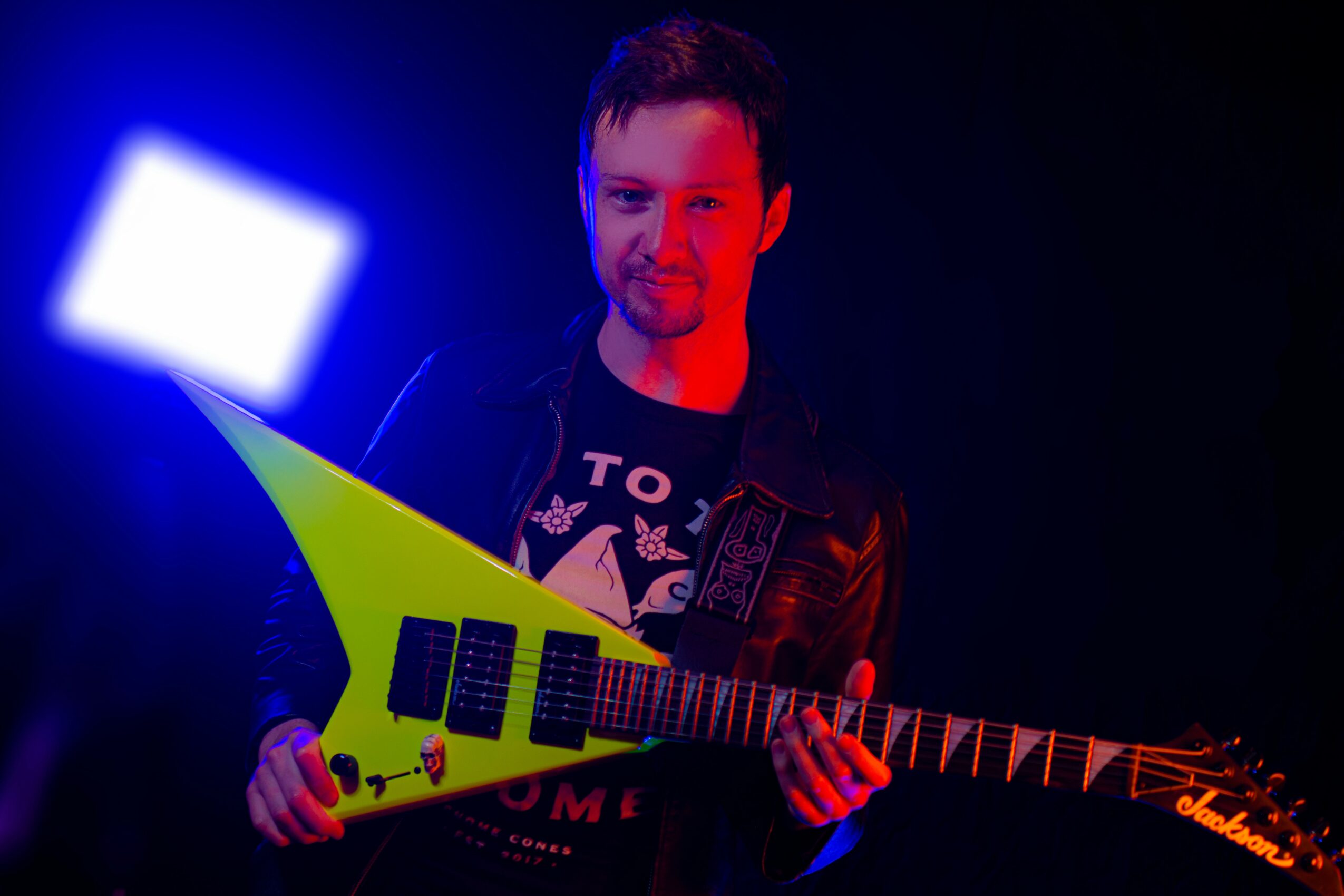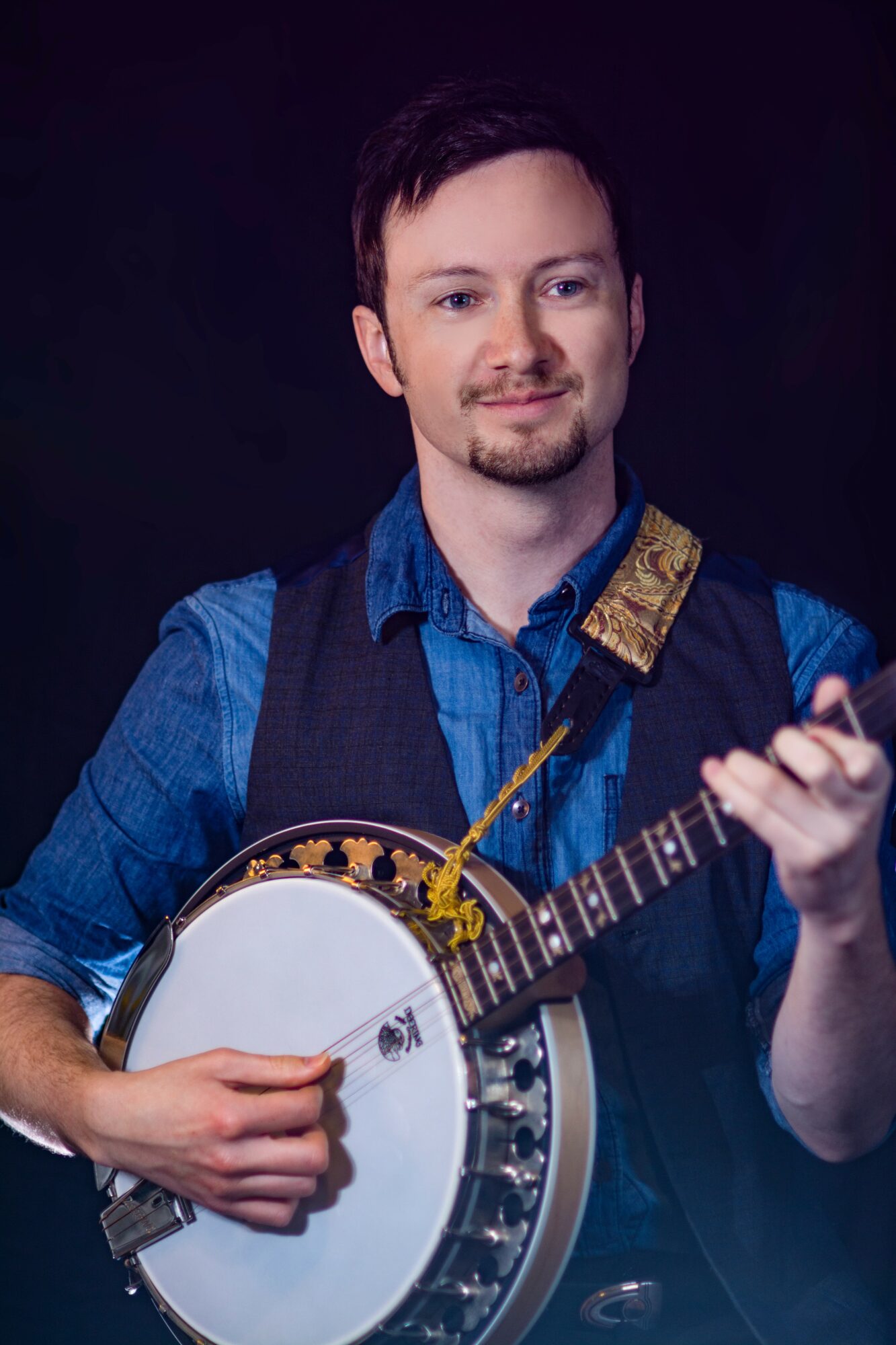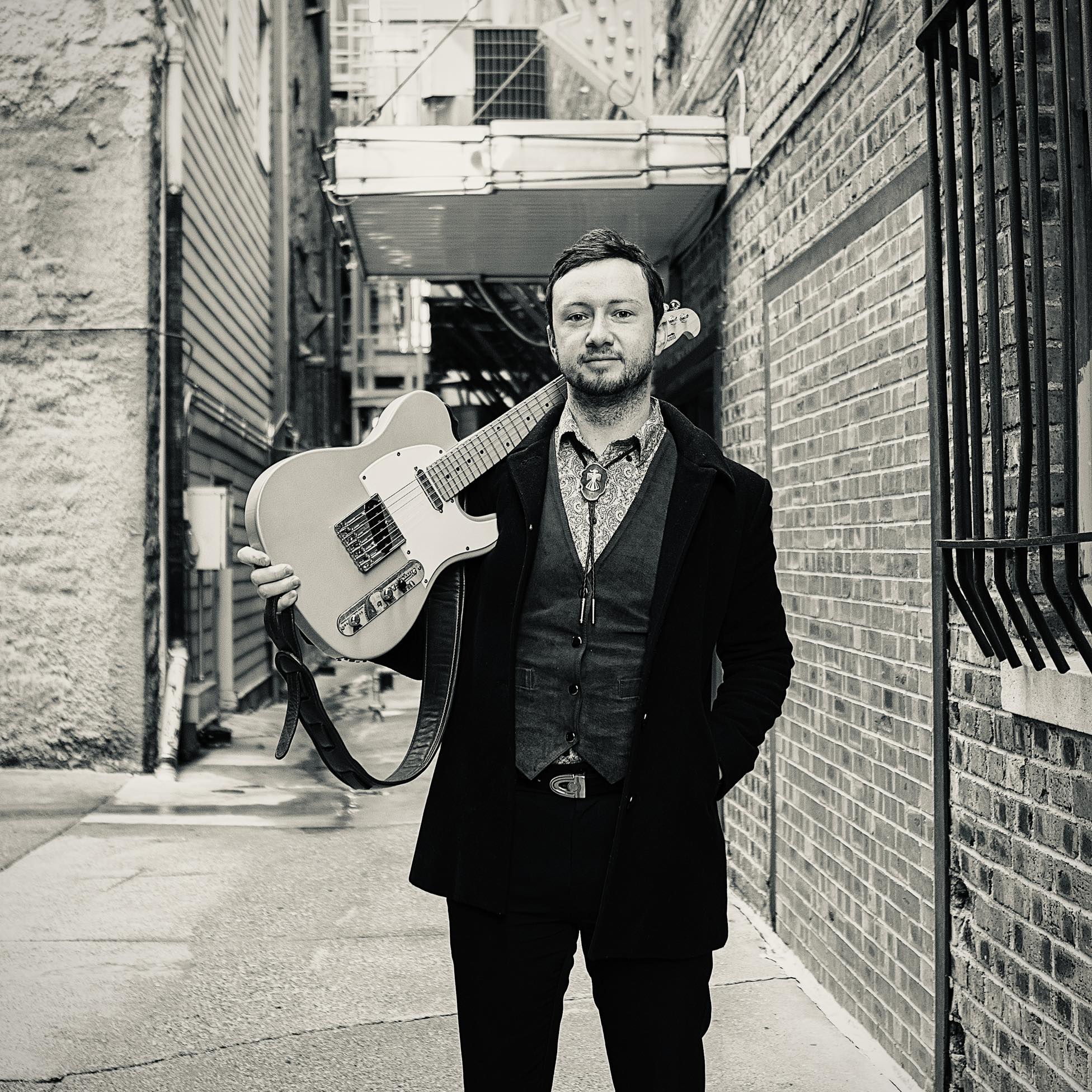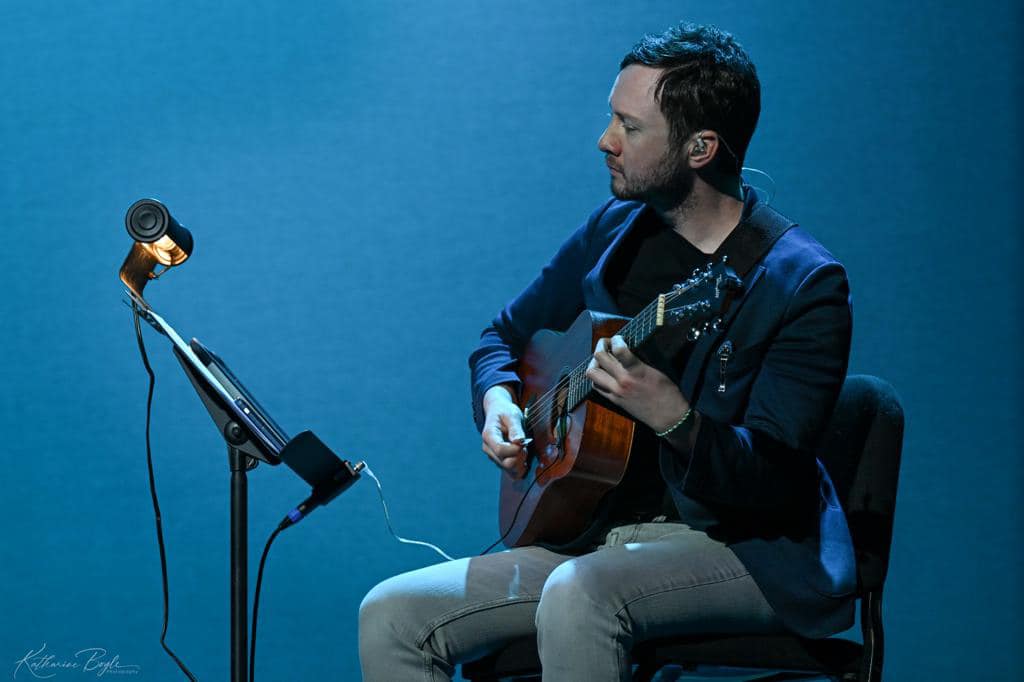





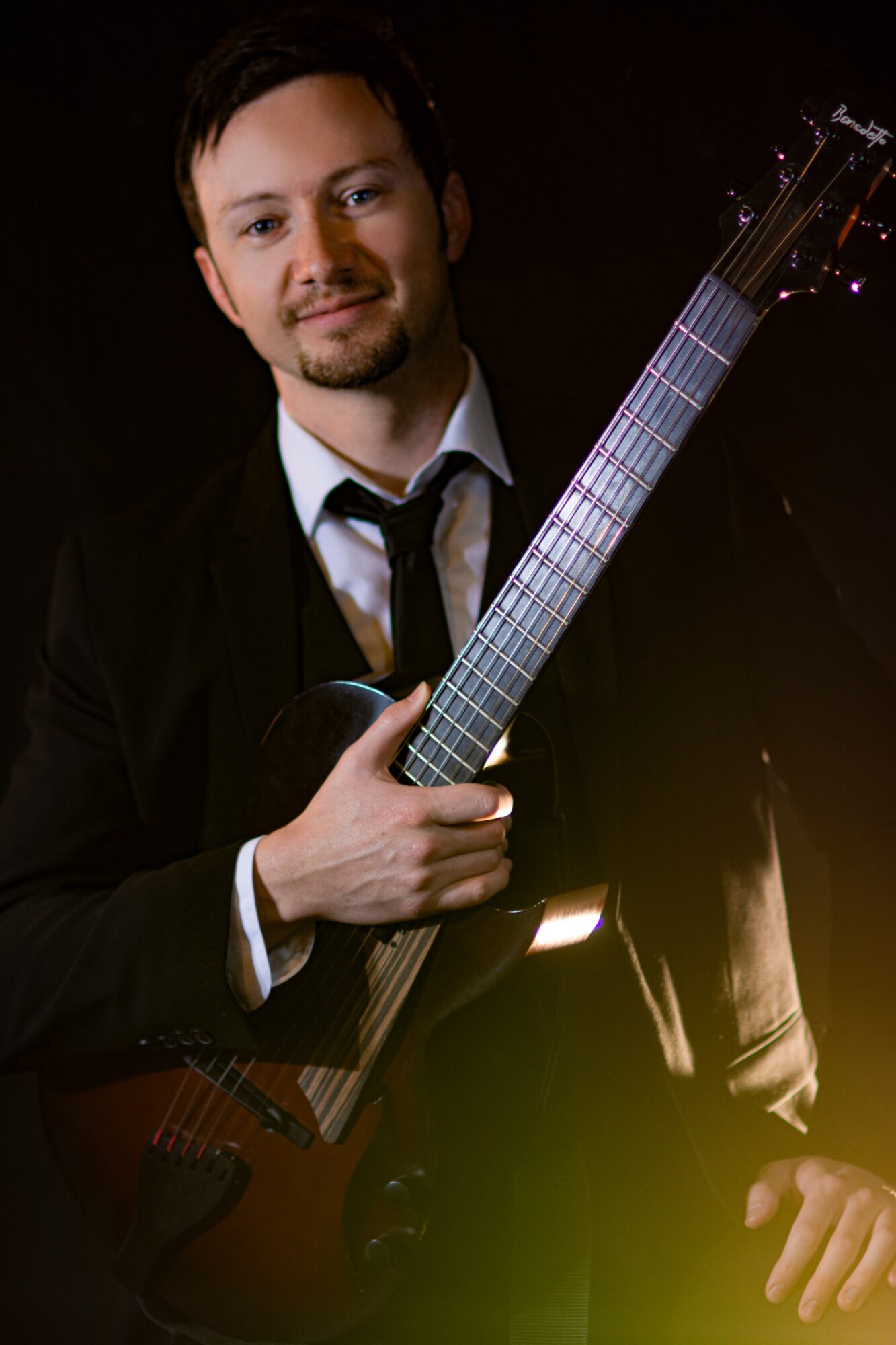
Today we’d like to introduce you to Alex Hand.
Alex, we appreciate you taking the time to share your story with us today. Where does your story begin?
I grew up in Reno, Nevada. I got a guitar for my 11th birthday and started learning songs from Tony Hawk’s Pro Skater and whatever was on the radio that my friends and I thought was cool. My dad played guitar and showed me the basics. My friends and their older brothers kept showing me older music so I kind of traveled backward and got really into bands like Jethro Tull and YES. By the time I was 16 I was listening to Afro jazz like Pharoah Sanders, electronic ambient music like Brian Eno and The Orb, I had field recordings of Aboriginal Australian didgeridoo music and Tibetan Buddhist temple chanting. I just consumed it all and paid attention to the way it made me feel.
I knew I couldn’t make the kind of music I wanted to unless I studied traditional music so I started taking night classes in music theory through a community college while I was in high school and joined my school’s jazz band. I was listening to a lot of progressive rock and metal, and the stuff I liked reminded me of classical music. I started learning classical guitar, and the classical music I liked reminded me of European folk music, so I worked on Irish traditional tunes, and English and Italian renaissance pieces. Eventually I realized that what we call classical music is indigenous European folk music, and that’s the bedrock of most music we hear today from around the world, with the exception of the Middle Eastern microtonal system, and traditional ceremonial music from South and East Asia.
I majored in jazz guitar performance at the University of Nevada, Reno, and graduated in 2011. At that time I played around Reno with an Irish trad trio, a world beat rock group, at least half a dozen singer/songwriters, and any jazz group I could get into as a freelance guitarist. I’ve always done solo acoustic performances, too. I had a prog pop band called Flamingo Matrix that played my original music and we were active between 2007 and ’09 in the Reno scene. At that time it was easy to rent rooms for $300-400/month or an apartment for $600, so even though I didn’t make much as a full time musician, living was manageable.
In 2012 I moved to Portland, OR. I only lived there for six months, but during that time I spent two months on the road touring across the US with a steampunk balkan/gypsy/klezmer band in an airport shuttle converted into a mini tour bus. It was a nightmare experience, but I met many people and saw many cities along the way that opened my eyes to what the business and lifestyle looks like for artistic musicians in America. Around this time I got really serious about Eastern European traditional music, especially Bulgarian wedding music like Ivo Papasov and Romanian hora like Ionica Minune.
In 2013 I moved to San Francisco, where I was based for six years afterward. I was driving to Los Angeles frequently to play and tour nationally with groups based there, so I got a taste of the LA scene a lot around 2014. There were years when the electric guitar barely left the house because everyone knew me as a Django guy. I sometimes juggled ten bands as a sub or full time member, doing swing music, latin jazz, and even a full acoustic orchestra playing 16th century baroque like Monteverdi and Lully. The biggest thing I did during this time was buy a round trip ticket to Istanbul in 2015. There were twelve or thirteen of us, musicians and dancers, who put a group together to do this trip to Eastern Europe and perform. We probably played three shows in Turkey, and then five of us took a train to Bulgaria. While in Bulgaria I studied with some guitarists like Zlatko Burov in Pleven and Vladimir Vladimirov at the Plovdiv folk music conservatory. I also went to Romania alone, but was not successful in finding the kind of music that I wanted to study, there. What I did find were bands like Judas Priest, Godsmack, and Helloween. Apparently American metal was on a roll touring in Bucharest.
When I came back to San Francisco, I made two albums of Eastern European music with local jazz and world music players. Those albums were Traders of the Lost Arts (2018) and The Fast Crusade (2019).
In 2019 I moved to DFW to do my masters program at the University of North Texas. I graduated in 2021, and have been living, performing, and teaching here since then. In the last couple years I’ve released two albums of original jazz-oriented music with UNT players: All Hands Up (2021) and Handsome Answer (2022). I’m working right now on my sixth album, which will be nine original tunes of Texas-themed rock, blues and country.
Alright, so let’s dig a little deeper into the story – has it been an easy path overall and if not, what were the challenges you’ve had to overcome?
I realized shortly after college that music work was woefully underpaid to support a normal adult lifestyle. The problem was I didn’t have any other marketable skills and couldn’t bring myself to do another four year program to get a science and technology degree. Not only this, but I struggled often with tendonitis and neck issues which made it occasionally impossible to play guitar. But no one was knocking on my door to offer a six-figure salaried office job, and I had an obsession with music that I couldn’t let go of. I was more afraid of being a disappointing musician than being poor. As the years went on and so did the constant, looming crisis of purpose and economic despair with no clear solution, I kept improving my music. I never gave up. However, I watched many peers lose it to depression and anxiety, vices, addiction. I don’t judge them harshly for it. No one tells you what this life will really be like.
And then there’s the personal life. My lifestyle in my twenties was performing music every chance I got, going for walks in the woods and at the beach, and watching videos on my laptop in an apartment I shared with stranger who had an affordable place in a questionable neighborhood. I took road trips and slept in my car or on a couch. That’s the life I could afford on music money. I look back now at the fact that my romantic relationships in my twenties didn’t last as a sacrifice I inadvertently made because of my dedication to music. If I’d put music aside to make a comfortable income, I think it would have been much easier for me, and for the women who stood by me for the time that they did. I just couldn’t let it go.
On the other hand, that’s what makes sacrifice, sacrifice. It wouldn’t be meaningful if the thing sacrificed wasn’t valuable. I would not recommend that young men neglect financial stability or family life to be a starving artist, but I also have not exactly led by example. The road is long and I’m still here doing the best I can with what I have, every day.
Thanks – so what else should our readers know about your work and what you’re currently focused on?
I’m a career guitarist with a deep grounding in some wildly unrelated traditions, including Spanish classical, jazz, Celtic traditional, and Eastern European. I compose original music for small ensembles, and my music has been featured in the Yellowstone television series (1883 and Bass Reeves). I’ve toured and performed in five countries.
I think the people who know, employ, and value me and my work see me as bringing a foundation of musical understanding to performance and recording that is unrestrained by genre borders. I have my musical skills because I started with a benefit of coming from several generations of musicians, but also put in the work that anyone needs to do, studying music for many years. The process takes time to mature. My approach to music has been a cauldron of unexpected ingredients brewing for over twenty years, now. I couldn’t replicate that overnight if I had to start over. When you give your life to something it becomes real in a way that an instructional video or course can’t offer. You either live it or you don’t.
Music is a language and I’ve always felt that what’s beautiful about one kind of music is available to some degree in all of them, so I try to bring out what’s good in whatever I’m doing at the time. I know countless guitarists, some who are much better than me at their specialty—flamenco, metal, etc. But I don’t know any guitarists who sound and play like me, who bring the same combination of skills and knowledge to the table. I’m one of thousands of guitarists who can hop into a jazz combo and play standards, or a classic rock or country band and play dirty telecaster licks, but if my element is the right ingredient for a creative project, I’m the only game in town, and I’m still here. Get it while it’s hot!
We all have a different way of looking at and defining success. How do you define success?
Music is as deep as the ocean and even with only twelve notes there is no end to what can be said with them, as far as I can see. I will make music as long as I’m physically able, so that’s a kind of success—not giving up, choosing not to waste the tools I’ve developed to probe deeper into the possibilities of music, even when I know it’s unconquerable. On the other hand, raising enough money in support of creative projects that I’m not missing what a corporate job would offer me, being able to own a house in a neighborhood where I want to live, being able to support a family without being gone too much—all of these things represent a kind of success that most serious artists I know are still chasing, myself included.
Contact Info:
- Website: https://www.alexhandmusic.com/
- Instagram: https://www.instagram.com/alex_hand_music/
- Youtube: https://www.youtube.com/@AlexHand
- Soundcloud: https://soundcloud.com/alexhandband
- Other: https://alexhand.bandcamp.com/