






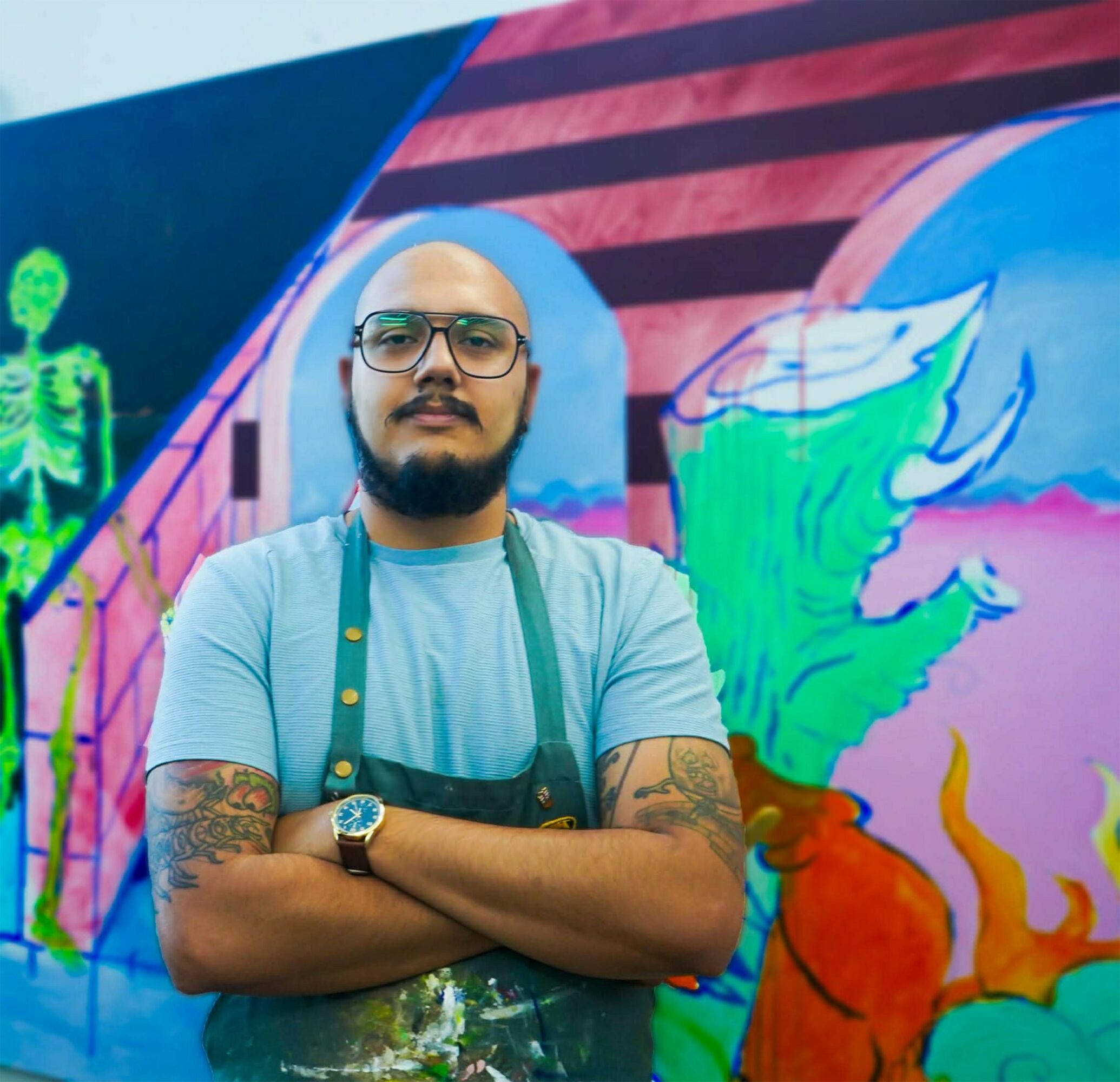
Today we’d like to introduce you to Alfredo “Freddy” Ortega.
Hi Freddy, so excited to have you on the platform. So before we get into questions about your work-life, maybe you can bring our readers up to speed on your story and how you got to where you are today?
I was born in Chihuahua City, in northern Mexico, where I lived until I was about twelve years old. Around 2009 my father and I moved to El Paso, Texas, seeking better opportunities and also escaping the growing violence in our region. At the time we were in the United States on a visitor visa, which made our situation uncertain, but my father was determined to build a better future for us.
My father is a graphic designer and a professional tattoo, piercing, and body-modification artist, so art was always present around me growing up. Even so, I didn’t seriously begin making art myself until my junior year of high school when I took my first art class. Being able to work every day in and out of class changed everything for me. I don’t believe much in talent. What made the difference was the amount of work I was willing to put in, along with the support of my father, my teacher, and a few close friends.
Around that time I fell in love with painting after experimenting with oil and acrylic. I briefly considered attending the New Hampshire Academy of Art, but because of my immigration status at the time it felt too risky to move across the country. Instead I attended the University of Texas at El Paso, where I double majored in painting and drawing and completed an Honors minor in Liberal Arts.
During my BFA I was introduced to the work of Robert Williams, whose paintings and ideas about “lowbrow” art had a major impact on me. His work showed me that painting could draw from popular culture, illustration, comics, and tattoo aesthetics while still being ambitious and technically serious.
After graduating I knew I eventually wanted to pursue an MFA, but I was advised to take time to develop my work and build a stronger portfolio. During those three years I worked as a tattoo artist while continuing to paint. Tattooing sharpened my sensitivity to line. In that world, line carries structure, rhythm, and permanence, and that discipline naturally began to influence how I construct images in my paintings. That period was also personally difficult because I went through treatment for thyroid cancer, and I was actually in the middle of radiation when I applied to graduate school.
Texas Christian University was the only program I applied to. My mentor, Tom Birkner, encouraged me to treat the application as a trial run, but I was accepted into their fully funded three-year MFA program in painting. I decided to attend, and I am now in my final year. Recently I had the opportunity to show work at Dallas Contemporary, and I am currently preparing for my MFA thesis exhibition this April.
My work now sits at the intersection of three influences: the discipline of tattoo linework, the narrative and cultural openness of lowbrow art, and the technical and research rigor of academic painting. Through that combination I explore questions of identity, migration, and visual storytelling.
Would you say it’s been a smooth road, and if not what are some of the biggest challenges you’ve faced along the way?
It hasn’t been a completely smooth road. Some of the challenges I mentioned earlier, like immigration uncertainty and going through treatment for thyroid cancer, were significant moments in my life. Both experiences forced me to make careful decisions about my path and constantly reminded me that painting was not just a hobby, but the center of my life and work.
Another challenge has been figuring out how to sustain a creative life in practical terms. For several years after finishing my BFA I worked as a tattoo artist while continuing to paint. Tattooing is something I genuinely enjoy. It’s a creative environment that demands discipline, and it gave me the opportunity to draw every day while developing a strong sensitivity to line, clarity, and economy of form. Being in direct contact with people and their stories also shaped how I think about narrative in my paintings, showing me how images can carry personal and cultural meaning.
At the same time, working in that field made me confront the long-term realities of building a life as an artist. Tattooing could provide some income and creative fulfillment, but it was never a sustainable path, especially when thinking about supporting my wife and potentially having a family in the future. That realization pushed me to take my painting practice more seriously, to focus my energy, and to pursue the next stage of my development.
Ultimately, those challenges clarified my priorities and shaped the way I approach my work. They pushed me to be intentional, disciplined, and rigorous in painting, reaffirming my commitment to making it the central practice of my life.
As you know, we’re big fans of you and your work. For our readers who might not be as familiar what can you tell them about what you do?
While the question frames me as an artist or creative, I see myself first and foremost as a painter. Painting has always been the center of my practice, and everything else in my life, including personal history, cultural influences, and lived experiences, feeds directly into the work I make on canvas.
A central concept in my work is Meximalismo, a blend of “Mexico” and “Maximalismo.” It celebrates Mexican identity through deliberate excess, vibrant color, and rich texture. It is bold, unapologetic, and often political, reclaiming Mexican visual culture as a form of pride and resistance. In my paintings, Meximalismo manifests as the layering and juxtaposition of multiple visual languages and approaches. A single piece might combine precise line, flat color, fully rendered figures or landscapes, thick impasto, and loose, brushy passages. Each choice involves intuition, but I never abandon rigor, craft, or intention. For me, painting is enough. Its composition, textures, and color richness carry the full expression I seek. This self-sufficiency, paired with the layering of marks and ideas, allows me to explore identity, migration, and personal storytelling in a way that is both technically grounded and deeply personal.
I am most proud of being able to sustain painting as a career and to see the work recognized in professional spaces, including Dallas Contemporary. Preparing for my MFA thesis show marks the point where years of persistence, experimentation, and careful development of a visual language that is layered, rigorous, and uniquely my own have come together.
We all have a different way of looking at and defining success. How do you define success?
For me, success is having painting at the center of my life while living it sustainably. It is not just about awards, exhibitions, or milestones, though those are meaningful. True success is being able to commit fully to the craft, explore ideas with rigor and intuition, and create work that is honest to my experience and vision. It is also having the time and space to live well, to share meaningful moments with the most important person in my life, my wife, while pursuing work I genuinely enjoy. Success is feeling fulfilled as a painter and soon as an educator, without needing to sacrifice the life around it. Every painting that realizes its composition, texture, and richness is a success on its own terms.
Contact Info:
- Website: https://freddysartstudio.wixsite.com/home
- Instagram: https://www.instagram.com/freddysart.studio
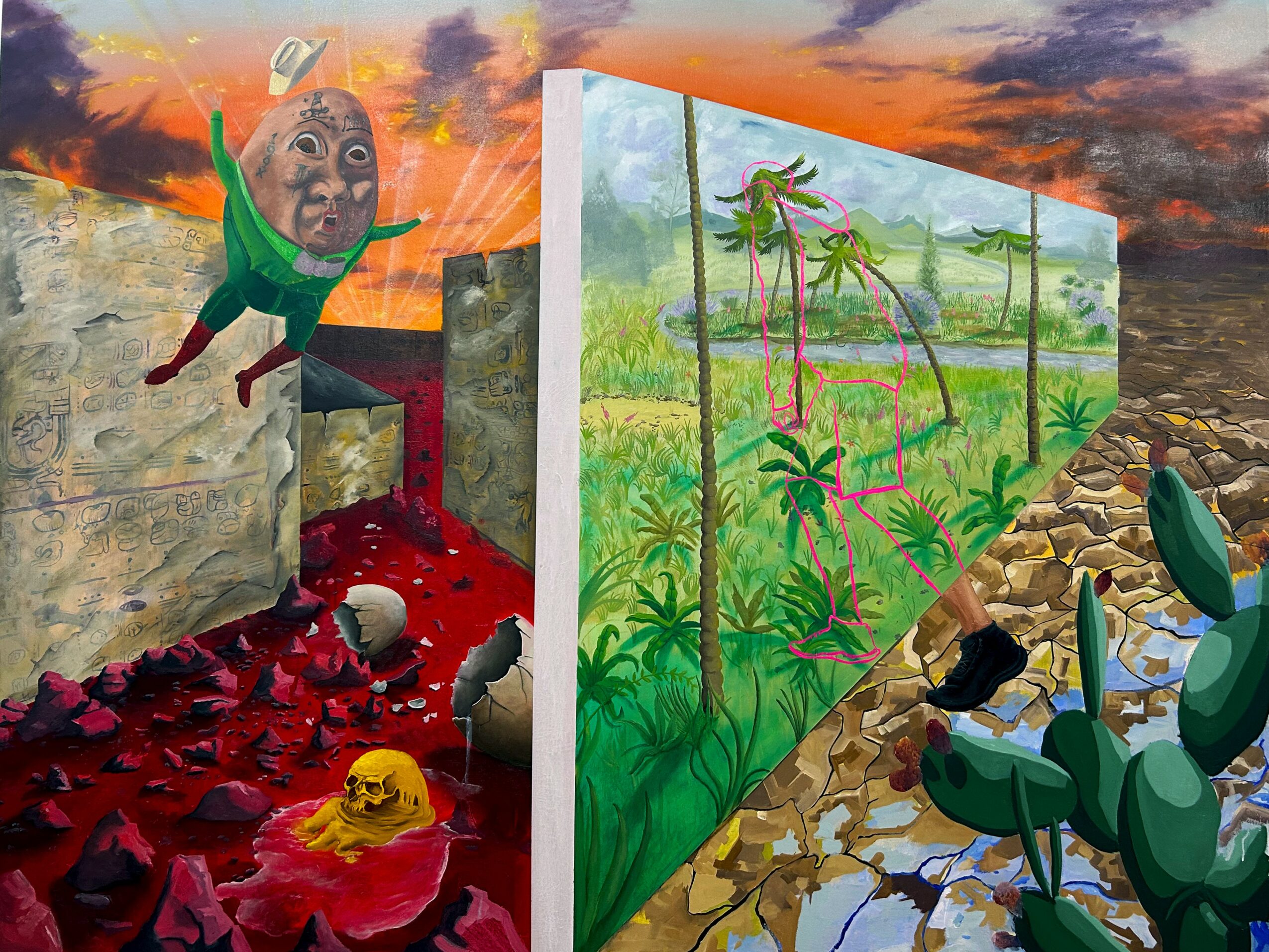
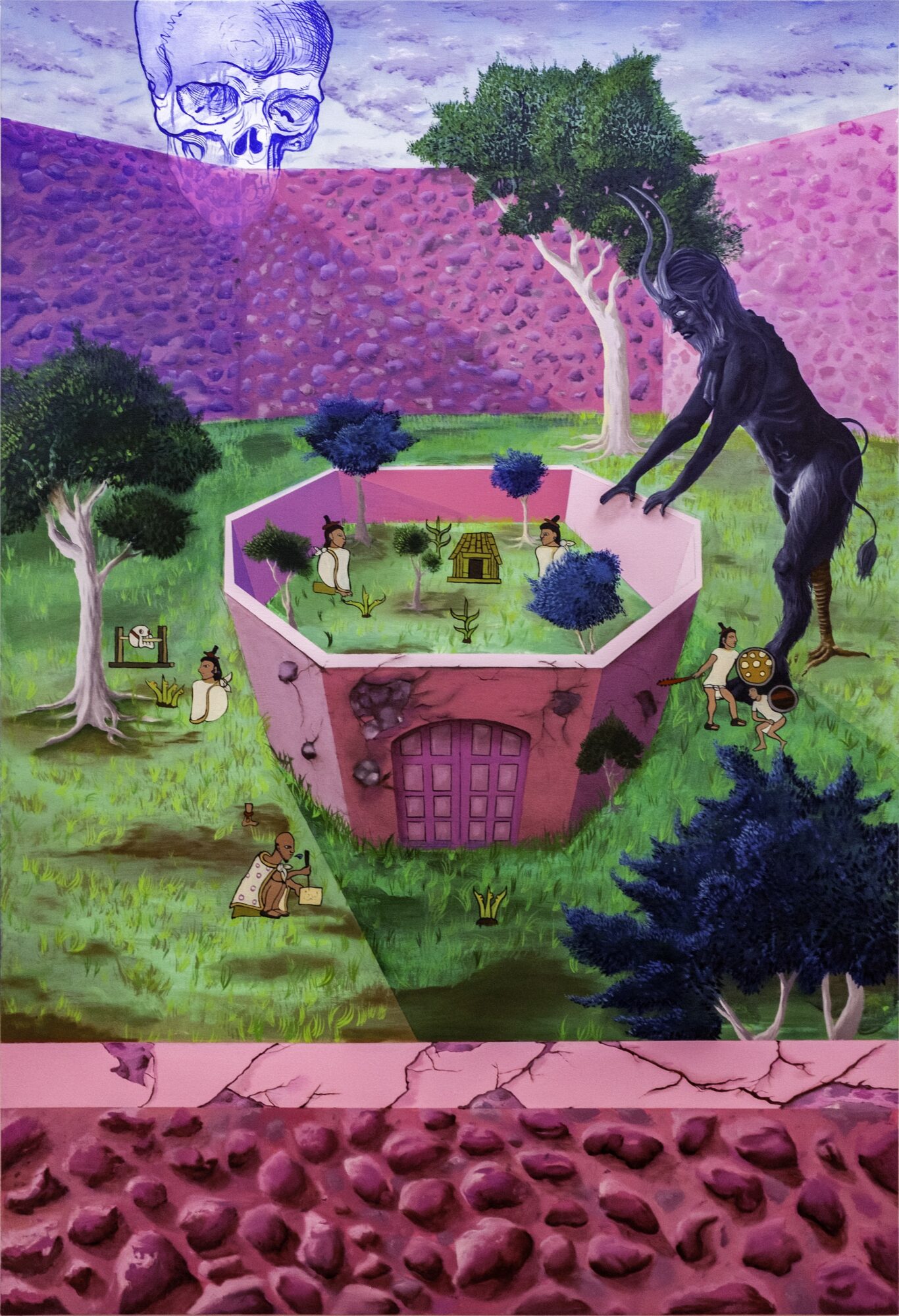
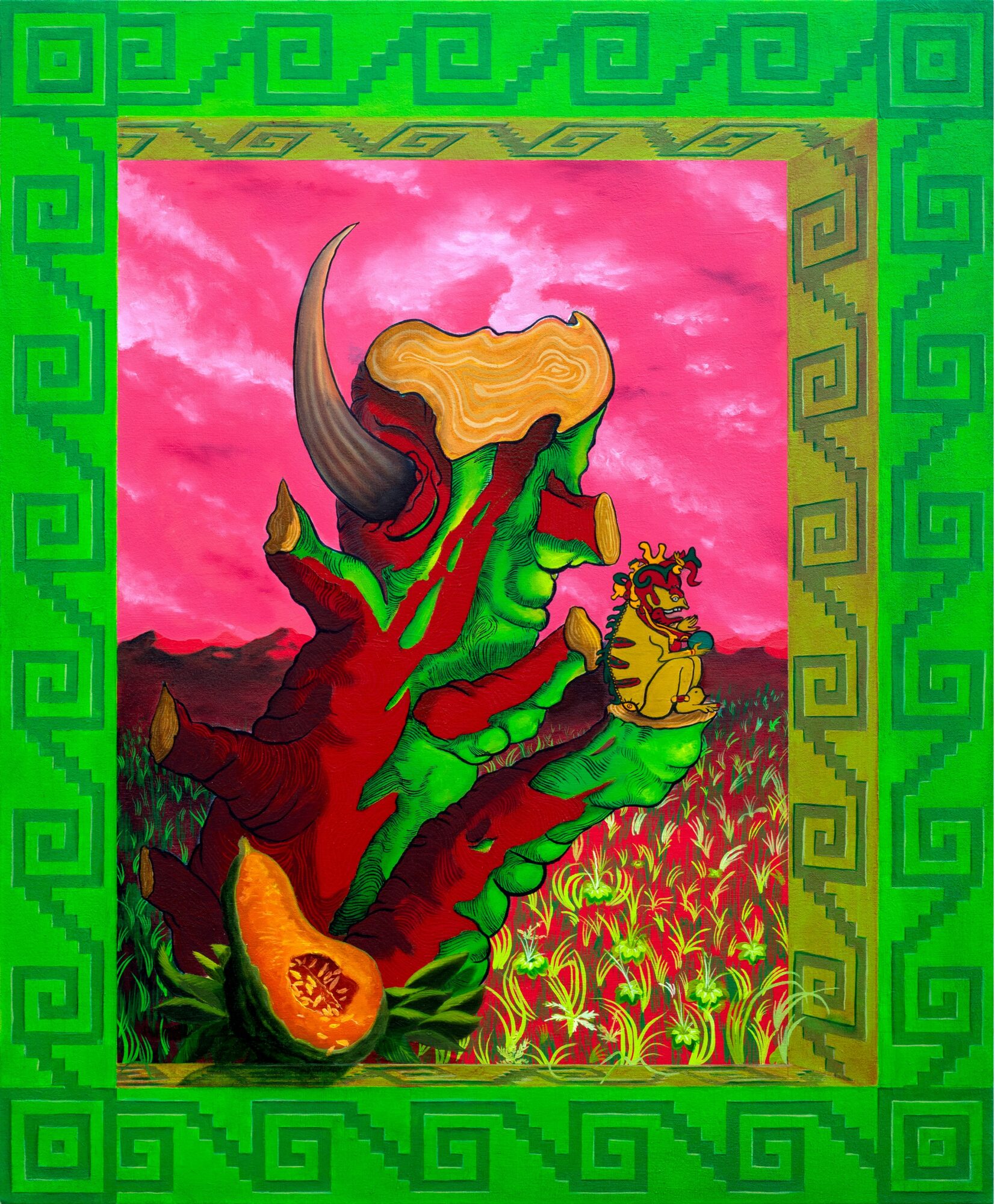
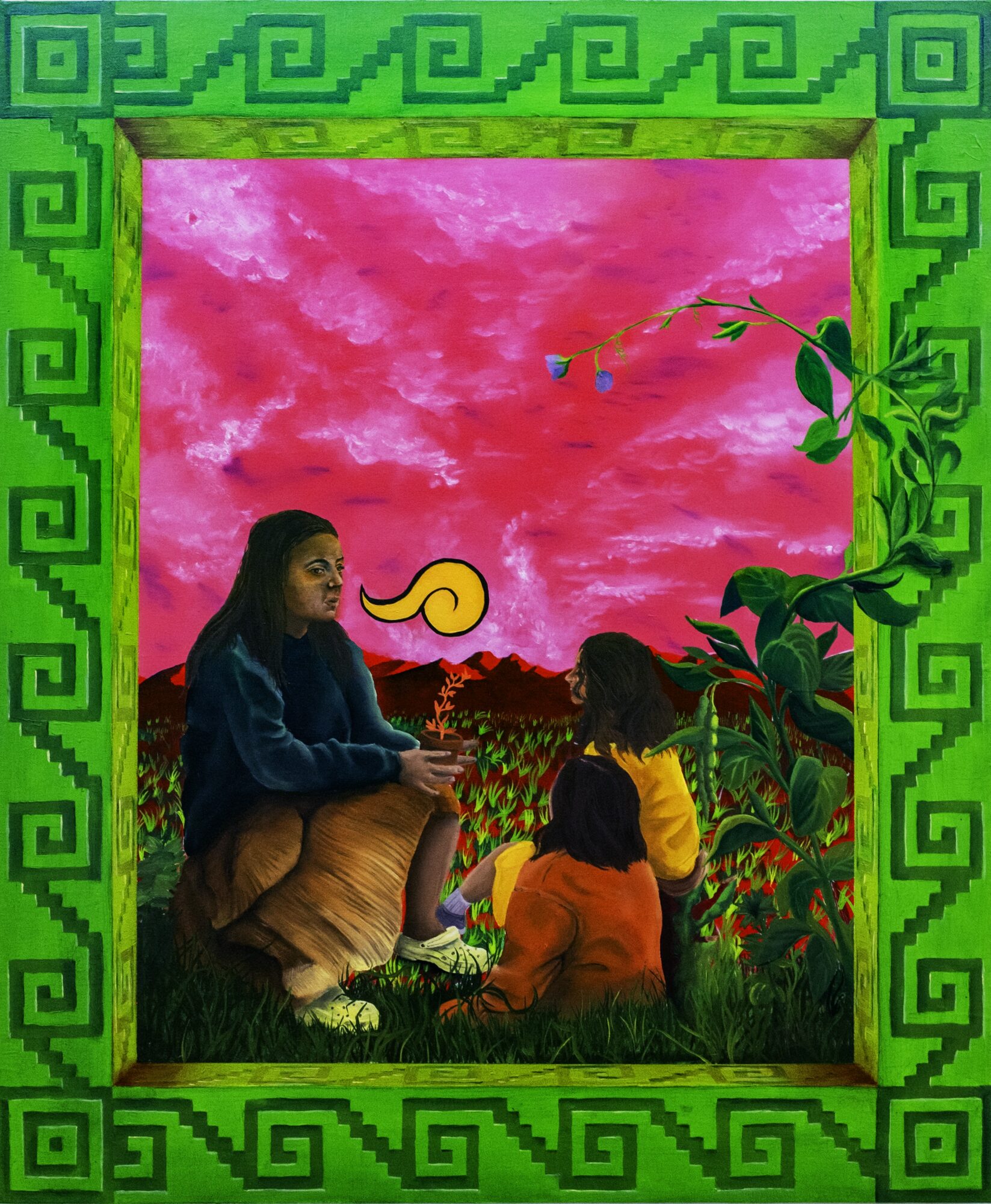
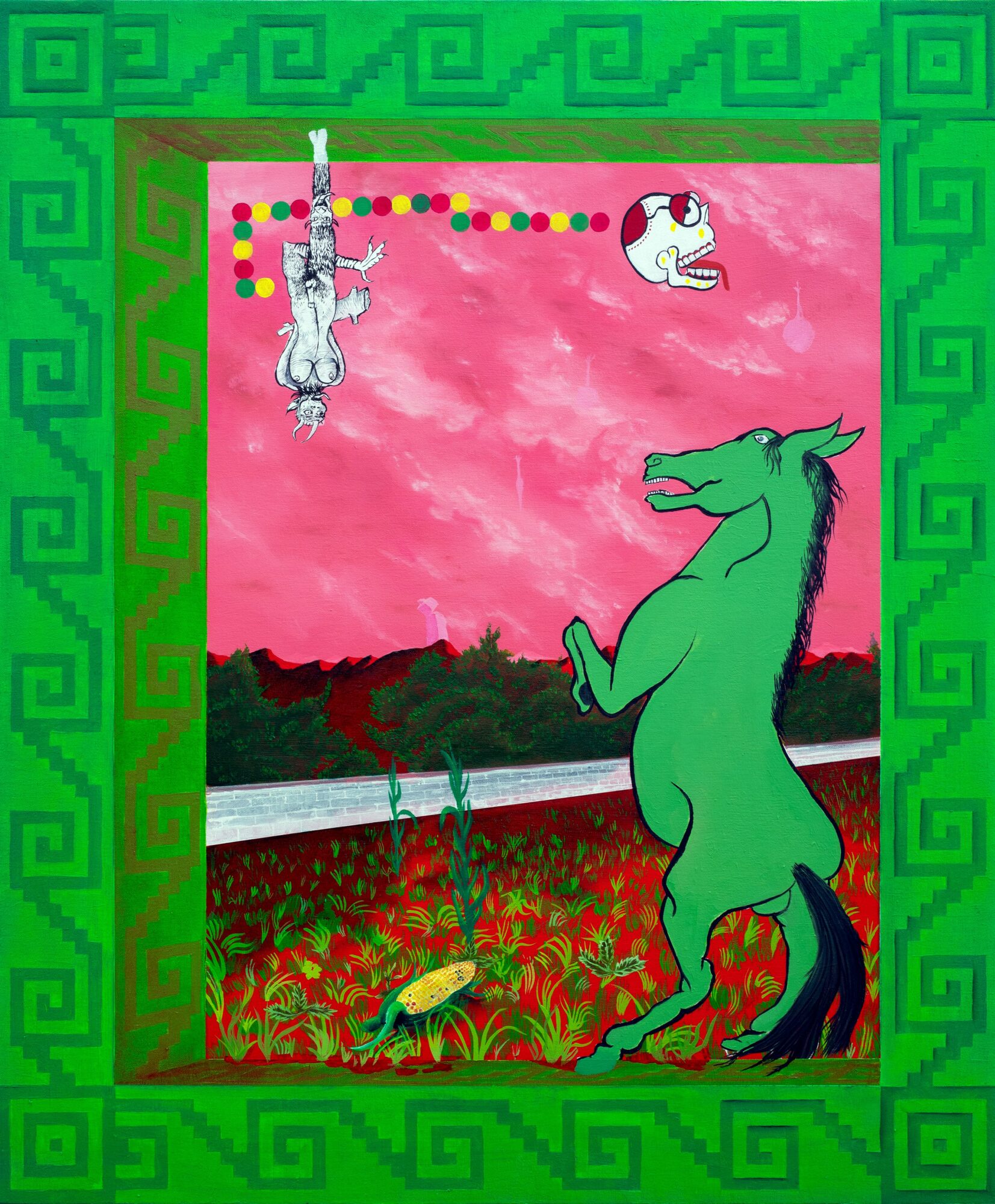
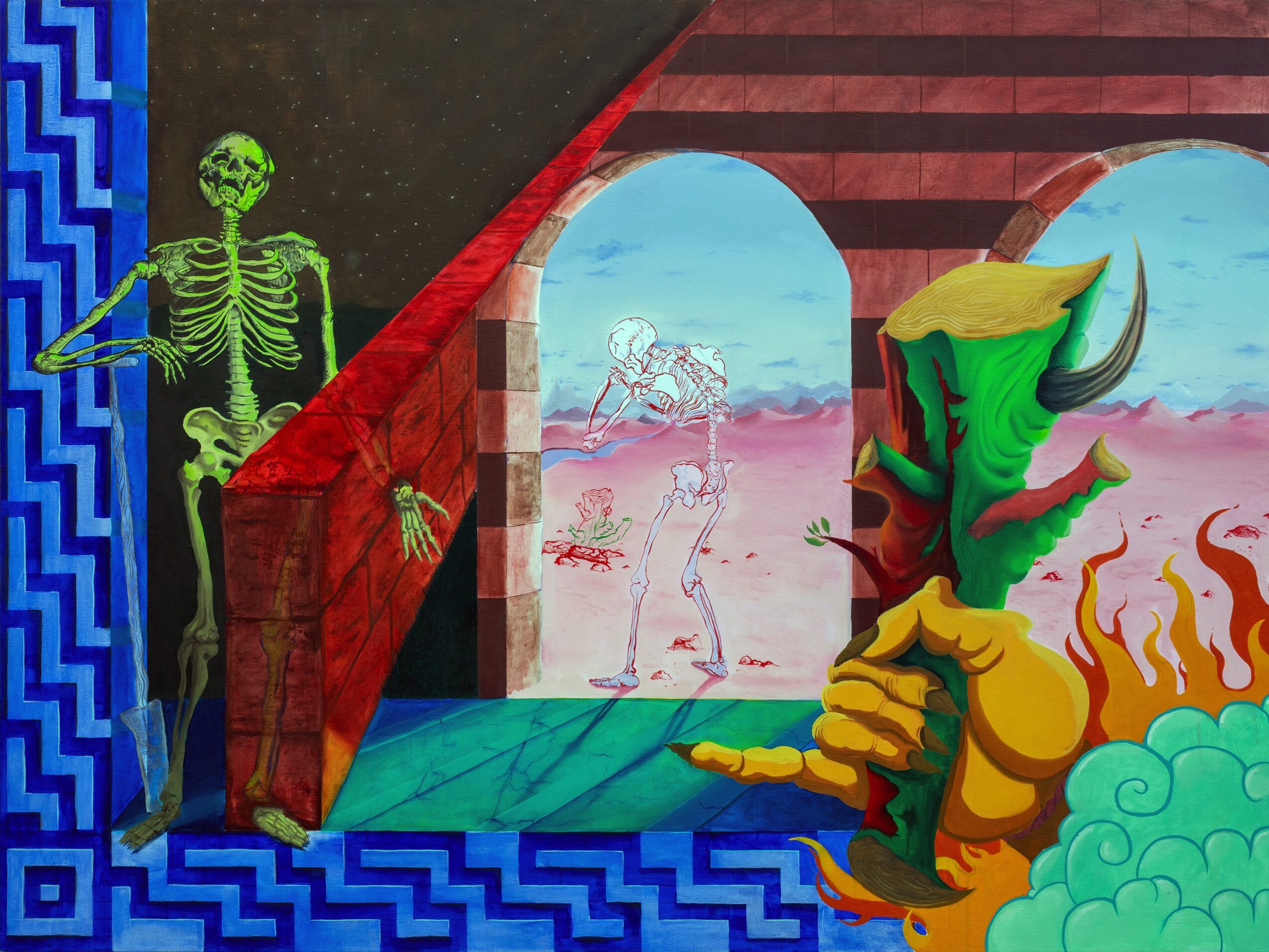
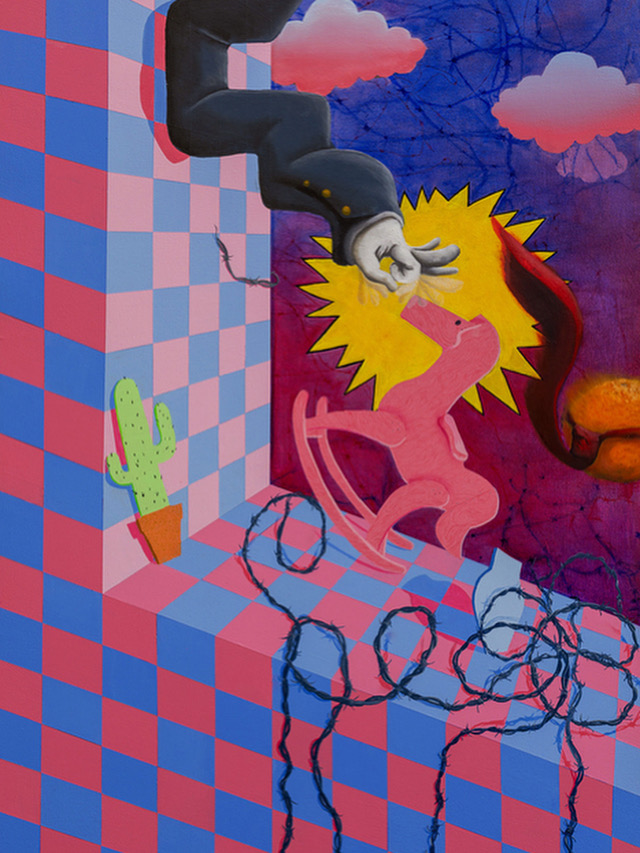
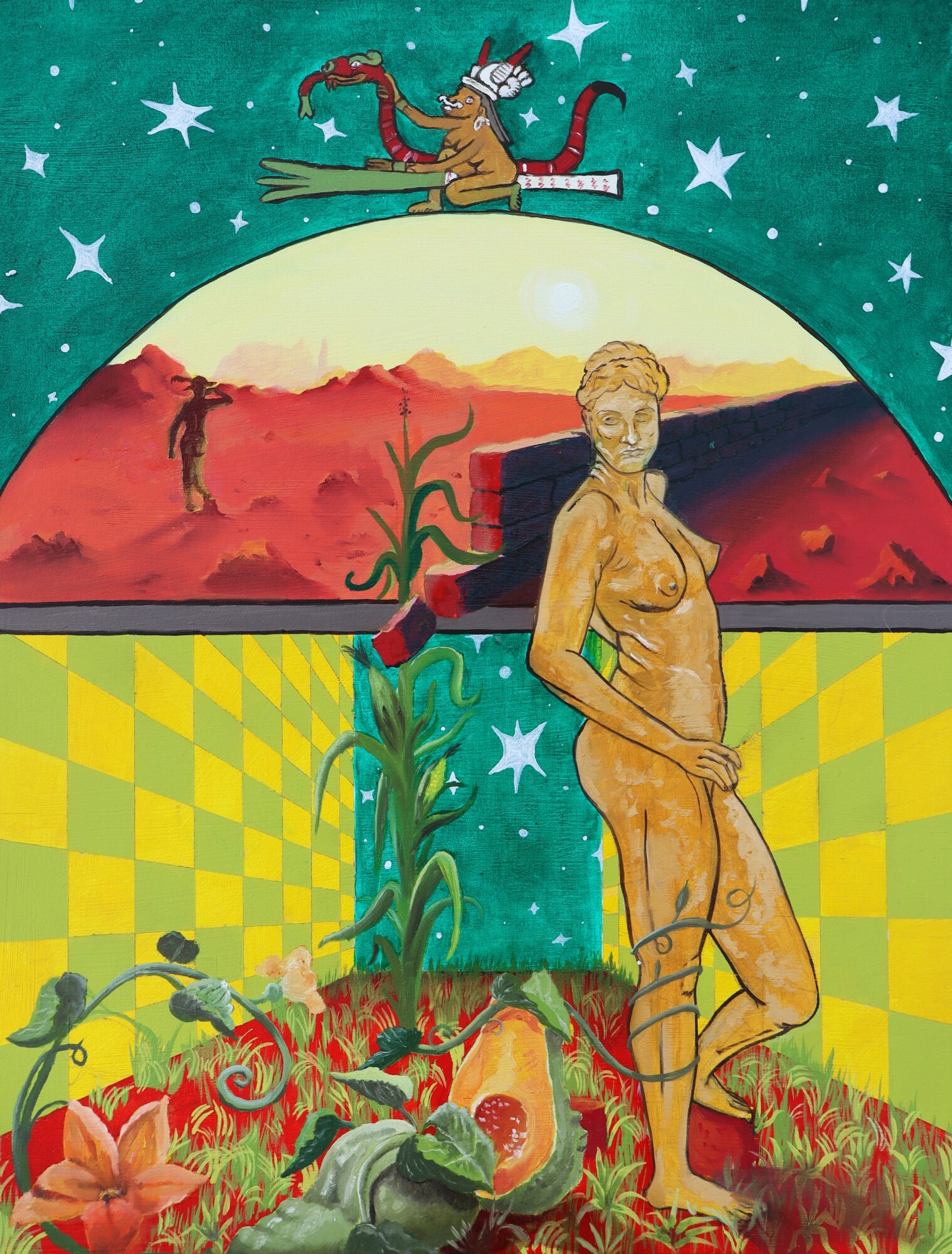
Image Credits
Colby Edward Kohn