






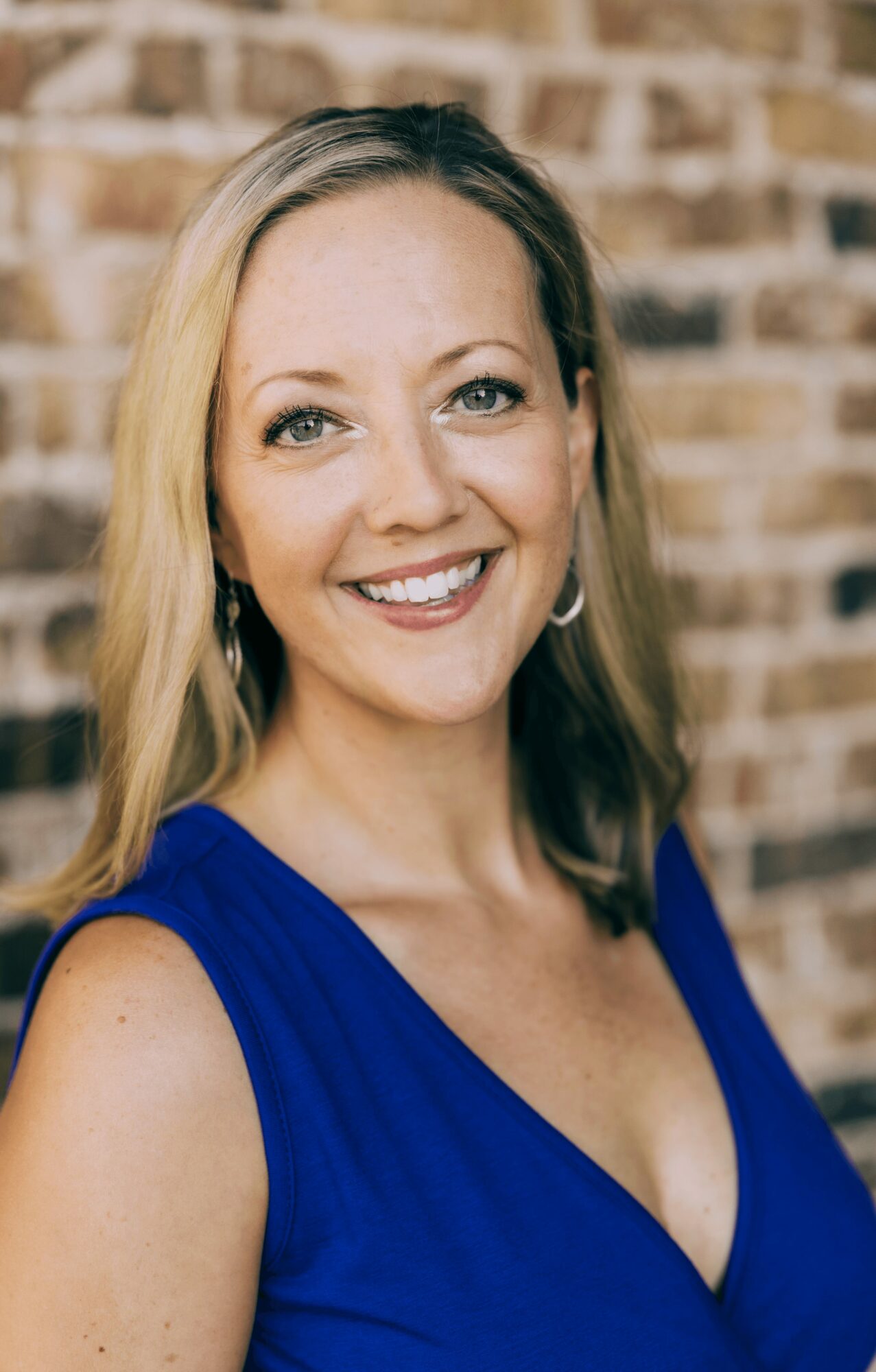
Today we’d like to introduce you to Ali Duffy.
Hi Ali, please kick things off for us with an introduction to yourself and your story.
I wanted to dance since I was a child. I didn’t start training seriously until I was 14 years old and from then on, it was full speed ahead! I have earned three degrees in dance, a BA from UNC Charlotte, MFA from UNC Greensboro, and PhD form Texas Woman’s University. I relocated to Texas in 2009 for a position at Texas Tech University. I’m now a professor and the graduate director of the dance program at TTU. When I moved to Lubbock, I quickly realized that there was not a professional dance company within 300 miles in any direction. Every artist wants a place to make and produce their art, and I felt Lubbock was a supportive community in which to start something new. So, in 2010 I founded a nonprofit dance company, Flatlands Dance Theatre (FDT). With this company, I have had the privilege of producing more than 30 original dance concerts, providing jobs for more than 200 artists, touring my choreography around the world, and providing much-needed engagement with the communities in and around the South Plains. Another major component of my work in dance is my research on dance and motherhood. I’ve published books and articles on this topic and co-founded the International Parenting and Dance Network in 2020. I also have a very full personal life. My husband, Carlos, is a fellow academic and our nine-year-old son and three-year-old golden retriever add such depth and joy to our lives. We love to travel to new places like Ireland and Spain, go hiking in Palo Duro Canyon, have family game nights, and visit our extended families in Virginia and South Texas.
Alright, so let’s dig a little deeper into the story – has it been an easy path overall and if not, what were the challenges you’ve had to overcome?
One of the biggest risks I have ever taken, founding a nonprofit dance company, has rewarded me a million times over. I often ask myself: Who gets to do THIS for a living?! To envision ideas and to see those ideas come to life onstage . . . To be paid to be curious and to provide opportunities to other artists and scholars I admire . . . What greater joy is there than that?
Despite recognizing the amazing opportunities I have had, though, dance is a hard profession. The jobs and funding are extremely limited in this country. So, I rely on the generosity of other artists quite a bit to sustain my nonprofit and to reach the artistic goals I have for my work. And to make a living in dance, I’ve had to hustle. Though I have been a dance professional for more than 25 years, I still negotiate side jobs that help me reach the goals I have for retirement savings and for saving for my son’s college education.
Another major challenge for me has been dancing in a body that ages. I’ve done some research about the approaches dancers take to negotiate their aging bodies and that has helped me strategize for a lifelong career in dance. Overuse injuries happen to dancers a lot. Pregnancy happens. Perimenopause happens. Age-related loss of strength and flexibility can happen. Trying to embrace these changes by letting go of some of the ideas about what a dancer’s body should look like and how it should perform have been critical for me. And offering space for intergenerational choreography is important, too, for helping audiences reframe how they perceive and make meaning of dance. Dancers of every age, weight, height, race, gender, and ability should be onstage and seen by audiences because we all represent the fullness of the human experience.
Appreciate you sharing that. What else should we know about what you do?
I am most proud of the way I have constructed my career in dance from multiple angles. As a professor, I get to explore dance with students at various stages of learning and offer them new perspectives to broaden their view of the field – and I get to learn form them their innovative ways of seeing and making dance. As the artistic director of a nonprofit dance company, I get to create a supported long-term artistic vision, contribute new art to my community, and provide opportunities to dancers who may not otherwise have them. As a researcher, I get to contribute to a legacy of new knowledge and innovation and expand the field of dance. I am lucky that my passion for dance has not diminished over the years. I am more convinced than ever of dance’s universal applicability, and its ability to foster critical thinking, cultivate community, and transform individuals, communities, and society at large.
Where we are in life is often partly because of others. Who/what else deserves credit for how your story turned out?
The success of my nonprofit, Flatlands Dance Theatre, is due in large part to the dancers and choreographers who have contributed their artistry to the company over the years. Most of the artists I have worked with in FDT describe their experience with the company as special and they often reflect back on their time in FDT as the “good old days” after they have left. It makes me feel very happy that I have helped to provide a space that feels safe, generative, and inviting to so many.
The board members and advisory board members who have served FDT over the years also deserve a lion’s share of the credit for helping to make important decisions, overcome challenges, and focus and direct the company in the long term. Their work has been critical to sustaining the organization’s mission and to push me to continuously reflect on how FDT could better serve our community and how I could better serve it as a leader.
I cannot speak about cheerleaders without mentioning my husband and my parents. I cannot imagine a more supportive partner who always makes space in our lives for our “other baby,” FDT. Carlos has listened to countless hours of my fretting and creative dreaming, has built scenic elements for shows, has offered me feedback about leadership decisions, has rubbed my feet when they hurt, has taken on all of our household responsibilities during show weeks, and has cheered me on at every show. And my parents believed that I could create a dance career since the moment I said that I wanted to. That belief empowered me, and continues to empower me, to reach for more.
Pricing:
- Tickets to show range from $18-$28
Contact Info:
- Website: https://www.flatlandsdance.org/
- Instagram: https://www.instagram.com/flatlandsdancetheatre/
- Facebook: https://www.facebook.com/flatlandsdance
- Youtube: https://www.youtube.com/user/FlatlandsDance
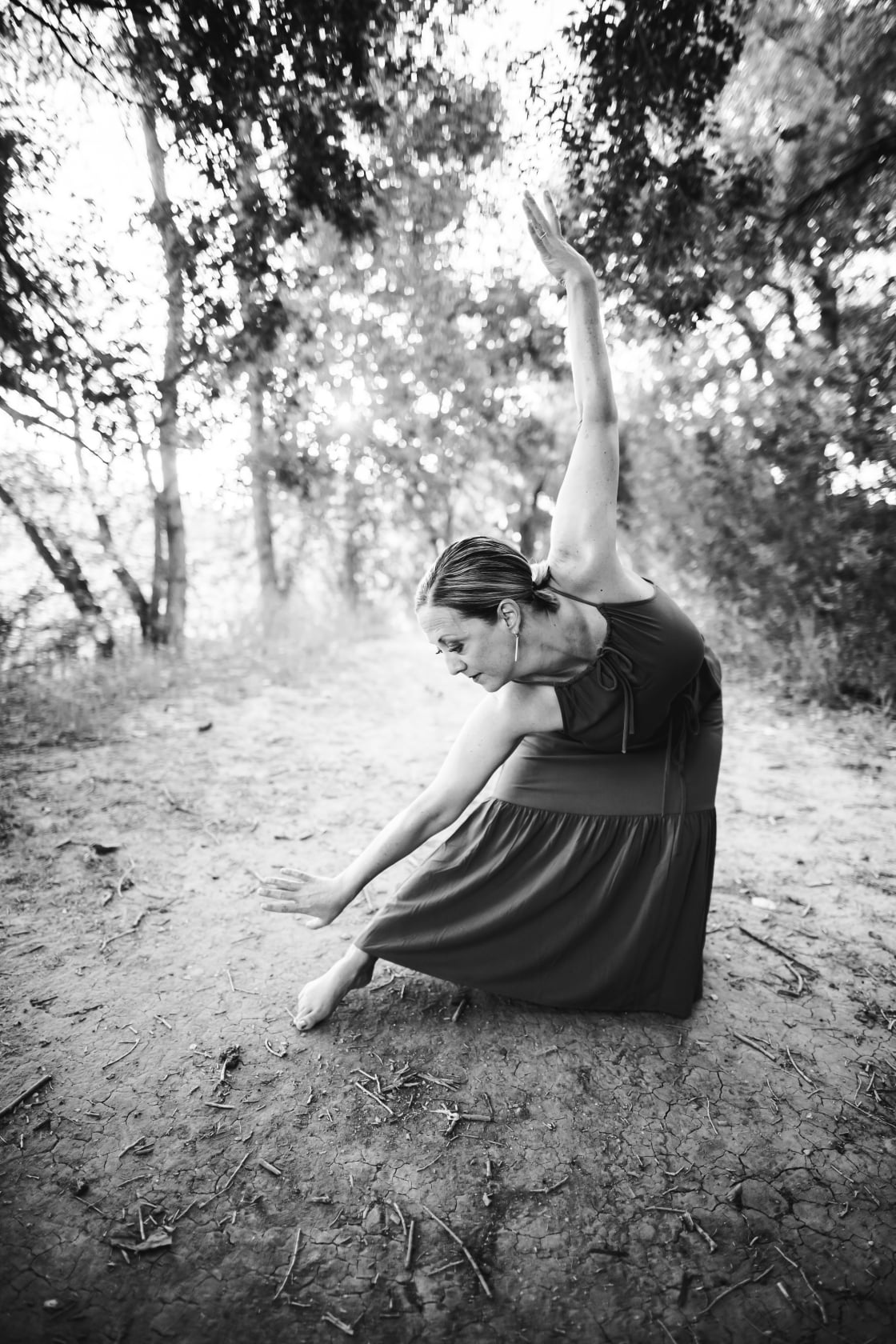
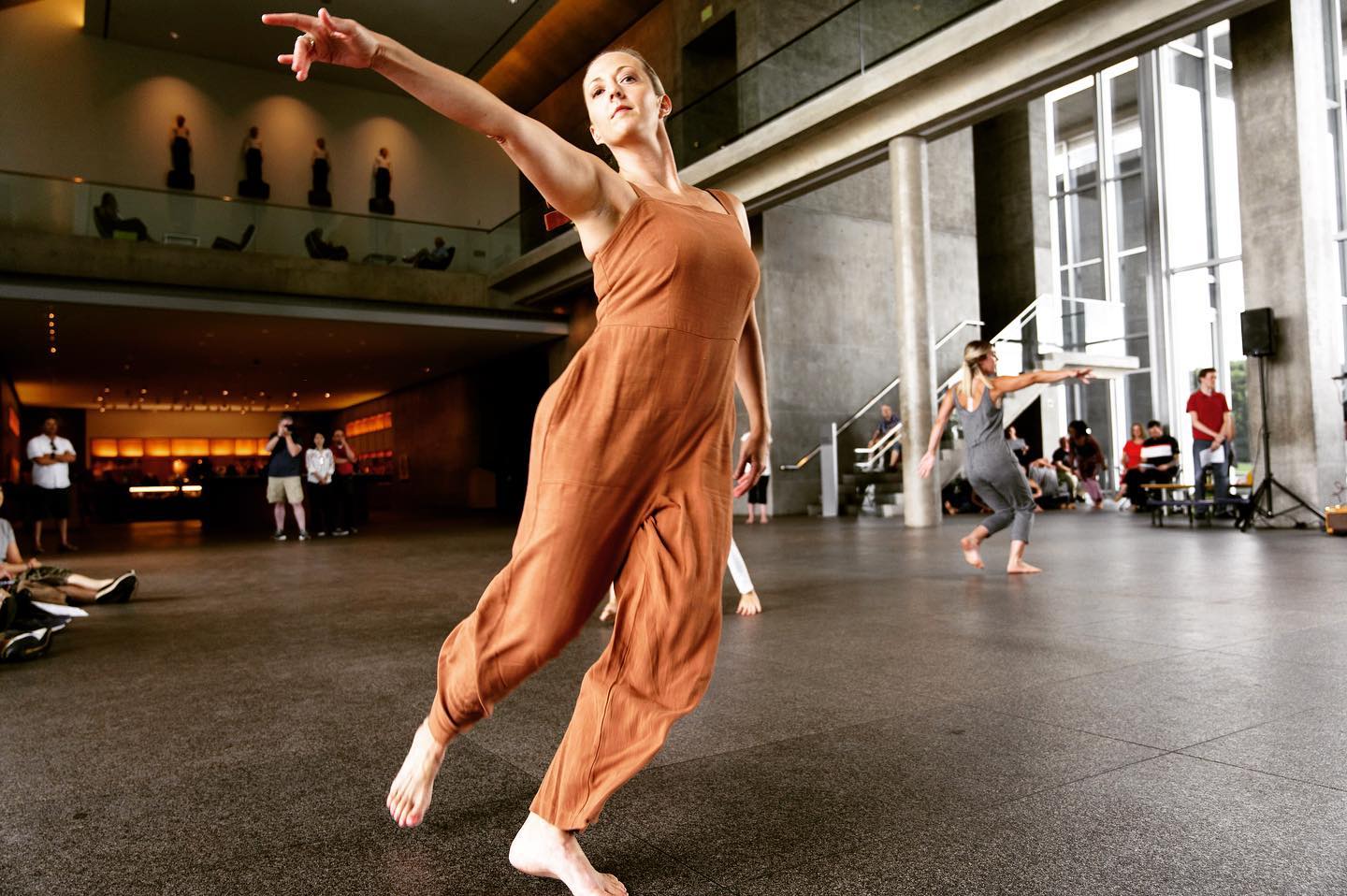

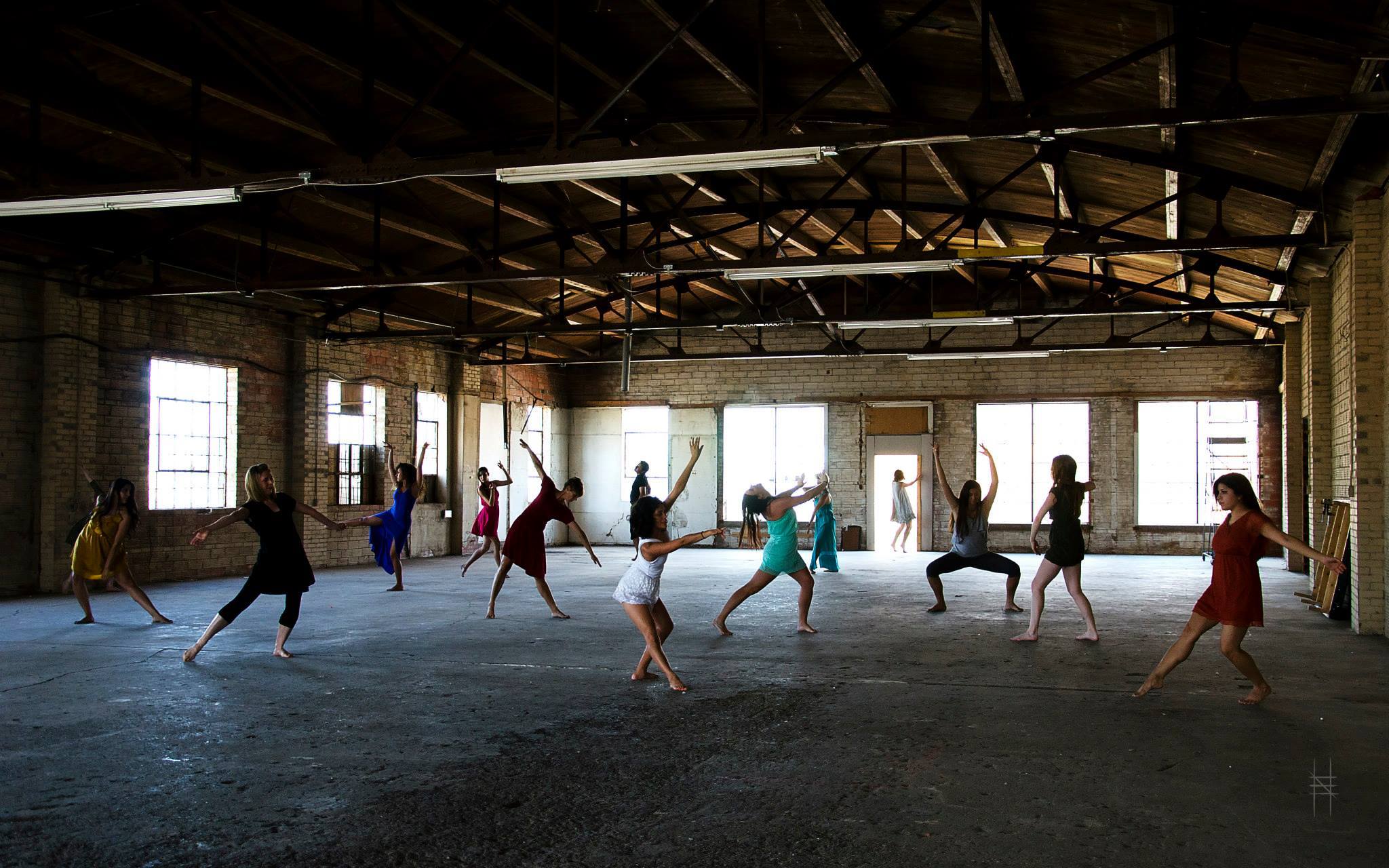
Image Credits
Headshot: Olive Tree Photography