





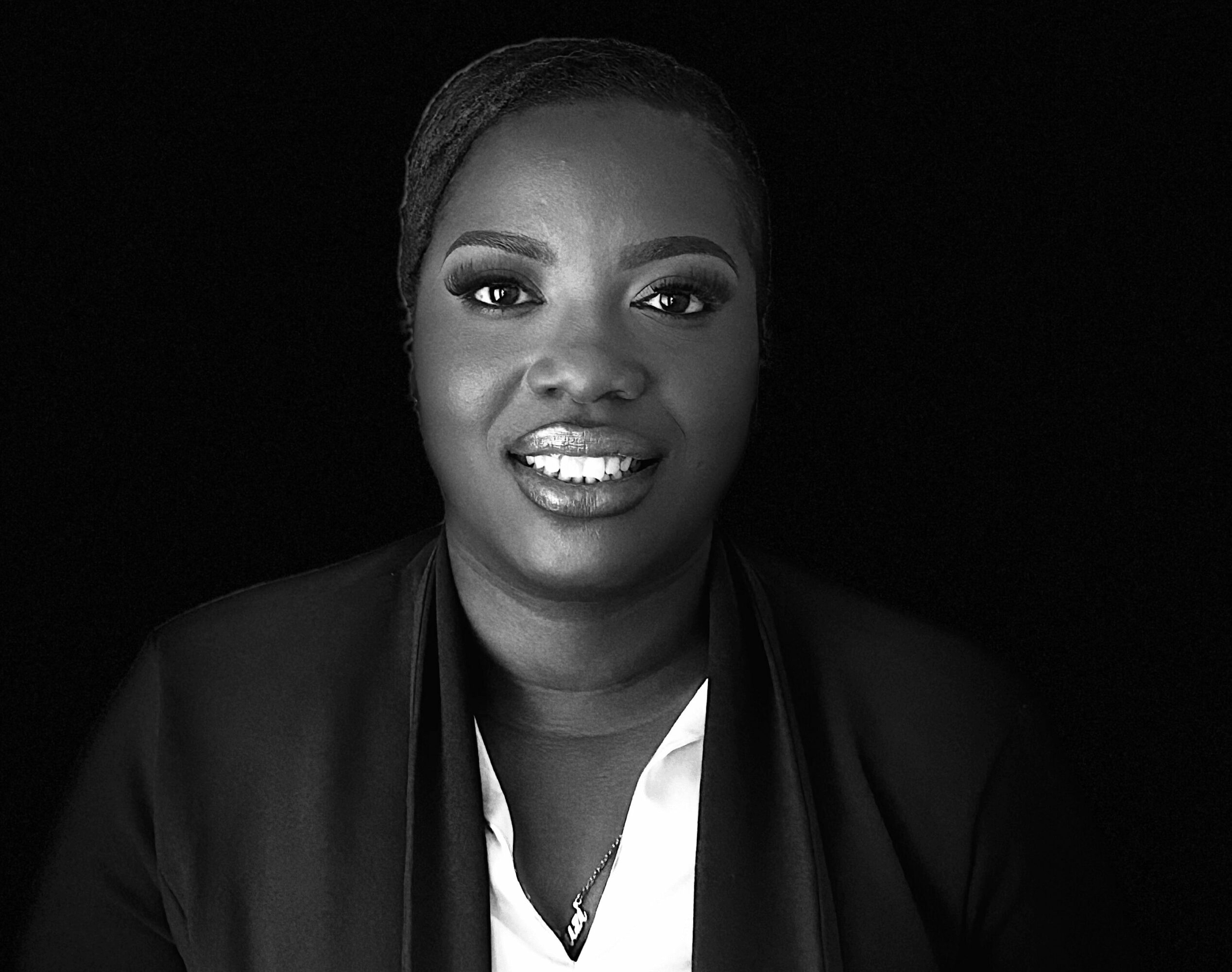
Today we’d like to introduce you to Brittaney Humphrey.
Hi Brittaney, can you start by introducing yourself? We’d love to learn more about how you got to where you are today?
I always knew I wanted to work in the nonprofit sector, and that desire was shaped very early in my life. As a young mom in college, I saw firsthand how many other teen mothers didn’t have a village or a support system around them. I did. I had family who encouraged me, held me accountable, and reminded me of my potential even when things felt overwhelming. That village is what made the difference for me.
Because of that support, I was able to earn my master’s degree by the age of 25. I’ve never taken that for granted. I truly believe that having people in your corner — rooting for you and pushing you to grow — can change the entire trajectory of someone’s life. I vowed then that I would find a way to help create that kind of village for others.
I spent 12 years working for the Department of Defense, gaining leadership and operational experience, but I always knew my heart was in community work. In 2021, I was hired as the Manager of Cedar Hill Shares, and in 2022 I became the Executive Director. Today, I have the privilege of leading an organization that not only provides food relief but is working to build that broader village of support through nutrition and literacy programs.
For me, this work isn’t just professional — it’s personal. I’m simply trying to be part of someone else’s village the way others were part of mine.
We all face challenges, but looking back would you describe it as a relatively smooth road?
It definitely hasn’t been a smooth road. Like many nonprofits, funding has been one of our biggest challenges — especially as we’ve worked to regain and strengthen community support. While we have successfully secured grant funding, we don’t currently have a designated grant writer, so that responsibility falls under my stewardship. Balancing executive leadership with development and grant writing has required a lot of stretching and strategic prioritization.
Space has also been a major hurdle. Before expanding, our neighbors shopped in the same building that housed our warehouse operations. When delivery trucks arrived, we had to pause distribution to receive shipments, which often put appointments behind schedule and created frustration for families. It wasn’t the experience we wanted for them.
To address that, we purchased the adjacent building and transformed it into a dedicated market and resource center. That shift allowed us to convert our original building into warehouse-only space, dramatically improving efficiency, safety, and the overall shopping experience for our neighbors.
Visibility has been another barrier. There are still people in our community who don’t know we’re here for them. To combat that, we’ve increased our social media presence and community outreach efforts. We’re also currently working on phase two of our renovation, which will create a cohesive, matching façade for both buildings — improving not only functionality but also our visibility and presence within the community.
Each challenge has pushed us to think bigger, operate smarter, and stay committed to building something sustainable for the long term.
Thanks – so what else should our readers know about your work and what you’re currently focused on?
At the core of my work is the belief that food relief is only the beginning. I specialize in connecting nutrition with education — because they are inseparable.
I’m an educator by trade, earning my Master’s degree in Education in 2012. Education has always been my first love. When I stepped into nonprofit leadership, I knew I didn’t just want to distribute food — I wanted to address the deeper connection between nutrition and cognitive function. We know that what we eat directly impacts our ability to focus, learn, regulate emotions, and perform at our highest level. If our community isn’t nourished well, it’s difficult to thrive academically, professionally, or personally.
What sets our work apart is that we are intentionally marrying food access with literacy and education. We’re not just providing groceries — we’re building knowledge around nutrition, financial literacy, and lifelong learning. My vision is to expand this initiative to serve youth in our community who are involved in extracurricular activities — whether sports, clubs, or support groups. We want to be part of shaping healthy lifestyle habits early on, emphasizing that their diet will drive their cognition, performance, and overall quality of life.
What I’m most proud of is shifting the narrative. We’re creating a space where families are treated with dignity, where children can walk through our market safely, and where food is seen not just as sustenance, but as fuel for opportunity. We are building a village that feeds both the body and the mind — and that intersection is what truly sets us apart.
What matters most to you? Why?
What matters most to me is the village.
I entered the nonprofit sector because I wanted to help others experience the kind of village I was blessed to grow up in. I come from a large family on both sides — people who loved me, corrected me, encouraged me, and stood beside me no matter what. That kind of support changes lives. I truly believe we all need a family to call our own.
At Cedar Hill Shares, we’ve built that. We don’t just distribute food — we build relationships. We laugh together, we cry together, and we quite literally break bread together. We share experiences and lean on one another during difficult seasons.
For example, the day before a major freeze, I received a late call about two families who urgently needed food. We were able to package boxes for both families just in time for pickup before they were snowed in. That’s village work.
In another instance, one of our dedicated volunteers tragically lost his son. He was preparing meals to help raise funds for funeral expenses. We were able to donate the majority of the food he cooked, reducing his overhead to almost zero so that more of the proceeds could support his family during that devastating time. That’s village work.
At the end of the day, the people matter most — our neighbors, our volunteers, our staff, and our board. The relationships are what sustain the mission. Food may bring people through the door, but community is what keeps them connected.
Contact Info:
- Website: https://cedarhillshares.org
- Instagram: https://instagram.com/cedarhillshares
- Facebook: https://facebook.com/cedarhillshares
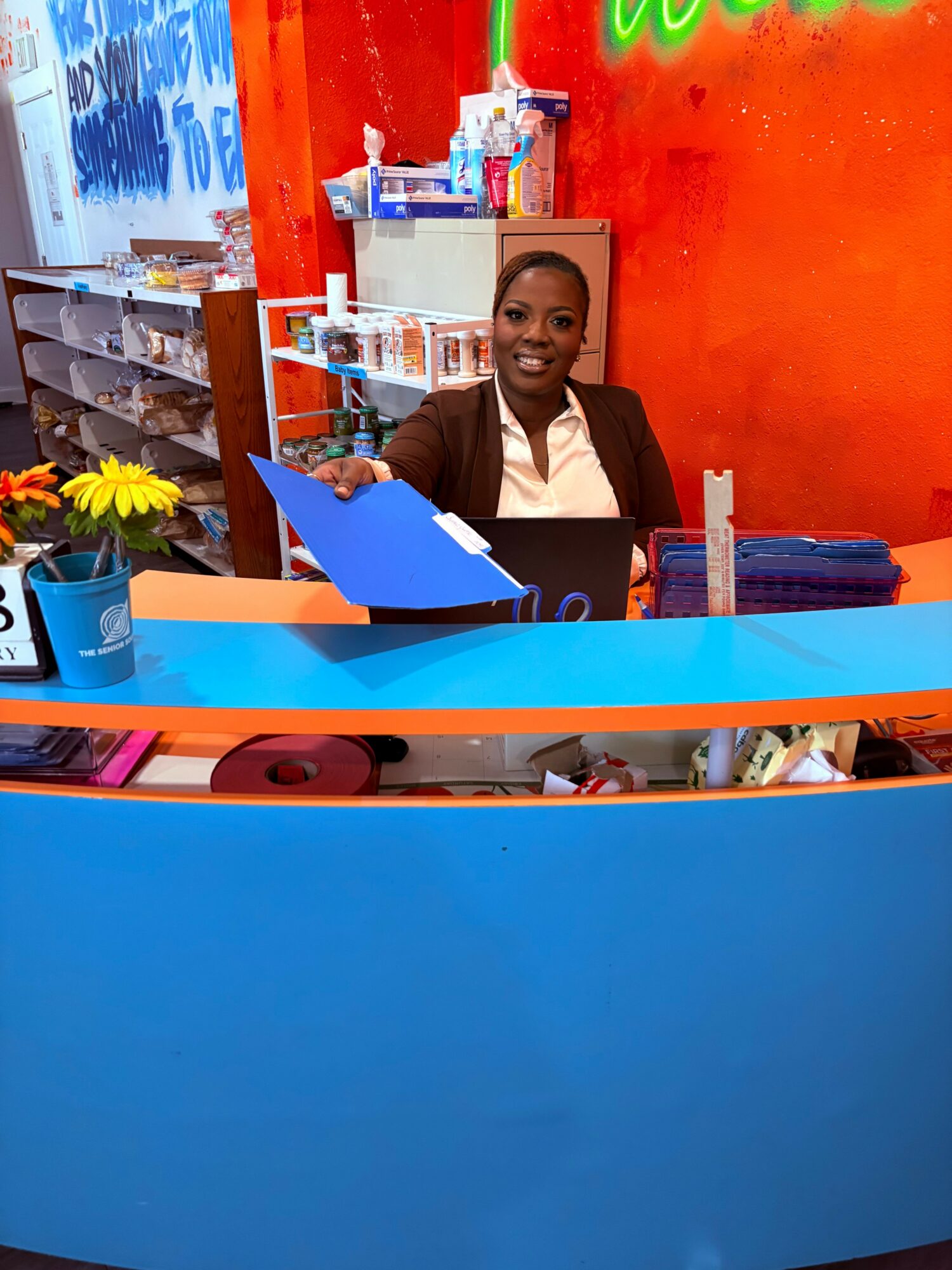
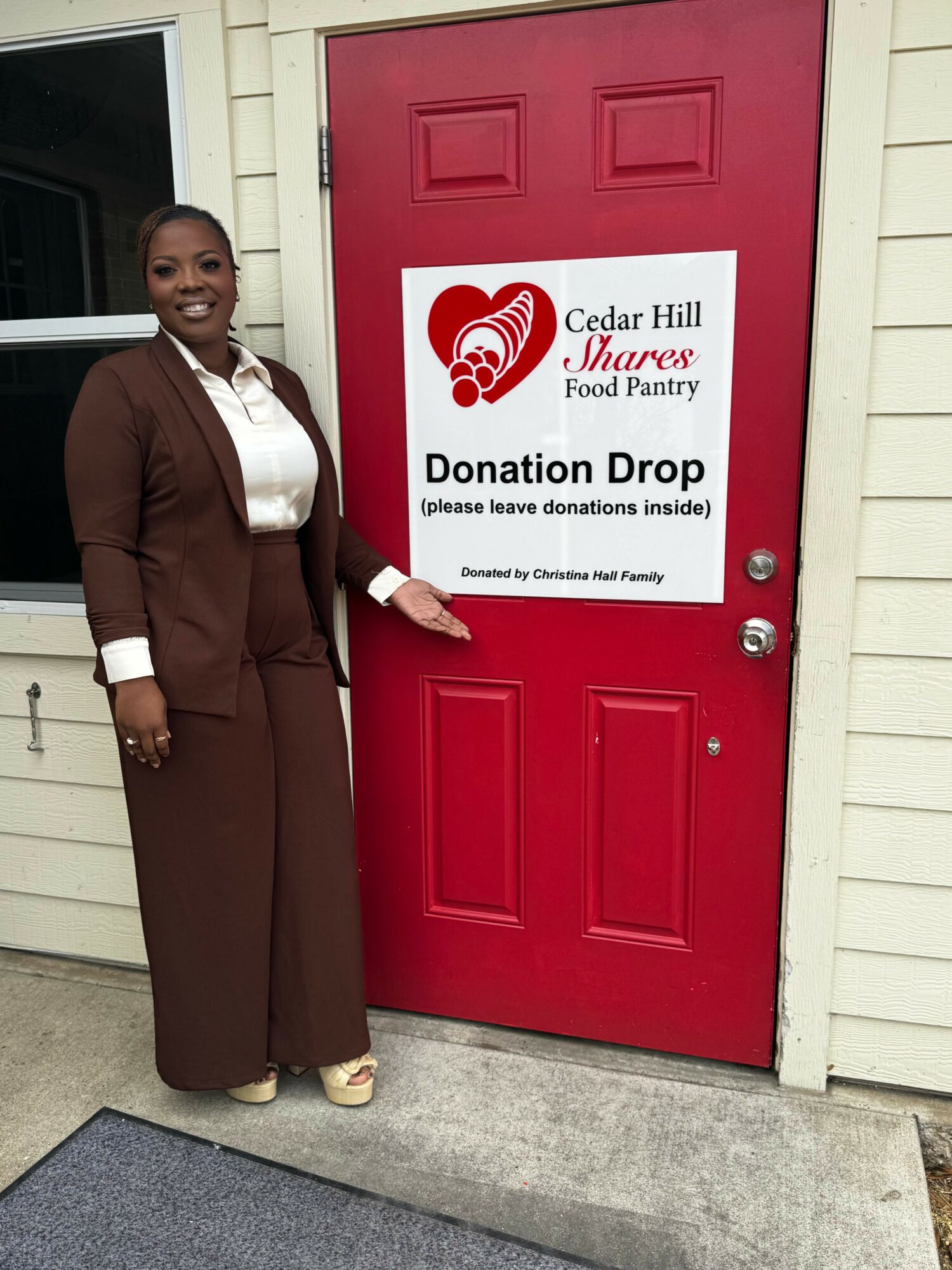
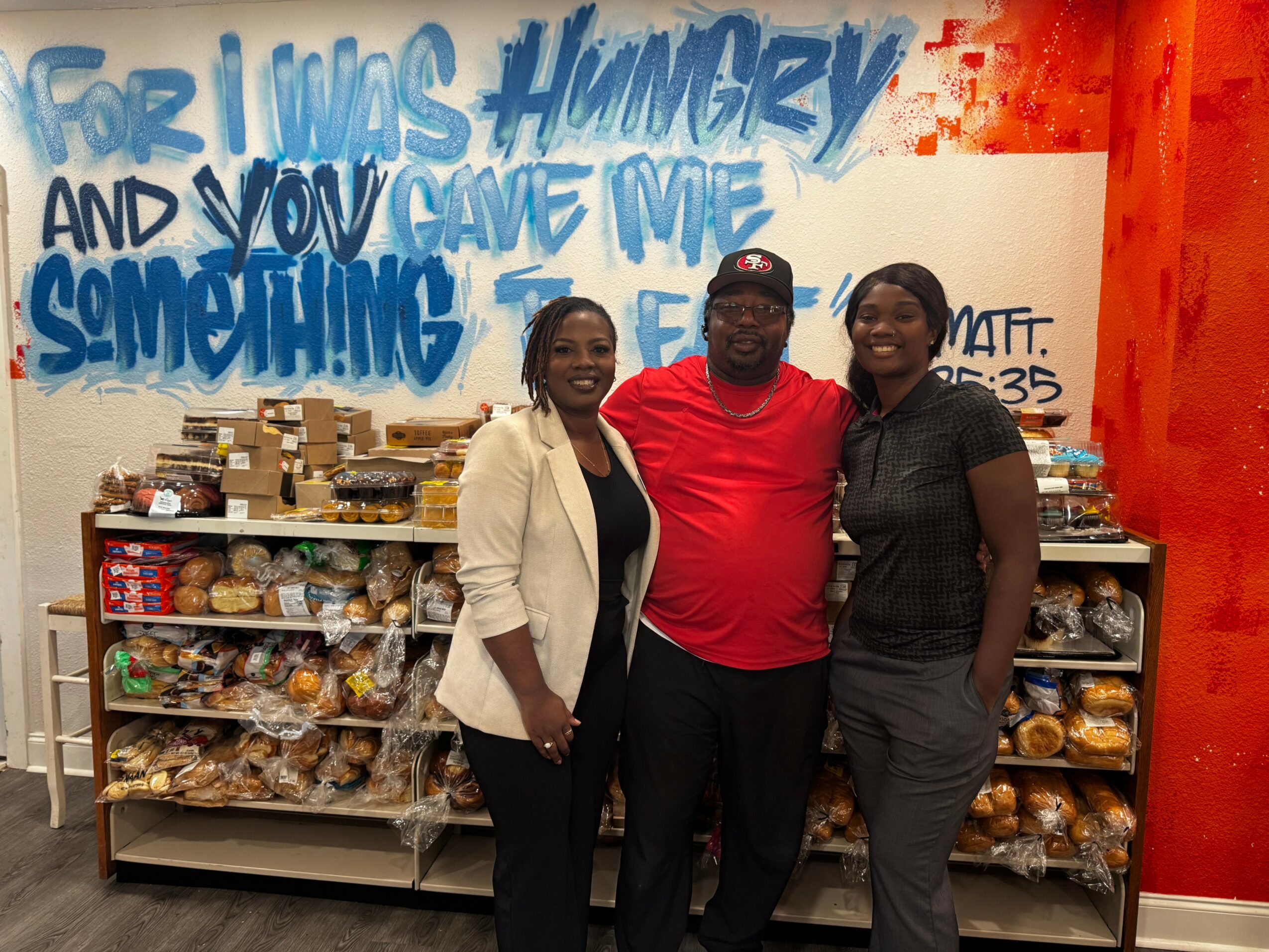
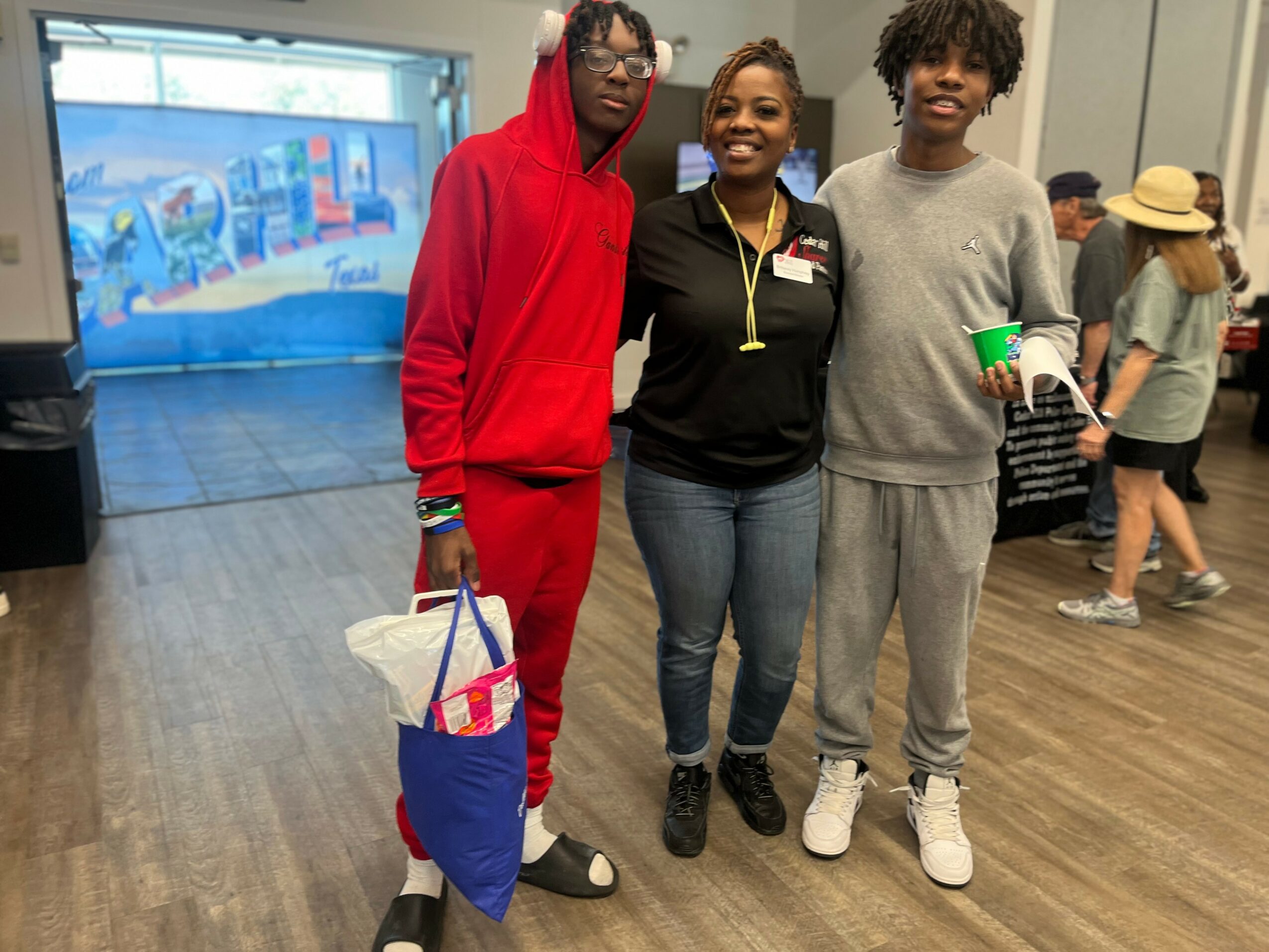
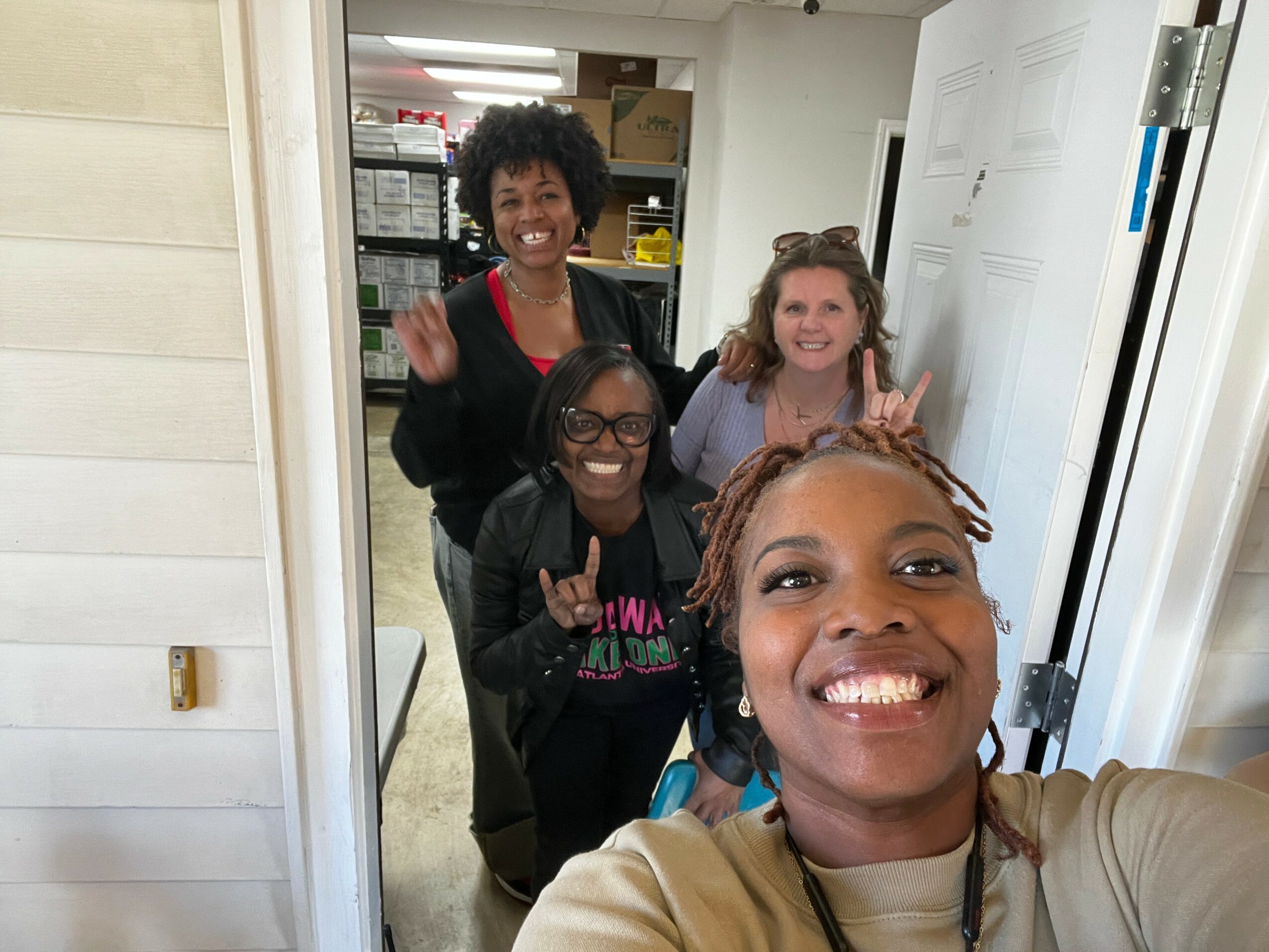
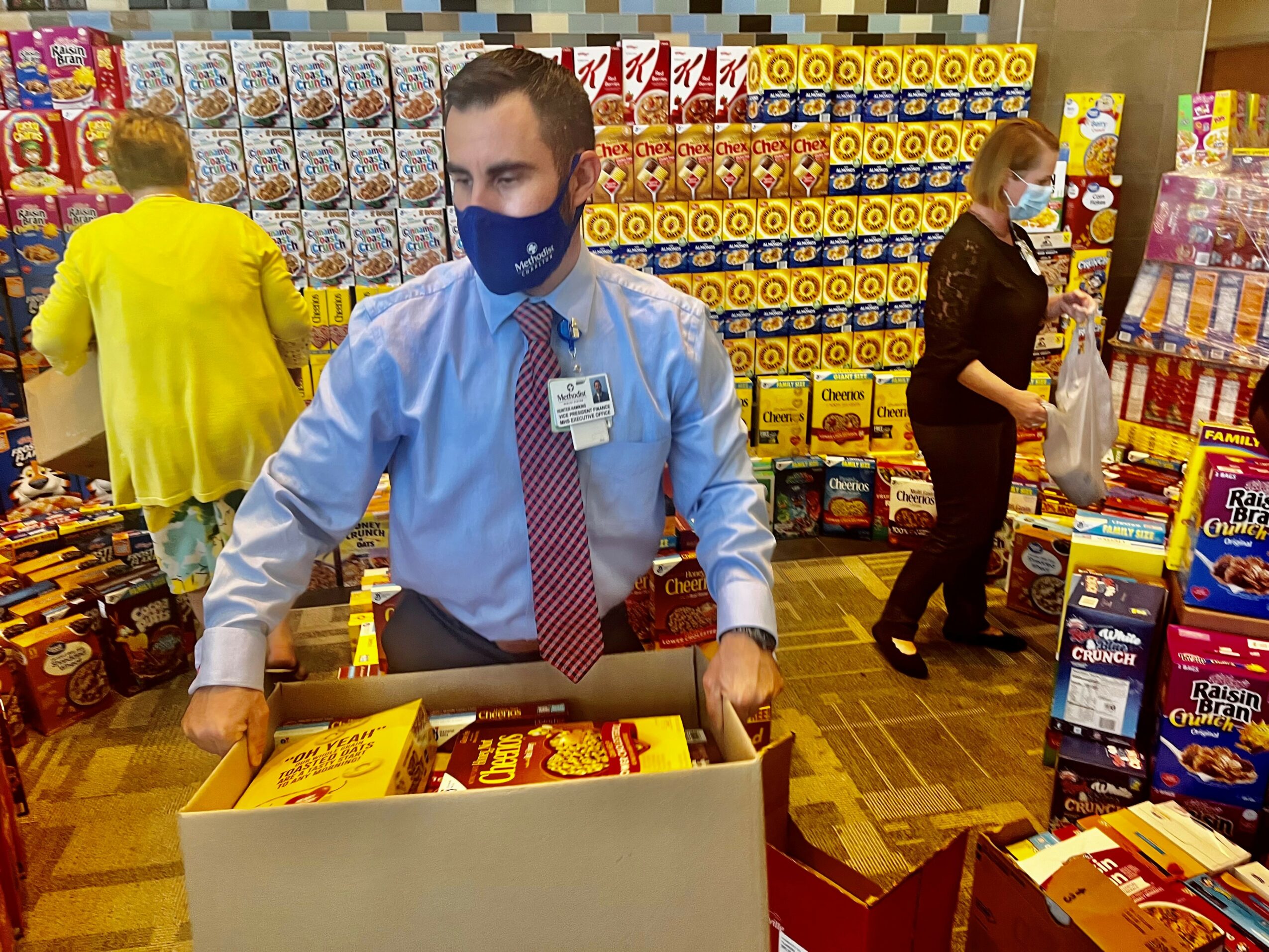
Image Credits
Charlton Methodist Hospital
citizens of Cedar Hill
Popular
-
Deborah Fessenden on Turning Foraged Beauty into Purpose-Driven Jewelry and Advocacy
-

Andrew Finch on Building Elite Athletes Through Fundamentals, Mindset, and Global Experience
-

Genai Walker on Turning Life Experience into Impact Through Writing, Business, and Self-Mastery
-

The Most Inspiring Stories in Dallas