


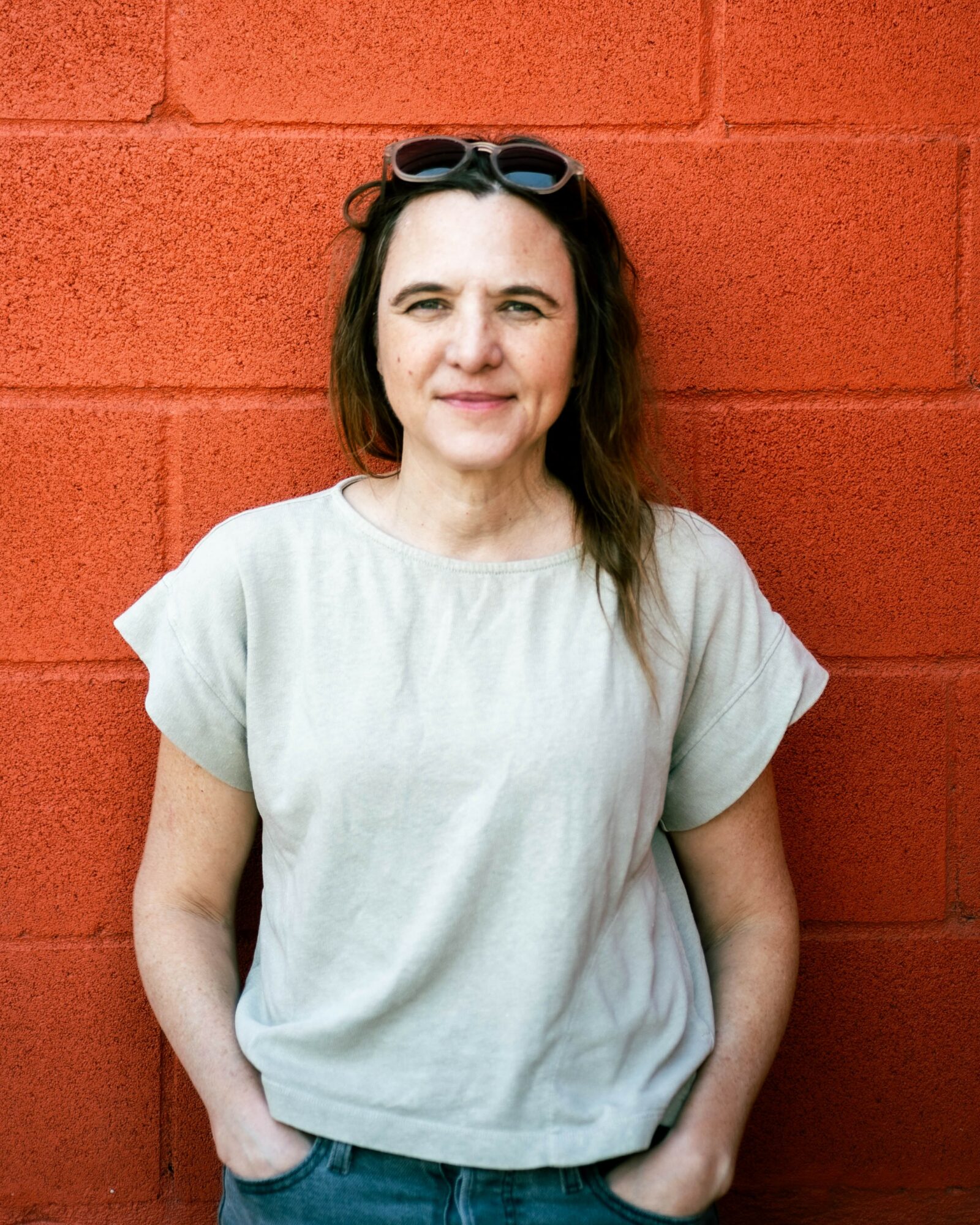
Today we’d like to introduce you to Carrie Iverson.
Hi Carrie, so excited to have you on the platform. So before we get into questions about your work-life, maybe you can bring our readers up to speed on your story and how you got to where you are today?
I came to art through a deep curiosity about how things work—an investigative impulse that has been with me for as long as I can remember. I grew up building, fixing, and taking things apart, trying to understand the material world from the inside out. That instinct continues to guide my practice.
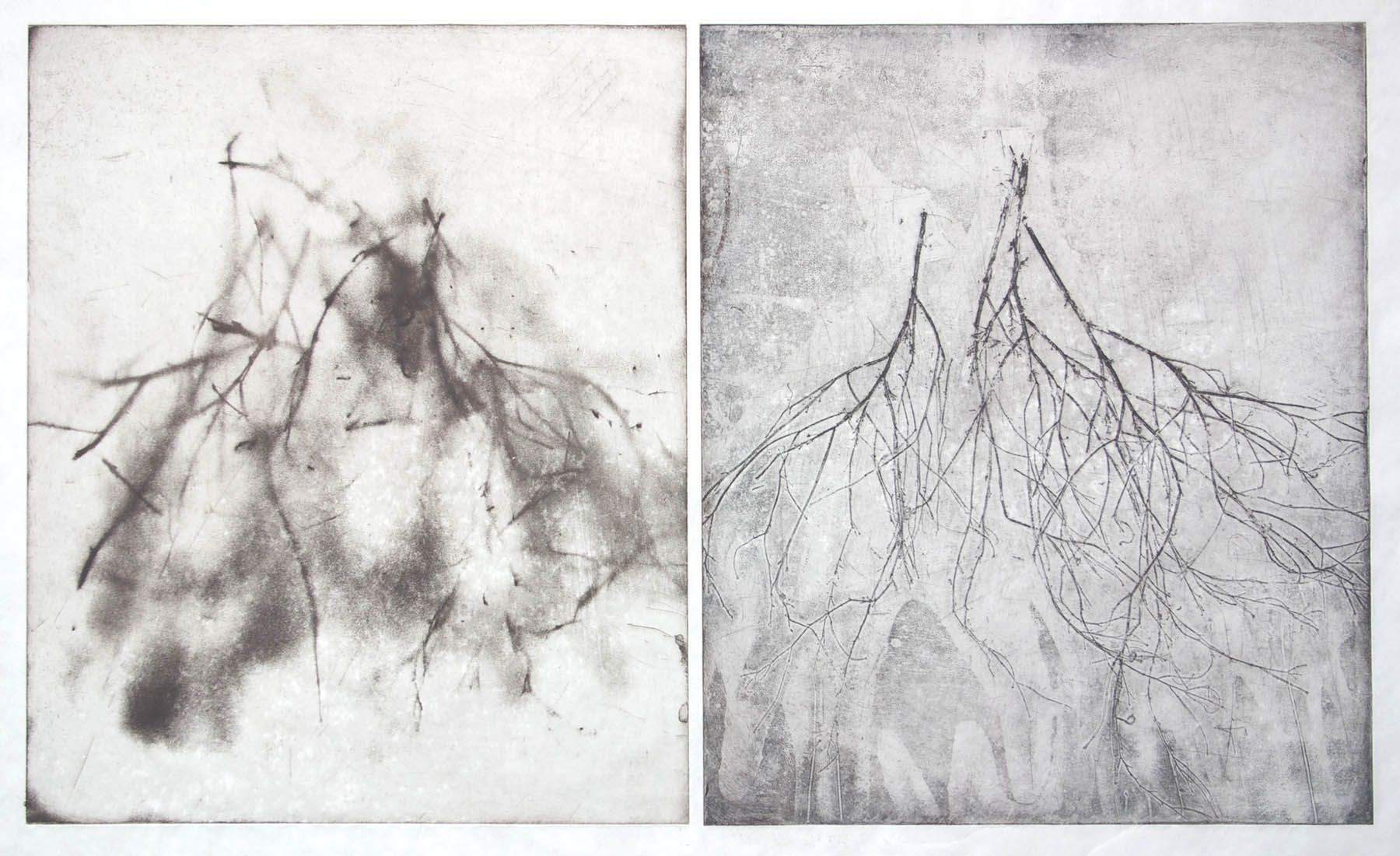
A formative influence was my childhood art teacher, with whom I studied from the age of seven through seventeen. She emphasized close observation, experimentation, and time spent outdoors, so much of my childhood unfolded in the woods—looking, collecting, and paying attention. That experience shaped the foundation of my work: process-oriented, materially driven, and attentive to the traces that time, use, and environment leave behind.
I went on to study English and Studio Art at Yale, and later received my MFA from the School of the Art Institute of Chicago, where I focused on offset printing and artists’ books. After graduate school, I committed to building a studio practice however I could—working early mornings at a grocery store and spending the rest of the day in the studio. That period established a rhythm of persistence and adaptability that still underpins how I work.
Over time, that commitment expanded into larger, site-responsive projects that engage architecture, history, and community. Working across printmaking, glass, video, and sound, I approach materials as carriers of memory—unstable, contingent, and often incomplete.
I am now based in the Dallas–Fort Worth area, where I serve as Printmaking Area Coordinator at the University of Texas at Arlington and maintain a studio at Easyside in Fort Worth, a community-driven space that has become an important anchor for my practice. Alongside teaching, I continue to develop installation-based work that evolves through research, site, and collaboration.
Alright, so let’s dig a little deeper into the story – has it been an easy path overall and if not, what were the challenges you’ve had to overcome?
One of my philosophies as an artist is to stay open to the unplanned. That openness has led to a lot of unexpected turns, but also a more interesting path. I think of a quote by William Kentridge: “It’s always been in between the things I thought I was doing that the real work has happened.”
Early on, the biggest challenge was just sustaining a practice—finding space, time, and resources. When I was living in Chicago, I had to get creative about workspace. At one point, I convinced a landlord to let me convert a storage room into a studio, and that became the center of my practice for several years. I’ve also lived in some unconventional situations to make things work: a pirate ship, an airstream in a warehouse, a treehouse, and various collective artist houses. It wasn’t always comfortable, but it allowed me to keep going.
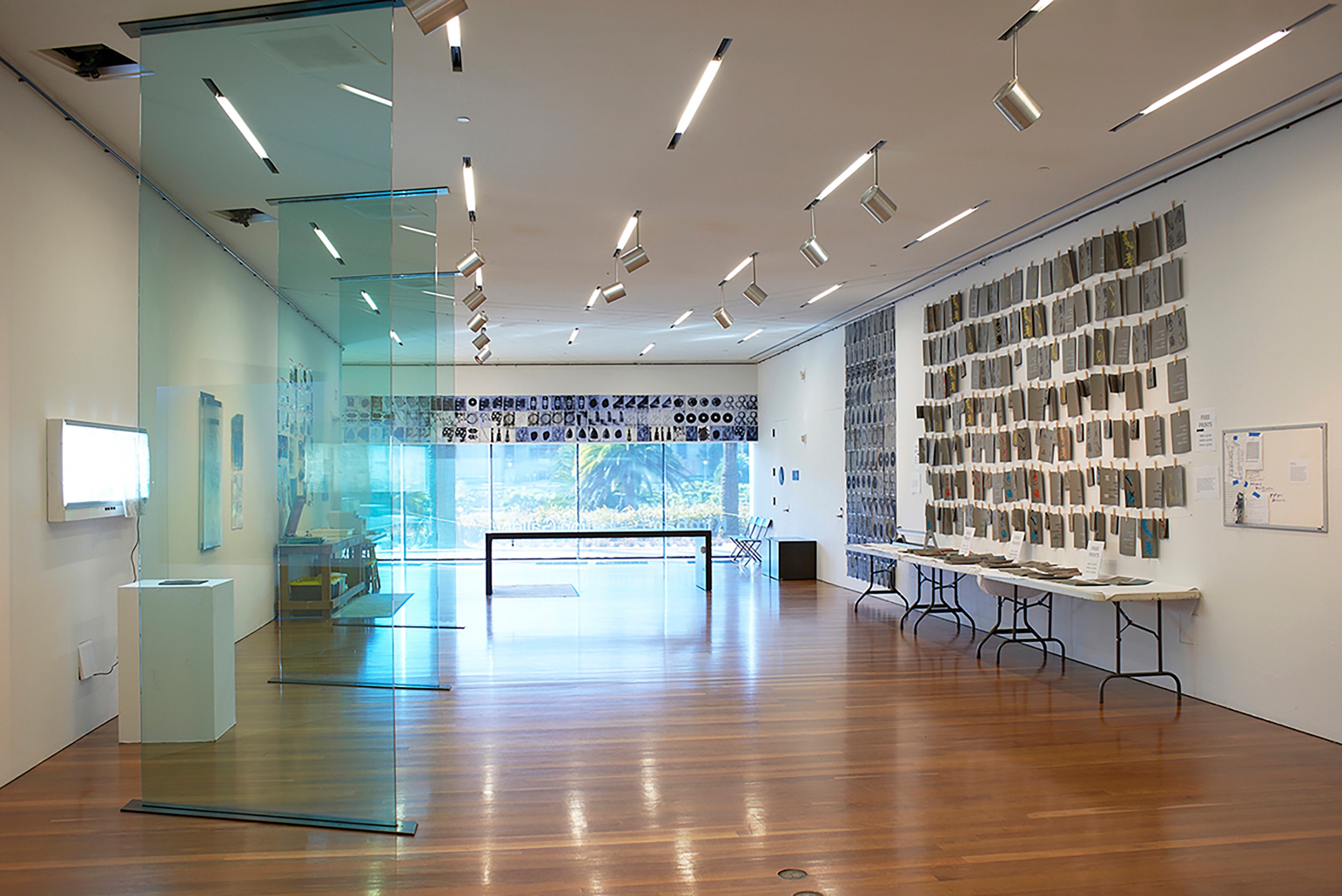
There’s also the reality that the installation component of my work isn’t easily sellable, so I’ve had to build a hybrid path to support that—teaching, freelance work, residencies, and grants. Recently, I completed an installation in the Boedeker Building in Dallas that used cast glass, electrical conduits, and materials gathered directly from the site. Like much of my work, it was immersive and specific to the space—something that exists fully in experience rather than as an object. Projects like that are incredibly meaningful to me, but they also require a different kind of support structure.
One of the biggest shifts for me was learning to accept the cyclical nature of this kind of career. There are intense periods of production and visibility, and then quieter periods of research and experimentation. Once I stopped seeing that as instability and started seeing it as part of the rhythm, things became much more sustainable.
Thanks for sharing that. So, maybe next you can tell us a bit more about your work?
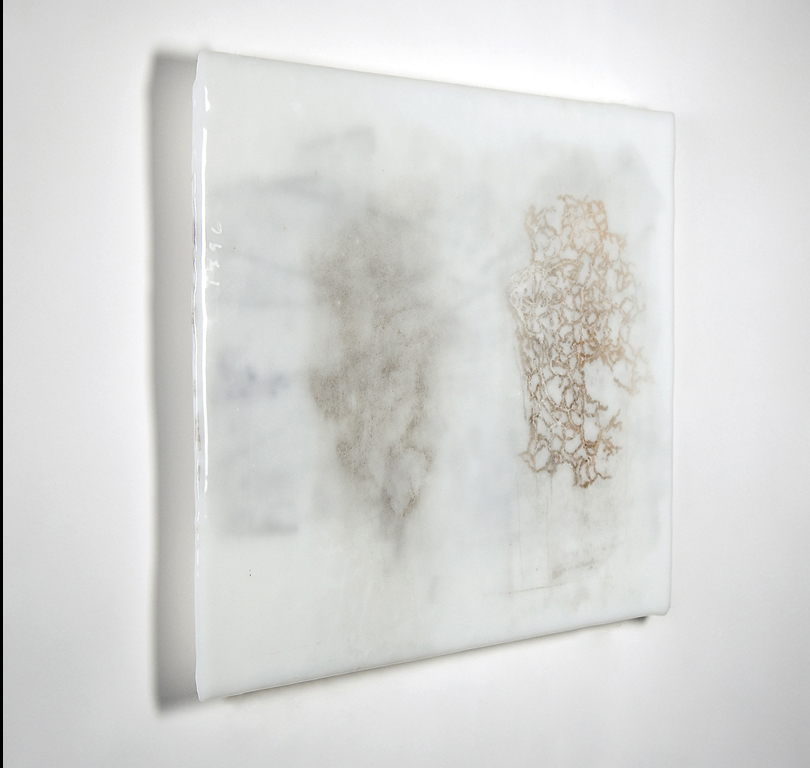
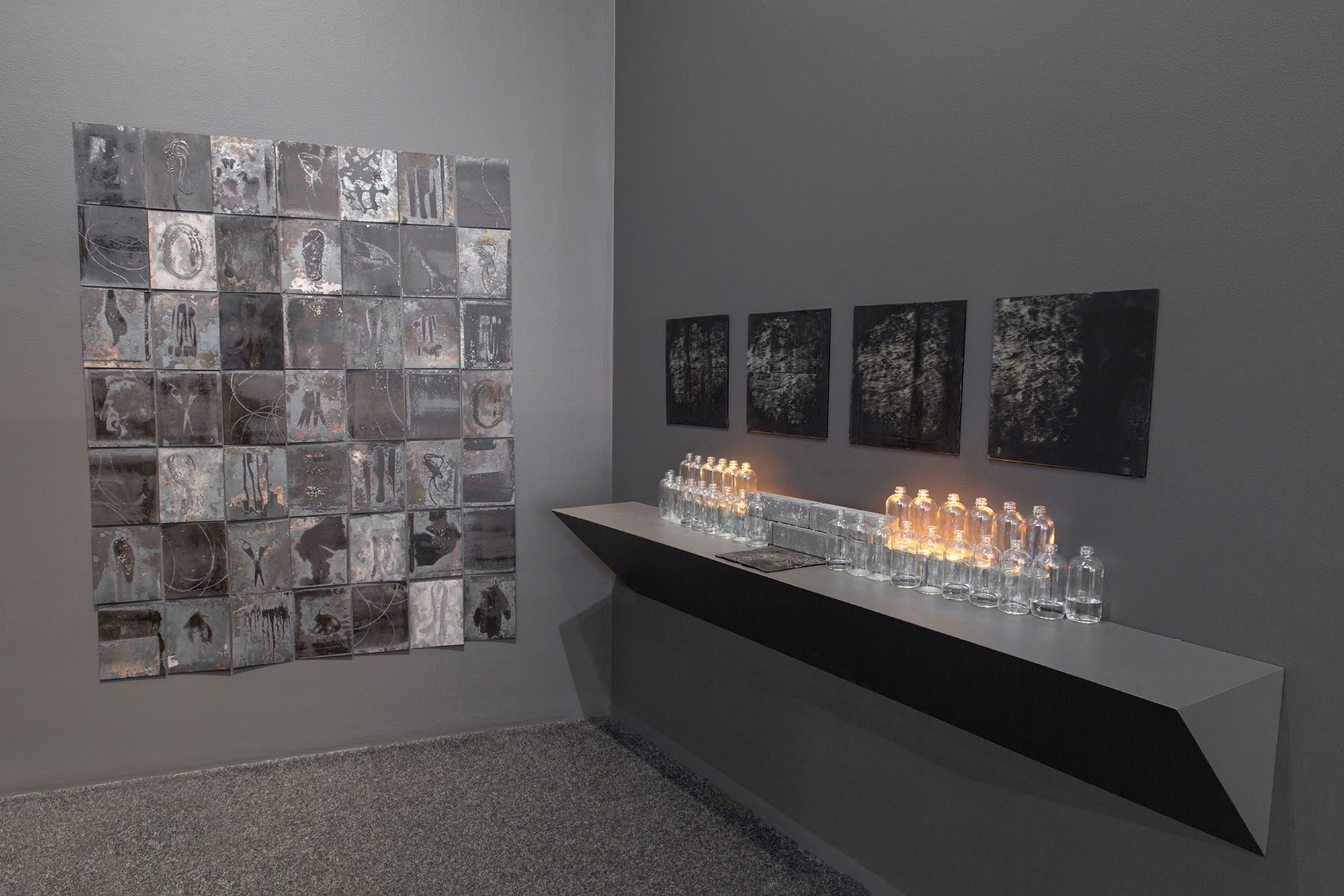
I create site-responsive installations that combine printmaking, glass, found materials, and, at times, video and sound. I’m especially interested in trace—how histories and events leave physical marks on materials and spaces—and I’m known for developing research-driven installations that transform industrial and found materials into shifting environments shaped by light, time, and instability.
My work begins with place. I spend time researching and observing, often working with materials that already carry history—dust, debris, industrial remnants—allowing them to shape the outcome rather than imposing a fixed image. The installations shift with light and viewer movement, emphasizing breakdown, misalignment, and change.
One project I’m especially proud of is a recent installation at the Boedeker Building in Dallas, where I used cast glass, electrical conduits, and site-derived materials to explore how systems persist but become unstable, and how communication fragments into residue.
Two earlier projects were pivotal in establishing this direction. The Façade Project (2004) involved placing portraits of U.S. soldiers killed in the Iraq War into the windows of a warehouse building in Chicago. At a time when images of the dead were largely absent from public view, the work made loss visible in a direct, unavoidable way. The response—both deeply appreciative and at times intensely critical—revealed how powerful transparency and proximity can be in shaping public experience.
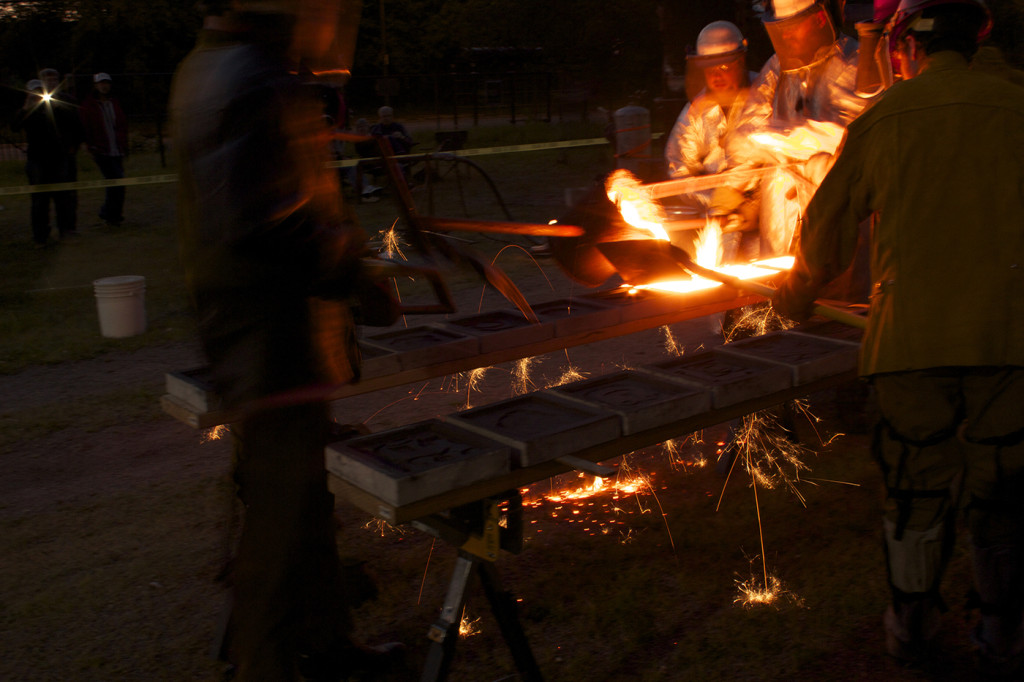
A decade later, Groundwork (2014), created at the Pullman Factory in Chicago, brought together long-term site engagement and community participation. A public iron pour drew a wide range of participants, many encountering the process for the first time. The final installation was composed from the remnants left behind—drips of molten metal, coal, and debris—forming a material record of the event and the collective labor that produced it.
What sets my work apart is that I treat materials and processes as active participants—allowing things to shift, erode, and misalign so the work becomes a record of interaction rather than a fixed image.
If we knew you growing up, how would we have described you?
I was very exploratory and observant. I spent a lot of time in the woods, building things, poking at materials, and trying to understand how things worked. I was equally drawn to science and art, and I never really separated the two.
I grew up in rural Virginia in a school system with a complex civil rights history, and that early exposure to place, history, and community has stayed with me. I think it’s part of why I’m drawn to working site-responsively and engaging with the histories embedded in different locations.
At the same time, I was very hands-on and experimental—taking things apart, testing materials, and seeing what would happen. That mindset—tinkering, observing, and following curiosity—has carried directly into my work. In a lot of ways, what I do now is just a more developed version of how I interacted with the world as a child.
Contact Info:
- Website: https://www.carrieiverson.work
- Instagram: https://www.instagram.com/carrieiverson