





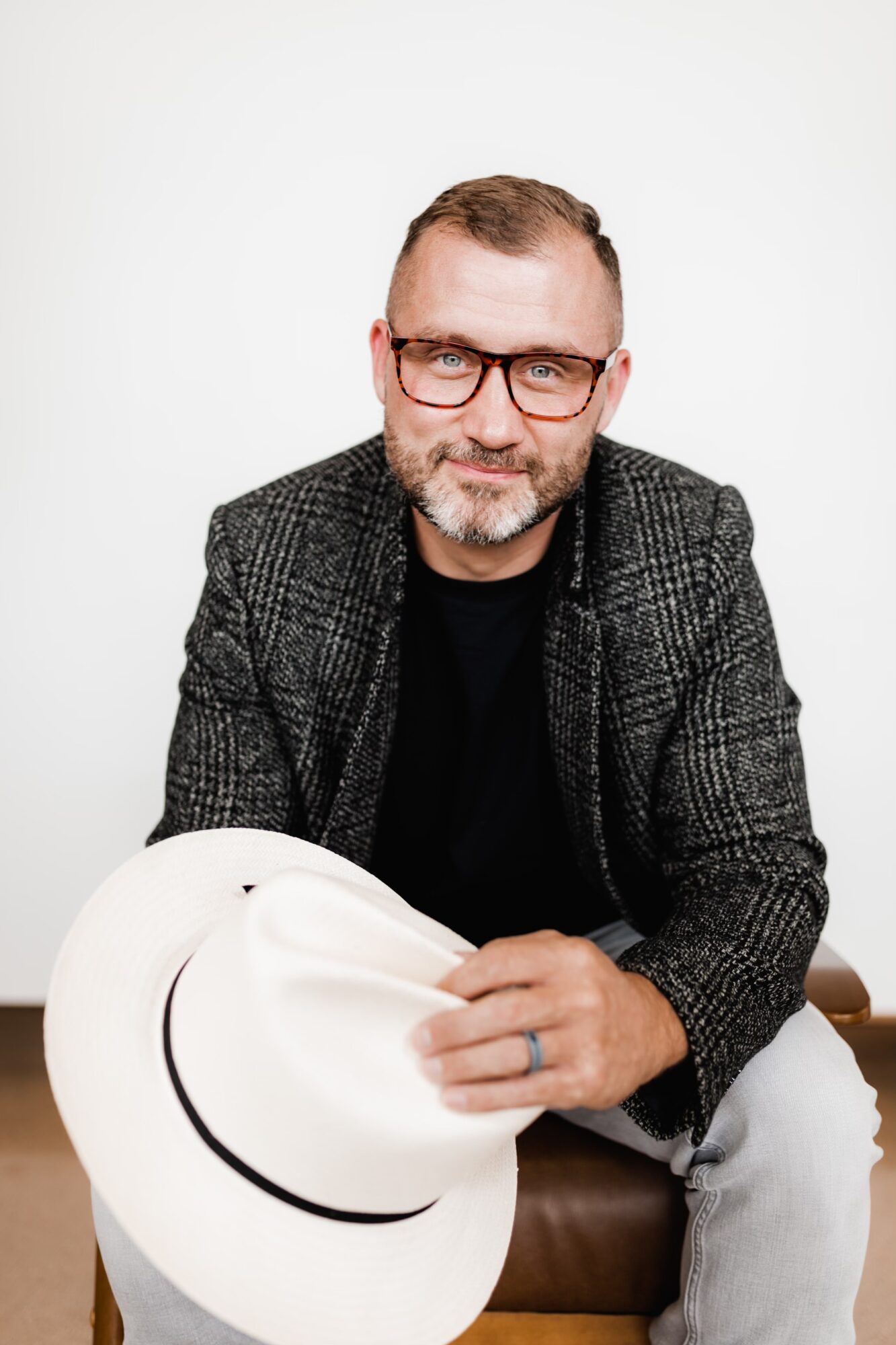
Today we’d like to introduce you to Chris Harper.
Hi Chris, please kick things off for us with an introduction to yourself and your story.
I didn’t start out trying to build an organization or a movement. I started as a man who was personally being confronted by the gap between what Scripture calls men to be and what most men—including myself at times—were actually living.
Like many guys, I loved Jesus, but I didn’t always know how to live with clarity, courage, and consistency as a man, husband, father, and leader. I saw the same thing in churches everywhere: good intentions, sincere faith, but very little formation when it came to biblical manhood. We had programs, but not pathways. Information, but not transformation.
Men attending—but drifting.
That burden wouldn’t let me go.
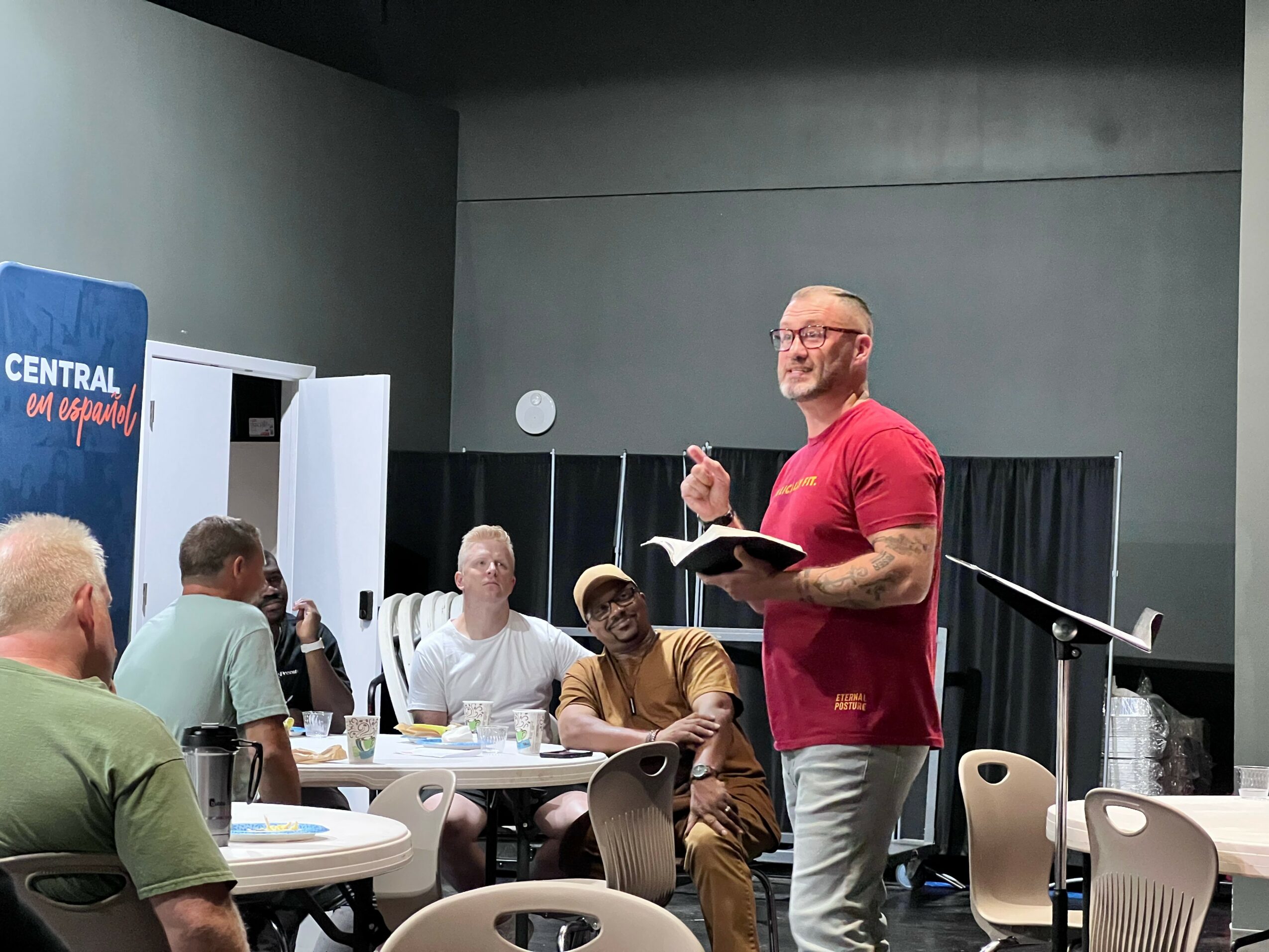
So I began where I was—walking with a few men, opening the Bible, asking harder questions, and calling one another to obedience, responsibility, and brotherhood. What started small began to multiply. Men didn’t need hype; they needed clarity. They didn’t need to be entertained; they needed to be challenged and known.
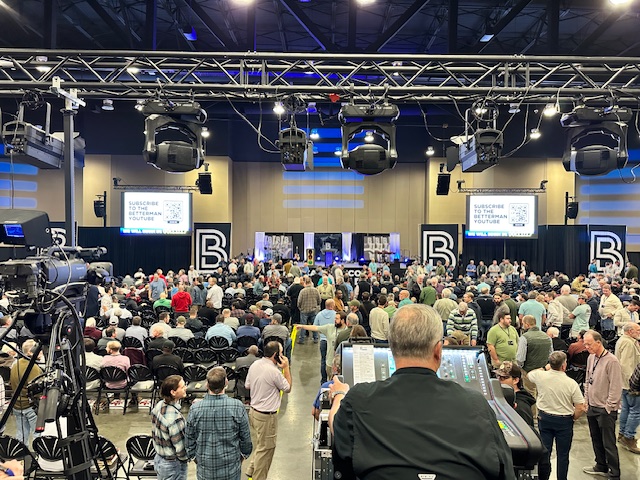
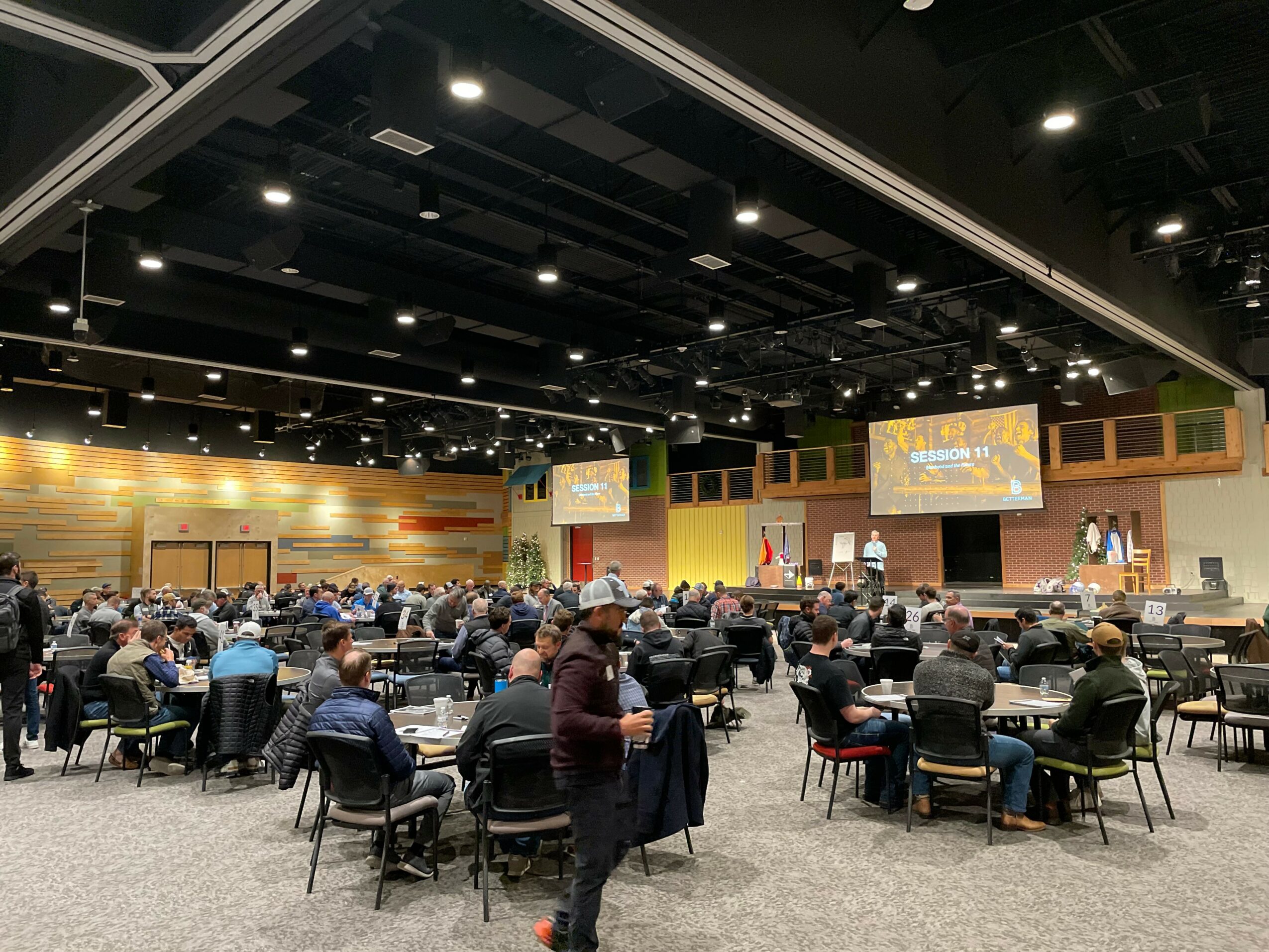
Today, I have the privilege of serving pastors, churches, and leaders across the country—and increasingly around the world—who are hungry to see men step up as faithful followers of Jesus in their homes, churches, and communities.
But at the core, nothing has changed. I’m still just a man trying to walk closely with Jesus, help other men do the same, and pass on something sturdy enough to last to the next generation.
Can you talk to us a bit about the challenges and lessons you’ve learned along the way. Looking back would you say it’s been easy or smooth in retrospect?
Not even close.
The road has been marked more by resistance, refinement, and reliance on God than by ease or momentum. Some of the hardest struggles weren’t external—they were internal.
Early on, there was a real temptation to chase affirmation: to measure success by numbers, applause, or visible growth instead of faithfulness. I had to learn—sometimes the hard way—that obedience often costs you momentum before it ever produces fruit. Saying no to good opportunities in order to say yes to the right ones was painful and clarifying.
There were also seasons of loneliness. Calling men to clarity, responsibility, and courage isn’t always popular—especially in a culture that often prefers comfort over formation. There were moments when the message was misunderstood, resisted, or labeled as too direct. That forced me to wrestle deeply with motive: Was I trying to be liked, or was I trying to be faithful?
Practically, there were real struggles too—financial uncertainty, slow adoption, and the weight of leading while still learning. Building something that serves churches meant carrying the tension of pace: moving fast enough to meet the need, but slow enough to stay rooted in Scripture, character, and conviction.
Through all of it, God kept refining the work by refining me. He exposed pride, deepened humility, and reminded me again and again that this isn’t my mission to manage—it’s His work to steward.
Looking back, I wouldn’t remove the hard parts. The resistance clarified the calling. The setbacks purified the vision. And the struggles anchored the work not in confidence in myself, but in dependence on the Lord.
As you know, we’re big fans of you and your work. For our readers who might not be as familiar what can you tell them about what you do?
At the heart of my work is a simple aim: helping men follow Jesus with clarity, courage, and consistency—and helping leaders build pathways that actually form men, not just engage them.
Practically, I serve pastors, churches, and leaders by equipping them with a clear, repeatable discipleship framework for men. I specialize in translating deep, biblical theology into accessible, actionable formation—helping men move from information to obedience, and from isolation to brotherhood. Much of my work sits at the intersection of Scripture, formation, and cultural clarity: naming the forces shaping men today and calling them back to responsibility, agency, and faithful presence.
What I’m probably best known for is being direct but pastoral—clear without being harsh, challenging without being cynical. I care deeply about rooting men’s discipleship in the whole counsel of God while refusing to water down the call of Jesus. Men don’t need to be entertained or managed; they need to be called, equipped, and sent.
What I’m most proud of isn’t a platform or a brand—it’s seeing ordinary men step into extraordinary faithfulness. Husbands loving their wives more sacrificially. Fathers becoming formers, not just providers. Men taking responsibility in their churches, workplaces, and communities. I’m especially grateful when I hear stories of men who once felt adrift now walking with confidence because they finally have clarity and brotherhood.
What sets this work apart is that it’s not personality-driven or hype-based. It’s intentionally transferable. The goal has never been to create dependence on a single voice, but to empower leaders and men to disciple others. We don’t just inspire—we build structures, language, and rhythms that can be reproduced across generations.
In the end, my calling isn’t to build something impressive. It’s to steward something faithful—something sturdy enough to be passed down, and strong enough to form men who will outlive the movement itself.
How do you define success?
I define success as faithfulness over time.
Success isn’t growth without depth, influence without integrity, or momentum without obedience. It’s doing what God has asked me to do—where He’s placed me—with a clean heart, steady hands, and a willingness to keep going when the work is unseen or costly.
Practically, success looks like men becoming more obedient to Jesus, not just more informed. Homes becoming healthier. Churches becoming stronger because men are present, responsible, and spiritually anchored. Leaders being multiplied rather than centralized. The work continuing even when I’m not in the room.
Personally, success means finishing well—loving my wife, being present with my kids, staying teachable, and guarding my soul as carefully as I guard the mission. If the ministry grows but my family or character shrinks, that’s failure, no matter how impressive it looks from the outside.
Ultimately, success is hearing “well done” from God, not “well known” from people. It’s building something that lasts beyond me—men who make disciples, who carry the faith forward, and who pass on something sturdy to the next generation.
Contact Info:
- Website: https://www.betterman.com
- Other: https://charper.substack.com