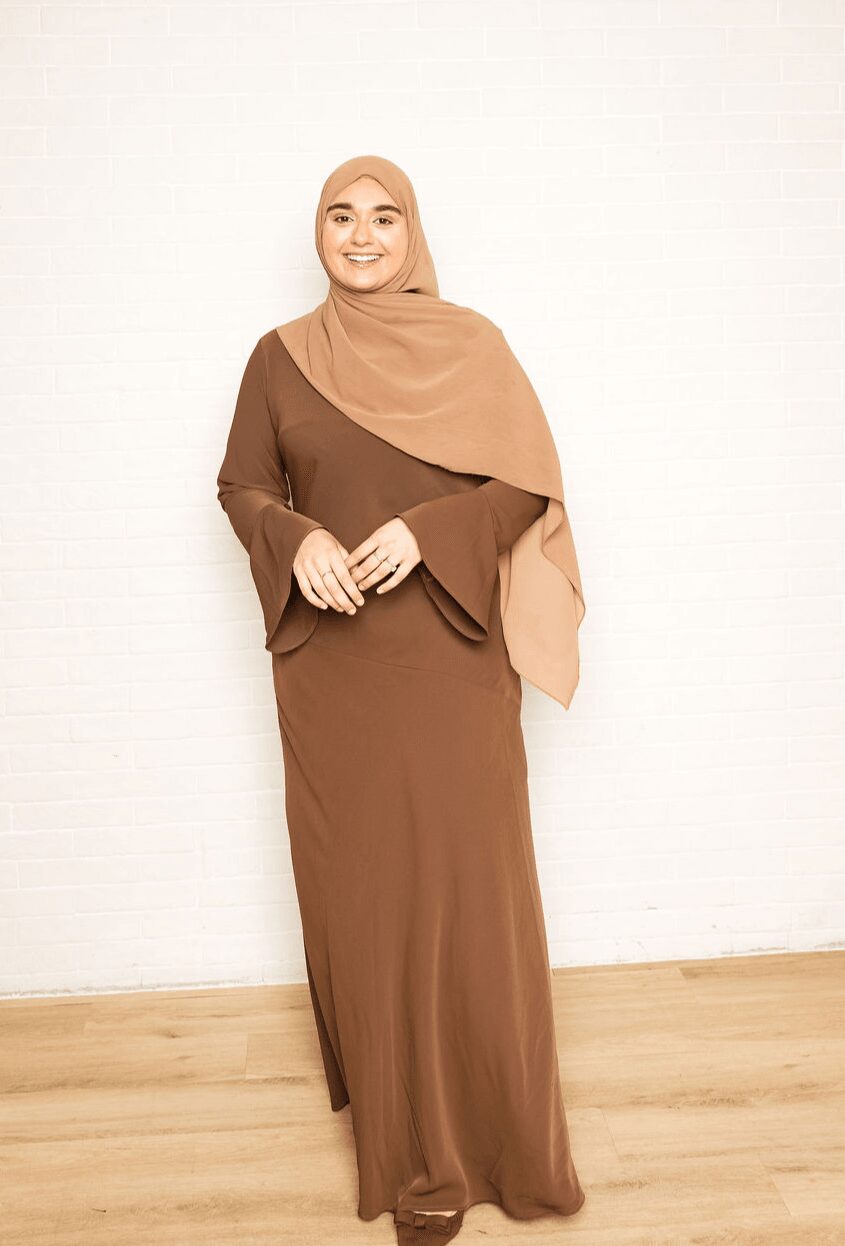






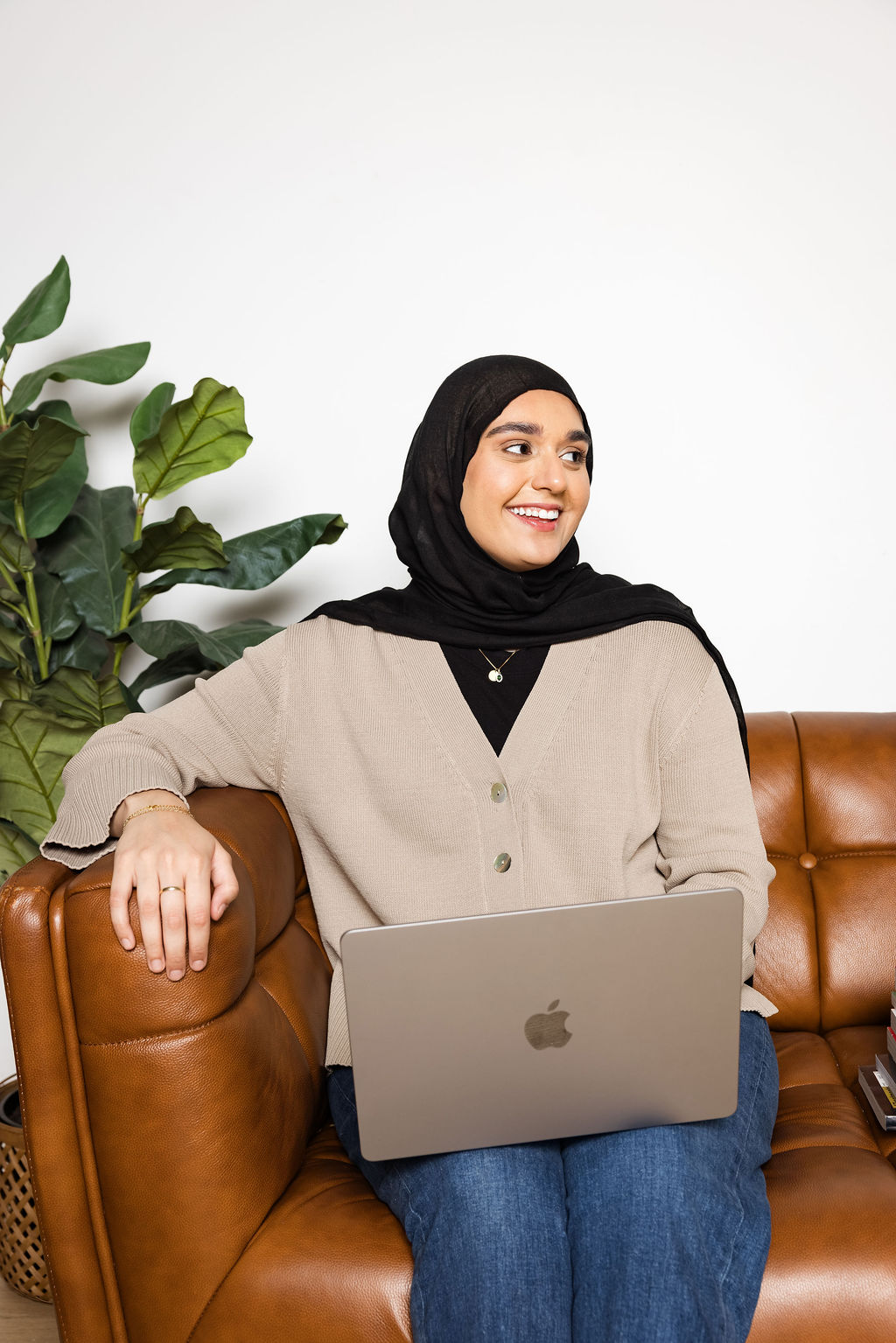
Today we’d like to introduce you to Hajrah Javed.
Hi Hajrah, please kick things off for us with an introduction to yourself and your story.
Going into undergrad, I knew I wanted to pursue a career in mental health counseling. I come from a South Asian background where mental health and emotional wellness weren’t openly talked about or discussed. Experiencing that gap firsthand really motivated me to be part of changing that narrative and making mental health care more accessible and understood.
I earned my bachelor’s degree in psychology from the University of Houston, where I started building a strong foundation in understanding human behavior. From there, I went on to complete my master’s in Clinical Mental Health Counseling at Midwestern State University.
During graduate school, I had the opportunity to intern at a South Asian, Muslim owned therapy practice, which was a really meaningful experience for me both personally and professionally. Through that, I was able to work at a nonprofit where I supported a diverse population, including Afghan refugees, individuals experiencing homelessness, and immigrants from a variety of backgrounds. That experience taught me a lot about cultural humility, adaptability, and meeting clients where they are, and it played a significant role in shaping me into the clinician I am today.
After completing my training, I was intentional about finding a practice that aligned with my values, especially around cultural awareness and accessibility. I’ve been fortunate to work in a setting where I primarily work with BIPOC communities, which has been incredibly meaningful given my background and the importance of culturally responsive care.
What really drives my work is creating a space where clients feel genuinely seen, understood, and supported, especially individuals who may come from backgrounds where mental health has been stigmatized or minimized. A large part of my work focuses on relationship concerns, whether that’s within families or intimate relationships, and helping clients navigate communication, expectations, and patterns that impact those dynamics.
I bring both my clinical training and cultural awareness into my work, which allows me to connect with clients in a way that feels authentic and meaningful.
I’m sure it wasn’t obstacle-free, but would you say the journey has been fairly smooth so far?
It hasn’t been a completely smooth road, but those challenges have really helped me grow.
During graduate school, one of the biggest challenges was balancing coursework with practicum and internship hours. Managing both the academic demands and the responsibility of working with clients was not always easy, but it taught me a lot about time management, boundaries, and how to stay present in my work. After that, another challenge was finding the right environment to continue developing as a clinician. It took time to find a practice and supervisor that truly aligned with the kind of work I wanted to do. I’ve been fortunate to find that in my current practice and supervisor, which has made a big difference in my growth.
Throughout that process, support from my family, along with guidance from other practitioners and mentors, played a really important role in helping me move forward. There were also moments of self-doubt early on, and while that still comes up at times, I’ve learned how to work through it in a more grounded and intentional way rather than letting it hold me back. Overall, those challenges have helped me become more intentional, resilient, and confident in the way I show up as a therapist.
Can you tell our readers more about what you do and what you think sets you apart from others?
I currently work at a practice called Intentional Therapy, which has been a really strong fit for me. The practice focuses on culturally attuned, non-traditional therapy, especially for BIPOC communities, and really emphasizes meeting clients where they are. We focus on practical tools that actually fit into a client’s life, their family, and their cultural context, rather than using a one-size-fits-all approach.
In my work, I mainly support individuals who are dealing with anxiety, depression, relationship challenges, and feeling stuck in patterns they want to change. A lot of the clients I see are high-functioning on the outside, but internally feel overwhelmed, overthink a lot, or struggle with self-worth. Others come in feeling low, unmotivated, or disconnected, and we work together to understand what is contributing to that and how to move forward in a way that feels manageable. A big part of my work is around relationships, and that includes more than just romantic relationships. I also work with clients on navigating relationships with parents, siblings, in-laws, and family expectations.
I would say I am known for being both warm and real. I am engaged, I ask questions, and I will gently challenge patterns when needed. I want clients to feel supported, but also leave sessions with something practical or a new perspective they can use in their daily life. What I am most proud of is the space I have created for my clients. Many come in feeling like they have to hold everything together or like something is wrong with them, and over time they begin to feel more grounded, more confident, and more trusting of themselves.
What sets me apart is that I really look at the full context of a person’s life. I do not separate mental health from culture, identity, or relationships. I bring all of that into the work so clients can show up fully as themselves without feeling like they have to explain or minimize any part of who they are
What matters most to you? Why?
What matters most to me is being able to fully understand and embrace who I am, and creating space for others to do the same.
I come from a South Asian background, and my parents immigrated from Pakistan. Growing up, I didn’t always embrace my identity in the way I do now. There were times where I felt like I had to separate parts of myself to fit into different environments. As I’ve gotten older, I’ve developed a much deeper appreciation for my culture, my upbringing, and the sacrifices my parents made to get me to where I am today. That shift has been really significant for me, and it’s shaped the way I see both myself and others.
Because of that, what matters to me is creating spaces where people don’t feel like they have to filter or explain parts of who they are just to be understood. I think that’s especially important in therapy. A lot of research and even some therapeutic approaches that are considered “multicultural” don’t always fully account for the role of culture, religion, and family dynamics in people’s lives.
That’s why in my work, I try to create an environment that feels authentic and real, where clients, especially those from diverse backgrounds, can show up fully as themselves without having to minimize any part of their identity. I want therapy to feel like a space where they are genuinely understood within the context of their experiences, not separate from them.
Pricing:
- Free 15-Minute Consultation
- Individual Sessions $110
- Premarital & Couples Sessions $160
Contact Info:
- Website: https://www.intentionaltherapypllc.com/hajrahjaved
- Other: https://www.psychologytoday.com/us/therapists/hajrah-javed-the-breakup-whisperer-dallas-tx/1592104