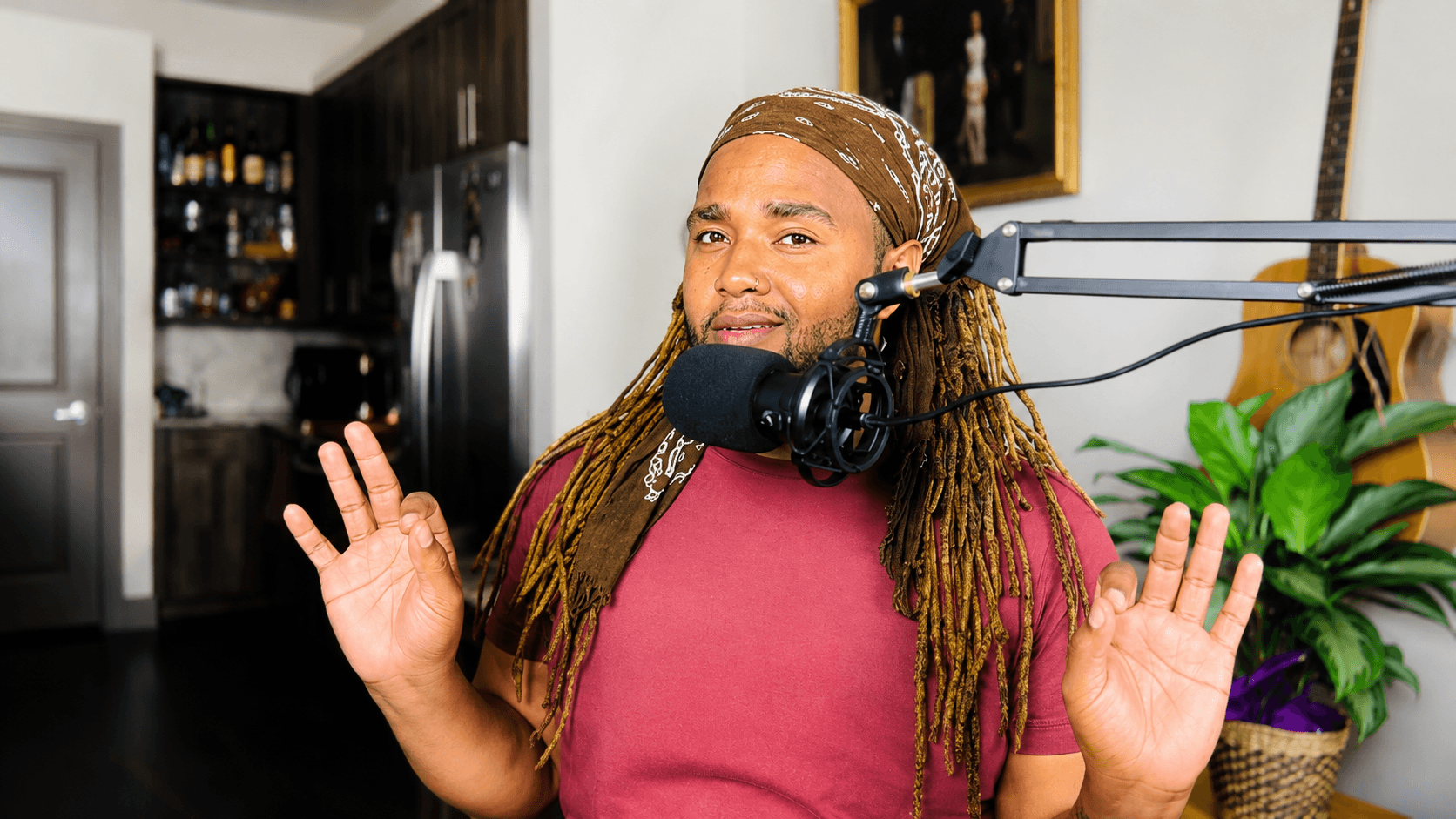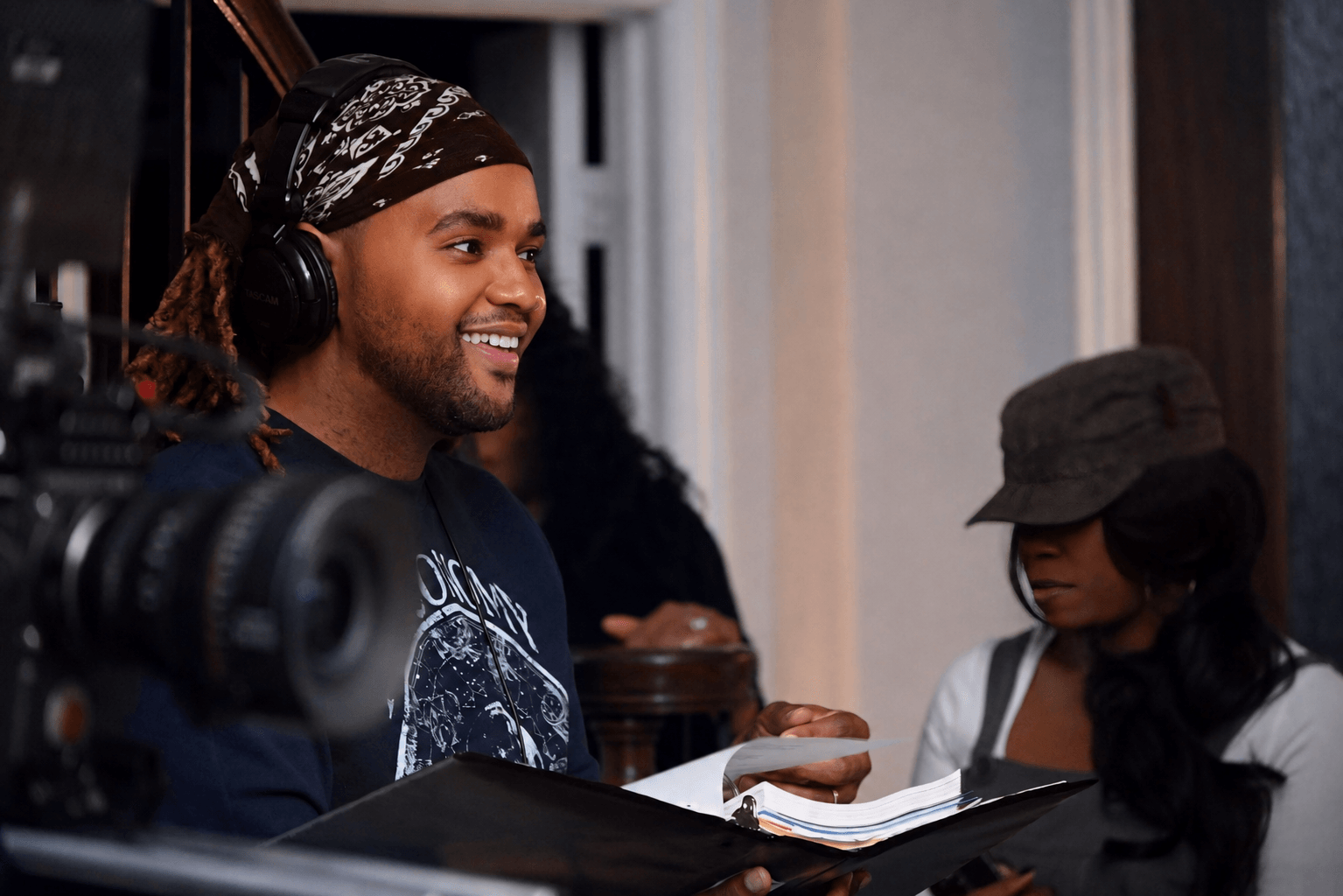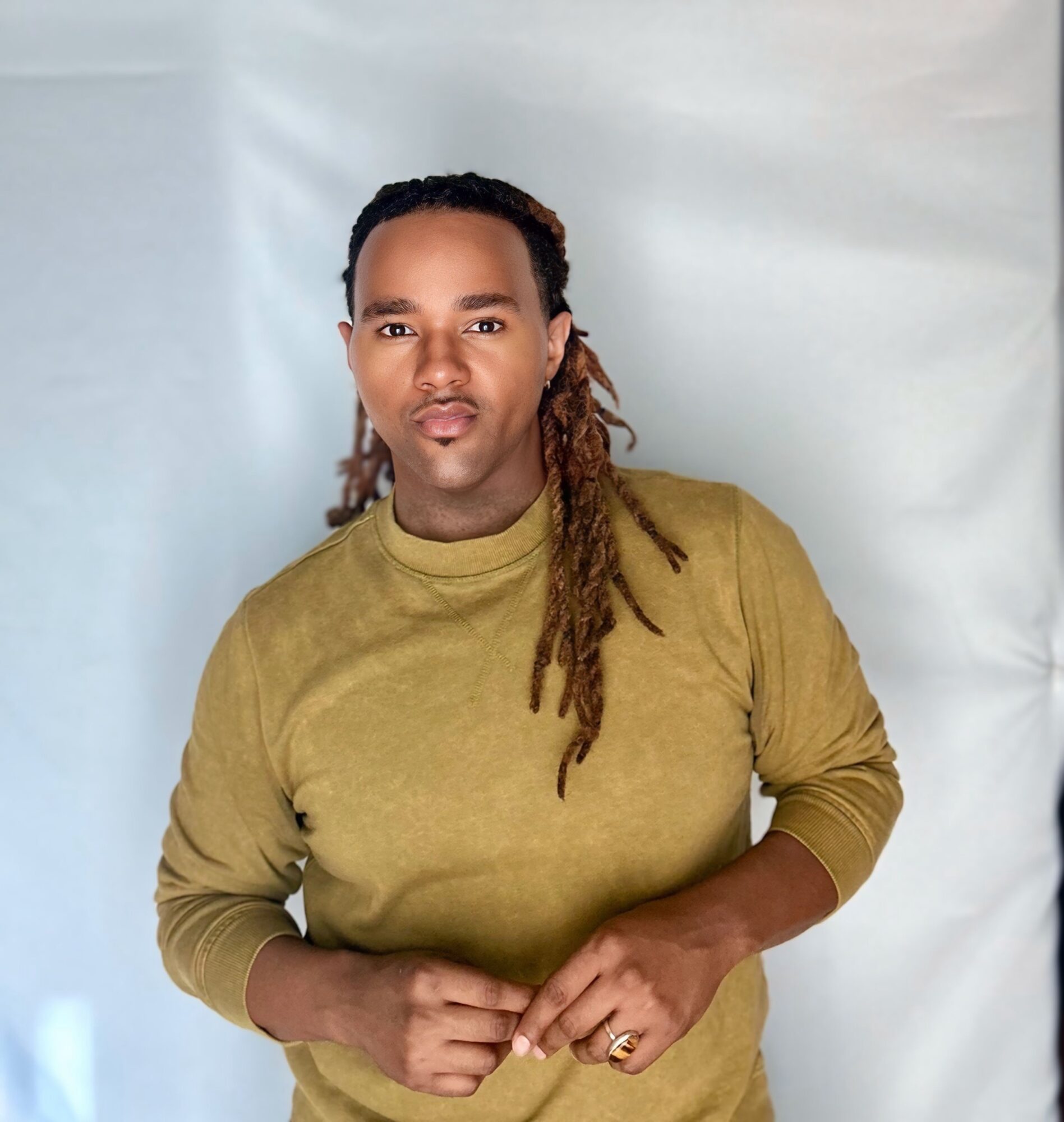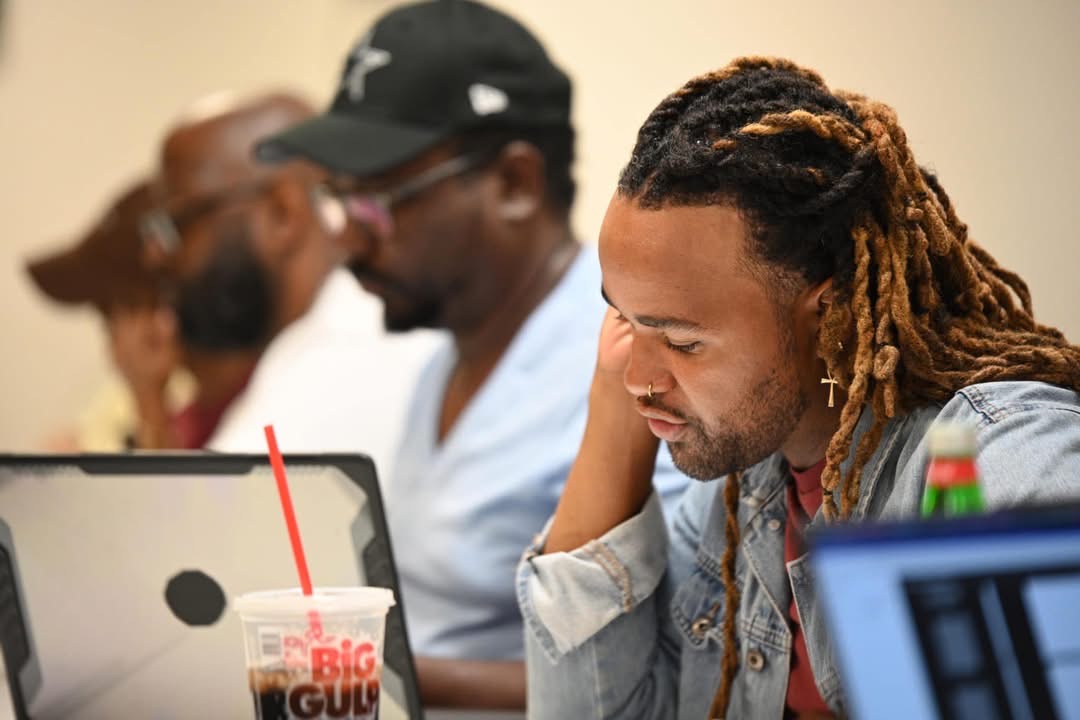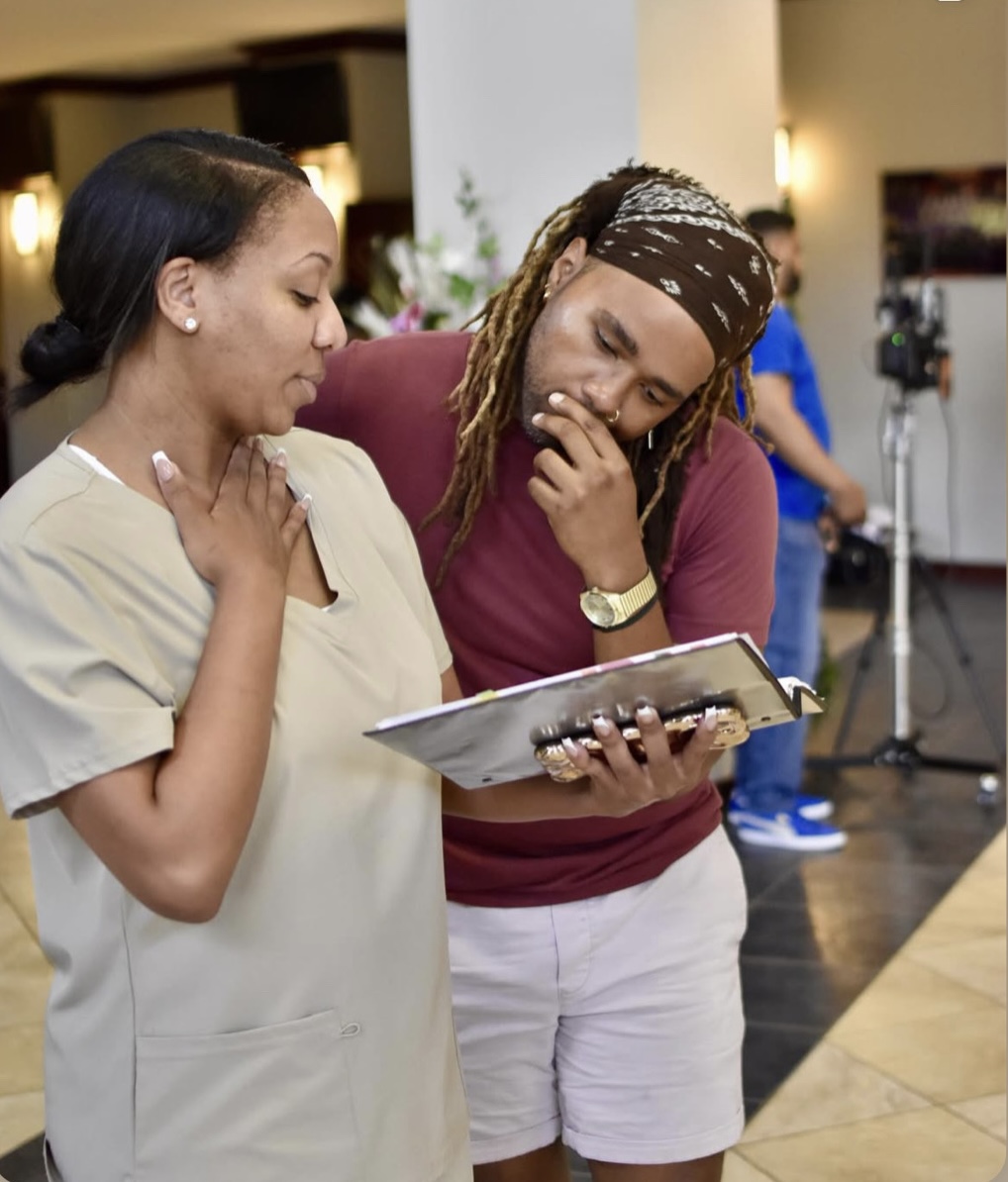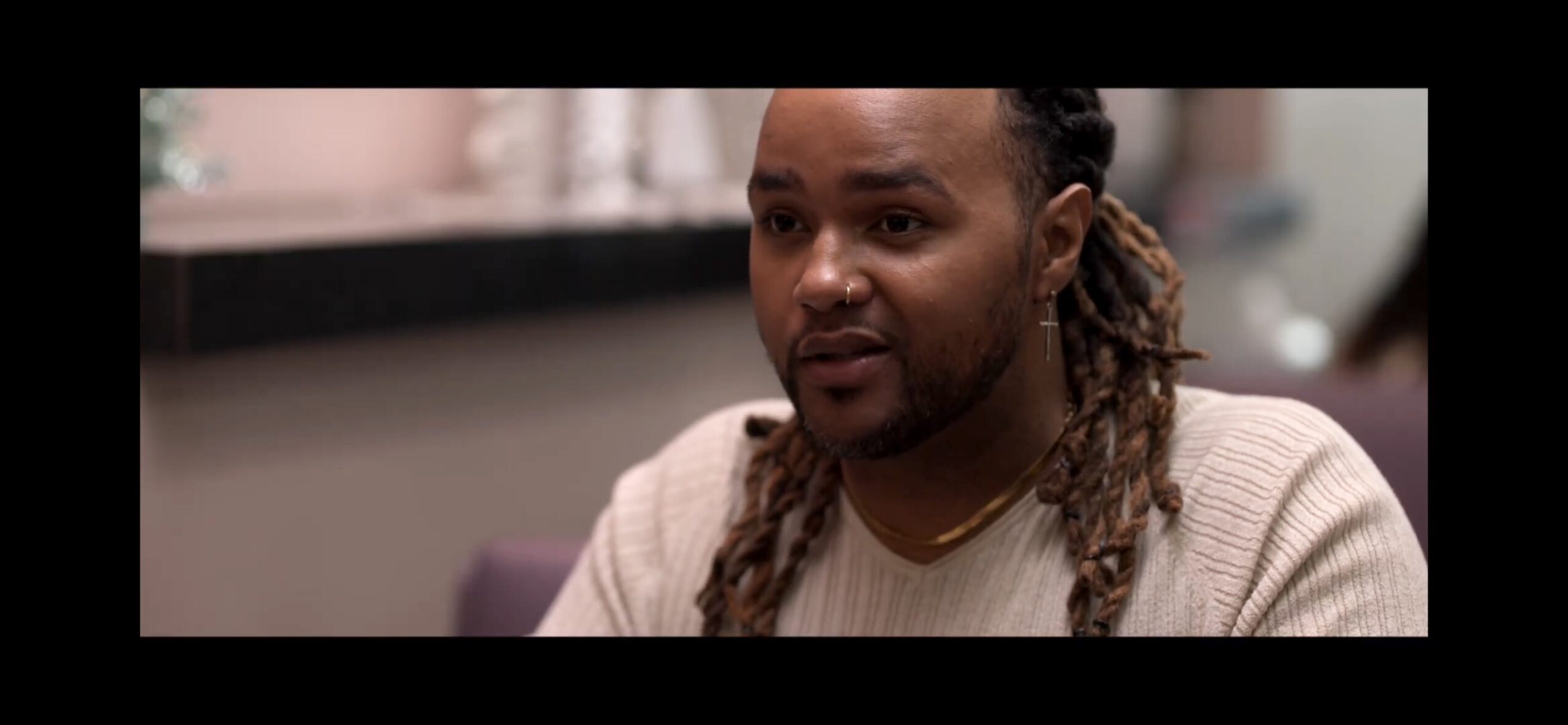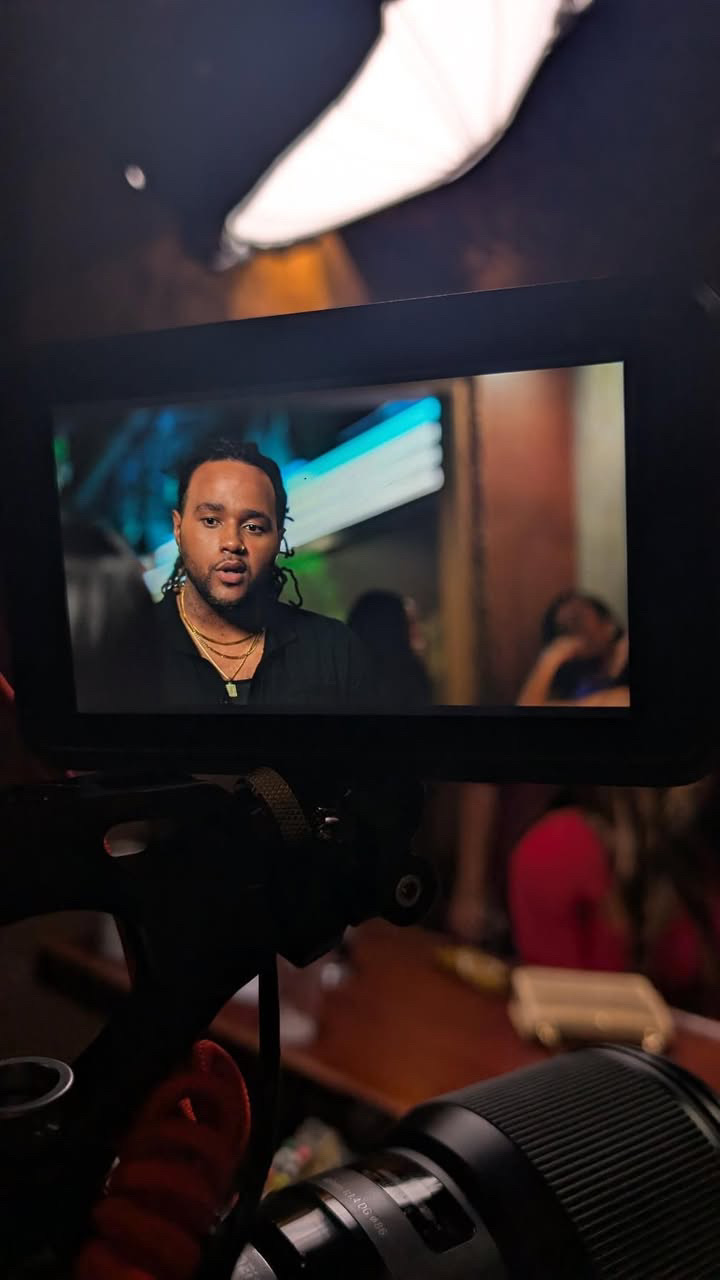





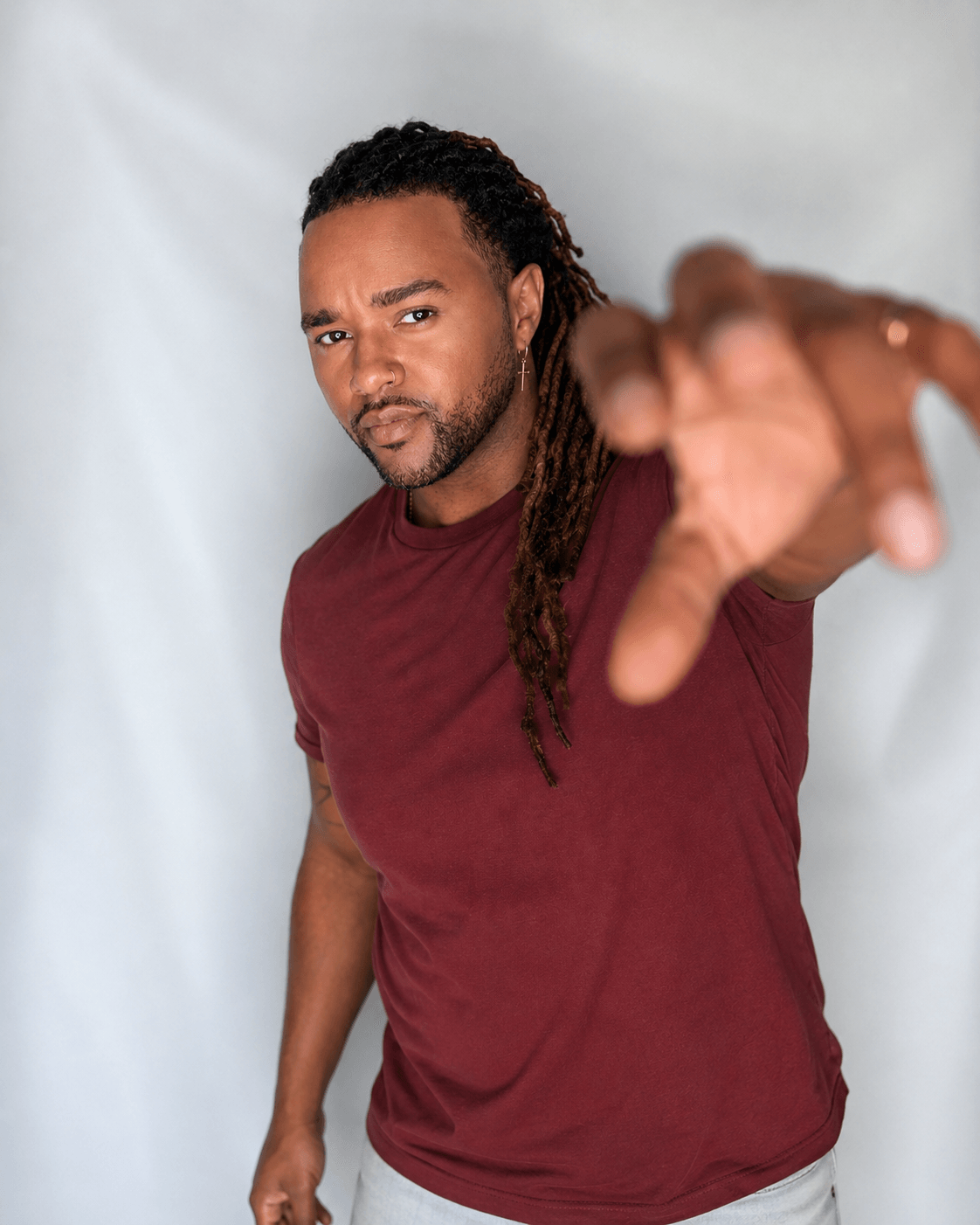
Today we’d like to introduce you to Julian Blake.
Julian, we appreciate you taking the time to share your story with us today. Where does your story begin?
I think sometimes life will show you yourself before you’re even sure how to interpret the image.
I was in the fifth grade the first time something I wrote was published. It was a poem in a Dallas newspaper. I didn’t understand that moment as some grand introduction to a career. I was just a kid who loved words and had written something somebody thought was worth printing.
But looking back, I can see that life had already started leaving me breadcrumbs.
Writing stayed with me. So did performance. So did language. I spent years in ministry, where I learned something about cadence, communication, interpretation, audience and what it means to stand in front of people and try to make an idea live. I performed onstage. I wrote books. I spent nearly eight years in luxury retail and corporate work. At the time, those things could feel completely unrelated.
Now I know better.
Very little of my life has been wasted.
That is something I’ve been thinking about a lot lately. I’ve learned to let nothing go to waste. Nora Ephron famously lived by a phrase she learned from her mother: “Everything is copy.” I’ve come to understand that in my own way. Life gives us experiences, people, failures, joys, disappointments, questions, contradictions—and if I’m paying attention, there is almost always something there I can use. Something I can learn from. Something I can pull from later. Sometimes you have to squeeze the nectar out of an experience before you understand why you had it.
And I think that’s part of the work.
A storyteller’s first job is to pay attention.
We observe and report on the human condition. We watch people. We listen. We notice what someone says and what they avoid saying. We notice what hurts, what heals, what makes people laugh, what makes them hide, what makes them reach for one another. All of that becomes material—not because human beings are material, but because human experience is where stories come from.
For me, the breadcrumbs finally became a road when I finished my first screenplay, Frienemies/Besties & Backstabbers (Tubi). I remember getting to the end of that script and not having some eloquent declaration about my future. The only thing I could say was, “This is what I want to do with myself.”
That was it.
It became very plain to me. I could do this for the rest of my days.
Since then, that road has continued to open. I’ve written books, screenplays and stage work. I’ve watched stories that once lived only in my head become productions with actors, directors, sets and audiences. I’ve stepped in front of the camera myself. I’ve written across genres—from spiritual work and children’s literature to drama, thrillers and comedy—and somewhere along the way I stopped feeling the need to explain why all of those things belong together.
They belong together because I do.
These days, I think of myself as a full-spectrum artist. Writing is still the center of gravity, but I’m interested in every place a story can live. Sometimes it becomes a book. Sometimes a screenplay. Sometimes a stage. Sometimes a character I get to embody myself.
I don’t know that I got here by following a traditional path. I think I got here by finally learning how to read the breadcrumbs.
And when I look all the way back to that fifth grader seeing his words in print, I realize the road didn’t begin when I decided to become a writer.
The road was already underneath my feet.
We all face challenges, but looking back would you describe it as a relatively smooth road?
No, it hasn’t been a smooth road, and to be quite honest, smooth roads make me a little nervous.
Most things worth having require some resistance. A little push. A little effort. Sometimes even a little intimidation. I don’t necessarily need the road to be smooth; I need to know I’m willing to keep walking it.
Some of the greatest challenges along mine have actually been internal.
There are always external voices. People question your choices. They wonder whether you’re being practical, whether you’re dreaming too big, whether you should choose something safer or more predictable. And sometimes, if you hear those voices long enough, they learn how to imitate your own.
That has been one of my real struggles: learning to recognize when fear is speaking in my voice.
There are days when I ask myself the same questions other people have asked me. Am I being unrealistic? Am I chasing something when I should be doing something more conventional? Wouldn’t life be easier if I just chose the safer thing?
And the truth is, sometimes it would be.
I could choose easier. I could choose more predictable. I could organize my life around avoiding uncertainty. But I’ve learned that ease and alignment are not always the same thing.
So I challenge those challenges every day.
For me, that’s part of what faith actually is. Faith isn’t never questioning yourself. It isn’t walking around in some permanent state of certainty. Sometimes faith is having to convince yourself again of something you knew yesterday. Sometimes you have to keep believing something long enough for your life to catch up with your conviction.
Maya Angelou titled one of her books Wouldn’t Take Nothing for My Journey Now. I’ve carried that phrase with me for years, but somewhere along the way I gave it another meaning for myself:
I wouldn’t take anything for my journey now, but I wouldn’t take anything from my journey either.
I wouldn’t remove the uncertainty. I wouldn’t remove the rejection. I wouldn’t remove the seasons when I questioned myself. I wouldn’t remove the mistakes, the detours or the moments when I had to build with less than I wanted. Because every one of those things has introduced me to some part of myself I might not have met otherwise.
That doesn’t mean I enjoy every challenge while I’m in it. Absolutely not. Sometimes growth is beautiful in retrospect and raggedy as hell while it’s happening.
But I’ve stopped requiring the road to be smooth before I trust that it’s mine.
I don’t need an easy road. I need the courage to keep recognizing my road when it gets hard.
Appreciate you sharing that. What else should we know about what you do?
I’m a writer first, but I consider myself a full-spectrum artist.
Writing is the center of gravity for me, but what I specialize in, more than any particular genre or medium, is people. I’m fascinated by human beings—particularly the contradictions that make us human.
For a long time, I thought being taken seriously as an artist required me to narrow myself down. Pick the thing. Pick the genre. Pick the audience. Give people one clean sentence they can use to understand what you do. Eventually, I realized that would require me to misunderstand my own work.
Full-spectrum doesn’t just describe the range of things I create. It describes the way I see people.
I don’t believe one truth about a person should be allowed to swallow all the others. Someone can be faithful and questioning. Strong and frightened. Masculine and tender. Brilliant and foolish. Hurt and still capable of hurting somebody else. Funny in the middle of grief. Certain on Monday and completely lost by Thursday.
All true. None sufficient.
That philosophy follows me into everything I write. I’m not interested in characters who exist merely to represent an idea. Even when I’m writing about faith, race, sexuality, family, trauma or identity, I’m looking for the person underneath the subject.
Charles Mingus said that making the complicated simple—“awesomely simple”—is creativity. I love that because I think storytelling does exactly that. Human beings are extraordinarily complicated. A good story doesn’t have to reduce that complexity; it gives us a way to approach it.
And if I reduce my characters to anything, I reduce them to human.
Once I can get you there, everything else becomes possible. You don’t have to share a character’s race, faith, sexuality, politics, history or circumstances to recognize their loneliness. Or their jealousy. Their hunger. Their shame. Their ridiculousness. Their desire to be loved. Their need to belong.
Humanity is the common language. Story is the translation.
That’s probably what I’m most proud of and what I hope distinguishes my work. I want to make complicated people accessible without making them smaller. I want to take all those contradictions—all those hundred things that can be true about one person—and arrange them into something an audience can enter.
Not reduced. Not flattened. Made approachable.
Because my job as a storyteller isn’t to make humanity less complicated.
It’s to make the complicated human enough to recognize.
What makes you happy?
What makes me happiest is seeing joy work in somebody else.
I love seeing things go well for people. I love watching people grow, evolve, fall in love, succeed, heal, take chances, choose themselves or simply have a really good day. And I especially love when something I’ve been able to share—my story, my time, my resources, my encouragement, whatever I have—becomes useful to somebody else.
Not from a place of people-pleasing. I just really love people.
Georgia Engel once described joy as something holy and divine that can never really be owned, only reflected. I’ve always loved that idea because I think there’s something profoundly human about it. We don’t possess joy. We participate in its reflection.
Sometimes somebody else gets to shine in my face. Sometimes I get to shine in theirs.
I think that’s why another person’s happiness can make me so happy. It reminds me that whatever is good in this life doesn’t have to belong to me for me to experience it. I can witness somebody else’s light without needing to stand in it.
That makes me feel more human.
And outside of all that lofty shit? 😂 My dog Preston makes me ridiculously happy. So does getting completely lost in a great story. There’s something therapeutic about surrendering my own life for a couple of hours and letting somebody else’s imagination take over.
But at the center of it all, I think my answer is joy itself—mine, yours, anybody’s.
I just like when the light gets around.
Contact Info:
- Instagram: https://www.instagram.com/the_julianblake?stkn=MWZyNHQzeG02enhibQ%3D%3D&utm_source=qr
- Facebook: https://www.facebook.com/share/14rWp1gbFPQ/?mibextid=wwXIfr
- Other: https://www.amazon.com/stores/Julian-Blake/author/B0FHZHDNNS?ref=ap_rdr&shoppingPortalEnabled=true