






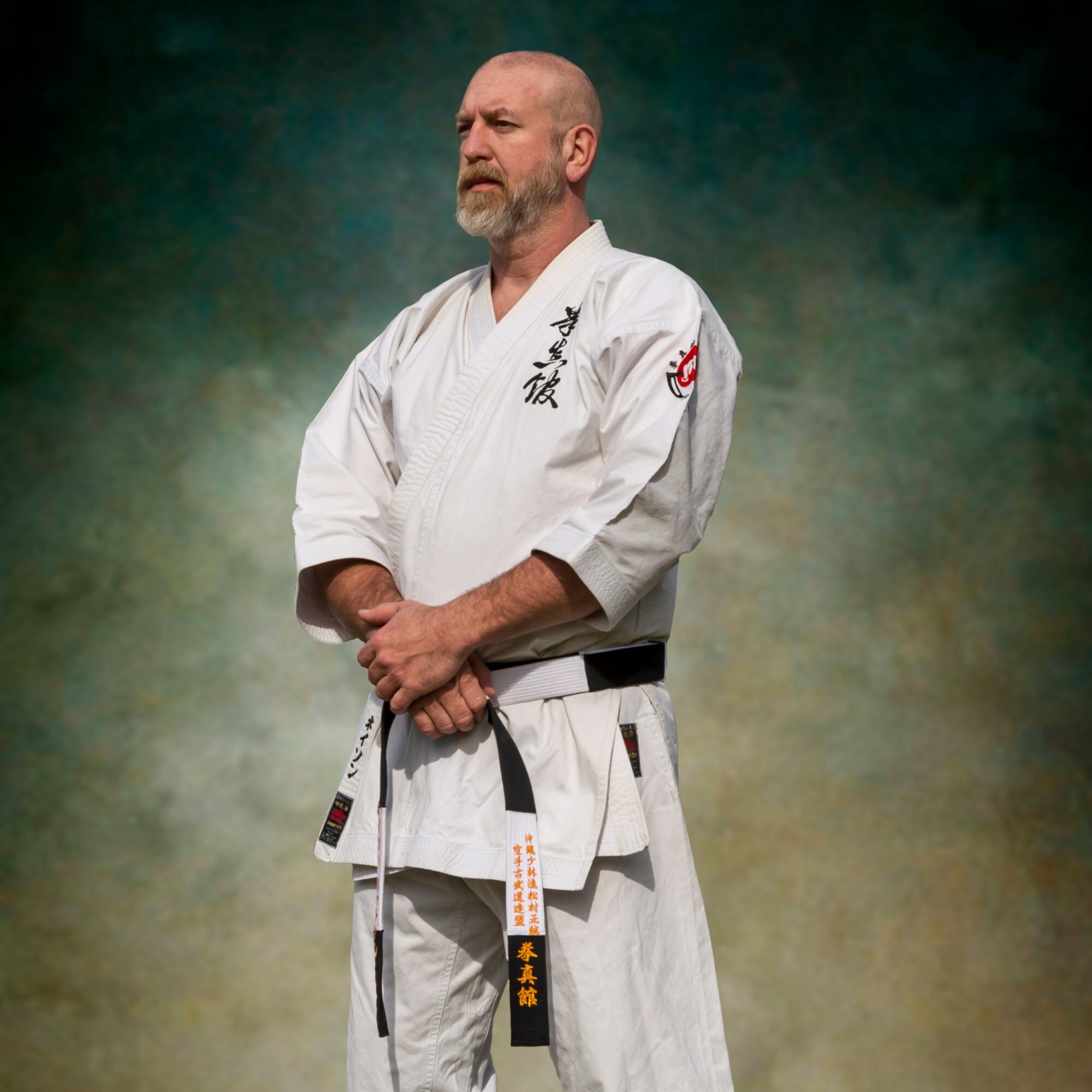
Today we’d like to introduce you to Nathan Batson.
Hi Nathan, so excited to have you on the platform. So before we get into questions about your work-life, maybe you can bring our readers up to speed on your story and how you got to where you are today?
My martial arts journey began in 1986, when my parents took me to my first Okinawan karate class at the local skating rink in Athens, Texas. That initial experience sparked a lifelong passion, and I’ve been dedicated to the art ever since. A pivotal moment came 15 years later when I was fortunate enough to find Hanshi John Shipes and the Athens Karate School. Hanshi Shipes became more than just an instructor; he has been a mentor, an inspiration, and a dear friend, profoundly influencing my understanding of karate and my path in life. His guidance introduced me to Grandmaster Fusei Kise and Kaicho Isao Kise, with whom I also developed a close friendship over the years.
In 2004, Grandmaster Kise invited me to train in Okinawa, and in 2005, I made the first of many trips to the birthplace of karate and fell in love with this beautiful island, its history, and its people. This rich journey, significantly shaped by Hanshi Shipes’ influence and the bonds I’ve formed with the Kise family, eventually led me to found the Tyler Karate Academy in June 2007. My focus has always been on preserving and sharing the art with passion and a commitment to authentic training. I take great pride in the school I’ve built and the students I’ve had the opportunity to mentor.
Would you say it’s been a smooth road, and if not what are some of the biggest challenges you’ve faced along the way?
Like any meaningful journey, mine has had its share of challenges. In the early days of the Tyler Karate Academy, balancing my training and teaching with the demands of a full-time job and a young marriage was tough. Four or five nights a week, I came home from work, showered, and then headed straight to the dojo to teach two and sometimes three classes, often not getting home until after 9 or 10 p.m. A schedule like that certainly takes a toll on personal relationships.
This doesn’t even mention the financial hurdles of running a traditional martial arts school, which are a constant concern. Finding and maintaining a dedicated space in the rapidly growing metropolitan Tyler area while keeping tuition affordable and building a strong student base required a lot of perseverance. In recent times, the COVID-19 pandemic presented a major hurdle, as we lost over 85% of our students when in-person training was allowed to resume.
Teaching a classical martial art using traditional methods has its own set of challenges, but I truly believe in the incredible value we provide. Our focus on authentic Okinawan Karate blends timeless philosophy with modern kinesiology, all while fostering a warm and welcoming dojo community. It can be tough to get this across in a world that often looks for quick fixes and instant gratification. However, seeing our students grow not just in their martial skills, but as individuals, brings a joy that’s hard to describe. It makes all those late nights and hard work so worthwhile!
Rather than deterring me, these challenges have been incredibly formative. They have taught me resilience, perseverance, and adaptability, all qualities that have served me well not only in my business but also in my martial arts journey and extend to all aspects of my life.
Appreciate you sharing that. What else should we know about what you do?
I’m the owner and head instructor of the Tyler Karate Academy, where we focus on traditional Okinawan Karate, specifically the Kenshinkan system of Matsumura Seito Shorin-ryu. I’ve been fortunate to train directly in Okinawa with Kaicho Isao Kise and other senior masters, and I work hard to pass on both the tradition and the spirit of what makes Okinawan Karate so powerful. This lineage has been a core part of my journey for over 20 years and continues to shape everything I do as a martial artist and teacher.
Along the way, I’ve also trained extensively in other disciplines like Kobudo (Okinawan weapons), Tuite-jitsu (joint manipulation), Iaido, Judo, and Filipino martial arts such as Kali and Arnis. That cross-training gives me a broader perspective, and I bring that into the dojo to give students a deeper, more well-rounded experience.
One of the things I’m most proud of is the community we’ve built here. We’re not just a school where people punch and kick; we’re a place where students support each other, their confidence grows, and they learn values like discipline and perseverance. That blend of authentic training, modern understanding, and real community is what I think truly sets us apart.
Can you talk to us about how you think about risk?
That’s an interesting question. I’ve never really thought of my journey in terms of “risk-taking,” but I can definitely speak to the persistence and drive that have shaped it.
One example would be my first trip to Okinawa, back in 2005. I went without a guide or even knowing the language, and my finances were decidedly tight then. Some people might have seen that as risky, and honestly, it probably was; it stretched my resources and even put some strain on relationships. But my determination to experience the birthplace of karate firsthand and learn directly from the source was stronger than any of those obstacles. That drive is what carried me through and made the experience not only possible but deeply meaningful.
Running a traditional Okinawan karate school today is its own kind of challenge. It takes a different kind of resilience to keep something like this alive in a world that often favors quick results over deep, consistent practice. Like a lot of small businesses, we were hit hard during the pandemic. There were moments when shutting the doors might have seemed easier, and I had to pay the rent out of my own pocket. But my responsibility to my students, and a deep belief in the value of what we do, have kept me going.
In the end, I think risk is often just another word for commitment. You commit to something with your whole heart, even when the outcome isn’t guaranteed. As I often tell my students, “It’s not over when you lose; it’s over when you quit.” That mindset has helped me push through a lot of uncertainty and come out stronger on the other side.
Pricing:
- Kid’s karate classes – $75 / month
- Adult’s karate classes – $90 / month
Contact Info:
- Website: https://www.tylerkarate.com
- Instagram: https://www.instagram.com/tylerkarateacademy
- Facebook: https://www.facebook.com/tylerkarate
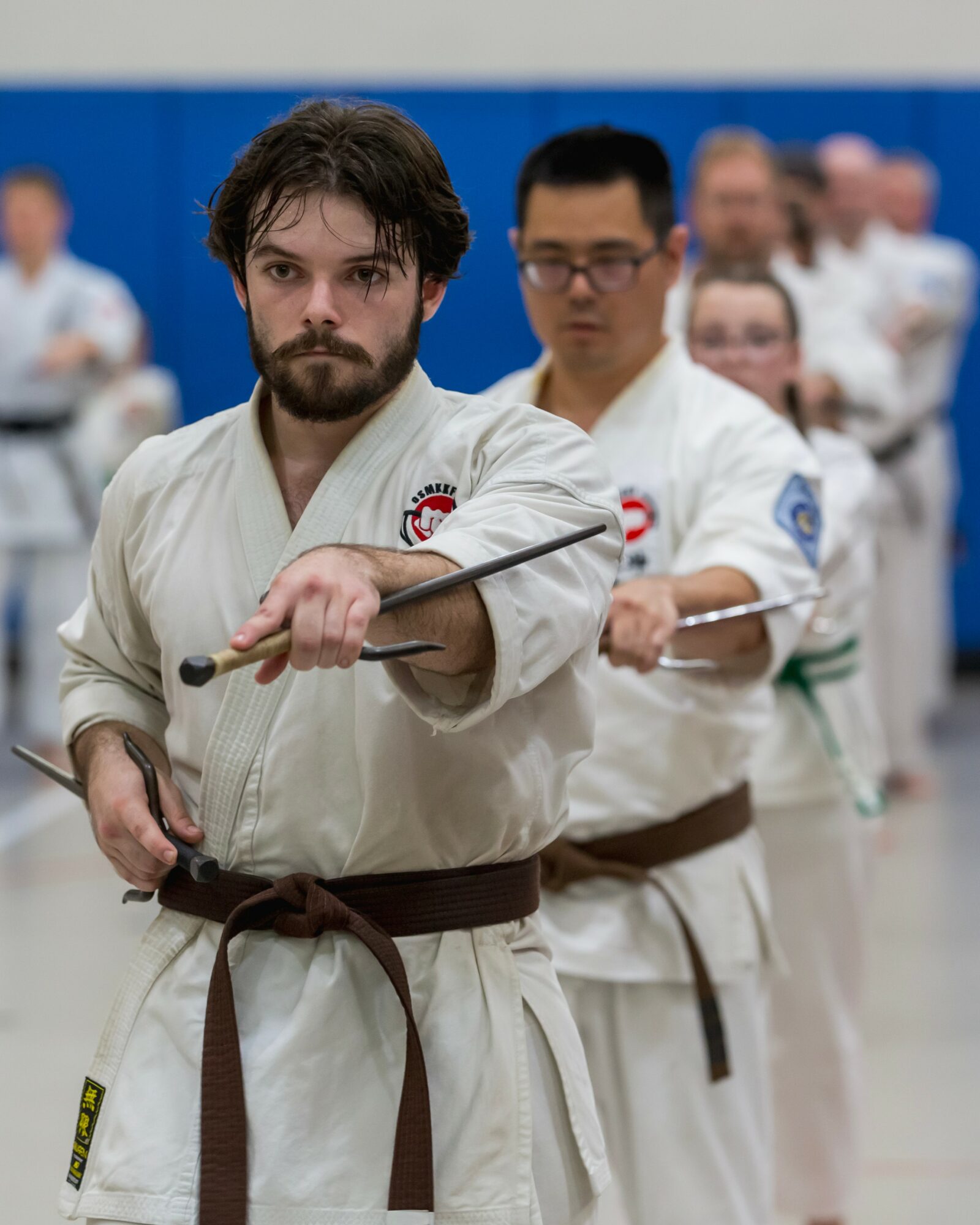
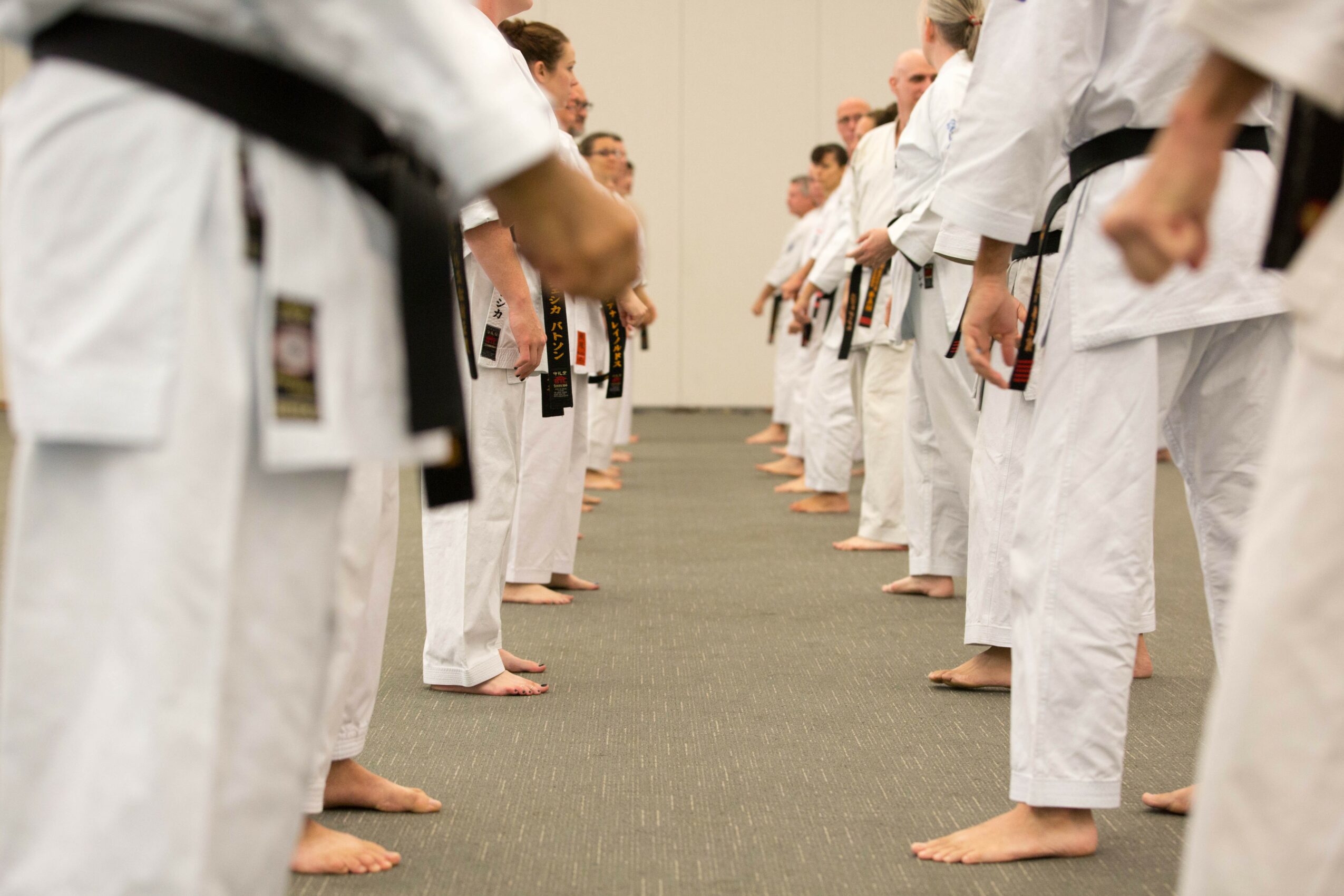
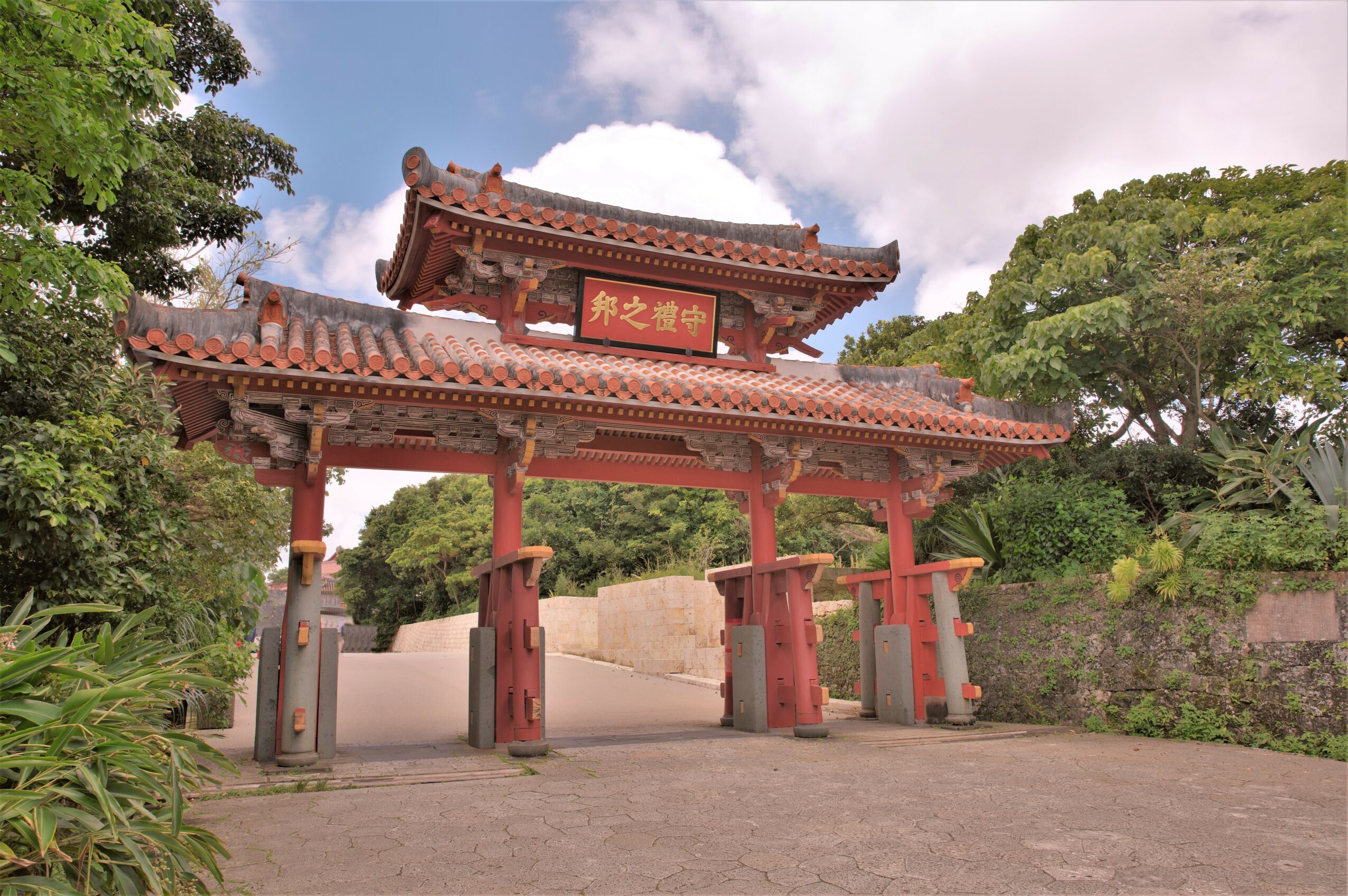
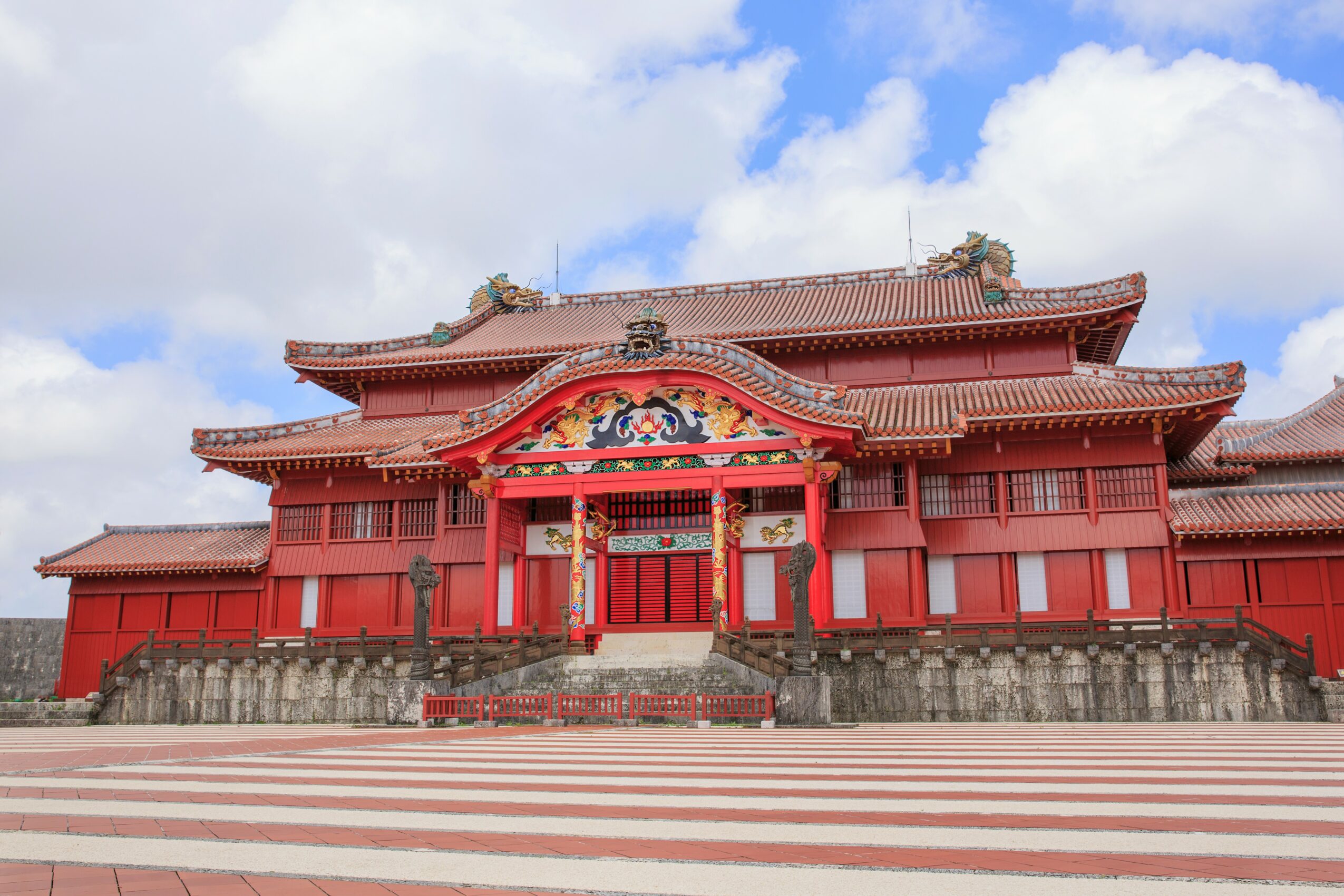
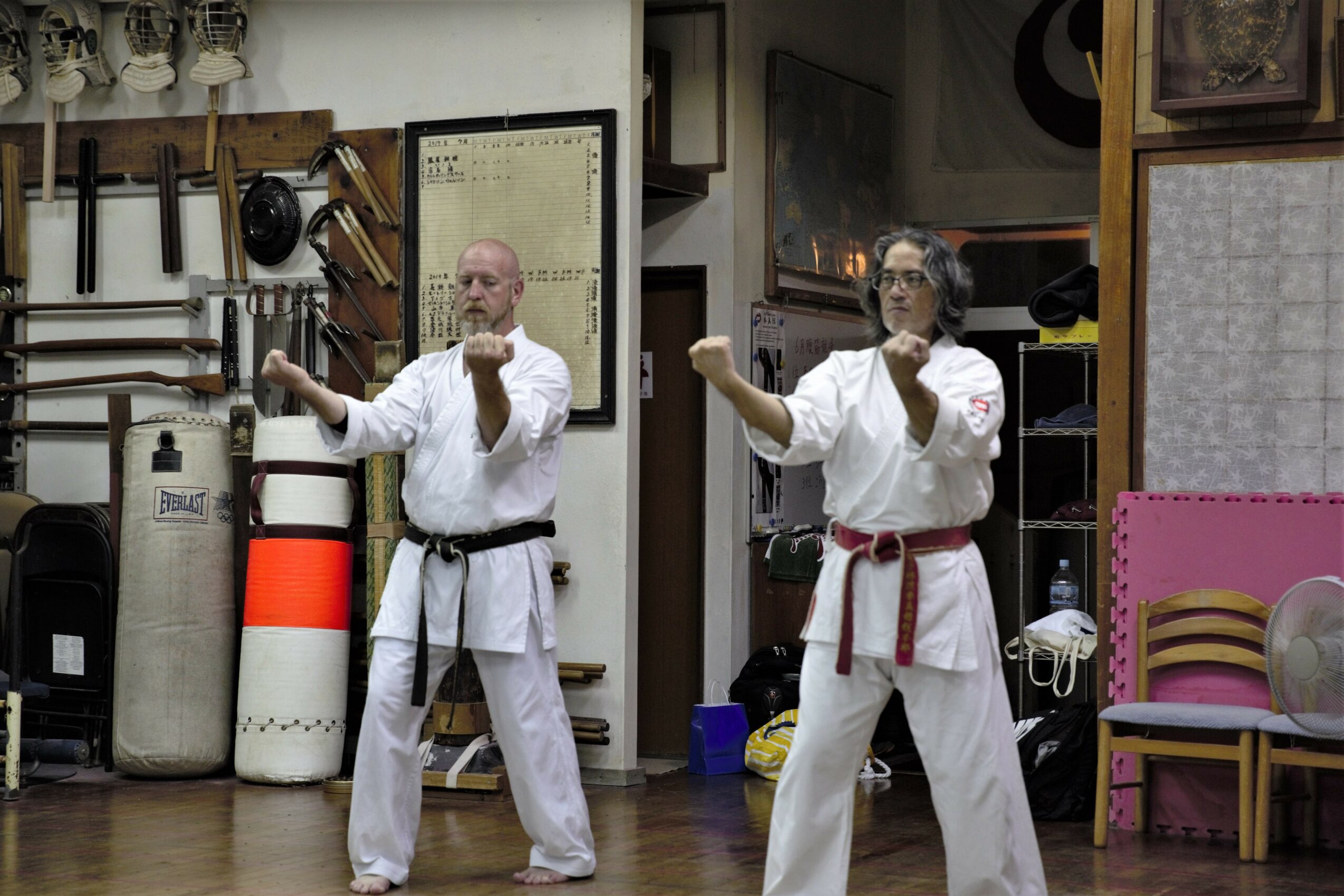
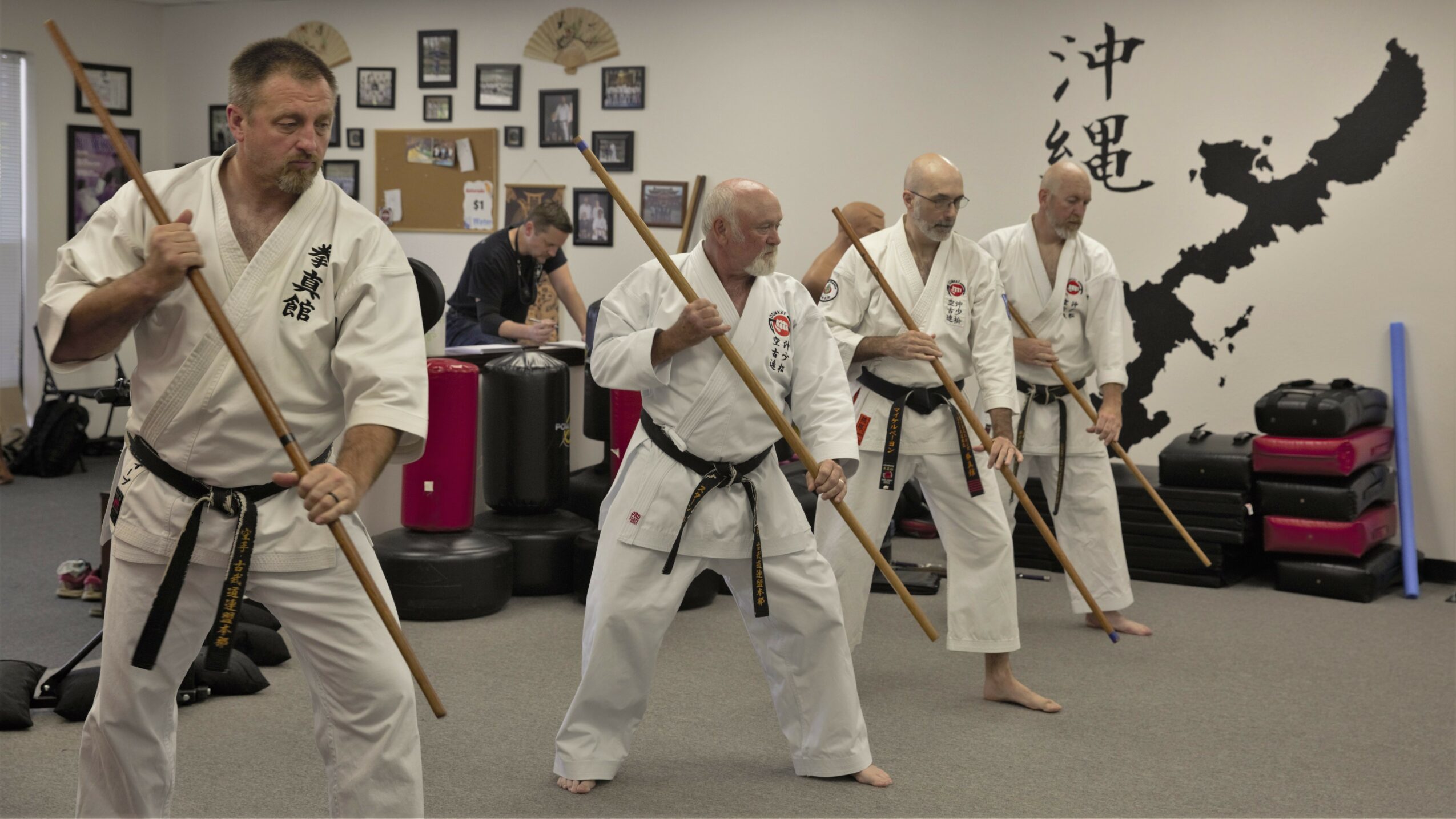
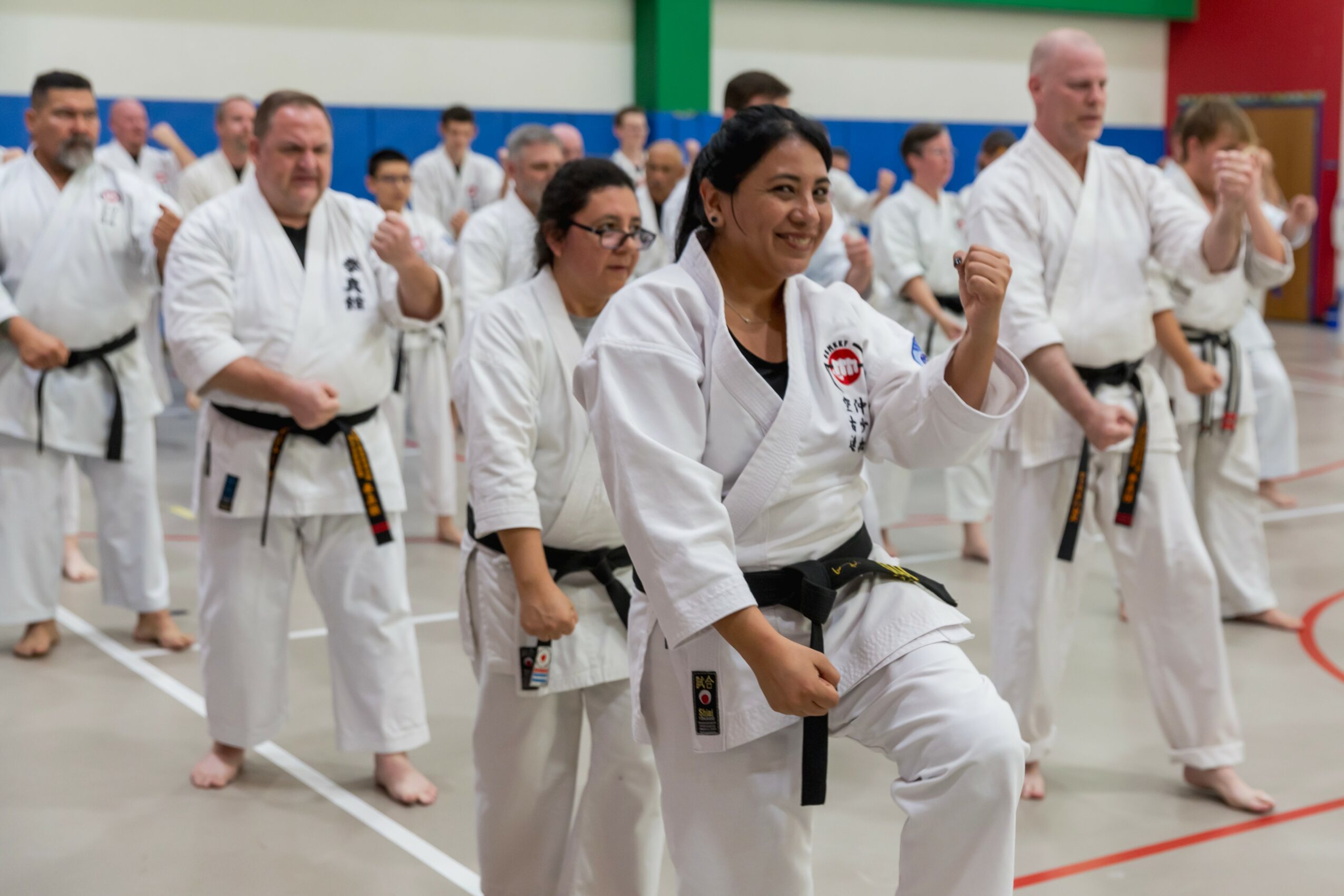
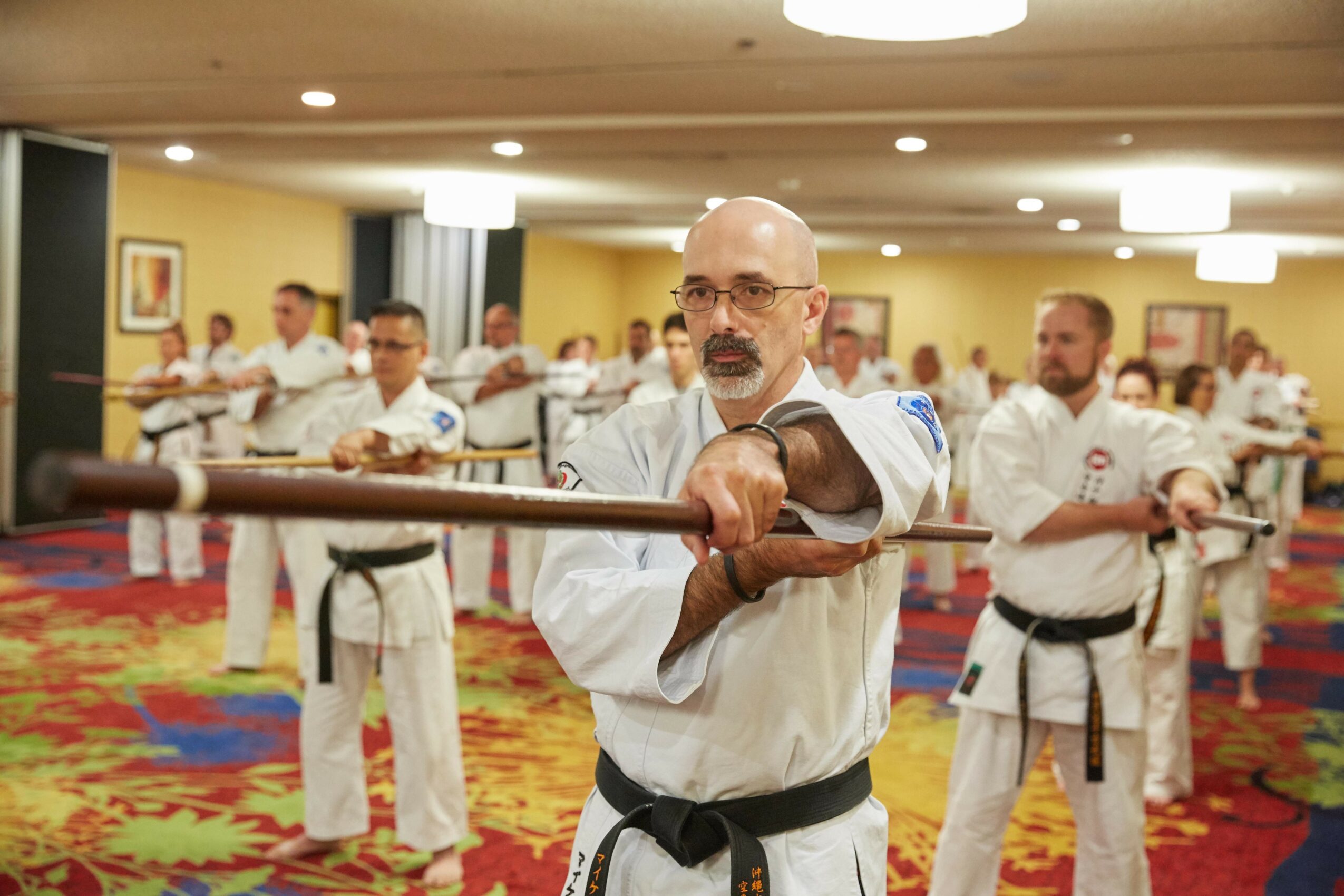
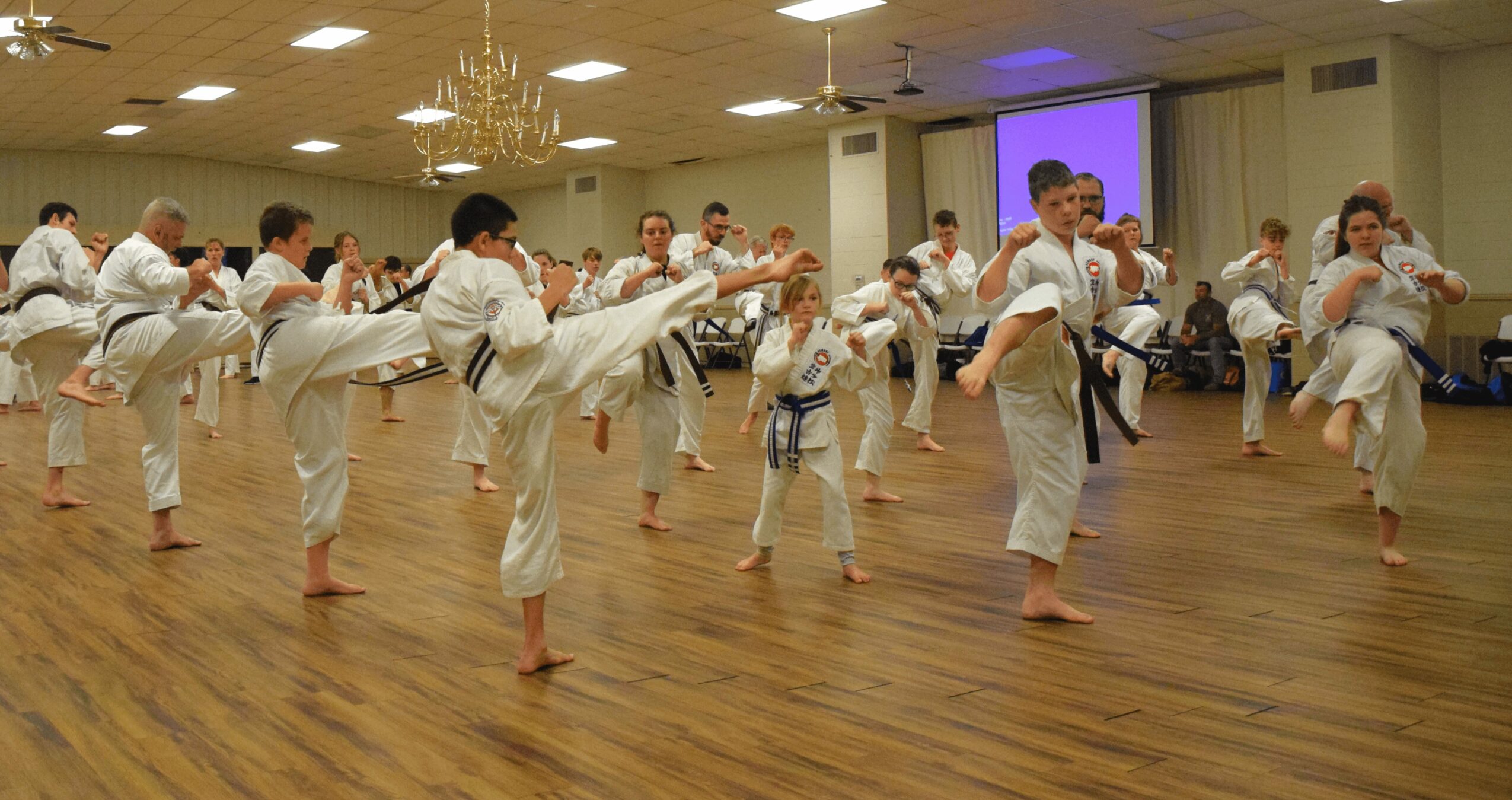
Image Credits
All images courtesy of BatCave Studios photography